
Finding the best sunscreen for your face shouldn't require a chemistry degree, yet here we are: mineral or chemical, matte or dewy, Korean or European, reef-safe or fragrance-free. That's why our beauty desk set out to determine the formulations we actually want to wear, testing a hoard of sunscreens to find the ones that won't pill under makeup, sting your eyes or smell like you've dunked your face in a pool of chlorine. Below, discover our vetted favourites for every skin type and finish
Look, I understand the resistance. For years, sunscreen was the beauty step we endured rather than enjoyed, with the category dominated by chalky mineral formulas that sat on the skin like spackle and chemical SPFs that pilled by 11am. But texture has caught up with necessity, and today's formulas are elegant: mist-on top-ups, featherweight gels and velvety tinted mineral drops that double as your base.
I wear SPF every single day, even in December when Stockholm daylight barely stretches past 3pm. As should you. Those pesky UVA rays don't stop just because the temperature drops, and snow reflects sunlight as potently as the most perfect sandy beach. So considering what an avid tester of sunblock I am, I set out to answer the questions that land in my inbox most often and broke down the 26 sunscreens our beauty desk actually reach for, sorted by skin type, concern, and finish. Discover them all below, and remember to keep re-applying!
Why wear sunscreen?
Because your skin has a built-in memory, and it's keeping track. Every childhood sunburn, every midday run without reapplication, every "I'll only be out for five minutes" are all logged in your dermis as damage. Over time, that damage surfaces as wrinkles, spots and sensitivity. “Research shows 75 per cent of visible ageing is from solar radiation,” explains Eva A. Syversen of Dermalys.
UVA rays penetrate deep, breaking down collagen and causing the kind of ageing that no your-promising potion can fully reverse. UVB rays burn. Both contribute to skin cancer risk. Broad-spectrum sunscreen worn daily protects your barrier, slows photo-ageing, and reduces your risk of melanoma. Really, it's a no brainer.
How do you apply sunscreen correctly?
The biggest mistake people make is not using enough. Study after study confirms it: we apply roughly a quarter of the amount needed for the SPF rating to be accurate. Which means your SPF 50 is performing closer to SPF 15, and that's assuming you're reapplying every two hours (which, let's be honest, you're not).
The two-finger method works: squeeze sunscreen along the length of your index and middle fingers. That's approximately the amount your face needs. Dot it across your forehead, cheeks, nose, and chin, then blend outward. Don't forget your ears, jawline, and the back of your neck if it's exposed. For your body, use a shot-glass amount to cover all exposed areas.
Try to apply the product 15 minutes before sun exposure so it has time to bind to your skin. If it feels slightly tacky but not greasy, you've used enough. If it disappears completely within seconds, you've probably under-applied.
And yes, you need to wear SPF under makeup. Your foundation's SPF 15 doesn't count because you're not applying enough foundation to hit that rating, and even if you were, SPF 15 isn't sufficient for daily protection. Layer your base SPF first, let it set, then apply makeup as usual.
How often do you need to reapply sunscreen?
Every two hours, and immediately after swimming or sweating. That's the textbook answer. In reality, almost nobody does this.
If you're at a desk all day with minimal sun exposure, your morning application is probably sufficient. If you're outdoors for extended periods, you need to reapply. The two-hour rule matters most during sustained sun exposure in the form of beach days, hiking, outdoor sports.
Over makeup, powder SPFs are the least disruptive option. Mists work if you're careful. Alternatively, wear a hat. A wide-brimmed hat provides more reliable protection than sporadic top-ups. Keep a backup SPF in your bag, your car, and on your desk, because the best sunscreen is the one you'll actually reapply.
Related: From skin prep to setting powder, how to make sure you won't sweat away your makeup this summer
The 26 best sunscreens for your face in 2026:
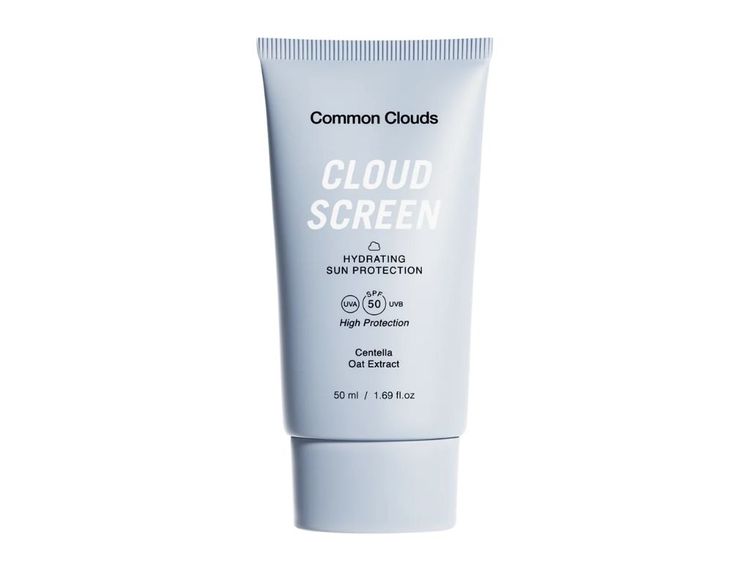
The best sunscreen overall - Cloud Screen by Common clouds
What you need to know: A Swedish barrier-science sunscreen built on a hybrid mineral-chemical formula. Developed by skincare chemists to work with your skin's natural defences. Lightweight, no white cast, suitable for all skin types.
Why we love it: I test sunscreens for a living, which means my bathroom looks like a small apothecary and my standards are unreasonably high. This Swedish formula is the one I keep returning to, which tells you more than any ingredient breakdown could. The hybrid approach means you get reliable broad-spectrum protection without the chalky finish of pure mineral or the occasional sting of pure chemical, and the texture is so light it absorbs in seconds. Besides, Swedish brands have a knack for barrier science.
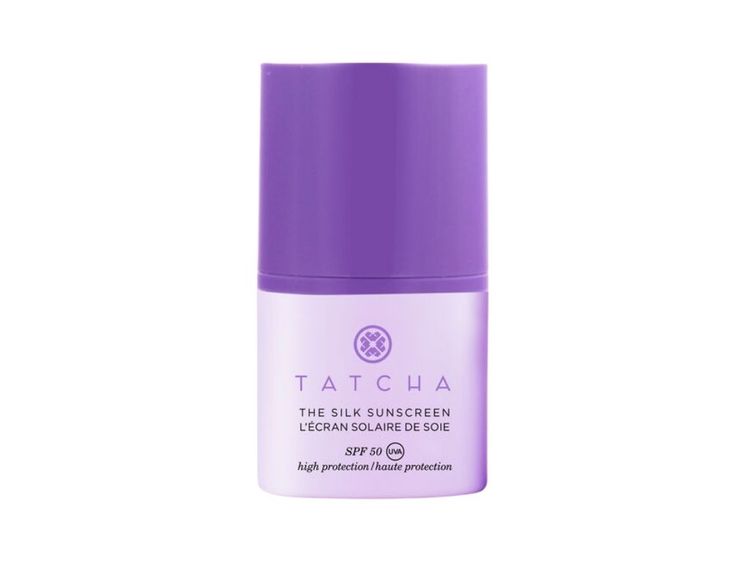
The best mineral sunscreen - The Silk Suncreen by Tatcha
What you need to know: A 100 per cent mineral sunscreen using non-nano zinc oxide, formulated with silk extract and botanicals. Leaves a soft-focus finish that blurs while protecting. Fragrance-free and reef-safe.
Why we love it: I bought this fully expecting to hate it because mineral sunscreens and I have a long and troubled history, but the texture won me over before I'd even finished the first application. It glides on like an actual silk slip rather than the chalky spackle of most mineral formulas, and the soft focus blur it creates is enough that I sometimes wear it on its own on no-makeup days. It's expensive, yes, but I keep buying it anyway because sometimes texture justifies price.
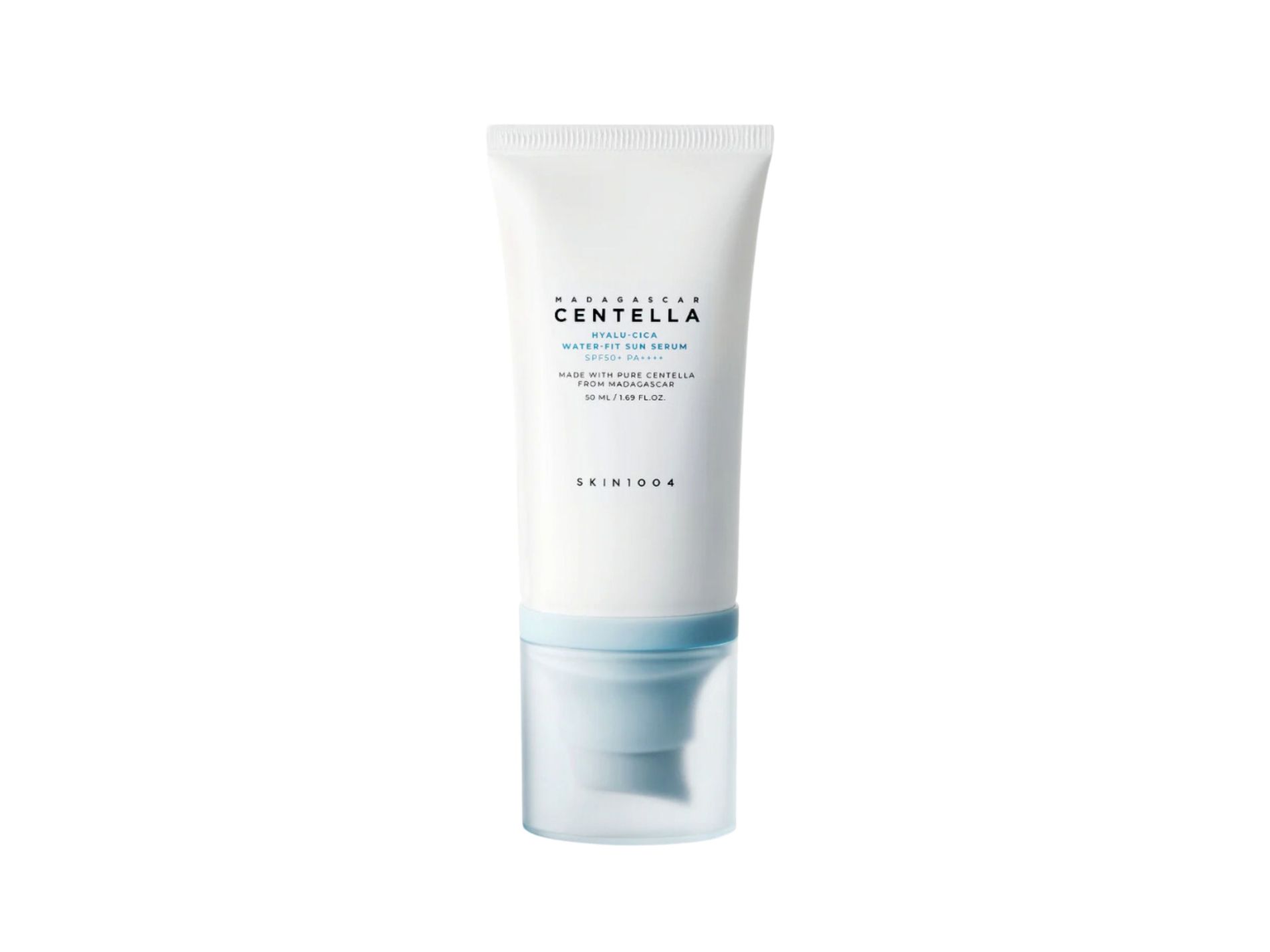
The best chemical sunscreen - Madagascar Centella Hyalu-Cica Water-Fit Sun serum by SKIN1004
What you need to know: A Korean chemical sunscreen serum combining calming centella asiatica with hyaluronic acid. Watery texture, absorbs instantly, and designed for sensitive skin.
Why we love it: My skin is quicker to react than a high-strung '50s housewife, which makes testing sunscreens a professional hazard. But this SPF serum has never caused me problems. The centella calms flare-ups, the serum texture sinks in to my skin in seconds, and I can layer it over actives without my face staging a full on French protest (Vive La Redness Resistance!). It's become the baseline I measure other chemical sunscreens against and (arguably) that is probably the highest praise I can give any formulation.
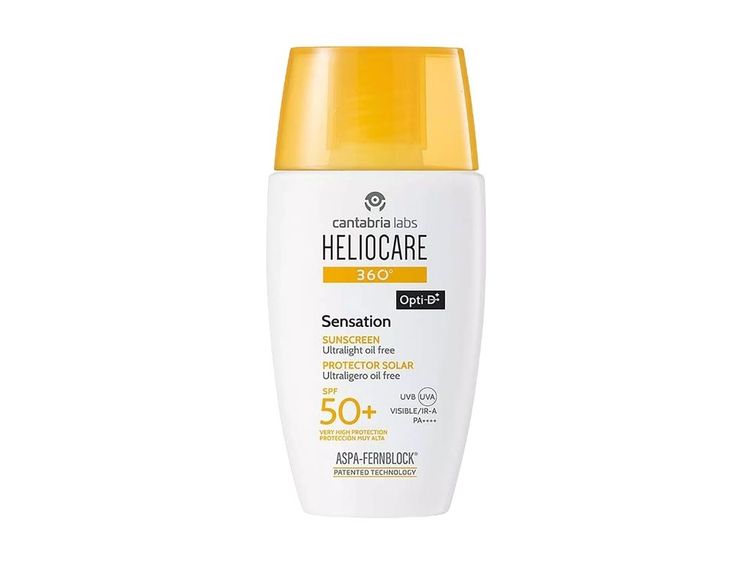
The best hybrid sunscreen- Sensation SPF 50+ by Heliocare
What you need to know: A hybrid formula combining mineral and chemical filters with Fernblock antioxidant technology. Ultra-light fluid texture, suitable for all skin types including sensitive.
Why we love it: I keep this in my travel bag because it works no matter the weather: humid climates, dry planes, post-treatment skin with the patience of a toddler mid tantrum. Just like Common Cloud's sunscreen, the hybrid formula here means that you get broad protection without the chalky finish of pure mineral or the occasional sting of pure chemical. I'm not one for dupes, but it is the closest I've gotten to La Mer's (my favourite luxury sunscreen) formulation south of 1000kr.
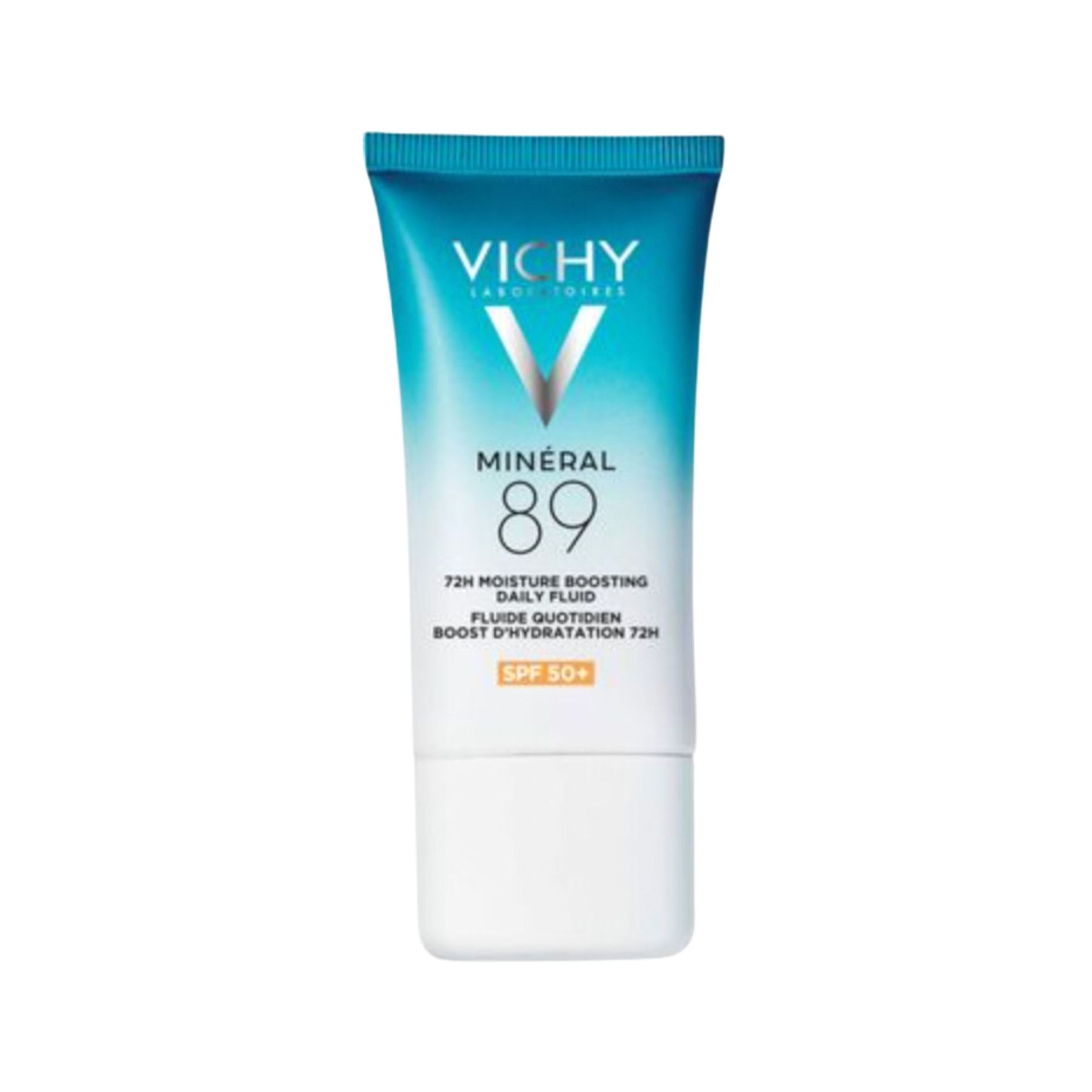
Best lightweight sunscreen - Mineral 89 72H Moisture Boosting Daily Uv-Fluid by Vichy
What you need to know: A daily SPF infused with Vichy volcanic water and hyaluronic acid. Hydrates, protects, and primes in one step. Lightweight fluid with a natural finish.
Why we love it: The French pharmacy approach to sunscreen tends to be refreshingly practical: make it lightweight enough that people will actually wear it and add enough hydration so that it replaces a step. The fluid texture of Vichy's sunscreen absorbs fast, which means you're not standing around waiting for it to dry down before you can move on with your morning. I keep this in rotation for days when my routine needs to be efficient rather than elaborate, which is more often than not.
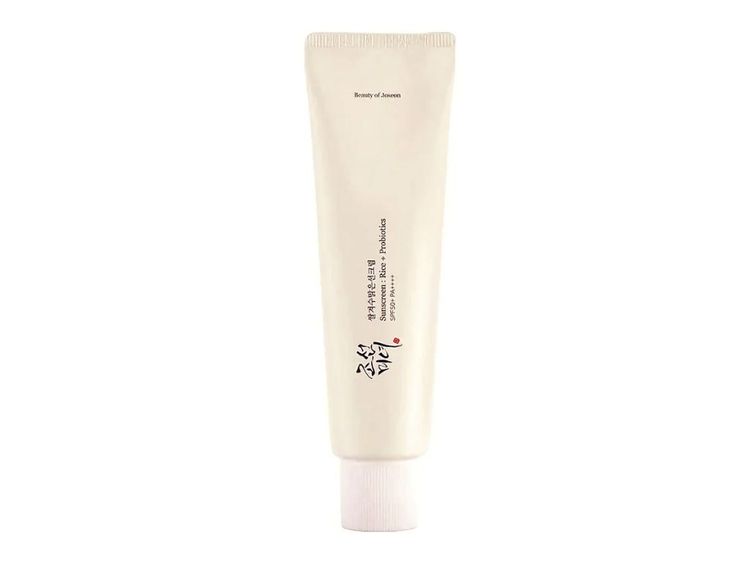
The best Korean sunscreen - Relief Sun Rice & Probiotics by Beauty of Joseon
What you need to know: A lightweight Korean chemical SPF with rice extract and probiotics. Creamy texture that absorbs instantly and layers seamlessly under makeup.
Why we love it: Korean sunscreens rewrote the entire category by proving that sun protection doesn't have to feel like punishment, and this is the cult-classified formula that demonstrates why. The texture does something most sunscreens can't: it's rich enough that dry skin doesn't feel tight, but light enough that oily skin doesn't feel suffocated. While it is popular for a reason, I'd be remiss not to mention a small caveat: this may not be the best friend of melanin-rich skin as it leaves the slightest white cast even on my pale complexion.
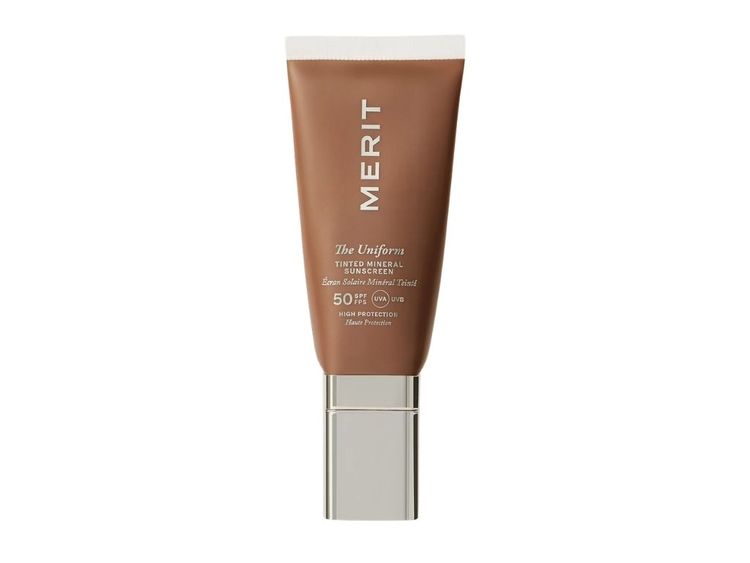
The best tinted sunscreen - The Uniform Tinted mineral sunscreen by Merit
What you need to know: A tinted mineral sunscreen available in six shades with light coverage that evens tone without masking skin. Non-nano zinc oxide provides broad-spectrum protection with a natural, skin-like finish.
Why we love it: Tinted sunscreens occupy an awkward middle ground. Too sheer to replace foundation, too pigmented to wear invisibly. Merit's SPF-bolstered version of The Uniform balances the two beautifully, evening out redness and minor discolouration while letting your skin texture show through. The mineral base sits on the surface, giving a soft-focus effect, but this also means shade matching matters more than with a chemical formula. The finish is semi-matte without looking flat, and it wears through the day without oxidising or separating.
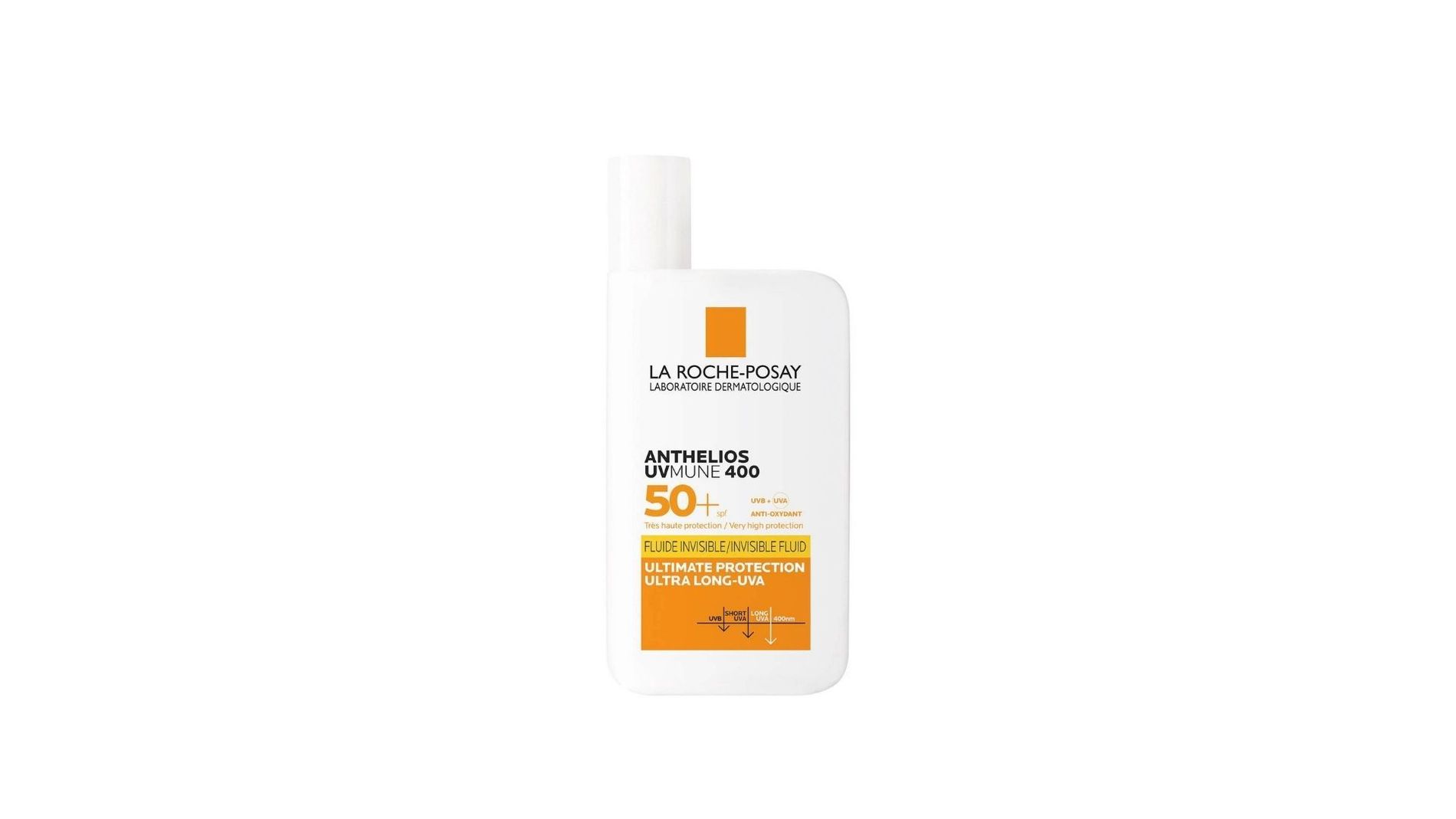
The best sunscreen for hyperpigmentation - Anthelios Uvmune 400 Anti-dark Spots Fluid SPF50+ by La Roche-Posay
What you need to know: A dual-action SPF combining very high broad-spectrum protection with pigmentation-correcting actives. Formulated for melasma-prone skin and post-inflammatory hyperpigmentation.
Why we love it: Most sunscreens just prevent pigmentation from getting worse, which is important but not particularly exciting if you're already dealing with dark spots. But thanks to La Roche-Posay's innovative actives (specifically Melasyl which took 18 years to develop) this formulation work to fade existing pigmentation while protecting against new damage. I've recommended it to three different friends with stubborn melasma over the past six months, and all three reported visible improvement after eight to ten weeks of religious use. It won't work miracles because topical skincare has limits, but it does deliver measurable results, and the light texture means it layers well with other brightening treatments without the pilling.
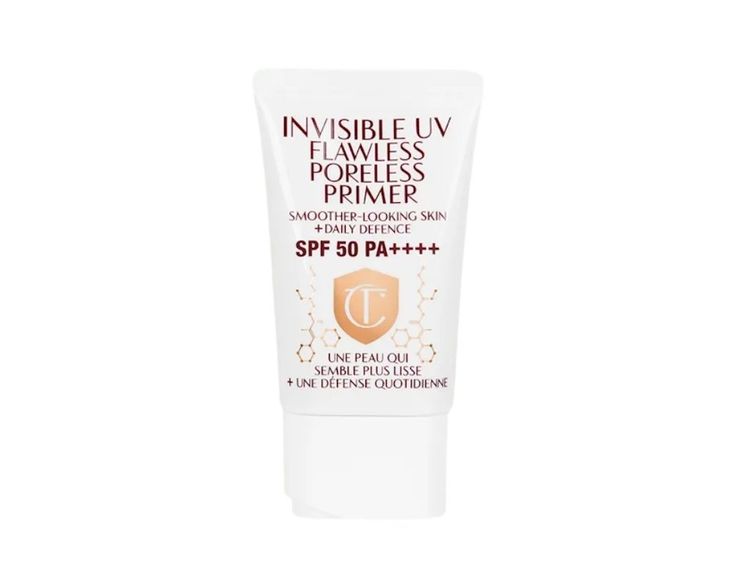
Best sunscreen to wear under makeup - Invisible UV Flawless Poreless primer by Charlotte Tilbury
What you need to know: A primer-SPF hybrid offering broad-spectrum protection with a blurring, pore-minimising finish. Designed to grip makeup while providing high SPF.
Why we love it: The problem with most SPF-primer hybrids is that they're mediocre at both jobs, but trust Charlotte Tilbury to develop the sort of formulation that actually excels at making makeup perform better while providing proper sun protection. I wore it to a friend's wedding last September and subjected it to twelve hours of dancing on a Greek island (very Mamma Mia of me, I know). Usually, that would make my foundation slide off by cocktail hour, but when I checked my face at midnight I was met with a surprisingly intact base. The subtle blur is a welcome bonus, and crucially, it doesn't cause flashback in photos.
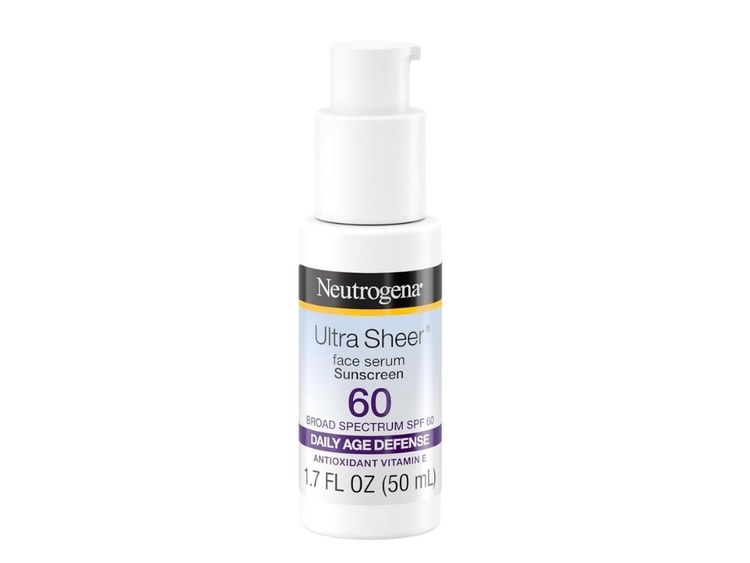
Best sunscreen for pale skin - Ultra Sheer Face Serum SPF 60 by Neutrogena
What you need to know: A high-SPF serum designed for fair or sun-sensitive skin in a lightweight, fast-absorbing formula with broad-spectrum UVA/UVB protection. Fragrance-free, oxybenzone-free.
Why we love it: SPF 60 is higher than most people need, but for very fair skin or extended outdoor exposure, it provides a safety margin. The serum texture absorbs quickly without residue, and at this price point you can reapply generously without guilt. It's utilitarian, but it does the job reliably.
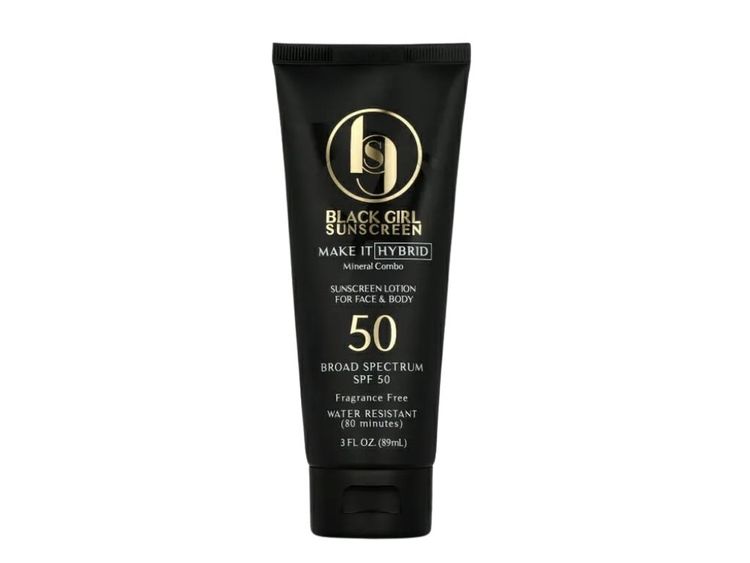
Best sunscreen for dark skin - Make It Hybrid SPF 50 Sunscreen by Black Girl Sunscreen
What you need to know: A nourishing, residue-free sunscreen designed specifically for melanin-rich skin.
Why we love it: While I haven't personally tested this sunscreen, I have it on good report that it’s hydrating, radiant, and (crucially) completely invisible. Unlike many mainstream SPFs that leave an ashy cast, this one blends like a dream on deeper tones. Packed with avocado and jojoba oils, it doubles as a moisturiser and leaves skin with a subtle, healthy sheen.
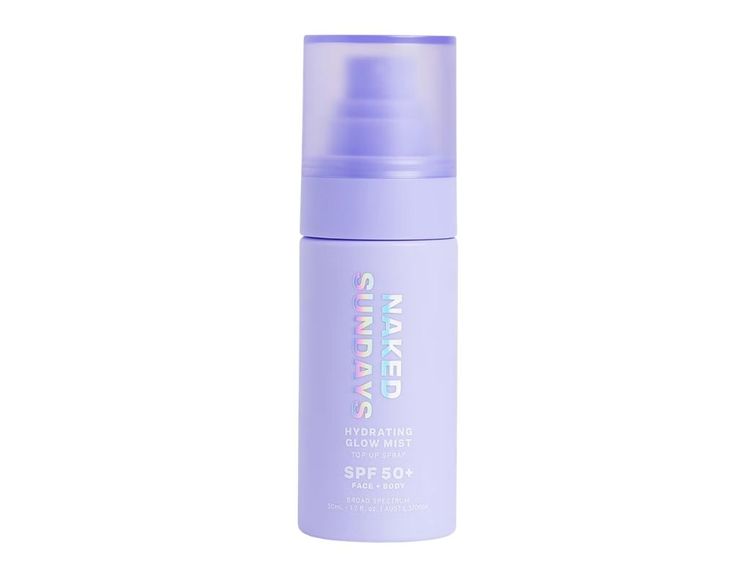
Best Sunscreen mist - SPF50+ Hydrating Glow Mist Setting Spray Sunscreen by Naked Sundays
What you need to know: A setting spray that doubles as SPF reapplication. Ultra-fine mist deposits broad-spectrum protection over makeup without disrupting your base, leaving you with a hydrating finish and a subtle glow.
Why we love it: Reapplying sunscreen over makeup is important, but practically impossible. Who wants to slather another layer of cream onto their carefully concocted complexion, after all? A mist makes things easier, and especially this setting spray version by Naked Sundays. A few spritzes refresh your SPF without smudging or lifting your foundations. I wouldn't suggest this as a primary SPF, but as a top-up throughout the day, it works wonders.
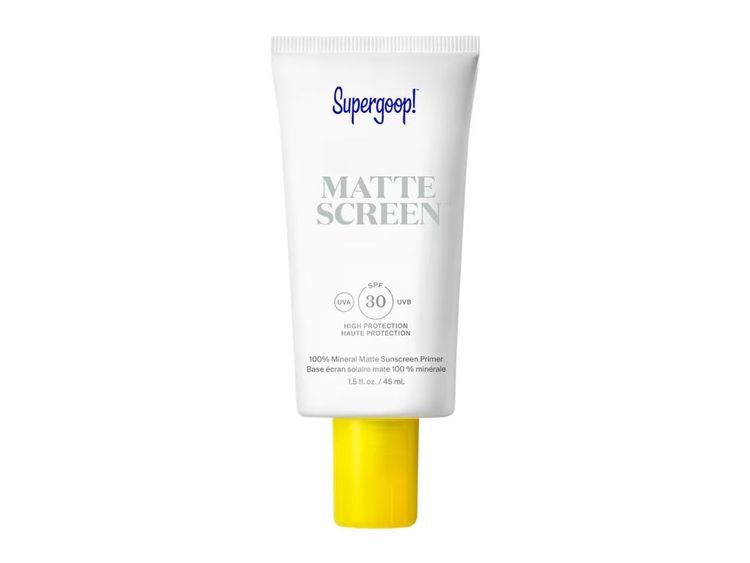
Best matte sunscreen - Mattescreen Sunscreen SPF30 PA+++ by SuperGoop!
What you need to know: A mineral-chemical hybrid SPF with a velvet-matte finish that blurs pores, absorbs excess oil, and provides broad-spectrum protection. Doubles as a makeup primer.
Why we love it: Equal parts primer and protector, this whipped mousse texture blurs pores, absorbs oil, and provides a polished matte canvas for flawless makeup application. If you run oily or prefer a matte base, this is the one for you.
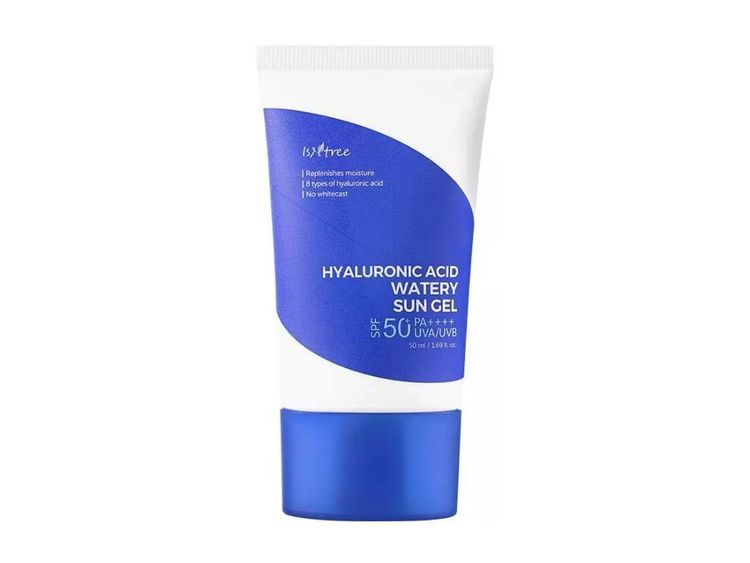
Best gel sunscreen - Isntree Hyaluronic Acid Watery Sun Gel SPF50+ by Isntree
What you need to know: A Korean gel sunscreen with eight types of hyaluronic acid with a water-light texture that absorbs instantly. Suitable for all skin types, particularly oily and combination.
Why we love it: The texture is closer to water than cream. While it looks white coming out of the tube, it goes on clear like gel, and sinks into skin immediately without leaving residue. It's dewy on first application but settles to a satin finish within minutes with no stickiness or grease. Combination skin can skip morning moisturiser and use this alone in summer, though dry skin needs something underneath in winter. Either way it layers easily without pilling.
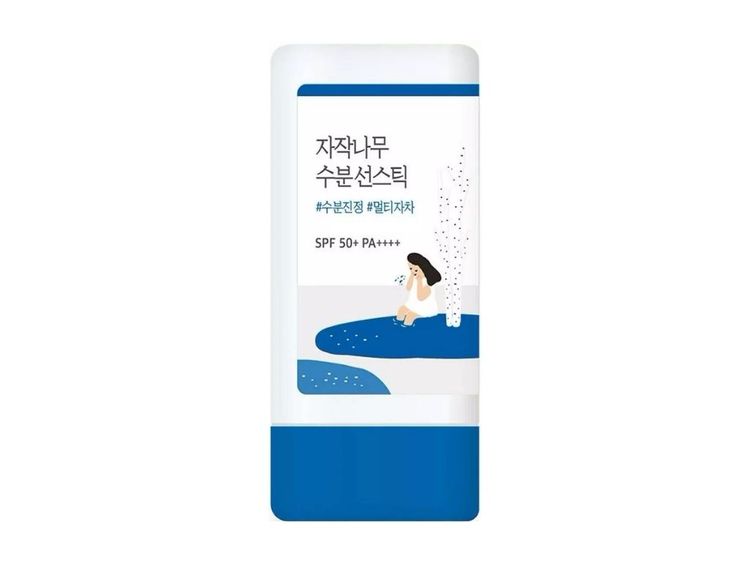
Best stick sunscreen - Birch Juice Moisturizing Sunstick by Round Lab
What you need to know: A Korean sunscreen stick with birch sap for hydration that provides portable, mess-free application.
Why we love it: Solves the reapplication problem by making it possible to refresh SPF without getting product all over your hands, gliding on smoothly without tugging and leaving a dewy finish that some may find too glossy. It works brilliantly for targeted touch-ups on nose, cheekbones, backs of hands as the birch sap keeps it from feeling waxy and it's small enough to live in your handbag. One caveat: it runs out quickly if you're using it daily.
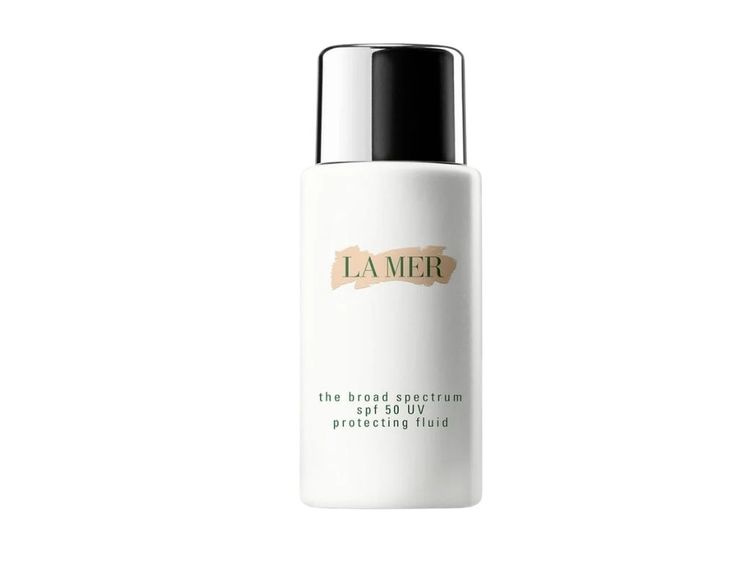
Best luxury sunscreen - La Mer The Broad Spectrum SPF50 UV Protecting Fluid
What you need to know: A lightweight fluid sunscreen infused with La Mer's Miracle Broth. Broad-spectrum SPF 50 with antioxidant protection. Suitable for all skin types.
Why we love it: Luxury sunscreen needs to justify its price beyond packaging or branding, and while I usually prefer a formulation that feels like steal, this one has convinced me its worth the splurge. La Mer's patented Miracle Broth provides skin benefits beyond UV protection and the fluid texture feels impossibly light for how much protection it delivers. I also find the slight green tint to neutralise my ruddy cheeks. Expensive, but if you're going to splurge on one skincare product SPF is where to do it.
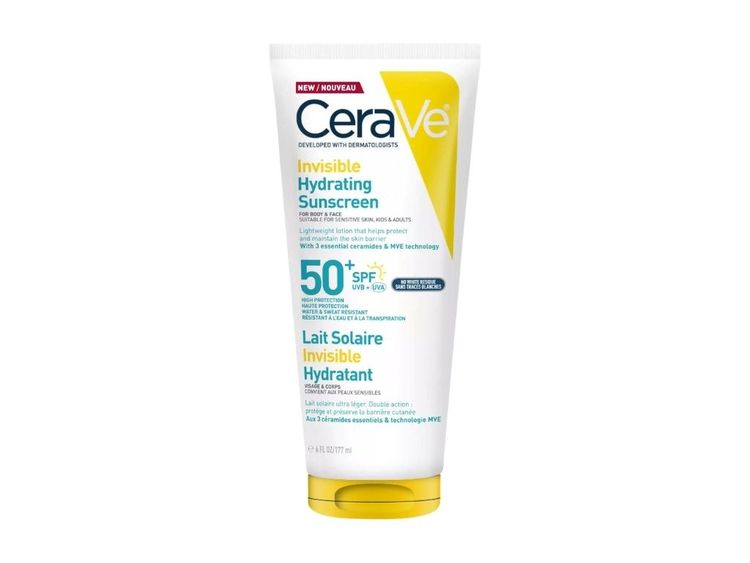
Best drugstore sunscreen - Invisible Hydrating Sunscreen SPF50+ by CeraVe
What you need to know: A chemical sunscreen with ceramides and hyaluronic acid mixed into a hydrating formula that leaves no white cast. Fragrance-free and developed with dermatologists.
Why we love it: The ceramides are super for supporting winter-beaten barriers, and at €16 you can apply it generously without calculating cost per use. There's nothing revolutionary about it, but it is reliably good, and sometimes that matters more than innovation. It's the sort of sunscreen I reach for in the airport when I forget to pack my current favourite, which happens more often than my professional credentials suggest it should.
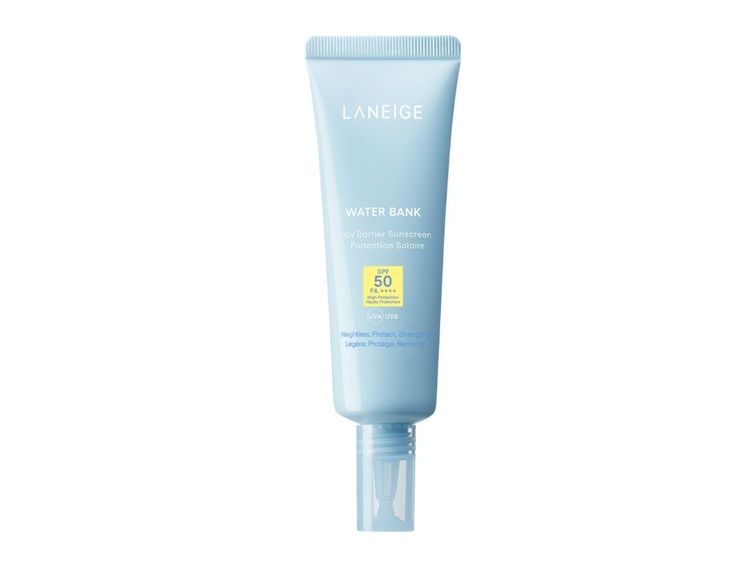
Best sunscreen for dry skin - Water Bank UV Barrier Sunscreen SPF50 - Solskydd med SPF 50 by Laneige
What you need to know: A hydrating SPF infused with Laneige's Water Bank technology, this handy formula combines broad-spectrum protection with deep moisture leaving a dewy, plumped finish behind.
Why we love it: Most SPF formulas are designed for average or oily complexions, leaving dry skin to fend for itself. What's good about the Water Bank technology is that it doesn't ask us Sahara-skinned women to compromise between hydration and protection. The finish is dewy (bordering on glossy, too much for anyone with even a hint of oil but perfect for those who spend winter resembling a prune) and it wears through the day without that tight, drying sensation.
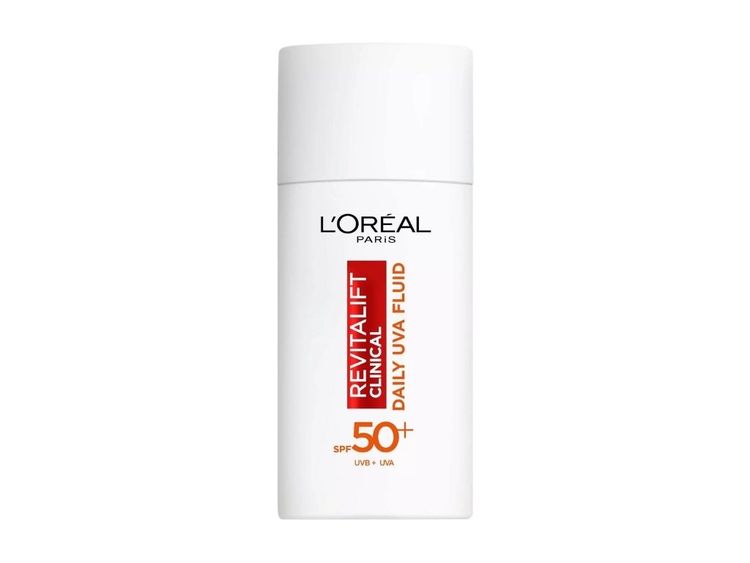
Best sunscreen for mature skin - Revitalift Clinical Daily Moisturizing UVA Fluid SPF50+ for Normal Skin by L’Oréal Paris
What you need to know: An anti-ageing SPF combining broad-spectrum protection with retinol and vitamin C. It has a fluid texture designed to smooth fine lines while defending against UV damage.
Why we love it: Combines retinol and vitamin C with high-level SPF for under €20, which sounds like an ambitious formulation. This, however, delivers on those promises with measurable results with consistent use. The texture is lighter than you'd expect from a formula doing this much work, absorbing quickly without settling into fine lines by midday, and it sits well under makeup without pilling or emphasising texture. French pharmacy skincare continues to be unfairly good at this price point.
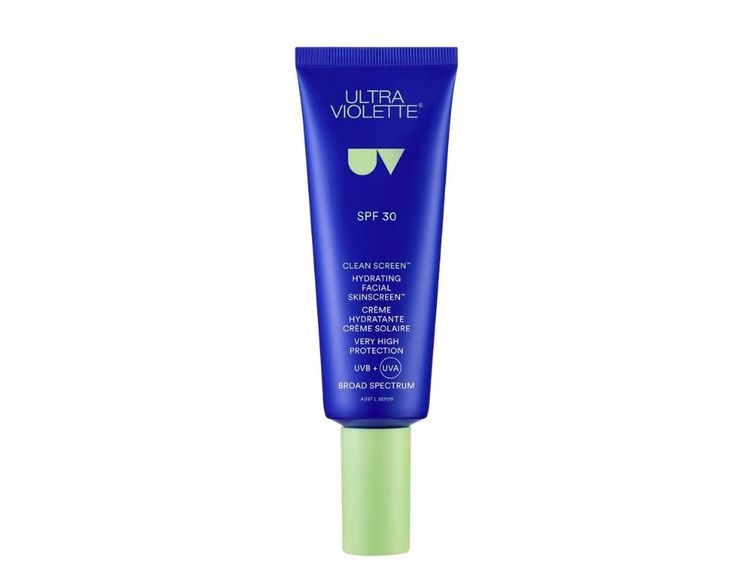
Best sunscreen for acne-prone skin - Clean Screen Fragrance Free Sensitive Facial Skinscreen SPF 30 by Ultra Violette
What you need to know: A fragrance-free, non-comedogenic SPF designed for reactive and acne-prone skin that won't clog pores or trigger breakouts.
Why we love it: Especially formulated for skin that is prone to pesky zits, this non-comedogenic SPF is lightweight enough that it doesn't feel suffocating. It can be layered over tretinoin without triggering the kind of angry breakout that derails a week, which is rare enough to justify the premium splurge.
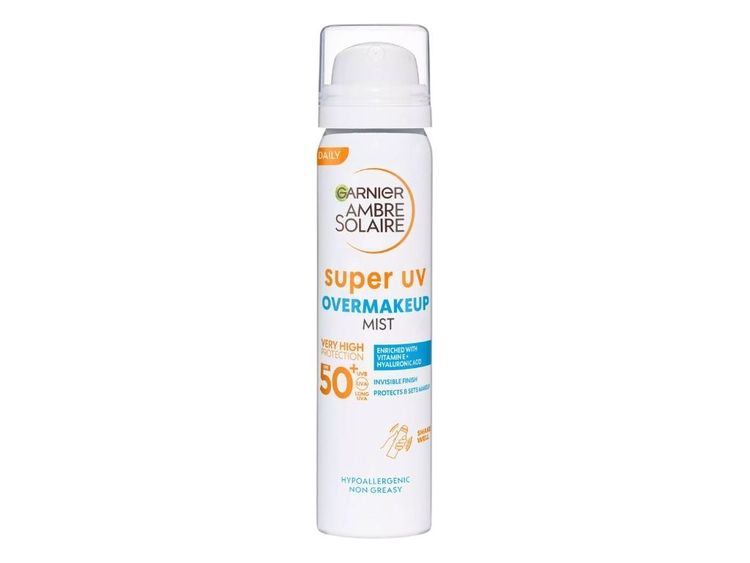
Best sunscreen for oily skin - Ambre Solaire Super UV Over Makeup Mist with Hyaluronic Acid SPF50+ by Garnier
What you need to know: A mattifying SPF mist designed for reapplication over makeup. Infused with hyaluronic acid, sets to a shine-free finish.
Why we love it: This gem of a sunscreen tops up protection without disturbing makeup and mattifies without adding grease. Yet while it battles oily foreheads, it is still boosted by hydrating hyaluronic acid to top up thirsty skin. The spray format means you can refresh SPF on the go, and at €10 it's cheap enough to keep as a backup. The shine control alone makes it worth having for video calls that reveal exactly how reflective your T-zone has become by 3pm.
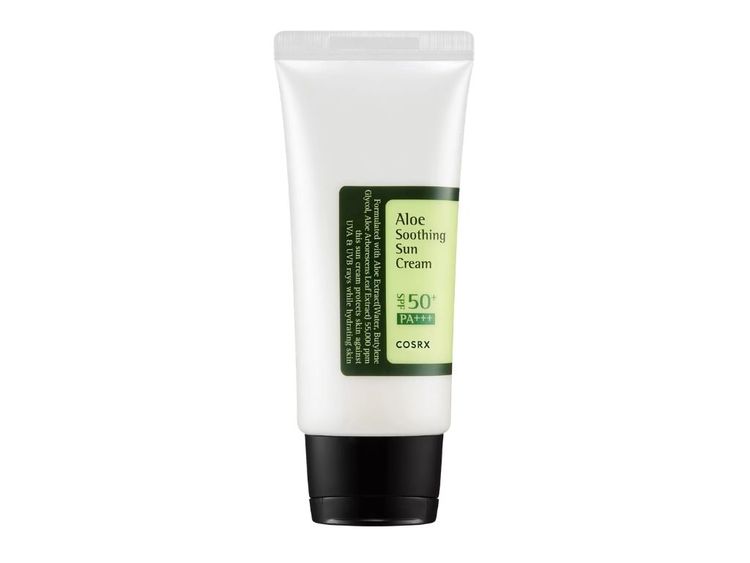
Best sunscreen for sensitive skin - Aloe Soothing Sun Cream SPF 50 PA +++ by COSRX
What you need to know: A calming SPF built around aloe vera extract that soothes while it protects. Especially suitable for sensitive or compromised skin barriers.
Why we love it: When my skin is throwing a temper tantrum (be it from windburn while cycling in February or over-zealous over-exfoliation) this soothes instantly on contact and never ever stings. It may not be the most sophisticated formula on this list, but on days when your face screams out for something gentle that won't aggravate your complexion, sophistication is really not the priority.
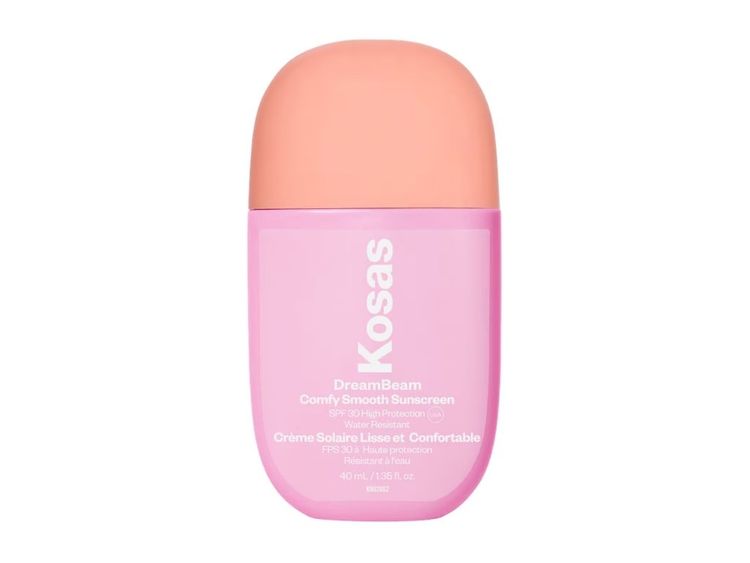
Best sunscreen for glow - Dream Beam by Kosas
What you need to know: A radiance-boosting primer-SPF hybrid with light-reflecting pigments. It combines broad-spectrum protection with a luminous, dewy finish in a clean beauty formulation.
Why we love it: This multi-tasked lands somewhere between highlighter and SPF, giving skin a lit-from-within effect through light-reflecting pigments instead of shimmer particles (important distinction if you want to look luminous rather than sparkly). The finish is dewy without migrating or breaking down into slick patches by midday and it layers well under makeup or works solo on low-effort days. Not for anyone who prefers matte finishes or has oily skin.
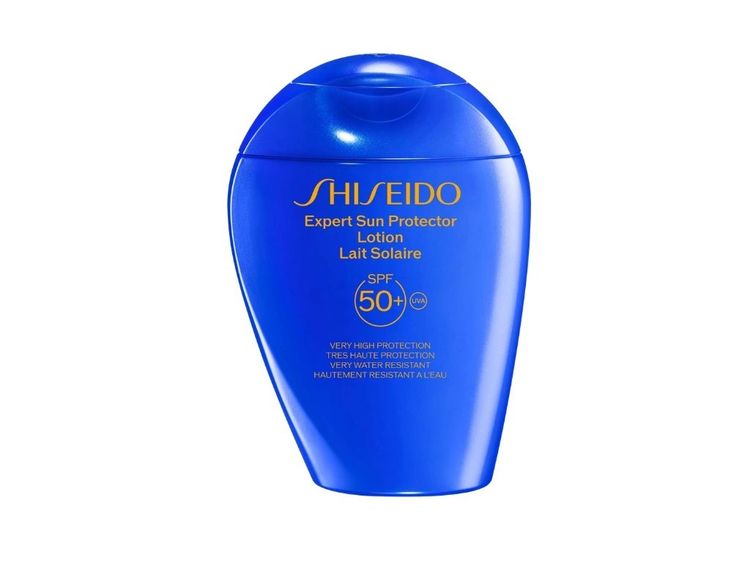
Best water-resistant sunscreen - Expert Sun Protector Lotion SPF50+ by Shiseido
What you need to know: A water-resistant SPF formulated with Shiseido's WetForce technology, which strengthens upon contact with water or sweat. Broad-spectrum UVA/UVB protection that works for both face and body.
Why we love it: The thought of reapplying sunscreen after a dip can make reluctant swimmers out of the best of us. Shiseido's WetForce technology, however, strengthens protection when exposed to water or sweat instead of breaking down. "Ah, just bogus marketing talk," you think. Well until you've worn it through a beach day and realised you haven't burned despite swimming, sweating, and forgetting to reapply as often as recommended. The lotion texture is lighter than you'd expect from a formula engineered for endurance.
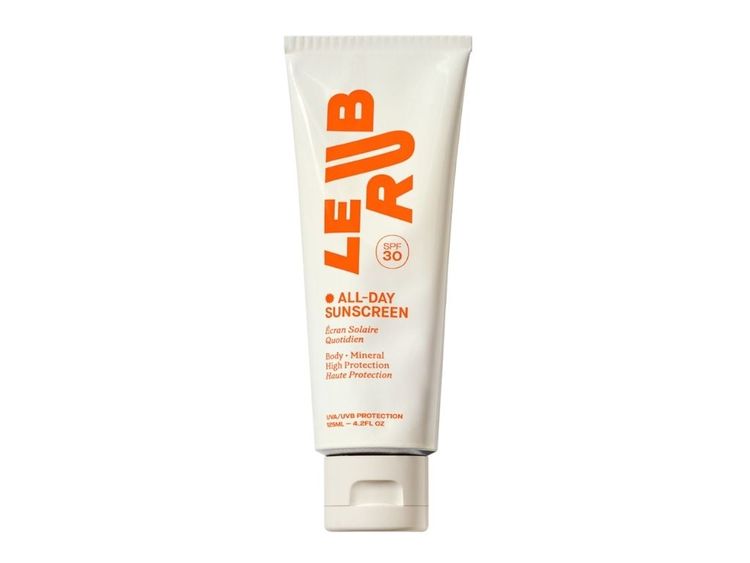
Best reef-safe sunscreen - SPF 30 All-day sunscreen by Le Rub
What you need to know: A reef-safe, mineral-based SPF with a botanical scent. Non-nano zinc oxide provides broad-spectrum protection without harming marine ecosystems.
Why we love it: If you're planning any trip that involves swimming near coral reefs, most conventional sunscreens contain chemical filters that damage marine ecosystems, which means you're choosing between protecting your skin and protecting the reef. Le Rub solves that problem with non-nano zinc that's reef-safe, but with a luxe texture rather than the usual thick, chalky formulas most eco-friendly sunscreens deliver. The zinc melts into skin with minimal buffing and leaves almost no cast, the finish is soft and (almost) luminous instead of flat and powdery. At €45 it's expensive for SPF 30, but if you're heading to the Maldives, the Caribbean, this is what you pack.
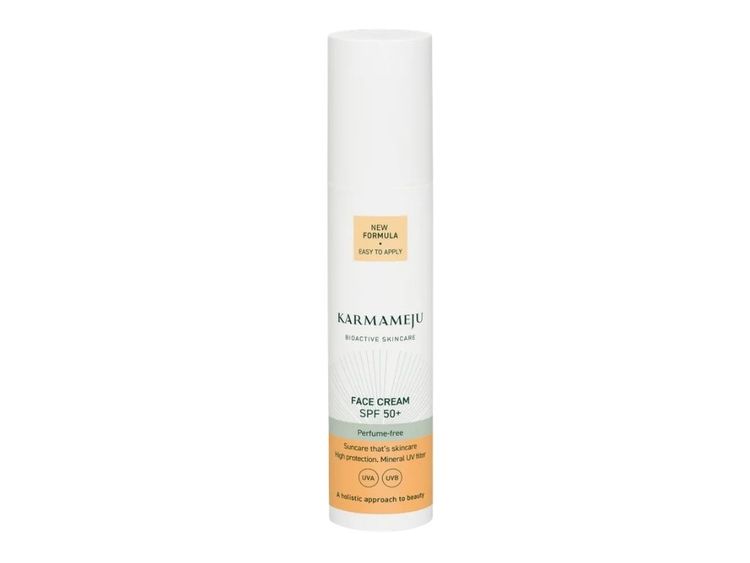
Best natural sunscreen - Face cream, SPF 50+, perfume-free by Karmameju
What you need to know: An organic, mineral-based sunscreen from Denmark built around sustainably harvested botanicals. Coral-friendly UV filters, certified organic, and fragrance-free.
Why we love it: If you're committed to natural skincare (whether for skin sensitivity, ingredient concerns, or environmental reasons) finding a sunscreen that delivers proper protection without synthetic filters is surprisingly difficult. Most clean beauty SPFs ask you to compromise on texture, finish, or wearability, but this Danish formula avoids most of that. It's richer than chemical SPFs and needs proper buffing to work into the skin, but it absorbs without leaving the chalky white film that makes most mineral sunscreens unwearable, and at SPF 50+ it provides high protection instead of the SPF 30 most natural options max out at.
What does SPF mean?
SPF stands for Sun Protection Factor. It measures how long a sunscreen extends your skin's natural burn time. SPF 30 blocks roughly 97 per cent of UVB rays. SPF 50 blocks about 98 per cent. It may not sound like much but that one-percentage-point gap matters if you're fair-skinned, sun-sensitive, or recovering from treatments.
My rule: SPF 30 minimum for desk days (especially if you're sat next to a window) and SPF 50+ for prolonged sun exposure. And always opt for broad-spectrum.
What's the difference between UVA and UVB rays?
UVA rays penetrate deep into the dermis layer of the skin, breaking down collagen and causing premature ageing in the form of fine lines, wrinkles, and sagging skin. They're present year-round, pass through glass and clouds, and in the Nordics, their concentration intensifies due to proximity to the poles.
UVB rays have a shorter wavelength and are less penetrating, but they're responsible for sunburn and contribute to skin cancers like melanoma. Since sunburns can be harder to detect on darker skin tones, the damage is often invisible until it's irreversible so it is good to be eagle-eyed when keeping track of potential changes in melanin-rich skin.
Broad-spectrum sunscreen protects against both.
Does sunscreen prevent tanning? And can you tan safely with SPF?
Not entirely. Sunscreen filters UVB (burn-causing) and, in broad-spectrum formulas, UVA (ageing and tanning) rays, but no SPF blocks 100 per cent of sunlight. So, can you tan with sunscreen? Yes, but with caveats. Even with diligent SPF use, a subtle tan can develop, especially under strong or prolonged sun. But it's worth repeating: a tan is not a sign of good health; it's your skin responding to injury. For colour without consequence, our beauty desk's favourite self-tanners or bronzing drops offer a safer, skin-loving shortcut.
Do people with dark skin need to wear sunscreen?
Yes, unequivocally. The myth that melanin provides sufficient protection needs to die. Melanin offers some natural defence, but UVA rays penetrate all skin tones, breaking down collagen and causing premature ageing. UVB rays cause sunburn that's often harder to detect on darker skin, meaning damage often goes unnoticed.
Daily SPF prevents post-inflammatory hyperpigmentation (dark spots that linger after breakouts or irritation), melasma, and uneven tone, all of which disproportionately affect melanin-rich skin. The key is finding formulas that don't leave a chalky residue. Skip high-zinc-oxide mineral sunscreens, and look for clear chemical formulas, lightweight gels, or tinted options designed for deeper tones.
How can I stop sunscreen from pilling?
Pilling happens when incompatible textures clash such silicone-heavy primers meeting water-based SPF, or layering products before the previous one has absorbed. The fix: wait 60 seconds between layers. Keep your morning routine simple. Serum, moisturiser if needed, SPF. The more you pile on, the higher your pilling risk. Gel and serum sunscreens absorb faster and play better with makeup than thick creams and (if you're constantly battling flakes) consider switching formulas.
When should you wear sunscreen?
Every day. UVA rays don't respect seasonal boundaries. They penetrate clouds and windows, present from dawn to dusk regardless of temperature. Snow reflects up to 80 per cent of UV rays, which means a December ski trip can damage your skin as much as a July beach holiday.
The Scandinavian relationship with sun is complicated. We spend half the year in near-darkness, so when summer arrives, there's a cultural impulse to maximise every minute of daylight. But photo-ageing is cumulative, and your skin doesn't distinguish between intentional tanning and incidental exposure. Wear SPF every day, even when it's overcast or you're only outside briefly.
Does sunscreen expire?
Yes, and using expired SPF is worse than wearing none at all because it creates false protection. Most sunscreens last about three years unopened. Once opened, heat, light, and oxygen degrade the active ingredients. If it smells off, looks separated, or feels strange, discard it.
Check the packaging for the PAO symbol (period after opening). Usually, it is marked as "12M" or "24M." Most facial sunscreens are 12 months, body sunscreens stretch to 24.
What's the difference between mineral and chemical sunscreen?
Mineral sunscreens (also called physical sunscreens) sit on the skin's surface and deflect or scatter UV rays away. They contain zinc oxide or titanium dioxide and are generally gentler for sensitive or acne-prone skin, though they can leave a white cast on darker skin tones. The upside? You can go outside immediately after application.
Chemical sunscreens absorb UV rays and convert them into heat, which is then released from the skin. You don't feel this process, but you do need to wait 20 minutes after application for full absorption. Chemical formulas tend to be lighter, more cosmetically elegant, and less likely to leave residue.
Both are equally effective. The choice comes down to preference, skin type, and whether you're pregnant or breastfeeding (in which case, mineral is recommended).