
Whether you're after a lotion that moonlights as a moisturiser, drops you can mix into your existing skincare, or a device that delivers an airbrush finish in 60 seconds flat, today's self-tanners bear almost no resemblance to the tiger-stripe disasters of the early 2000s. Our beauty desk has tested the new generation of faux glow formulas and found 12 worth your – plus answers to every faux-glow question you panic-Google come summer
All products featured on Vogue Scandinavia are independently selected by our editors. However, when you buy something through our retail links, we may earn an affiliate commission.
Decades of research have made one thing crystal-clear: chasing bronzed skin in tanning beds or oiled-up under midday sun sets you down the path to premature ageing and melanoma. The solution? Fake it. A fake tan (more politely called a self tan) delivers the same golden results without the UV fallout.
That said, we've all been burned by those bottled tans before, so how can we find those holy grail formulations that really work? If your last brush with at-home bronzing left you tiger-striped, prepare to be pleasantly surprised. Our beauty desk has sacrificed bed sheets and splotchy legs to uncover the best self-tanners on the market.
How does self-tanner actually work?
The active ingredient in most self-tanners is DHA (dihydroxyacetone), a sugar-derived compound that reacts with amino acids in the outermost layer of dead skin cells to produce a temporary brown pigment. This reaction, known as the Maillard reaction, happens entirely on the skin's surface. DHA does not penetrate living skin, which is why self-tan fades as dead cells naturally shed, typically over five to seven days.
Today’s top-rated self-tanning lotions use lower levels of DHA paired with erythrulose, a slower-acting alternative to DHA derived from red raspberries that produces a more gradual, even colour development to extend wear and improve fade. Many even slip in a pinch of alpha-hydroxy acids (AHAs) to whisk away dead cells first, giving colour an even canvas and side-stepping that muddy fade-out. Colour-correcting pigments do the rest: green undertones neutralise pink or ruddy complexions, violet pigments deepen olive or yellow skin, and peach tones warm fair skin without the dreaded orange cast.
Understanding the ingredient list matters. What actually makes a difference (and what determines whether your result looks convincing) is DHA concentration, undertone, and texture.
Which self-tan type fits your routine?
Lotions, sprays, oils, drops, foams, butters… the list of available self-tan options goes on and the right texture can make or break both application and end result. Below, we've created quick cheat-sheet to help you find your perfect formula:
Mousse & Foam:
The espresso shot of self-tan. Mousse formulas are the fastest-developing format. Light, fast and punchy, the whipped texture melts into skin and sets in under a minute, meaning you can shimmy into linen trousers almost immediately. In short, they're ideal for busy bodies and last-minute packers.
Lotion & Cream:
If dehydrated limbs are your nemesis, reach for a self tan lotion. These richer formulas double as body moisturisers and often contain lower DHA concentrations, making colour build more gradually. These gradual self-tanning creams are a better option for first-timers or anyone who wants a subtler result. Just apply nightly until you hit peak glow and top up every other shower. Ideal for dry or mature skin.
Drops:
Control freaks, rejoice. Self-tanning drops are concentrated DHA in dropper form, designed to be mixed into your existing serum or moisturiser. That means you can turn any serum or body cream into a bespoke bronzer. Two drops equal a hint-of-holiday flush while four venture into back-from-abroad territory. Particularly good on the face and décolletage, where a lighter touch is usually needed.
Spray & Mist:
An ultra-fine cloud that settles where lotion sometimes streaks, spray tan in a can could be considered real-life Photoshop for your limbs. Hold the nozzle 20 centimetres away, mist in circular motions, then buff gently with a velvety self-tanning mitt to catch any overspray. Mists shine on seasoned tanners, or on anyone who routinely recruits a roommate to tan those hard-to-reach places.
Clear gel:
Contains no guide colour, so you apply it without seeing where the product has been. This may make amateur tanners gulp, with a higher risk of missed patches. For bronzer buffs, however, it means zero transfer to clothing or bedding and no visible residue.
How to prep skin for the best, long-lasting result
- Remove hair at least 24 hours before tanning as waxing, shaving, or sugaring all temporarily open pores and can cause colour to cling unevenly if done immediately before application.
- Exfoliate with an oil-free scrub or exfoliating mitt to remove dead skin cells, paying particular attention to knees, ankles, and elbows, which are drier and absorb more pigment. That smooth canvas is what stops colour clinging in dark streaks.
- Moisturise dry areas (knees, ankles, wrists, knuckles) 12 hours before application. Hydrated skin absorbs DHA more evenly while overly dry patches will grab colour and develop darker.
- Apply your self-tanner of choice to completely clean, product-free skin. Deodorant, perfume, and body oil all interfere with DHA and can distort the undertone.
- Allow the formula to fully develop before showering (if you're using a formulation with guide colour, check the instructions on your self-tanner) most take six to eight hours, express formulas as little as one.
How to apply self-tanner evenly
- A self-tanning mitt is your insurance policy against zebra stripes. Pump mousse or lotion onto the mitt rather than directly onto the skin and work in long, circular strokes across each limb in turn.
- Bend elbows and knees as you go; taut skin means no tell-tale white creases later.
- Whatever’s left on the mitt is plenty for drier spots (knees, ankles, wrists), so buff those areas last.
- If working without a mitt, rub a small amount of hand cream into cuticles, between fingers, and along the thumbs before starting. Wipe knuckles with a damp cotton pad immediately after finishing.
- For the face, use drops or a face-specific formula. Apply with a damp beauty sponge or a tanning brush, feathering along the hairline and brows last.
The best self-tanners of 2026
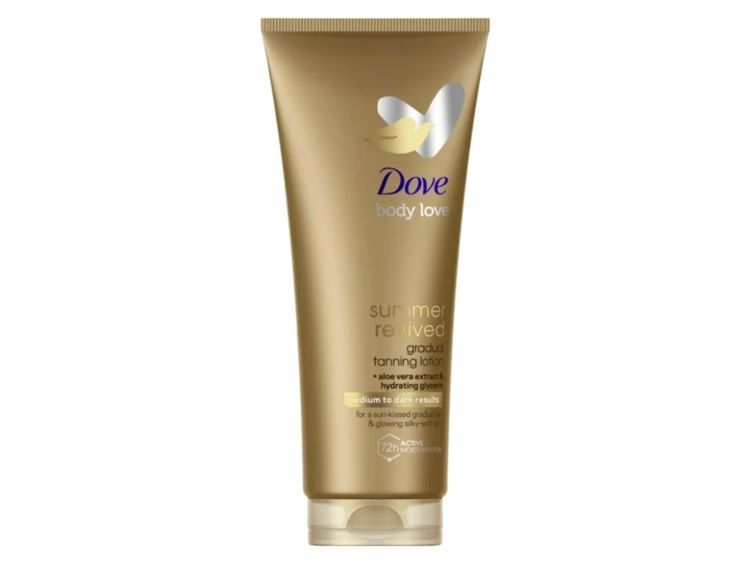
Best self-tanning lotion — Dove Summer Revived Body Lotion
What it is: A hydrating body lotion with a low-to-mid concentration of DHA, delivering 72-hour moisture alongside a slow-burn bronze. No guide colour, fresh laundry scent.
Why we love it: Dove's self-tanner has always punched above its price bracket, and the Medium to Dark shade in this reformulation is particularly good. My personal ride-or-die, it has enough DHA to develop a visible bronze after two or three applications without ever veering orange but absorbs like a normal body lotion. There's no need to fear the lack of guide colour here as it is a gradual tanner. It is a bonus-point in fact, considering you can go to bed and wake up bronzed in the best possible way the next morning.
Prefer colour that builds even more gradually, applied like a daily moisturiser? See our separate edit of the best gradual tanners.
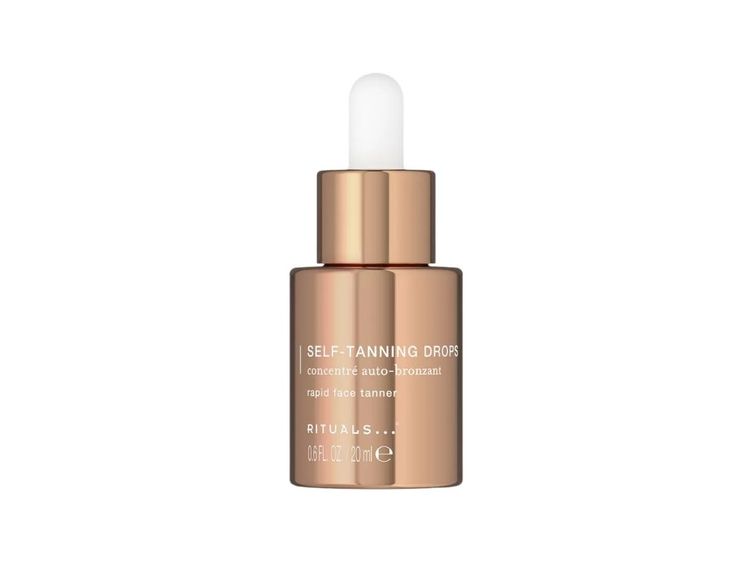
Best self-tanning drops – The Ritual of Namaste Self-Tanning Drops, Rituals
What it is: Concentrated self-tanning drops designed to be mixed into any body lotion or moisturiser. Buildable DHA concentration with a golden undertone.
Why we love it: Drops are the most intelligent format on the market, and Rituals executes the concept particularly well – especially considering the brand is best known for its superb shower foams. I personally put these drops to the test during a press trip with the brand to Amsterdam last year when I was looking particularly pasty. Risky, I know, to test an unfamiliar self-tanner of a work trip but it was definitely worth it. These Midas drops brought me back to life. The Namaste range's signature calming scent is a bonus with a product that can otherwise smell aggressively of biscuits.
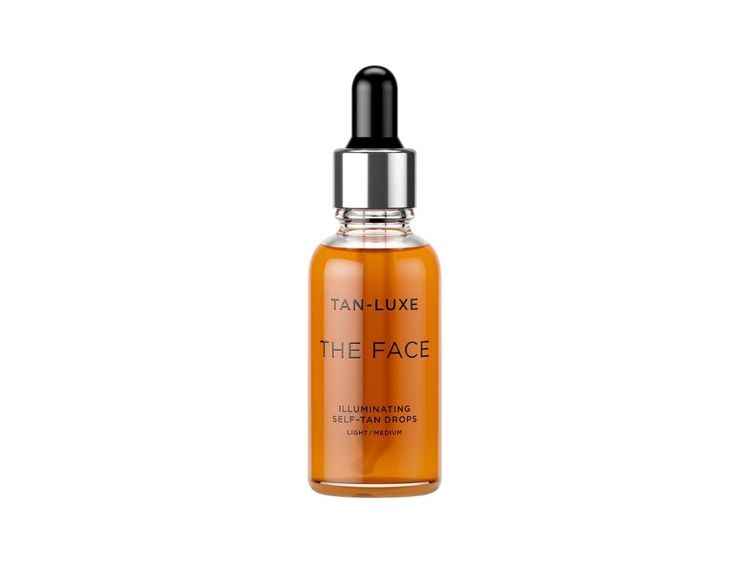
Best self-tanner for face – Tan-Luxe The Face Self-Tan Drops
What it is: Lightweight facial self-tanning drops formulated with a lower DHA concentration than body products, hyaluronic acid for hydration, and a natural-looking olive undertone. Designed to be mixed into any face serum or moisturiser.
Why we love it: The face is where most self-tanning goes wrong and we run the gamut of too dark, too orange, and too obvious. Tan-Luxe solves this by giving you complete control over depth. I use two drops in my night cream and it looks like I spent a week in Greece rather than 8 hours snoozing. The formula doesn't break out congestion-prone skin and doesn't interfere with the rest of your routine, provided you let it dry down fully first. One of very few face tanners I trust enough to use before an event.
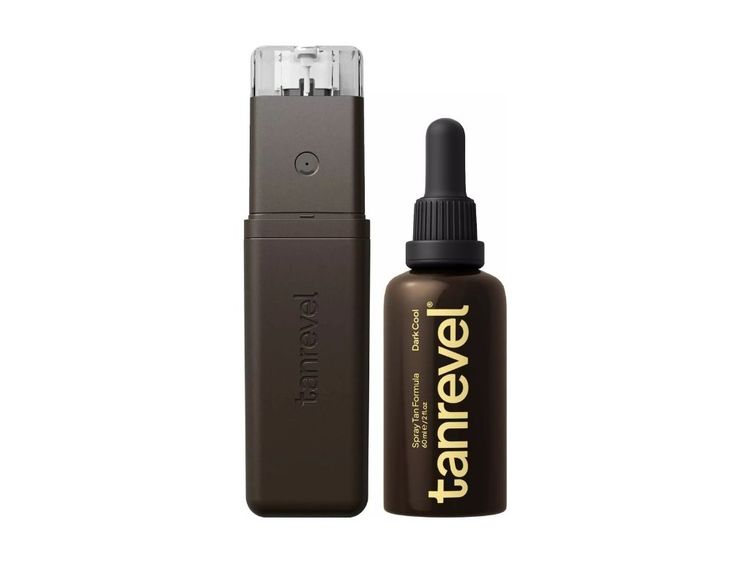
Best self-tanning device – Tanrevel Spray Tan Kit
What it is: A rechargeable handheld electric spray device that atomises self-tanning liquid into an ultra-fine mist, delivering an even application across the body in under two minutes.
Why we love it: If you have ever felt like a contortionist trying to apply mousse to the back of your own knees, this device makes an immediate argument for itself. It produces a professional-grade finish with even, streak-free coverage in the places a mitt simply cannot reach. The cool-toned refill formula is particularly clever: most self-tanners pull warm, which is fine on neutral skin but looks muddy on anyone with cooler or olive undertones. If you lean warm, don't worry, as there's also a Dark Warm option. It is a Swedish brand and, in our view, the most credible competitor to a salon spray tan that currently exists for home use.
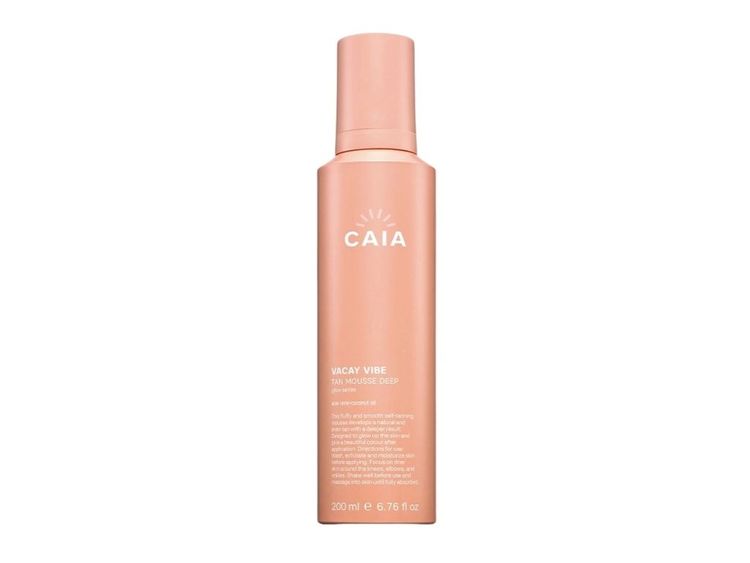
Best self-tanning mousse – Caia Vacay Vibe Deep
What it is: A fast-drying, violet-pigmented mousse delivering a deep bronze with a cool-toned finish designed to minimise orange undertones.
Why we love it: Caia has built a loyal following among Scandinavian tanners for good reason. The mousse applies smoothly, dries quickly, and the colour that develops six to eight hours later is a deep, believable bronze. The Vacay Vibe Deep is specifically calibrated for those who want serious colour. The violet pigment does the orange-cancelling work you'd otherwise expect from a professional treatment, and the formula leaves no tacky residue. It is also cost-efficient considering one walnut-sized pump covers an entire leg.
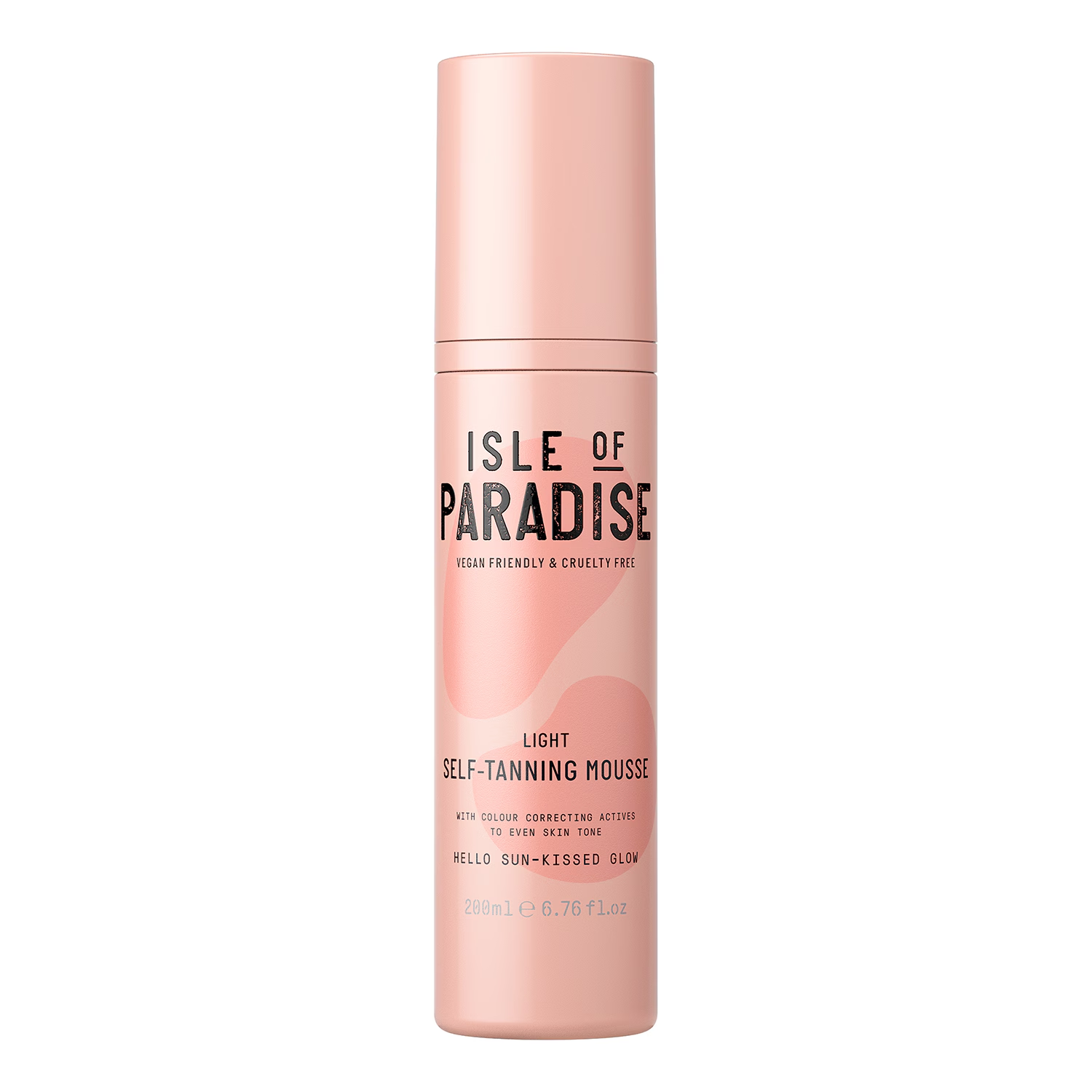
Best self-tanner for pale and fair skin – Isle of Paradise Self-Tanning Mousse (Light)
What it is: A colour-correcting self-tanning mousse formulated with peach-toned pigments designed to neutralise the pink and redness common in fair and Scandinavian complexions.
Why we love it: Pale skin and self-tan have a complicated relationship. To succeed, undertone correction matters more than shade depth. Isle of Paradise's Light mousse uses peach pigmentation to neutralise the pink in Scandinavian complexions before the DHA has had a chance to develop, meaning you're left with a believable bronze rather than an orange mask. The guide colour blends out without streaking, it doesn't cling to dry patches, and you could get away with fingers instead of a mitt if you had to.
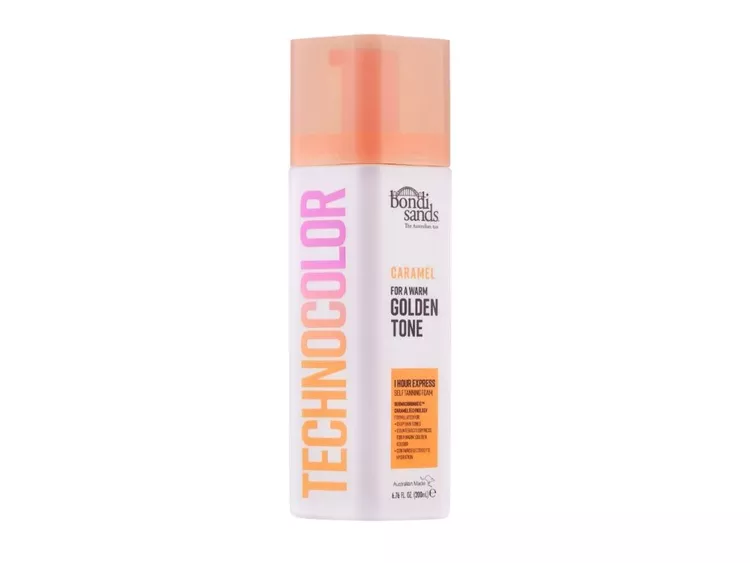
Best self-tanner for dark skin – Bondi Sands Technocolor Warm Hydrated Glow (Caramel)
What it is: A self-tanning serum from Bondi Sands' Technocolor range, formulated to enhance deeper skin tones with targeted undertones. Caramel delivers a warm, hydrated finish using a nourishing base with hyaluronic acid.
Why we love it: Self-tan has spent decades failing deeper skin tones with ashy results, flat undertones, shades that looked nothing like the model on the box. The Caramel shade, however, in Bondi Sands' Technocolor range enhances the natural warmth of deeper complexions without the muddy undertone problem. The serum consistency means it blends more precisely than a mousse, providing better control of depth in areas that tend to grab product, like elbows or knees. The result is a sun-warmed glow that looks like you've bottled an expensive holiday.
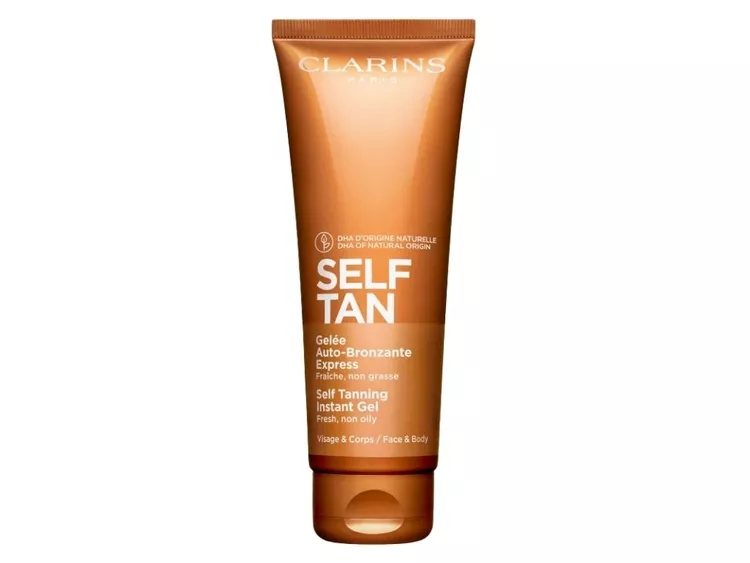
Best pregnancy-safe self-tanner – Clarins Self-Tanning Instant Gel
What it is: A lightweight, fast-absorbing self-tanning gel powered by Clarins' self-tan complex (a combination of naturally sourced DHA and erythrulose) alongside aloe vera and fig extract. Non-comedogenic, with a faint citrus scent that dissipates quickly. Clarins formulates all their self-tanners for use during pregnancy.
Why we love it: The pregnancy question comes up constantly with self-tanner, and the answer is more straightforward than the internet makes it: topical DHA has been used in cosmetics since the 1960s, is not absorbed beyond the outermost layer of skin, and there are no studies linking it to harm in pregnancy. The one format dermatologists recommend avoiding is aerosol spray tan, where inhalation is a risk, which is why a gel applied by hand is the sensible choice. Clarins' self-tanners are explicitly safe for pregnant women. More than that, the formula develops quickly, leaves zero oily residue, and behaves more like a primer than a self-tanner in texture. It is also superb on oily skin regardless of whether pregnancy is a factor.
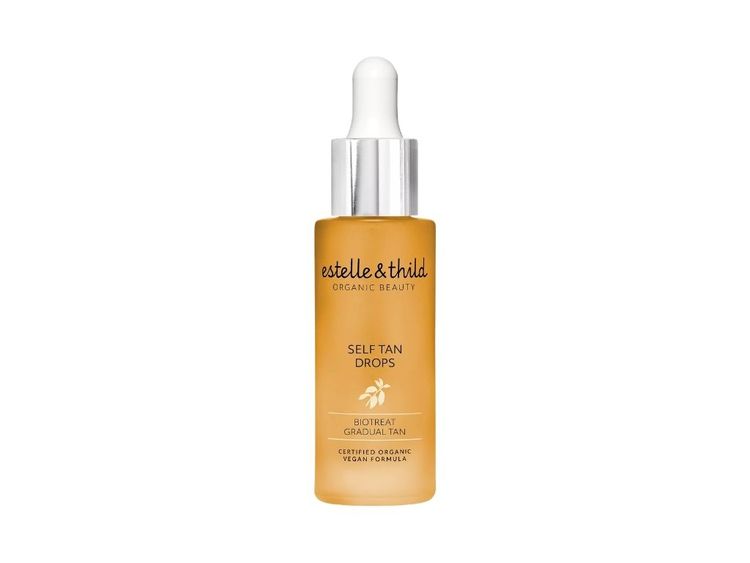
Best self-tanner for sensitive skin – Estelle & Thild Self-Tan Drops
What it is: Certified organic self-tanning drops with a precision dropper. Vegan, fragrance-free, alcohol-free, and enriched with aloe vera and hyaluronic acid.
Why we love it: Sensitive skin and self-tan are not natural allies considering most formulas contain fragrance, alcohol, or both. Estelle & Thild strips all of that from its formula, landing in a tincture that is as minimal as self-tan gets. The colour develops slowly over two to three applications rather than overnight, which is worth noting. This is not a formula to slather in for a last minute tan. It is for consistent, calm, low-risk colour that sensitive and reactive skin can tolerate week after week without complaint.
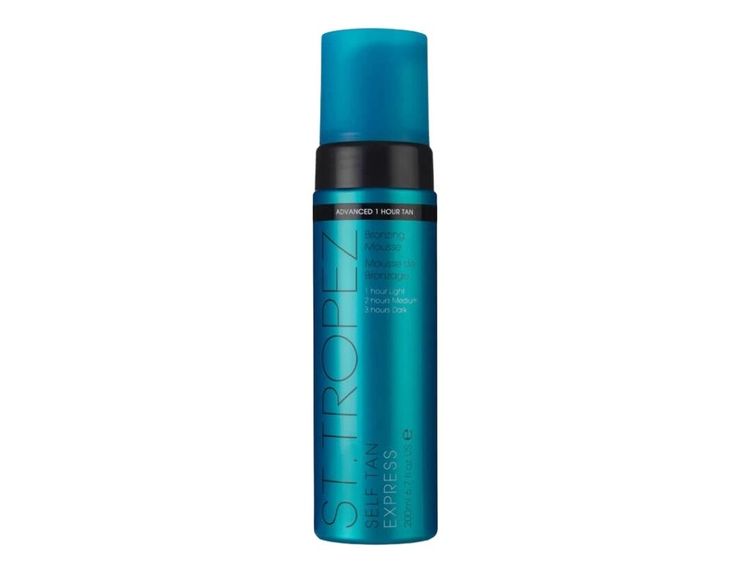
Best express self-tanner – St. Tropez Self-Tan Express Bronzing Mousse
What it is: A time-activated express mousse that lets you control depth by development time: one hour delivers a light glow, two a medium tan, three the full St. Tropez bronzed finish. Rinse off and colour continues to deepen for several hours.
Why we love it: Most self-tanners require a full night's development and a certain level of time management. But with an express tan (especially one as cult as St Tropez) you can time travel, needing no more than an hour for a golden glow. Apply, decide how dark you want to go (aka how long you keep the tan on), shower it off, and you are done. The mousse formula blends easily, the guide colour rinses cleanly, and the result lasts up to a week. It is the product I recommend to anyone who has a last-minute event and approximately 90 minutes to spare.
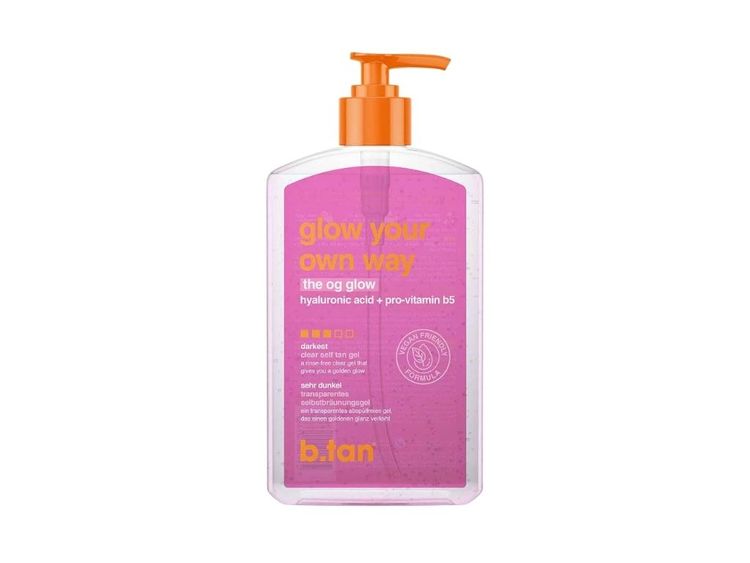
Best clear self-tanner – b.tan Glow Your Own Way Clear Self-Tan Gel
What it is: A large-format (473ml) clear self-tanning gel with no guide colour, no bronzer, and no transfer. Contains DHA in a lightweight gel base with aloe vera. Vegan and cruelty-free.
Why we love it: No guide colour is either a selling point or a source of anxiety, depending on your confidence level with self-tan application. For experienced tanners, it is definitely a selling point. The absence of the brown tint means no staining on light surfaces and no visible residue on white bedding. The gel texture is thinner than a mousse, which means it takes a more deliberate approach to ensure full coverage (work in sections, take your time) but the colour that develops over 24 hours is natural, medium-depth, and lasts five to seven days. The 473ml bottle is also, frankly, excellent value.
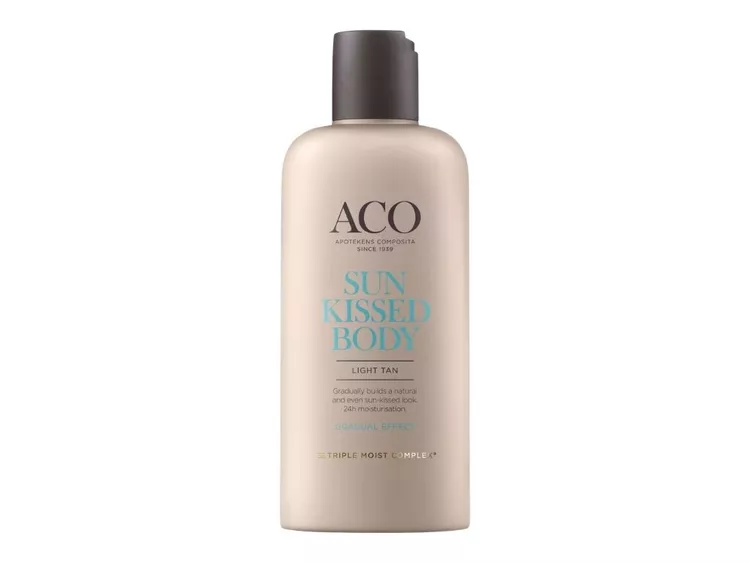
Best drugstore self-tanner – ACO Sunkissed Body Lotion
What it is: A self-tanning body lotion from Swedish pharmacy brand ACO. Gentle, buildable DHA concentration in a hydrating lotion base, designed for daily or every-other-day use for a gradual, natural-looking colour.
Why we love it: ACO is a pharmacy staple across the Nordics for a reason: the formulations are straightforward, dermatologically tested, and reliably gentle. With a "lagom" approach built into the brand ethos, ACO's Sunkissed lotion builds colour slowly, which makes it particularly good for self-tan newcomers or anyone who wants to maintain a subtle warmth without committing to a full tanning session. Applied every other evening, it accumulates to a convincing sun-kissed base over about a week. It absorbs quickly, smells better than most self-tanners, and costs a fraction of what the prestige brands charge. A sensible, unsexy, entirely dependable choice.
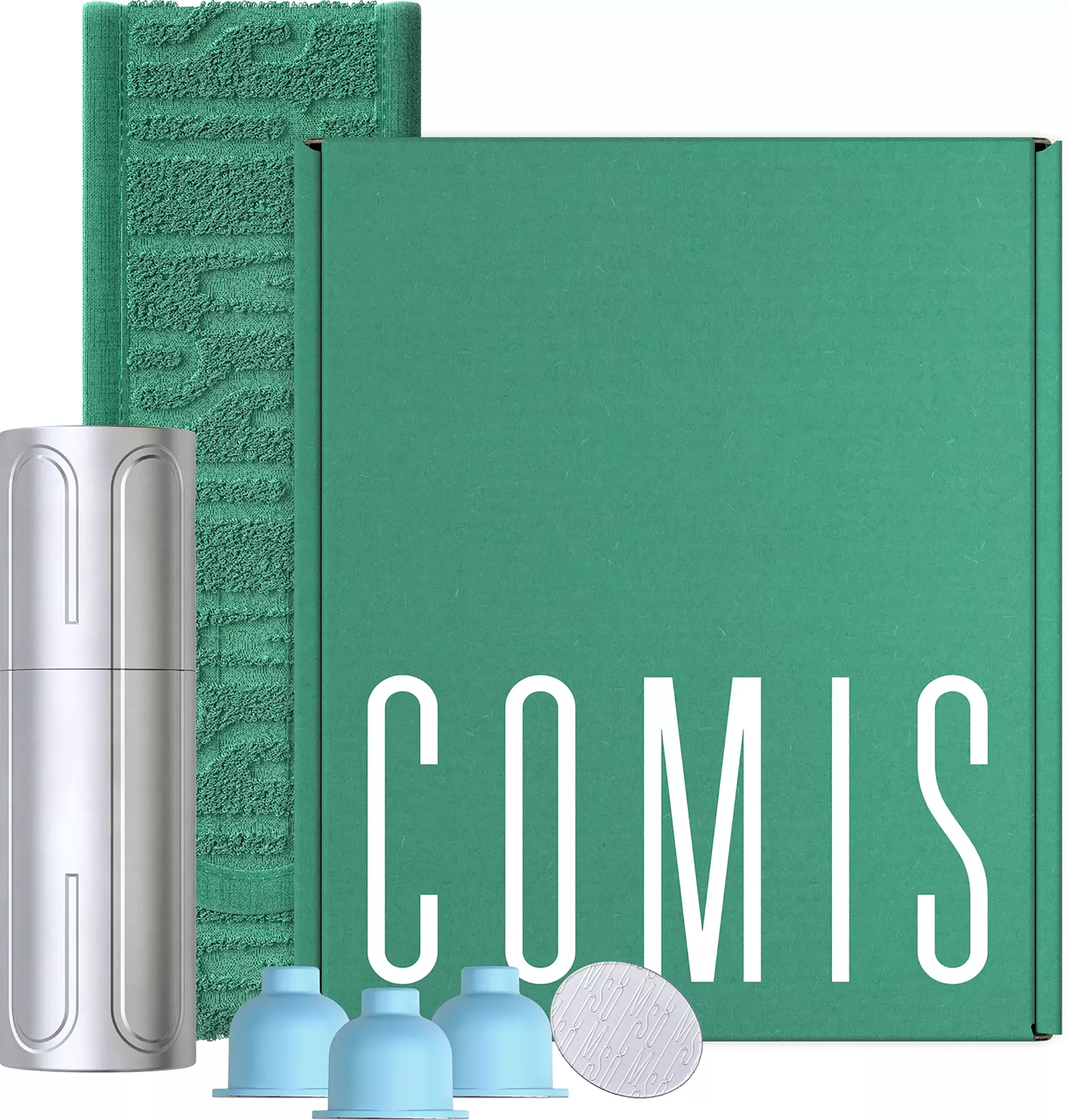
Best self-tan remover – Tanologist Self-Tan Eraser + Primer
What it is: A glycolic acid-based mousse formulated to dissolve DHA in five minutes, lifting patchy or faded self-tan while simultaneously priming the skin for a fresh application.
Why we love it: Self-tan removal is the least glamorous part of the faux glow process, and most people resort to scrubbing at dry skin with a body brush and hoping for the best. The Tanologist eraser makes it almost easy: apply to dry skin, wait five minutes, rinse while massaging gently with a washcloth, and stubborn patches lift cleanly without the arm workout. The primer function leaves skin smoother and more even-toned after use, which gives the next application a noticeably better starting point.
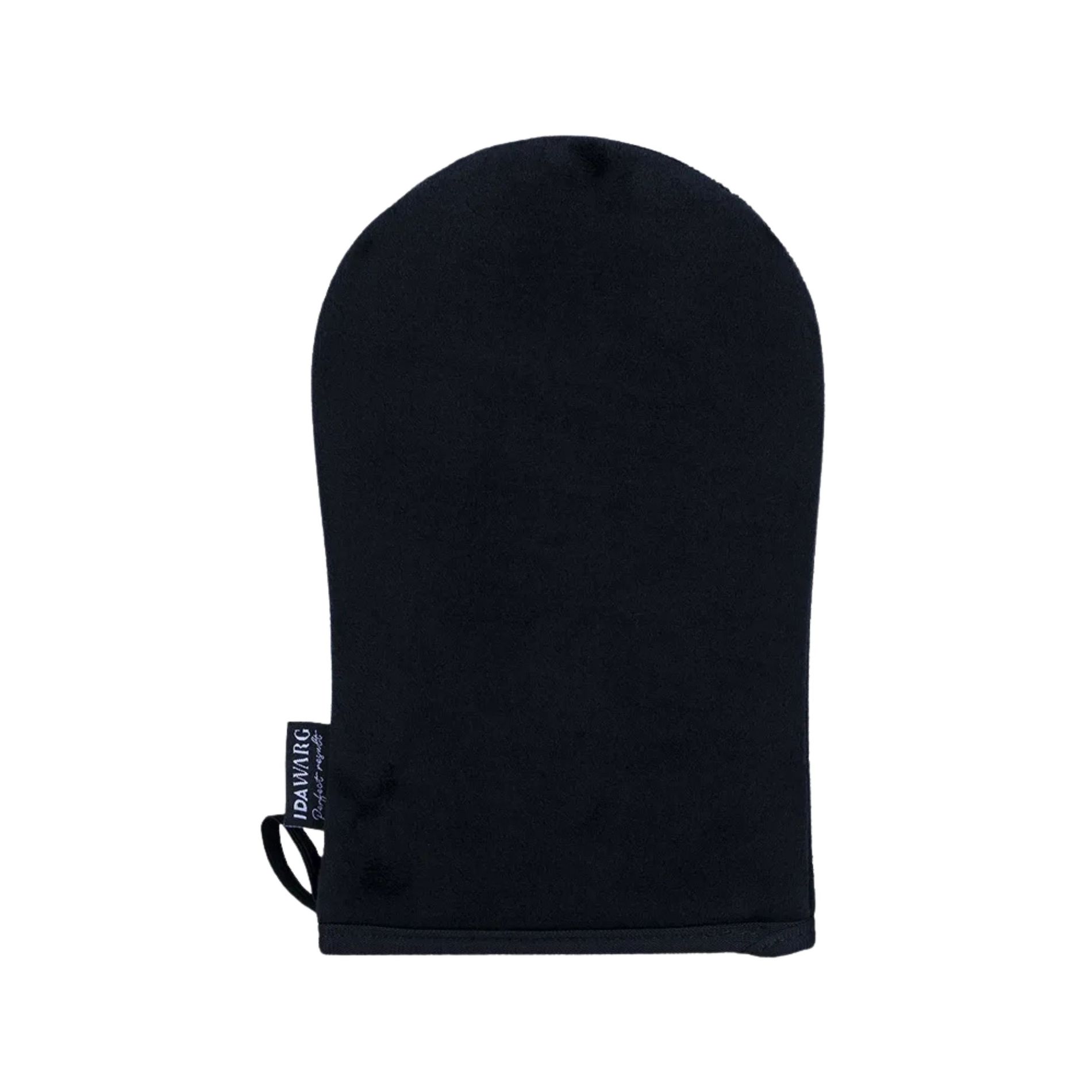
Best self-tanning mitt
What it is: A double-sided, velvet applicator glove with reinforced seams and a snug cuff that keeps palms pristine.
Why we love it: It buffs like an airbrush, washes out like new and never sheds lint. One mitt will see you through an entire summer at least, never leaving you cursing over discoloured knuckles.
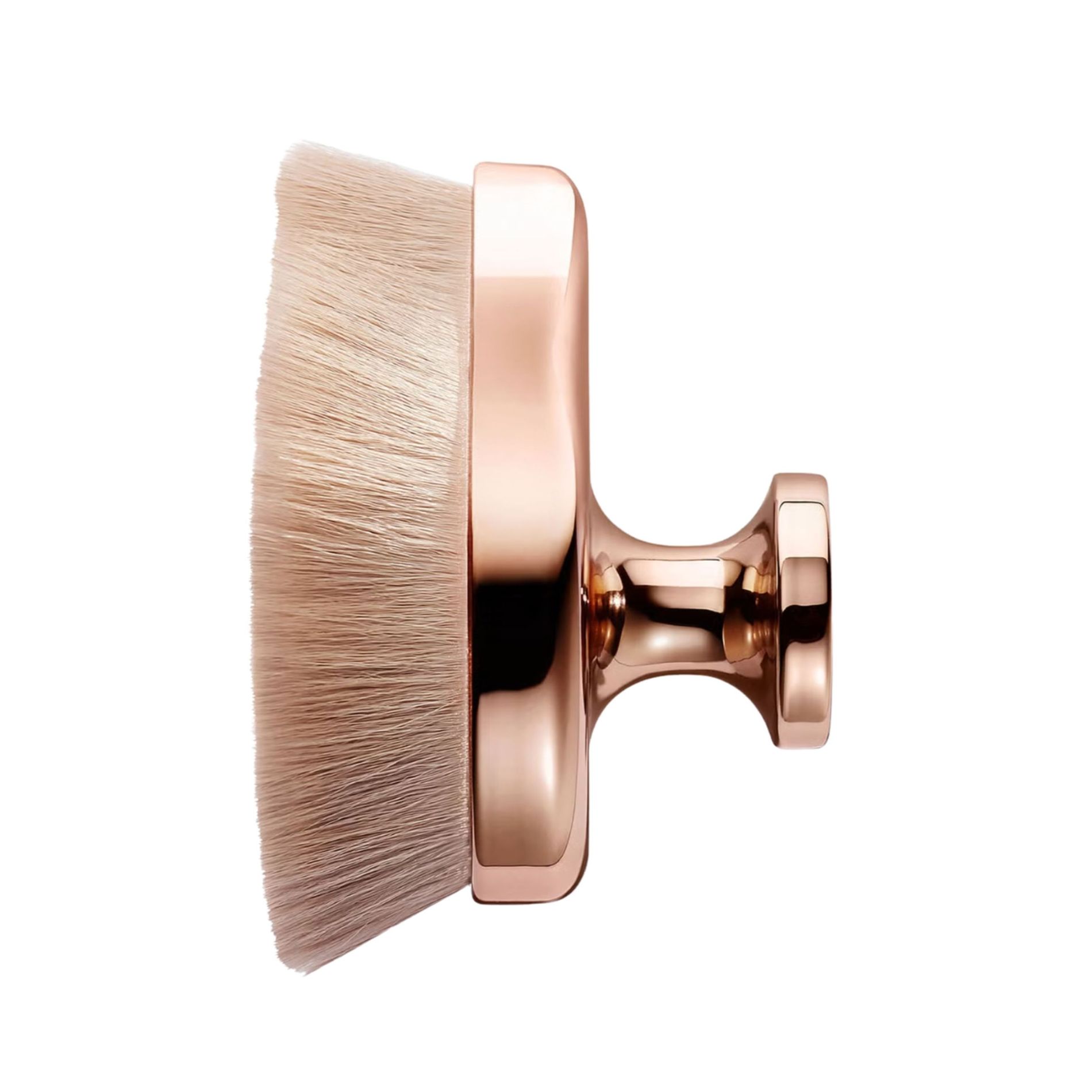
Best self-tanning brush
What it is: A dense, vegan-bristle kabuki brush designed to sweep mousse or shimmer along collarbones, shins and tricky wrists.
Why we love it: Blurring edges and streaks in seconds, this little tool is perfect for pro-tanners who want to up their faux glow game. Plus, the champagne-gold handle looks exceedingly glam on your dressing table.
How do you remove self-tanner?
The most effective method uses a dedicated remover rather than mechanical scrubbing. Apply the remover to completely dry skin (this is important, as water dilutes the glycolic acid that does the dissolving work) and leave it for five minutes, then rinse under warm water while massaging gently with a washcloth or the rough side of an exfoliating mitt. For stubborn patches at knees, elbows, or ankles, a paste of baking soda and a little micellar water applied directly and left for ten minutes will shift what a remover alone misses.
How do you get self-tanner off your hands?
Apply a tan eraser or any glycolic-based exfoliant to completely dry hands, leave five minutes, then rinse while buffing with a damp cloth. Do this before any other hand washing. If staining remains around the knuckles, a paste of baking soda and micellar water applied for ten minutes will clear it.
How long does self-tanner last?
Most formulas last five to seven days on the body, depending on how quickly your skin sheds dead cells which is affected by how often you shower, whether you exfoliate, and how hydrated your skin is. To extend wear: keep showers lukewarm rather than hot, moisturise daily, and avoid oil-based body products which can strip colour faster. Express and standard mousses fade at roughly the same rate as gradual formulas once fully developed; the difference is in how quickly the colour appears, not how long it stays.
Can you use self-tanner on your face?
Yes, with the right formula and a lighter hand. Look for products specifically formulated for the face, or for drops that can be mixed into your usual moisturiser as these use lower DHA concentrations than body products and are more likely to be non-comedogenic. If you only have a body mousse, mix a pea-sized amount into your night cream and apply with a damp beauty sponge, feathering along the hairline and brows last. Skip active acids and retinoids in the same evening routine. They interfere with DHA development and can strip colour before it sets.
Is self-tanner safe during pregnancy?
Topical self-tanners (lotions, creams, gels, and drops) are generally considered safe during pregnancy. DHA is derived from sugar, has been used in cosmetics since the 1960s, and when applied to the skin surface, less than one per cent is absorbed into the bloodstream, making it unlikely to reach the placenta.
The format to avoid during pregnancy is aerosol spray tan, where DHA mist can be inhaled or reach mucous membranes. Most dermatologists and midwives advise caution in the first trimester simply as a general precaution around any new products, and always recommend a patch test given that skin can become more reactive during pregnancy.
If in doubt, speak to your doctor before introducing any new skincare.
Does self-tanner expire?
Yes. DHA degrades over time, and an expired formula will develop less evenly and may produce an off-colour result. Most self-tanners have a shelf life of 12 months once opened. The period after opening (PAO) symbol on the packaging will confirm this.
Signs that a product has turned bad include an unusual or noticeably stronger-than-normal smell, a change in texture, or a colour that has shifted in the tube or bottle. When in doubt, replace it.