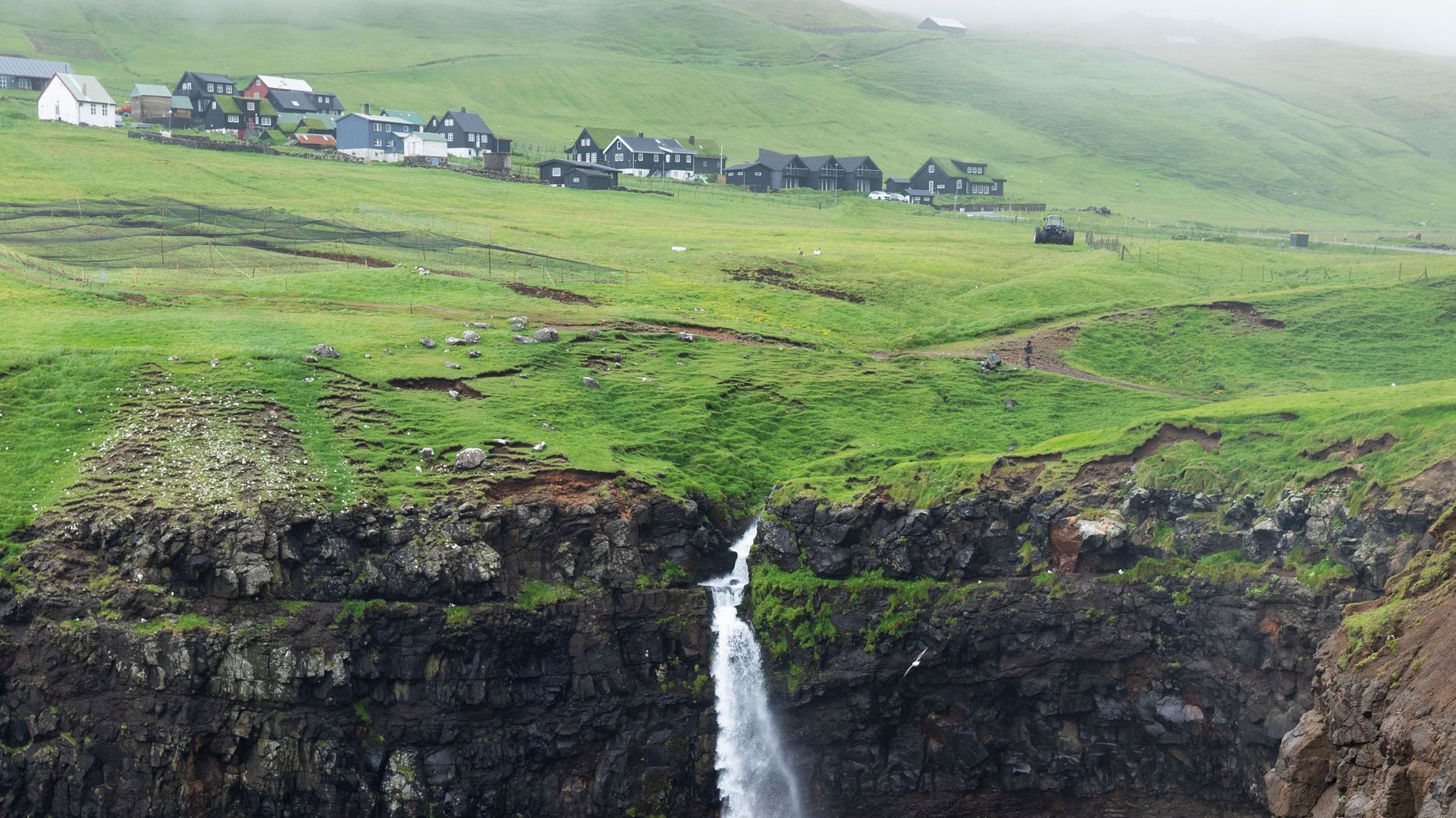
Remote, rugged and quietly radical, the Faroe Islands are emerging as the Nordics' most compelling creative escape.
Tucked away in the North Atlantic between Scotland, Iceland, and Norway, the Faroe Islands are easy to overlook on a map, yet impossible to forget once discovered. From the moment you lay eyes on this remote archipelago, where sheep outnumber people, it demands your attention. Waterfalls plunge from sheer cliffs into the roaring sea below, while mountains reach up into the near-constant mist and low-hanging clouds above. It’s a place of contrast – a land of midnight sun during the summer months and endless darkness through the depths of winter. It’s hard to look away from these extreme, rugged landscapes, but when you do, you’ll be rewarded with charming villages where life moves on, undisturbed by the outside world.
It’s a country steeped in long-standing traditions, as proud as they are individual, but the Faroe Islands is now quietly reinventing itself for a new generation of curious travellers. In the capital of Tórshavn – one of the cloudiest cities on earth – new cultural influences are emerging. A wave of innovative chefs, artists, and craftspeople are weaving global influences into the rich fabric of Faroese heritage, transforming the islands into a quietly emerging hub of Nordic creativity. Whether hiking to hidden waterfalls, savouring local culinary delicacies or surrendering to the constantly shifting rhythm of the wind and sea, a long weekend here is slow travel at its most exciting and unpredictable.
What to see
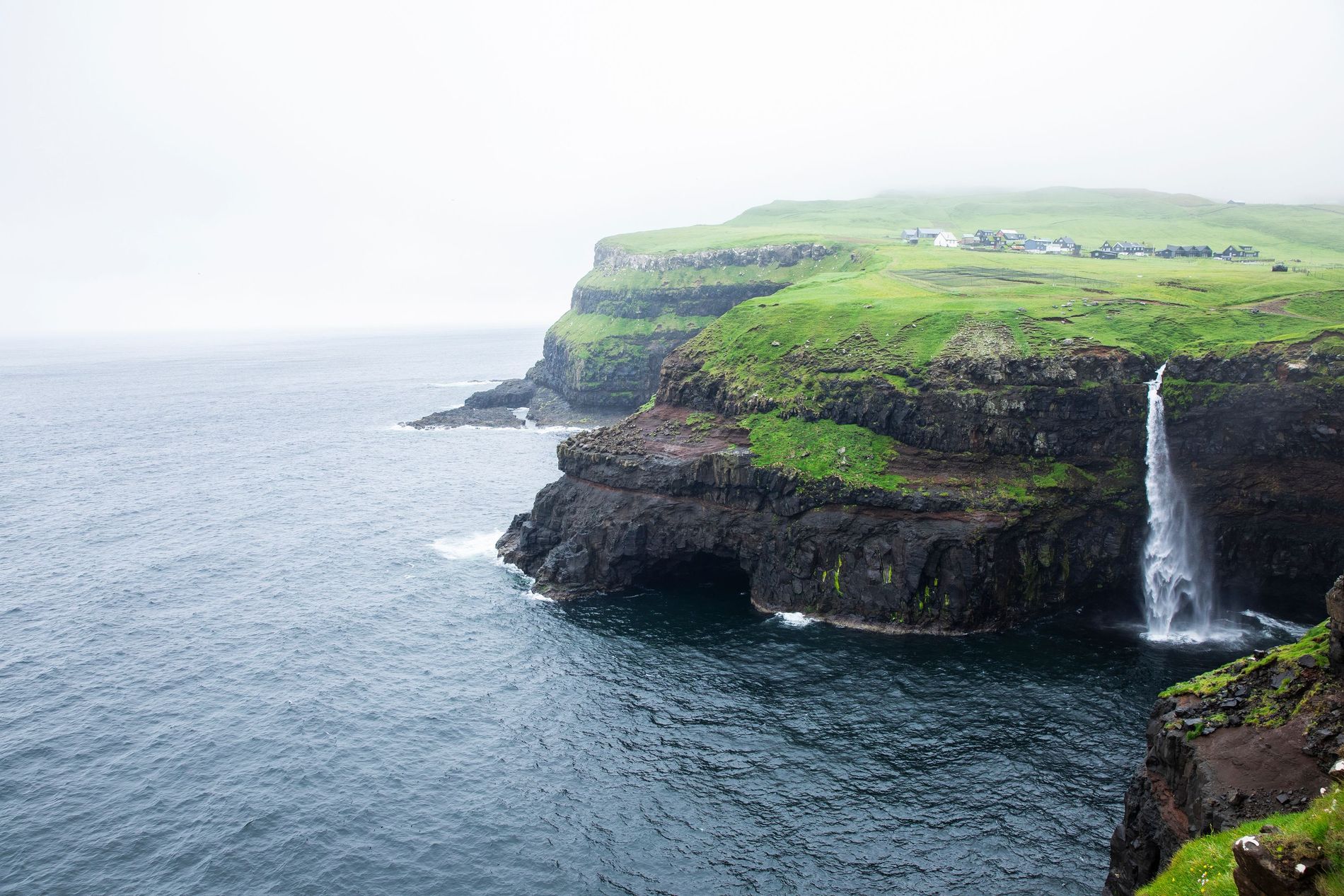
Photo: Tine Bek
Múlafossur waterfall
One of the staples of Faroese tourism, this picture-perfect waterfall is tucked away from the crowds, offering a moment of serenity as the water cascades over 30 metres to the ocean below. Just a short walk from the small village of Gásadalur, you’ll reach sea cliffs with a breathtaking view of Múlafossur, framed dramatically by two mountains – Eysturtindur to the east and Árnafjall to the north – both soaring over 700 metres above sea level.
On a windy day you might be lucky enough to see the water caught by a sudden gust, rising back into the air as though defying gravity.
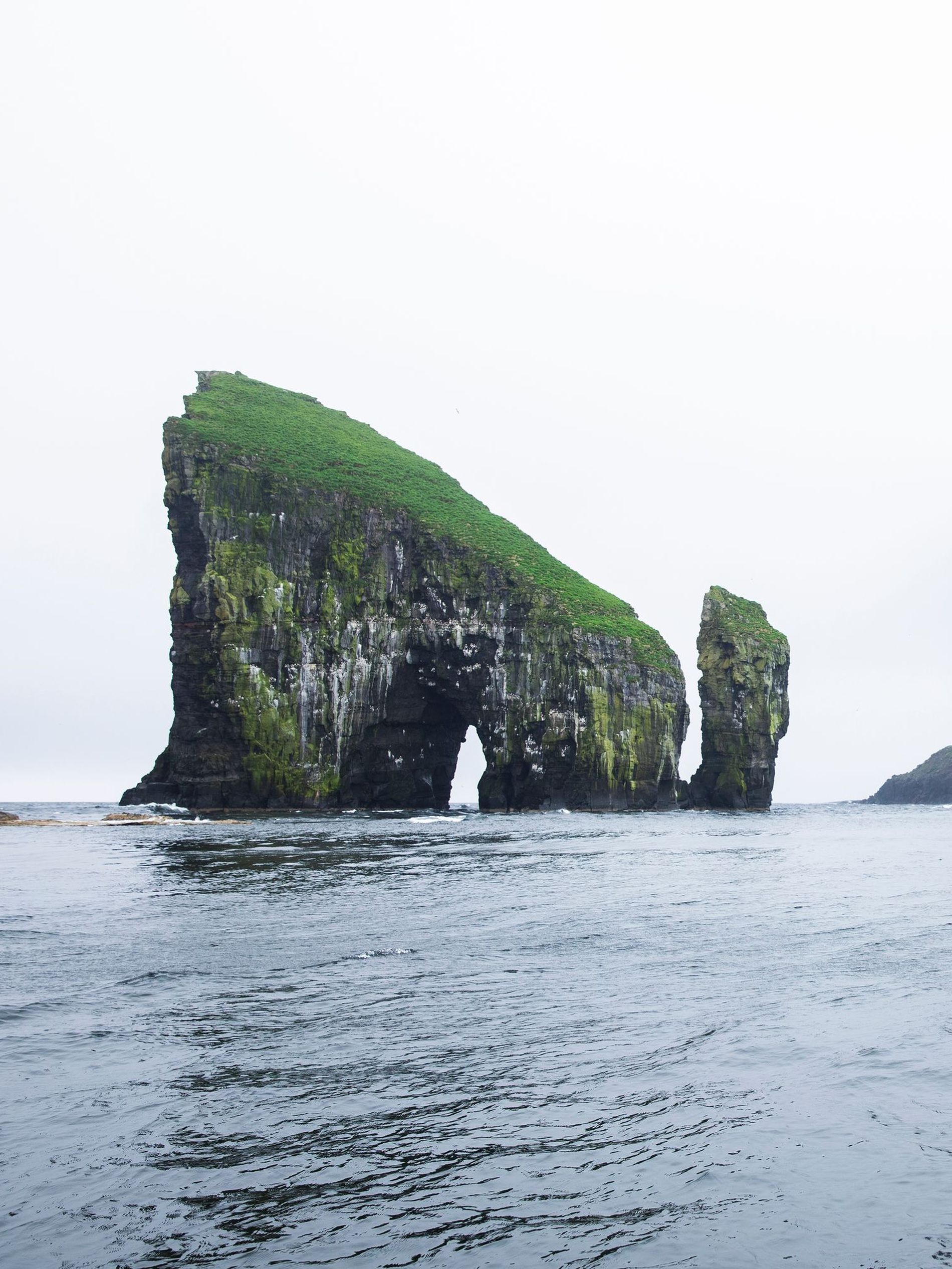
Photo: Tine Bek
Explore Tindhólmur and Dranganir Sea Arch
Nowhere on the Faroe Islands are the extreme contrasts of the landscape more obvious than on the islet of Tindhólmur. The island’s northern side, blanketed in vegetation, slopes gently upward from the sea to a peak only to give way to a dramatic plunge down the sheer basalt cliffs of its southern face.
The best way to experience this breathtaking landscape is on a boat tour from the nearby village of Sørvágur which will also take you close to (and weather permitting, through) the Drangarnir Sea Arch. Sheep are the only permanent residents of this stunning island and during the warmer months you can spot colonies of puffins darting among their nests in the craggy outcrops and vegetation.
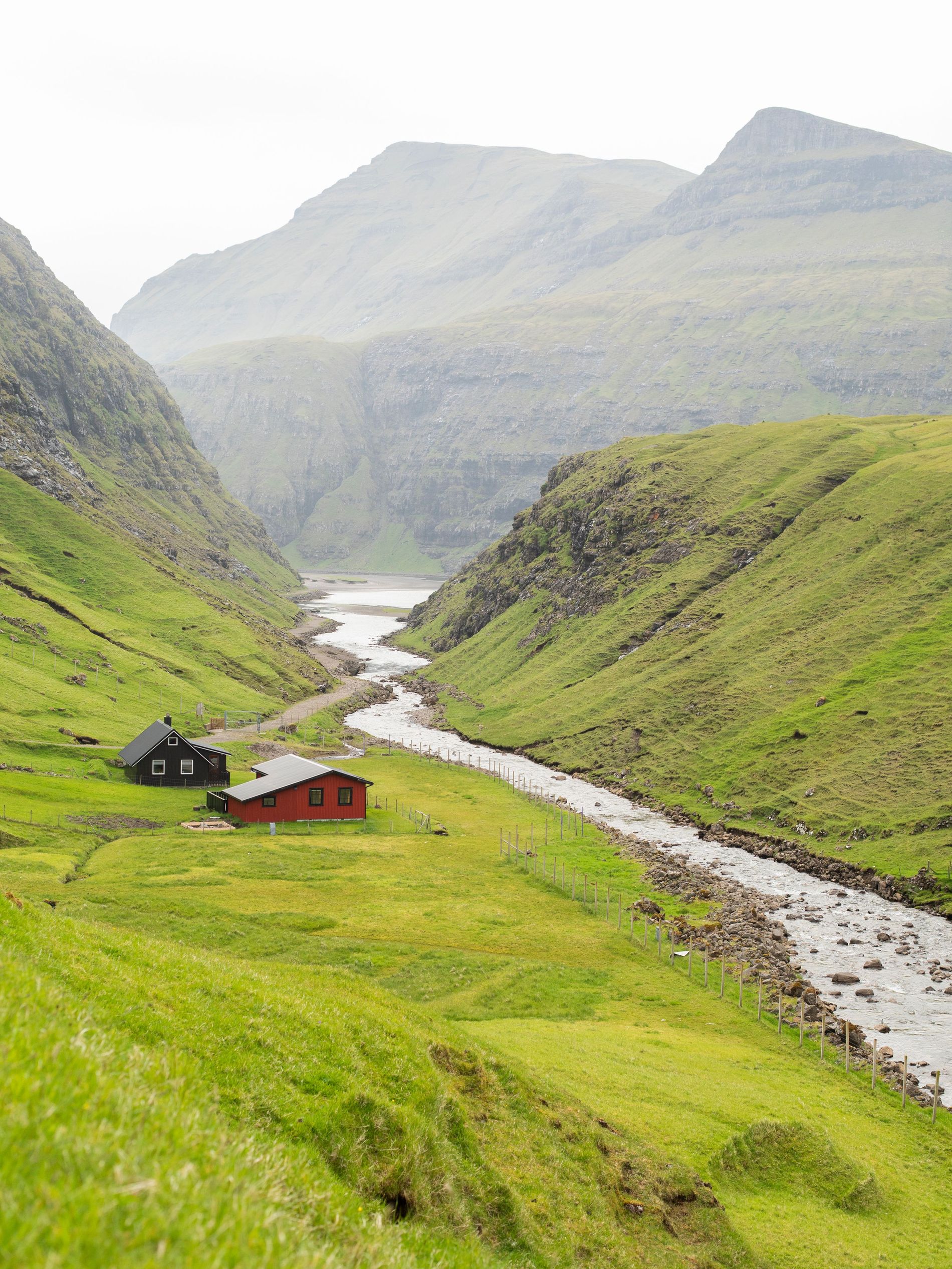
Photo: Tine Bek
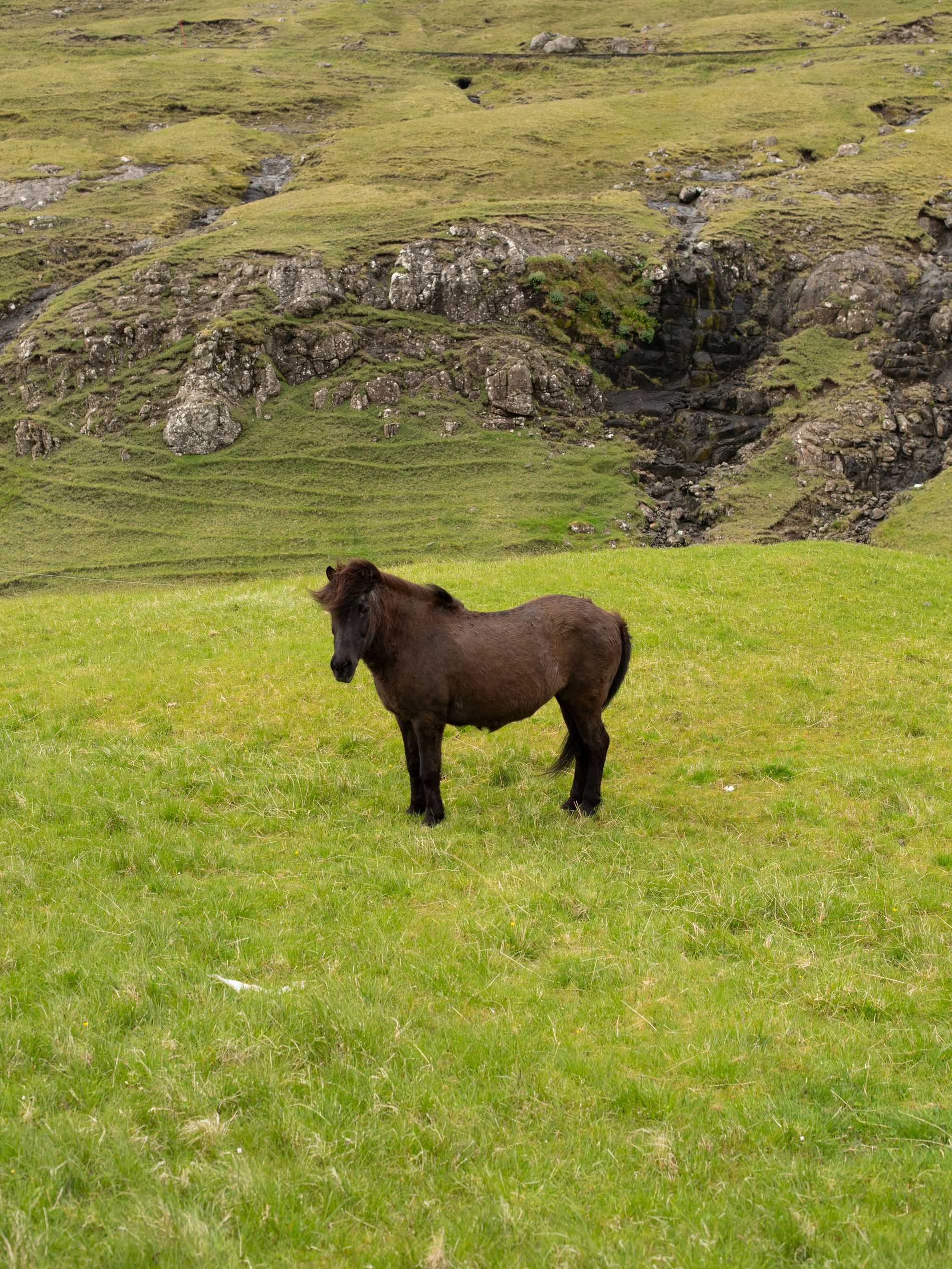
Photo: Tine Bek
Saksun
With more waterfalls than people in this village of 11 inhabitants, Saksun village offers jaw-dropping views of the lagoon below as it winds out of sight towards the sea. The village has an untouched feel, and gazing out from the famous turf-roofed church it’s easy to see why. There’s a sense of remoteness here that’s hard to define, and in today’s world even harder to come by.
Just a 45-minute drive from Torshavn, Saksun is an ideal spot for a day trip that can be extended with a short walk alongside the water to Saksun’s Black Sand beach, where the lagoon reaches the ocean.
Related: The 10 best places to travel in 2025
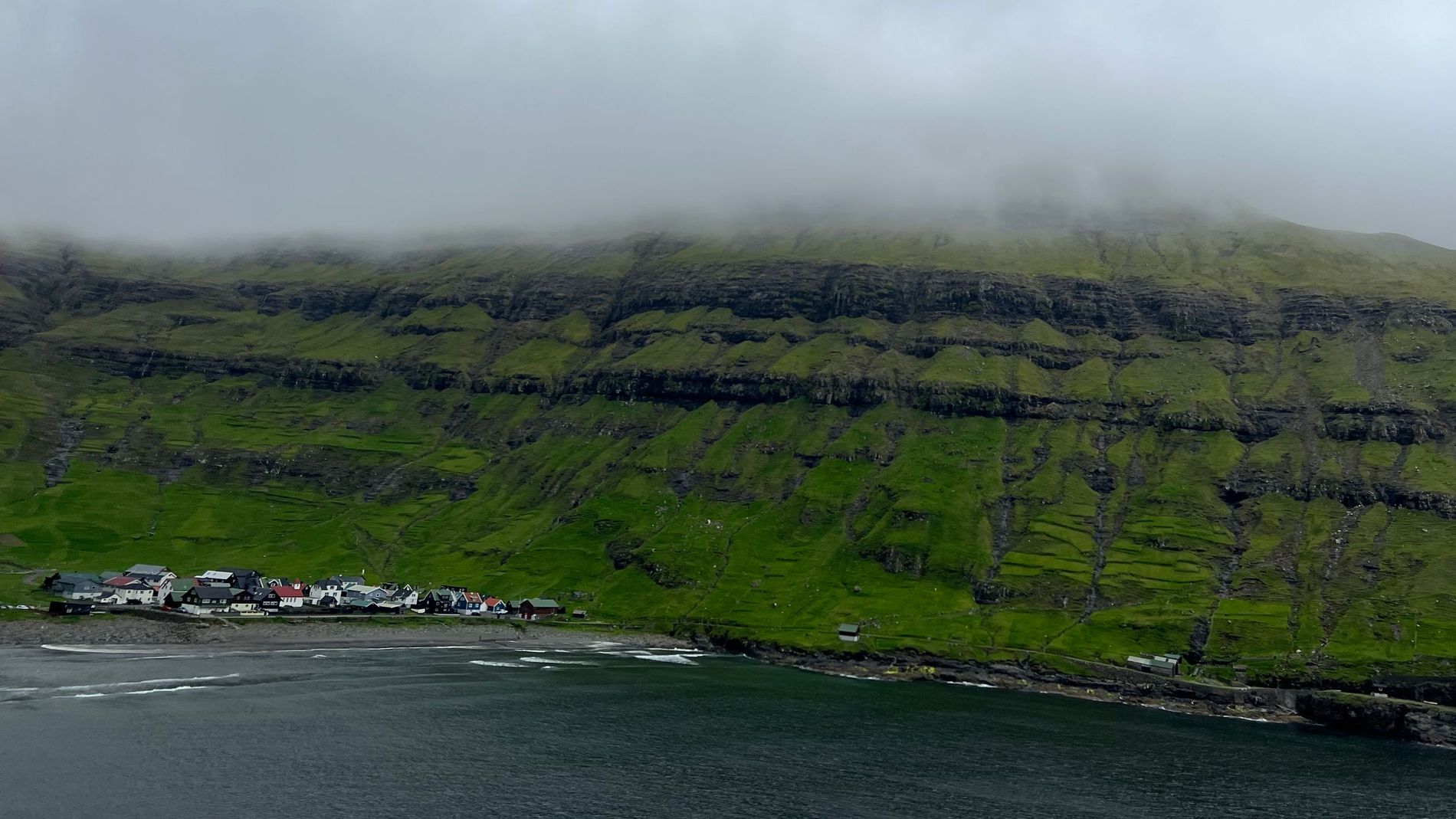
Photo: Tine Bek
Tjørnuvík
The northernmost village on the island of Streymoy, Tjørnuvík is one of the oldest settlements in all of the Faroe Islands, with Viking graves on the valley’s eastern slopes dating back to the Faroe Islands’ first inhabitants. The tall mountains surrounding Tjørnuvík, mean the village is hemmed in by cloud most days, and during the winter, untouched by the sun’s warmth for months on end.
Under the right conditions, the more brave (or cold water-resistant) among us can hire a wetsuit from the surf shack and go surfing in the sheltered bay or take the long way round with an overland hike connecting Tjørnuvík to Saksun.
What to do
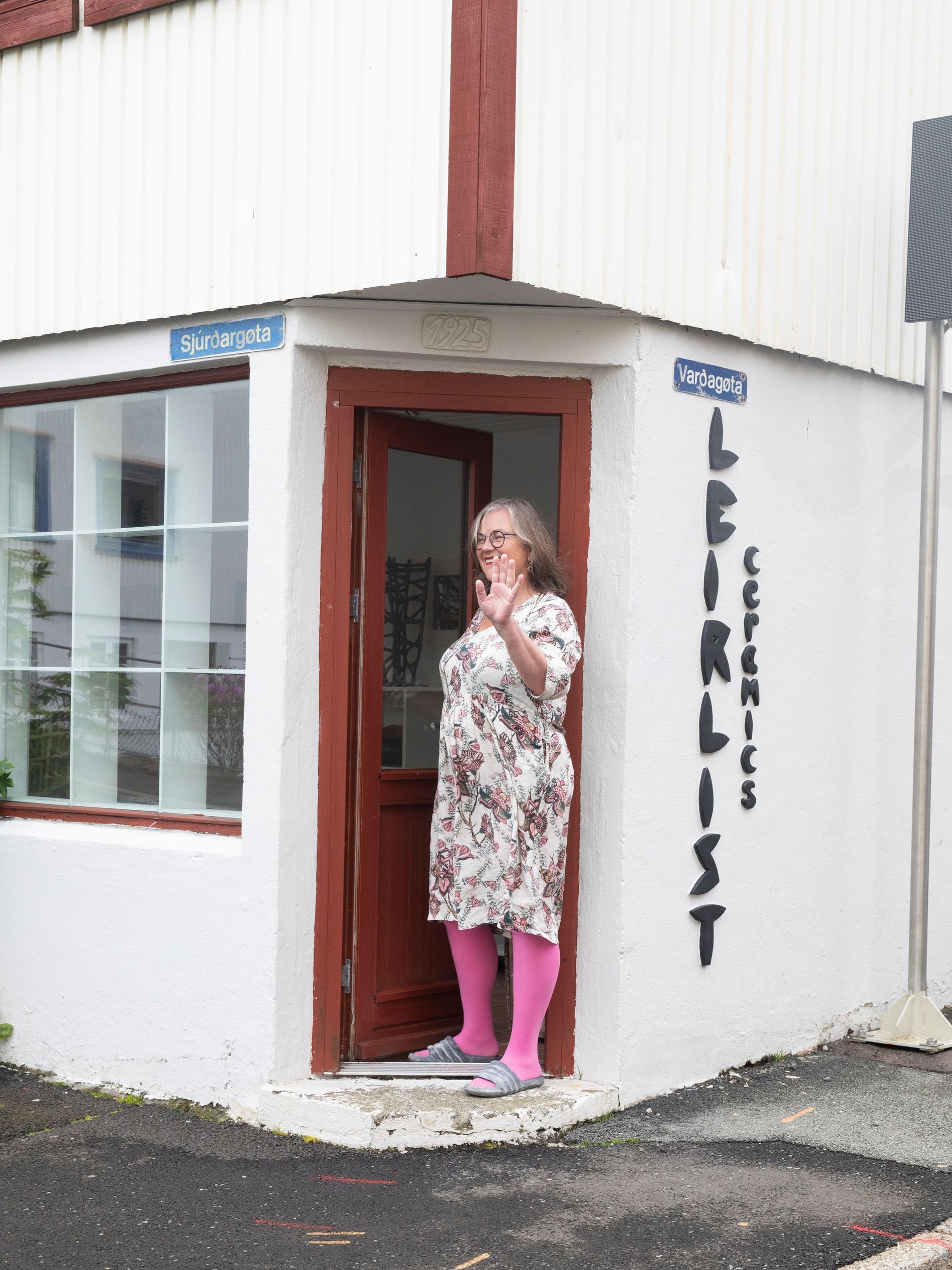
Photo: Tine Bek
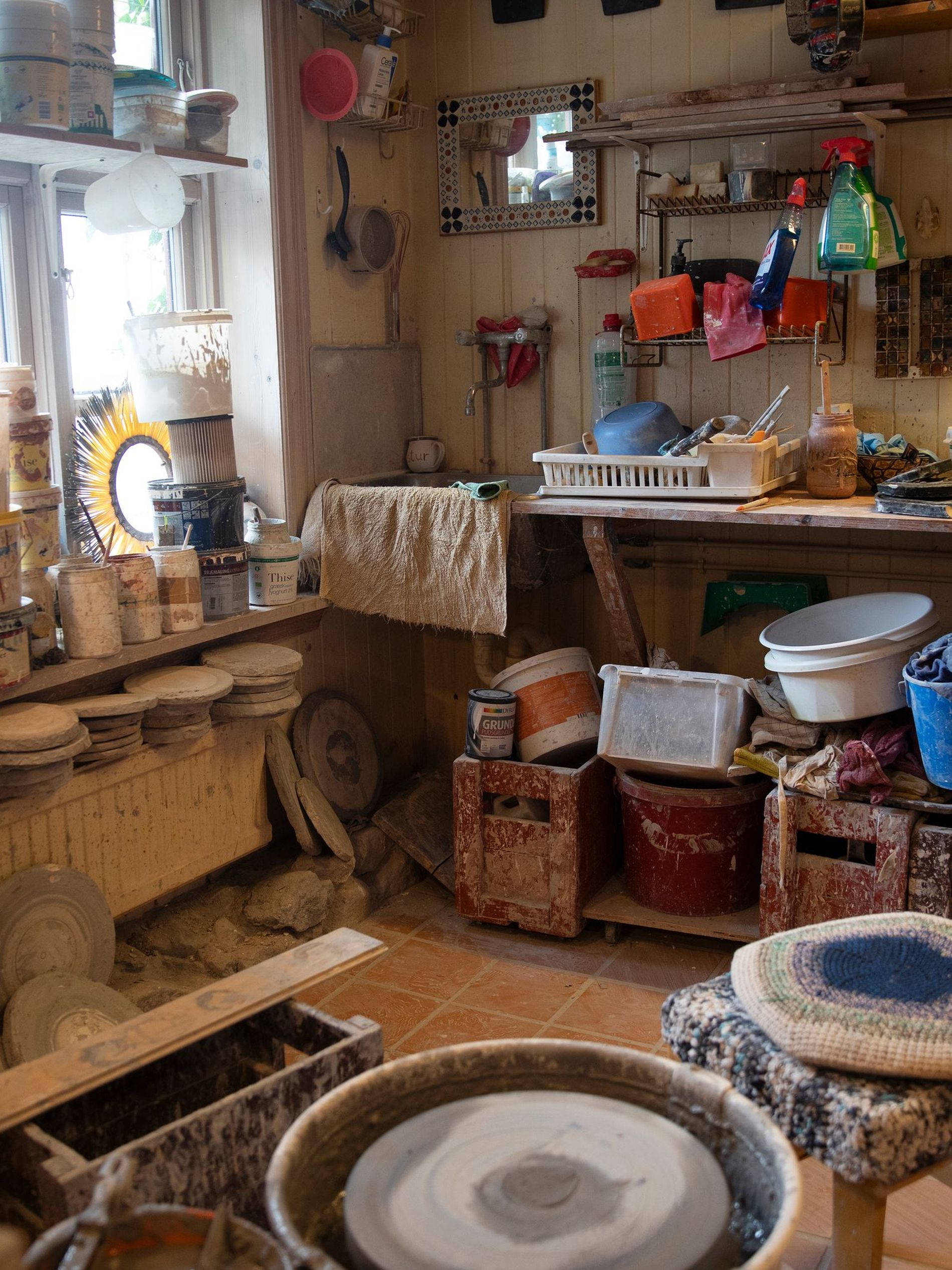
Photo: Tine Bek
Leirlist Ceramics Studio
Leirlist is the Tórshavn-based studio of ceramic artist Guðrið Poulsen, whose work has been exhibited widely across the Nordic region. Known for her distinctive forms and earthy glazes, Poulsen draws inspiration from the Faroese landscape, its textures, light, and elemental palette. Each piece shows a push and pull between tradition and experimentation, reflected in her functional work as well as larger sculptures including the five-metre tall sculpture in Fuglafjørður - a monument to women who have died during childbirth.
Poulsen’s work is so compelling that it has earned her the Faroe Islands’ prestigious Heiðursgáva award and even captured the attention of Queen Mary of Denmark, who during a recent visit to the islands, made a private stop at Poulsen’s studio to purchase several pieces.
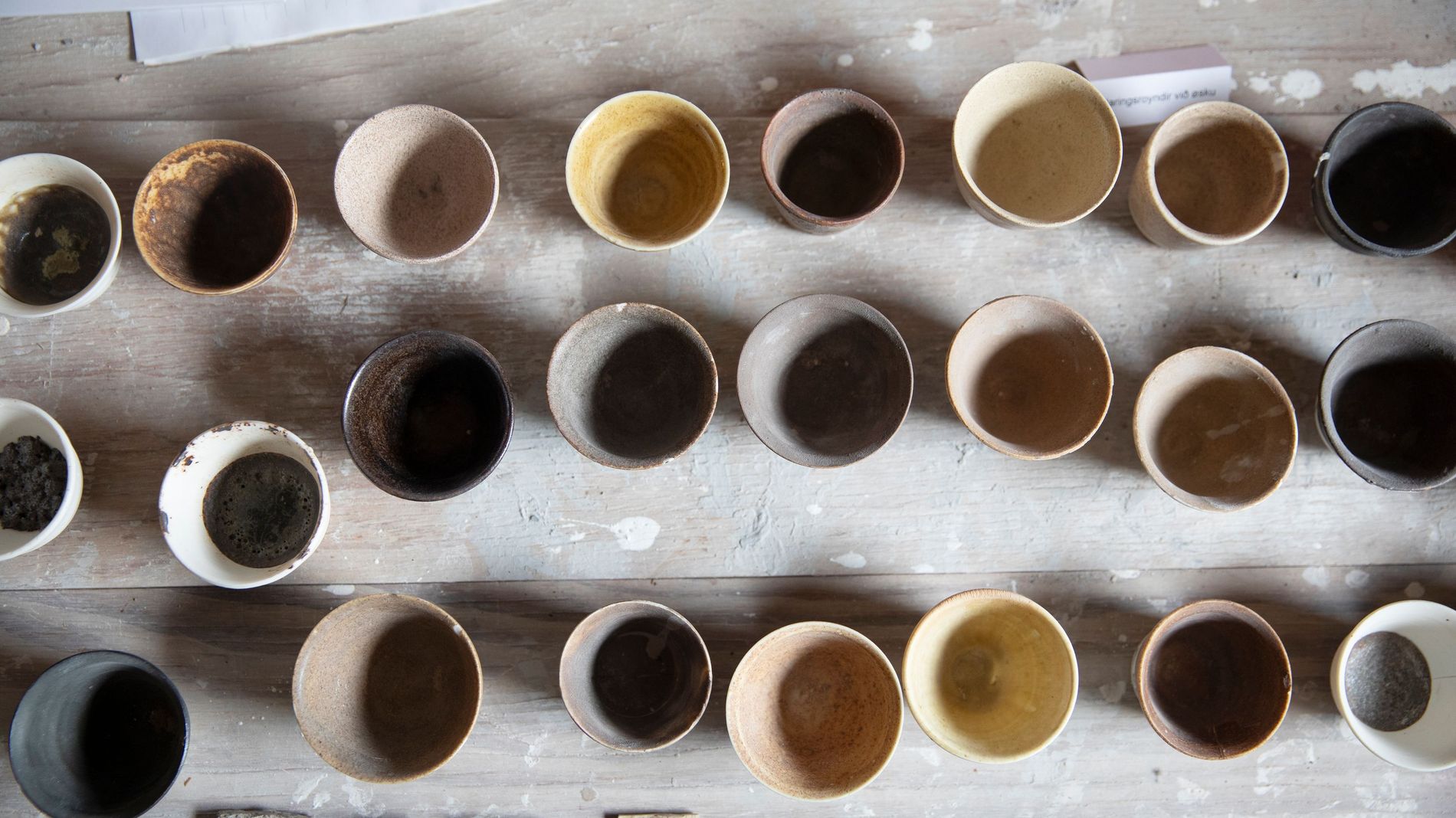
Photo: Tine Bek
In her studio, located in the heart of the capital, visitors can explore a range of handcrafted ceramics that feel both grounded and contemporary. From tactile stoneware to delicate porcelain objects, Poulsen’s work embodies the subtle beauty of life in the Faroe Islands.
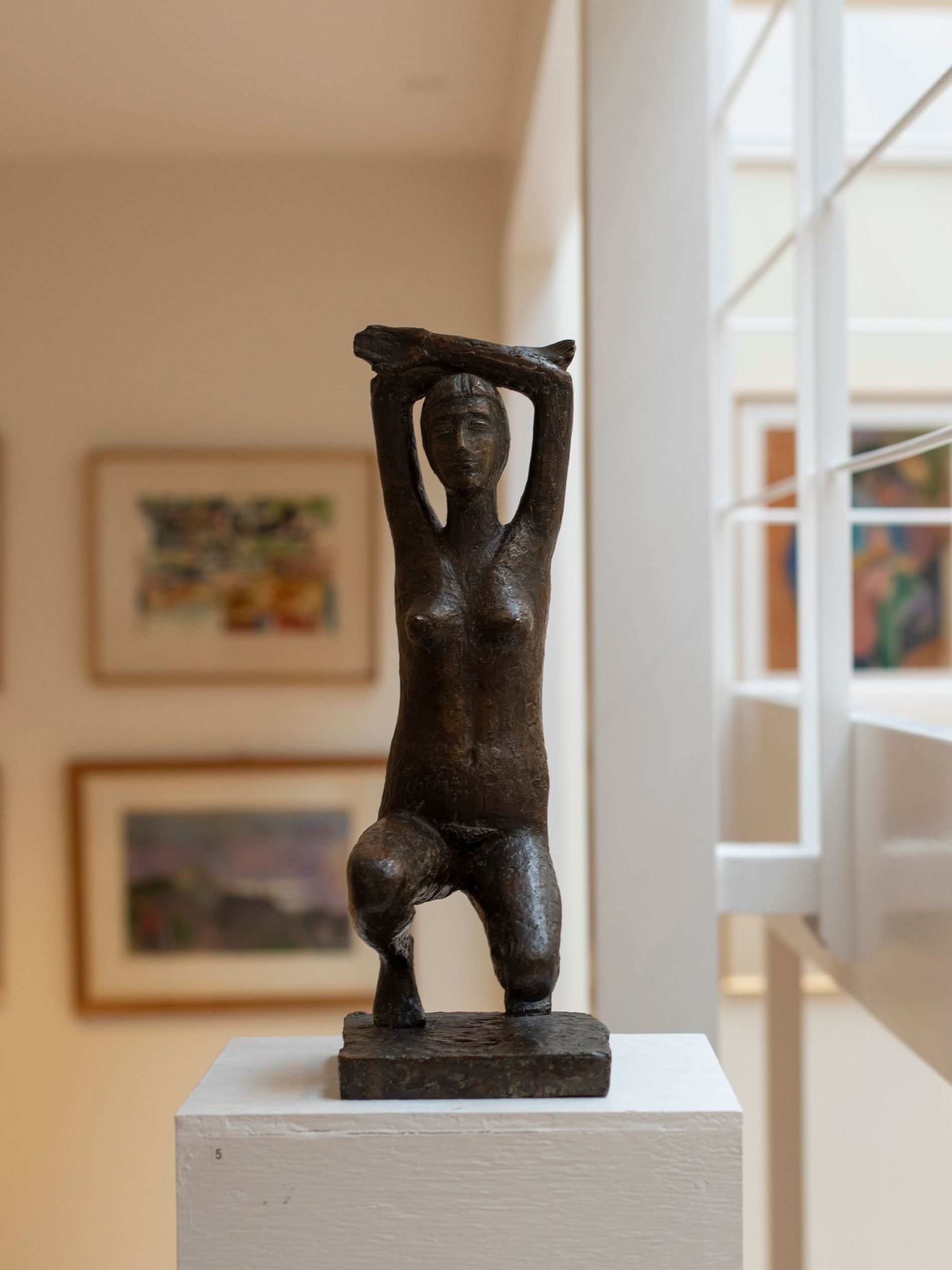
Photo: Tine Bek
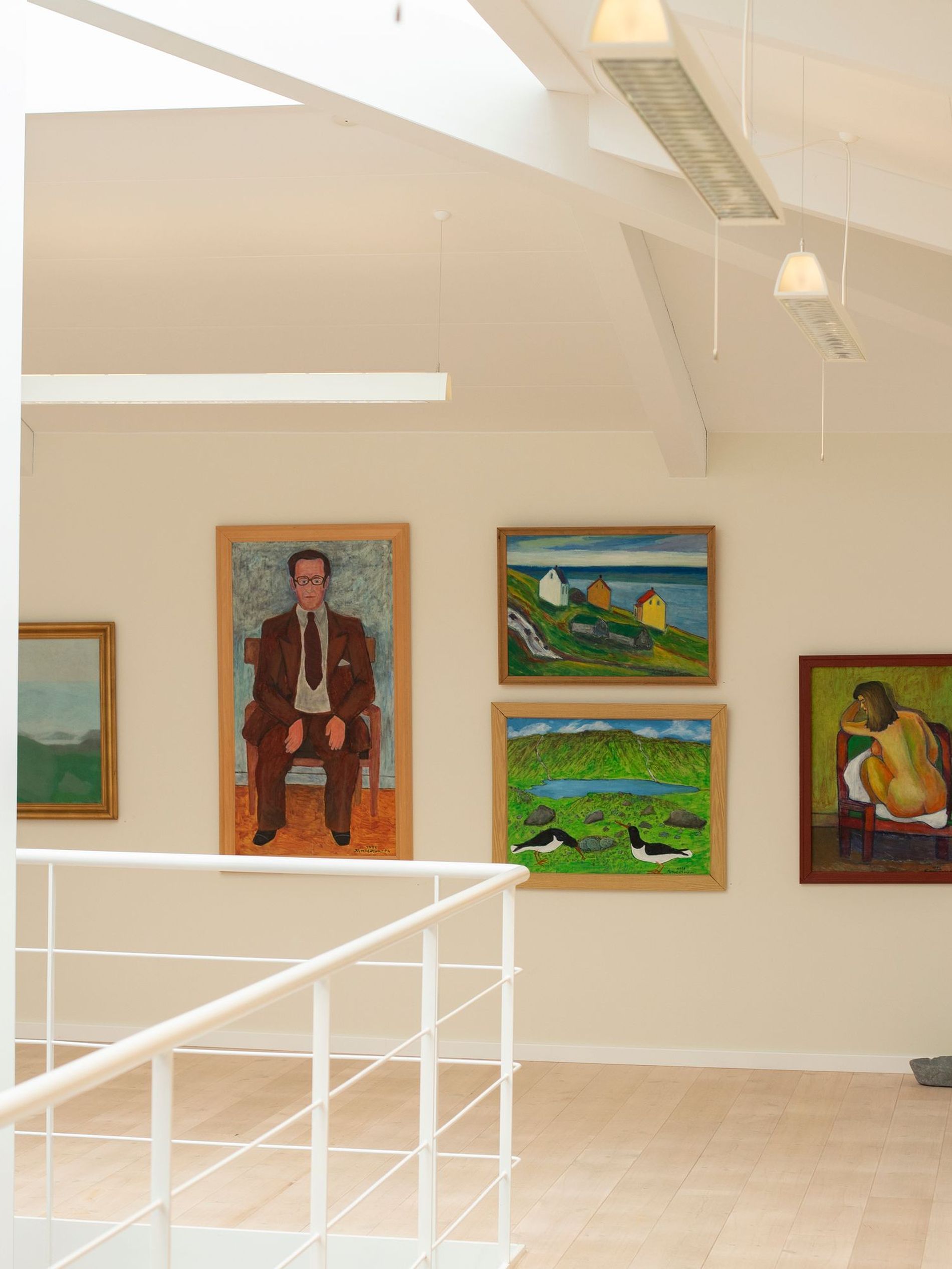
Photo: Tine Bek
Sandur Art Museum
Gifted to the people of Sandur by Faroese art collector Sofus Olsen, the Sandur Art Museum is a hidden gem that celebrates the vibrant artistic spirit of the Faroe Islands. Spanning a century of creative expression, from traditional crafts to contemporary works, the museum is adorned with oil paintings, bronze sculptures, watercolours, prints, sketches, and ceramics. With art on offer from pioneers in Faroese art, such as S. J. Mikines, Janus Kamban, Ingálvur av Reyni among others, Sandur Art Museum offers visitors a chance to immerse themselves in the rich vein of creativity that runs through the islands.
Offering quieter reflection than larger institutions, Sandur Art Museum allows an intimate glimpse into how Faroese identity continues to evolve through art, each piece telling a story of isolation and resilience, wild landscapes and tightly-knit communities. For more information on visiting Sandur Art Museum, visit their website here.
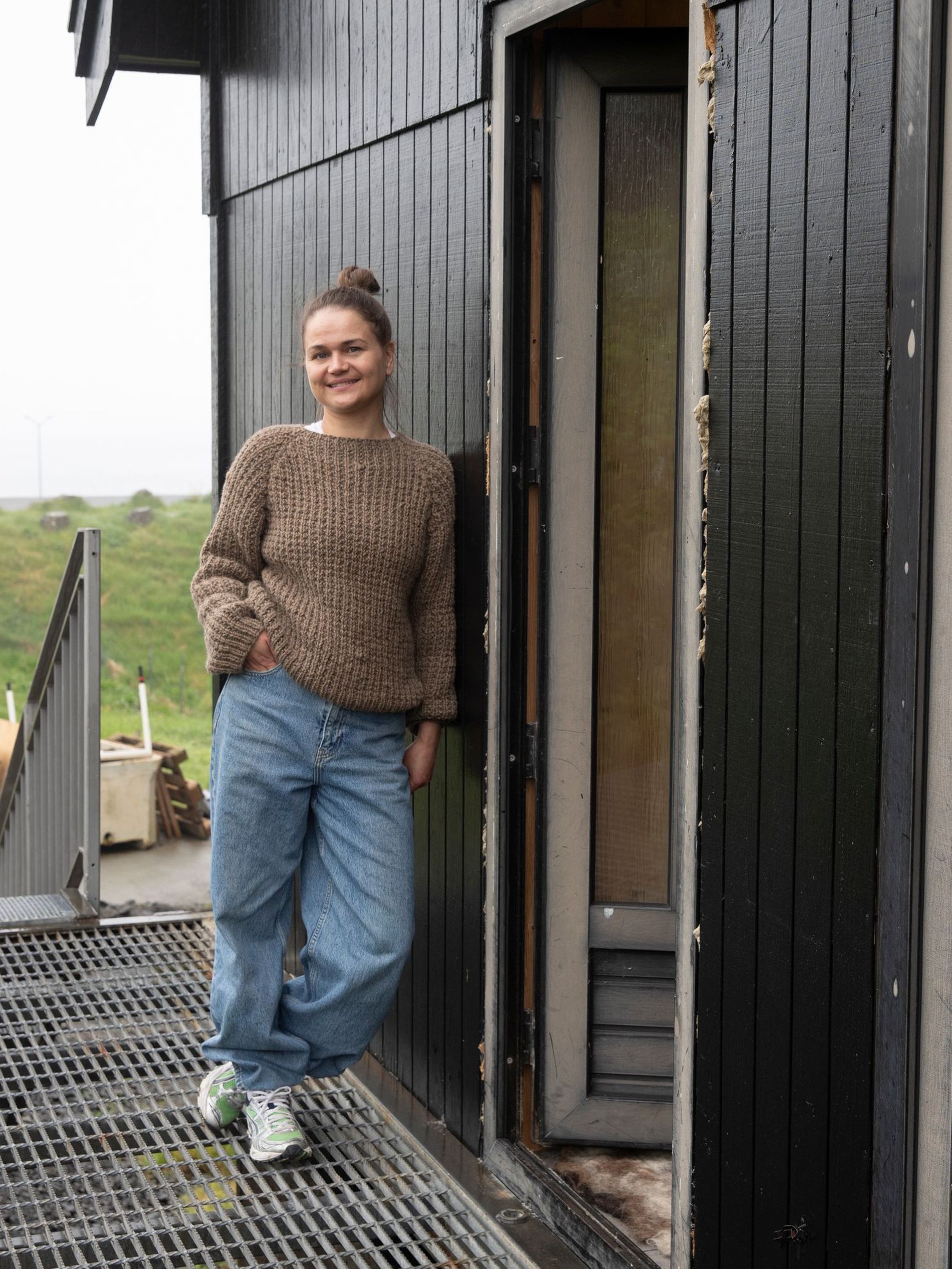
Photo: Tine Bek
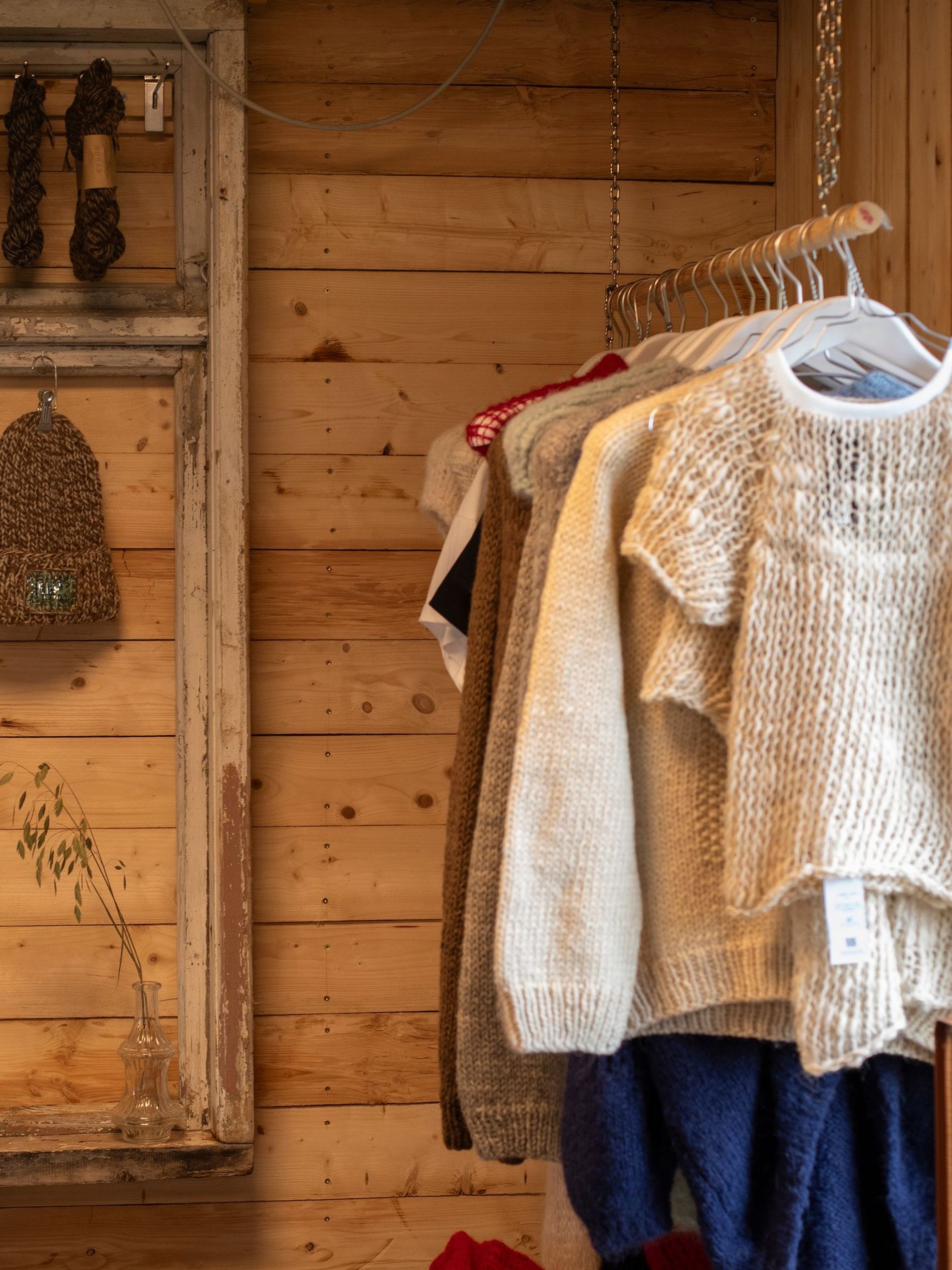
Photo: Tine Bek
Spinnaríið við ánna (The Spinnery by the River)
In the Faroe Islands, the traditional saying “ull er Føroya gull” (which translates to “wool is the gold of the Faroes”) speaks to a time when wool was one of the islands’ most valued resources. For centuries, Faroese households painstakingly cleaned and spun wool by hand. But in recent decades, as the country shifted away from agriculture, the native wool, coarser and itchier than Merino but just as warm, was often discarded or burned.
Now, on the island of Sandoy, in the village of Skopun, The Spinning Mill by the River is quietly leading a revival. Founded by local resident and generational sheep farmer, Jacob Martin and his children, this family-run Micro Wool Spinnery is dedicated to not only processing 100% Faroese wool into high-quality, distinctive yarn, but reviving interest in Faroese wool, promoting sustainable practices and upholding a rich family heritage.
You can drop in and visit The Spinnery by the River, to buy their yarn and garments or visit their website here.
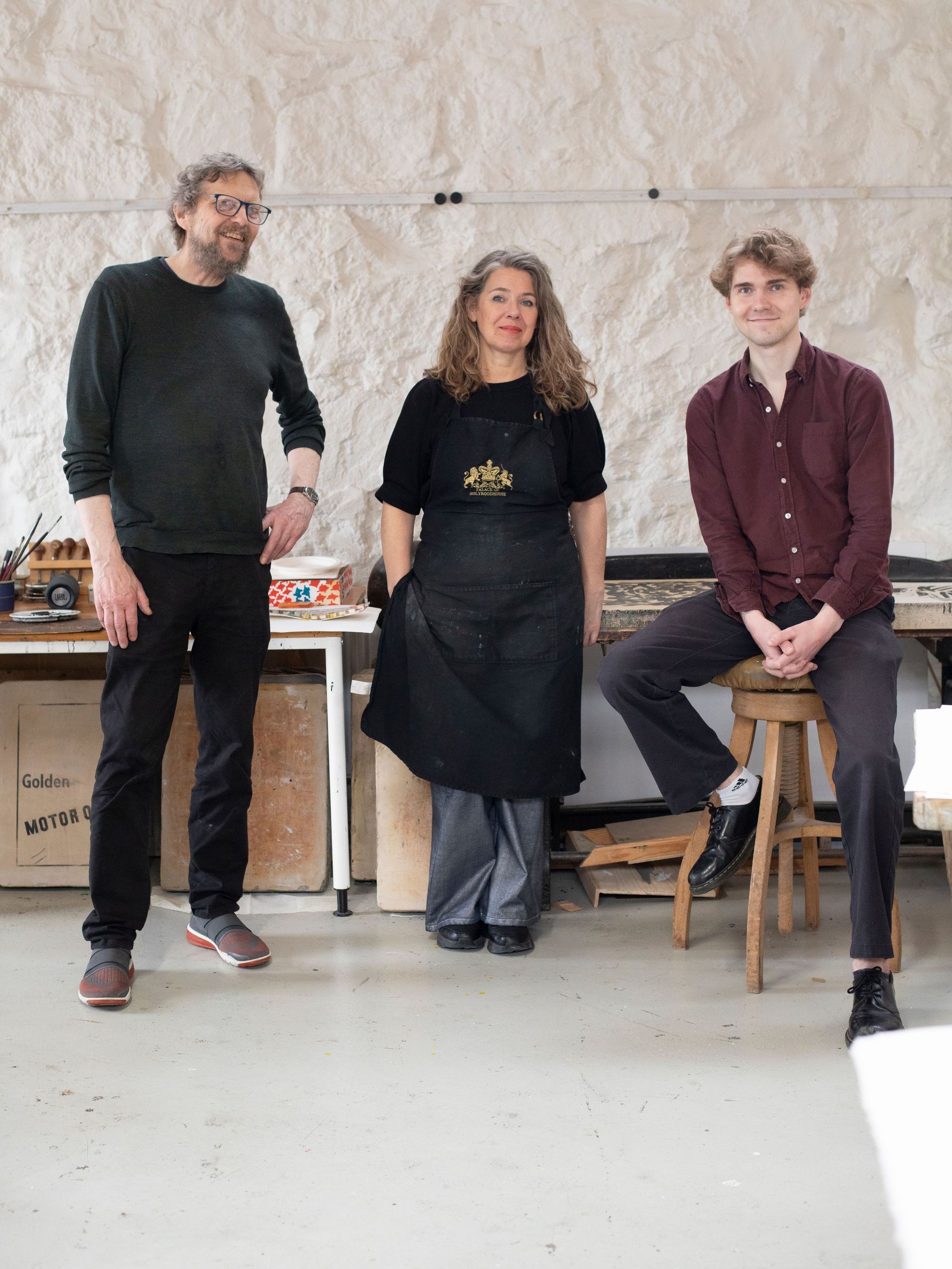
Photo: Tine Bek
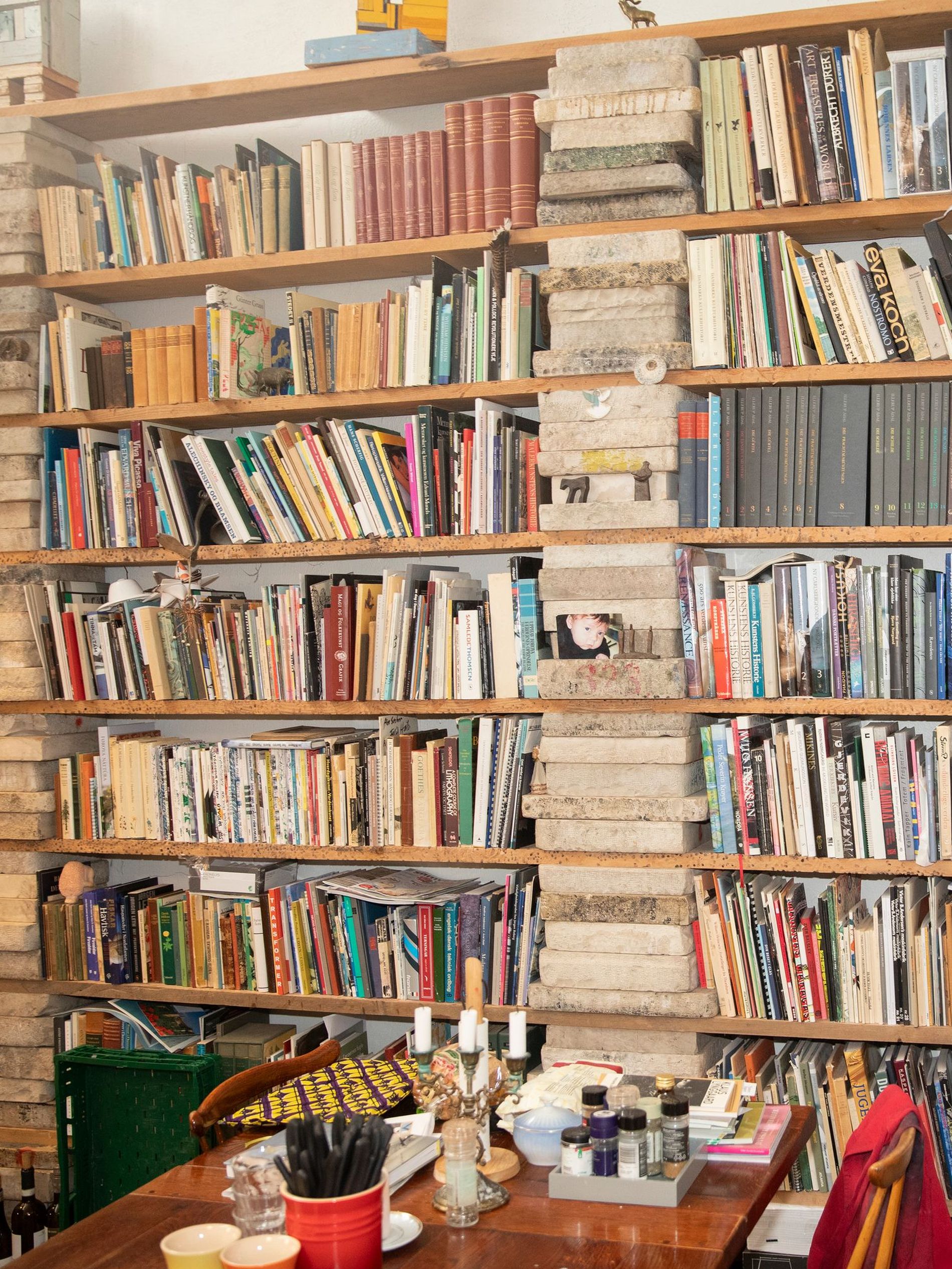
Photo: Tine Bek
Steinprent
Founded in 1999, Steinprent (the Faroese word for lithography) is a unique place for artistic collaboration and experimentation in Torshavn. Equal parts printmaking studio and gallery, it serves as a creative home for both Faroese and international visual artists, offering the tools, expertise, and space to explore the age-old craft of lithography in new and innovative ways.
Boasting an impressive roster of collaborating Faroese and international visual artists, including Per Kirkeby, Vibeke Mencke Nielsen, Bjørn Nørgaard, Ian McKeever, John Kørner and Julie Sass, artists travel to Tórshavn to engage with the lithographic process and master printers to translate their visions into richly layered prints. The result is a body of work that merges personal artistic language with the physical, hands-on craft of lithography. Visitors can explore these creations in the gallery below and gain insight into a process that’s both steeped in tradition and alive with contemporary expression.
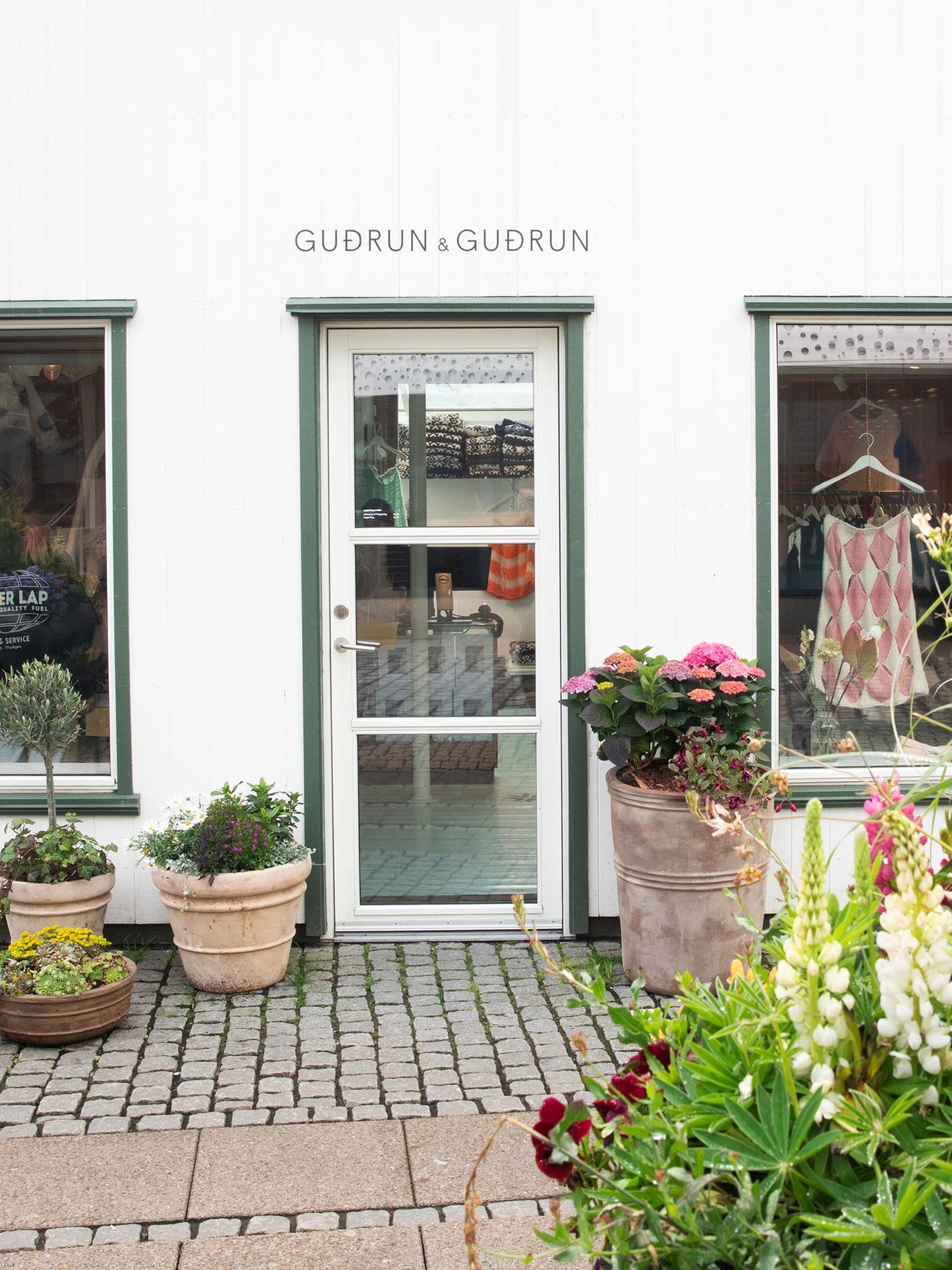
Photo: Tine Bek
Guðrun & Guðrun
Founded in 2002 by two Faroese women both named Guðrun, Guðrun & Guðrun is a knitwear brand defined by its bold aesthetic, deep cultural roots, and commitment to sustainability. Based in the Faroe Islands, the company’s hand-knit collections are created using untreated, organic Faroese wool, a raw material uniquely suited to the harsh North Atlantic climate.
Each garment is crafted by a network of skilled women knitters, not only in the Faroe Islands but also in Jordan and Peru, where the brand runs women’s empowerment projects that offer economic opportunity through traditional craft. This global, hands-on approach connects age-old techniques with contemporary Nordic design. The brand’s aesthetic draws heavily on the isolation, resilience, and stark beauty of its homeland, with signature pieces earning an international following while staying true to their values: slow fashion, social responsibility, and deep respect for heritage.
Their flagship store in downtown Tórshavn offers a thoughtful edit of the collection, but their pieces can also be found online, bringing a touch of the Faroe Islands to wearers around the world.
Where to Eat
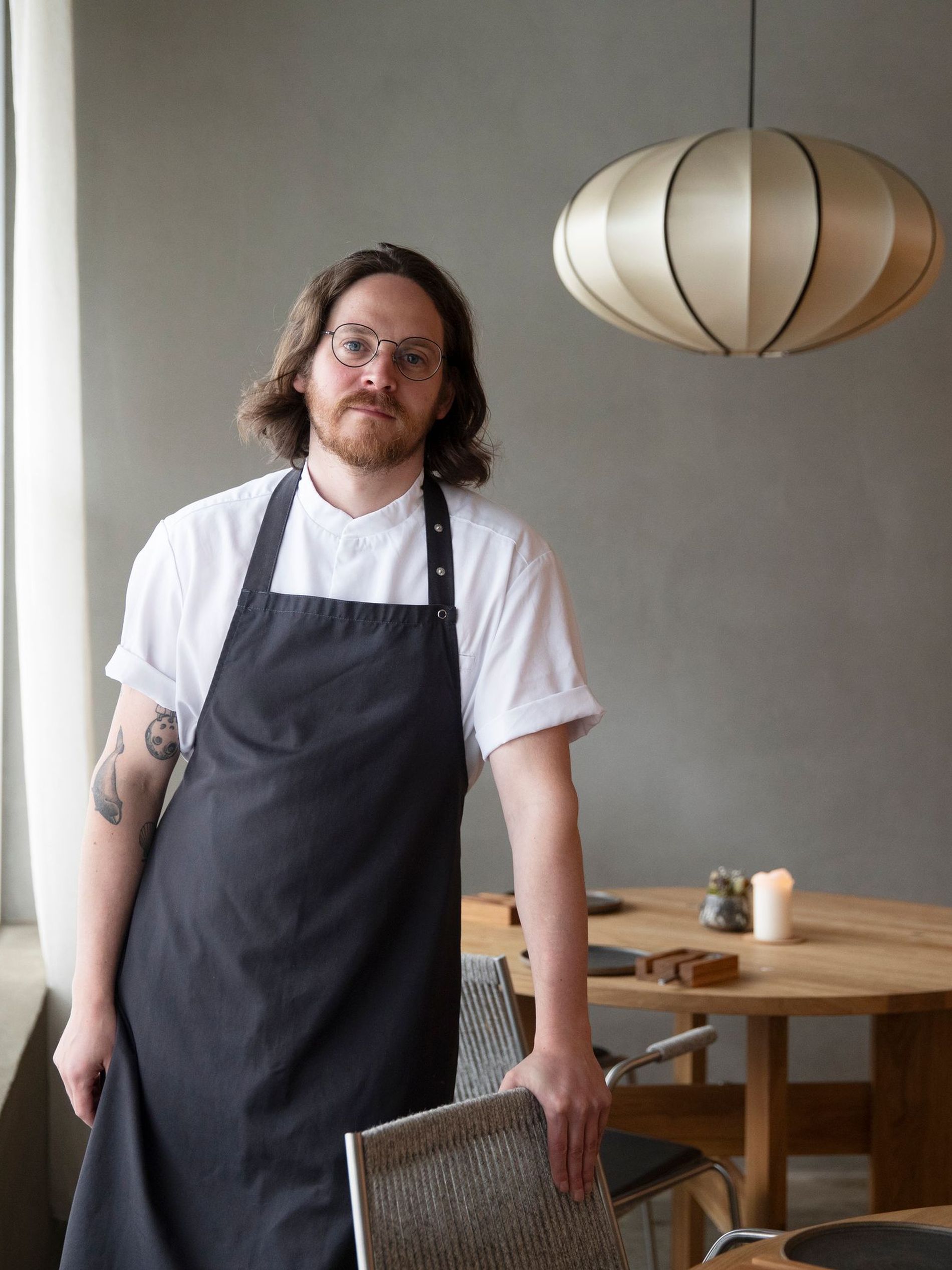
Photo: Tine Bek
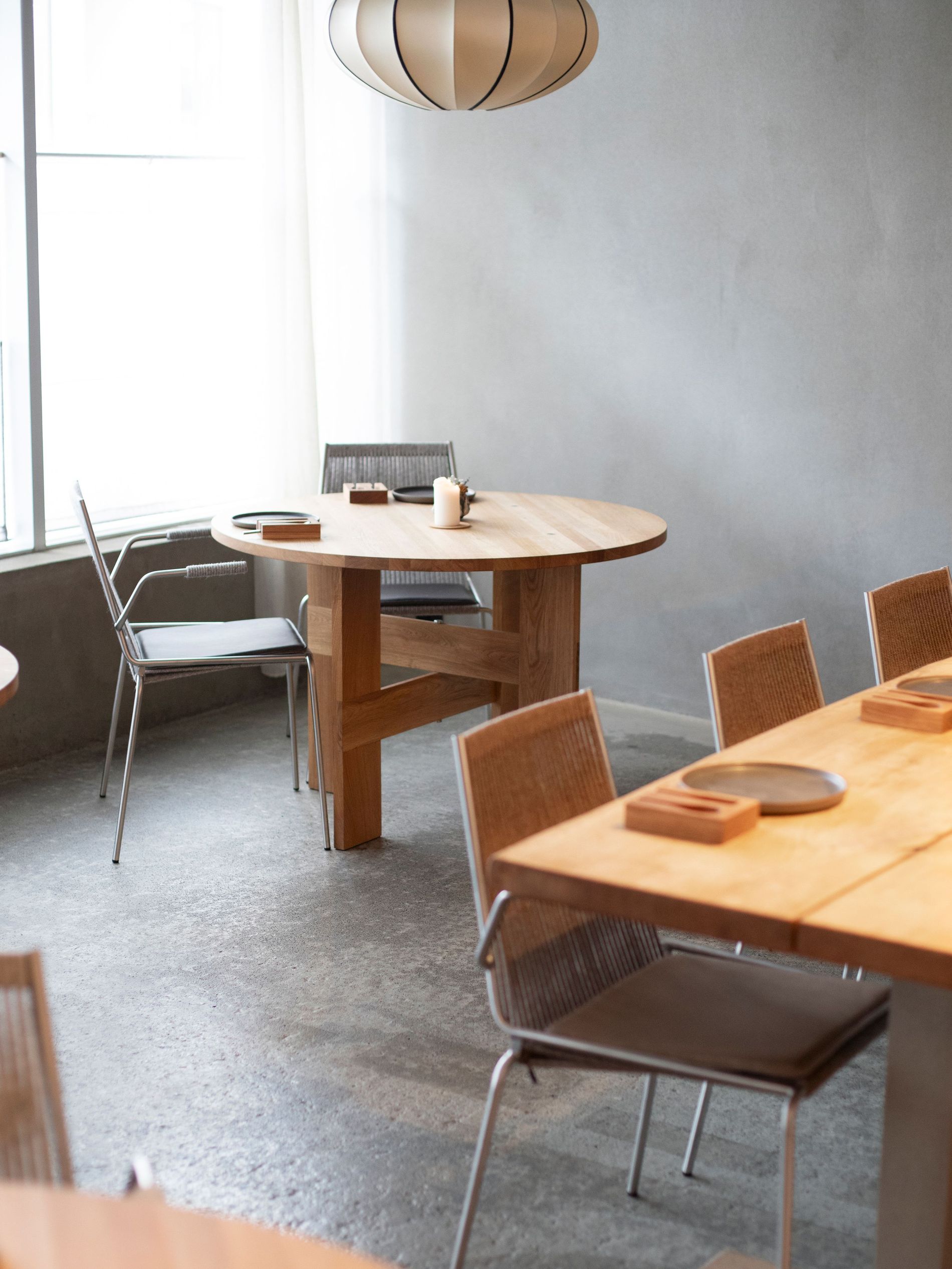
Photo: Tine Bek
Paz
Since opening in April 2025, Paz has quickly become a landmark on the global dining scene, earning two Michelin stars within eight weeks. Founded by acclaimed Faroese chef, Poul Andrias Ziska, formerly of KOKS, Paz marks a return to his roots and a deep exploration of the islands’ culinary heritage.
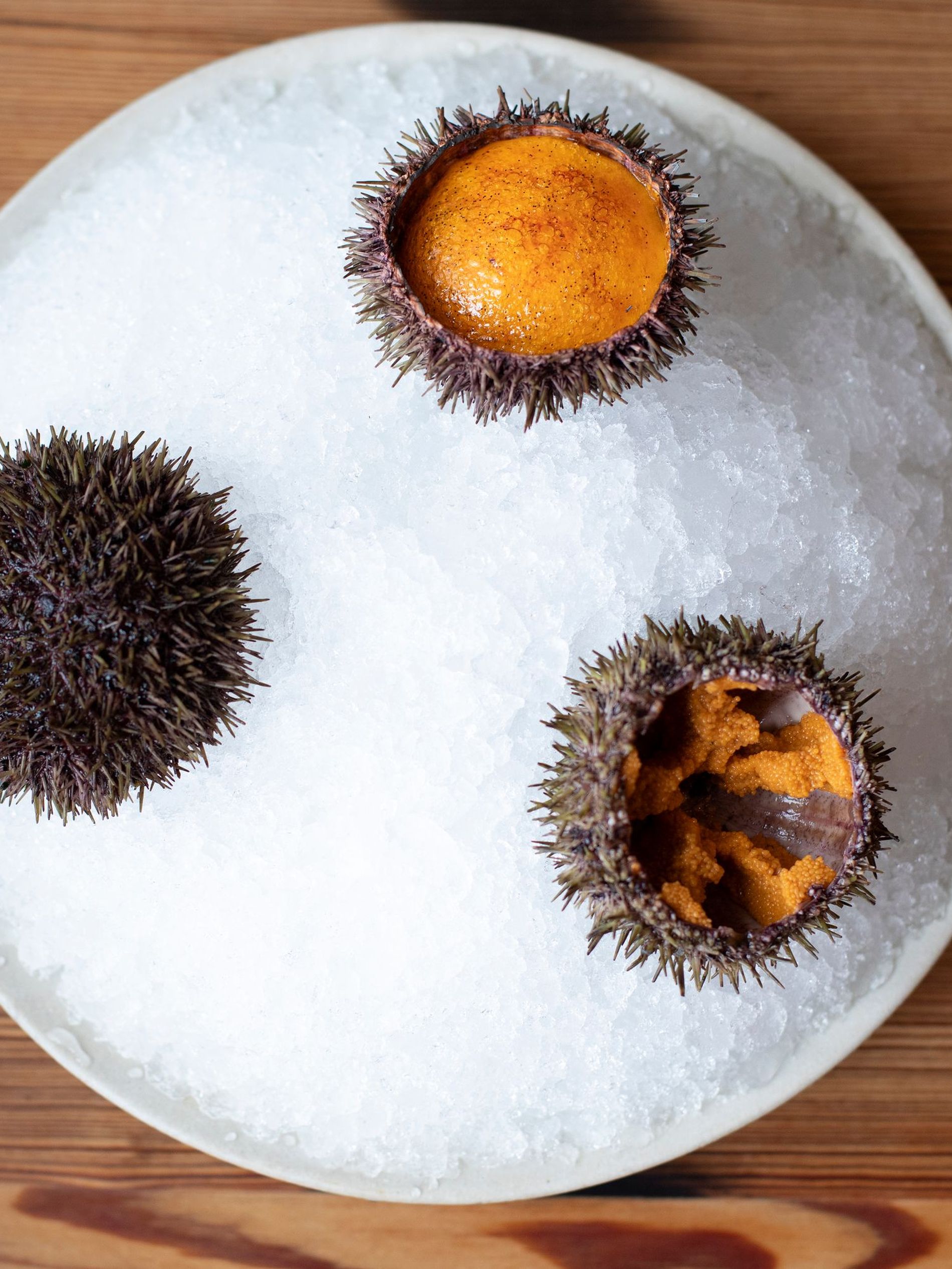
Located in Tórshavn, the restaurant draws inspiration from the surrounding land and sea, with a tasting menu that highlights local ingredients and traditional methods —most notably ræst, a fermentation process unique to the Faroes. Dishes like cured cod with seaweed tart, sea urchin and pine kosho, and fermented crowberry sauce reflect a refined yet authentic approach to regional flavours.
The kitchen’s commitment to sustainability and local sourcing is matched by its intimate collaboration with artisans. Ceramics are crafted with Faroese sand, and the interiors feature locally designed furnishings, creating a dining experience that feels deeply tied to place.
Raest
Specialising in fermented food, Ræst is one of Tórshavn’s most distinctive dining experiences. Named for the aforementioned technique of ræst, (the unique and pungent taste caused by outdoor aging of meat and fish) Raest delves deep into this time-honoured Faroese tradition of preservation, borne from necessity, and reinterprets it with bold creativity.
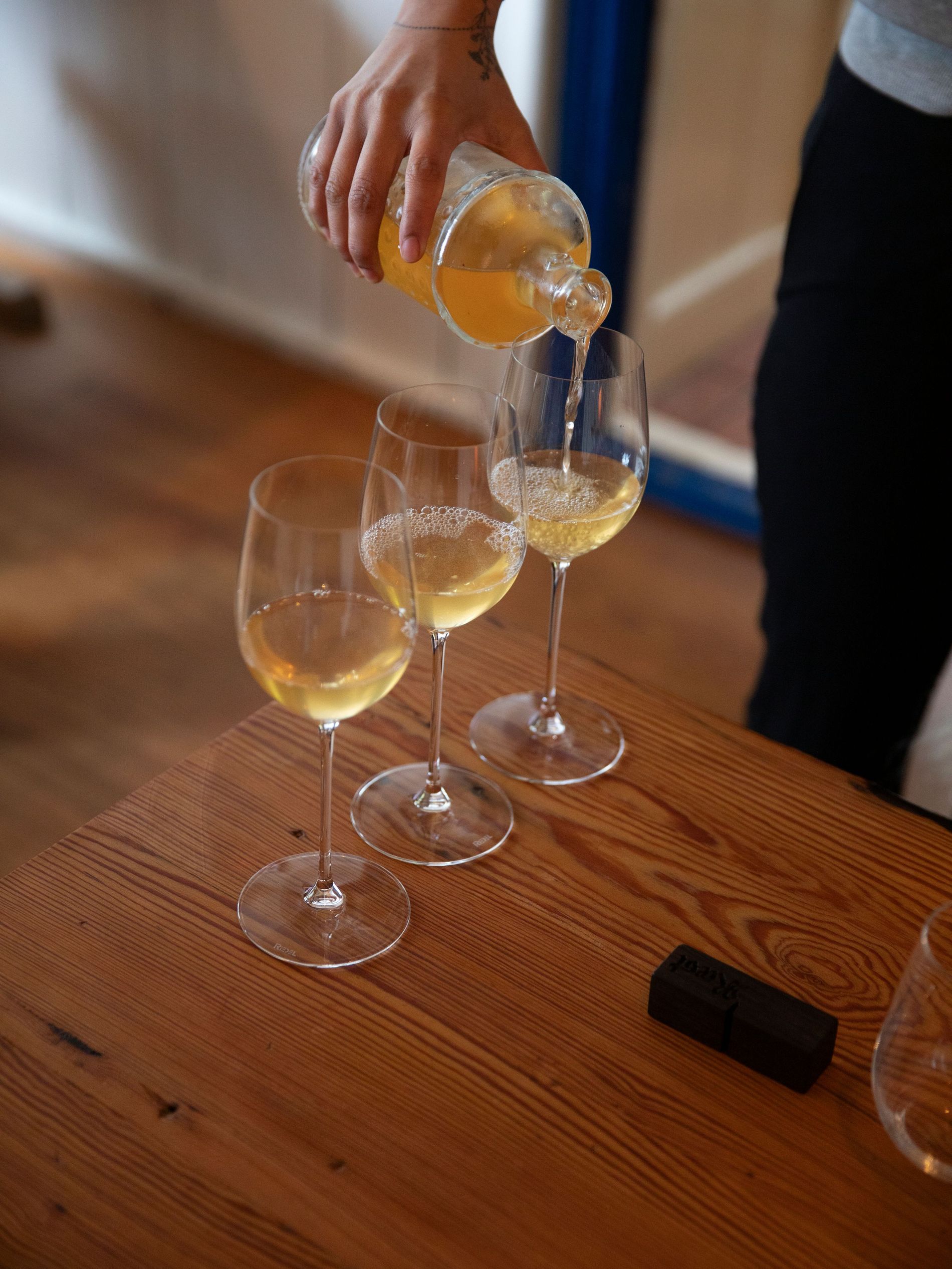
Photo: Tine Bek
With head chef, Sebastian Jiménez, infusing influences from his native Mexico, and Head Sommelier, Karin Visth, expertly curating daring wine pairings, diners can expect a modern twist on Faroese classics including fermented lamb (ræstkjøt), aged fish, and wind-dried blubber.
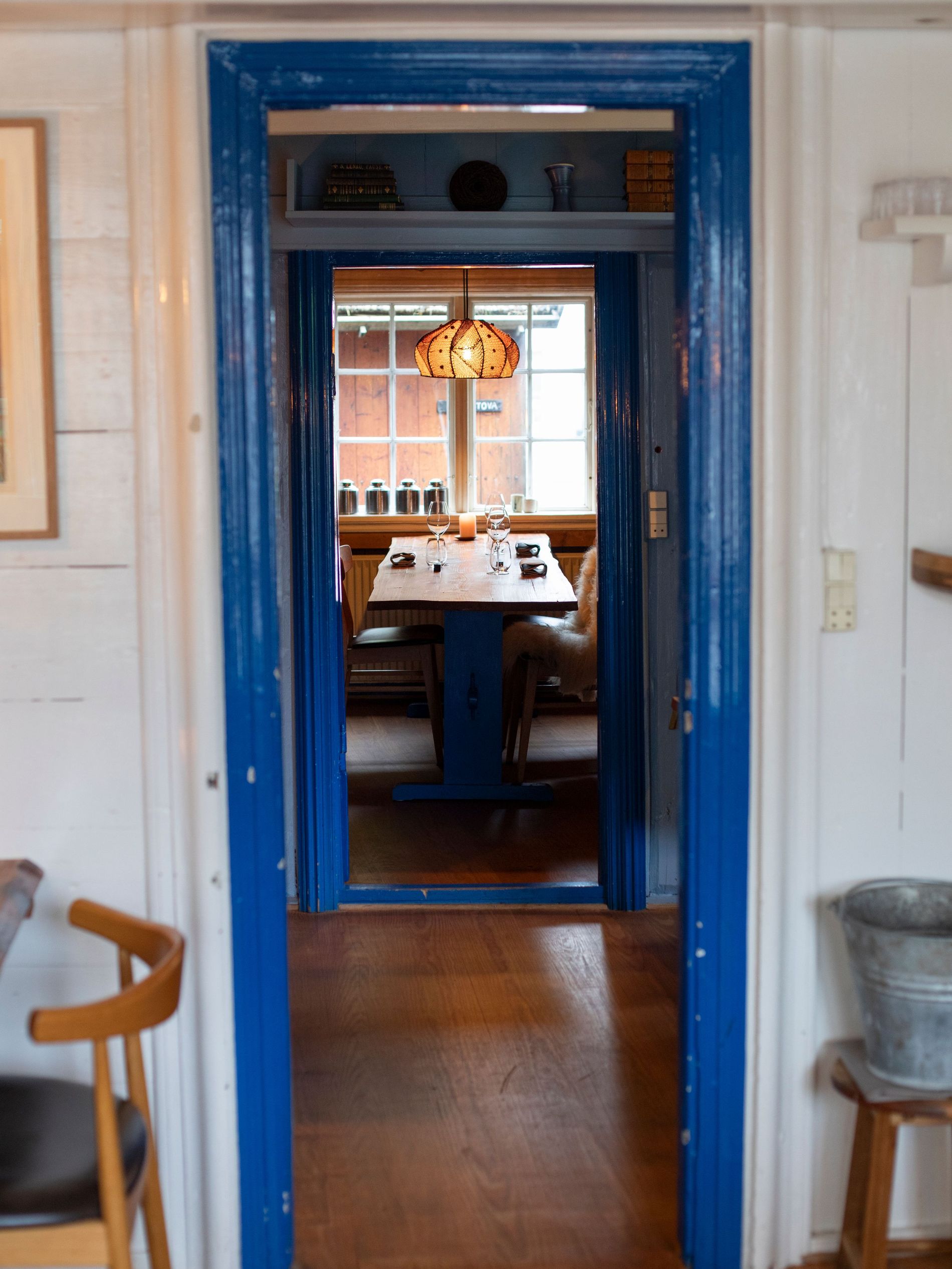
Set in a historic turf-roofed building in Tórshavn’s old town, Ræst offers a set tasting menu that invites diners on a journey through Faroese history, one bite at a time.
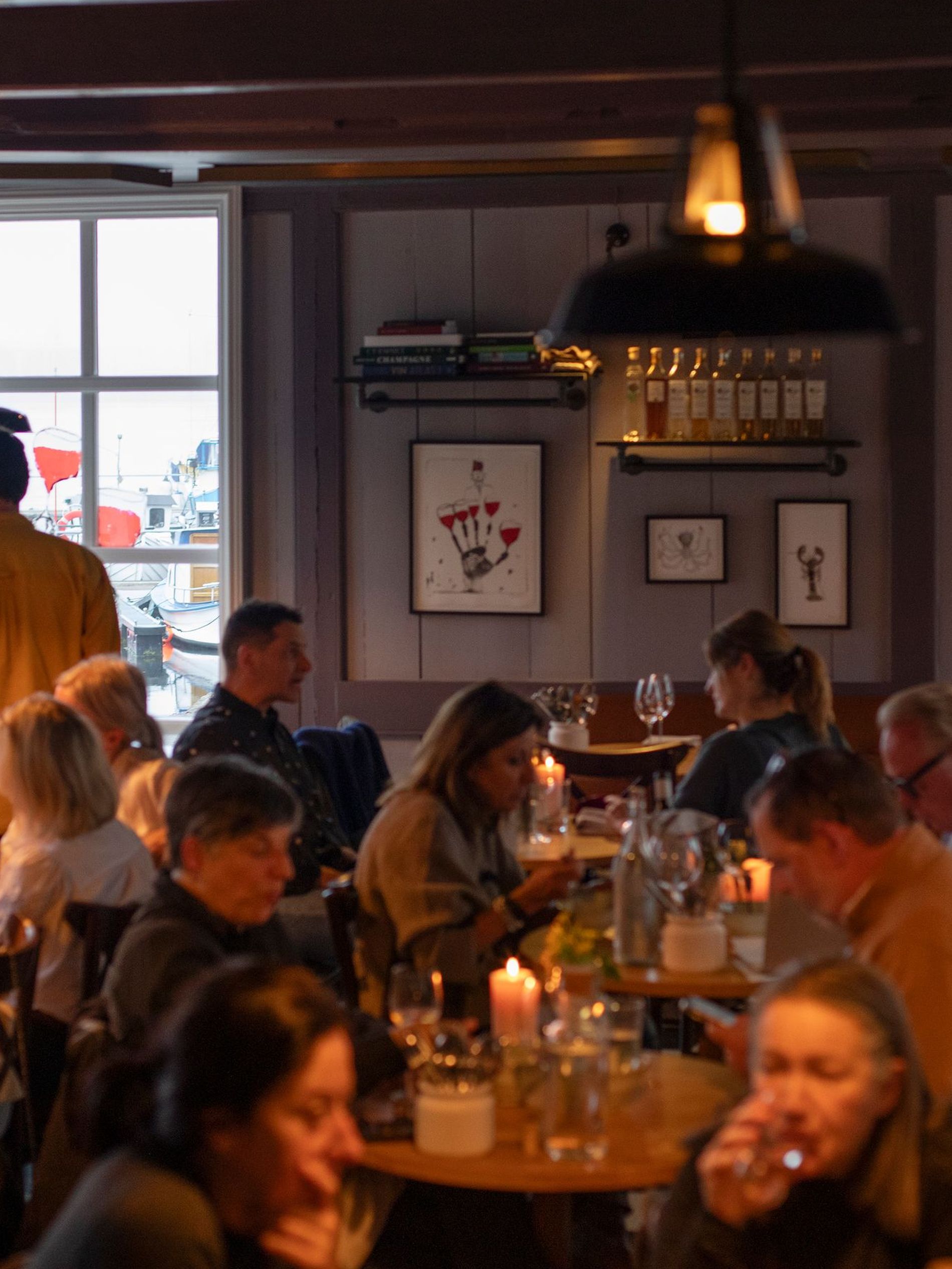
Photo: Tine Bek
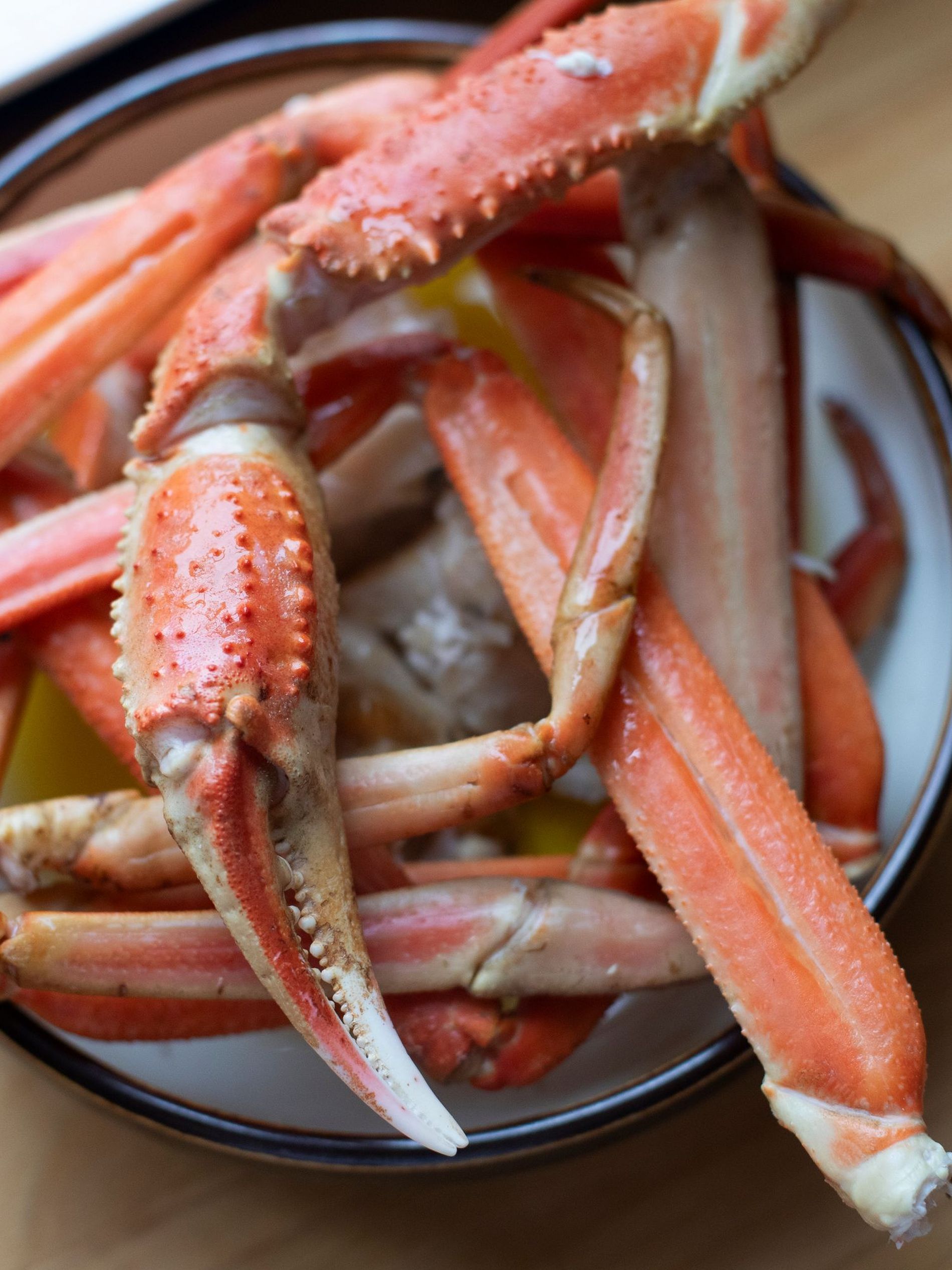
Photo: Tine Bek
ROKS
A quick stroll down the alleyway from Raest, is the acclaimed seafood-focused restaurant, ROKS. With its rustic interior, exposed beams, and relaxed atmosphere, ROKS offers a casual yet refined dining experience rooted in Faroese tradition.
Specialising in shellfish and seafood from the surrounding North Atlantic waters, the kitchen crafts set menus that shine a spotlight on the pure flavours of ingredients like local sea urchins, langoustines, and Greenlandic snow crab. Each dish is prepared with restraint and precision, allowing the natural character of the seafood to take centre stage.
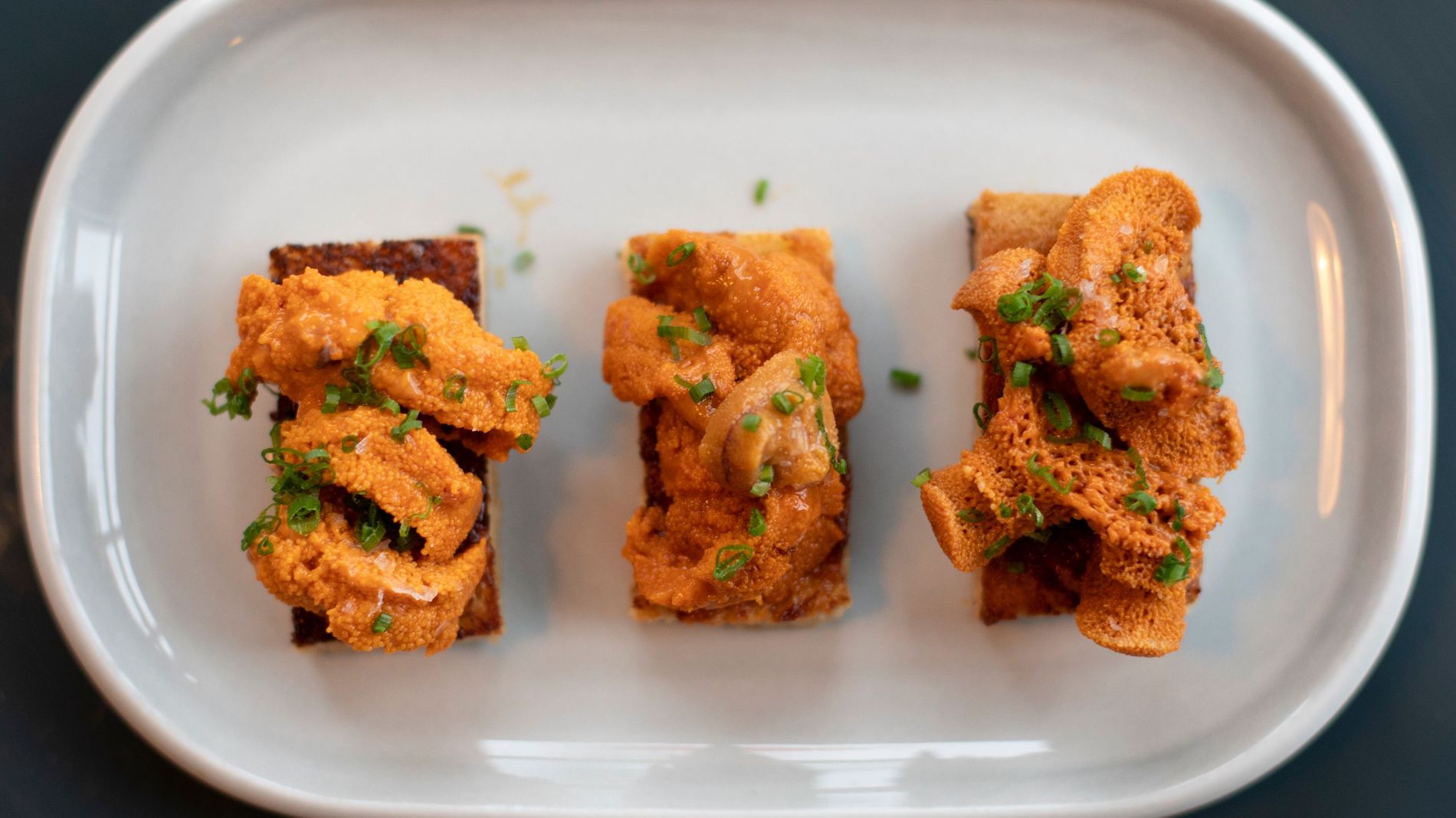
Photo: Tine Bek
The team at ROKS combines laid-back charm with culinary expertise, making the experience both approachable and memorable. The menu shifts with the seasons and daily catch, but the ethos remains constant: to honour the raw beauty of the Faroese sea with dishes that are simple, elegant, and deeply satisfying.
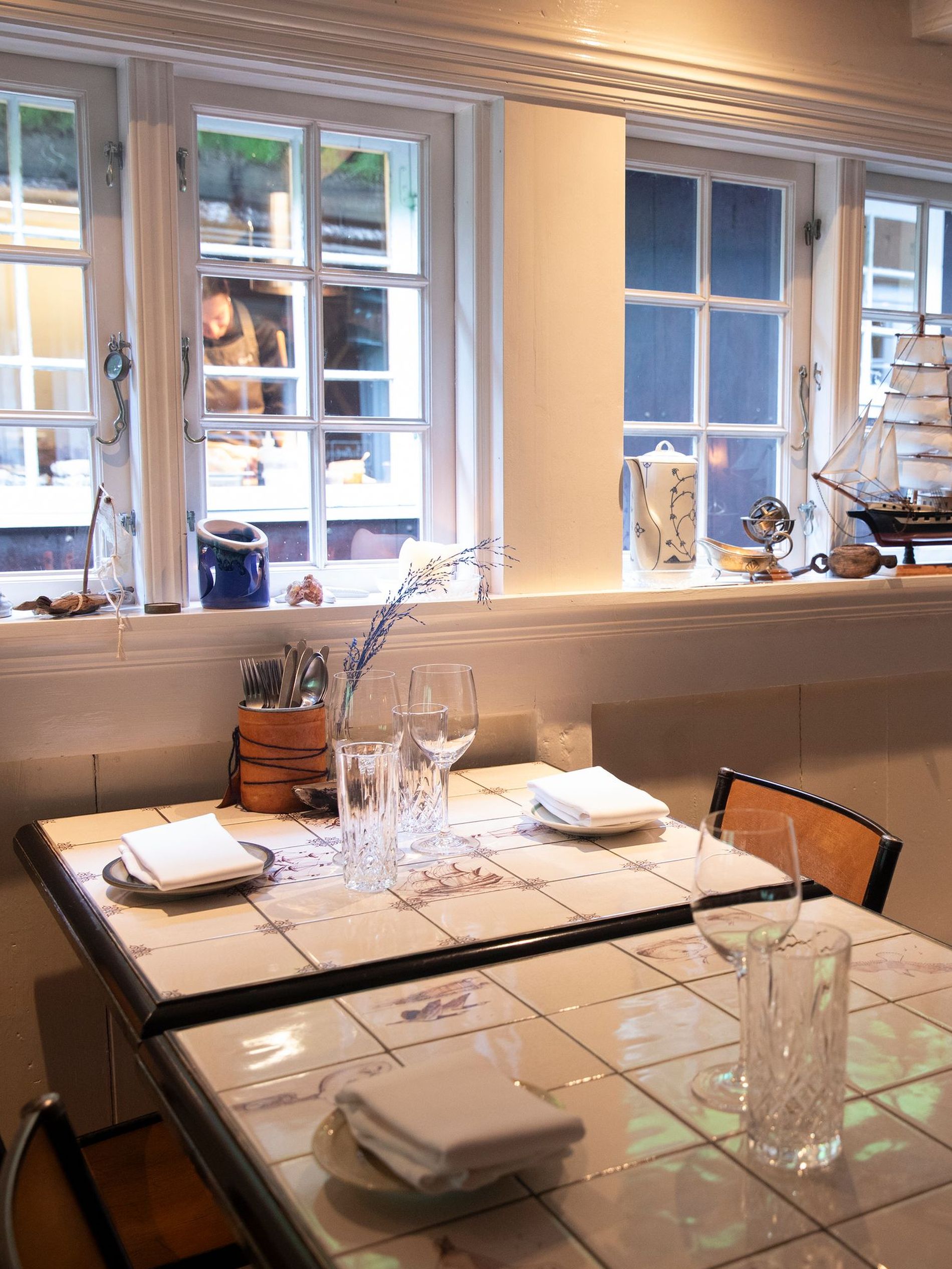
Photo: Tine Bek
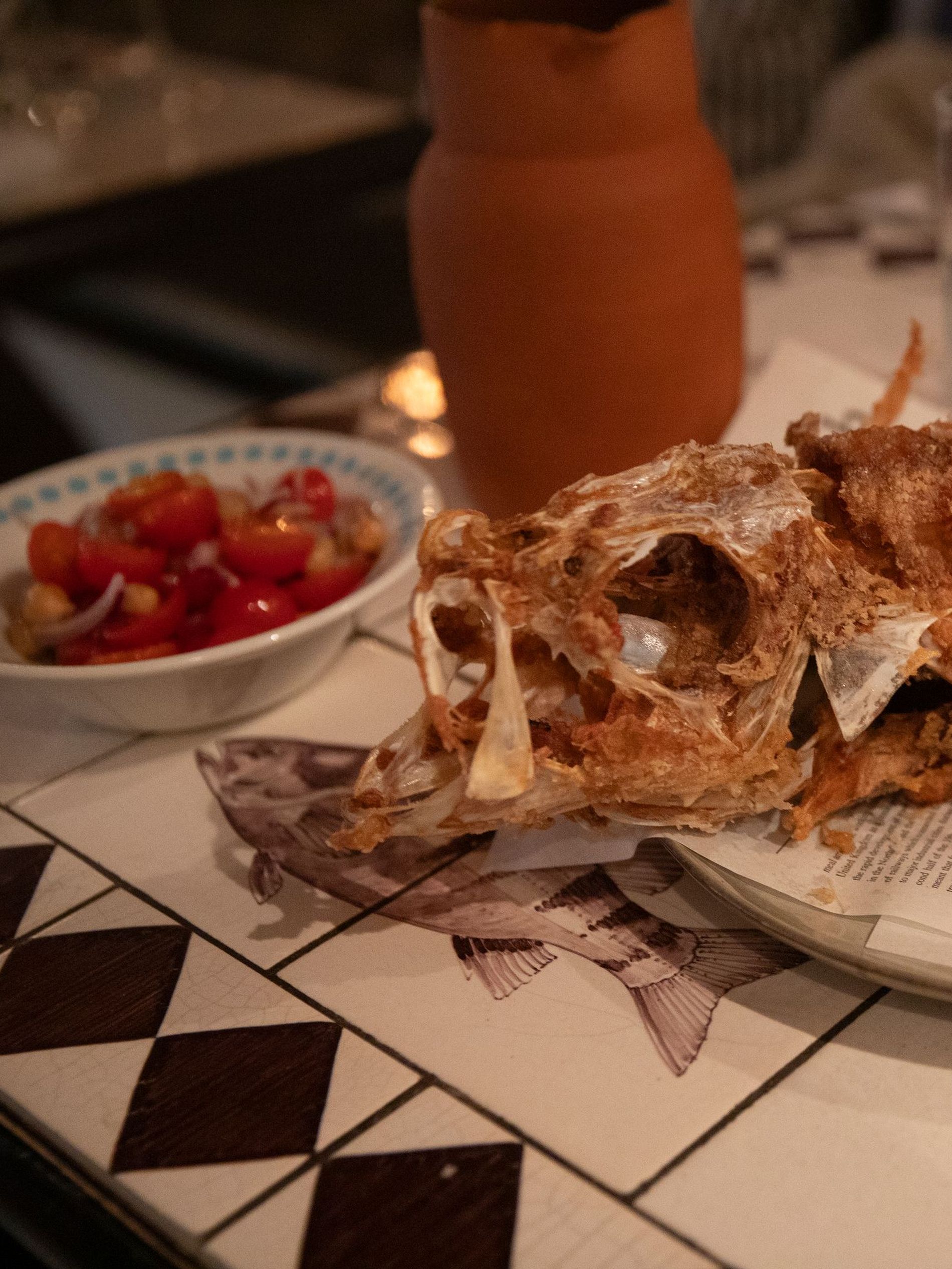
Photo: Tine Bek
Barbara Fish House
Tucked into the same cluster of buildings as Raest and ROKS, Barbara Fish House is both a culinary destination and a living piece of Faroese literary heritage. The house once served as the fictional home of “Barbara,” the famed character in Jørgen-Frantz Jacobsen’s iconic Faroese novel. Today, it offers guests a truly atmospheric dining experience, transporting them back to 16th-century Tórshavn while showcasing the richness of Faroese seafood cuisine.
Specialising in small plates, Barbara’s menu celebrates the freshest catch from the surrounding fjords. Dishes like ceviche with today’s fish, blue mussels in escabeche, and whole roasted ocean perch with pepper aioli reflect the kitchen’s dedication to local flavour and seasonality. Guests can opt for a four or seven-course tasting menu, with optional wine pairings to elevate each dish.
Beyond the food, the ambience is part of the magic. Stone walls, and flickering candlelight create an intimate setting steeped in history. Whether you’re enjoying anchovy pintxos or a spoonful of their signature flan with berry compote, Barbara Fish House offers a deeply Faroese dining experience.
Where to stay
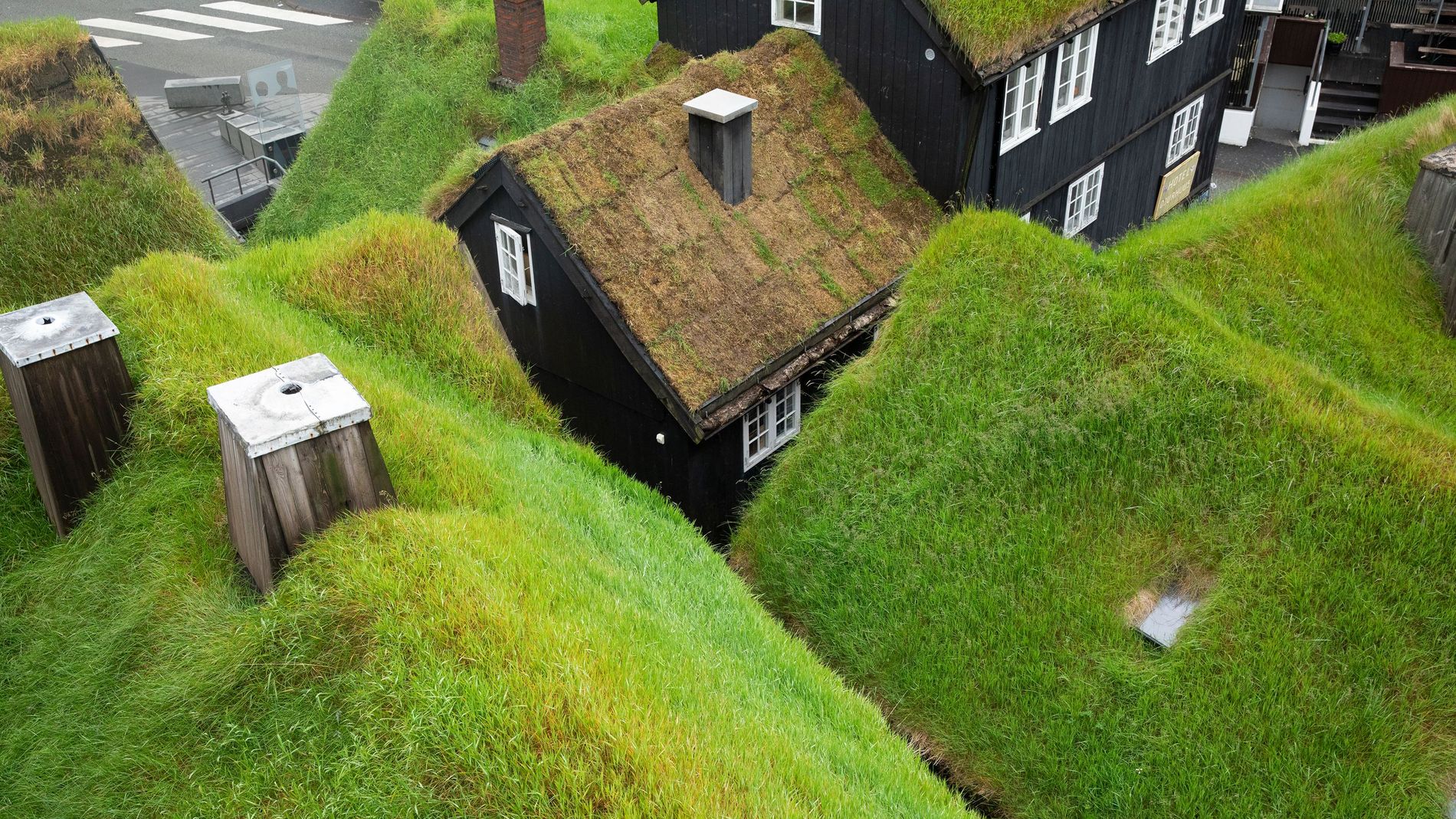
Photo: Tine Bek
Nólsoyarstova, Torshavn
Nestled in the heart of Tórshavn’s Old Town, Nólsoyarstova is an 18th-century house that has been exquisitely restored into three elegant apartments, each offering panoramic views over the harbour and the turf-roofed, black-tarred houses below. Rich in history and atmosphere, the house was once home to Nólsoyar Páll, the Faroese national hero, poet, and freedom fighter, and its name still echoes with his legacy.
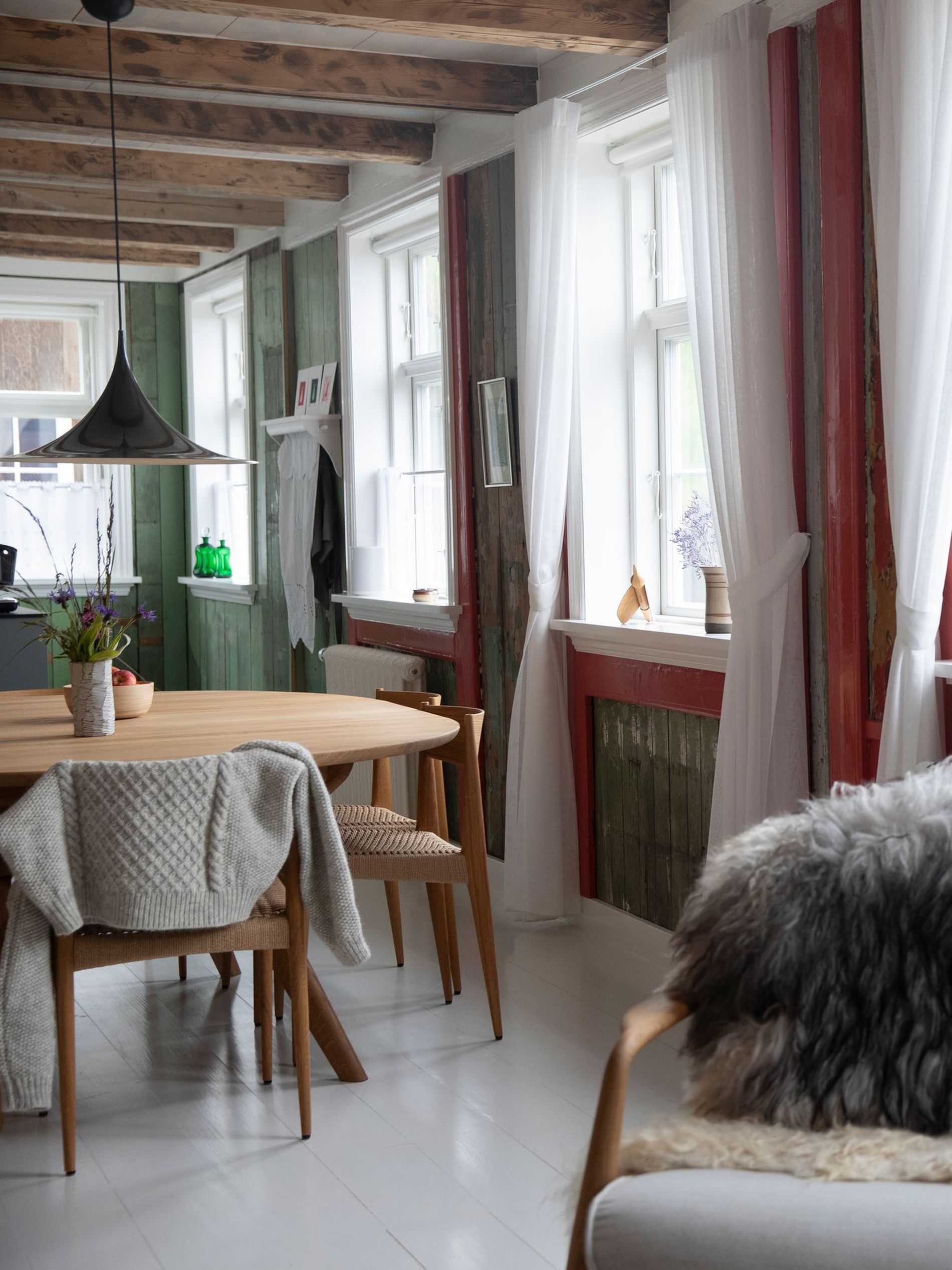
Photo: Tine Bek
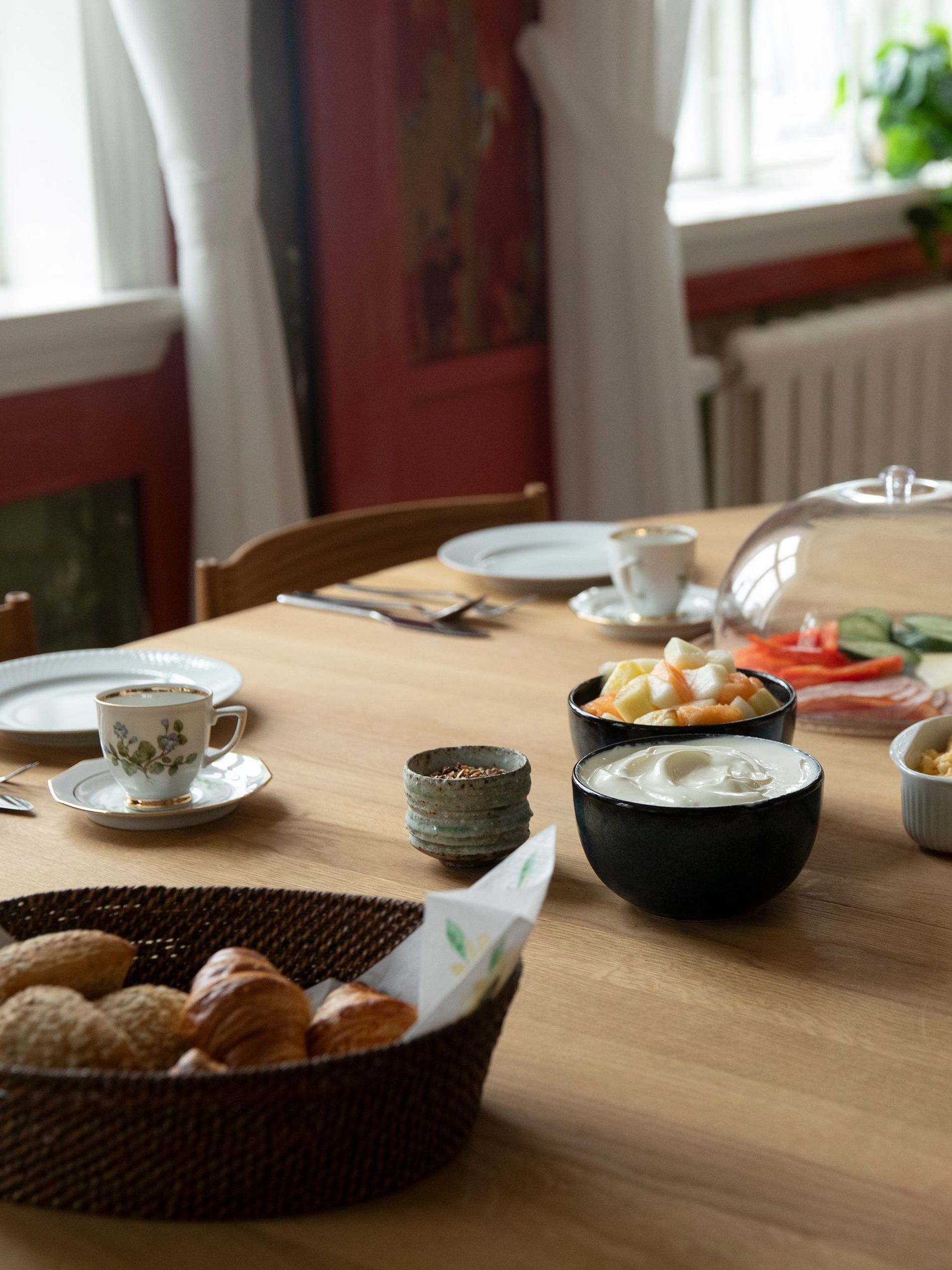
Photo: Tine Bek
Guided by a deep respect for Faroese craftsmanship and heritage, Anna Maria and Jógvan Hans Østerø have undertaken the ambitious task of bringing the building back to life and providing guests with a homely, yet elegant retreat a moment’s walk from Torshavn’s leading restaurants. With original architectural details, from timber beams to handcrafted joinery on full display, Nólsoyarstova is the perfect blend of old world charm and quiet, modern luxury.
Each apartment at Nólsoyarstova offers guests an immersive cultural experience, connecting them not only to the rhythms of daily life in Tórshavn but also to a landmark steeped in Faroese identity. From its historic bones to its stylish, modern finish, Nólsoyarstova is both a retreat and a window into the past.