
Mark your calendar with Vogue Scandinavia’s curated guide to the must-see art exhibitions shaping the Nordics in 2026
For those captivated by fashion, the art world is an essential companion. Like the clothes we wear, art speaks across time, culture, and experience. It is vibrant, transformative, and intimately tied to how we express identity and engage with the world.
In 2026, galleries across the Nordics invite us to experience art that bridges past and present. This year, exhibitions challenge tradition while exploring urgent questions of identity, materiality, and cultural inheritance. Female trailblazers take centre stage, from icons like Marina Abramović and Tracey Emin, to emerging voices such as Lap See Lam.
The programme also embraces Sámi abstraction, experimental materials, and immersive moving-image practices, while considering fashion as a form of ritual and transformation. Across disciplines, the year’s line-up asks us to see, feel, and think in ways that are both unexpected and essential, reminding us that art remains a vital, living conversation as we look to the future.
Whether you’re a dedicated gallery-goer or stepping inside for the first time, these exhibitions offer a lens to think, feel, and reimagine the world we inhabit.
Related: A new show at the Met may just make Finnish modernist Helene Schjerfbeck your new favourite artist
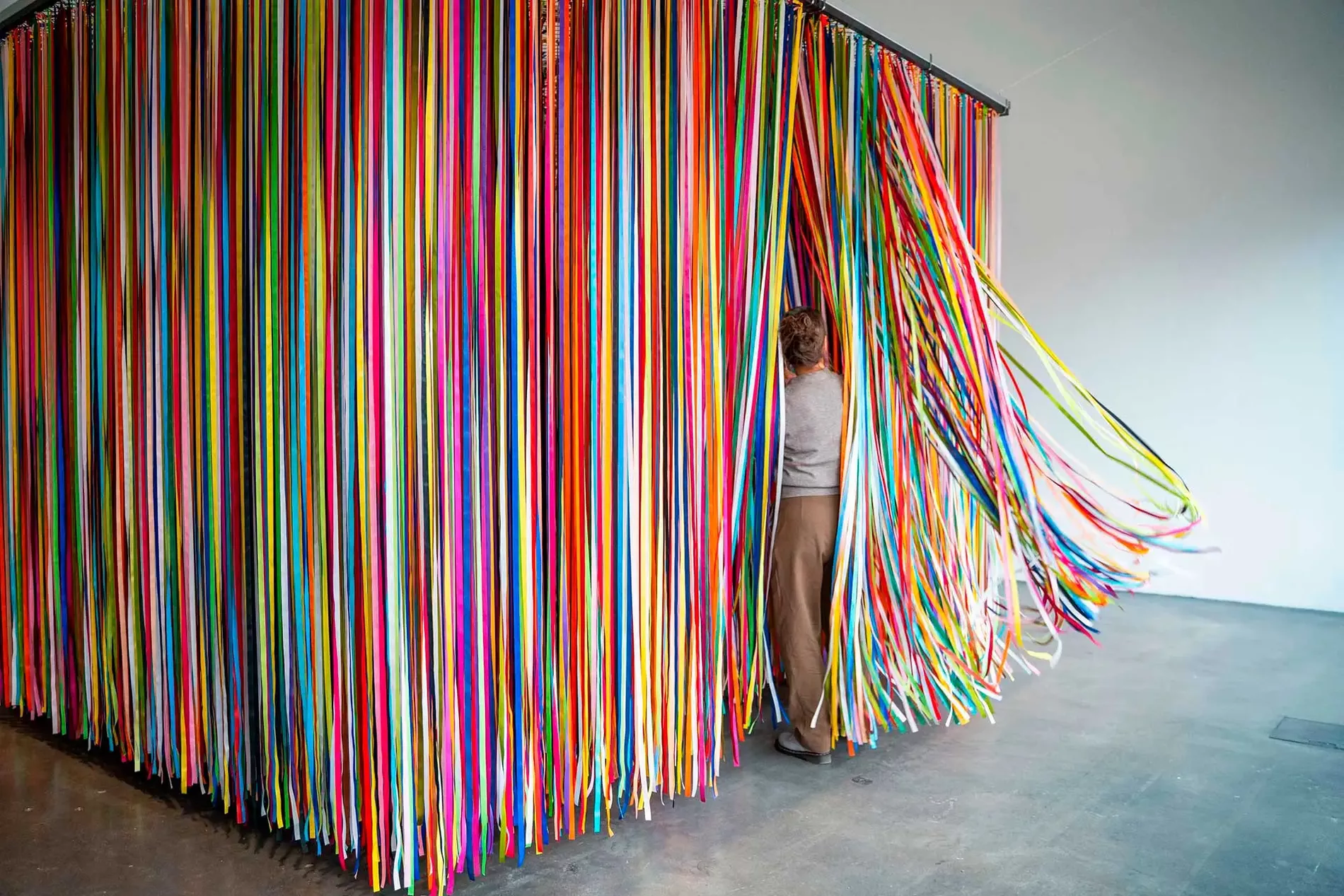
Jacob Dahlgren's 'The Wonderful World of Abstraction', 2009. Photo: Finnish National Gallery / Iisa Smeds
‘Rock, Papers, Scissors’ at Kiasma
In an era where art, fashion, and design increasingly inform one another – and where repair and do-it-yourself practices are flourishing in conversations around sustainability – questions of material, craft, and quality are more relevant than ever. Rock, Paper, Scissors explores how contemporary artists have used and redefined materials from the 1970s to today, offering insight into why contemporary art looks the way it does. From fragile, ephemeral substances to sound and even thought as artistic material, the exhibition invites viewers to reconsider what materials mean, how they shape perception, and what they reveal about authorship and intention.
Drawn entirely from the Finnish National Gallery’s collection, the exhibition brings together works by 52 artists, spanning Finnish pioneers, younger generations, and key figures in international contemporary art. Particularly compelling is the exhibition’s attention to conservation and longevity, foregrounding the museum’s role in preserving works not always designed to last. With interactive elements that allow visitors to engage directly with materials, Rock, Paper, Scissors offers a timely reflection on value, durability, and craftsmanship, questions that resonate deeply across Nordic art, fashion, and design today.
Rock, Paper, Scissors is on display until 18th January at Kiasma in Helsinki, Finland
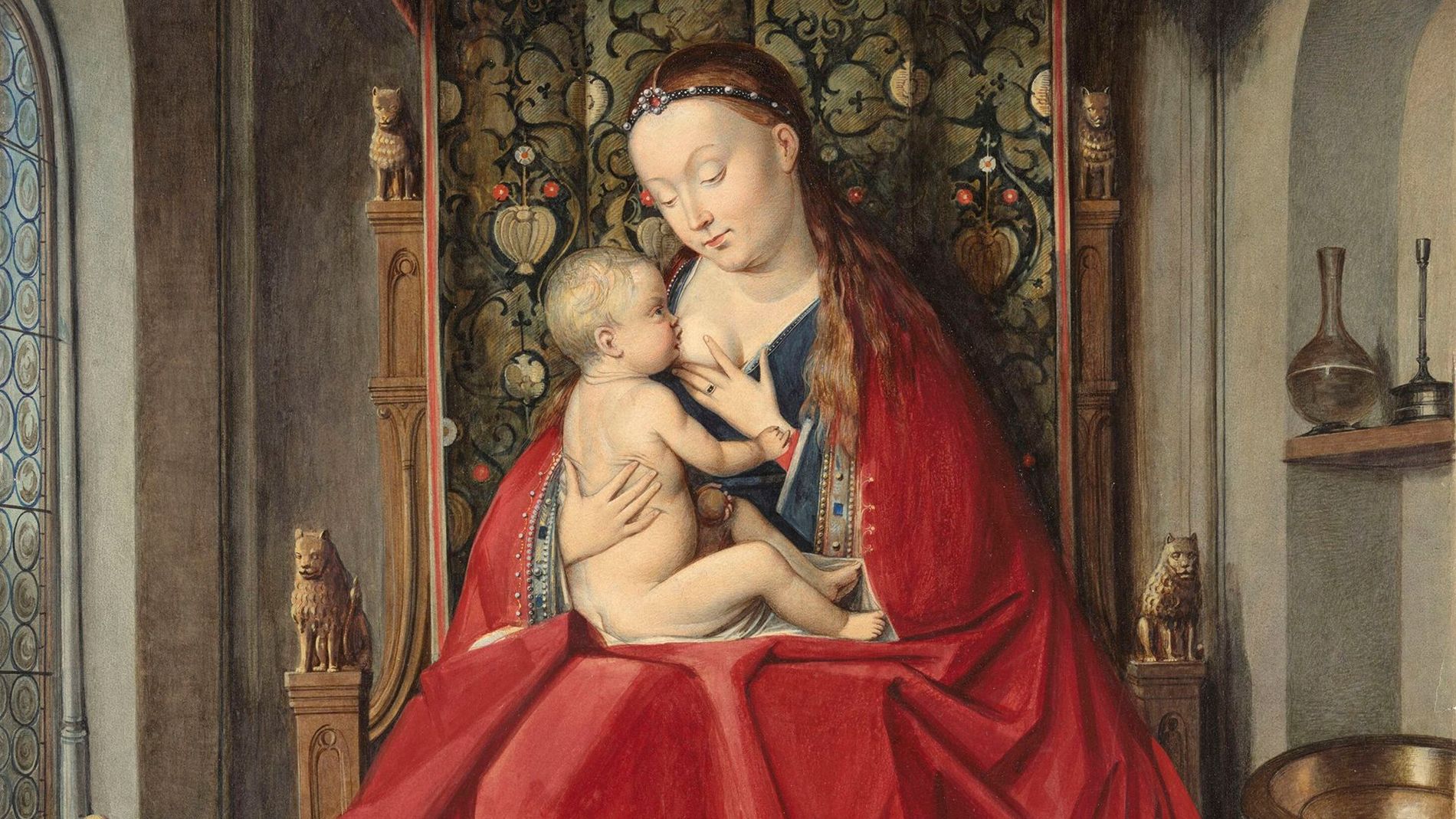
Hans Johan Frederik Berg 'Lucca Madonna', 1860. Watercolour after painting by Jan van Eyck. Photo: Nasjonalmuseet / Andreas Harvik
‘Mastering the copy’ at Nasjonalmuseet
In a moment when debates around originality, reproduction, and authenticity animate both art and fashion, Mastering the copy in Oslo’s National Museum invites us to rethink the power of the copy. From 17th to 19th century painting and prints, the exhibition traces how artists have used copying not as mimicry, but as a tool for learning, experimentation, and innovation. Highlights include meticulously recreated works after Rembrandt, Rubens, and Goya, alongside lesser-known Nordic copies, revealing how replication was central to artistic education and creative dialogue.
By asking if one can make something genuinely new through copying, the show upends assumptions about originality and value. What looks like imitation becomes a lens into artistic process, pedagogy, and reinvention. The exhibition explores the weight of copying, presenting it as a site of creativity, connecting historical practice to contemporary concerns in design, upcycling, and digital remix culture. By considering how reproduction has always been a way to remake meaning, both in art and in broader culture, the exhibition aims to encourage visitors to see the past in conversation with the present.
Mastering the copy is on display from 16th January - 7th June at Nasjonalmuseet in Oslo, Norway.
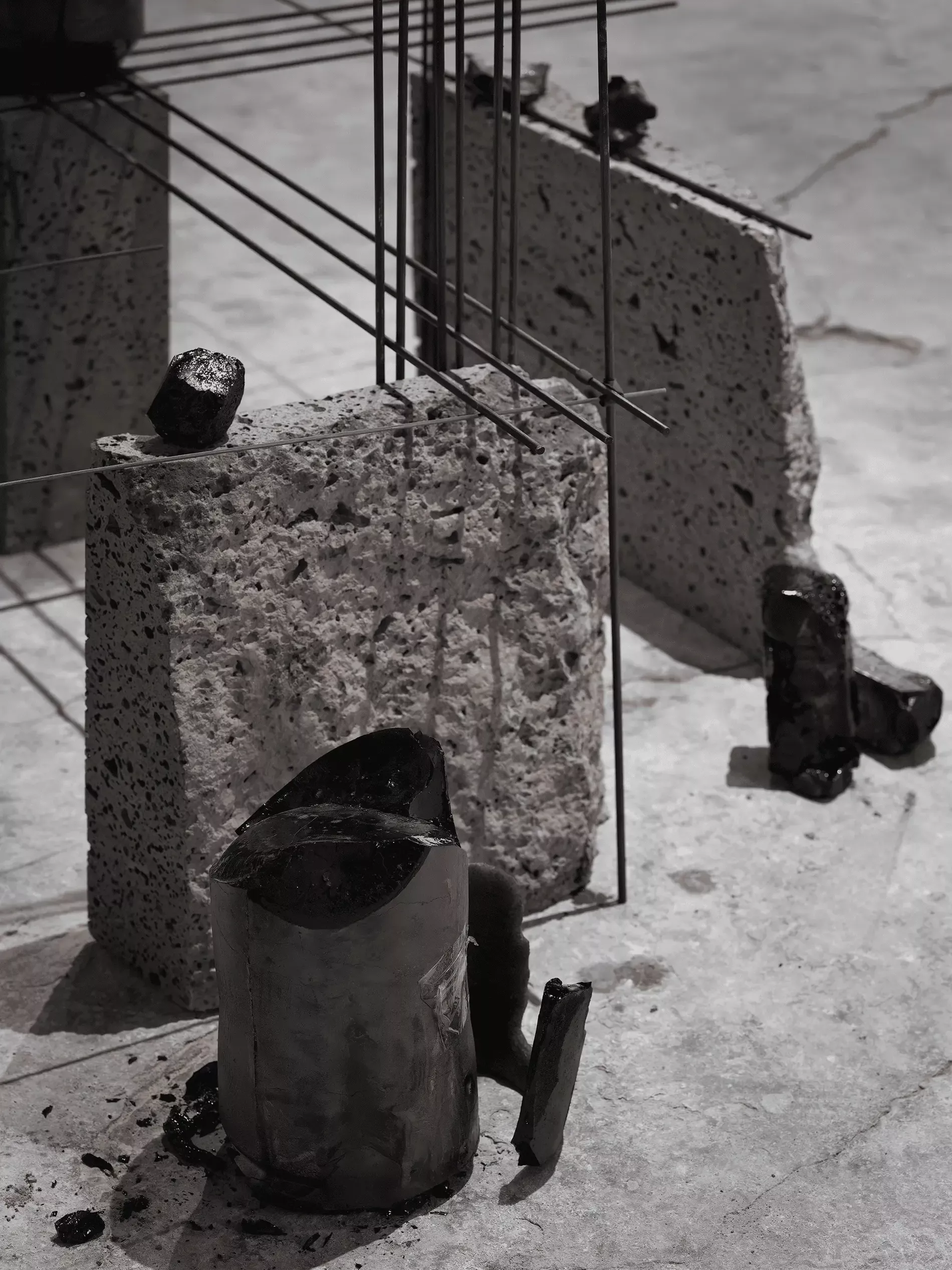
Photo: Ugo Carmeni
‘Lavaforming’ at Reykjavík Art Museum
Iceland is a land defined by extremes: glaciers, geothermal springs, and fiery volcanoes that shape its landscape and imagination. Nordic creativity has long drawn from nature, not only celebrating its beauty, but asking bigger questions about how we live within it. Lavaforming, Iceland’s 2025 contribution to the Venice Biennale, does just that. Set in 2150, it imagines a future where lava flows are harnessed as sustainable building material, transforming a natural threat into a tool for architecture that reduces emissions, rethinks construction, and challenges the way we use resources.
The project is led by architect Arnhildur Pálmadóttir, founder of s.ap architects, and her interdisciplinary team, who bring together design, research, and storytelling to explore the full potential of this extraordinary material. Lavaforming demonstrates how architecture can be both practical and visionary: lava becomes city foundations, a metaphor for bold thinking, and a symbol of how Scandinavian innovation can combine environmental responsibility with creativity. In doing so, the exhibition positions Iceland’s volatile landscape not just as a backdrop, but as an active collaborator in imagining a sustainable future for how we live, build, and create.
Lavaforming is on display from 24th January - 26th April at Reykjavík Art Museum in Reykjavík, Iceland.
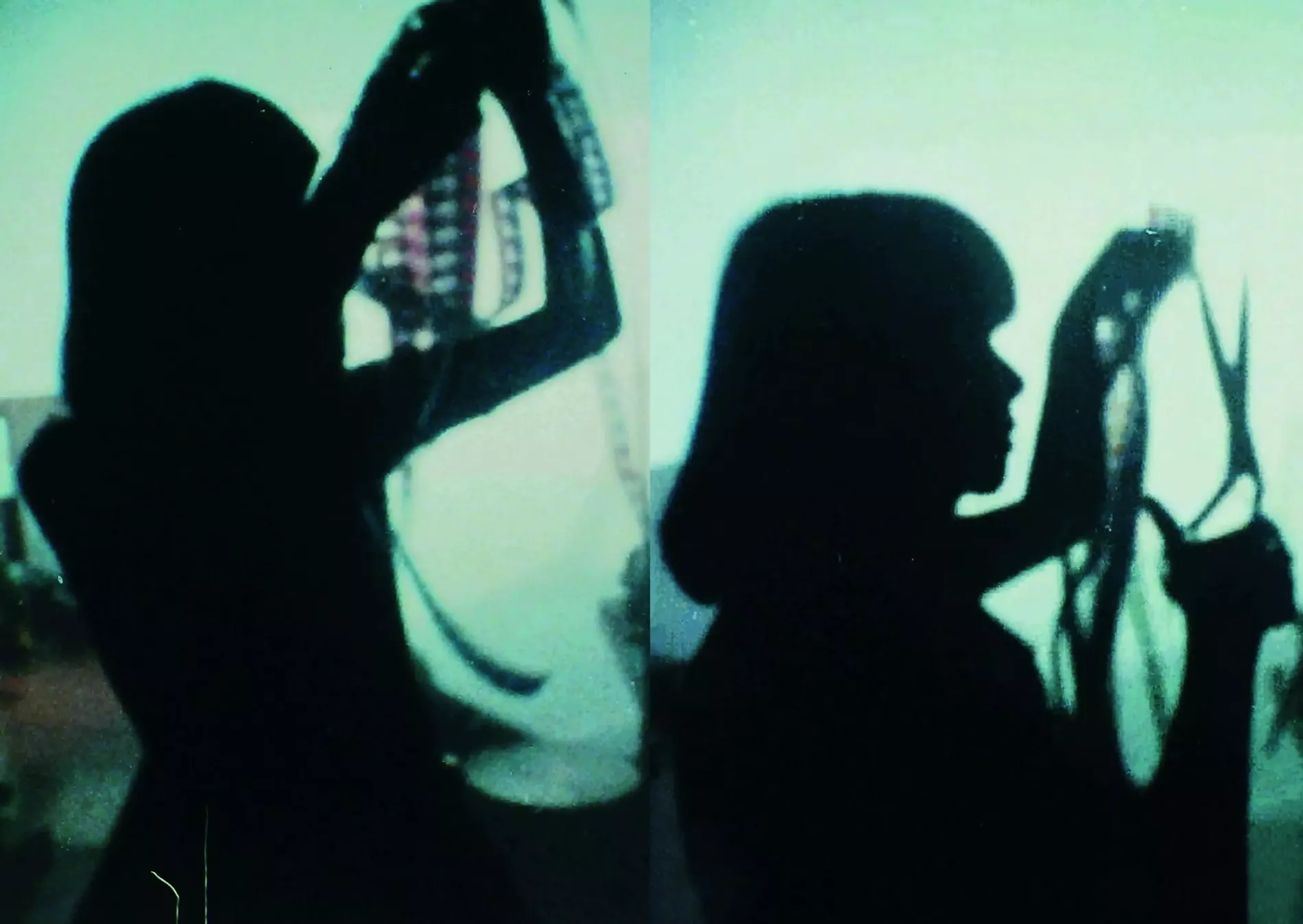
Han Ok-hee's 'Untitled 77-A' (still), 1977. Photo: Courtesy of Asia Culture Center
‘No Master Territories: Feminist Worldmaking and the Moving Image’ at Kunstnernes Hus
Bridging documentary and experimental film, No Master Territories revisits feminist moving-image practices from the 1970s through the 1990s, offering a timely, intersectional reflection on how gender, power and resistance have been negotiated through film and video. Long sidelined within dominant art historical narratives, moving-image practices by women have only begun to receive sustained recognition in more recent decades, a gap the exhibition aims to address. Spanning a truly global geography, the exhibition traces underrepresented histories of feminist image-making while foregrounding connections to broader struggles for social justice.
Curated by Erika Balsom with Silja Espolin Johnson and Clemens Ottenhausen, the exhibition brings together works by a formidable roster of artists and filmmakers including Agnès Varda, Barbara Hammer, Mona Hatoum, Nalini Malani, Tracey Moffatt and Sara Gómez. Rather than positioning feminism as a singular movement, the exhibition unfolds as a polyphonic archive, where multiple voices, aesthetics and political urgencies coexist.
Both a homage to feminist pioneers and a response to the present moment, the exhibition insists on the continued relevance of moving-image practices as tools for critique, solidarity and imagining alternative futures, making it one of 2026’s most urgent exhibitions to see in Scandinavia.
No Master Territories: Feminist Worldmaking and the Moving Image is on display from 13th February - 3rd May at Kunstnernes Hus in Oslo, Norway.
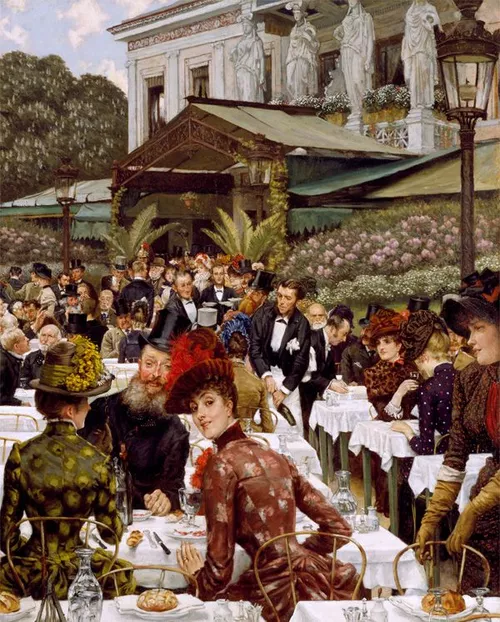
‘The Artists’ Wives’ by James Jacques Joseph Tissot (1885). Photo: Courtesy of Chrysler Museum of Art
‘Café Society: Art and Sociability in Belle Époque Paris’ at Ordrupgaard
Parisian cafés around 1900 were more than places to sip coffee, they were crucibles of modernity where artists, musicians, writers, and poets gathered to debate, collaborate, and forge new ideas. Café Society: Art and Sociability in Belle Époque Paris invites visitors to step into these vibrant spaces through paintings and works on paper by Vincent van Gogh, Édouard Vuillard, Pablo Picasso and Juan Gris. The exhibition captures both the glittering allure of nightlife and the quieter moments of reflection, while also tracing the gradual emergence of women in public life, revealing cafés as sites of sociability, creativity, and cultural experimentation.
The show also highlights the Scandinavian perspective showcasing how artists such as Edvard Munch, Akseli Gallen-Kallela, Anders Zorn, and J. F. Willumsen flocked to Parisian cafés to build networks and find inspiration. From the famed Café de la Régence to the cafés that shaped cubism and abstraction, the exhibition traces how these experiences left a lasting imprint on Scandinavian art and café culture back home in Copenhagen, Stockholm, and Oslo. Curated through a contemporary lens, it feels particularly resonant in Scandinavia, where café culture remains a central social ritual – now endlessly documented through social media – making this historical reflection on art, sociability and public life especially relatable.
Café Society: Art and Sociability in Belle Époque Paris is on display from 6th February - 31st May at Ordrupgaard in Charlottenlund, Denmark.
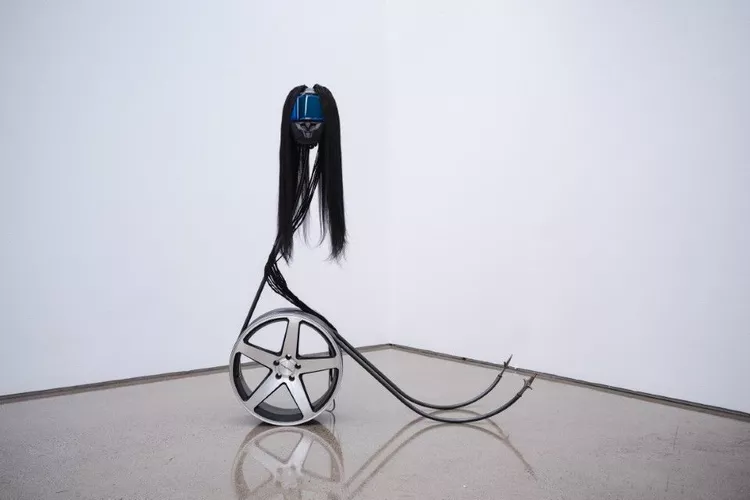
Photo: Adrian Abeshu Leversby
‘Shapeshifters: Magic in Fashion’ at Copenhagen Contemporary
Fashion is more than fabric; it is ritual, performance, and transformation. Shapeshifters: Magic in Fashion invites us into a world where clothing marks life transitions, blurs reality and imagination, and weaves new narratives and communities. Bringing together 11 Nordic designers and artists working at the intersection of fashion, art, and performance, the exhibition explores how garments carry memory, identity, and spiritual resonance. Representing a generation shaped by migration and global perspectives, the works engage with heritage, spirituality, loss, healing, and transformation.
Situated within a region celebrated for innovation and conscious design, the exhibition reflects Scandinavia’s commitment to sustainable fashion. Brands like Ganni, Stem, and Jade Cropper have pioneered circular production, while Copenhagen Fashion Week enforces sustainability across the industry. By situating fashion in an art context, Shapeshifters encourages viewers to see garments as objects with long lives, capable of slowing consumption and contributing positively to culture and community. Developed with Ane Lynge-Jorlén (ALPHA) and as part of a Nordic collaboration including EMMA, the National Museum, Röhsska Museum, and Copenhagen Contemporary, the exhibition shows how fashion can be a second skin, transforming the wearer, the viewer, and the very meaning of clothing itself.
Shapeshifters: Magic in Fashion is on display from 26th June - 13th September at Copenhagen Contemporary in Copenhagen, Denmark.
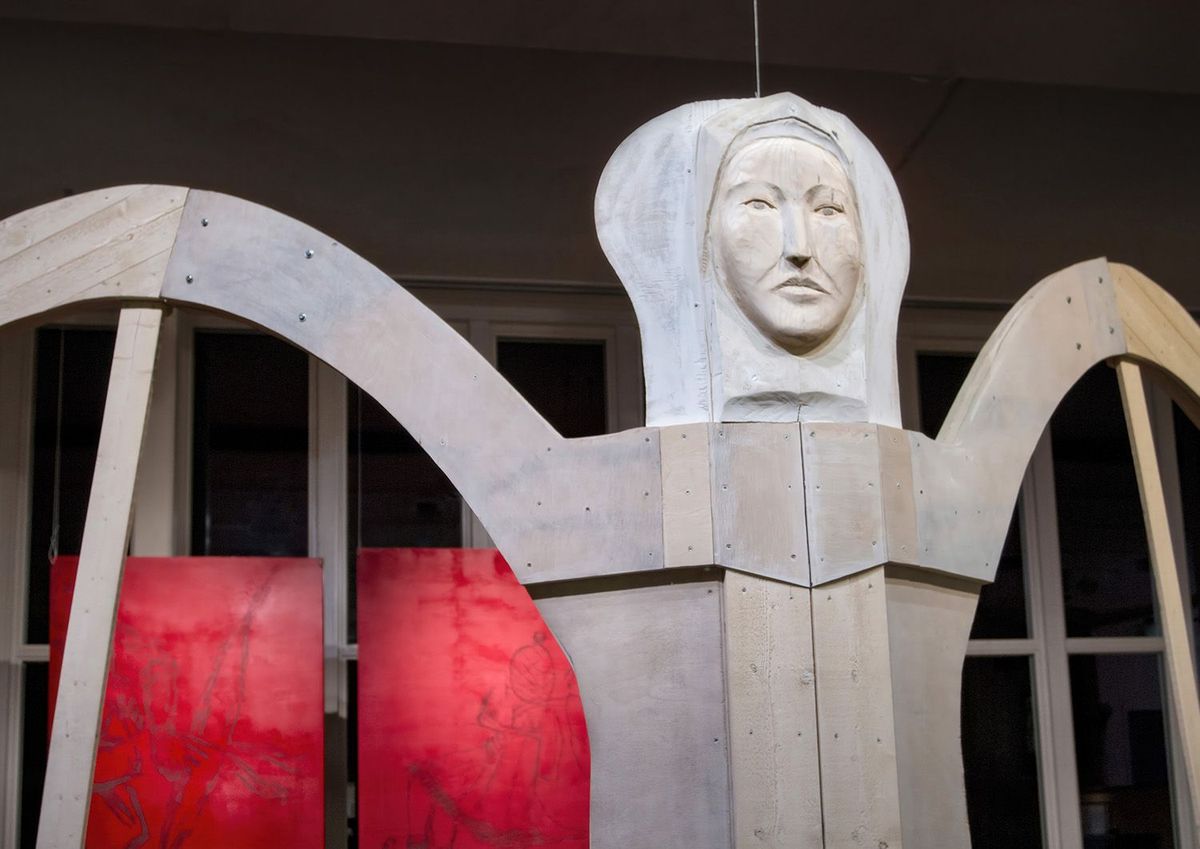
Photo: Thomas Hämén
‘Aage Gaup’ at Moderna Museet
Across Scandinavia, questions of identity, heritage, and cultural memory are becoming increasingly prevelant. Moderna Museet’s comprehensive exhibition of Aage Gaup, one of the most idiosyncratic Nordic sculptors of his generation, invites viewers to encounter Sámi spirituality through a powerful, poetic sculptural language. Working at the intersection of abstract expression and personal mythology, Gaup’s large-scale works channel a deep engagement with form, landscape, and the unseen, offering a distinctly Sámi perspective within the broader narrative of Nordic modernism.
Born in 1943, Gaup grew up separated from his Sámi roots during the upheavals of World War II, later returning to Sápmi through art. In the 1970s, he became a central figure in the renewal of Sámi cultural life, co-founding the radical artist group Mázejoavku and contributing as a set designer at the Sámi National Theatre Beaivváš. Spanning his career, this is the most extensive presentation of Gaup’s work to date, making it an essential exhibition that foregrounds Sámi artistic voices and underscores the importance of cultural preservation in a region often viewed as a single, homogenous whole.
Aage Gaup is on display from 7th November - 21st January at Moderna Museet in Stockholm, Sweden.

Carl Larsson's 'At the Modeling Table', 1906. Photo: Hossein Sehatlou
‘Body. Ideal, Gaze, Freedom’ at Göteborgs konstmuseum
Few subjects have shaped art history as persistently, or as controversially, as the human body. In Body. Ideal, Gaze, Freedom, Gothenburg Art Museum turns its attention to how bodies have been idealised, observed, controlled, and reclaimed across time. Bringing together around one hundred works spanning painting, sculpture, drawing, photography, and video, the exhibition examines the body as a site of power, desire, vulnerability, and creative expression, questioning who gets to look, who is looked at, and how freedom might be embodied.
Moving fluidly across eras, the exhibition places rarely seen works from the museum’s collection in dialogue with borrowed pieces by artists such as Francis Bacon, Carl Larsson, Nick Cave, Ana Mendieta, Hannah Wilke, and Marianne Lindberg De Geer, alongside contemporary voices including Sally von Rosen and Ruby Okoro. By juxtaposing historical ideals with radically personal and political approaches to the body, Body. Ideal, Gaze, Freedom offers a timely reflection on representation and agency, and on how the body continues to be one of art’s most charged and transformative subjects.
Body. Ideal, Gaze, Freedom is on display from 7th March 2026 - 17th January 2027 at Göteborgs konstmuseum in Gothenburg, Sweden.

Photo: Courtesy of Lisson Gallery
‘Marina Abramović: Seven Deaths’ at Frederiksbergmuseerne
Marina Abramović is one of the most renowned and coveted names in contemporary art, a trailblazer whose career has redefined the boundaries of performance. Over five decades, she has explored the relationship between artist and audience, and transformed vulnerability, presence, and ritual into a universally recognised artistic language. In 2026, she brings her vision to Denmark with Seven Deaths, a cinematic opera installation created for the subterranean chambers of Cisternerne.
In the exhibition, Abramović inhabits seven iconic female roles, performing alongside Willem Dafoe, while seven haunting arias by Maria Callas underscore each moment, weaving a meditation on love, loss, and mortality. Visitors can expect a fully immersive encounter: cavernous architecture, moving images, and live presence converge to create a ritualistic, sensory experience that asks you to witness human emotion in real time.
In a fast-paced, screen-saturated era, Seven Deaths is relevant. It slows time, invites reflection, and transforms observation into participation, echoing many Nordic sensibilities. For both long-time fans and newcomers, this is more than an exhibition, it’s a rare chance to encounter one of the most influential artists of our time in a setting that magnifies the power of art to move, challenge, and transform.
Marina Abramović: Seven Deaths is on display from 14th March 2026 - 17th November 2026 at Frederiksbergmuseerne in Copenhagen, Denmark.
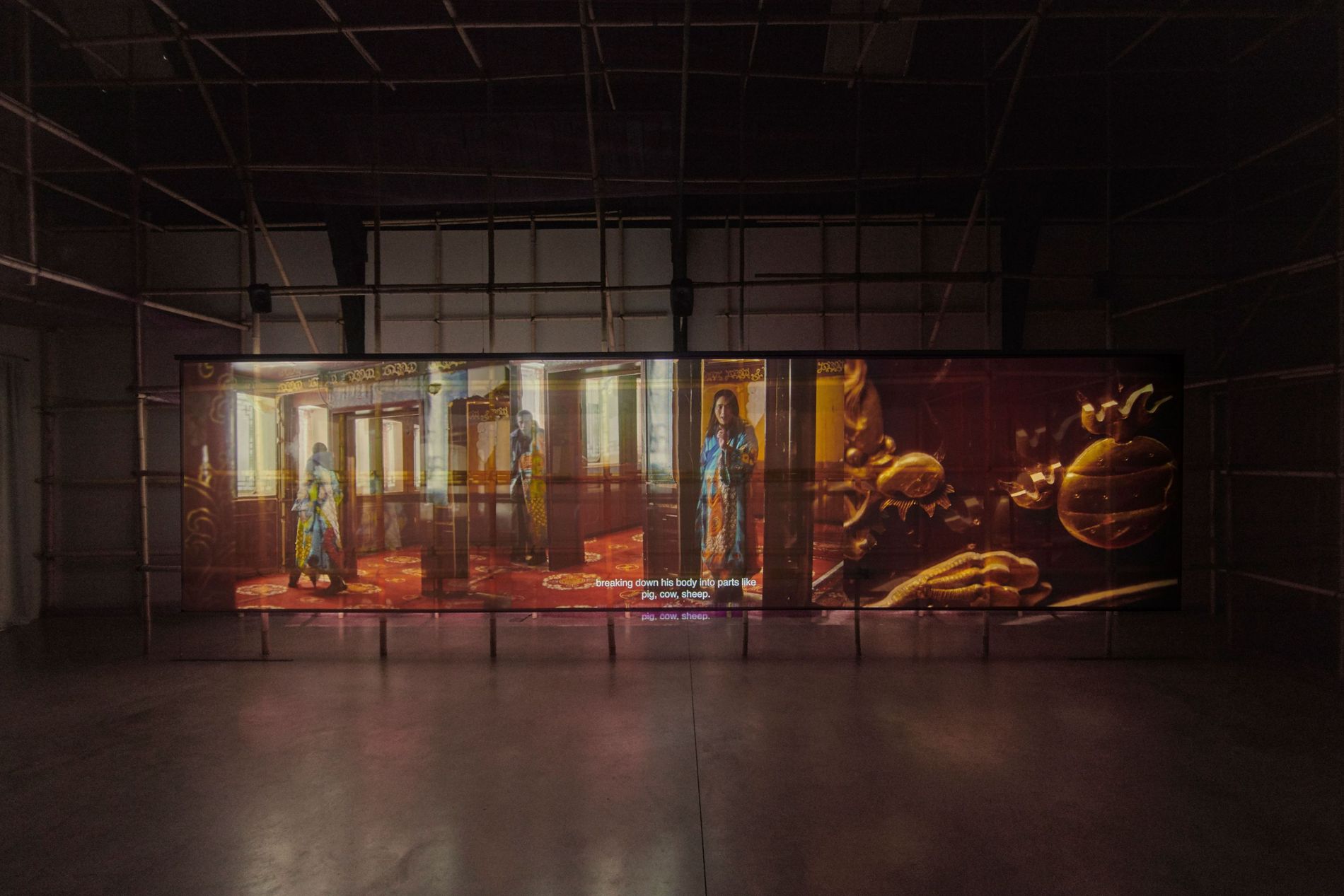
'Floating Sea Palace' installation by Lap-See Lam. Photo: Courtesy of Lap-See Lam
‘Lap-See Lam’ at Henie Onstad
Art museums are often seen as places that safeguard history, but Lap-See Lam’s work insists on something more urgent: that they also reflect the present and help shape the future. Working across video, installation, sculpture and immersive media, the Stockholm-based artist explores identity, migration and belonging through narratives drawn from the Chinese diaspora in Europe.
Awarded the Lise Wilhelmsen Art Award 2025, this marks Lam’s largest presentation in Norway to date. Two monumental shadow plays are installed together for the first time, alongside new commissions that weave Cantonese opera, shadow play and digital technology into layered, atmospheric worlds. Moving between inherited memory and contemporary life, from European chinoiserie to the interiors of modern Chinese restaurants, Lam’s work offers a poetic lens on cultural transmission and generational loss.
In a Nordic art landscape increasingly attentive to questions of representation and authorship, this exhibition is timely and radical, a reminder that history is not fixed, but continuously rewritten in the present.
Lap-See Lam is on display from 12th June 2026 - 17th January 2027 at Henie Onstad in Høvikodden, Norway.
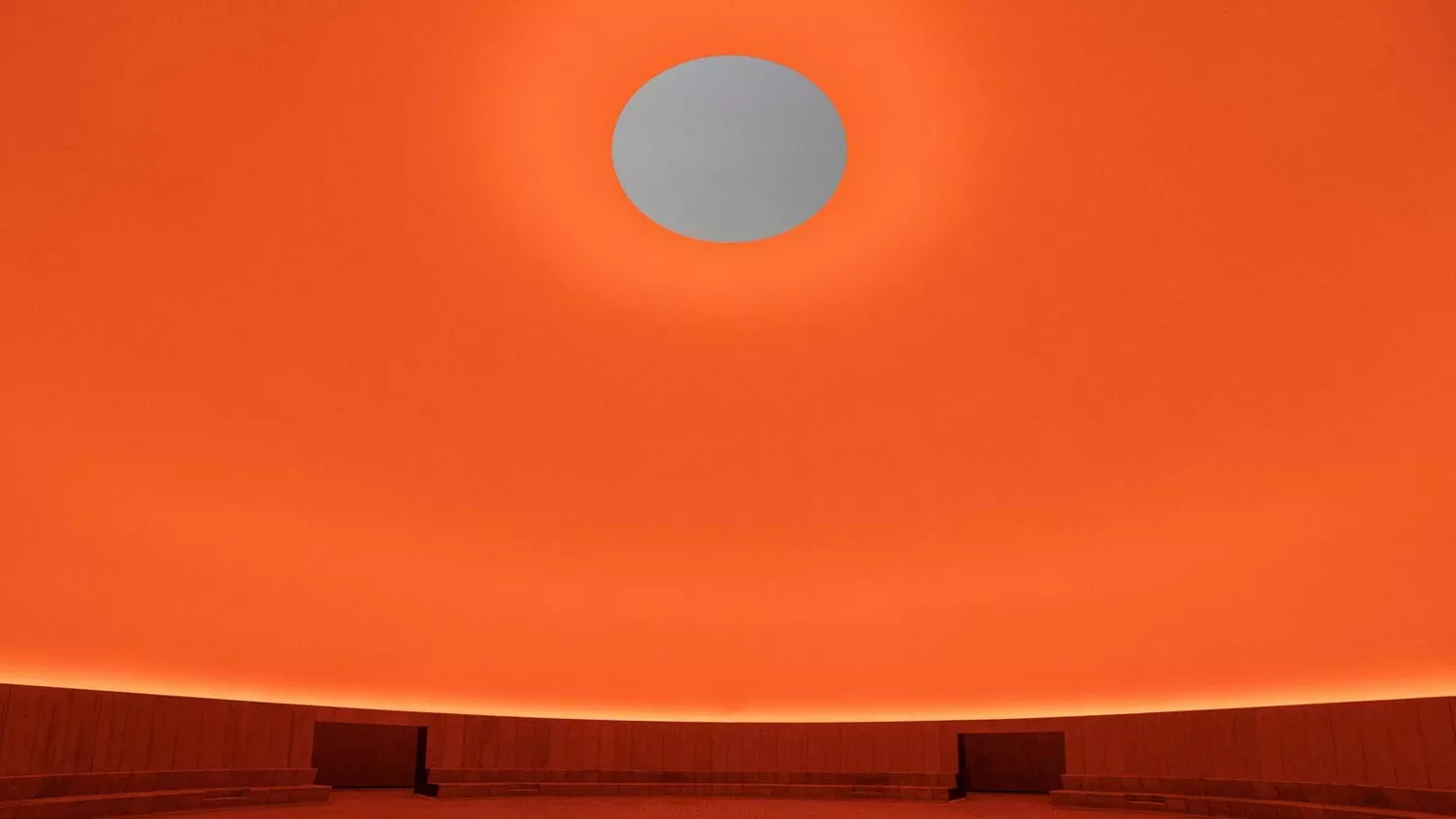
Photo: Mads Smidstrup
‘Skyspace’ at ARoS Aarhus Art Museum
In a world that moves fast, surrounded by digital information and sensory stimuli, James Turrell’s monumental Skyspace offers a rare invitation to pause. The 16 metre high, 40 metre wide dome frames the open sky through a central oculus, while carefully calibrated light shifts across the space, creating a contemplative, immersive environment. Visitors are encouraged to slow down, reflect, and engage fully with what they see, creating a calming experience that resonates with Scandinavian sensibilities around nature, light, and presence.
The oculus at the centre of the dome, an architectural idea famously seen in Rome’s Pantheon, historically framed the sky as a symbolic connection to the spiritual realm. In this modern interpretation, it frames the natural sky above while guiding visitors into a meditative experience, a space to momentarily disconnect from the digital world and reconnect with perception itself.
Skyspace is on display from 19th June 2026 until further notice at ARoS Aarhus Art Museum in Aarhus, Denmark.
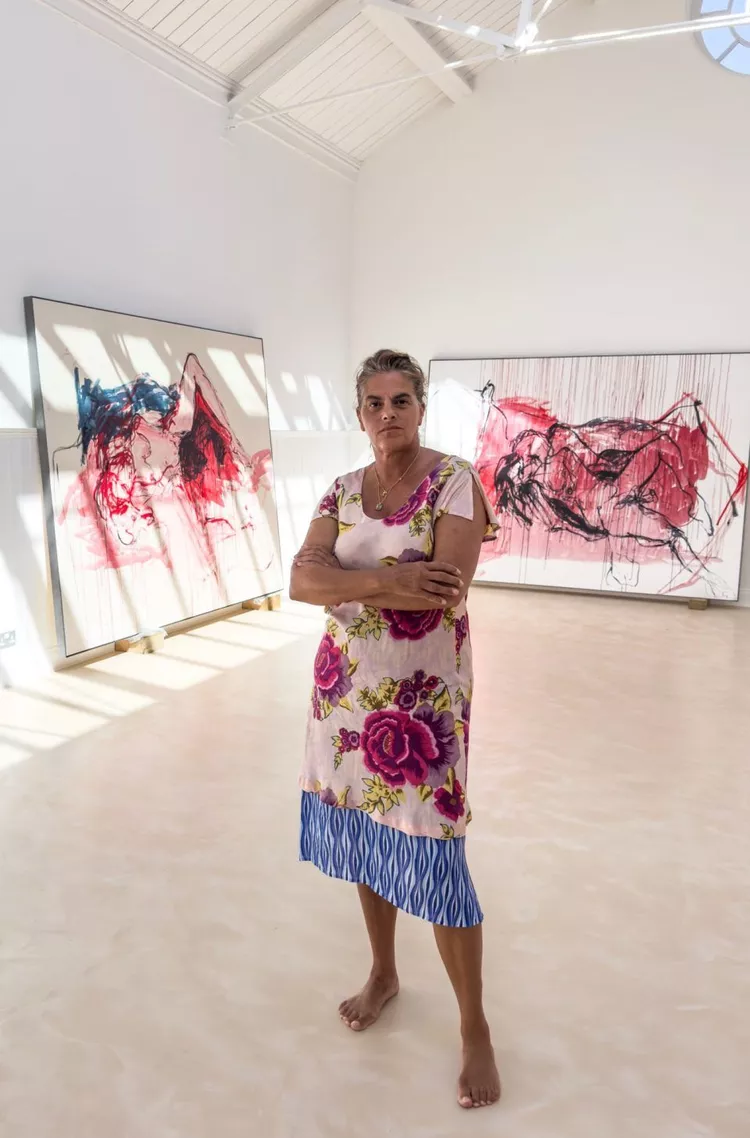
Acclaimed British artist Tracey Emin. Photo: Courtesy of Louisiana Museum of Modern Art
‘Tracey Emin: A Second Life’ at Louisiana Museum of Modern Art
In 1999, British artist Tracey Emin sent shockwaves through the art world when she exhibited My Bed – an unmade, intimate, installation of a bed – at London’s Tate Modern, redefining what vulnerability could look like in contemporary art. More than two decades later, Tracey Emin: A Second Life offers a rare moment to encounter her work in the Nordic context, presenting a sweeping portrait of an artist whose practice has consistently blurred the boundaries between life and art. Wild, confrontational yet deeply fragile, Emin’s work has long challenged conventions around femininity.
Organised by Tate Modern in close collaboration with the artist, the exhibition spans nearly 40 years of practice across painting, drawing, sculpture, textile, film, and installation, including works never shown before. From her early association with the Young British Artists to her continued commitment to painting, A Second Life traces how Emin has transformed personal experiences of trauma, desire, illness, and resilience into a universal visual language. In doing so, the exhibition foregrounds creativity not as spectacle, but as survival, and a reminder of art’s capacity as a communicative tool.
Tracey Emin: A Second Life is on display from 7th November 2026 - 28th February 2027 January at Louisiana Museum of Modern Art in Humlebæk, Denmark.