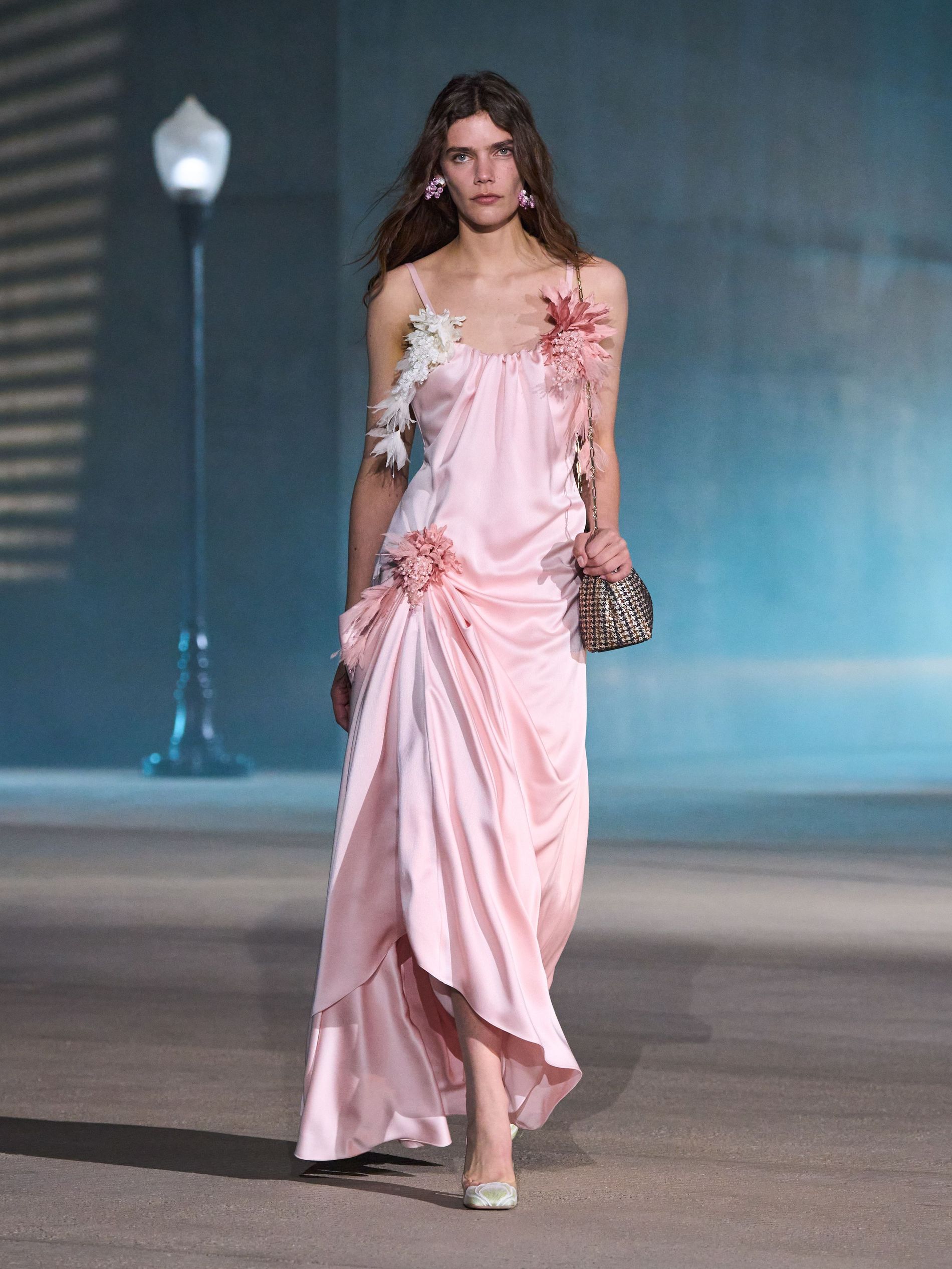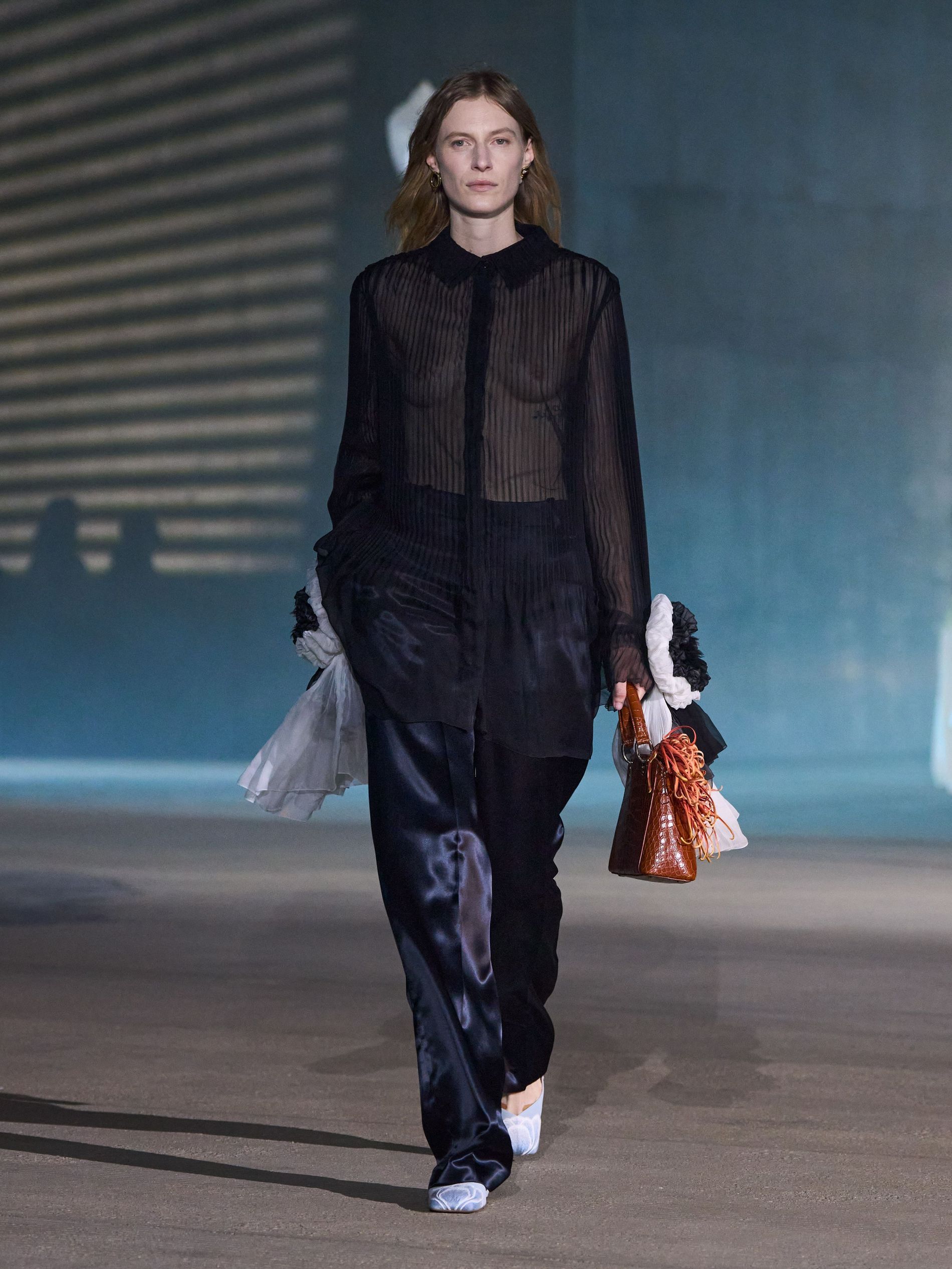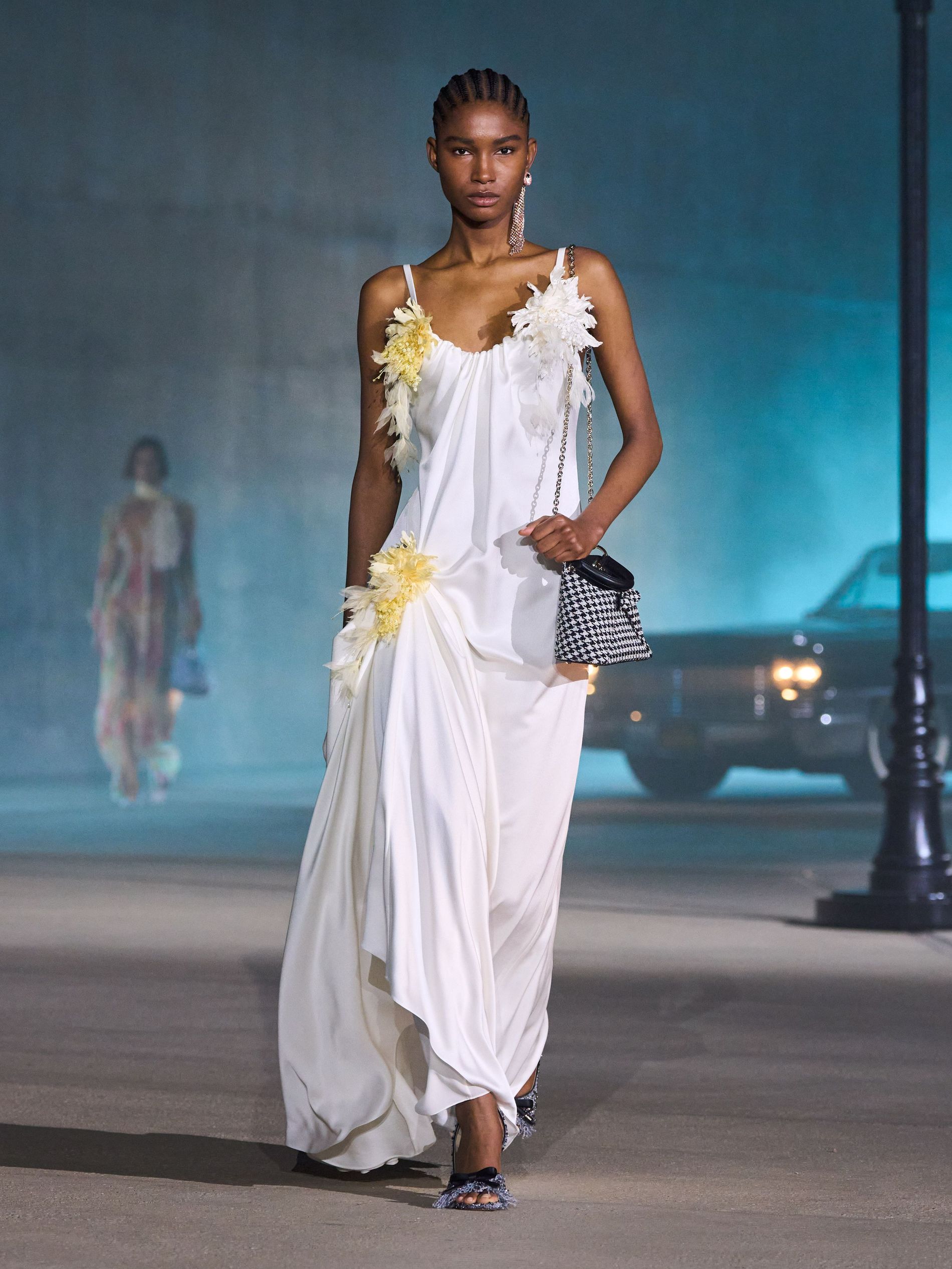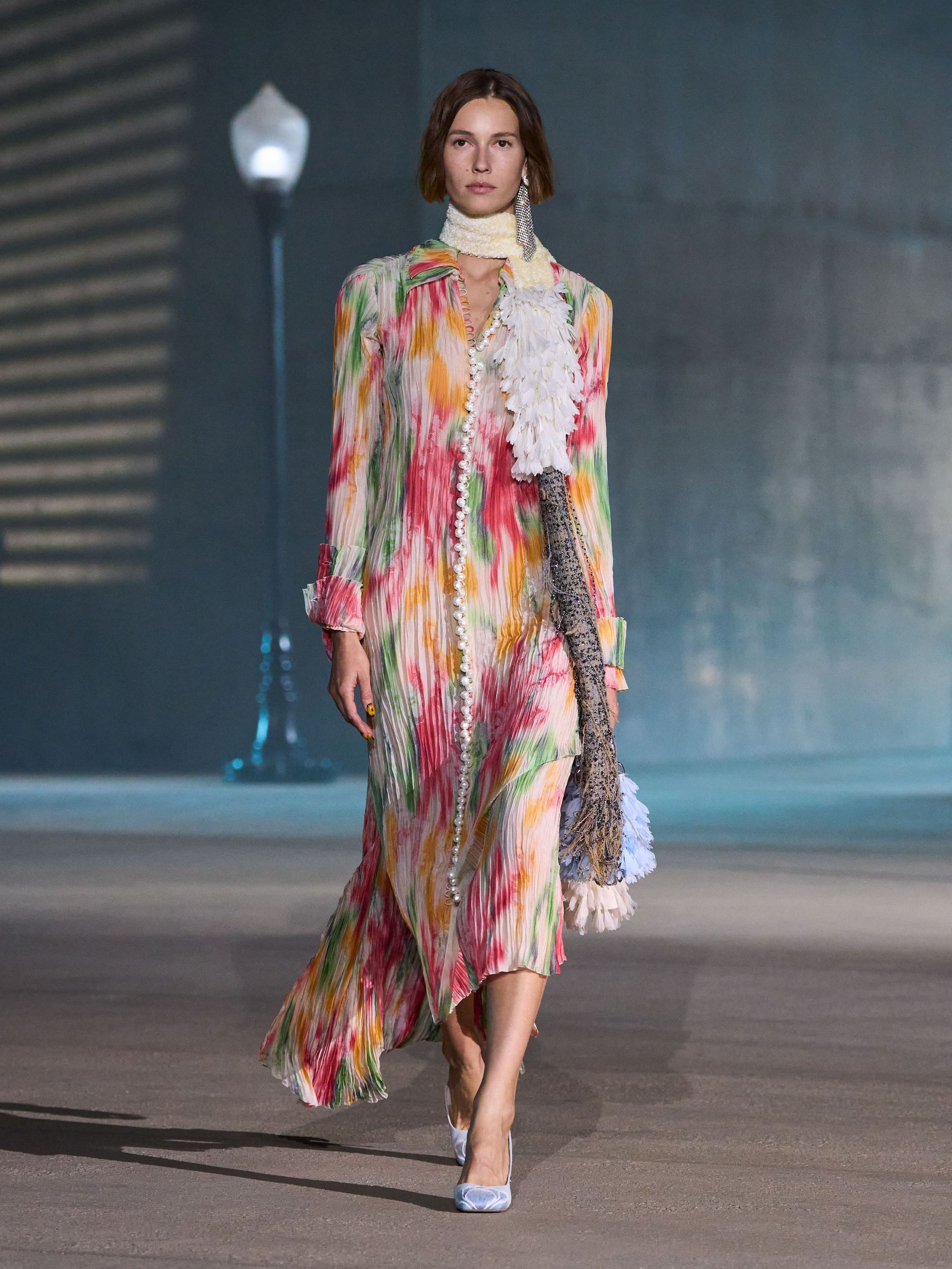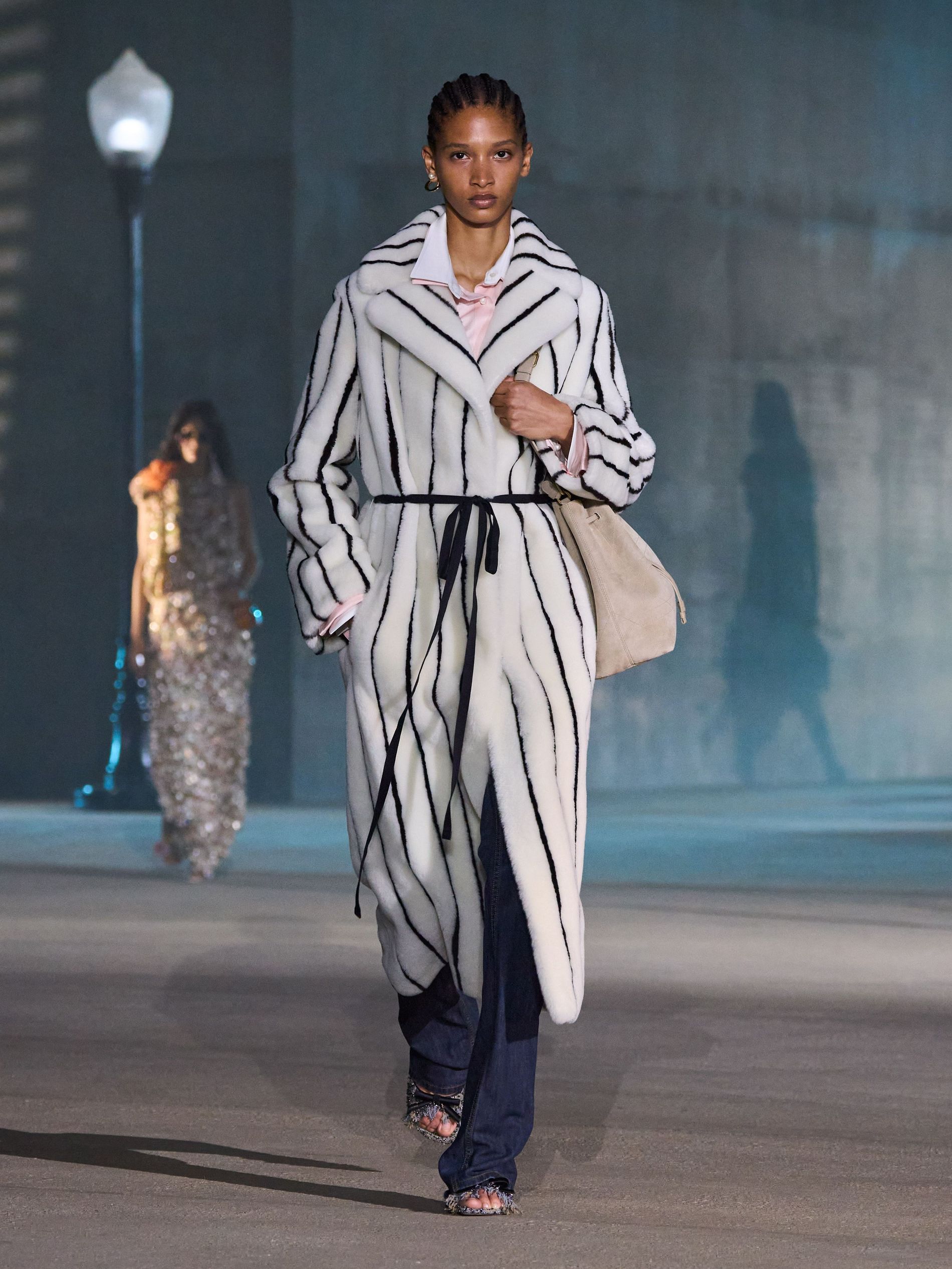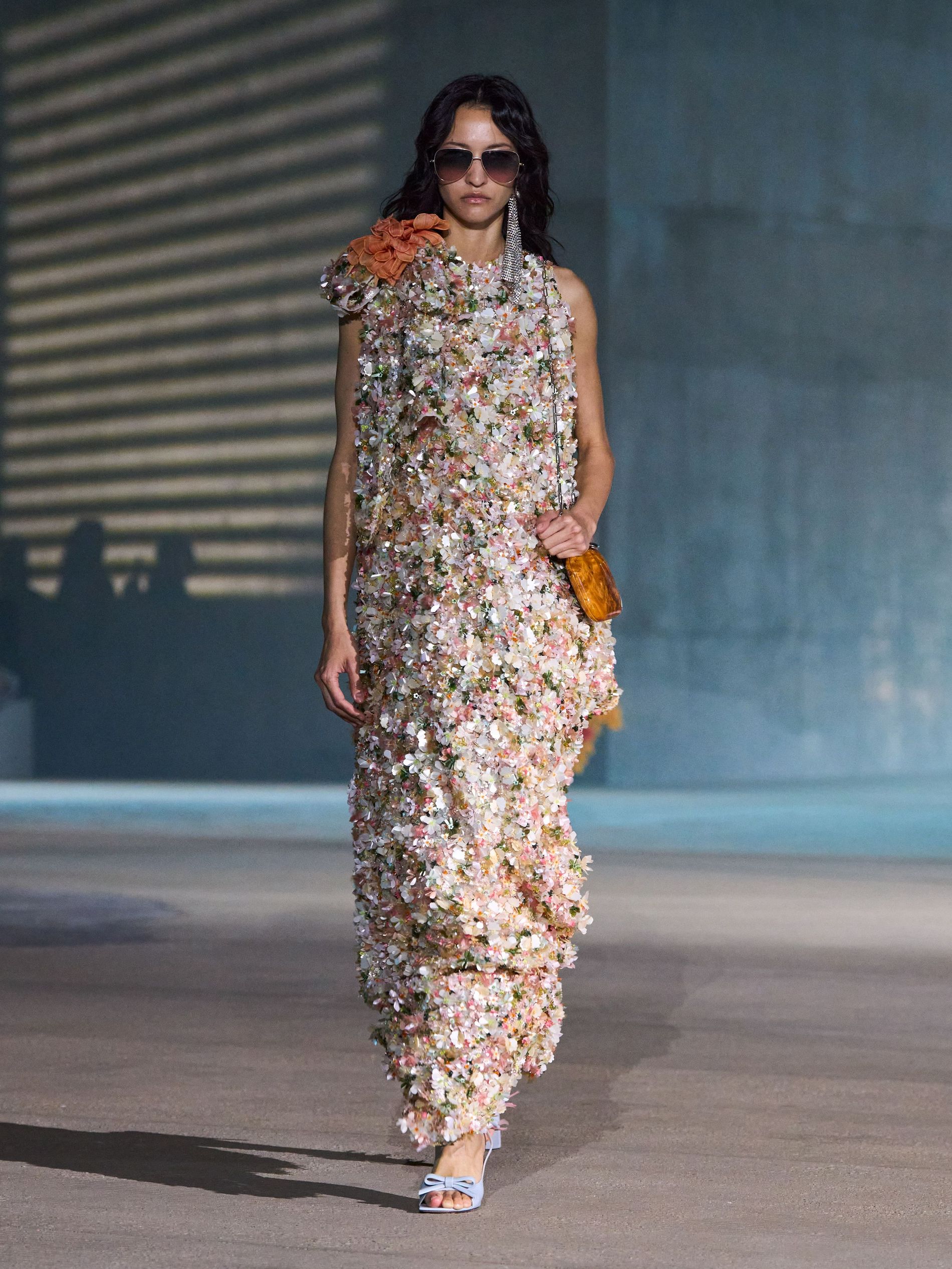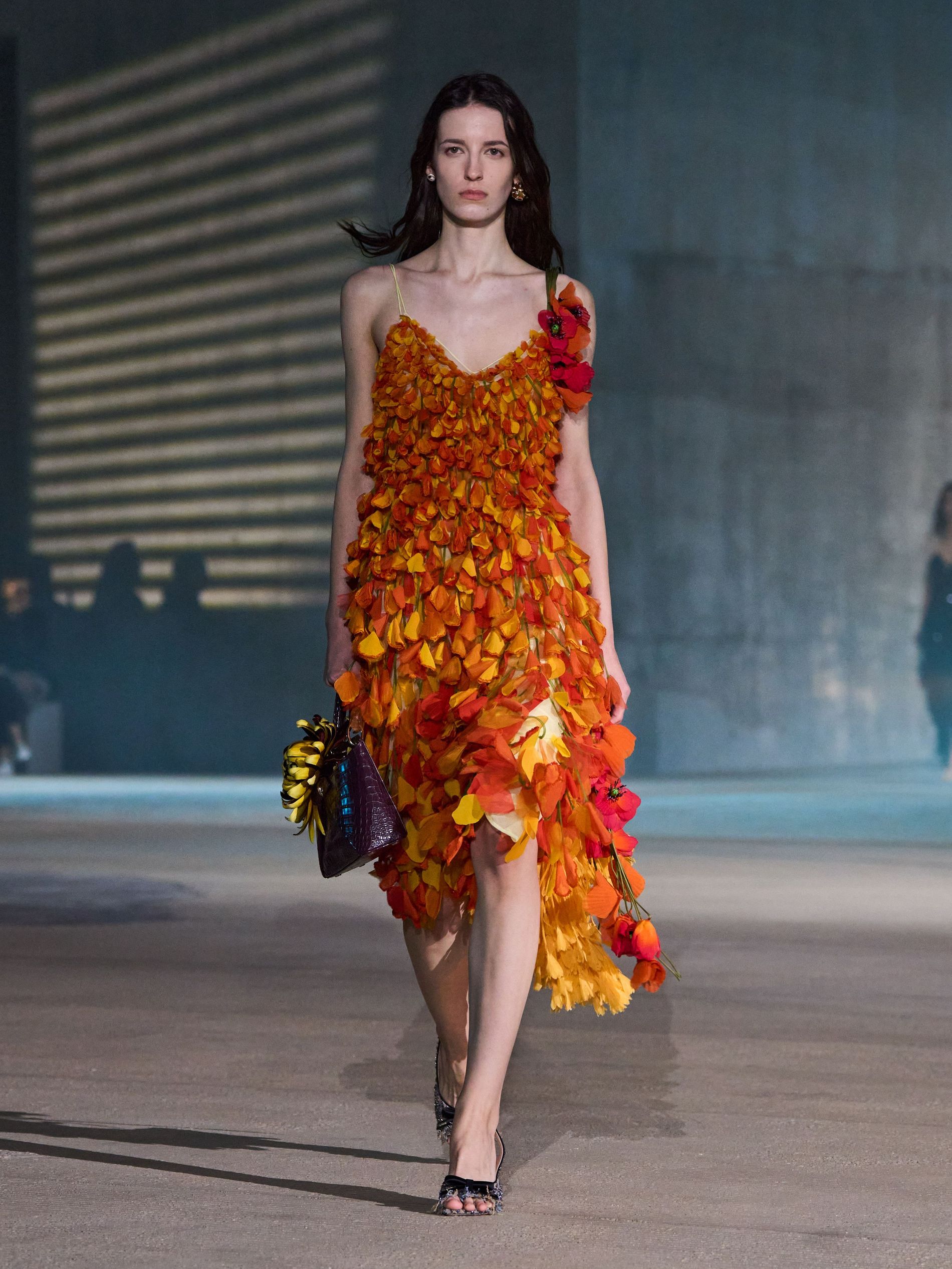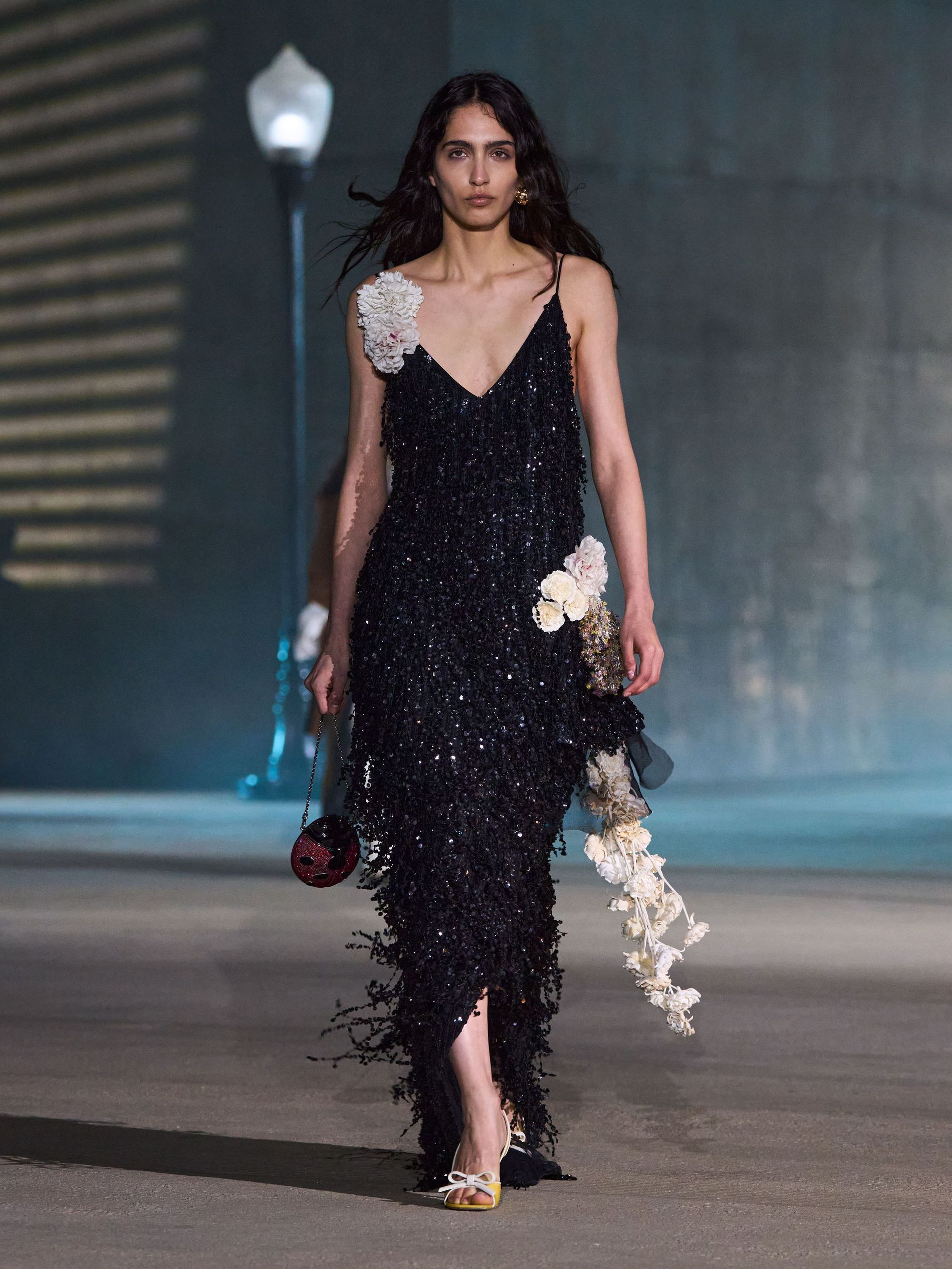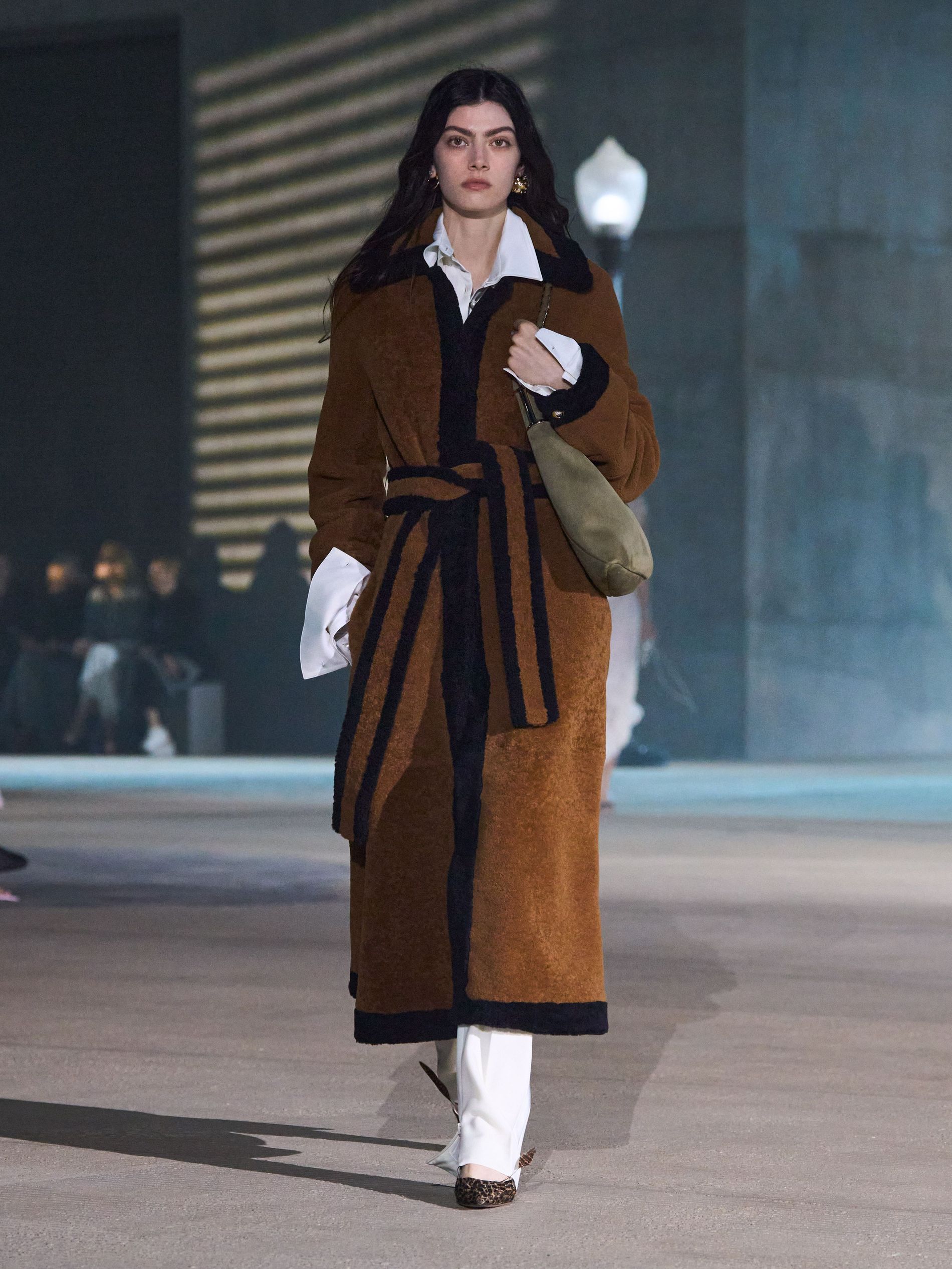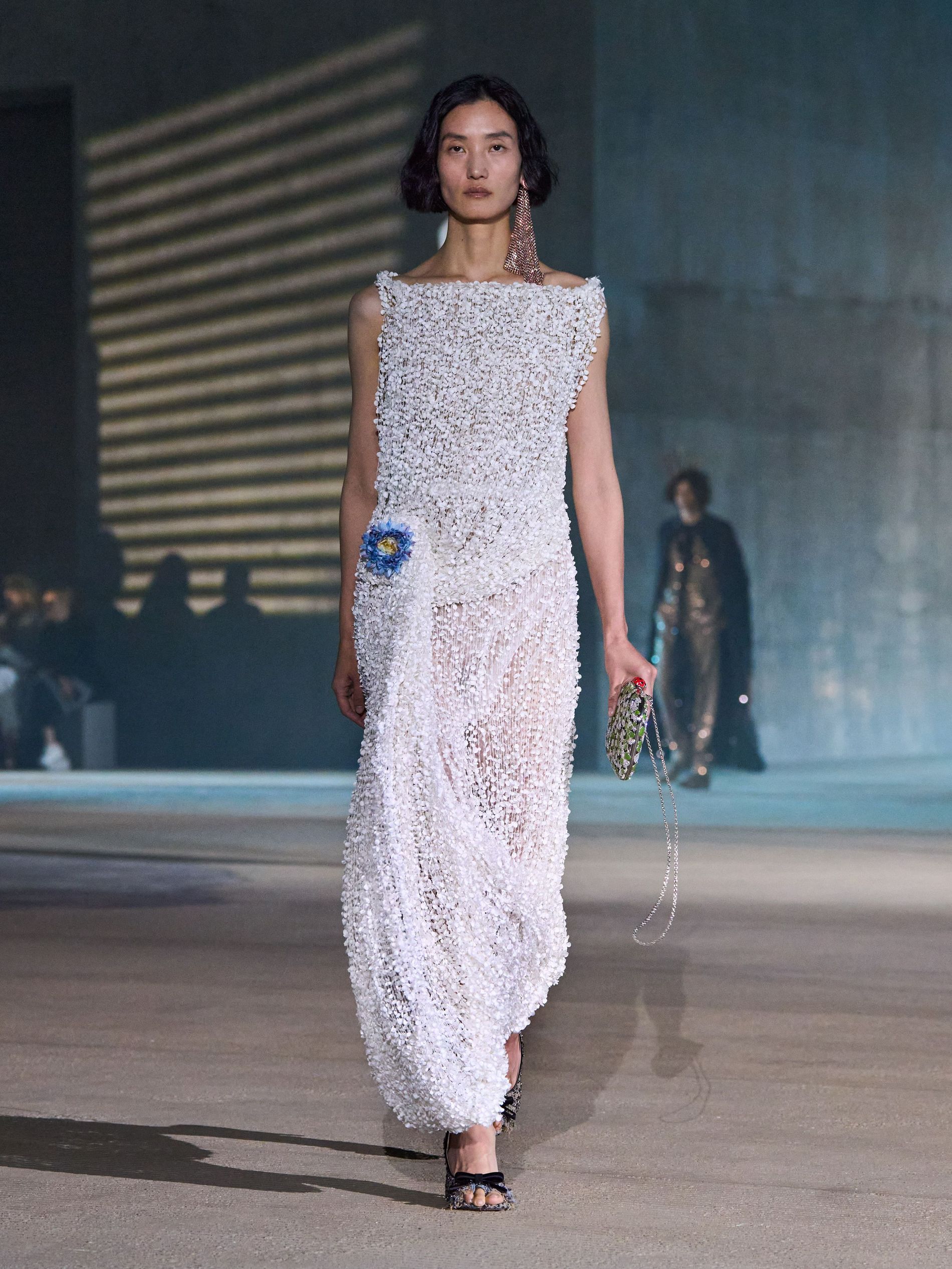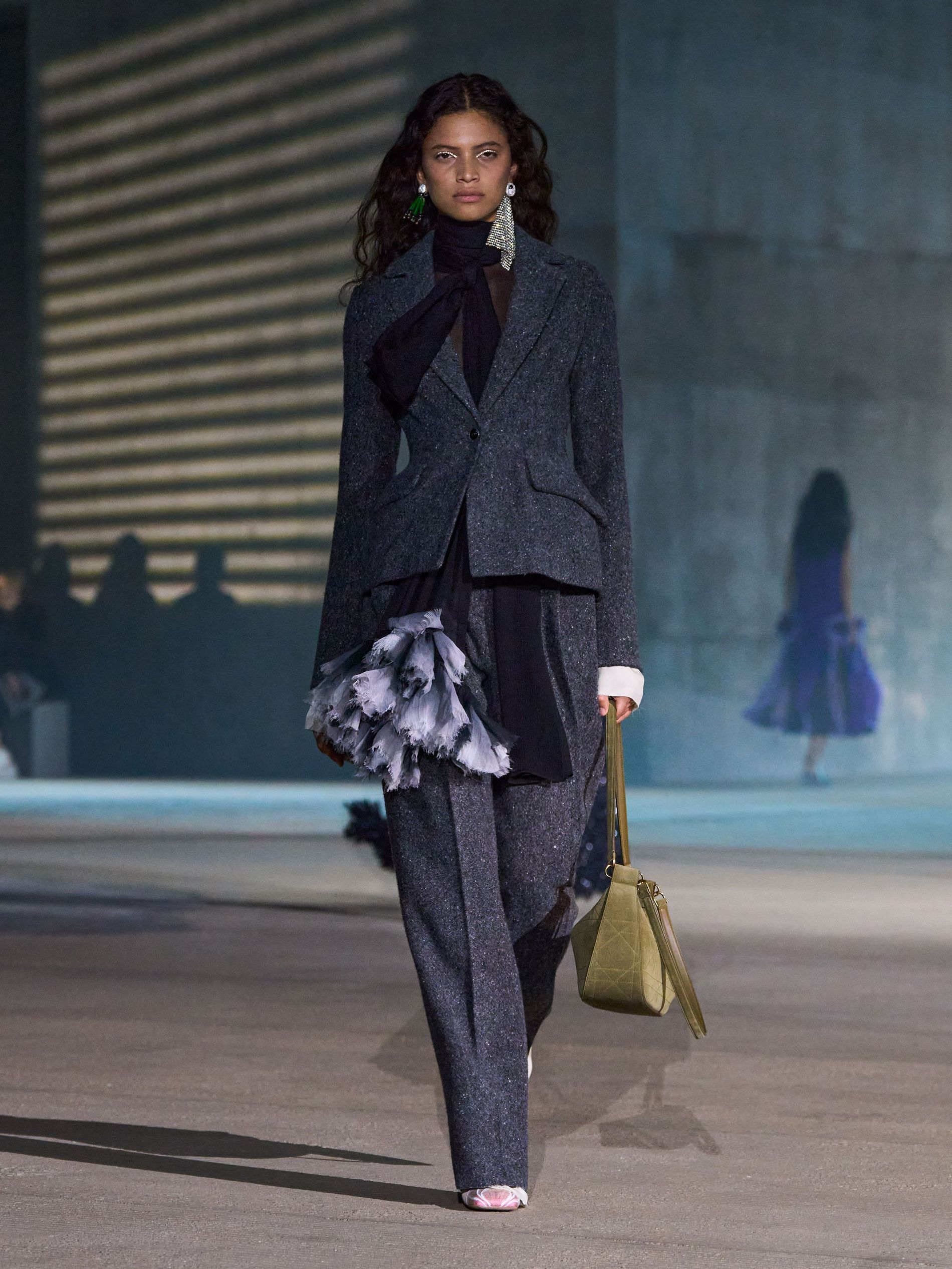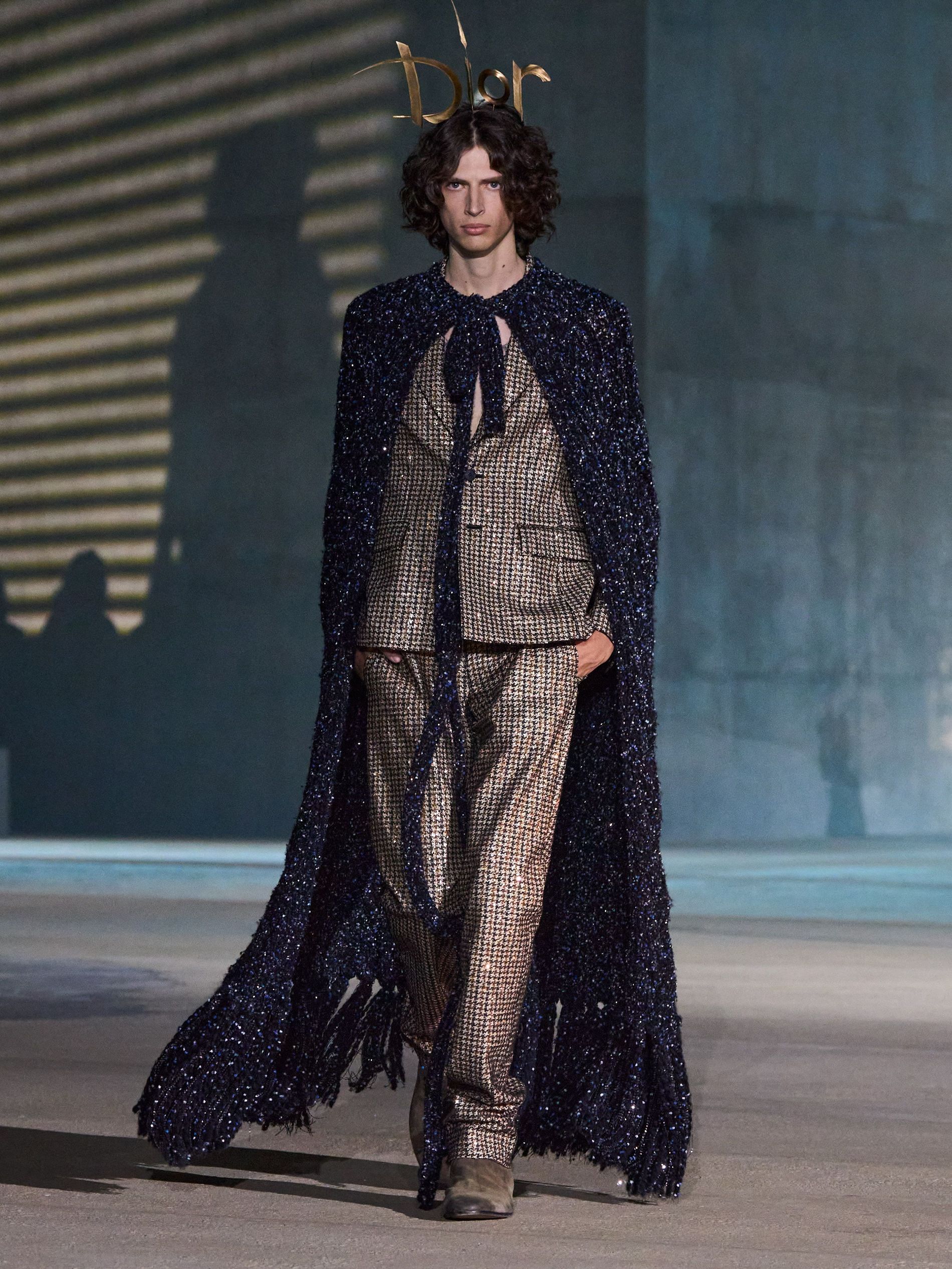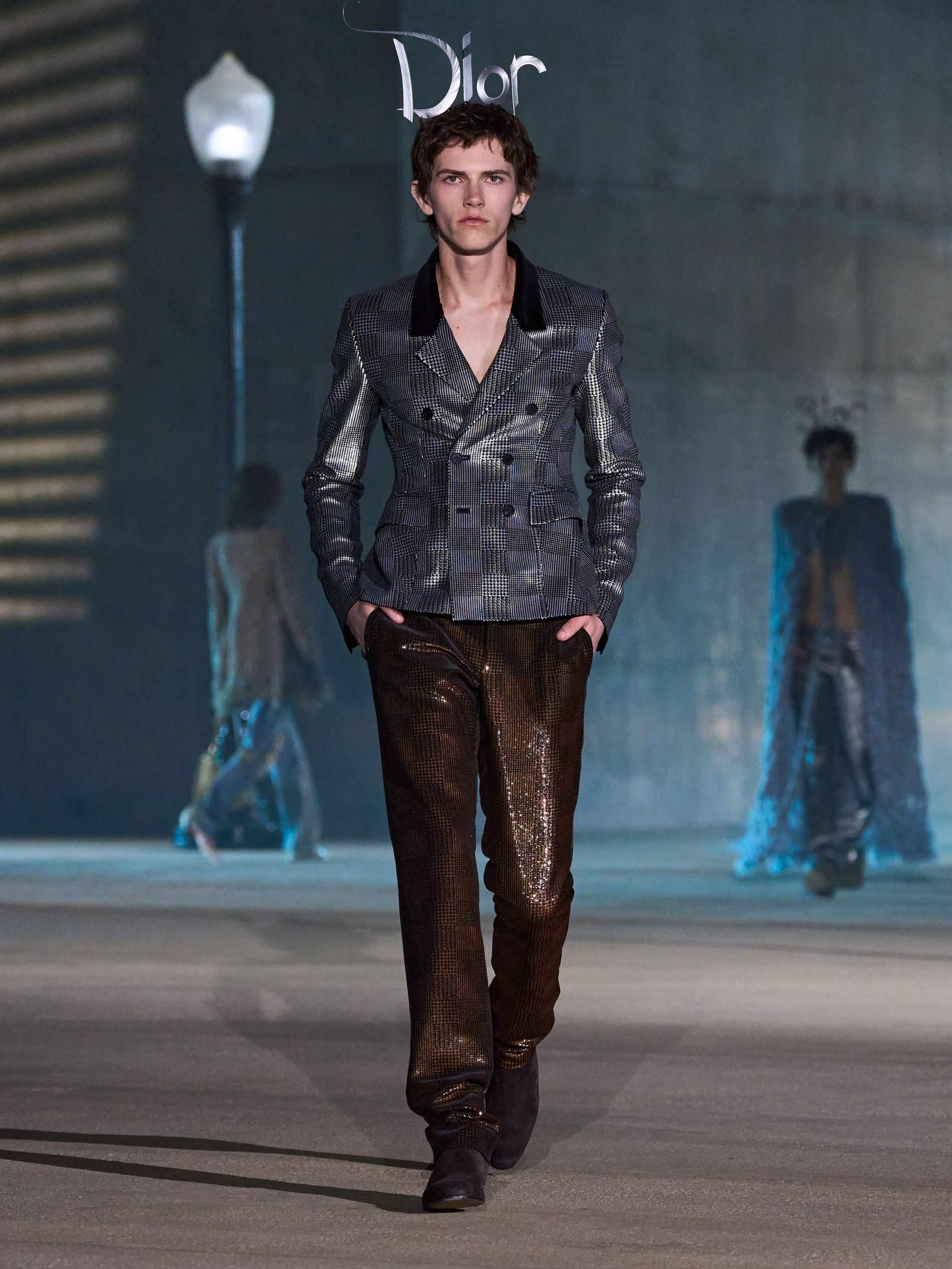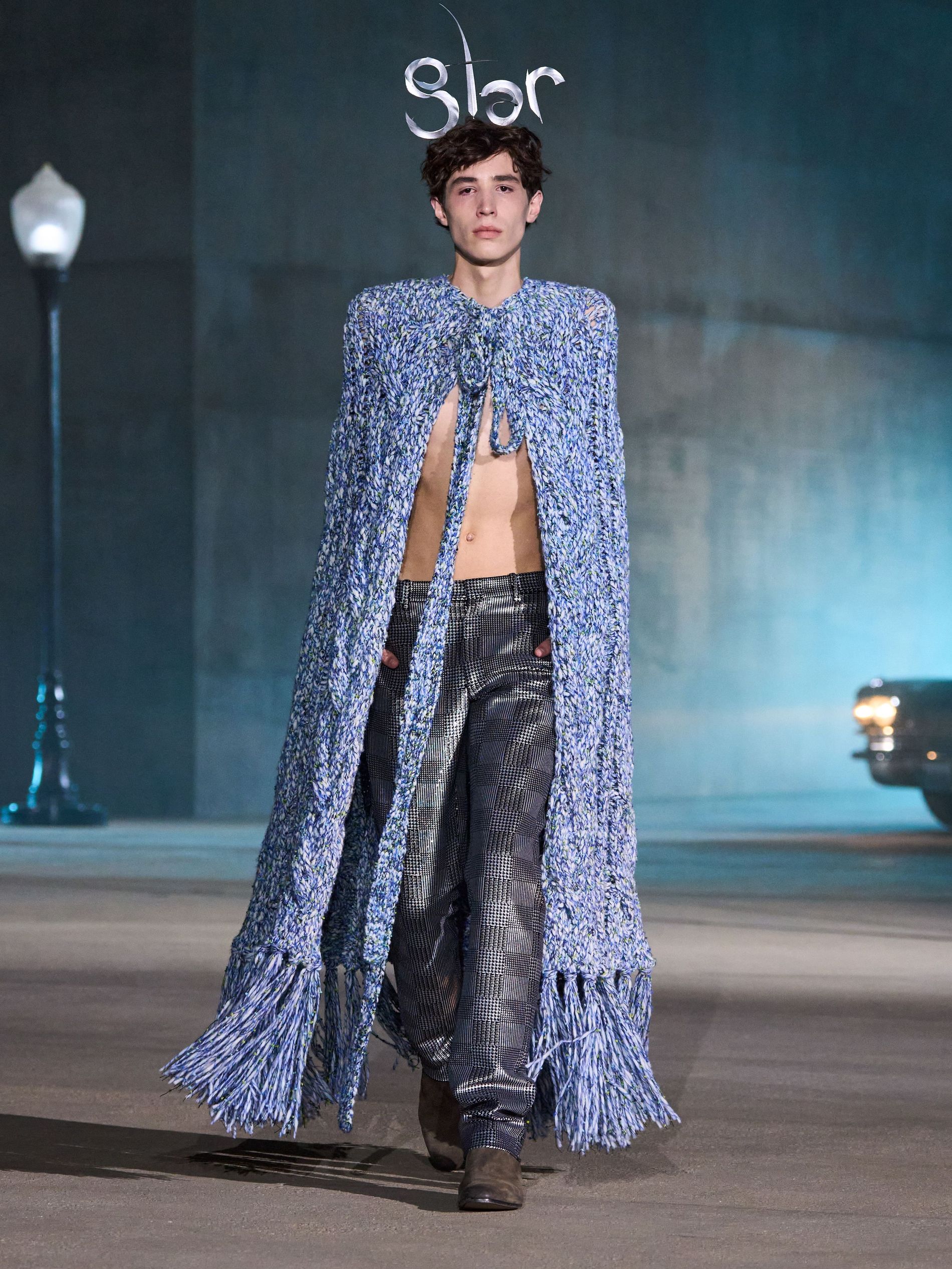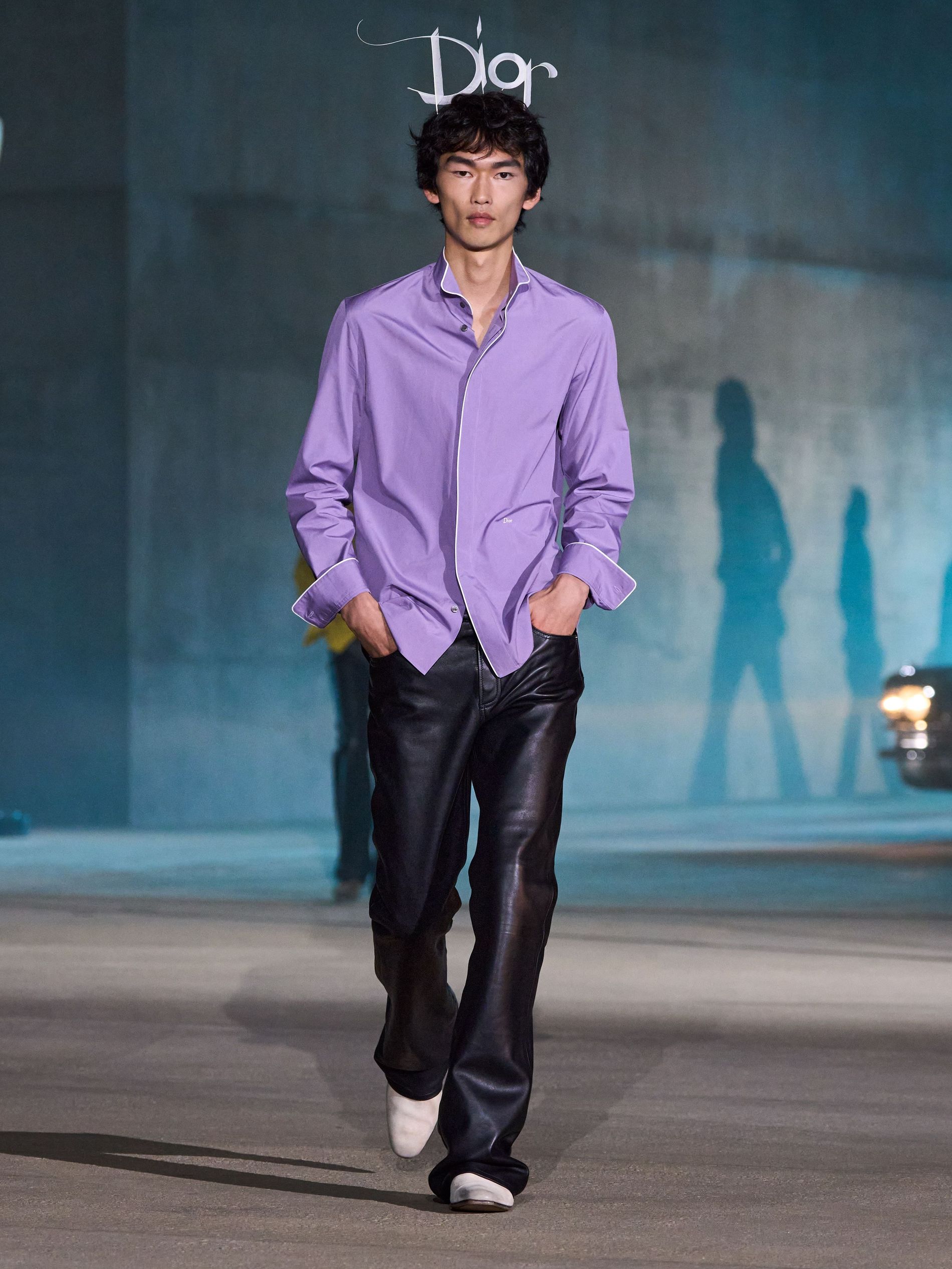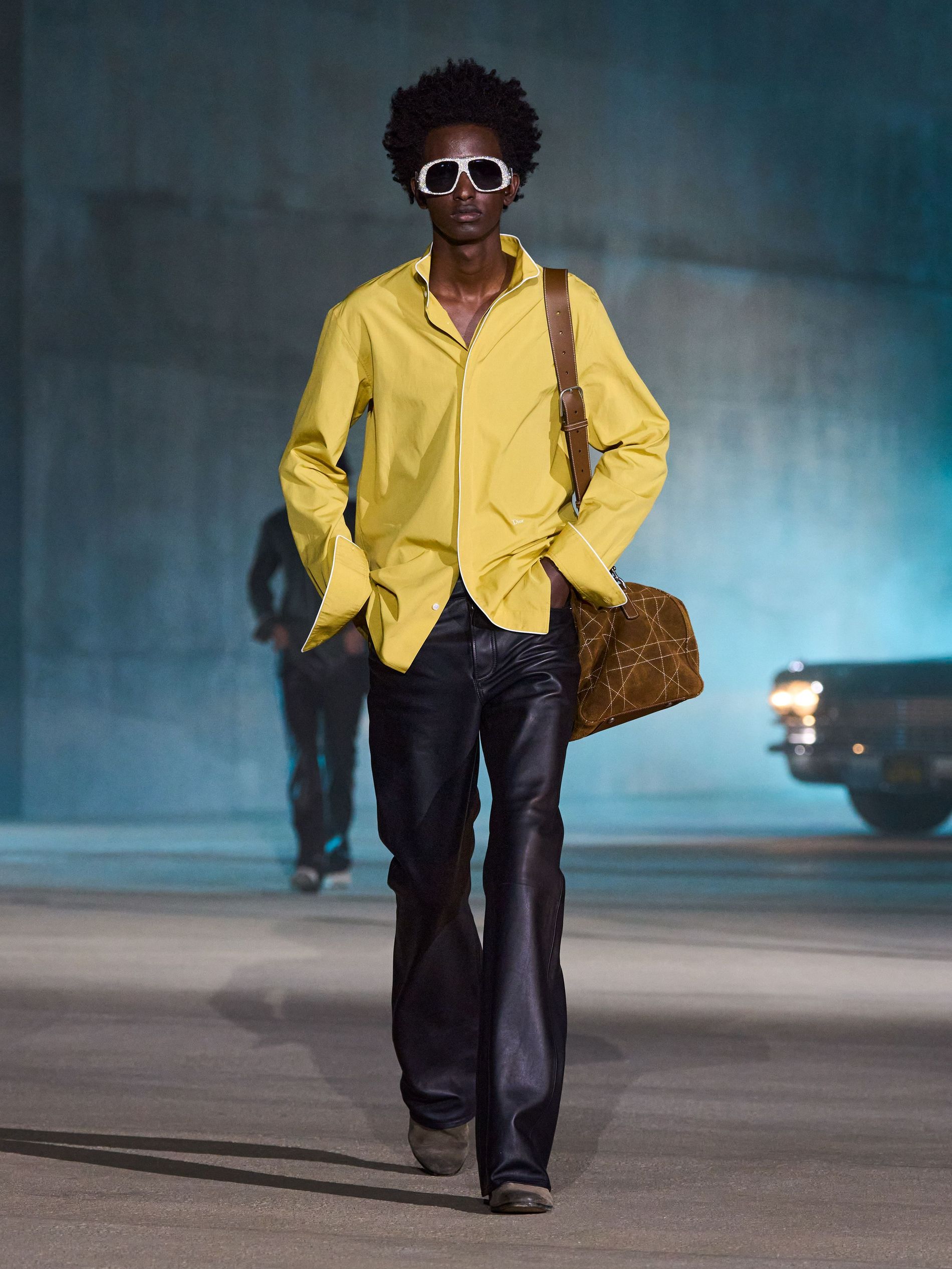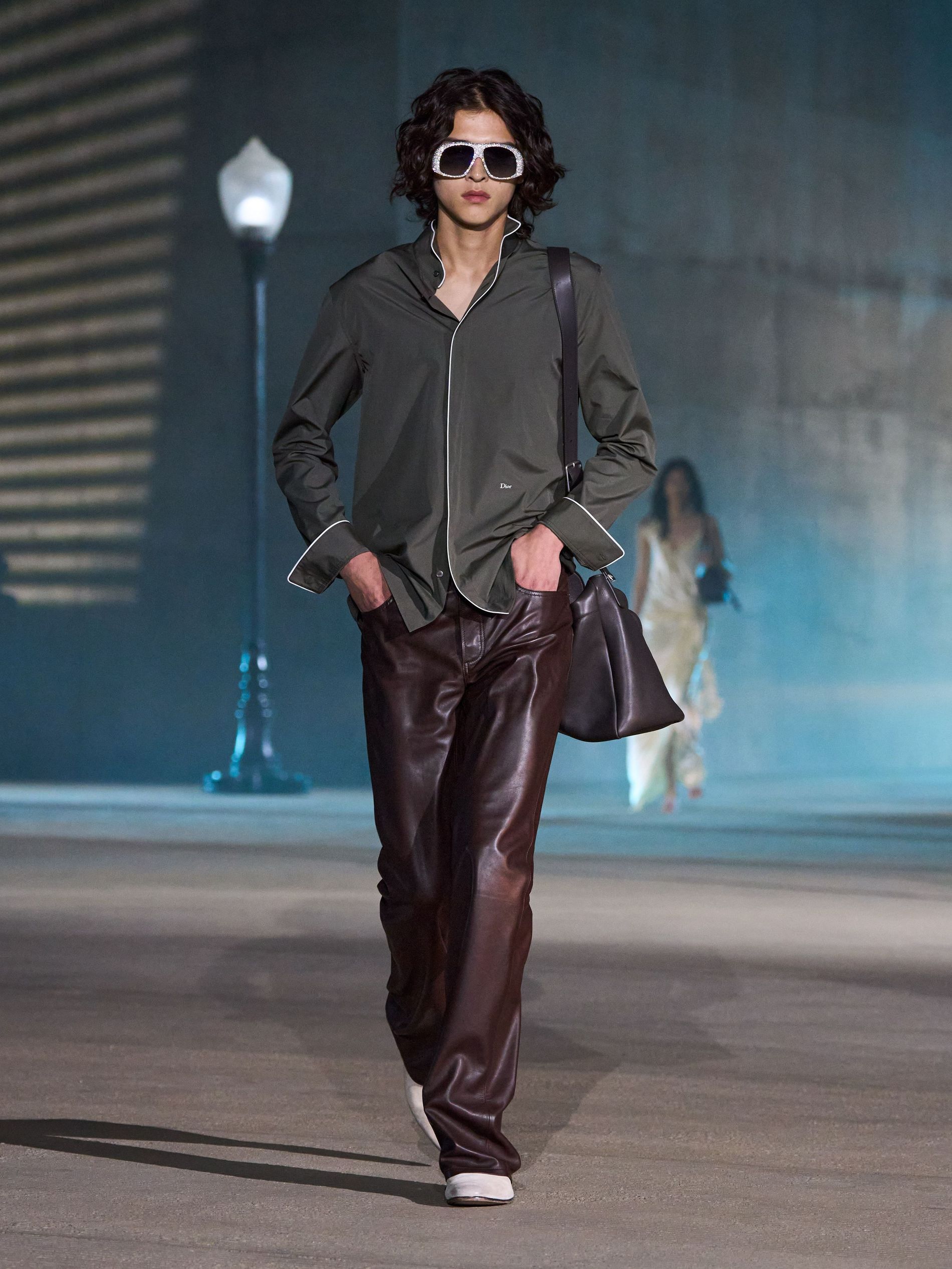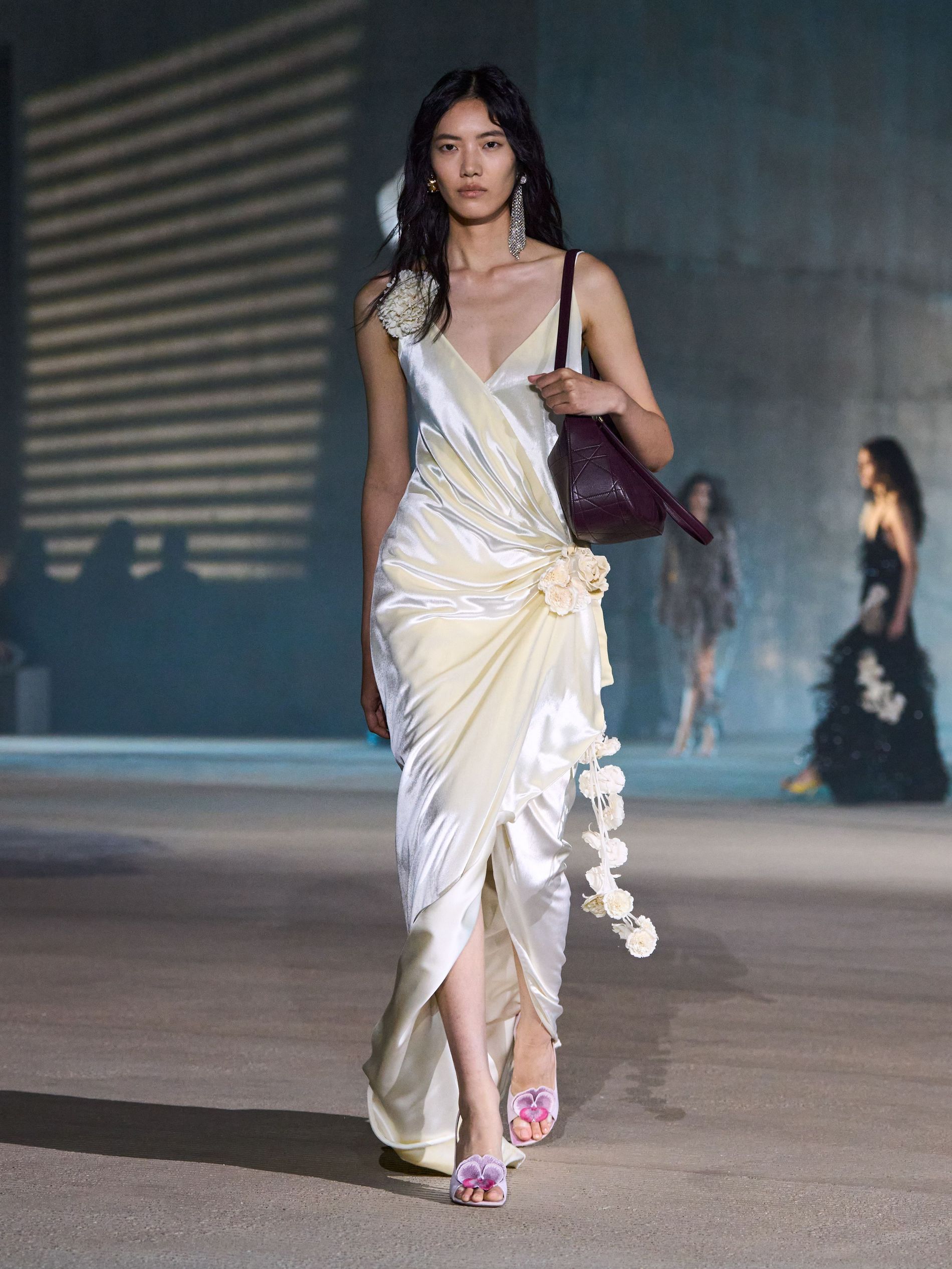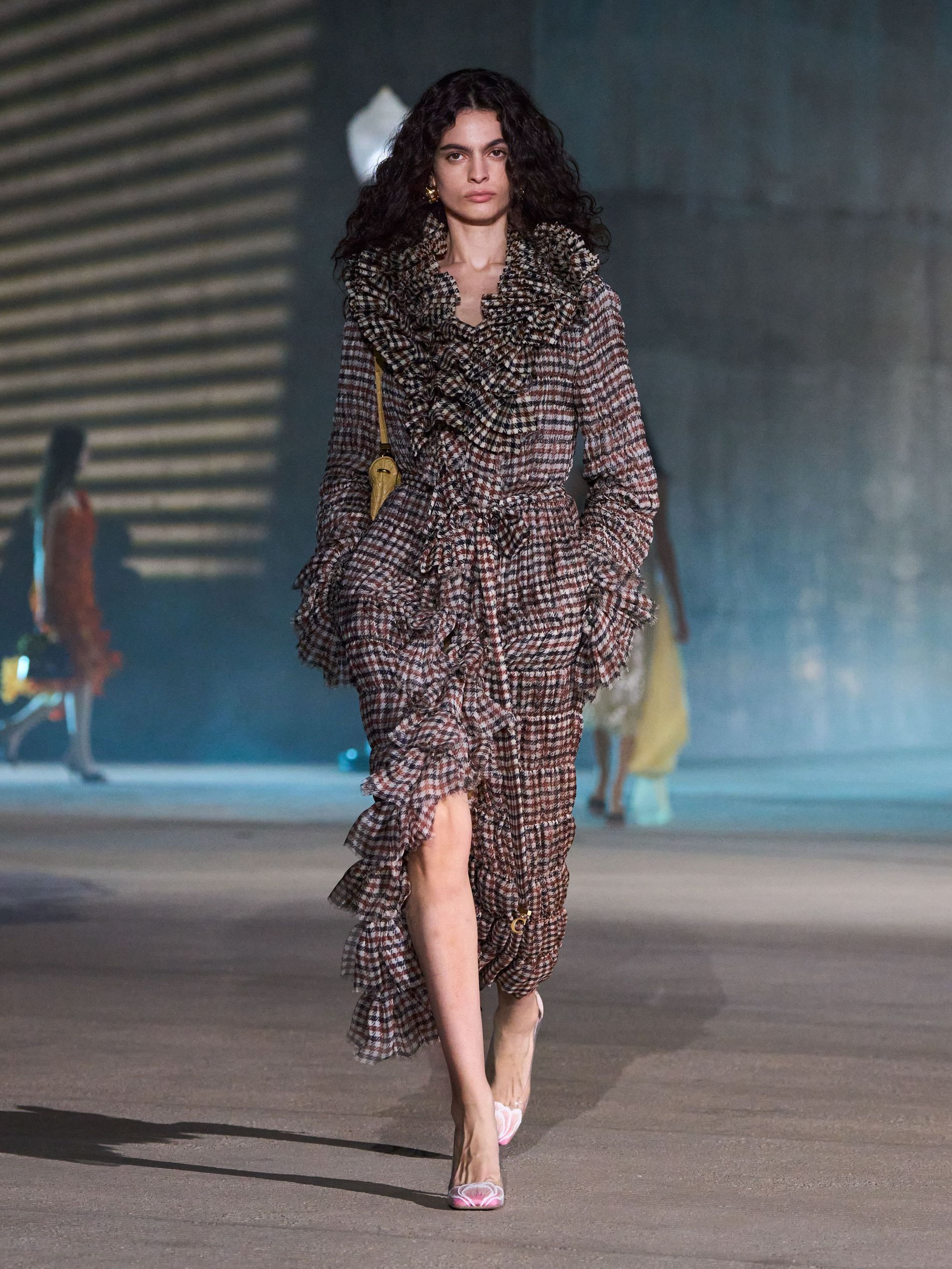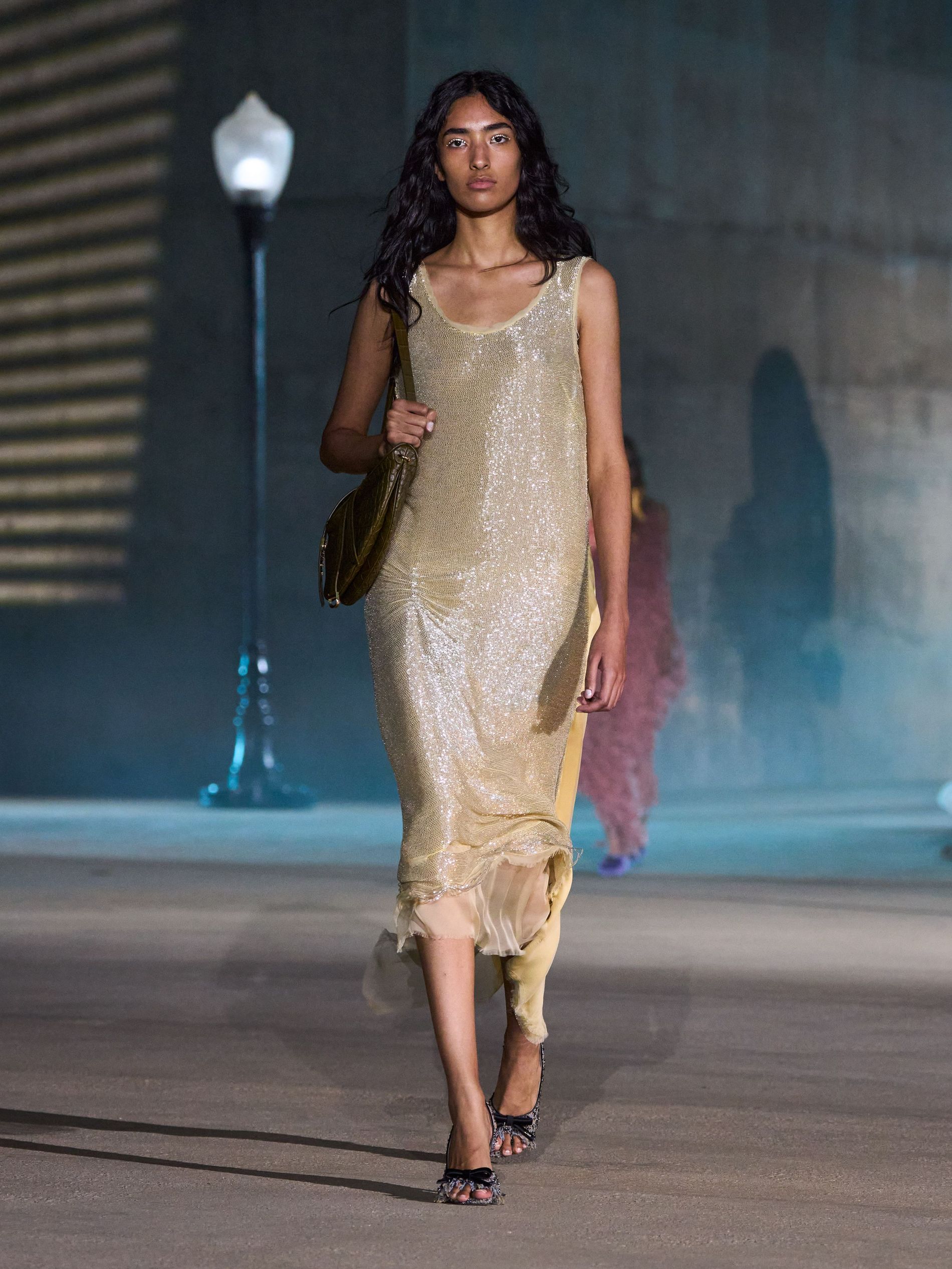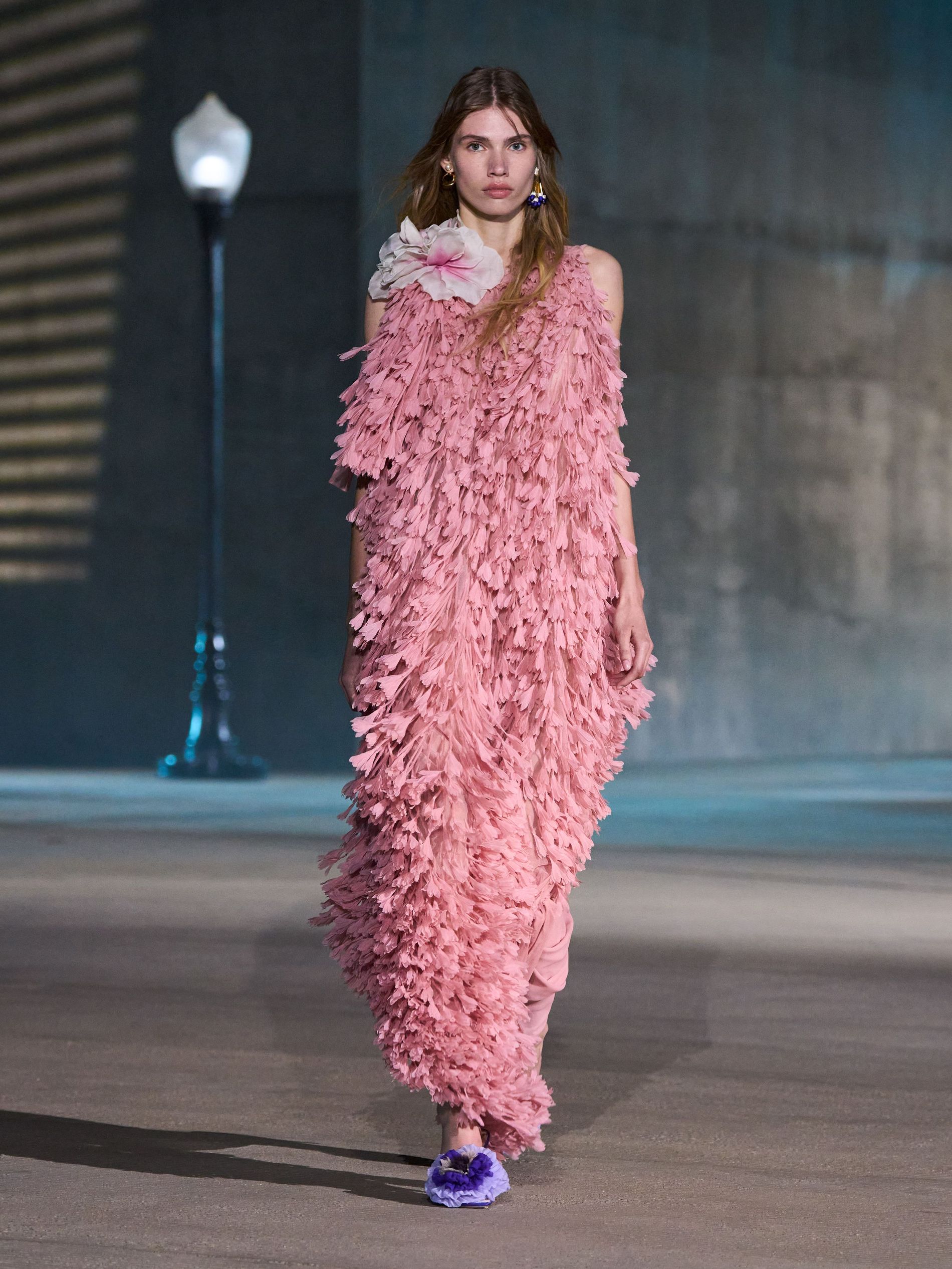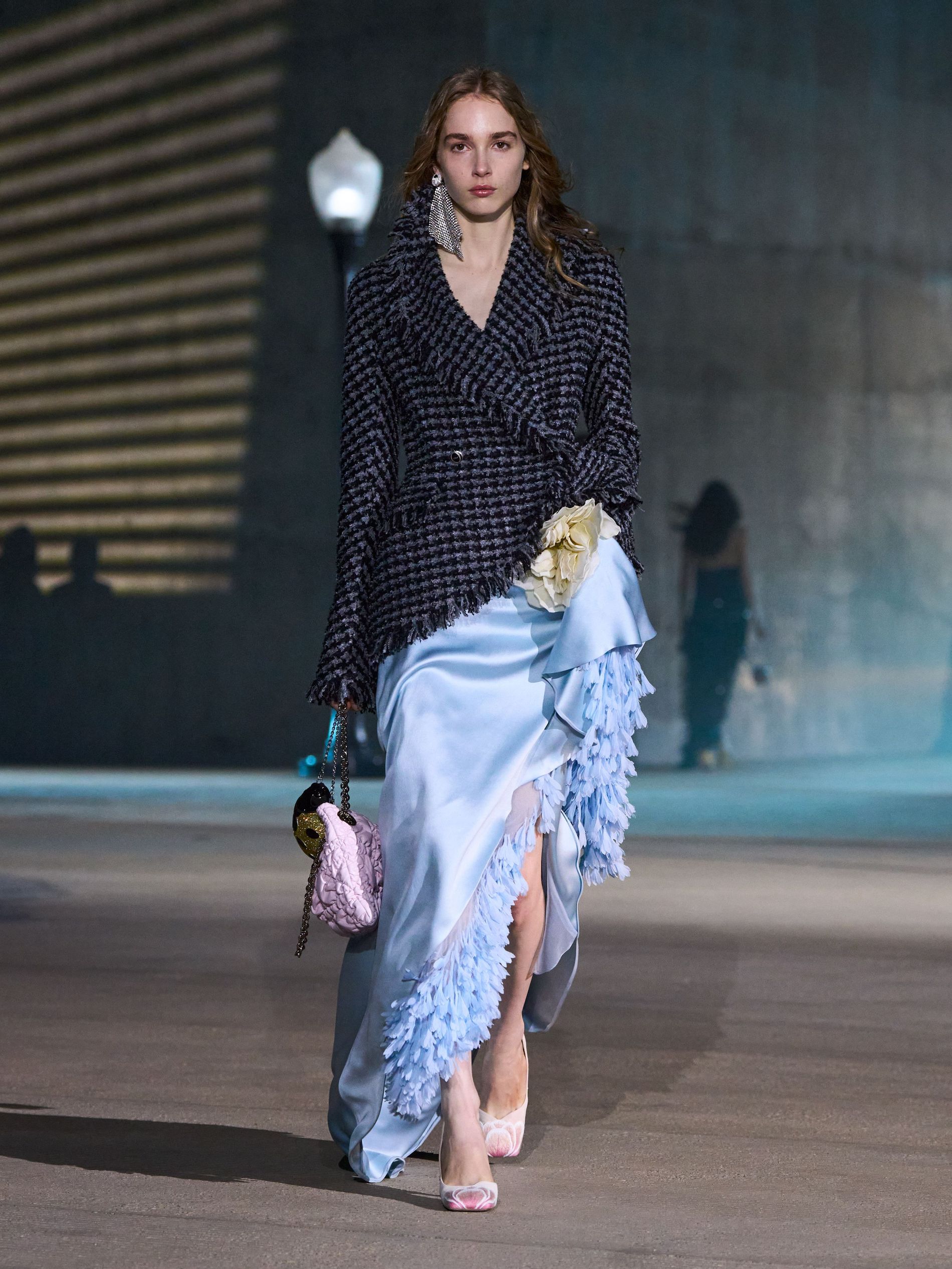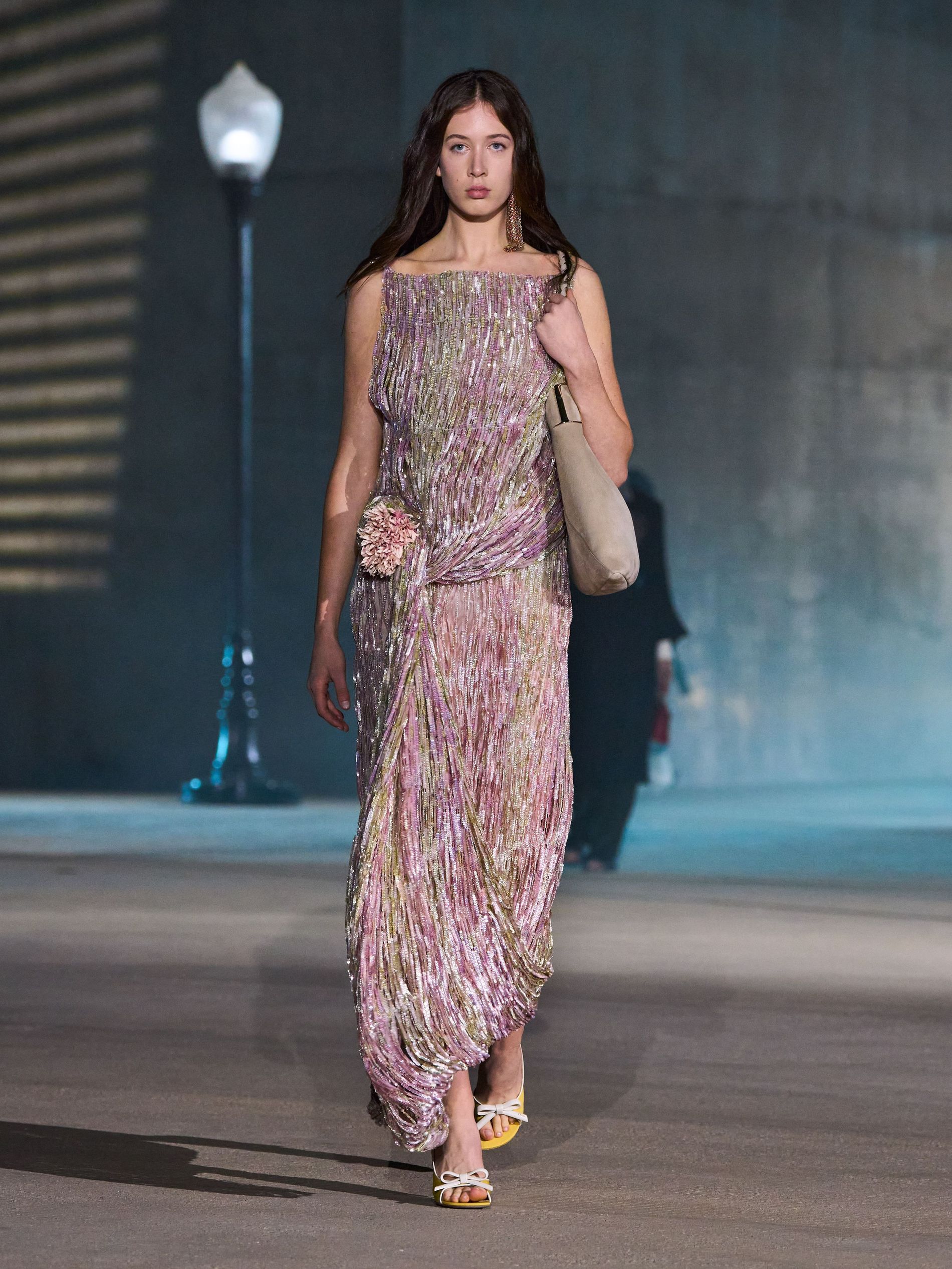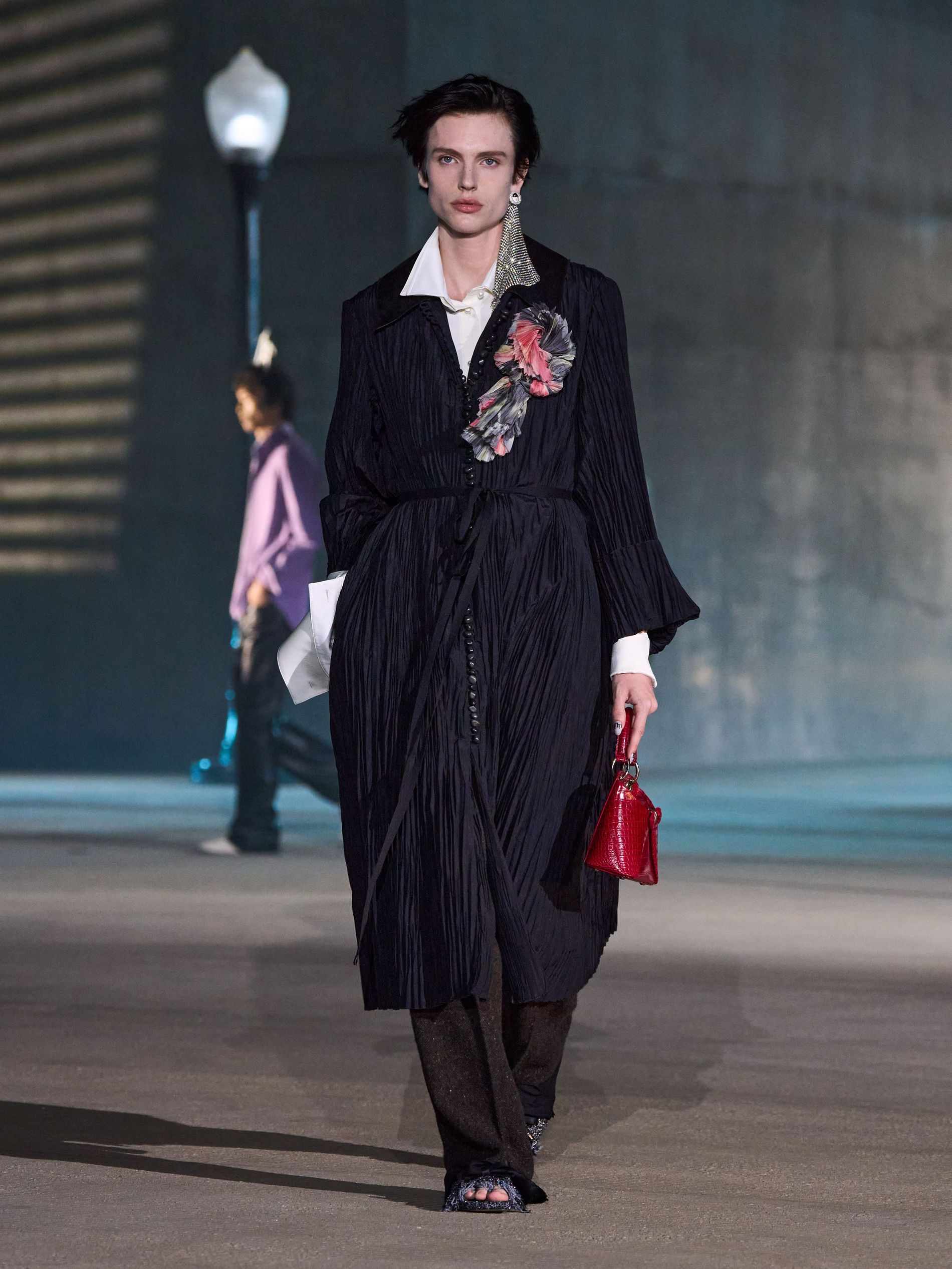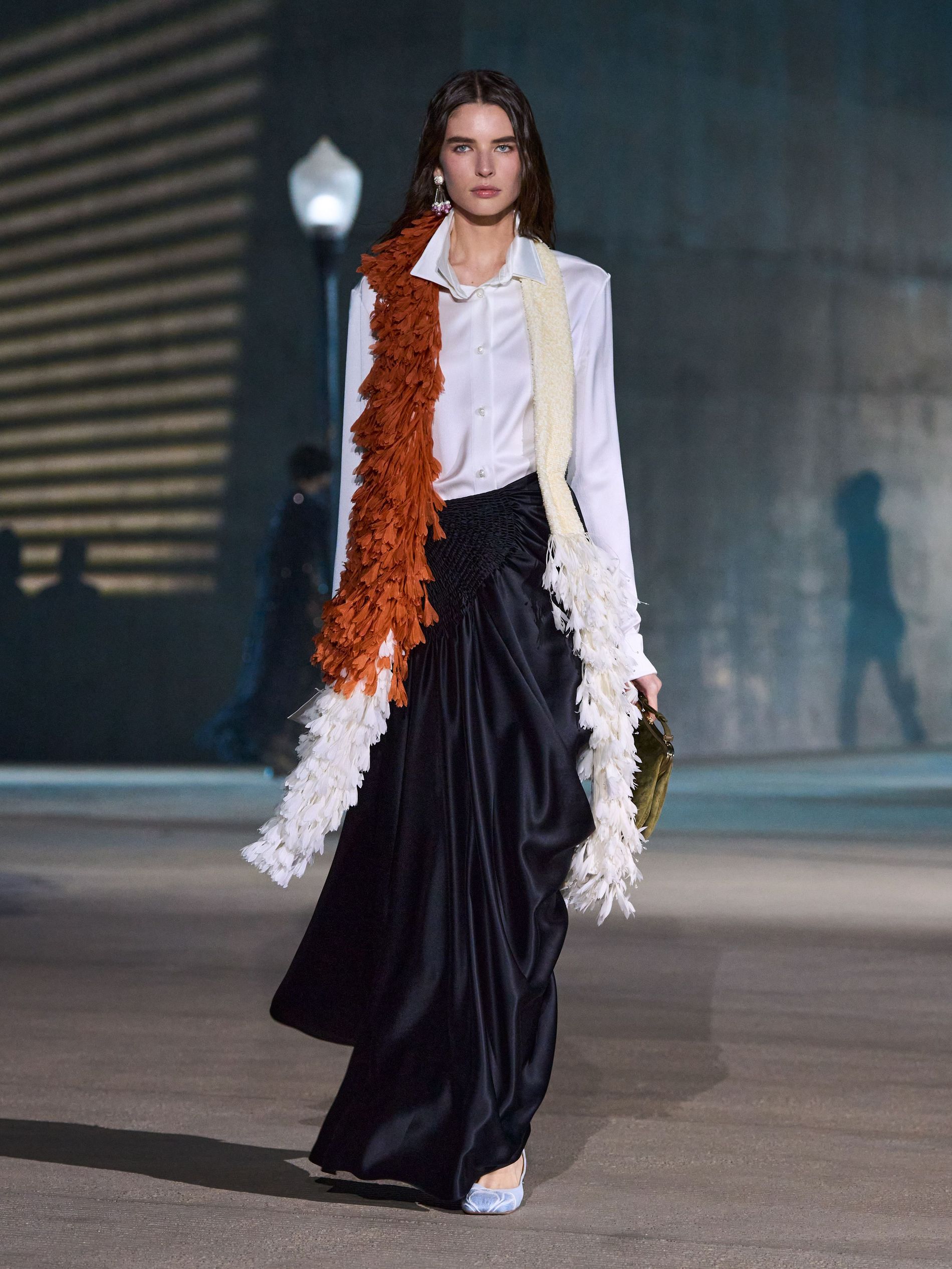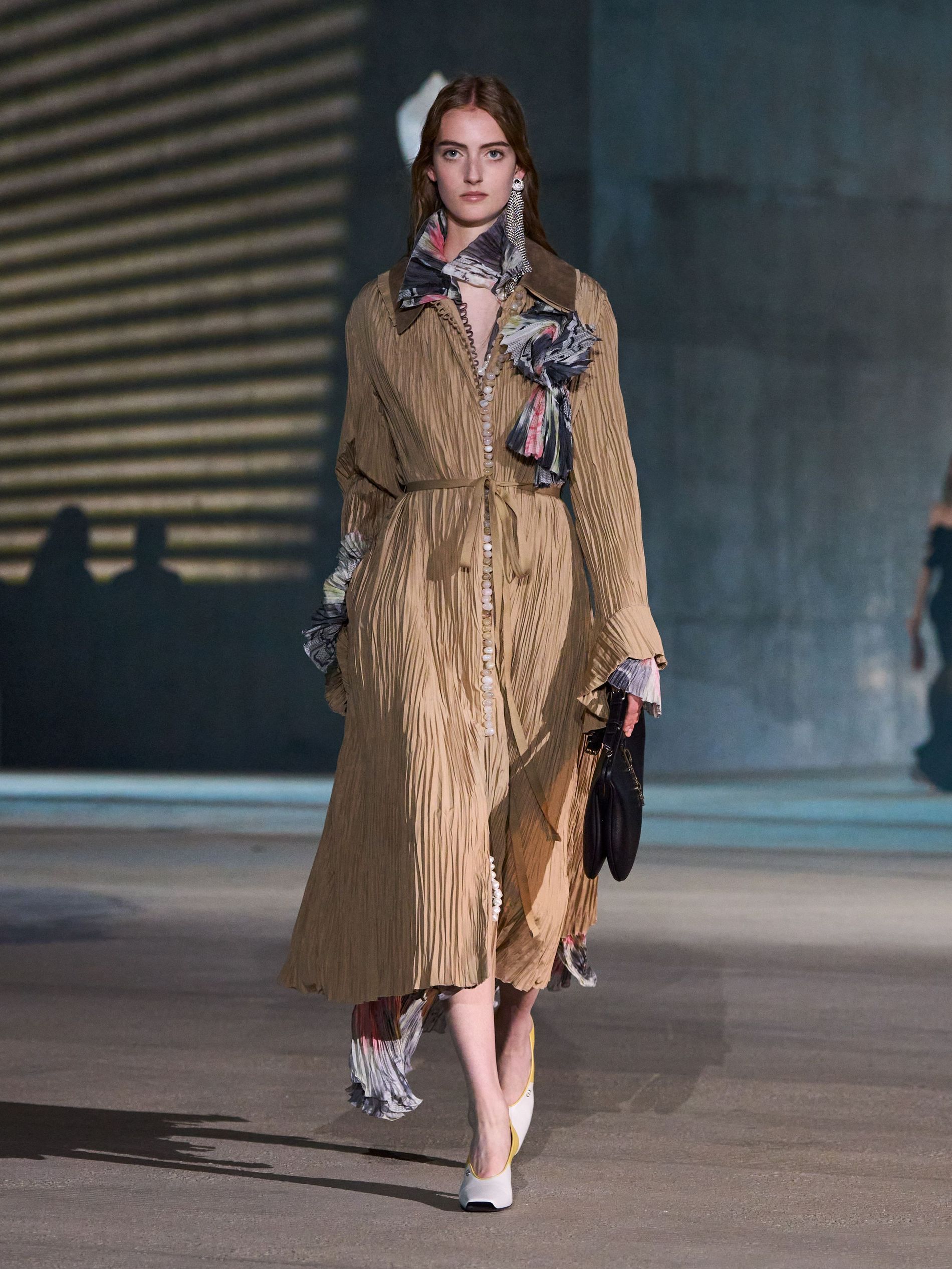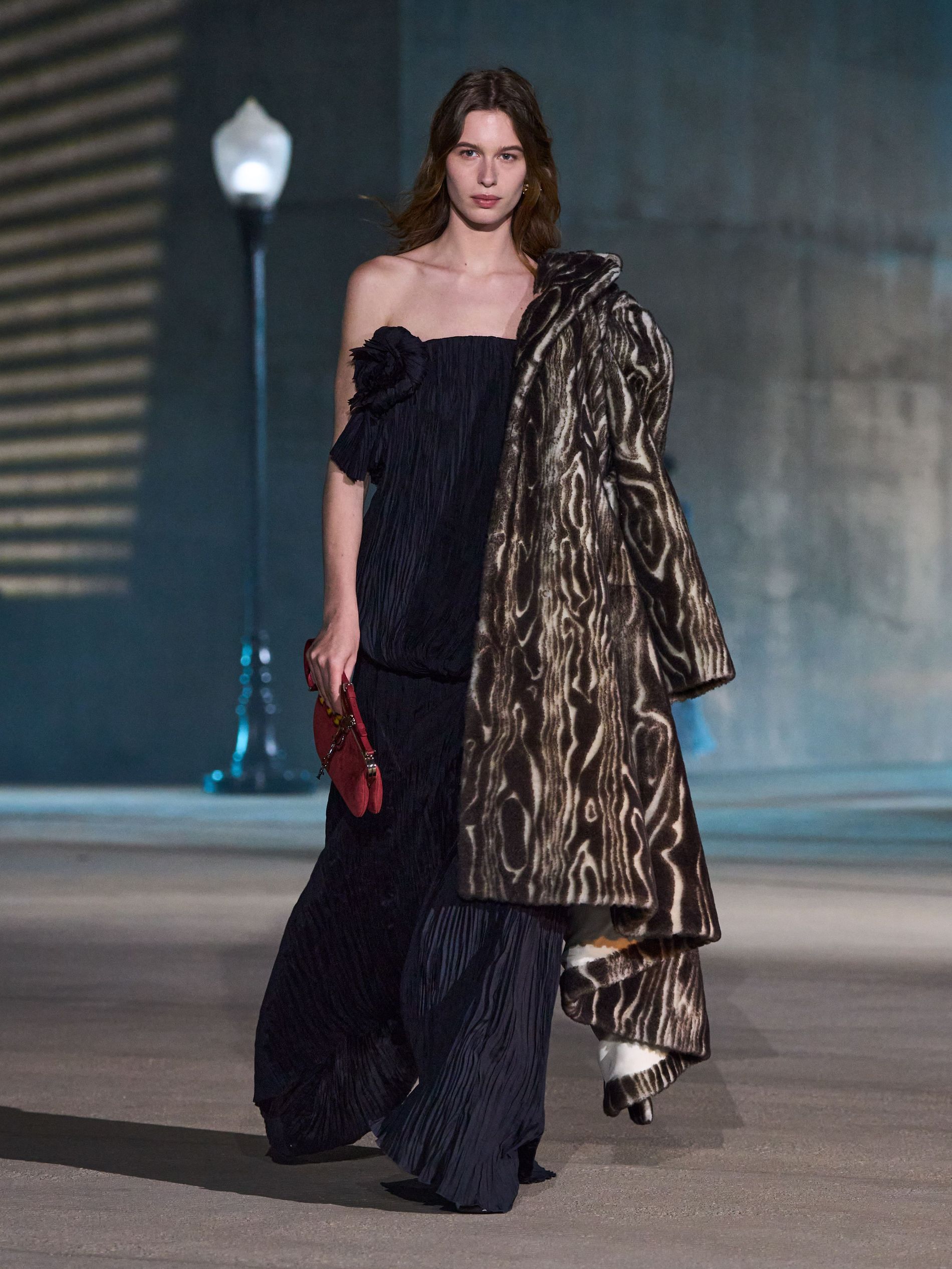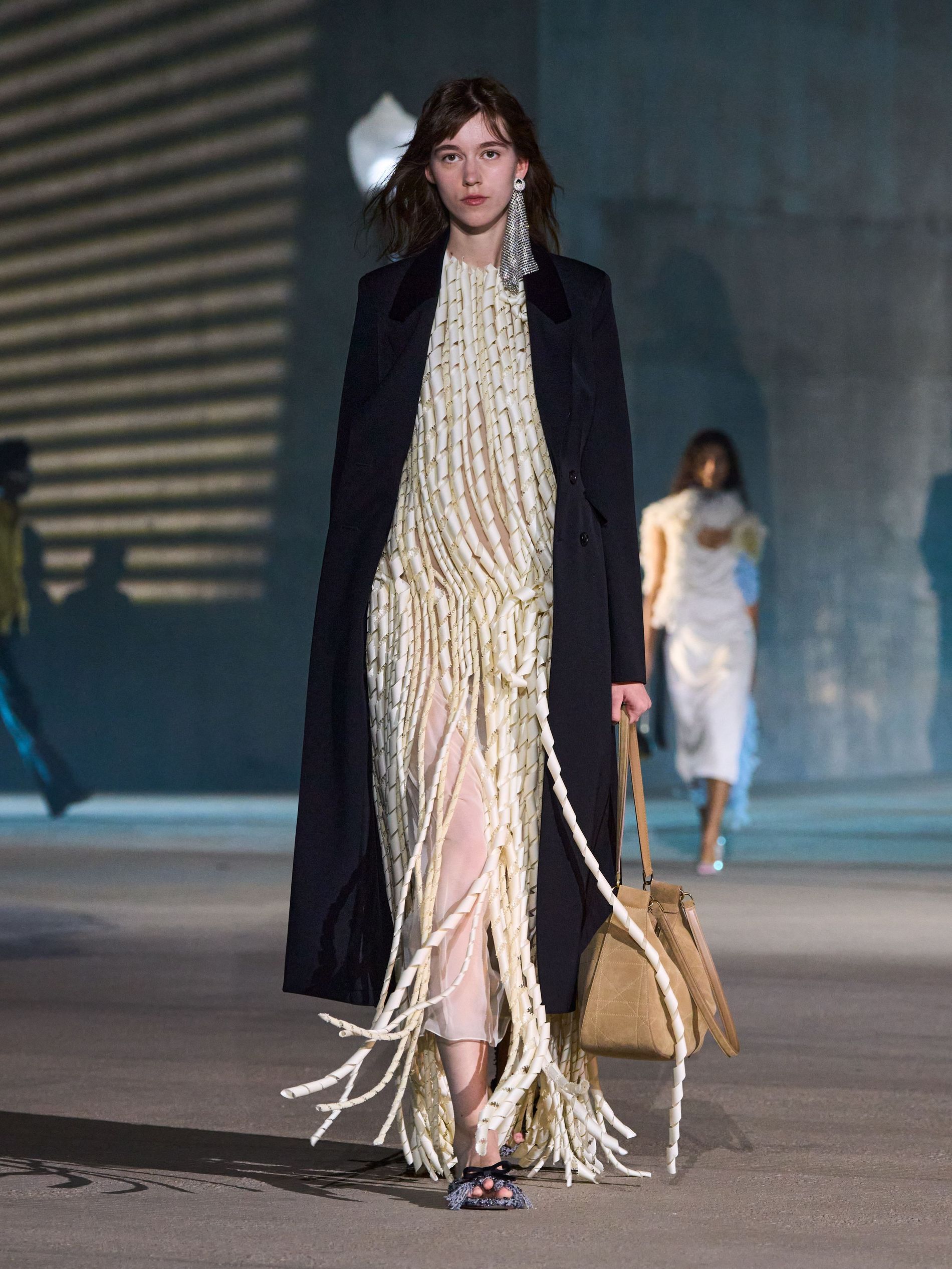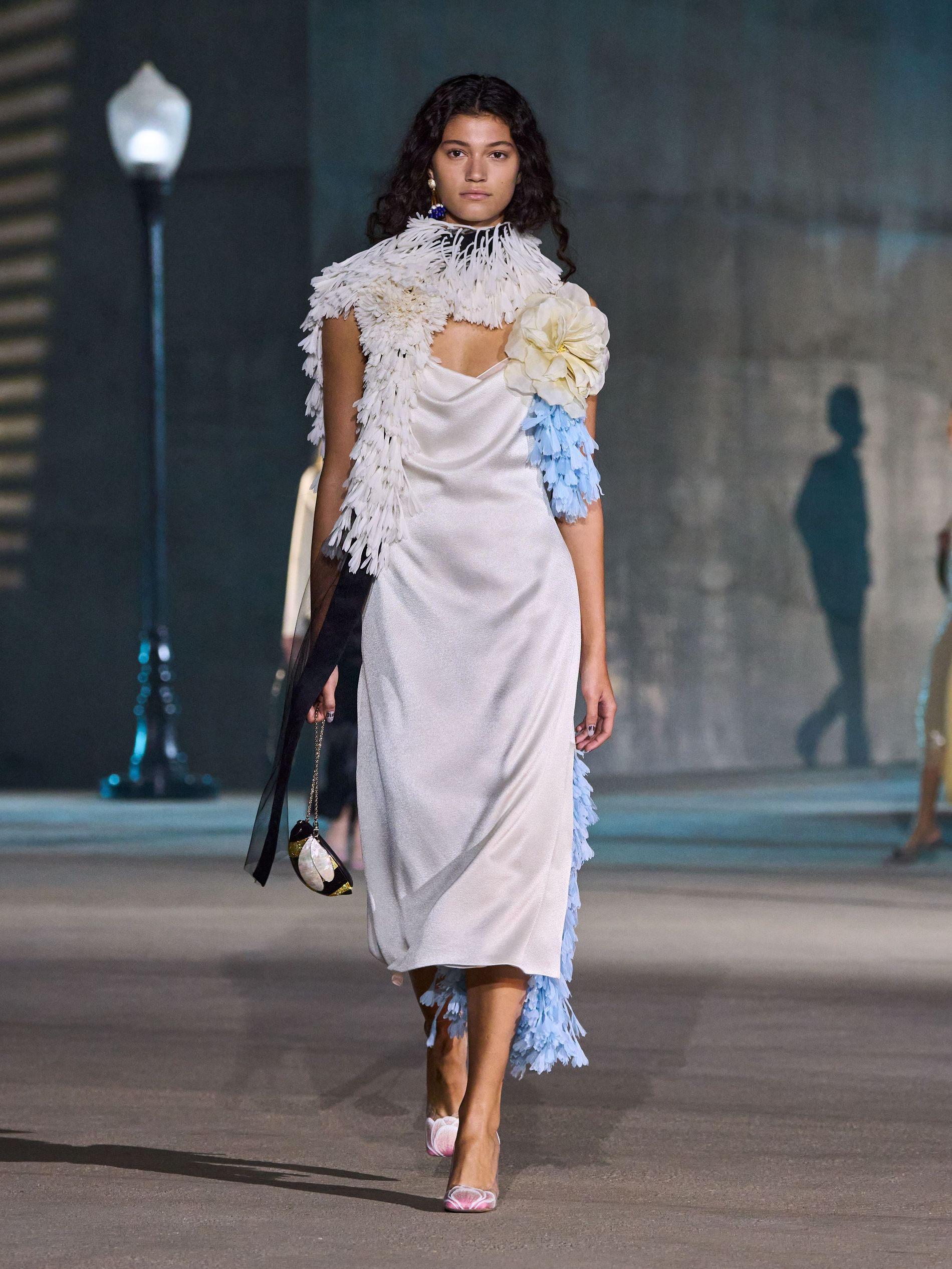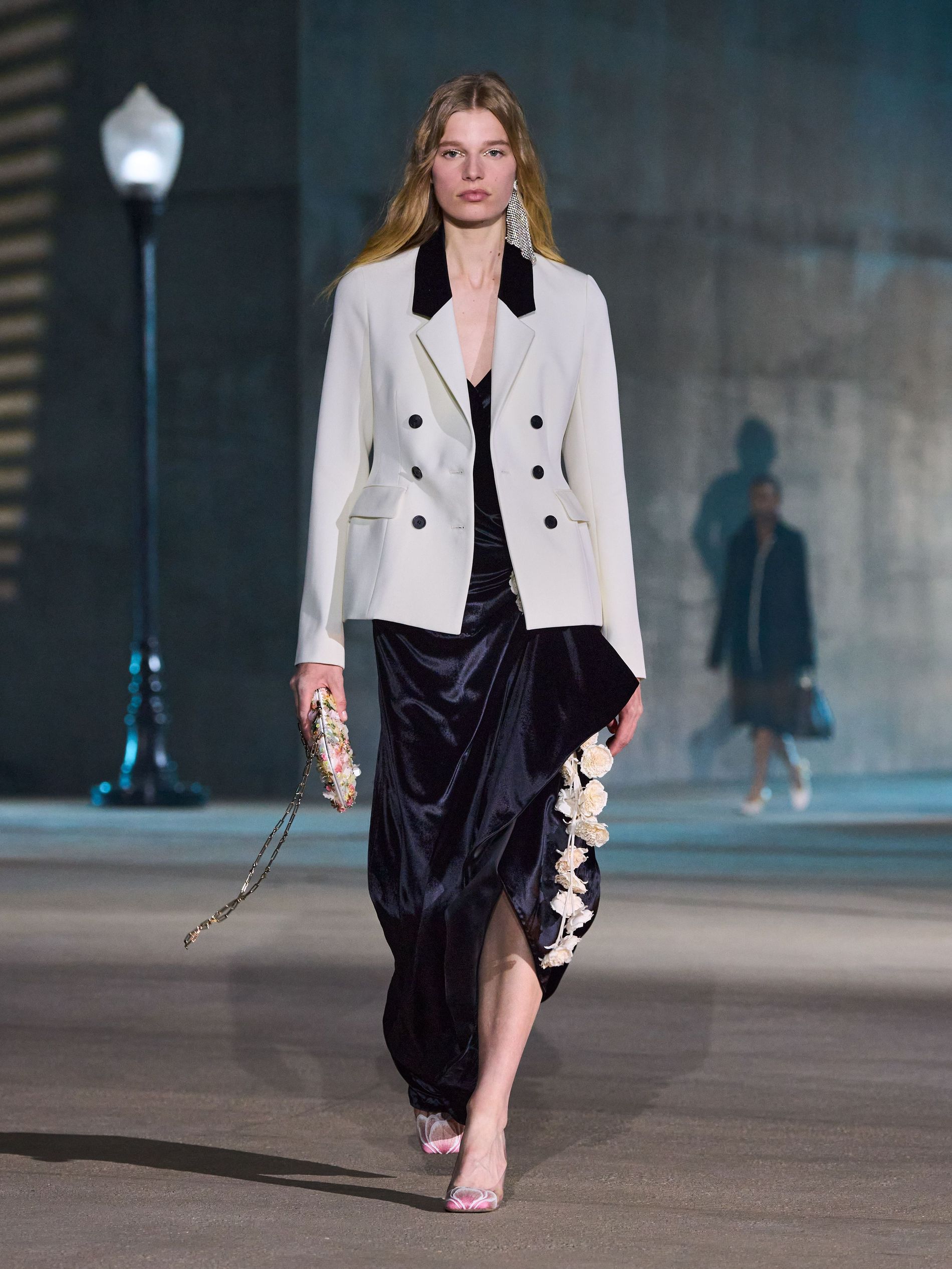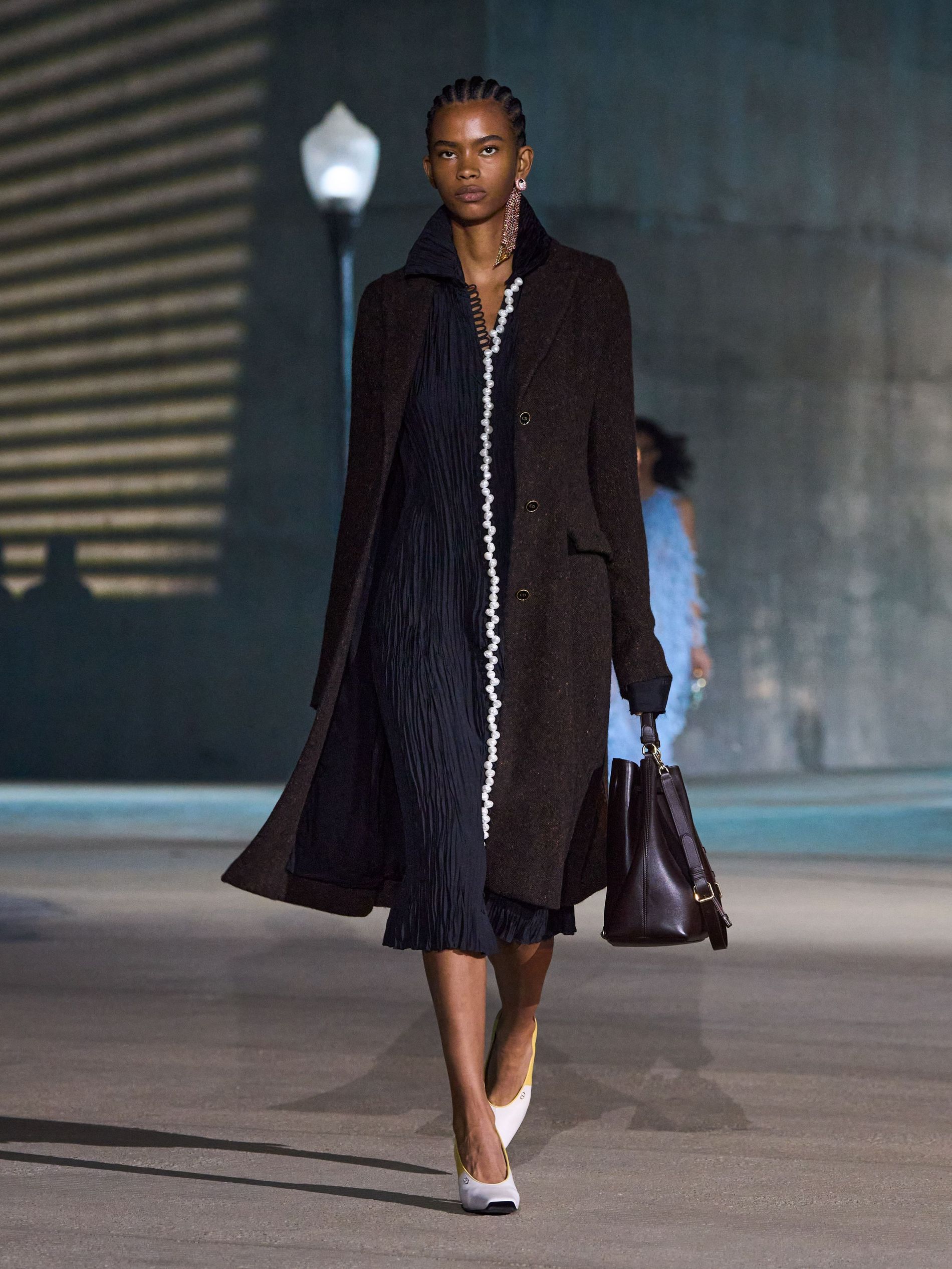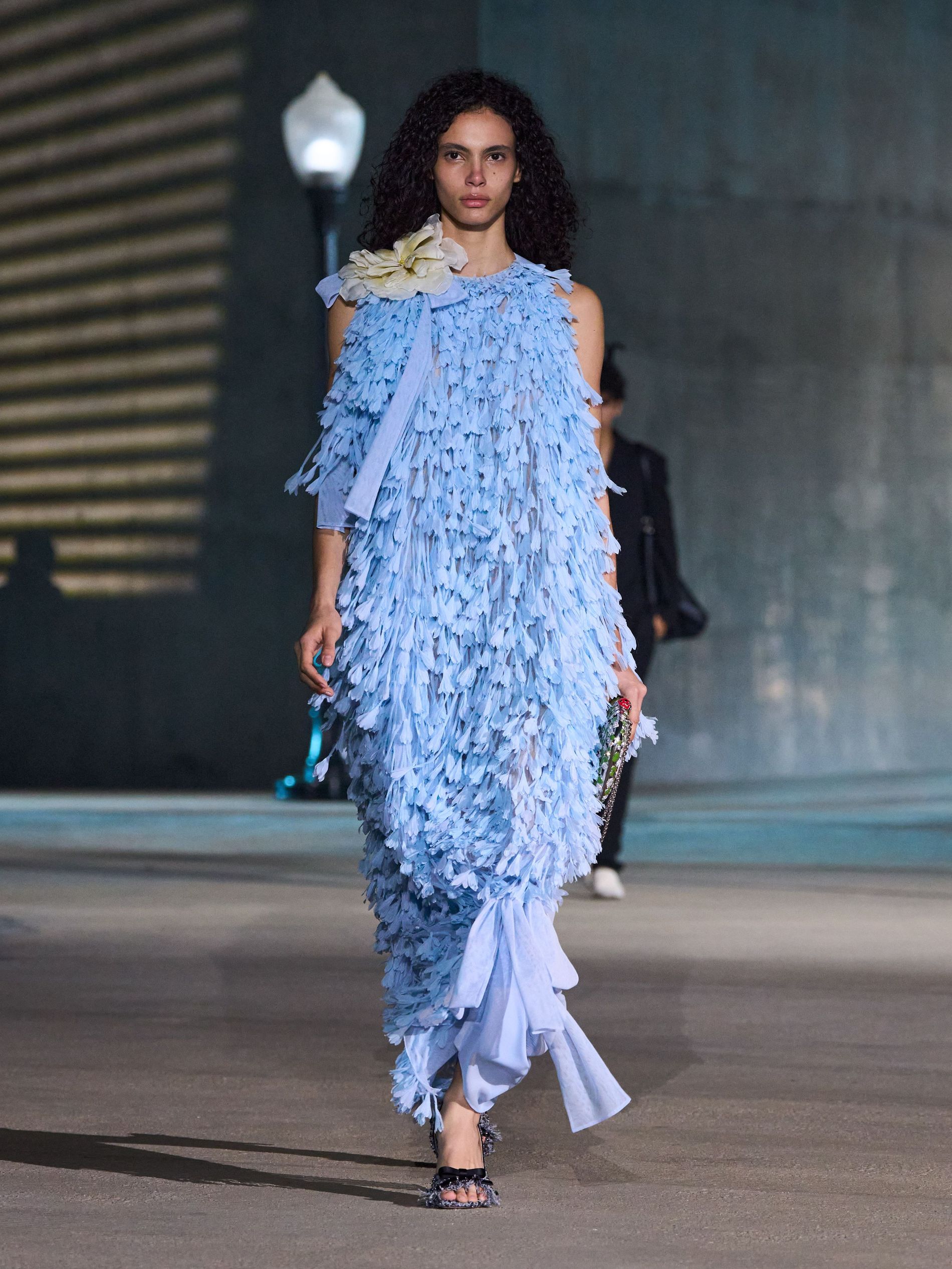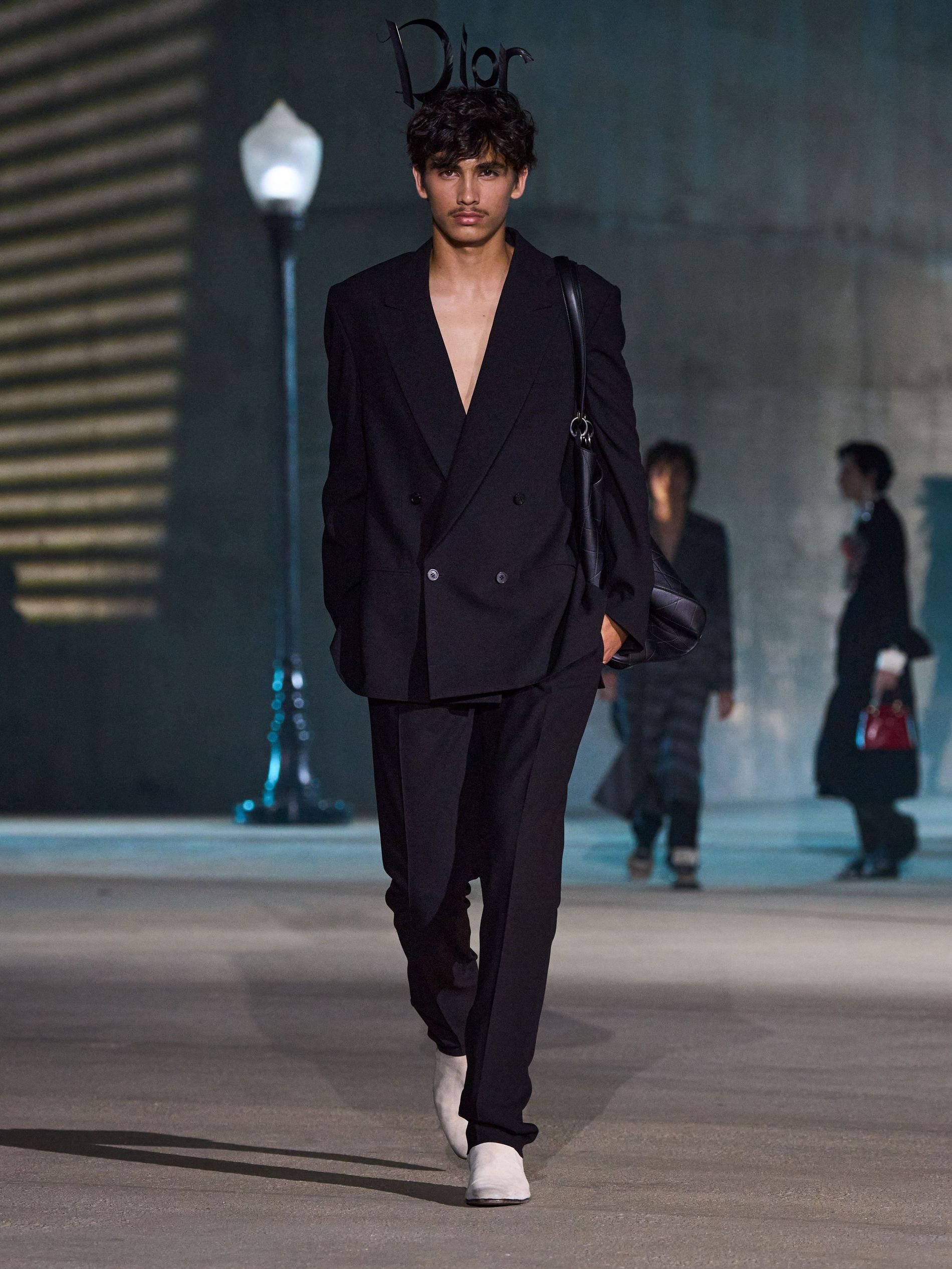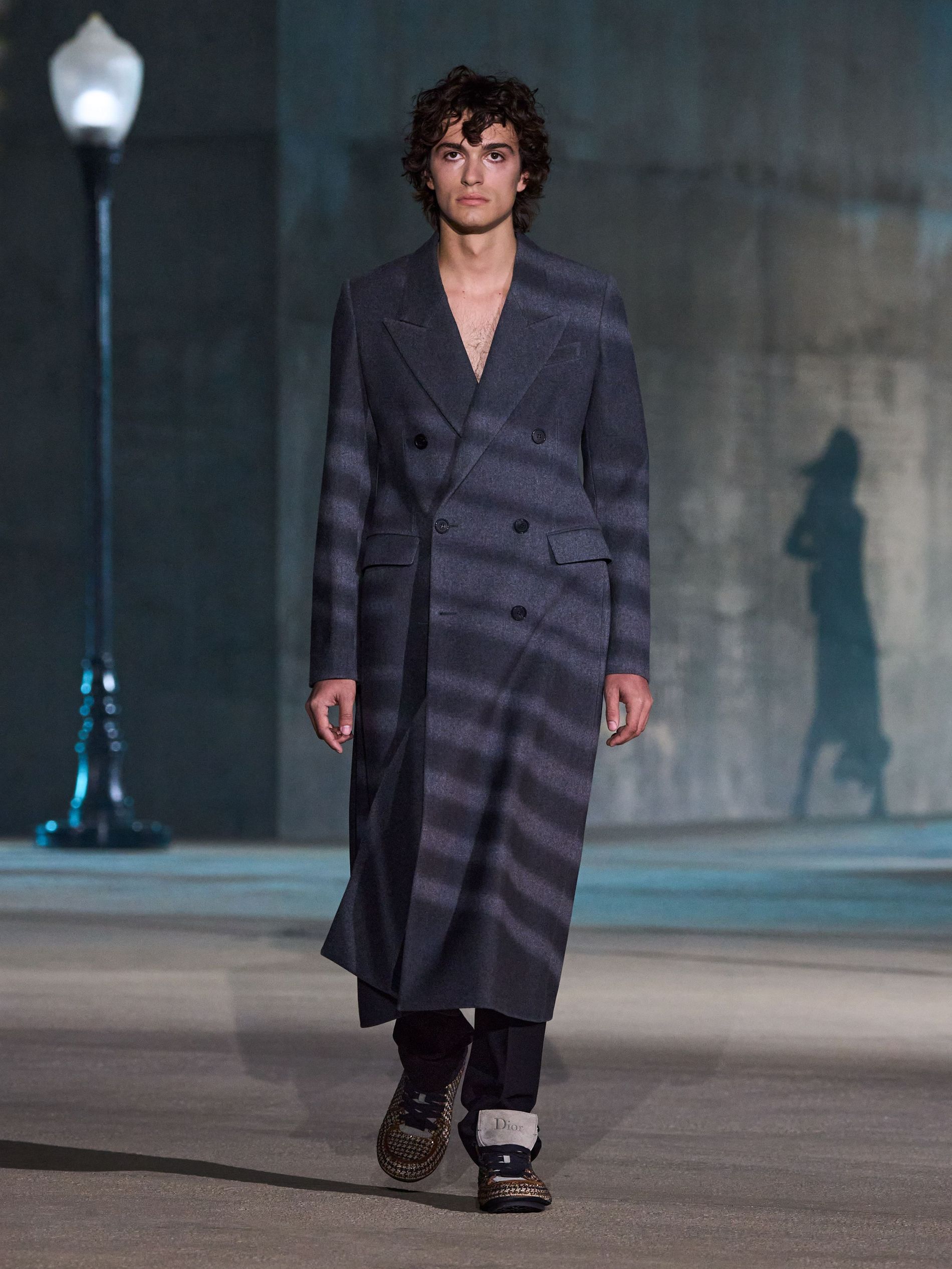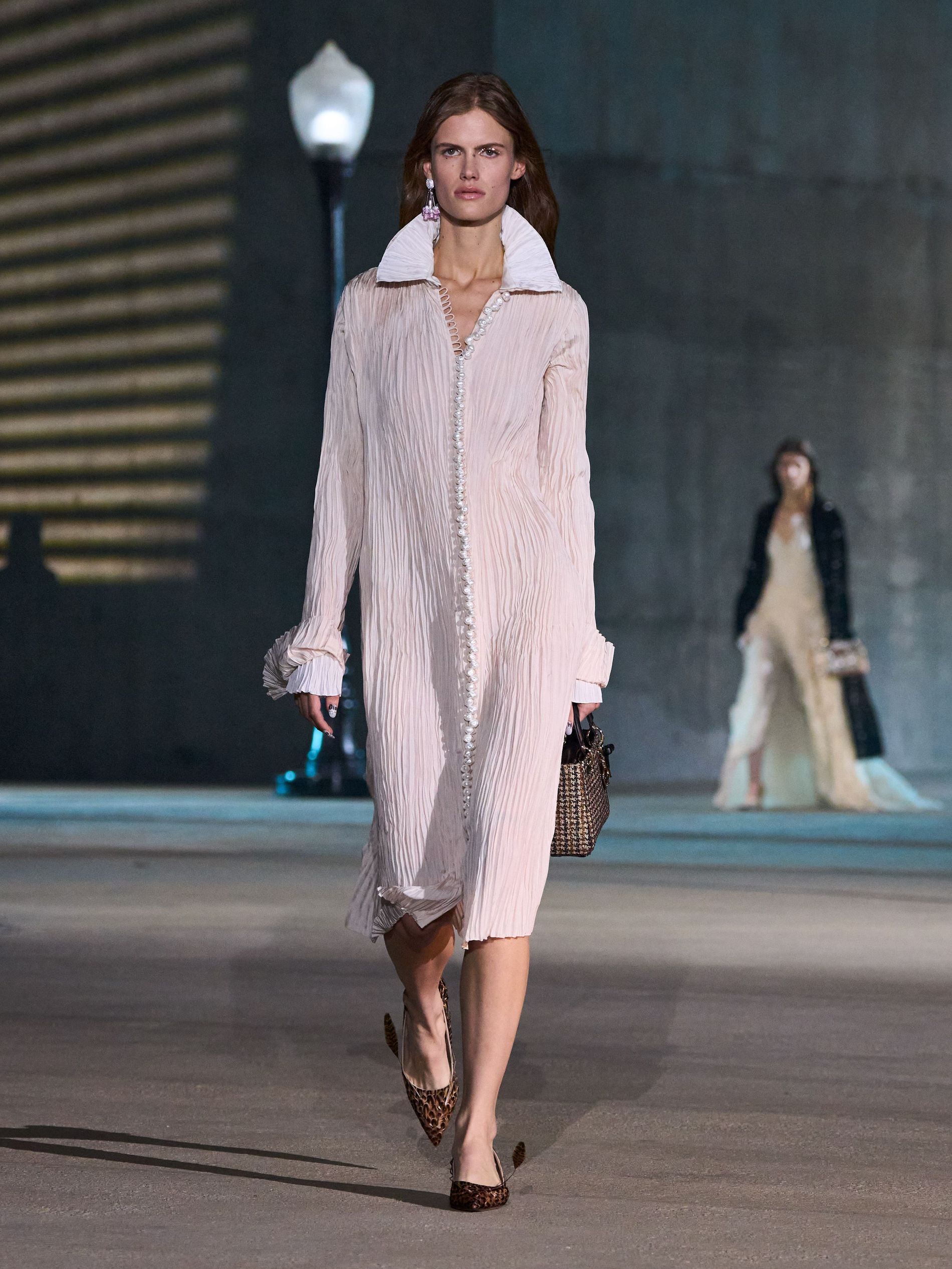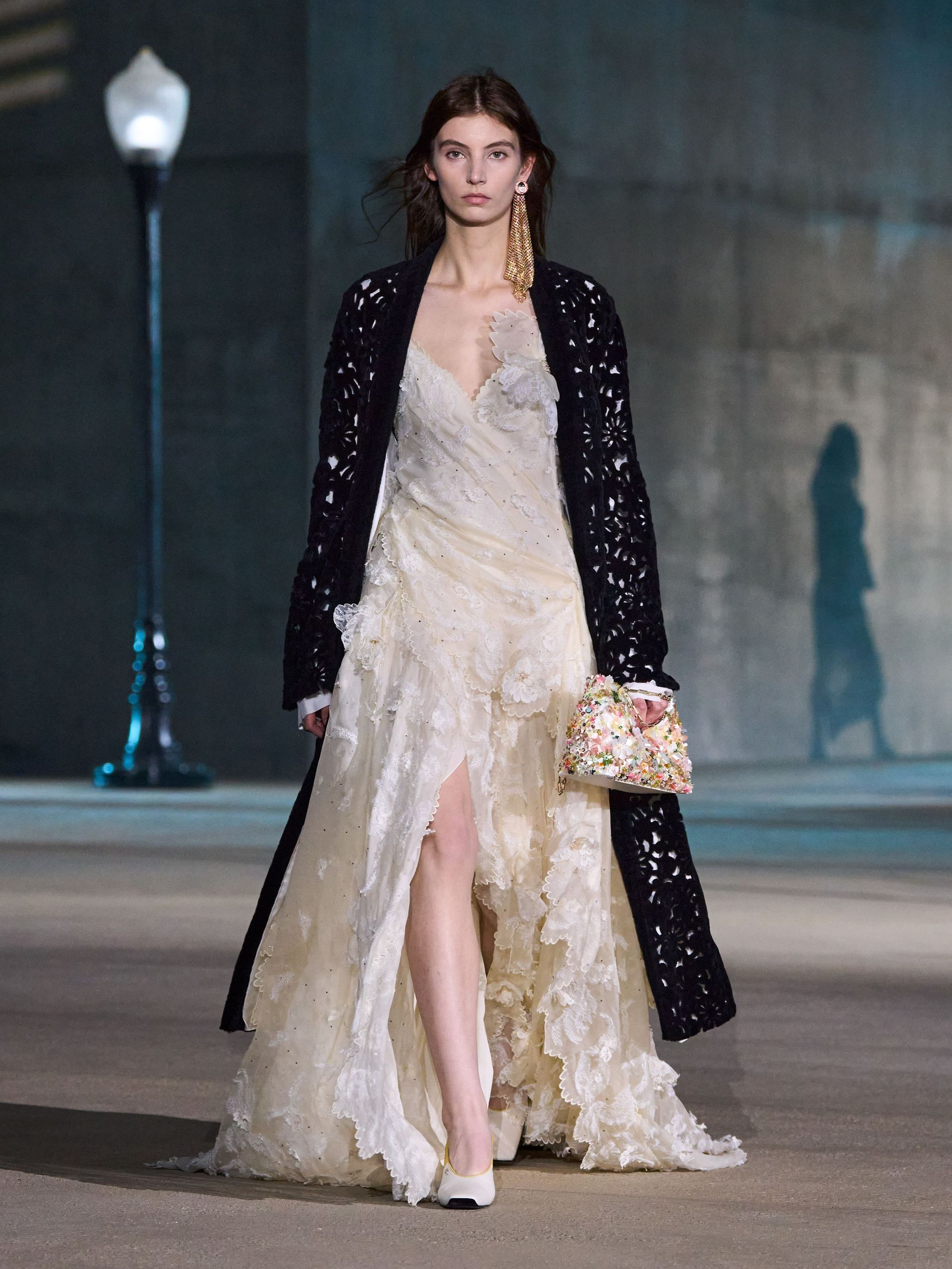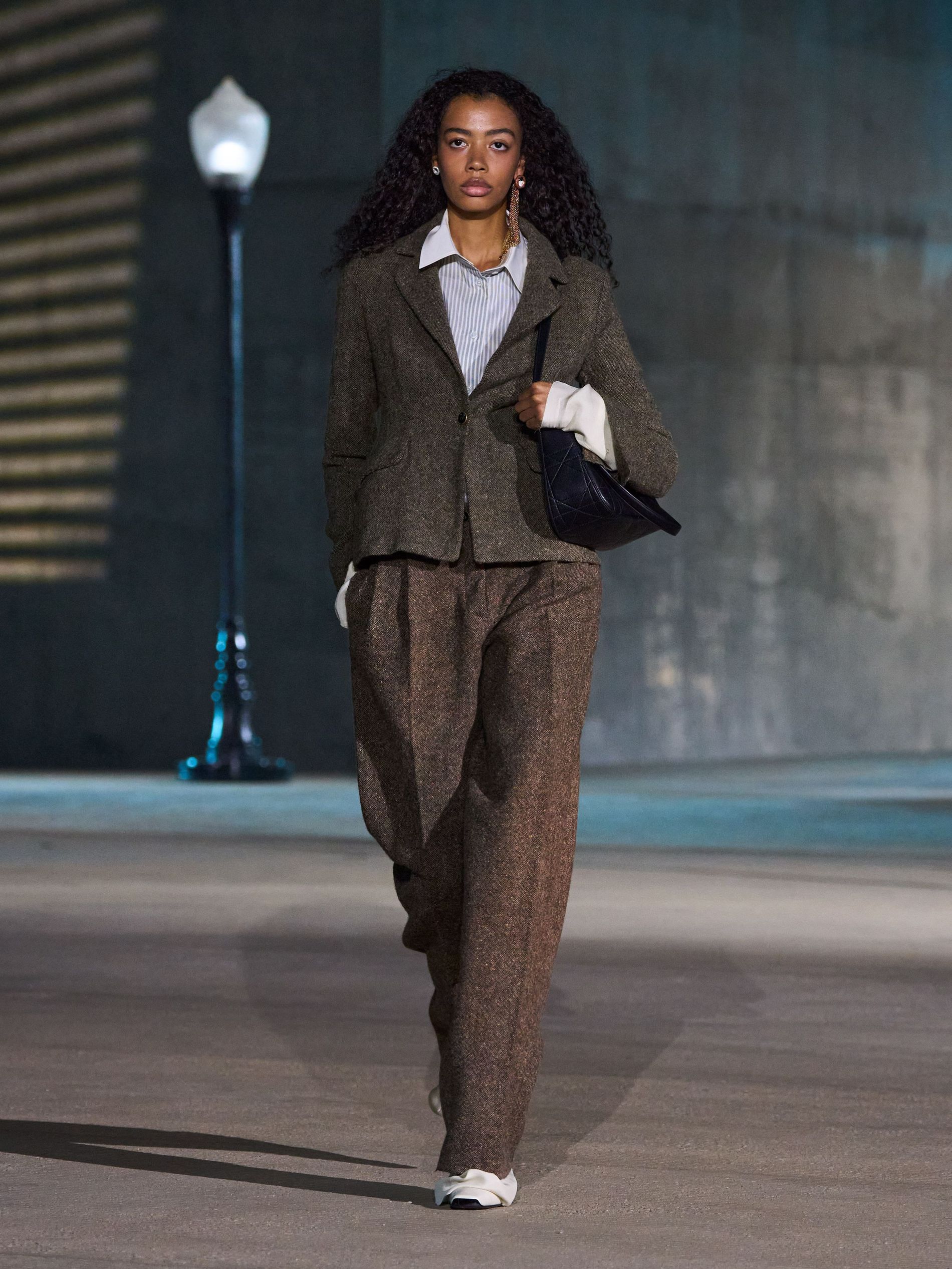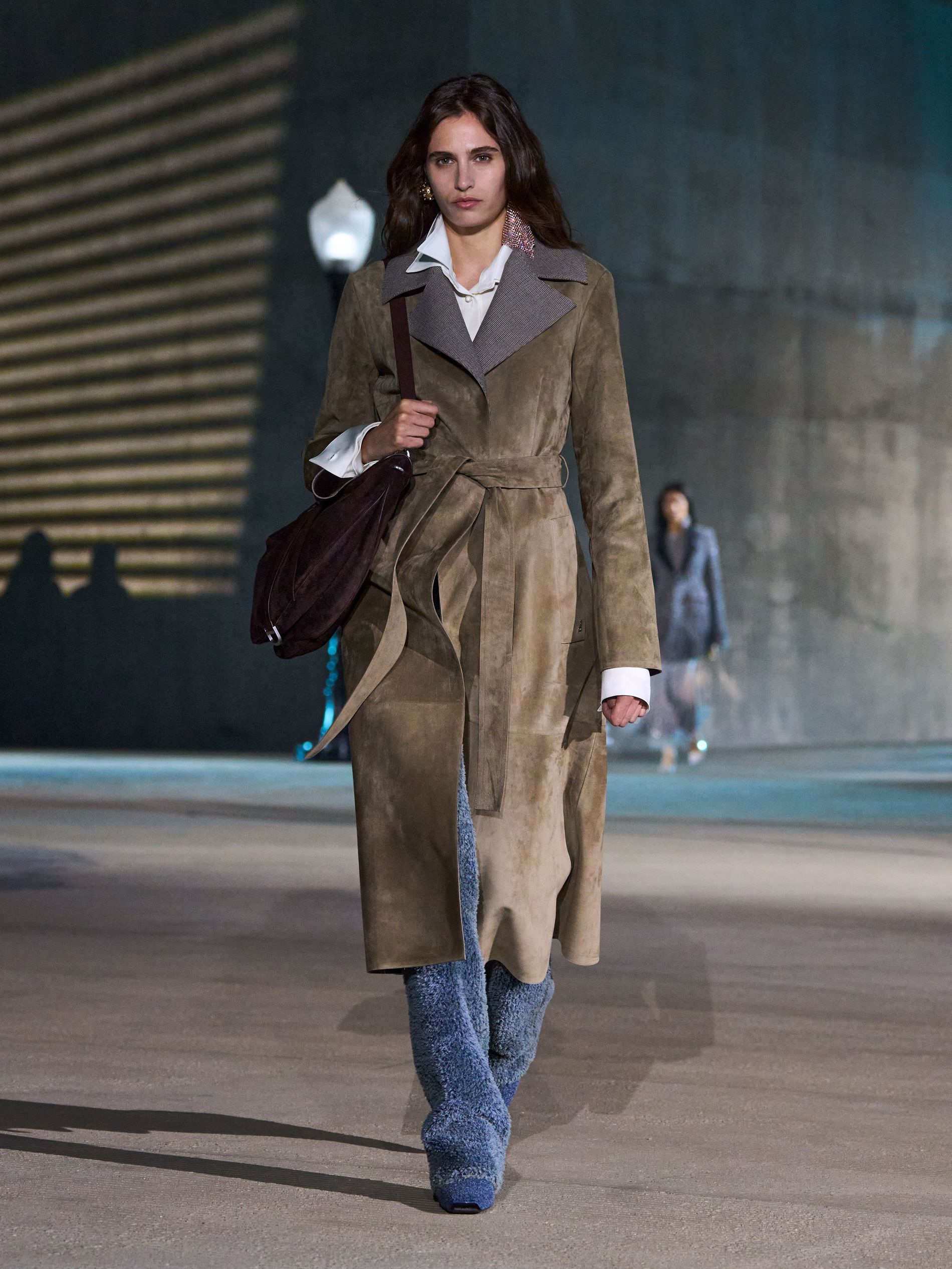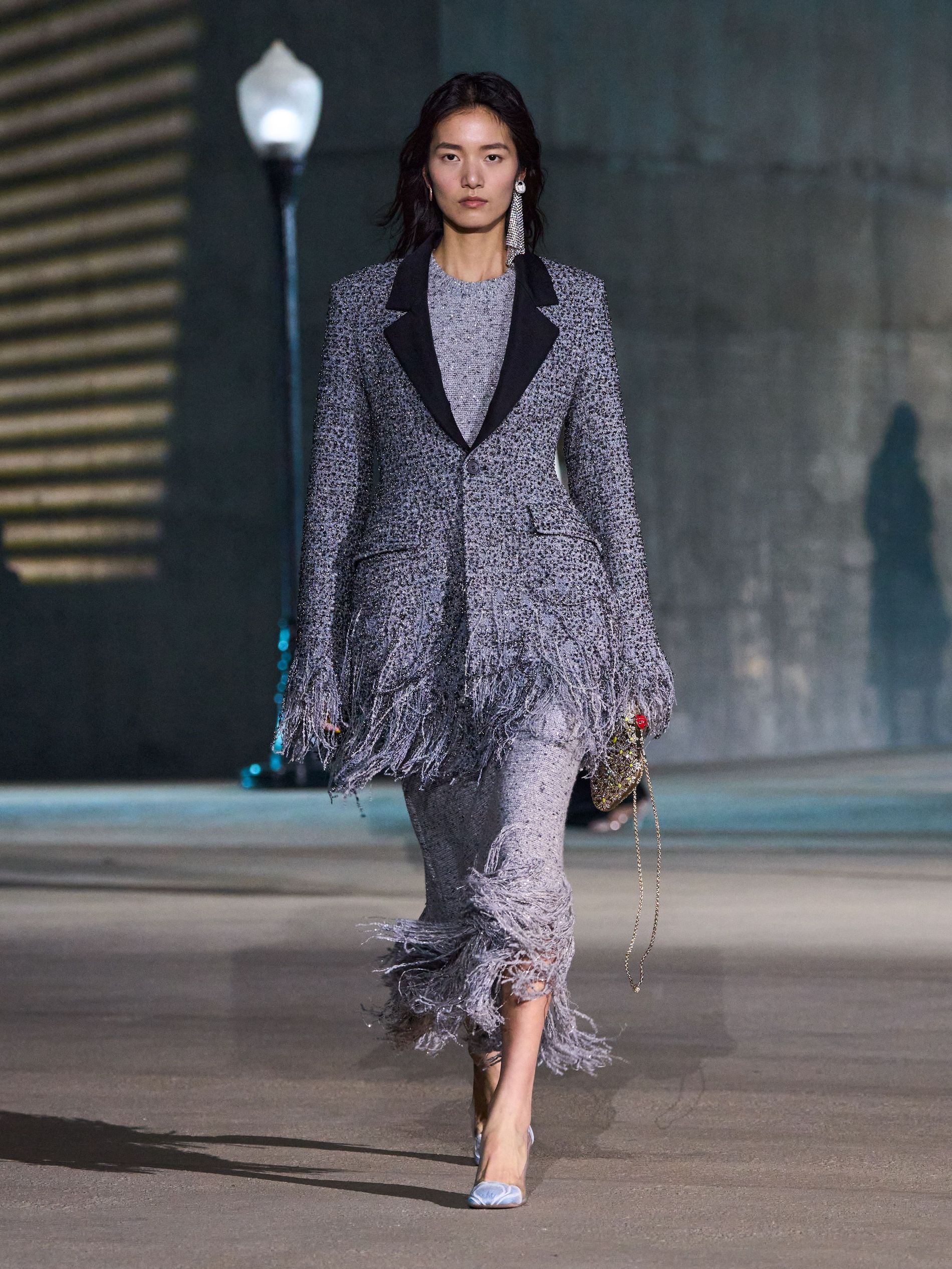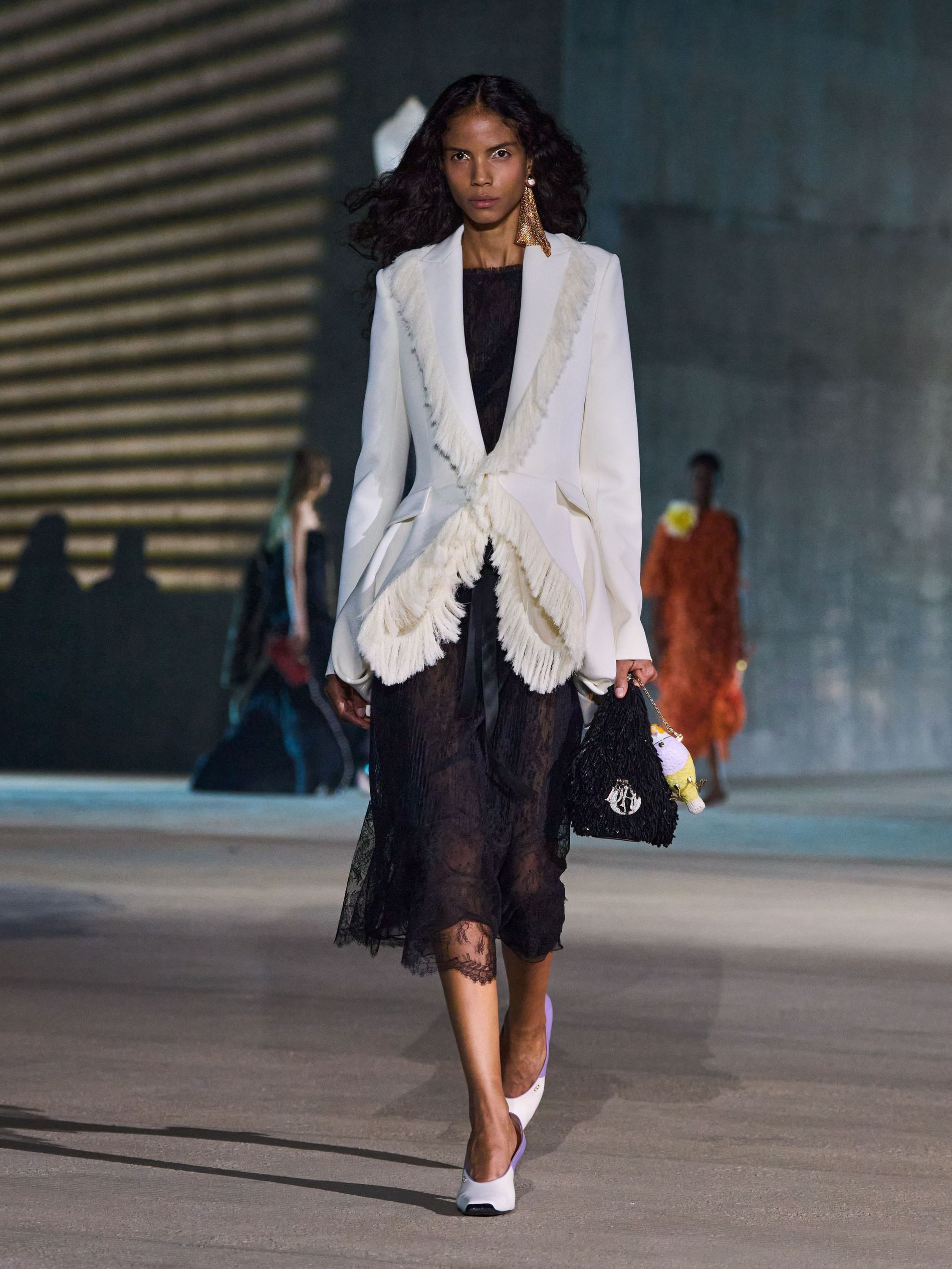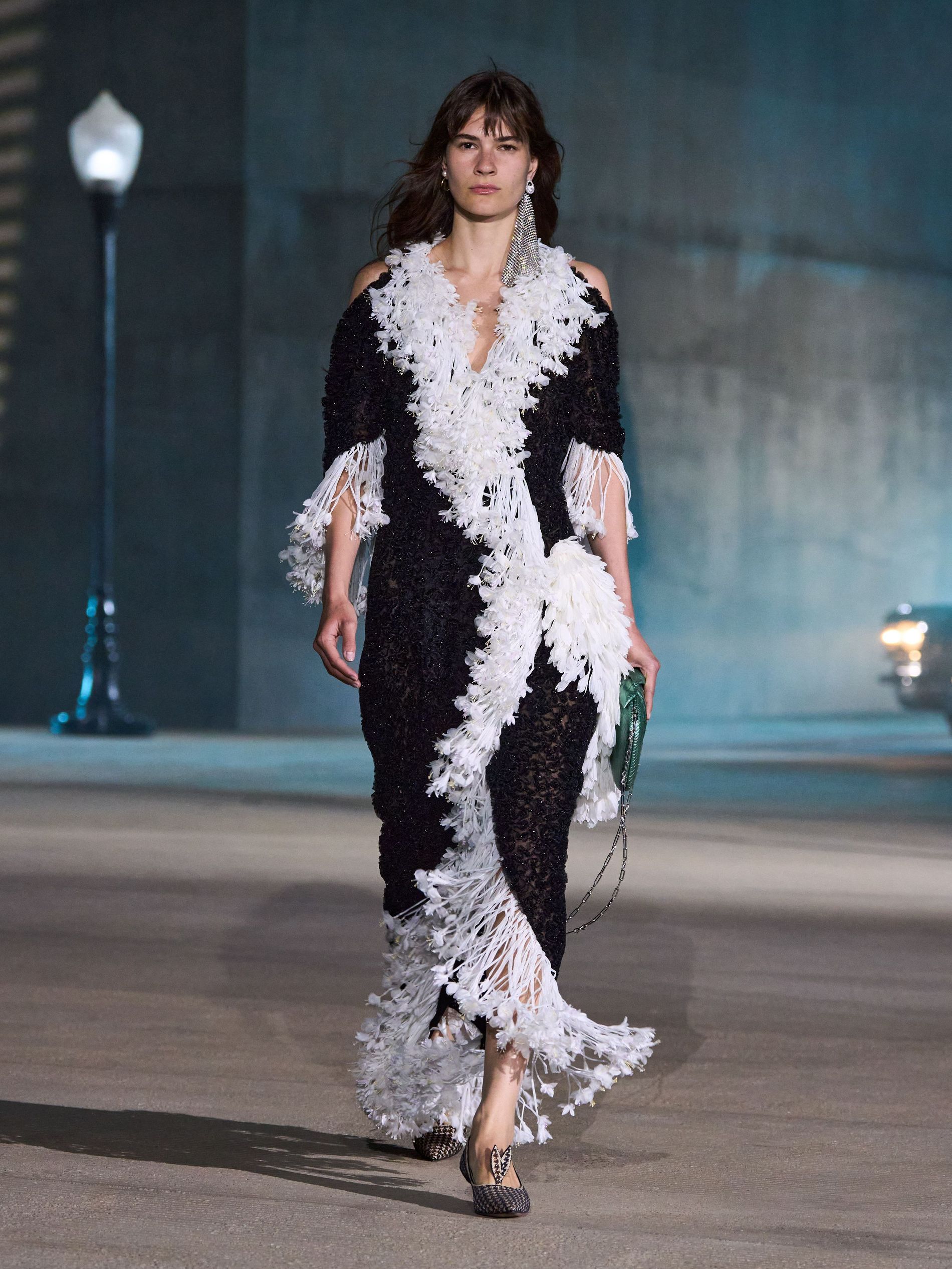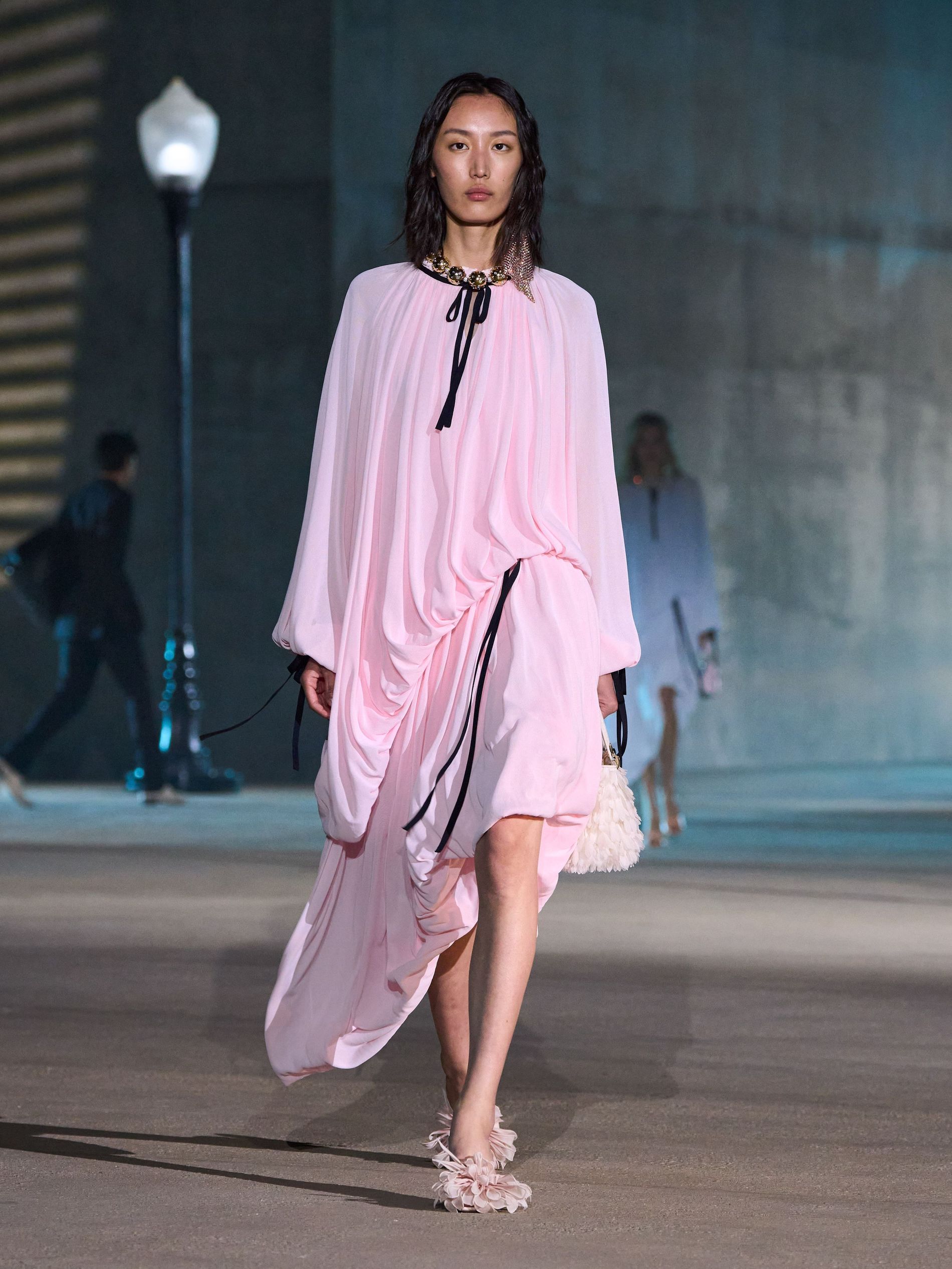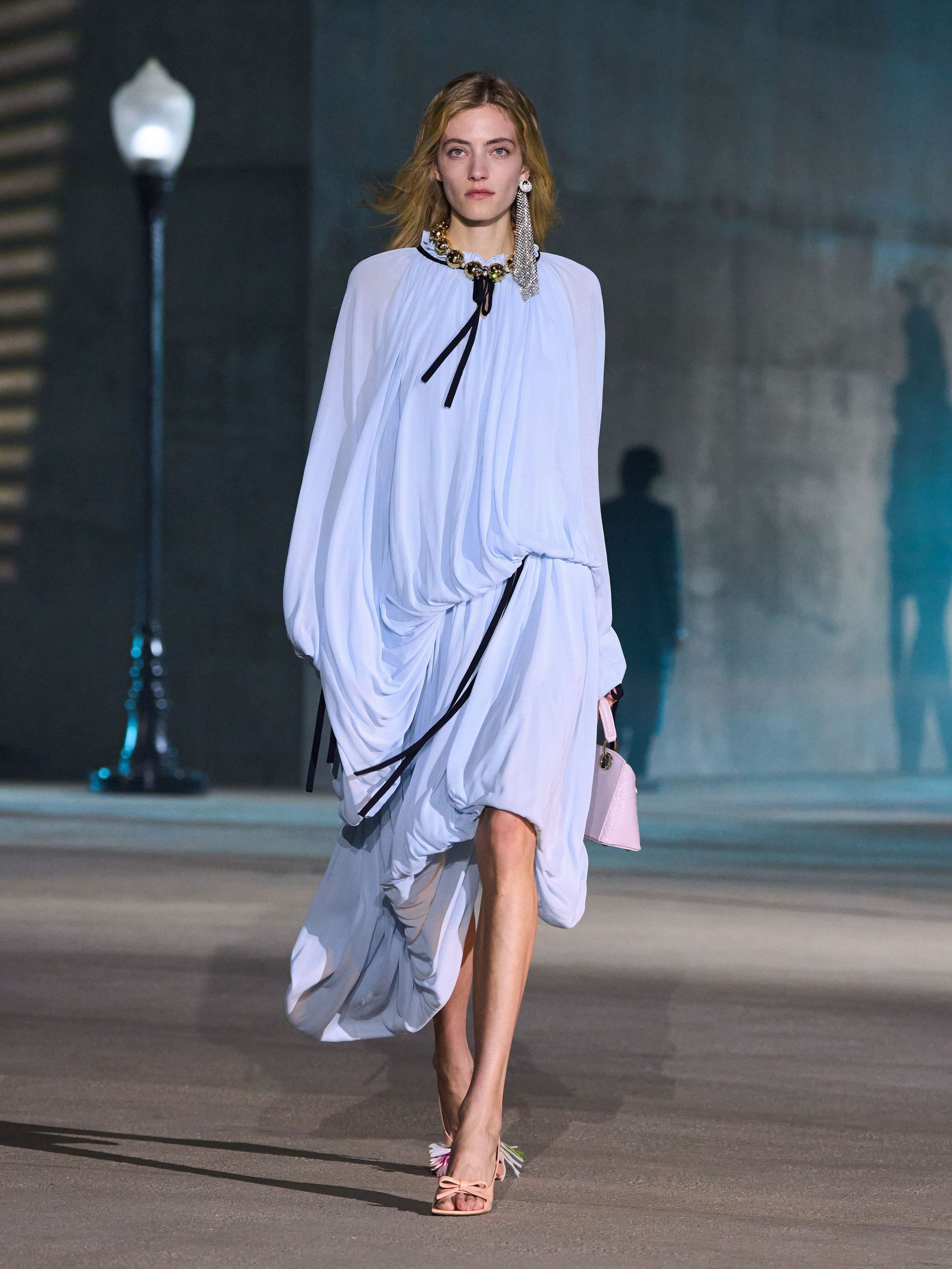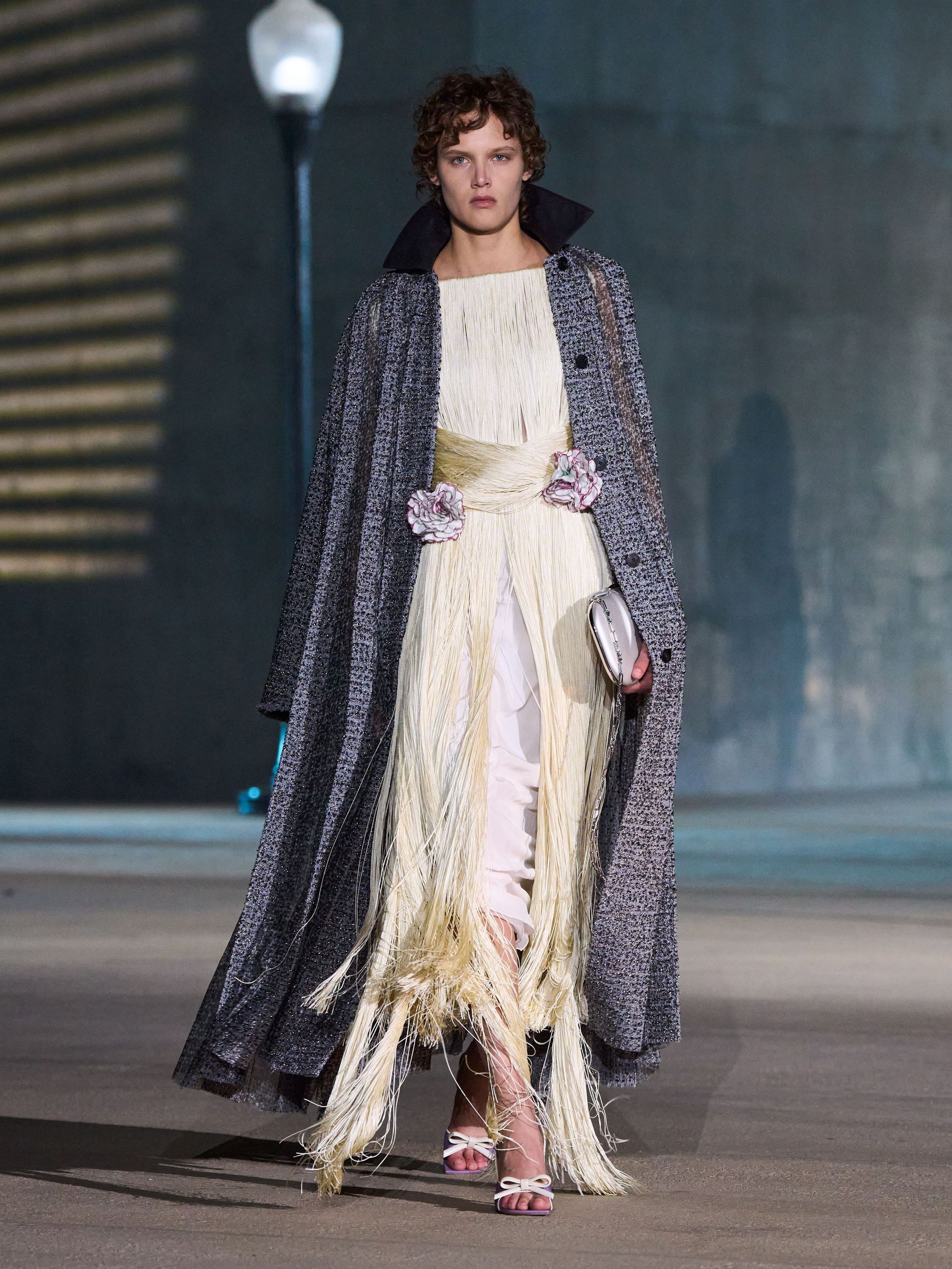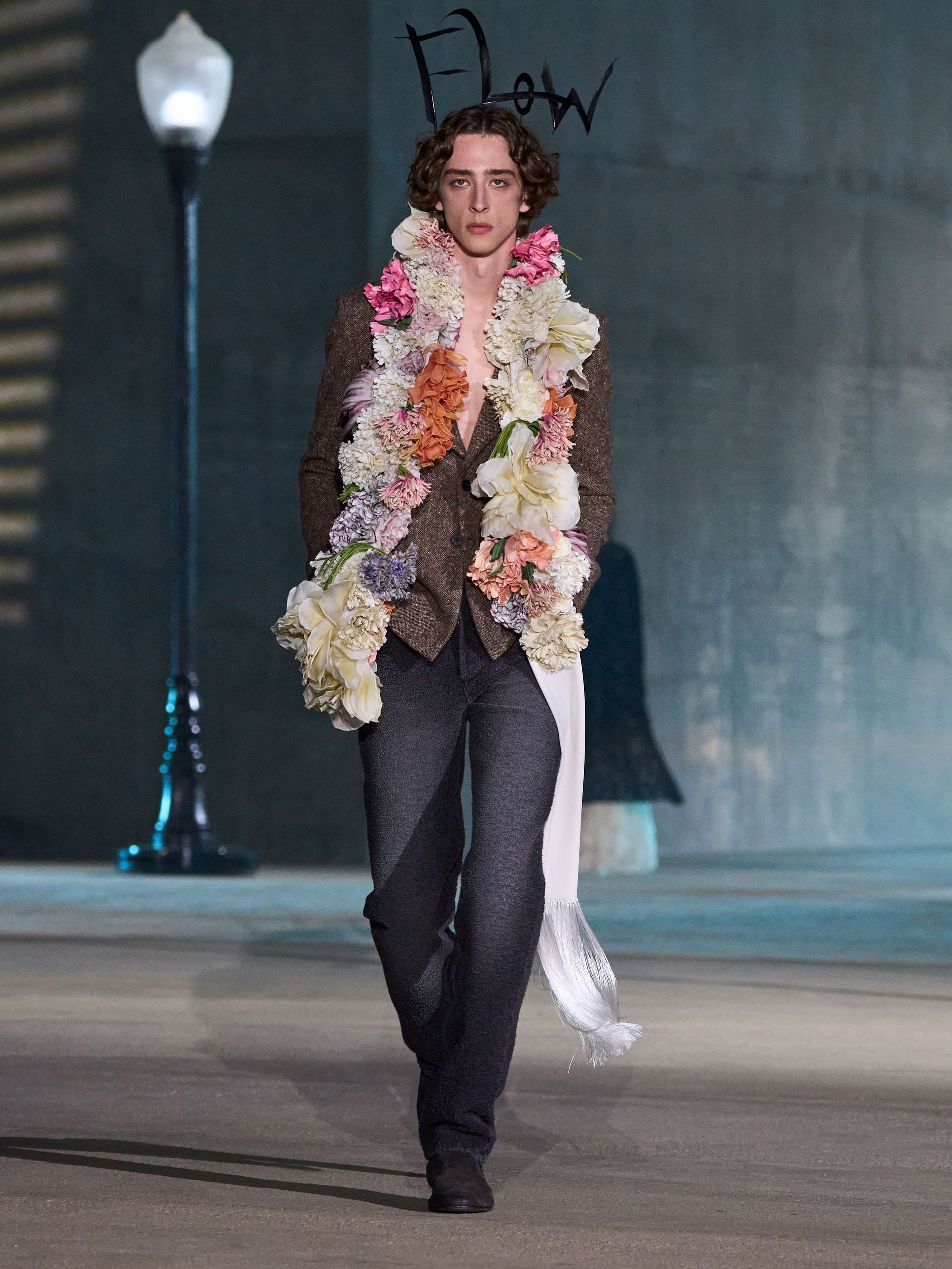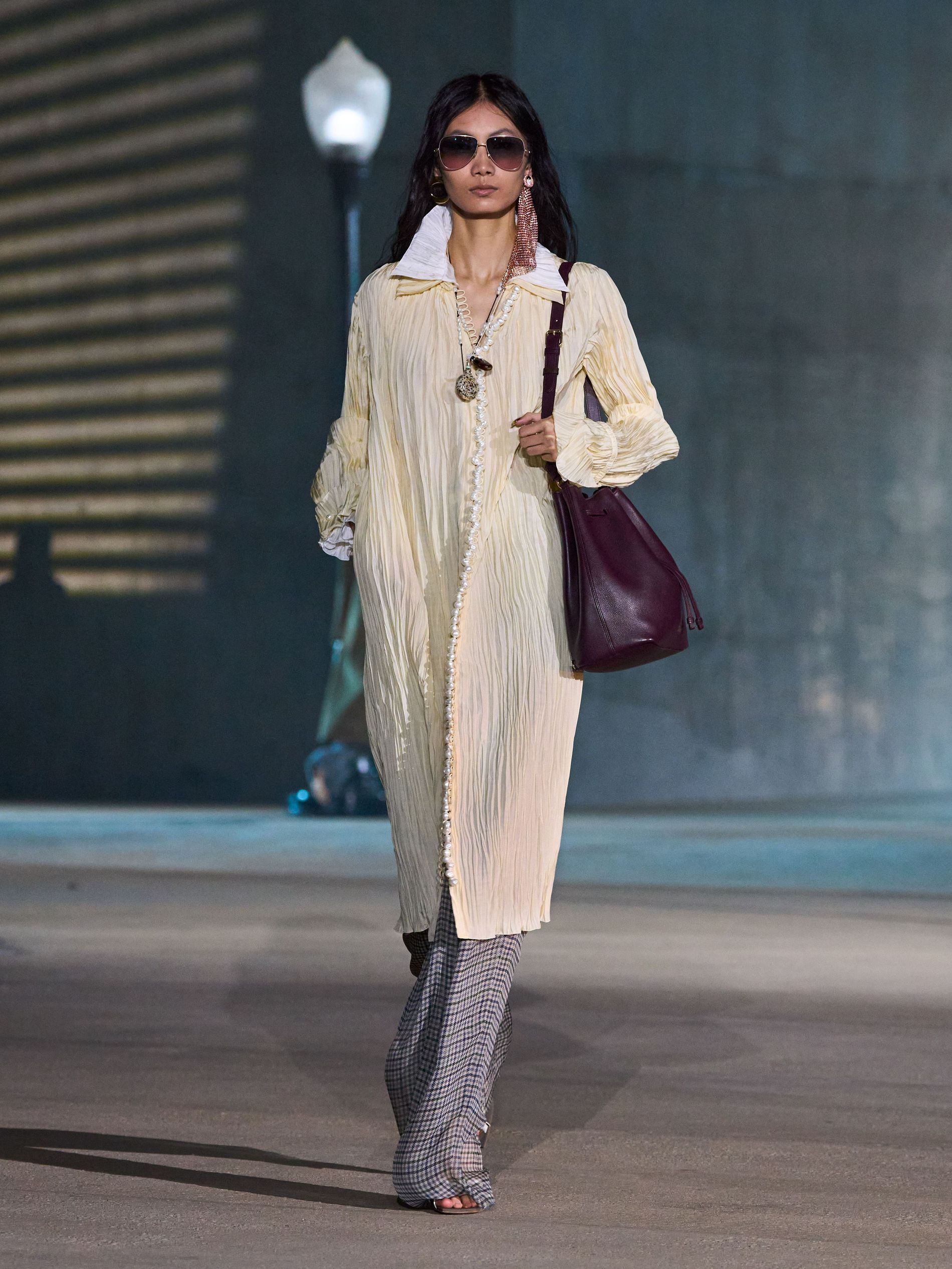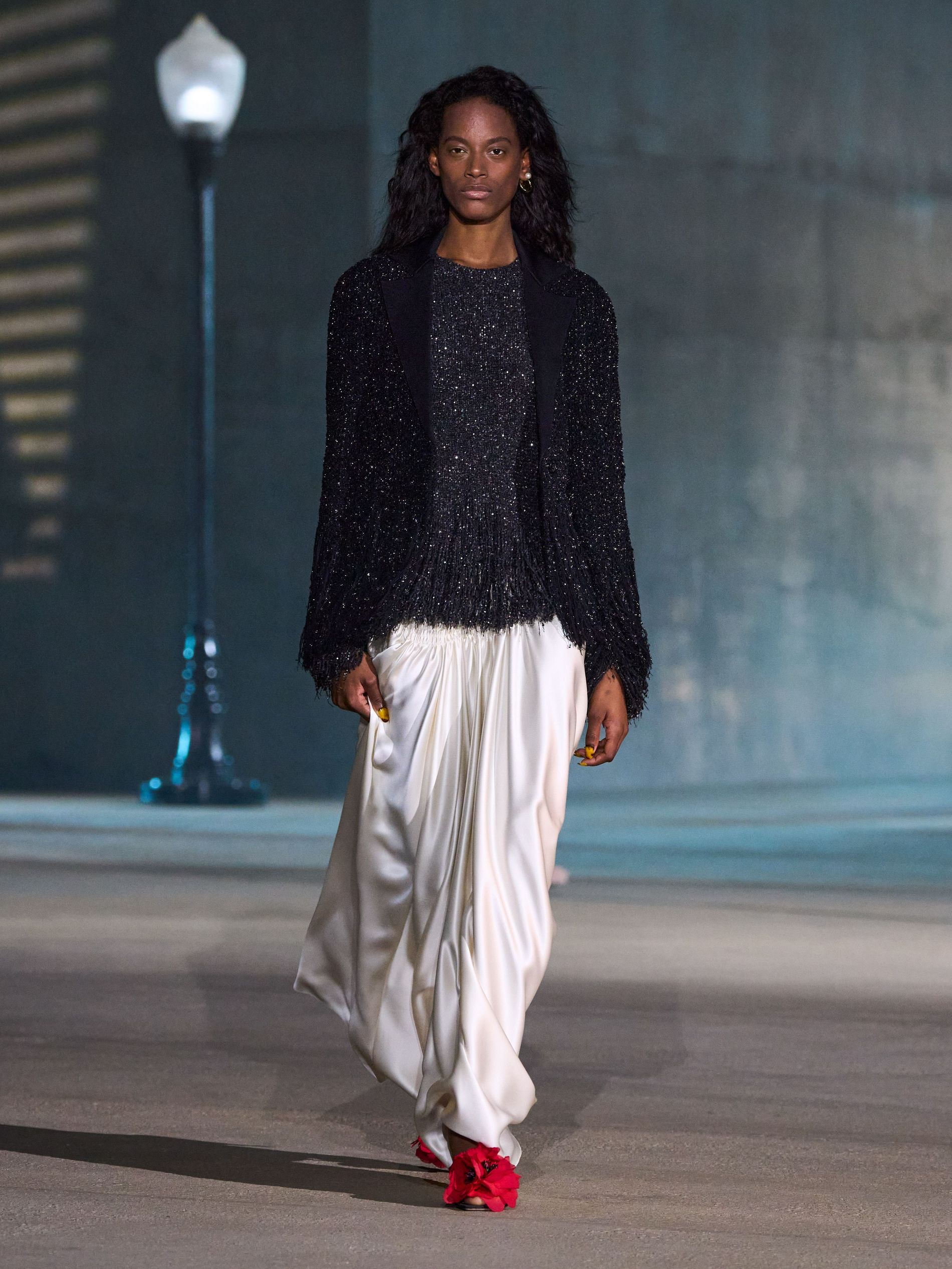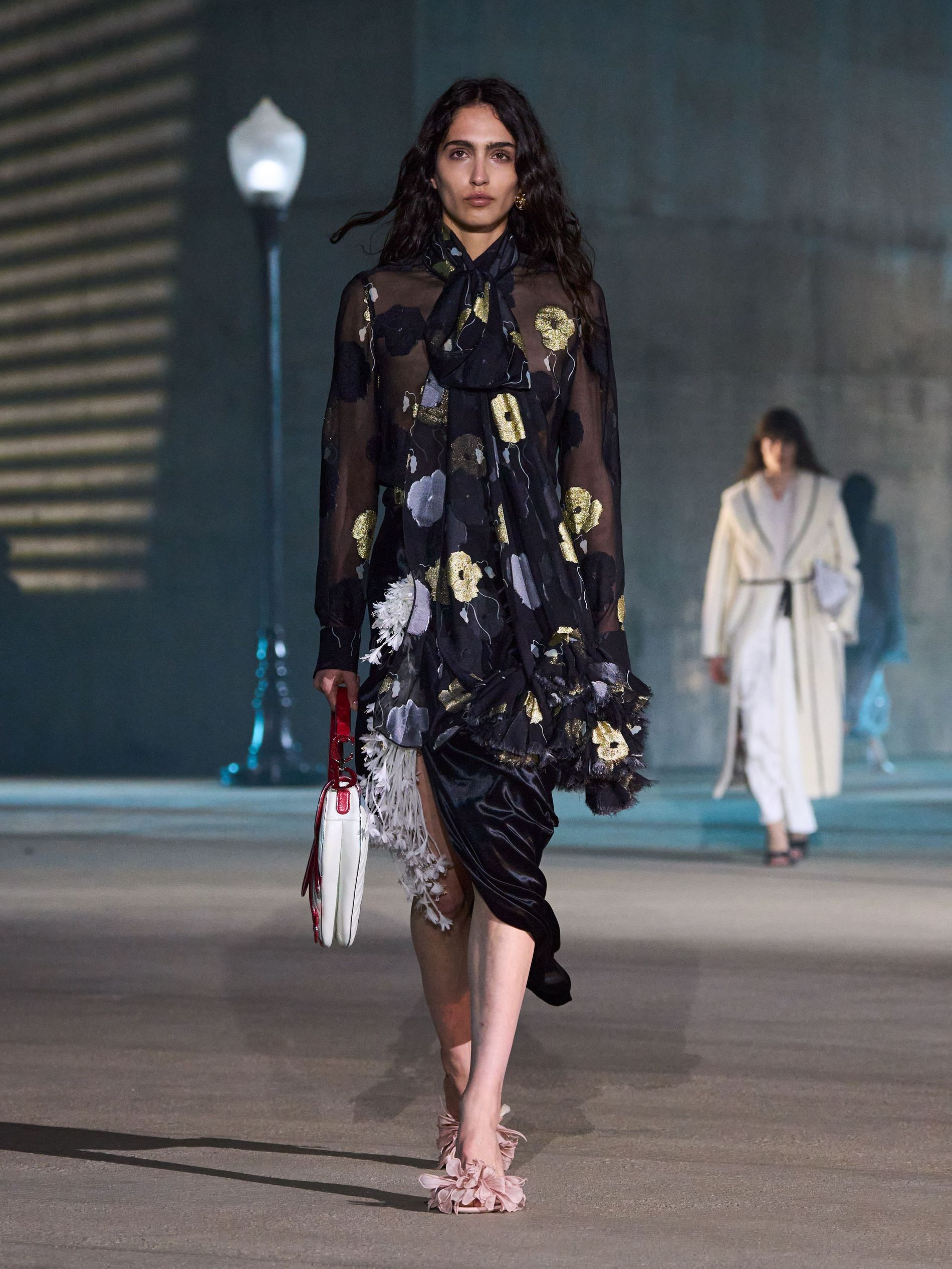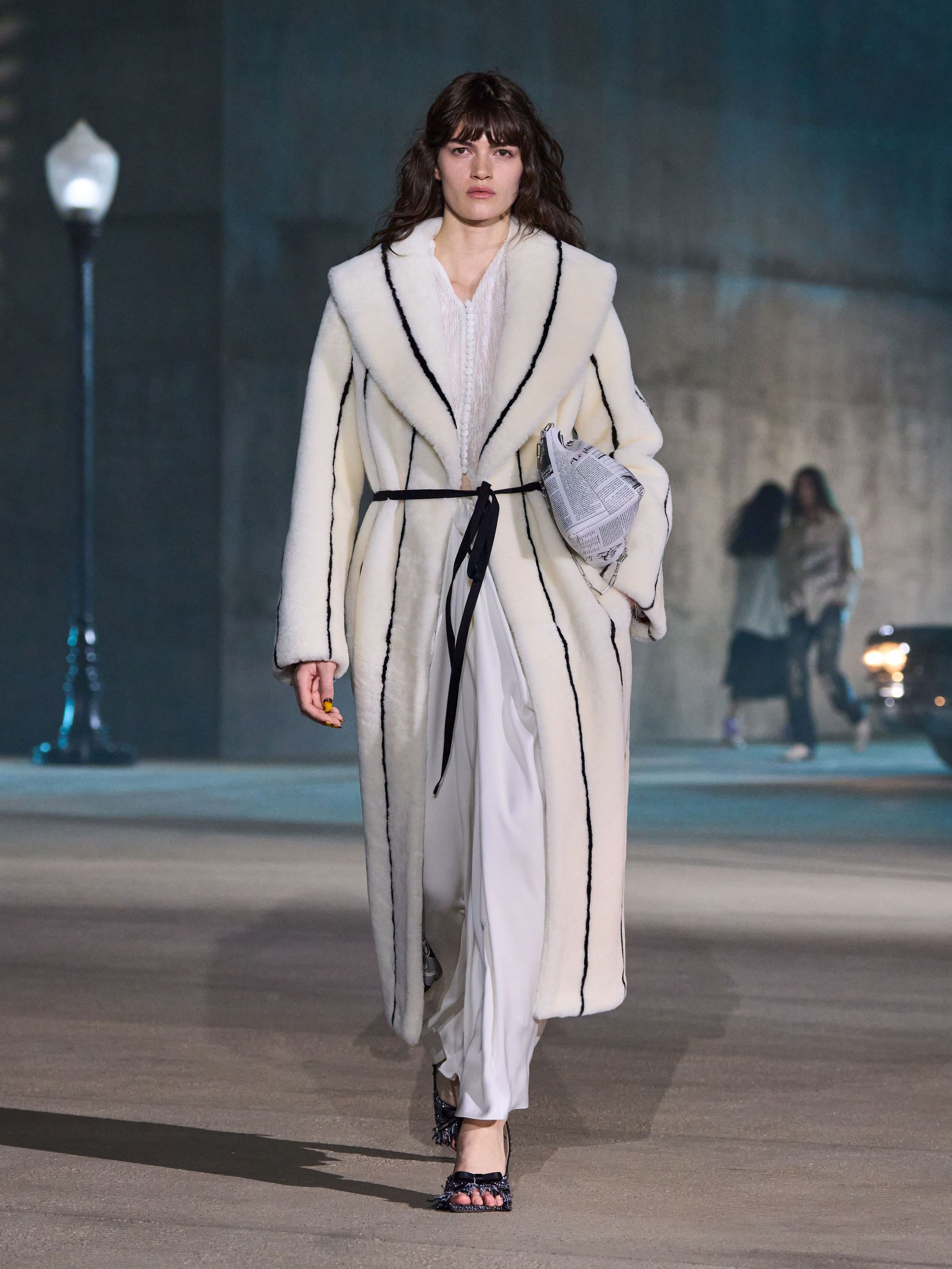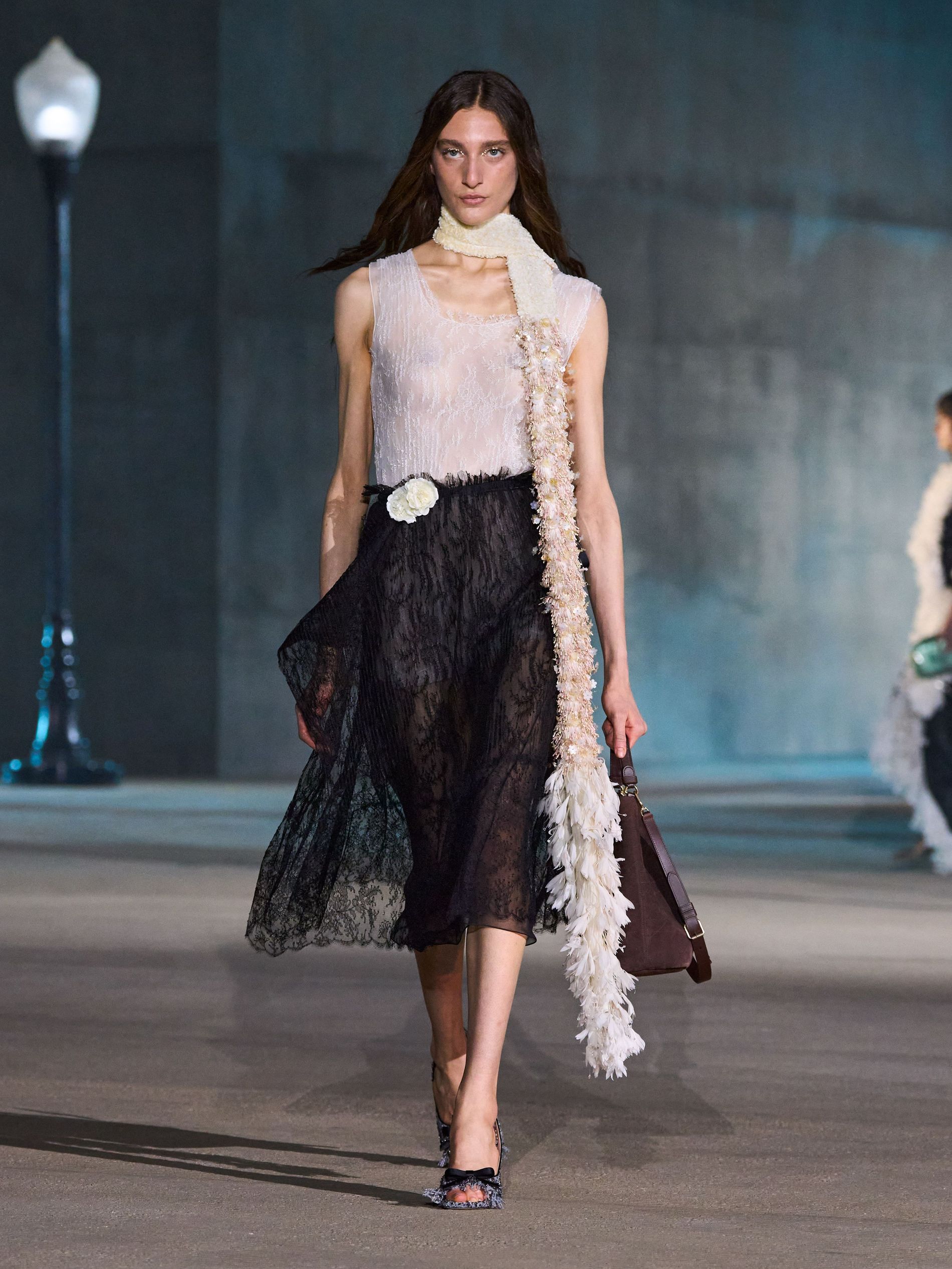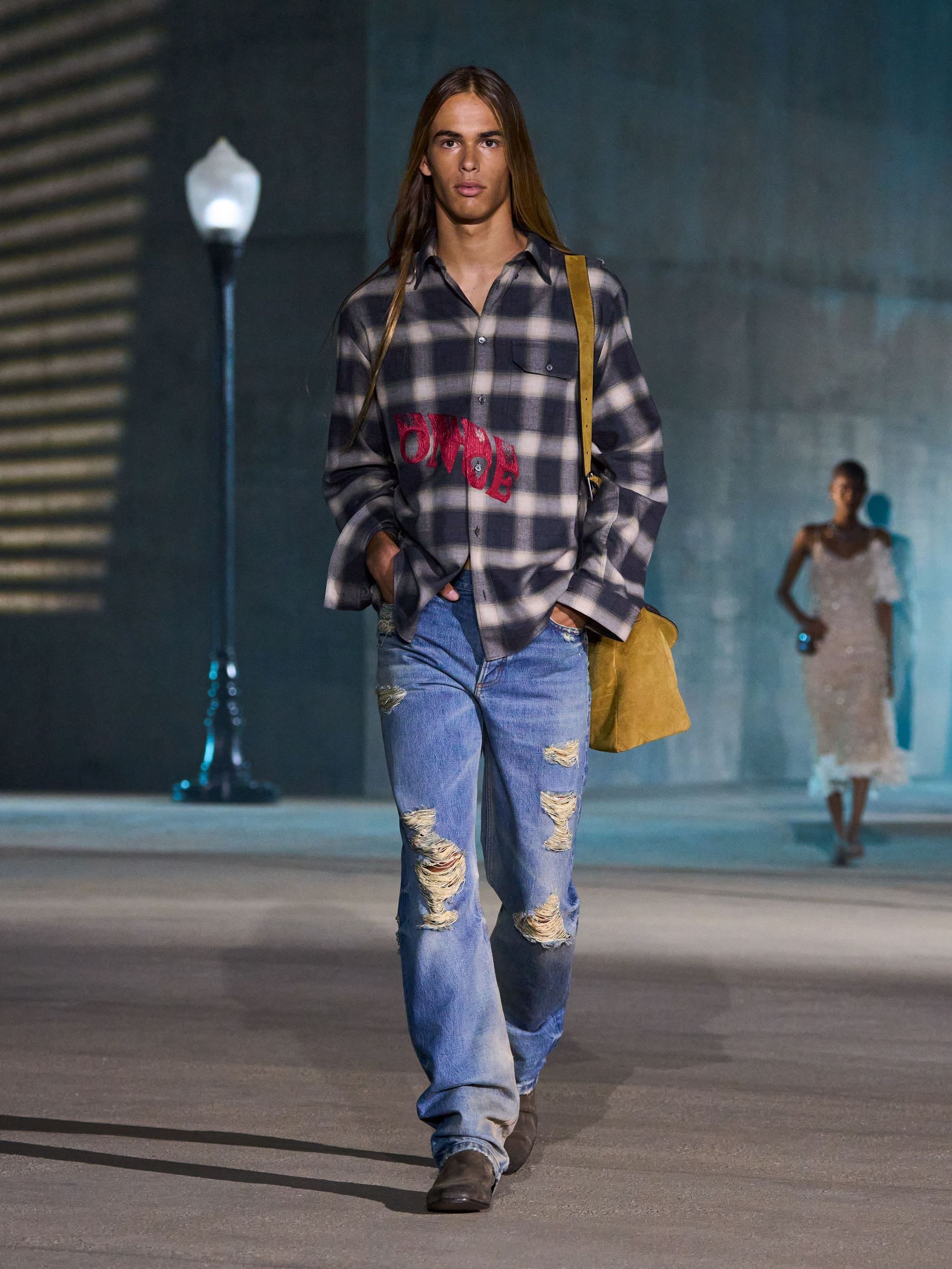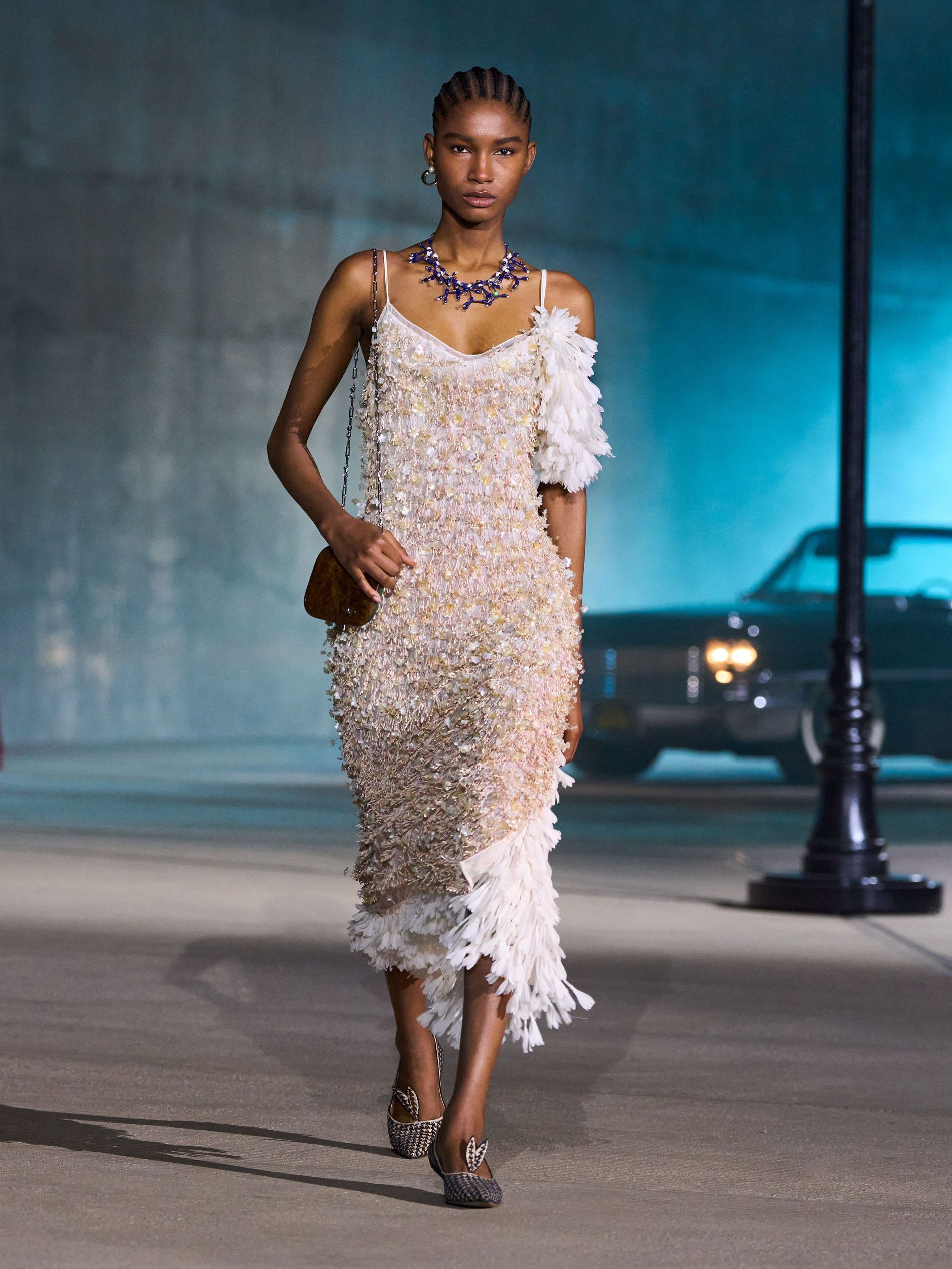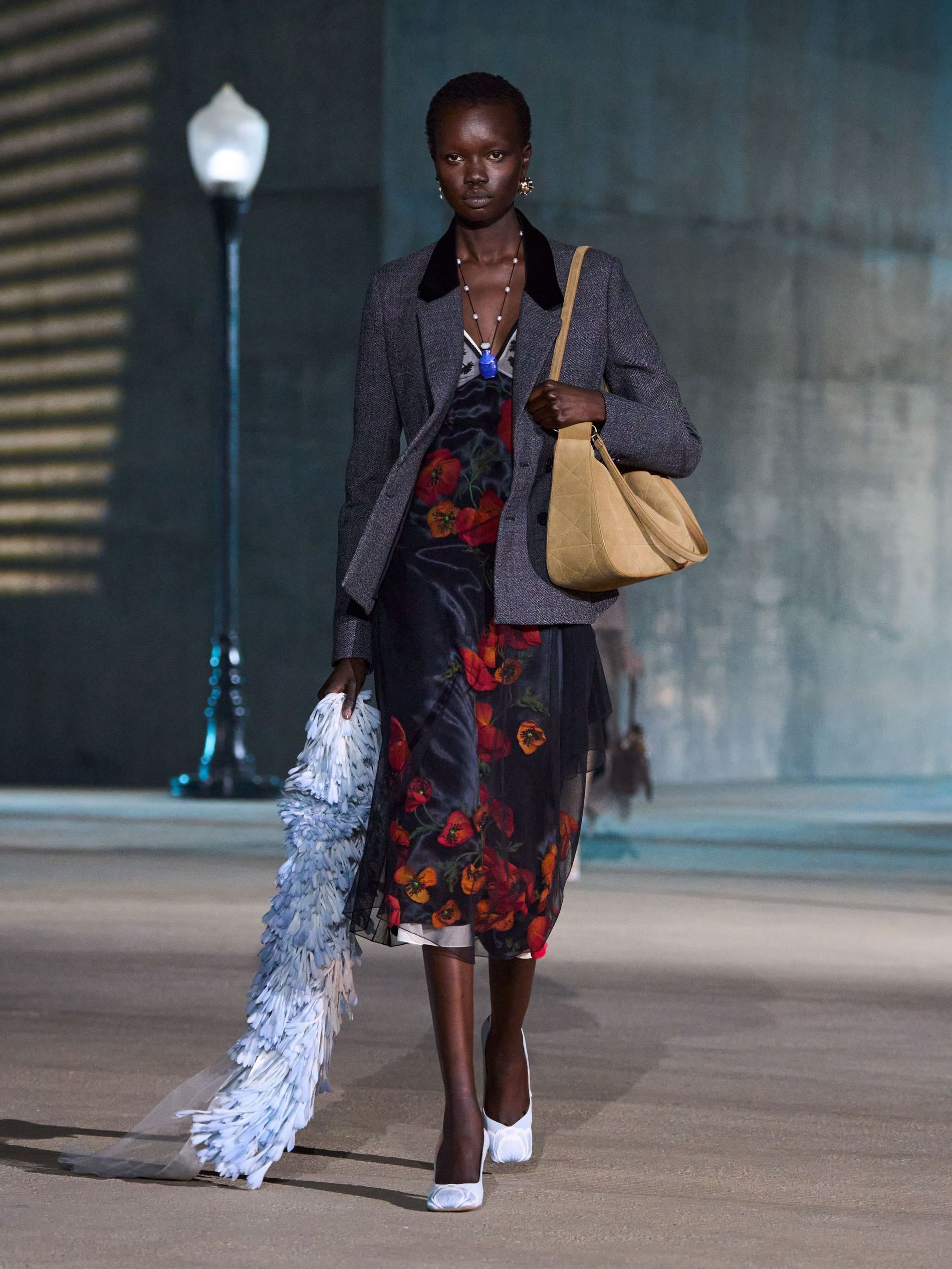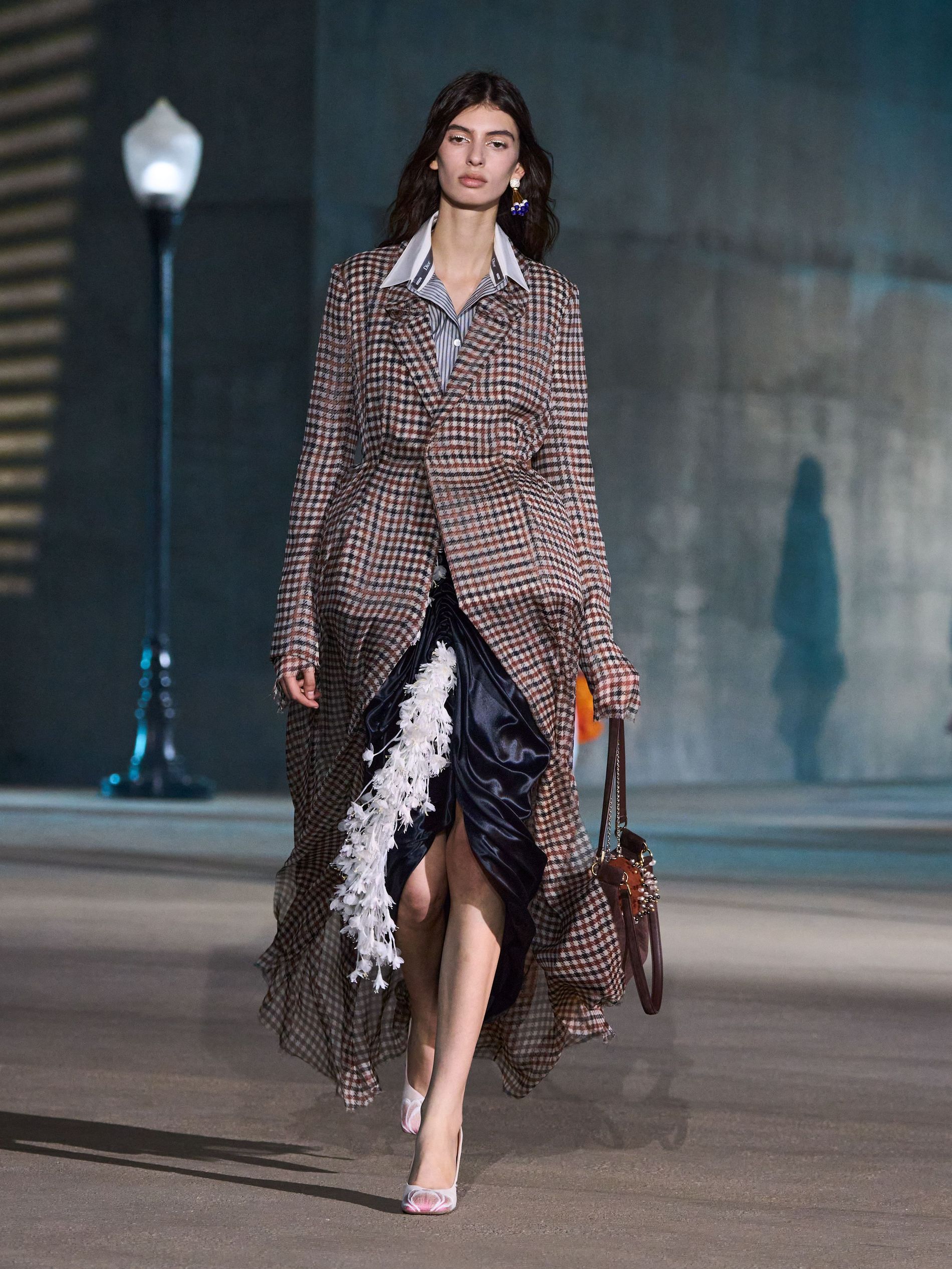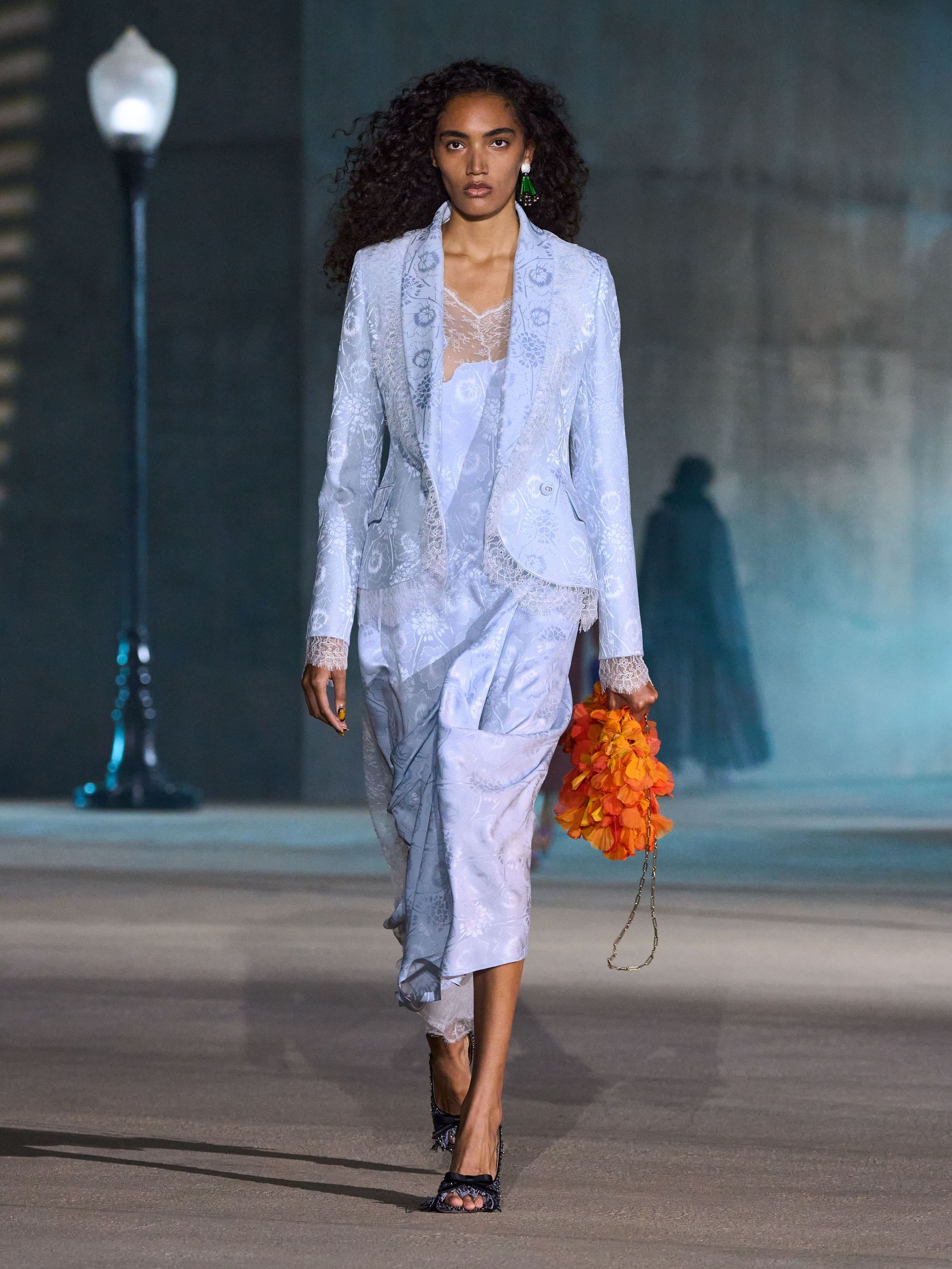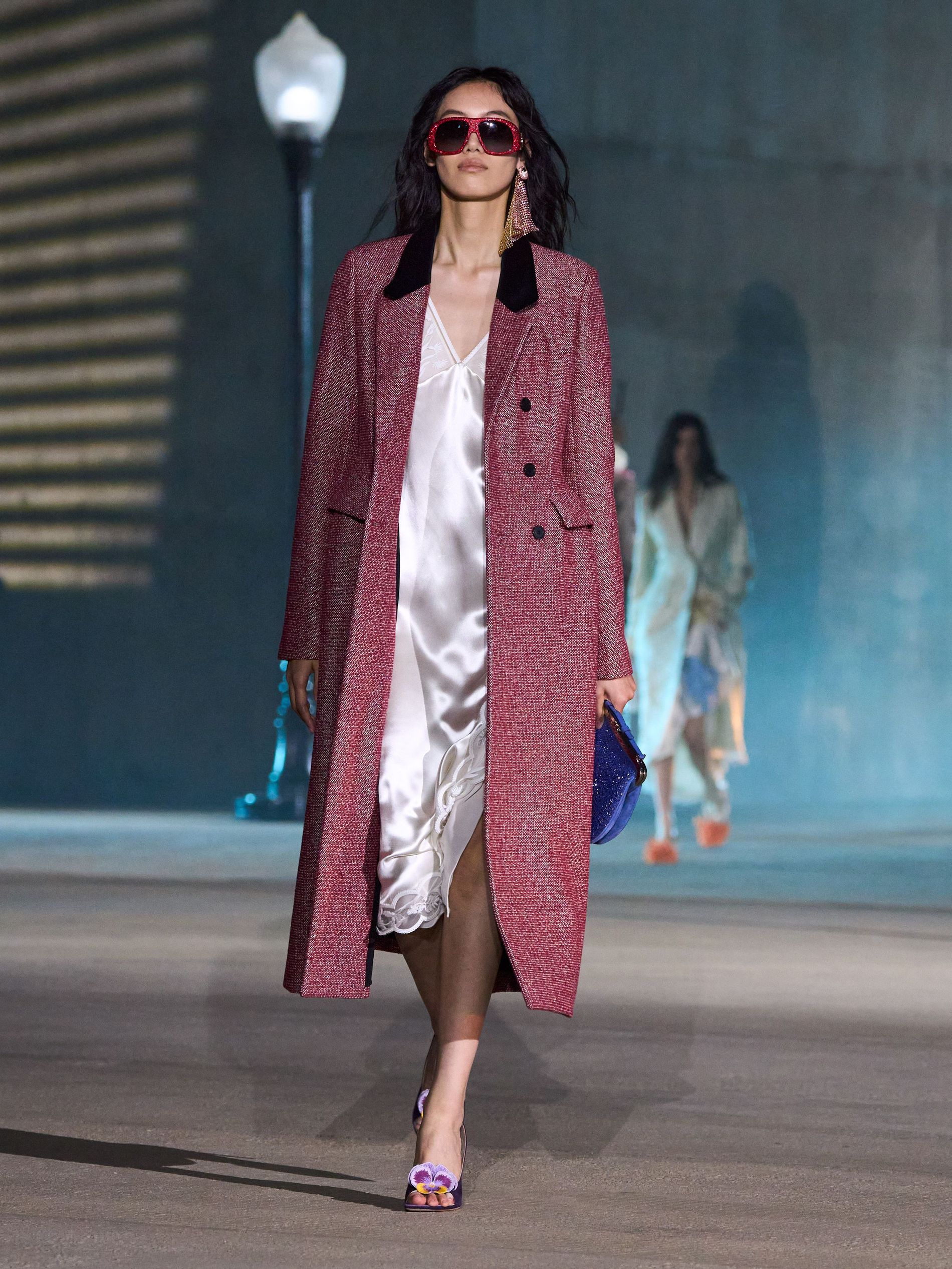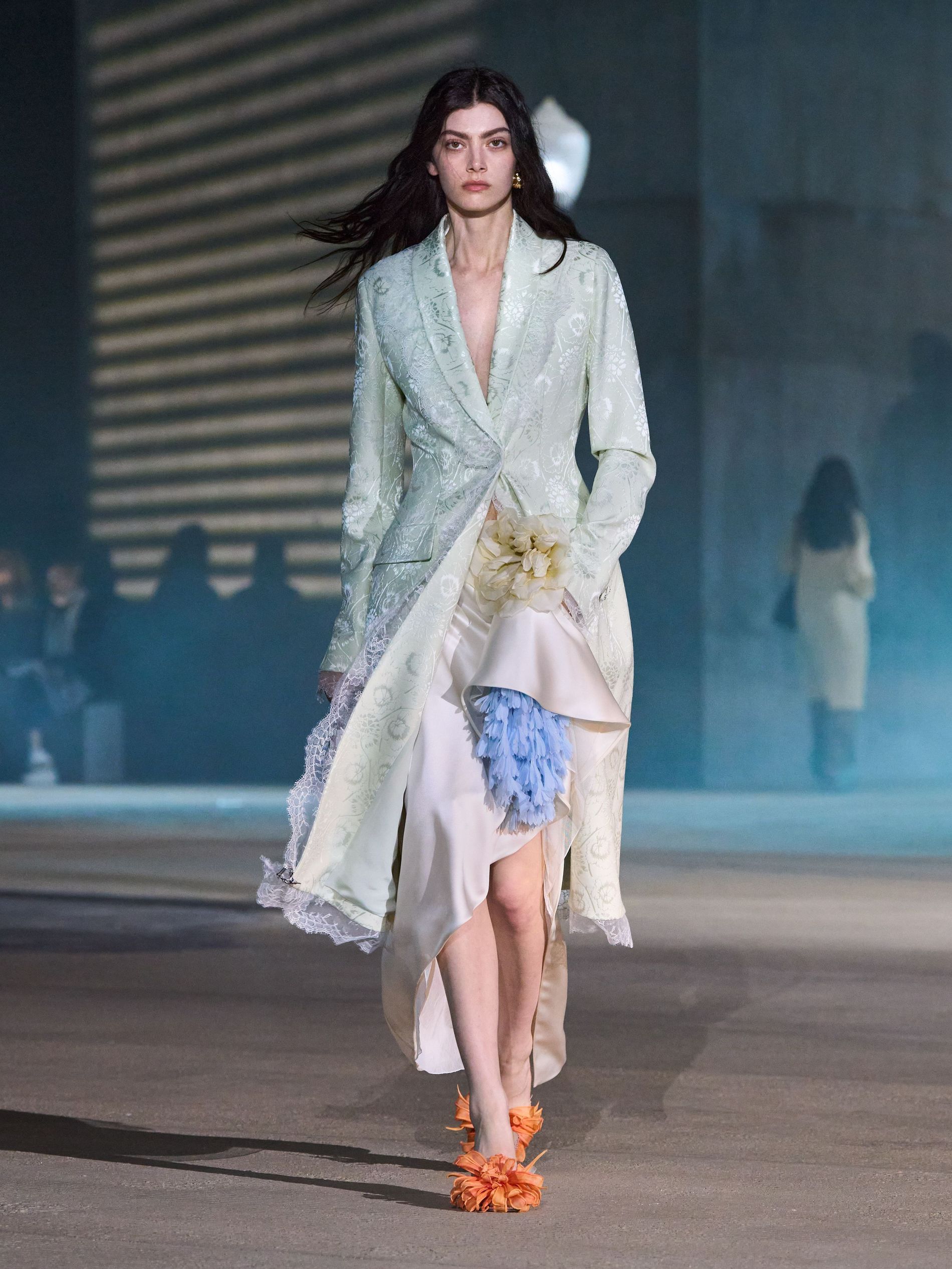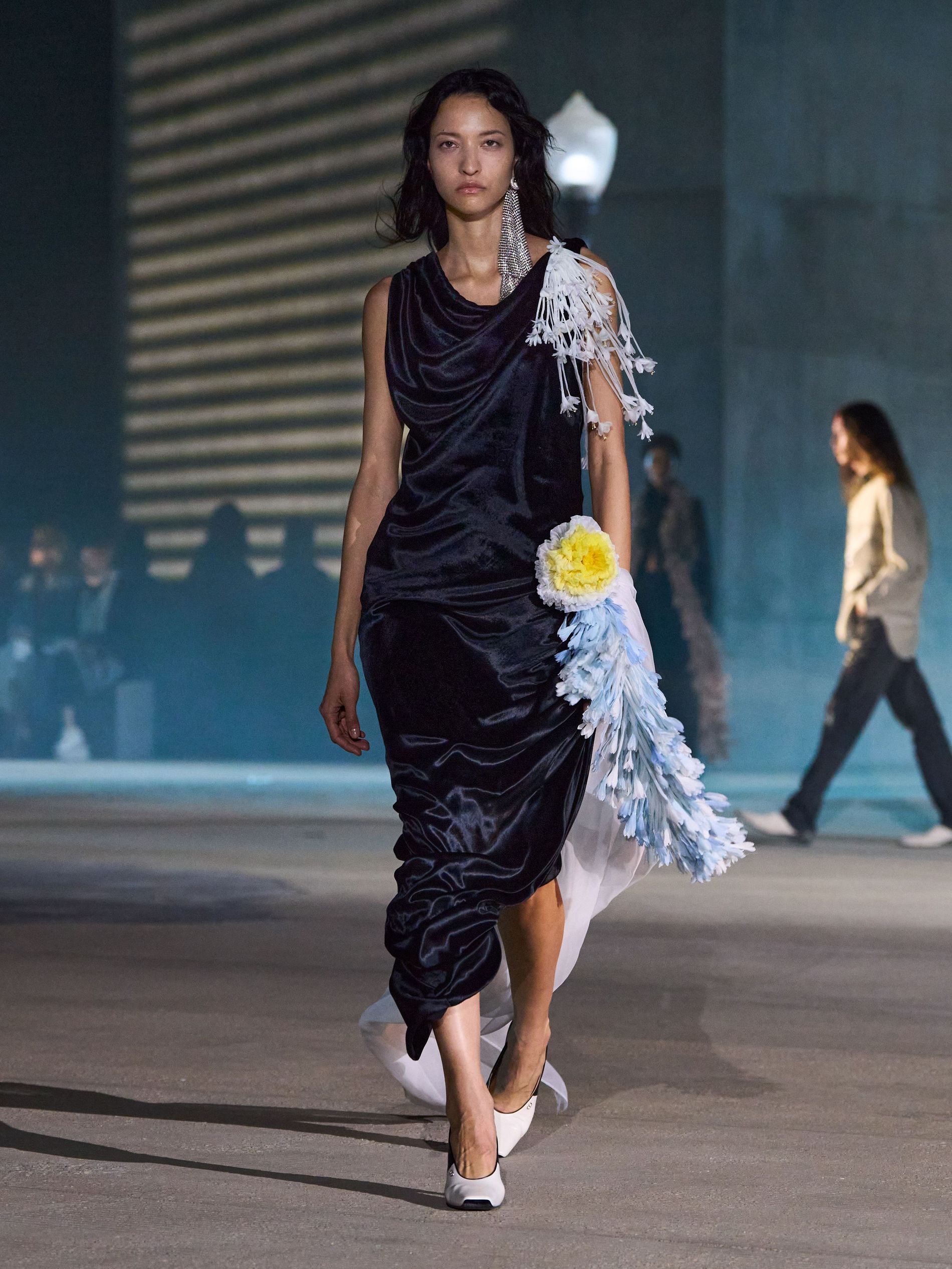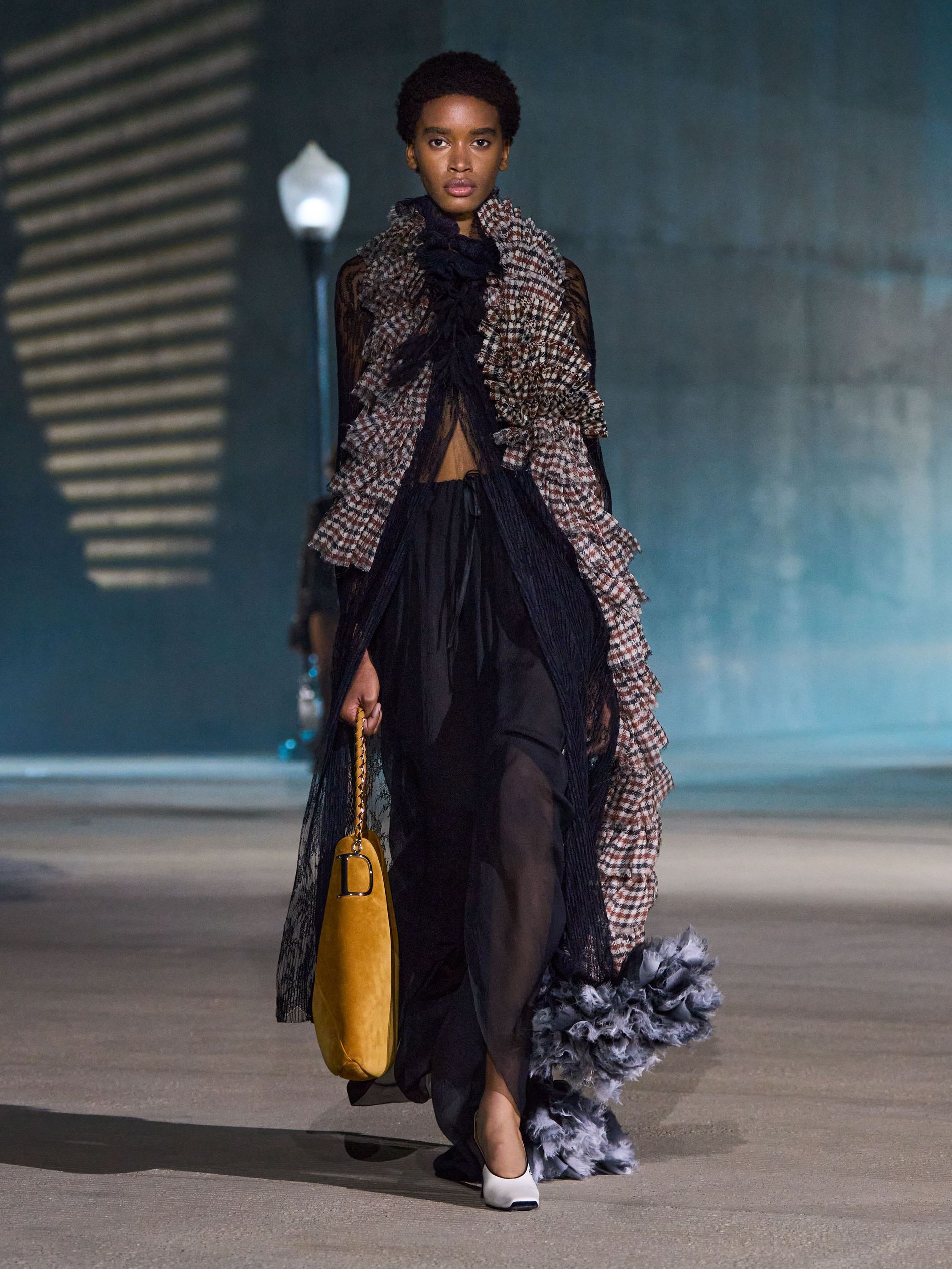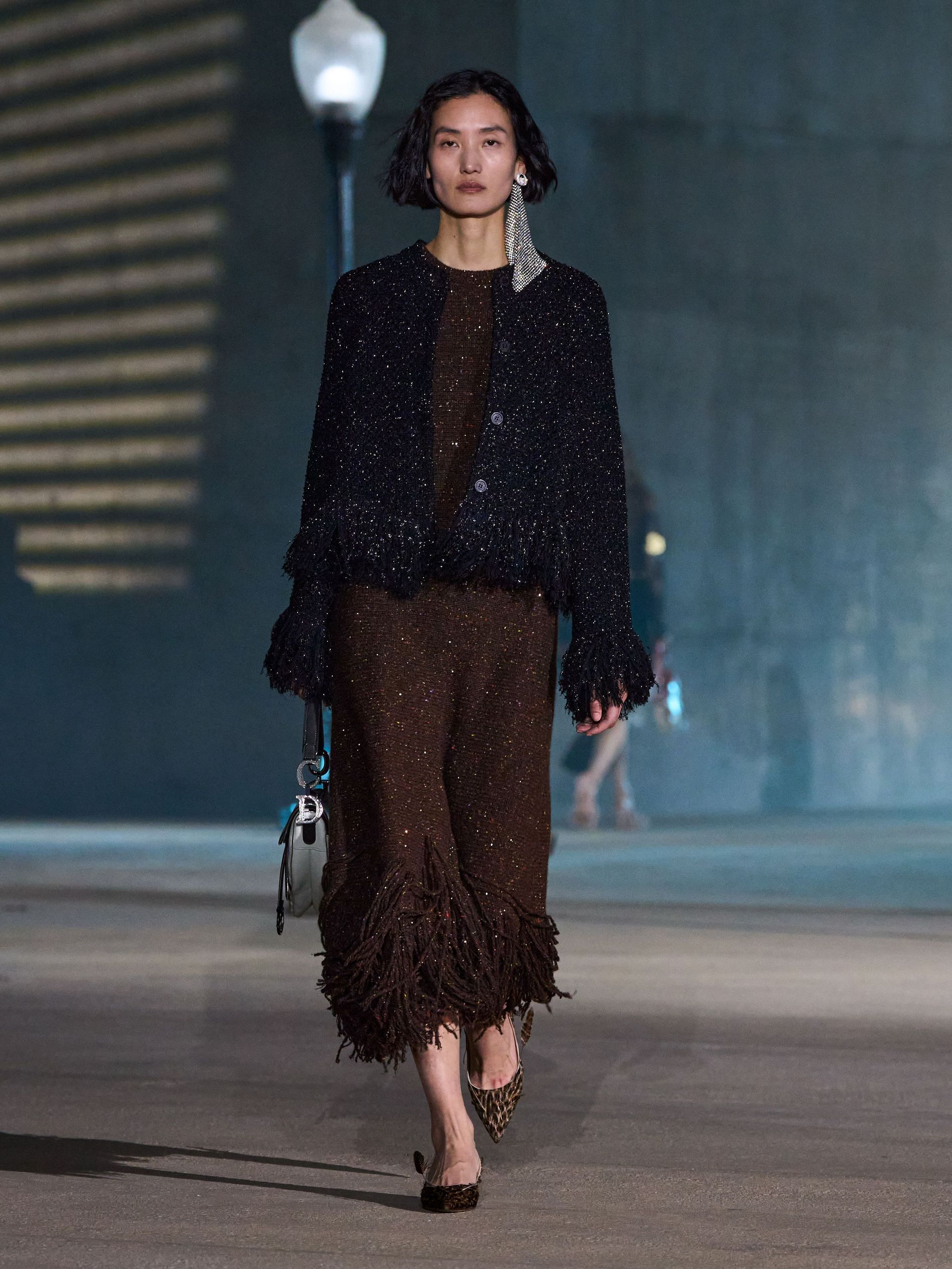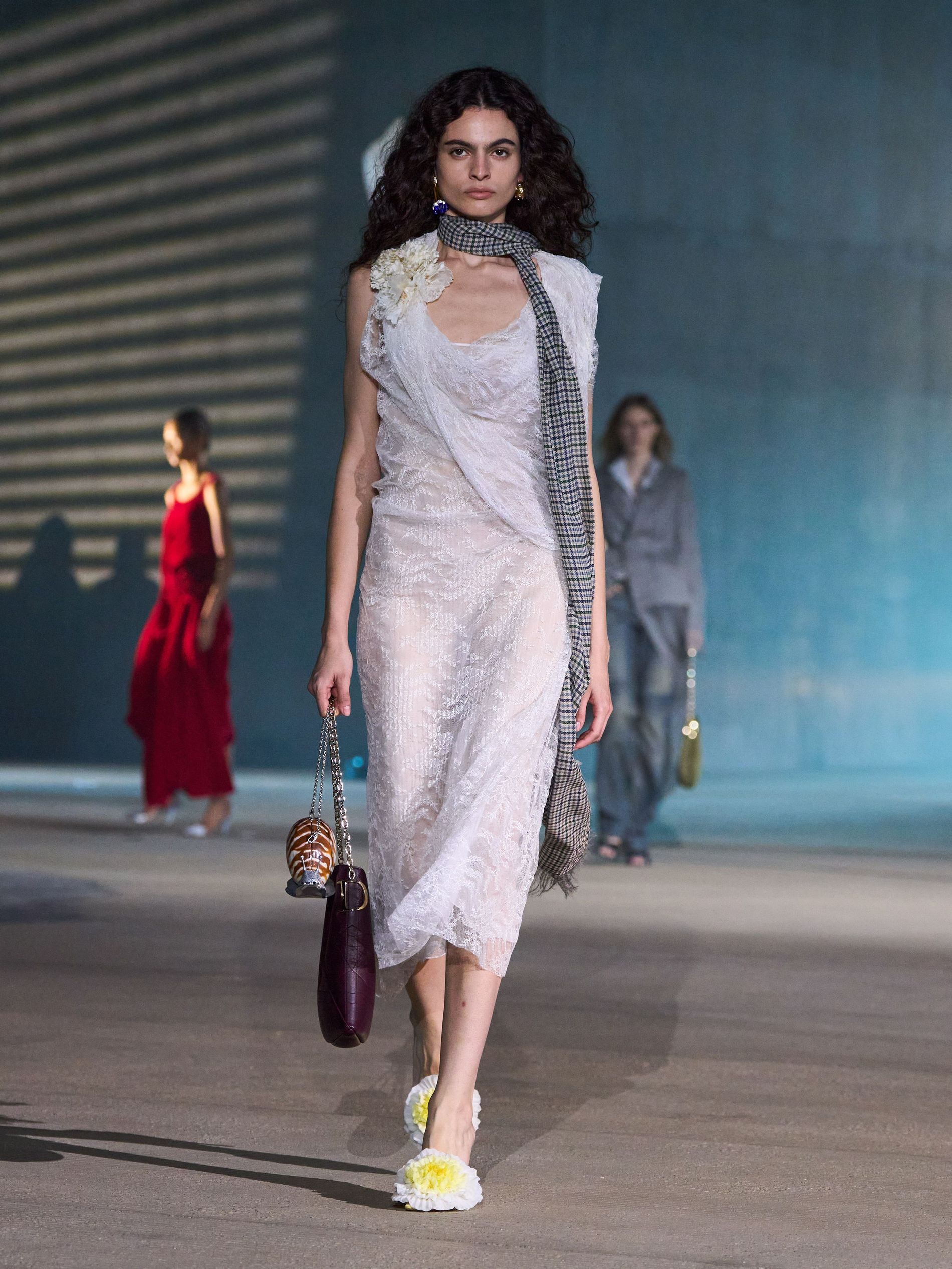
Jonathan Anderson's debut Cruise collection for Dior was a love letter to Hollywood's golden age and glamorous screen goddesses who helped write it – Including Ingrid Bergman
In 1958, Ingrid Bergman stepped onto screen in Indiscreet wearing a blue-and-silver gauze evening gown. It was Dior. Specifically, it was the "Tuileries" dress from the Haute Couture Autumn/Winter 1957-58 collection, designed by Christian Dior just months before his death. Bergman had been a client and devoted admirer of the House for years, attending the unveiling of his final Spring/Summer collection in Paris in 1957. She understood, as the great stars of that era did, that Dior was more than simply a designer. His was an aesthetic genius that sculpted the very idea of what a woman could look like when the world was watching.
Jonathan Anderson understands this too. His first Cruise collection for Dior began with another golden-age provocation: a 1949 Haute Couture jacket worn by Marlene Dietrich in Alfred Hitchcock's Stage Fright, after Dietrich famously told the director, "No Dior, no Dietrich." The show itself, held within the grounds of the Los Angeles County Museum of Art, was set against ornamental streetlights and vintage convertibles, a cinematic illusion of LA built inside the real thing. "Christian Dior understood how important the idea of 'the dream' was for people after the war," Anderson explained. "Hollywood is 'The Dream Factory'. It was all part of the same cross-cultural shift."
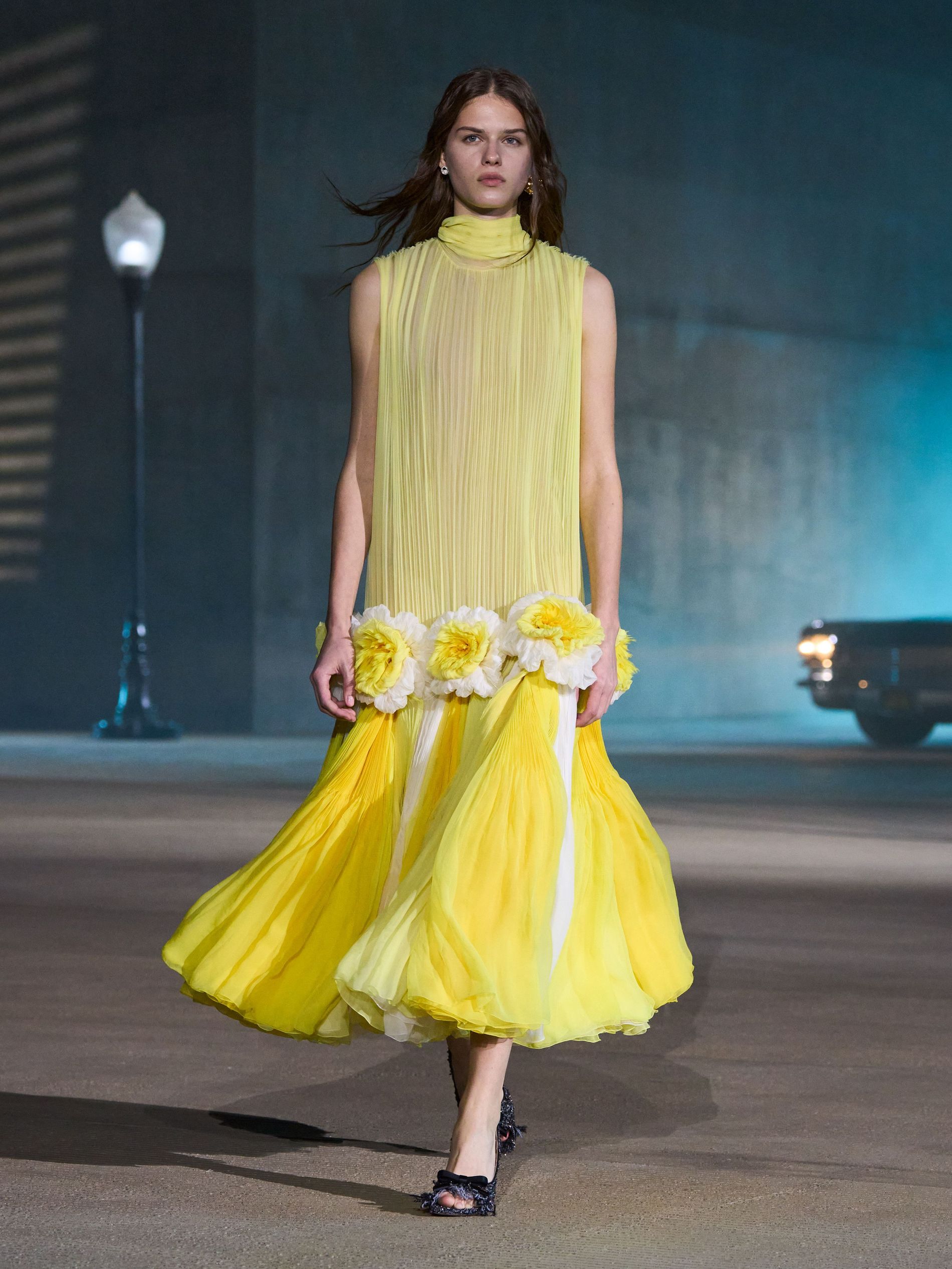
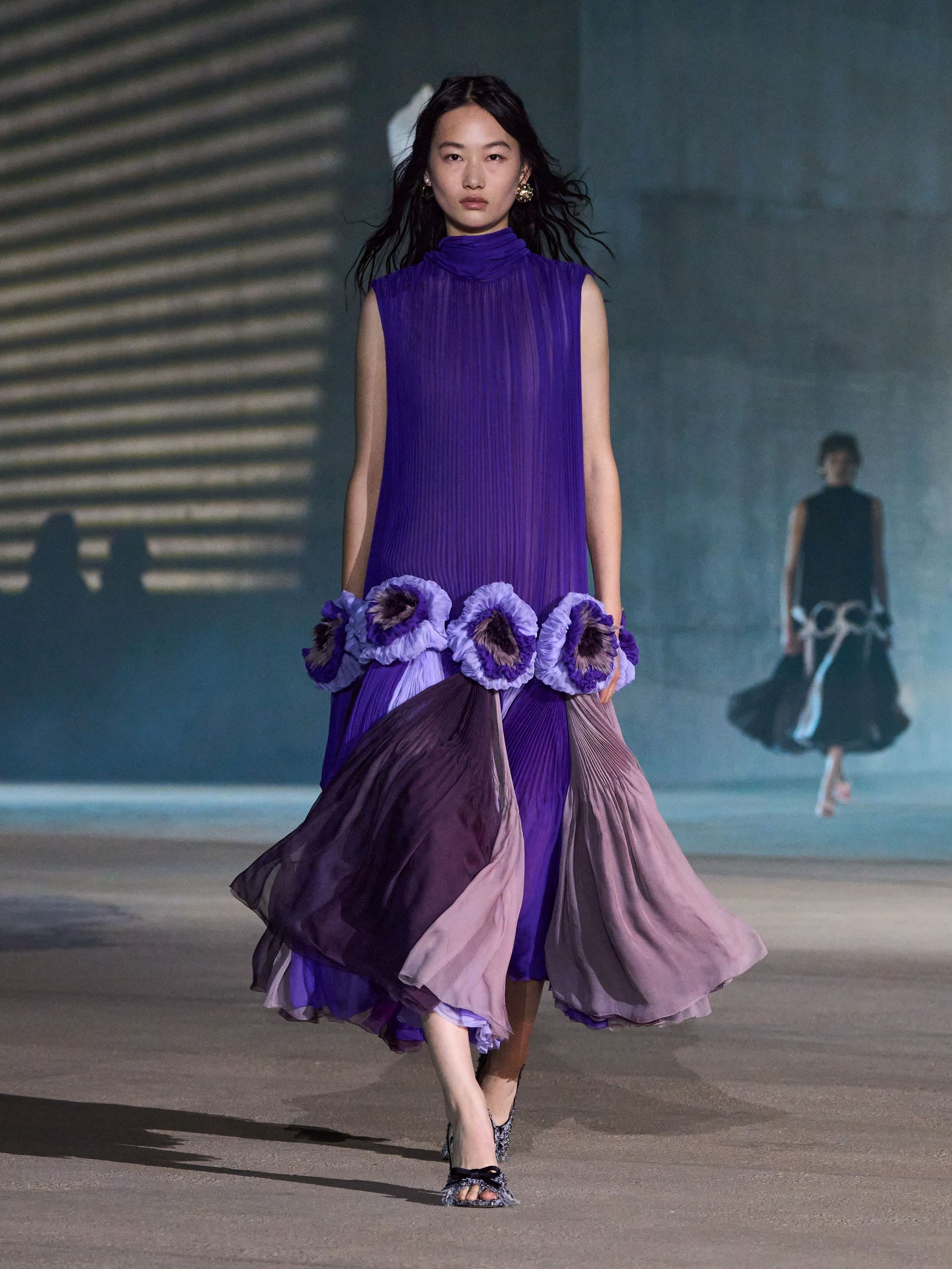
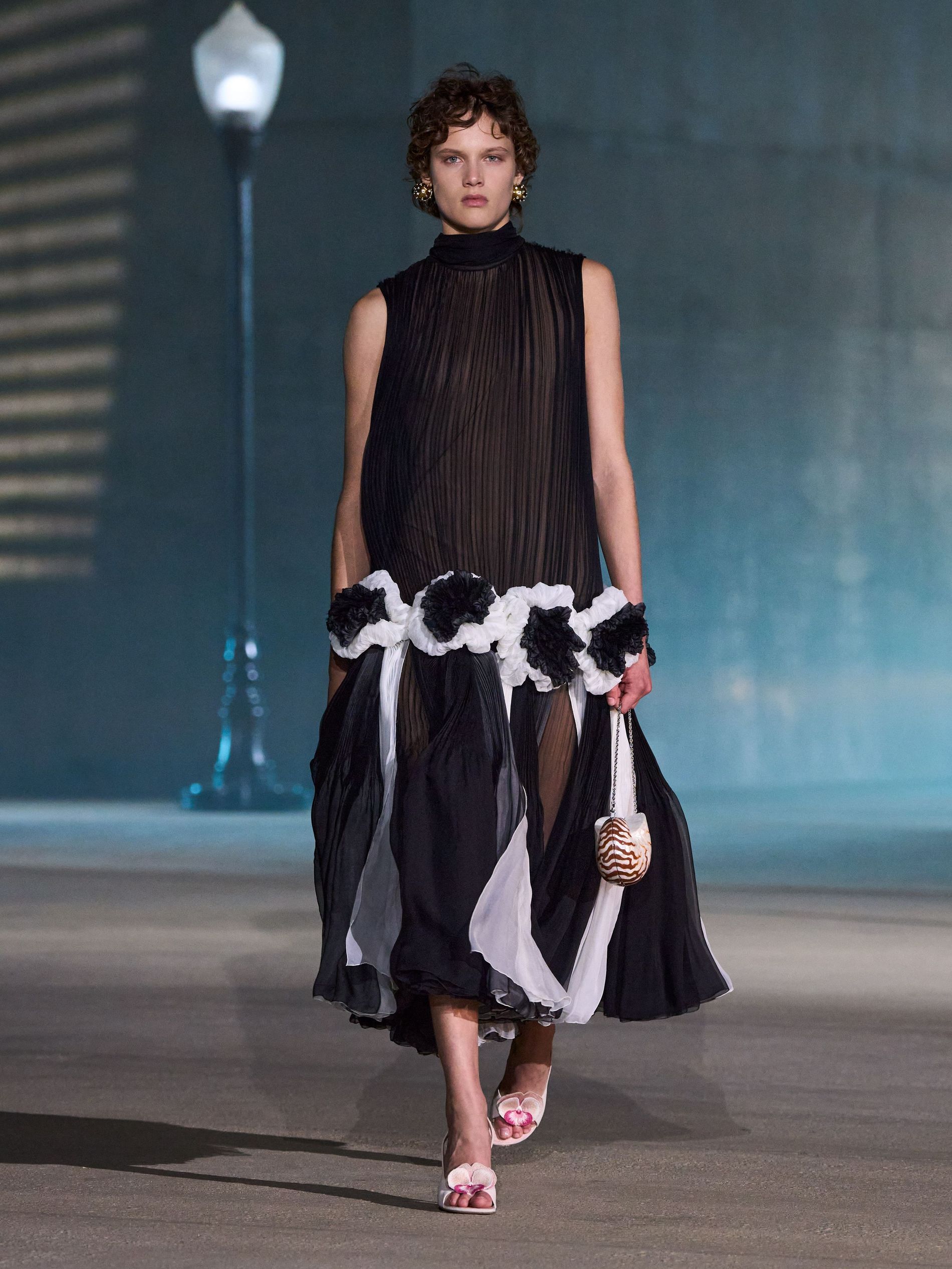
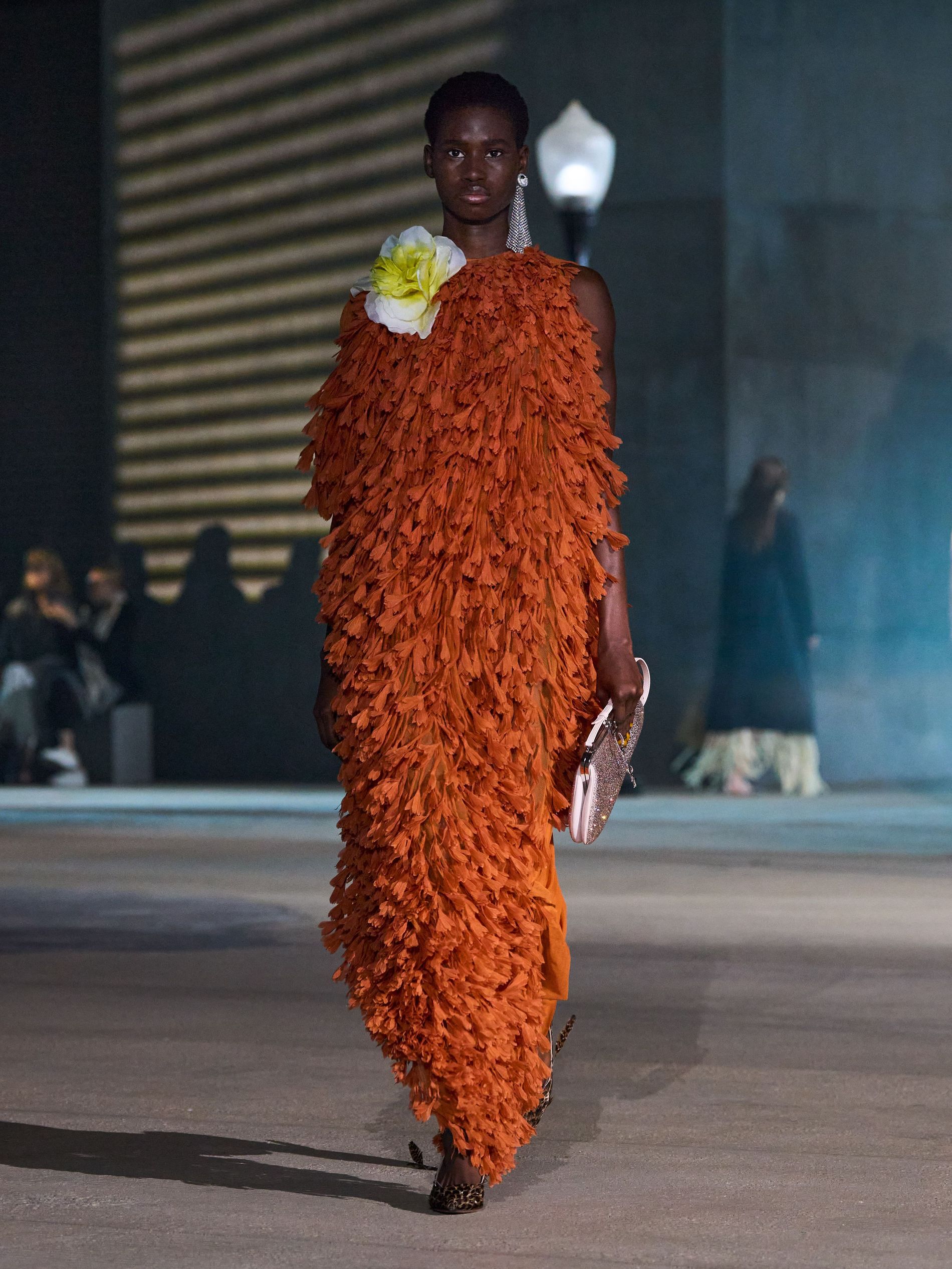
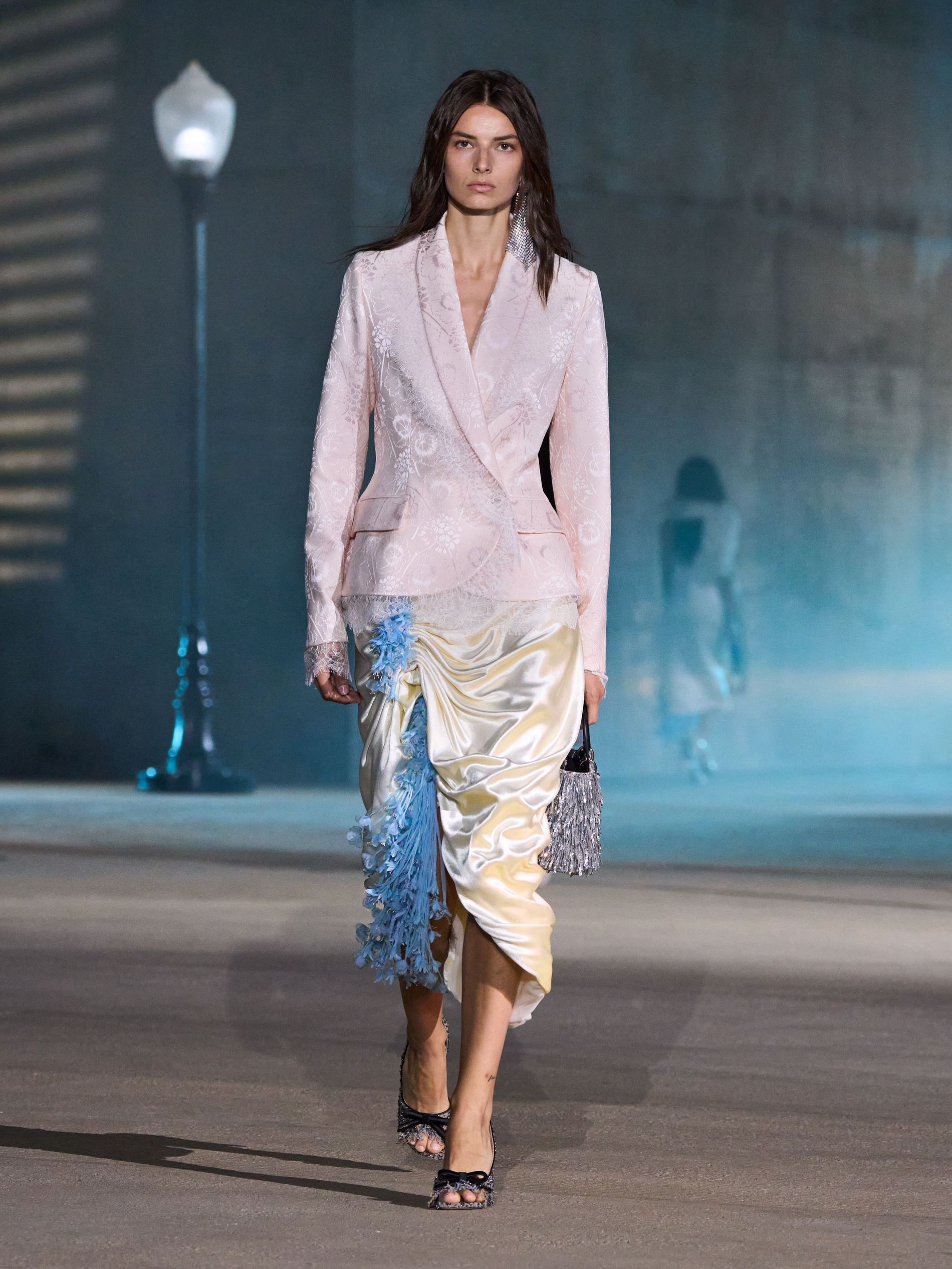
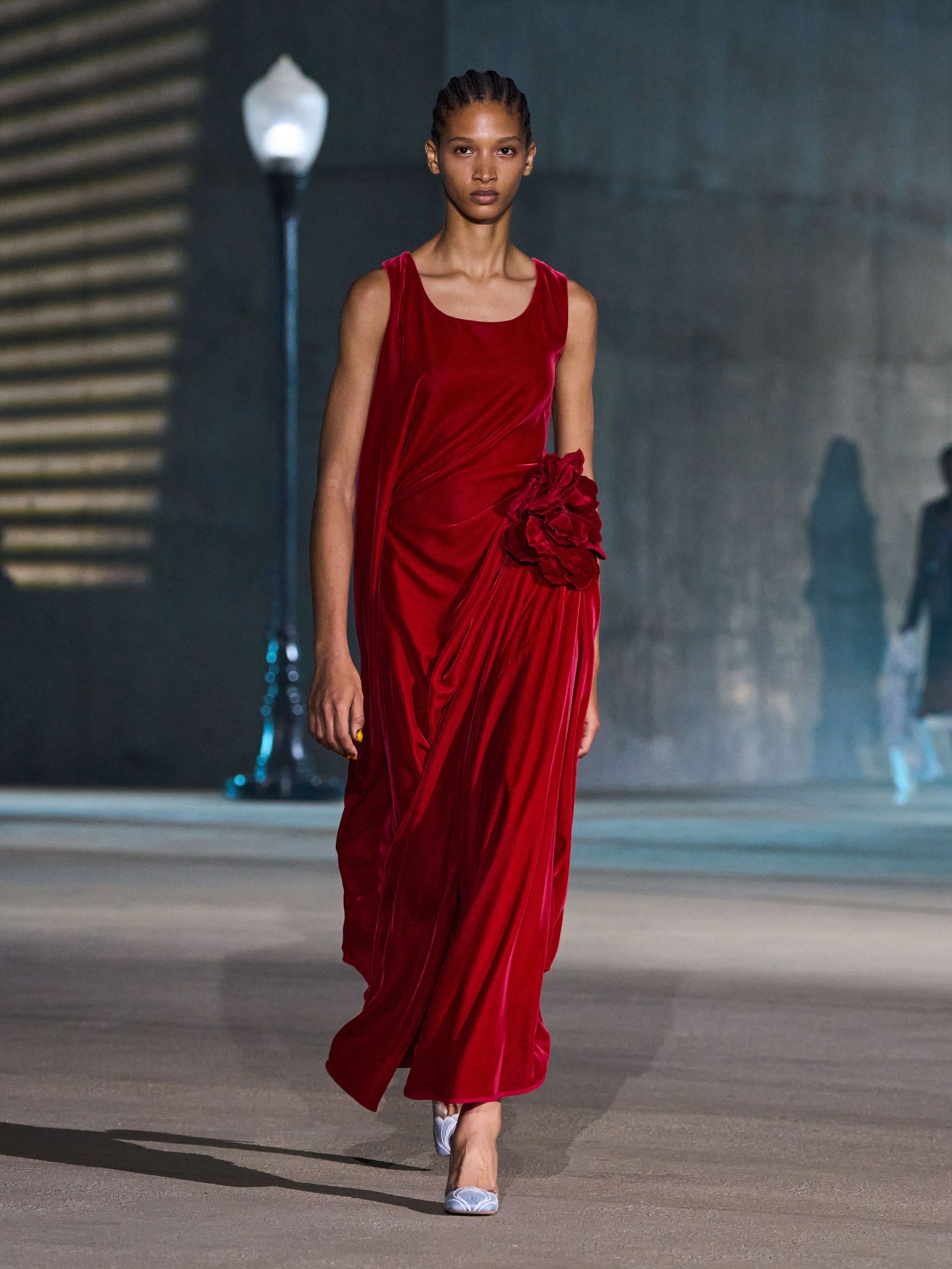
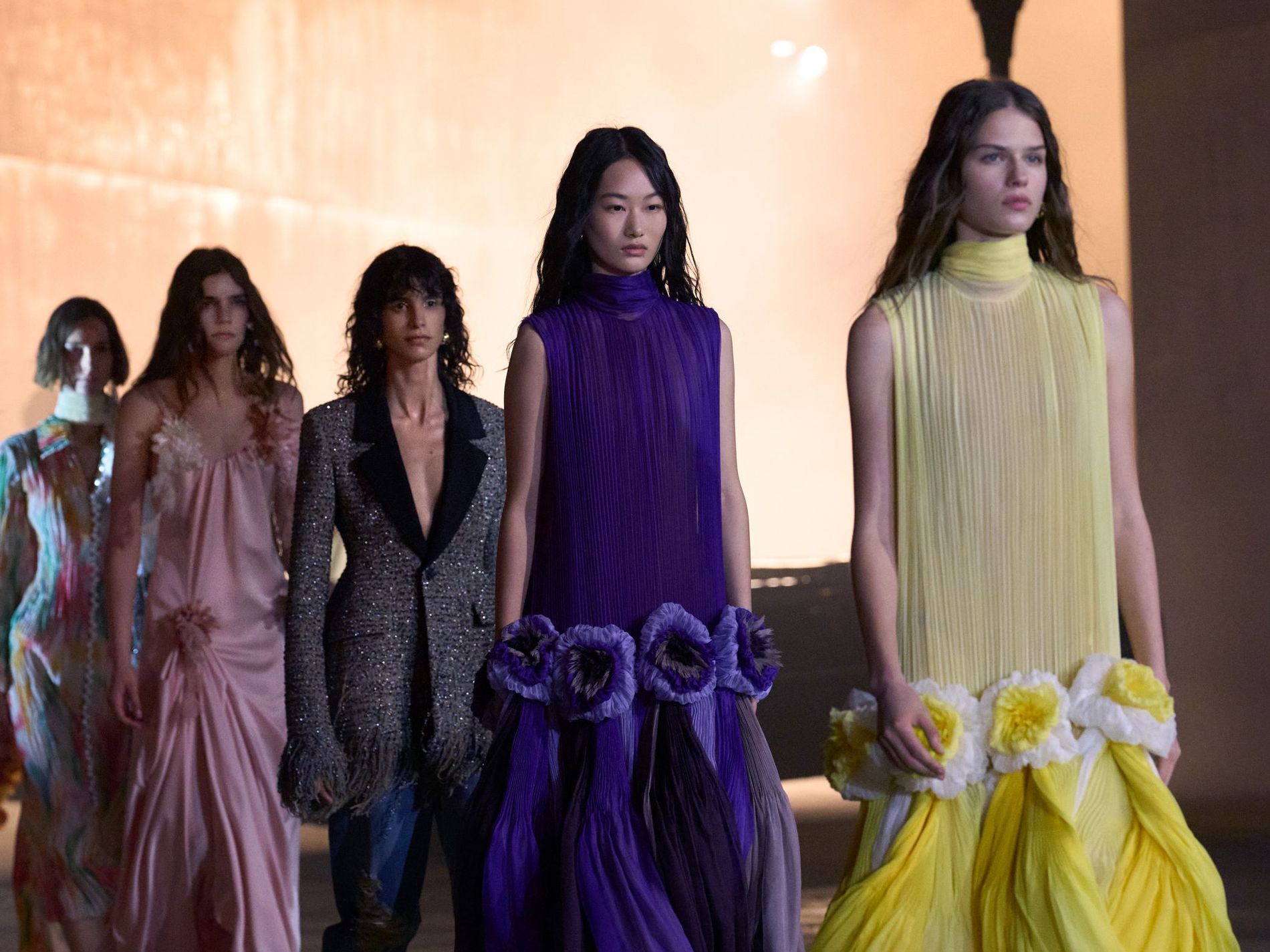
What followed was Anderson at his most assured. Drop-waist silhouettes moved through the lineup with the proportion and poise of the very decade Bergman ruled. Flower corsages appeared early and kept reappearing: a buttercup yellow dress scattered with rosettes opened the show, next came an orange gown evoking a field of Californian poppies, a red dress gathered at the waist by a single abstract bloom. Anderson noted that Dior always placed a red dress midway through his collections "simply to wake people up," and that trick works just as well seventy years on.
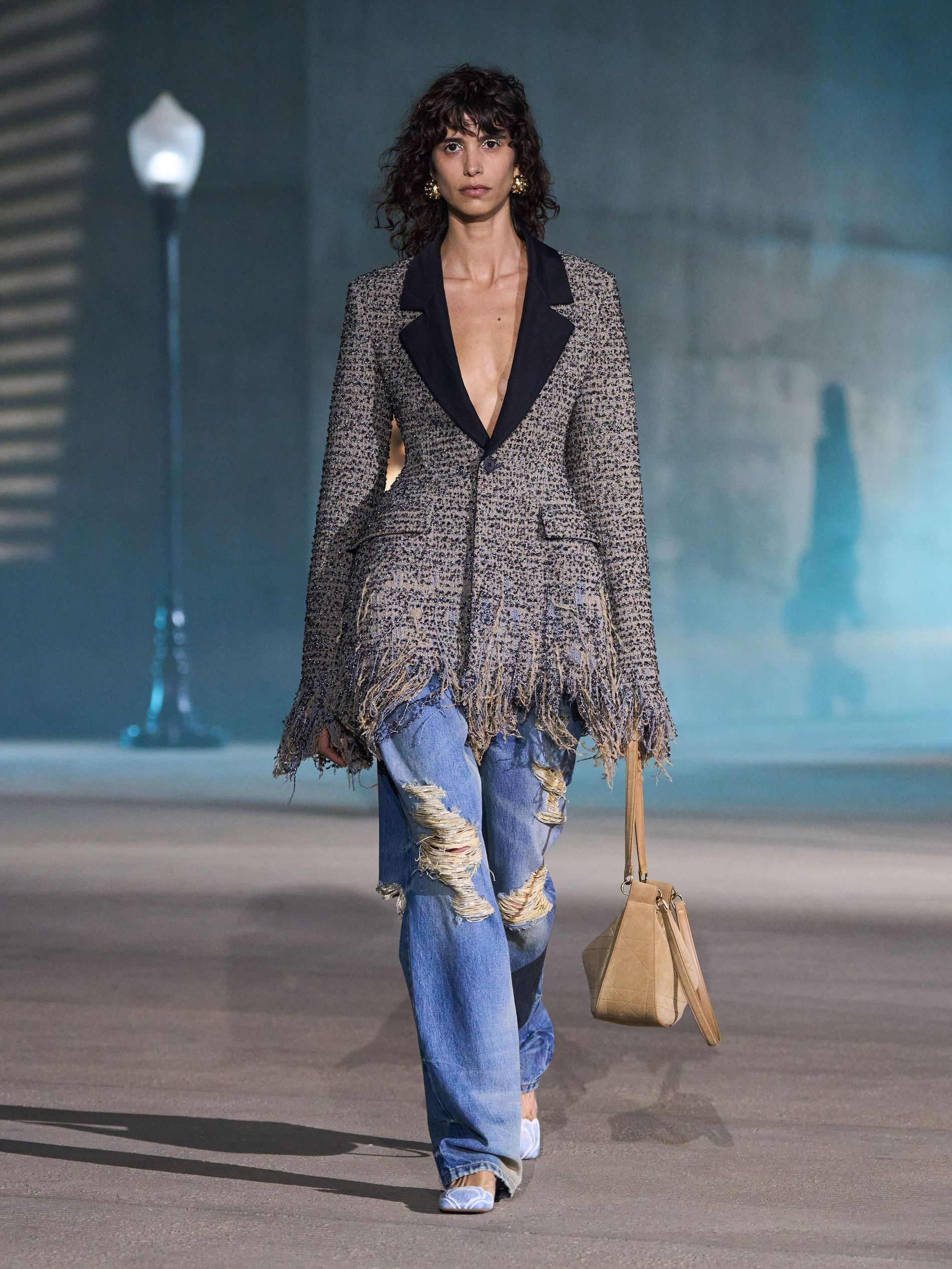
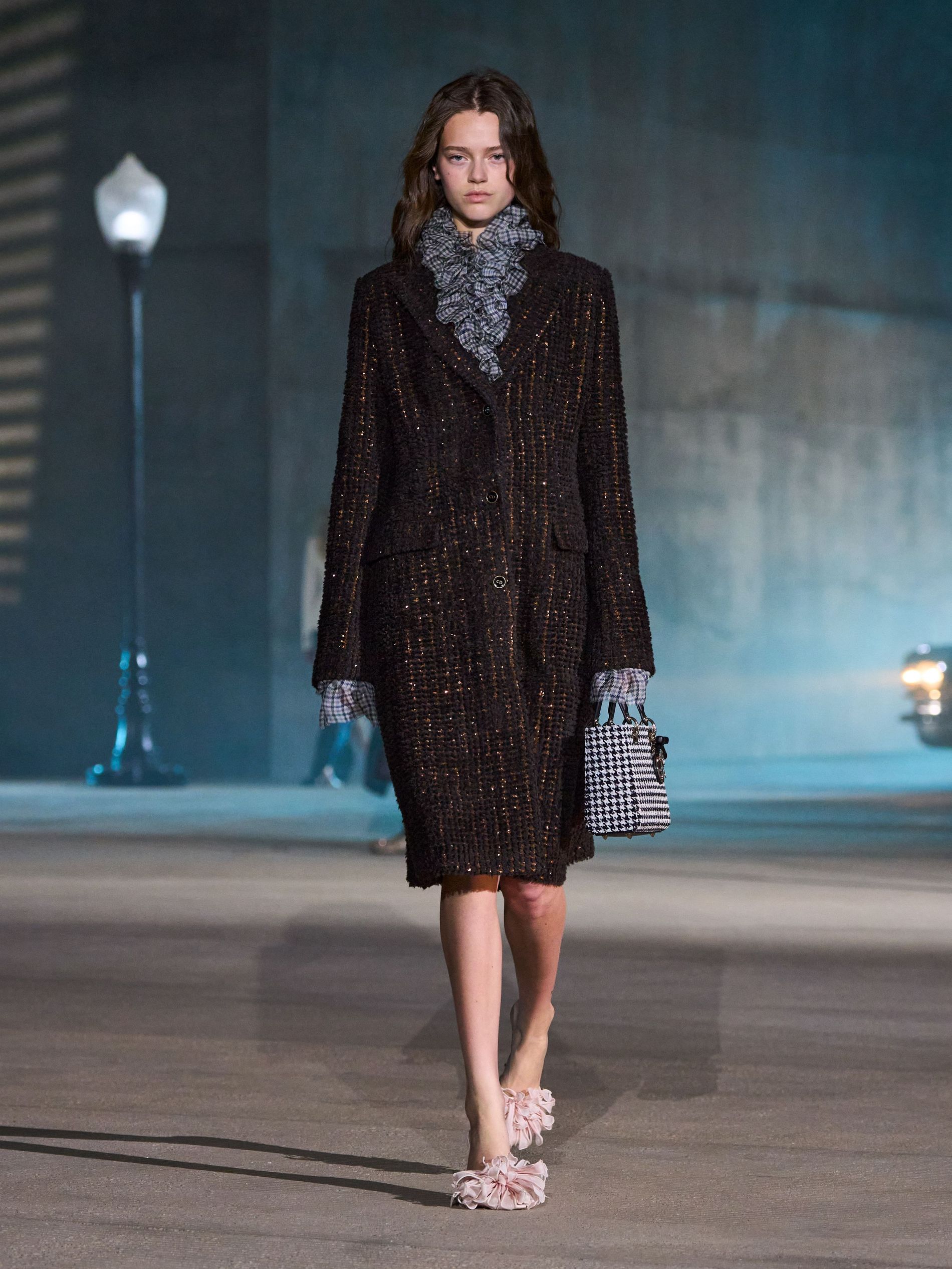
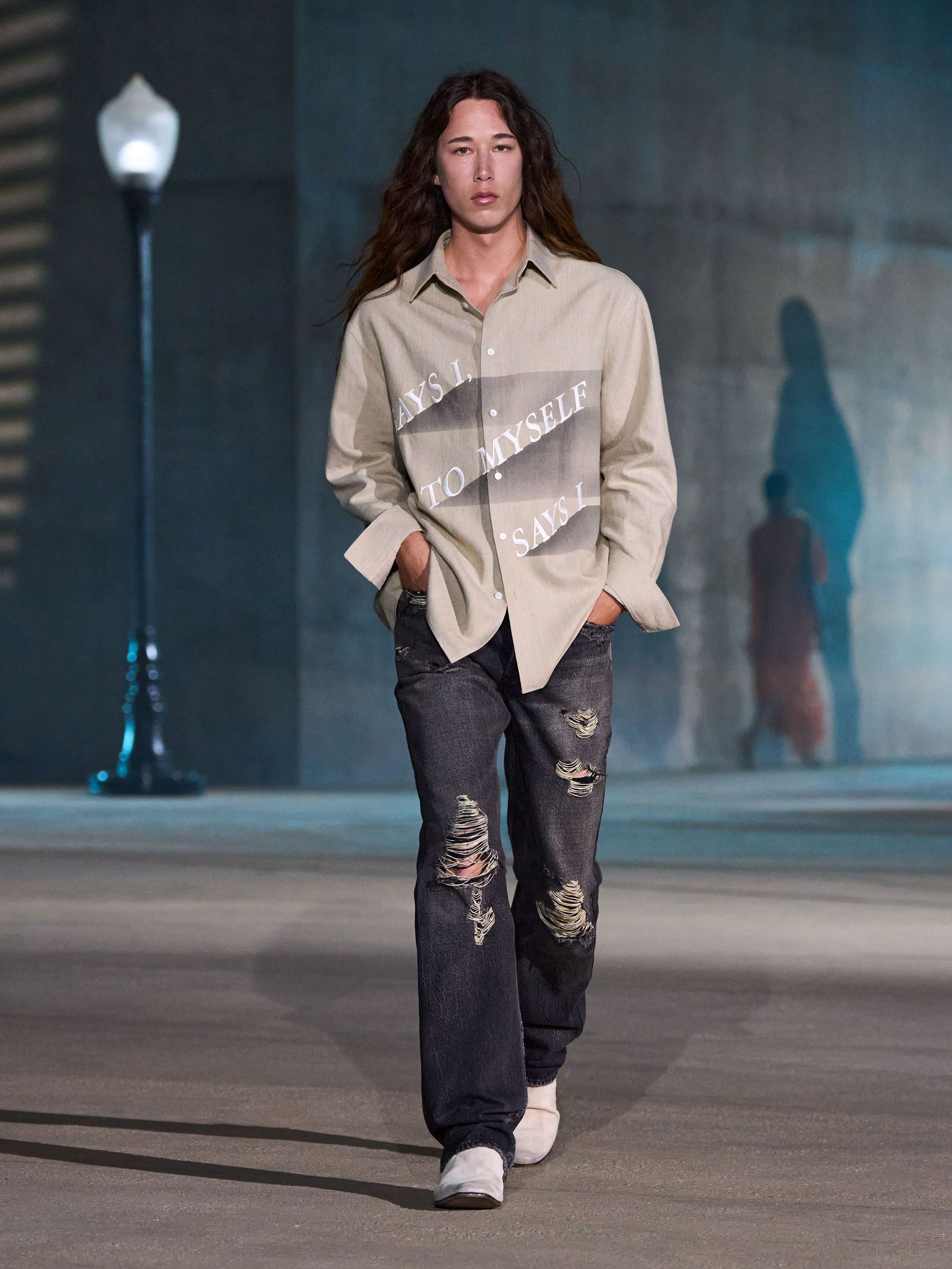
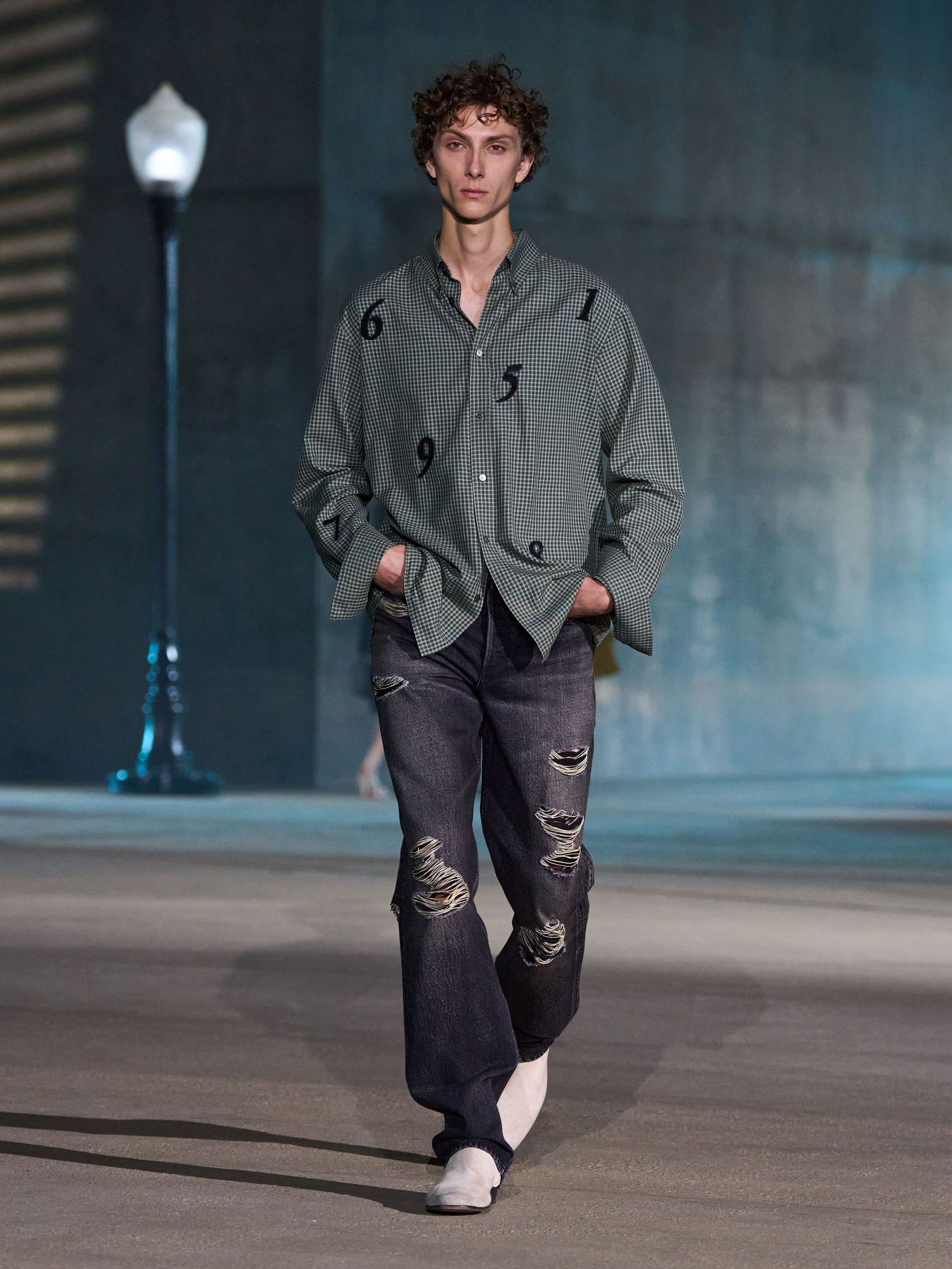
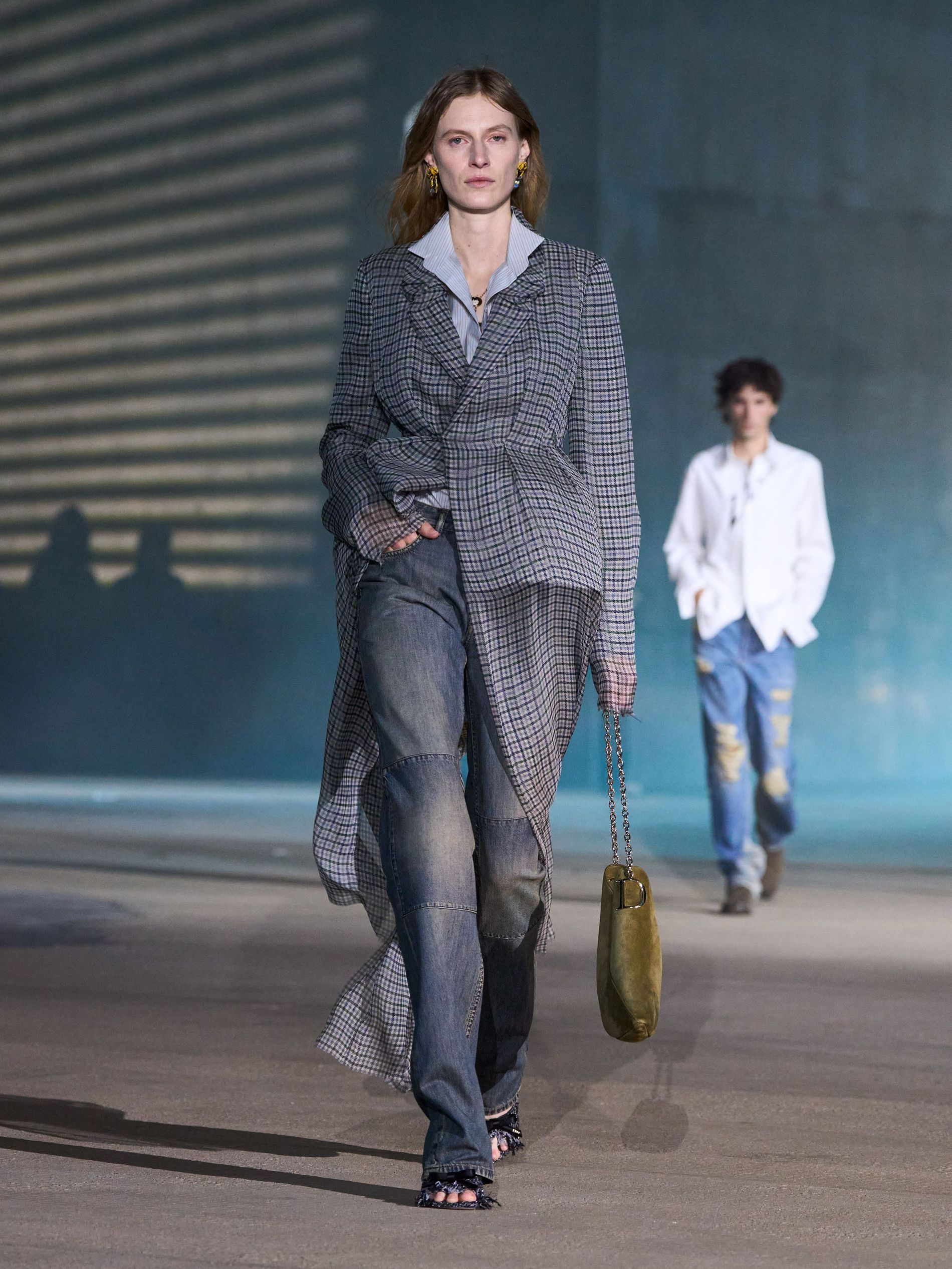
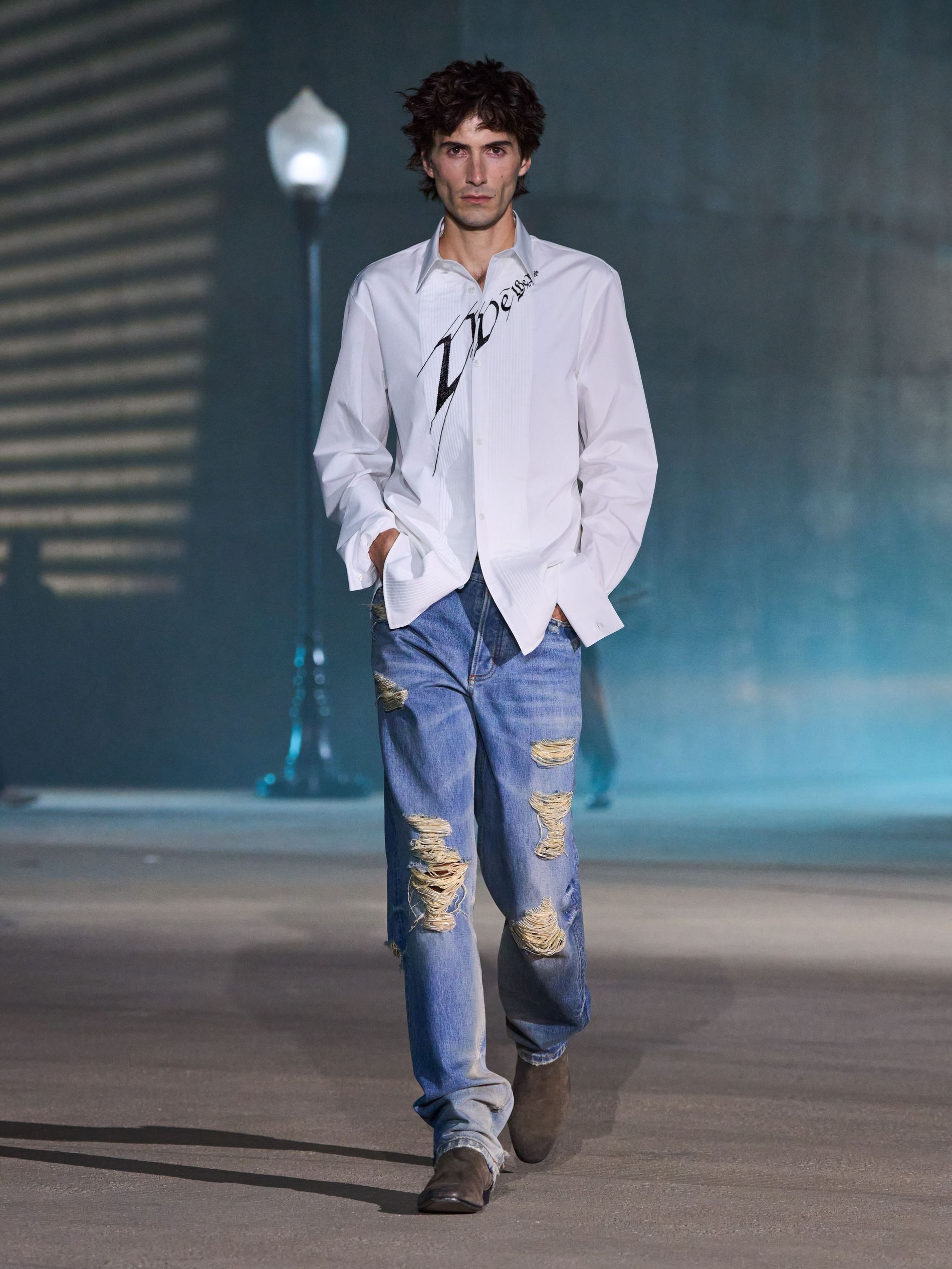
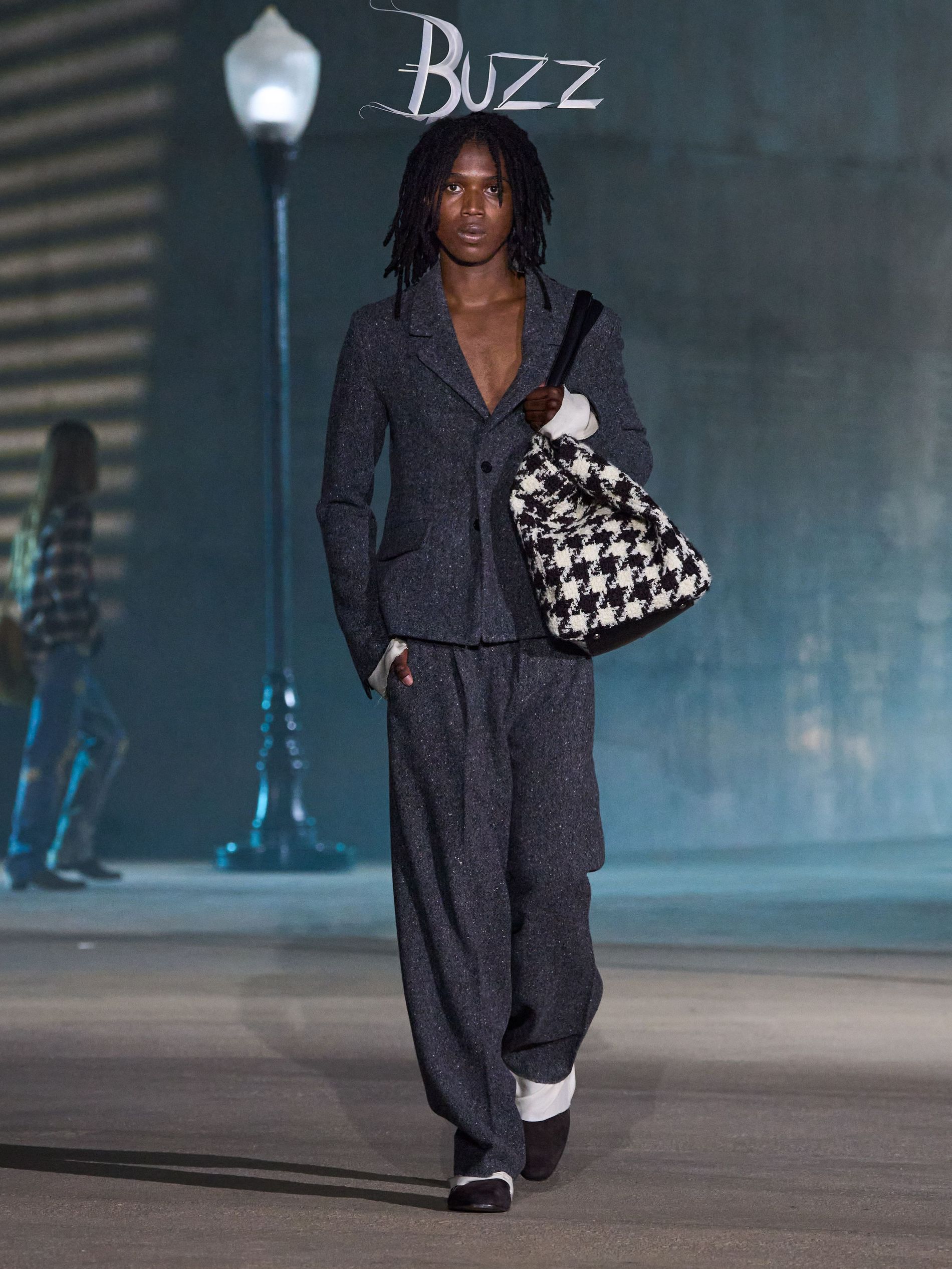
Heavy silk duchesse sat alongside cinched boucle bar jackets with frayed edges, and the tension between the two was sublime to see. Anderson's gift is balance, and here it was impeccable. The collection's most unexpected moment, however, was also its most relaxed: a pair of ripped jeans, embroidered with very fine silver chains imitating strands of cotton.
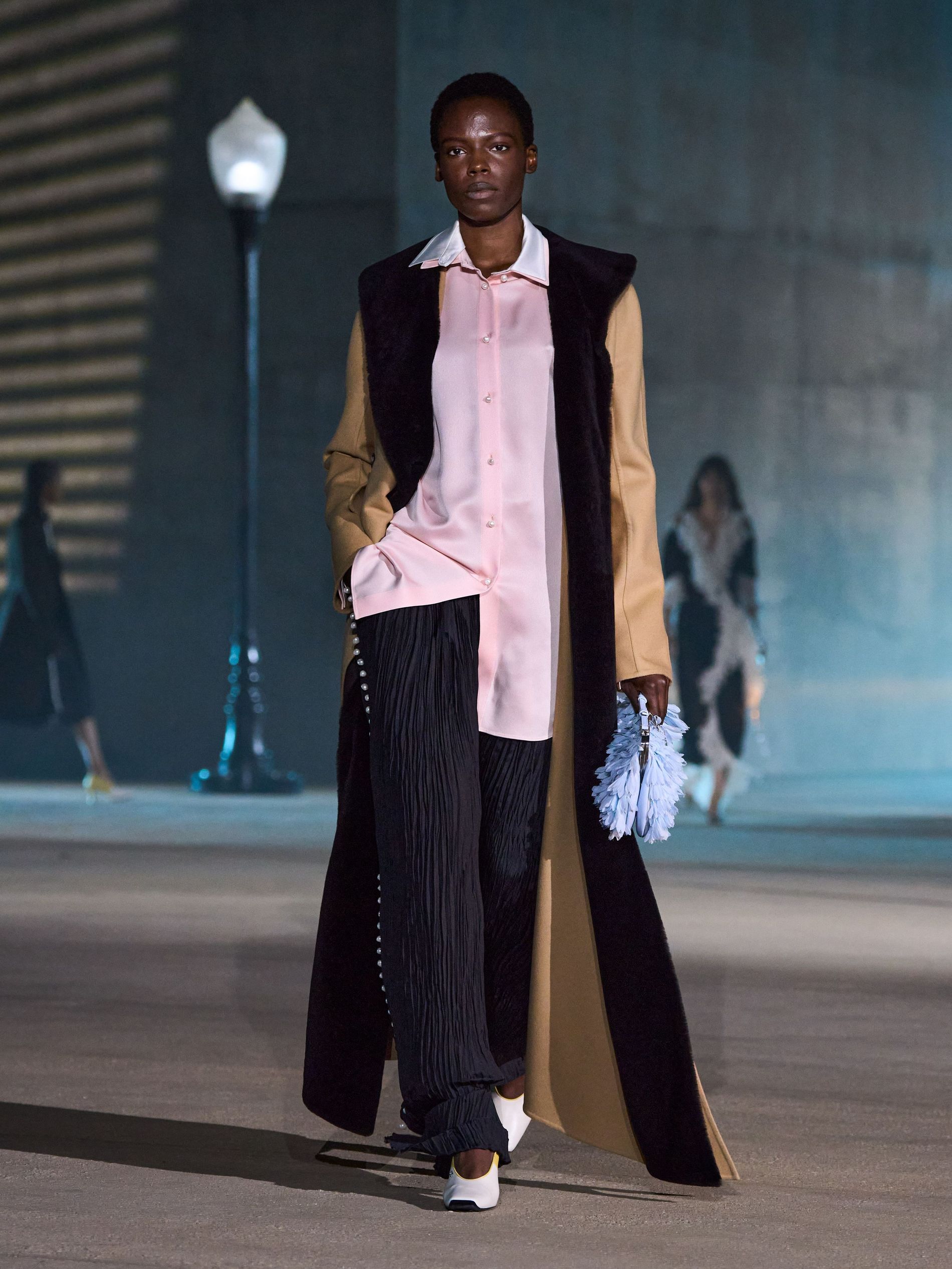
Accessories carried the same intelligence. New Saddle bag silhouettes arrived with car-paint surfaces and motor key charms as a nod to the vintage convertibles. Shoes were animated by flowers and sequins. A nautilus-inspired minaudière was among the season's most considered new shapes, and a collaboration with artist Ed Ruscha produced a series of archetypal American shirts that brought the collection's cinematic sweep usefully down to earth.
Bergman, alongside peers like Marlene Dietrich and Grace Kelly, were among the Hollywood stars famously dressed by Christian Dior, embodying his "Dream Factory" era of fashion. Anderson, inheriting a different kind of legacy, seems to know exactly what he wants it to be. And so, it seems, the dream factory is in good hands.
Dior - Cruise 2027