
For over 140 years, Hunkemöller has changed with the times, following the lingerie requirements society dictated. But now, the Dutch brand is stepping back and looking to exalt what started it all: women
Hunkemöller's creative director, Patricia Beurskens, stands in a room, holding a bra in each hand.
One is all lace, mesh, and underwire, engineered to sit on the body in a certain sensual way. The other is uncomplicated, wireless, and soft beige, the kind many women typically reserve for working from home or quiet Sundays. "I'm not here to judge. If this is what makes you feel sensual, that's wonderful," she explains, holding up the lacy construction before lowering it, elevating the beige comfort into the air. "But if this is what makes you feel your best, then that's equally fine."
It sounds simple, yet for a brand celebrating 140 years in business, it represents something quietly radical.
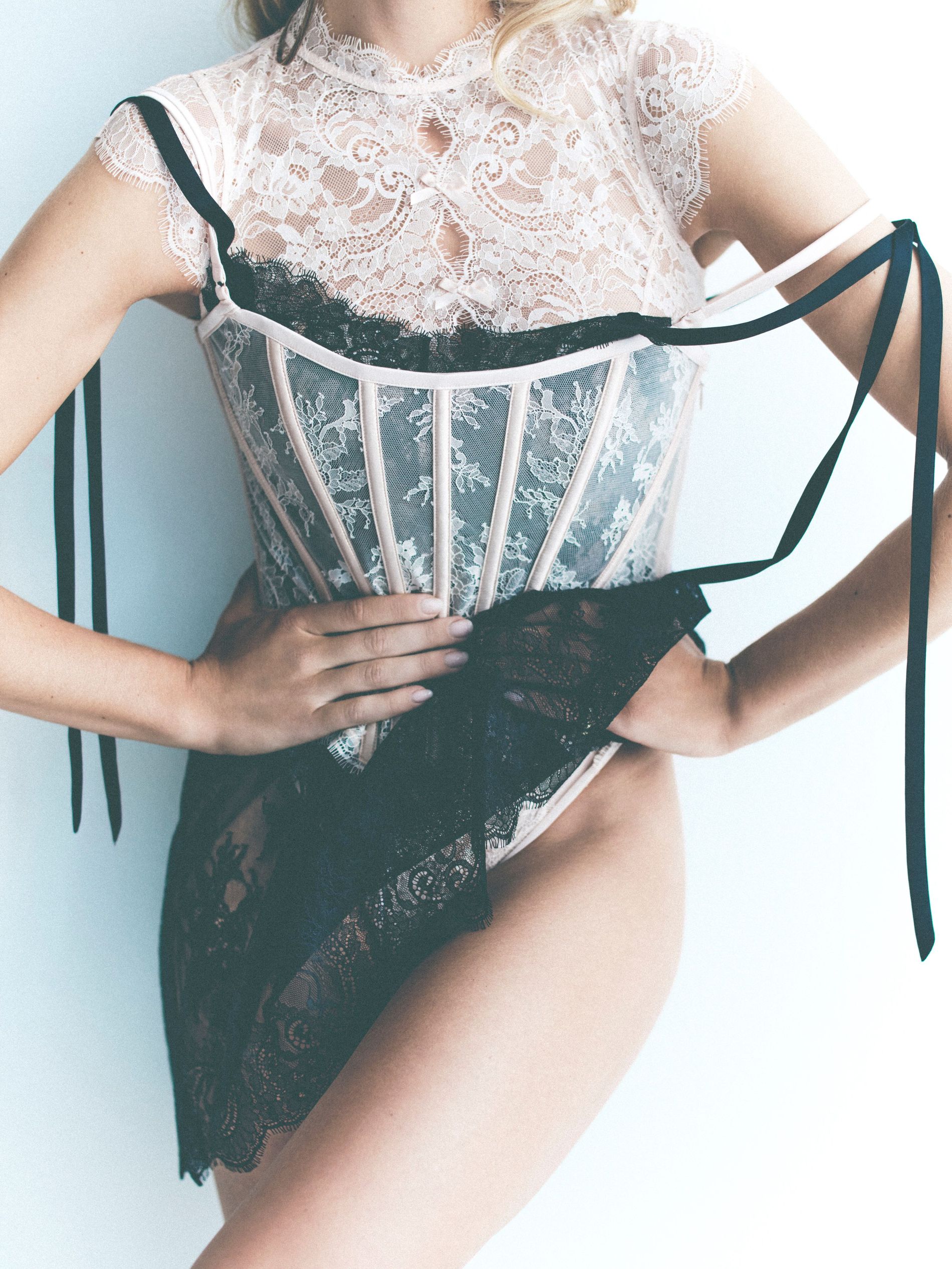
Photo: Hunkemöller
Founded in Amsterdam in 1886 as a corsetry boutique by Josephina Lexis and Wilhelm Hunkemöller, the Dutch label has lived through every major shift in women's fashion, and with it, every shift in how society has viewed the female body. Remarkably, its first director was Josephina herself, an unusual position for a woman in the nineteenth century, and an early reminder that Hunkemöller's story has always been intertwined with the changing role of women in society.
"We've always adapted," Beurskens says. During the First World War, the company survived because it manufactured locally. During the subsequent war, when fabric shortages made newly crafted lingerie impossible, women brought old pieces into stores to be darned and mended, instead of replaced. Decades later came self-service shopping, dusk-pink boutiques, fashion lingerie, and a renewed focus on quality over quantity.
Through every era, one thing has been a constant – women still need lingerie, even if that reason changes. And such an evolution is present in the garments themselves. For centuries, lingerie has existed to shape women into society's desired shape. Corsets cinched waists. Bullet bras created a pointed bust. Push-ups exaggerated cleavage. Every decade has had a new desired silhouette, and lingerie has been the tool to achieve it.
We are not shaping the body anymore. We are designing around it
Patricia Beurskens
Yet, today Beurskens believes that the role of lingerie has changed in its entirety. "We are not shaping the body anymore," she explains. "We are designing around it." Such a distinction may sound subtle, but it represents a major shift in fashion philosophy. The once restrictive corset has become outerwear. A garment once hidden beneath dresses is now layered over shirts, or worn on its own. Case in point, Beurskens herself wears a lace corset beneath a sleeveless blazer.
"I think every woman should own one," she says, emphasising that it's not because it changes your shape, but because it connects you to history, whilst being allowed to wear it entirely on your own terms.
This shift is why Beurskens somewhat refuses to call bras, briefs and anything in between "underwear". "What was underneath has become outerwear," she reasons, and it is difficult to argue otherwise. Lace-laden bras peep from behind oversized shirts, and, at the same time, corsets replace tops. Suspenders are no longer practically necessary for keeping stockings up, and have become more of a styling choice. That first layer of clothing has become visible.
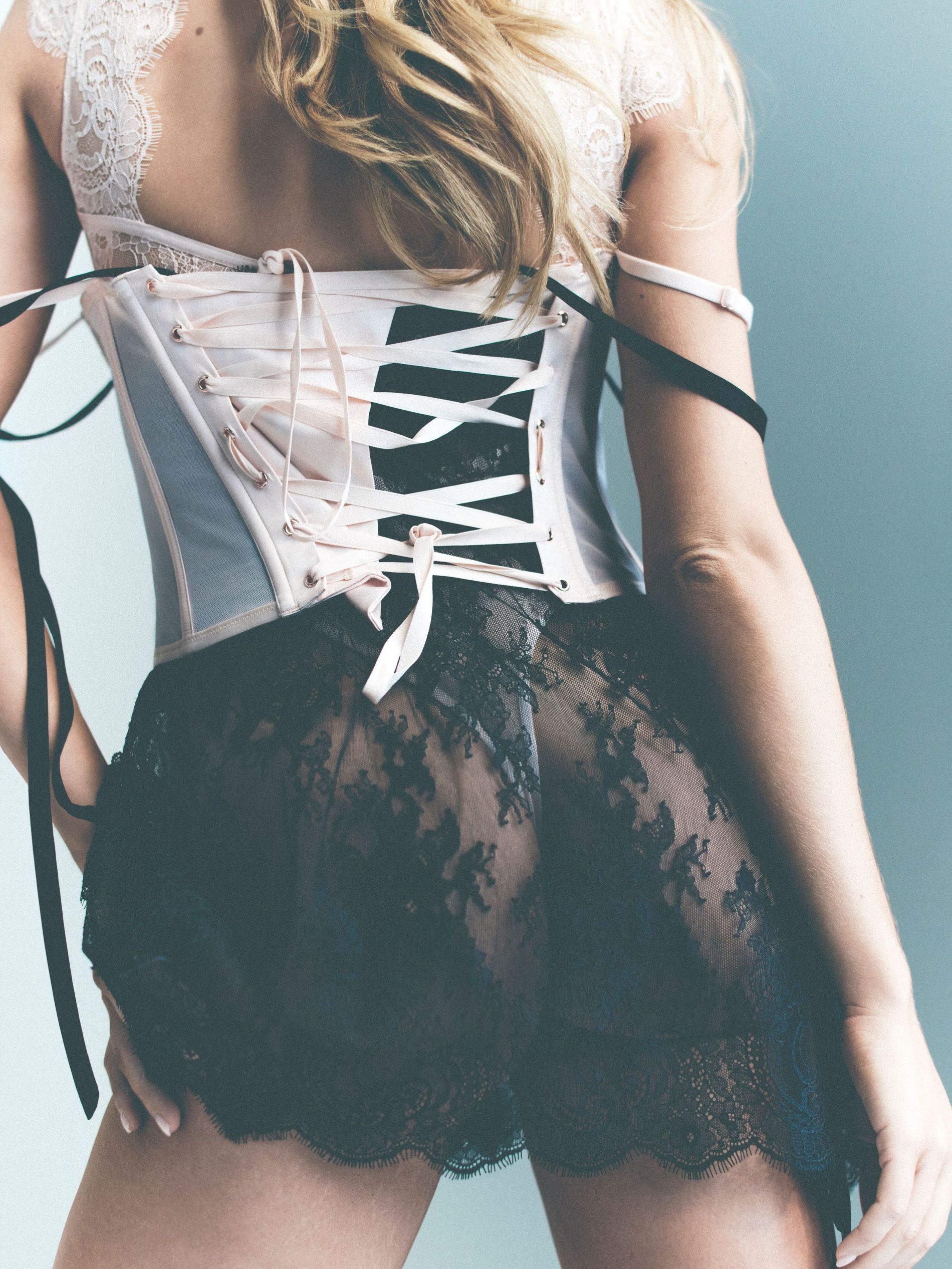
Photo: Hunkemöller
"Lingerie is a language," Beurskens says. "It is the language of the body, of sensuality, of autonomy." This goes back to the creative director's point about how sexy is different for different people. She pushed back against the notion that sensuality belongs to one body type or one stage of life. She recalls finding a historical pregnancy corset in the brand's archive (admittedly, she did not realise what it was and designed a range of non-pregnancy-related lingerie around it).
Yet this stirred something. "I loved being pregnant," she says. "I loved my curves, and I still wanted beautiful lingerie." Beurskens feels the same about the consideration that sexiness belongs to one age group or time of life. To her, sensuality is for everyone.
As Beurskens speaks about lingerie, in a most striking manner, she rarely refers to it as a product. Instead, she talks about confidence, posture, and about women standing a little taller after putting on a matching set (not because someone else is going to see it, but because they know it's there.) "I believe that self-confidence comes from that first layer," she says. "The clothes on top are just the next step."