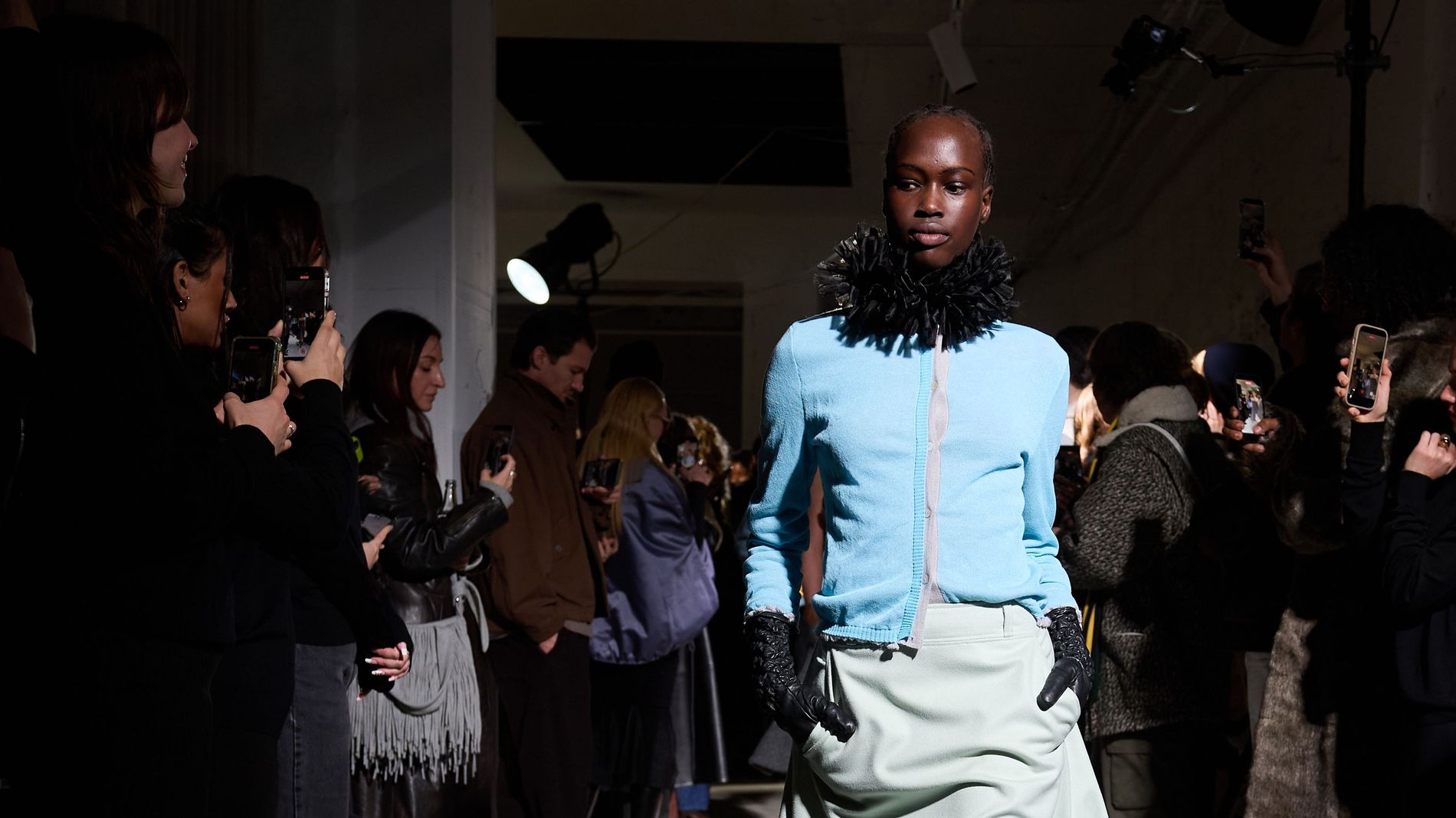
Collar us impressed: From pleated organza gorgets to pared-back roll necks, the humble collar staged an unexpected comeback at Copenhagen Fashion Week
When pondering which trends may crop up on the Copenhagen catwalk this season, Rembrandt ruffs were not on our fashion bingo card. But, alas, it seems a starched gorget is one of the hottest accessories of the season. "We saw a lot of high collars, and I kept thinking about Rembrandt and Flemish paintings," says Vogue Scandinavia editor-in-chief Martina Bonnier reflecting on her front row observations at both Copenhagen and at Paris Couture. "What’s interesting is how many variations there are. Some collars are built directly into the garment, while others appear as add-on elements or accessories."
Forza and Studio Constance provided the most dramatic displays, with mouth-covering collars of pleated organza and upcycled shearling shown on the runway. Then there was lace: "It was everywhere, in many different forms, along with embroidery and raised details." Another stand-out among the shows were Skovgaard's befeathered neckband. Beyond the more eye-catching ensembles a more minimal approach could also be found in the fashion flurry: moulded high collars at Herskind, buttoned-up trench coats at The Garment and chin-grazing roll necks – just to name a few.
First fluttering onto the fashion tapestry in the 1500s, the ruff began as a little frill at the neck of a shirt or chemise, then ballooned into its own detachable accessory. Practicality led the charge at first (it is much easier to wash the collar rather than the whole outfit). But it quickly became symbolic: if you can't move your neck you're certainly not scrubbing the floors. In the late 1800s, the bourgeois adopted the high collar with Victorian and Edwardian necklines messaging propriety, “correctness,” and a controlled silhouette.
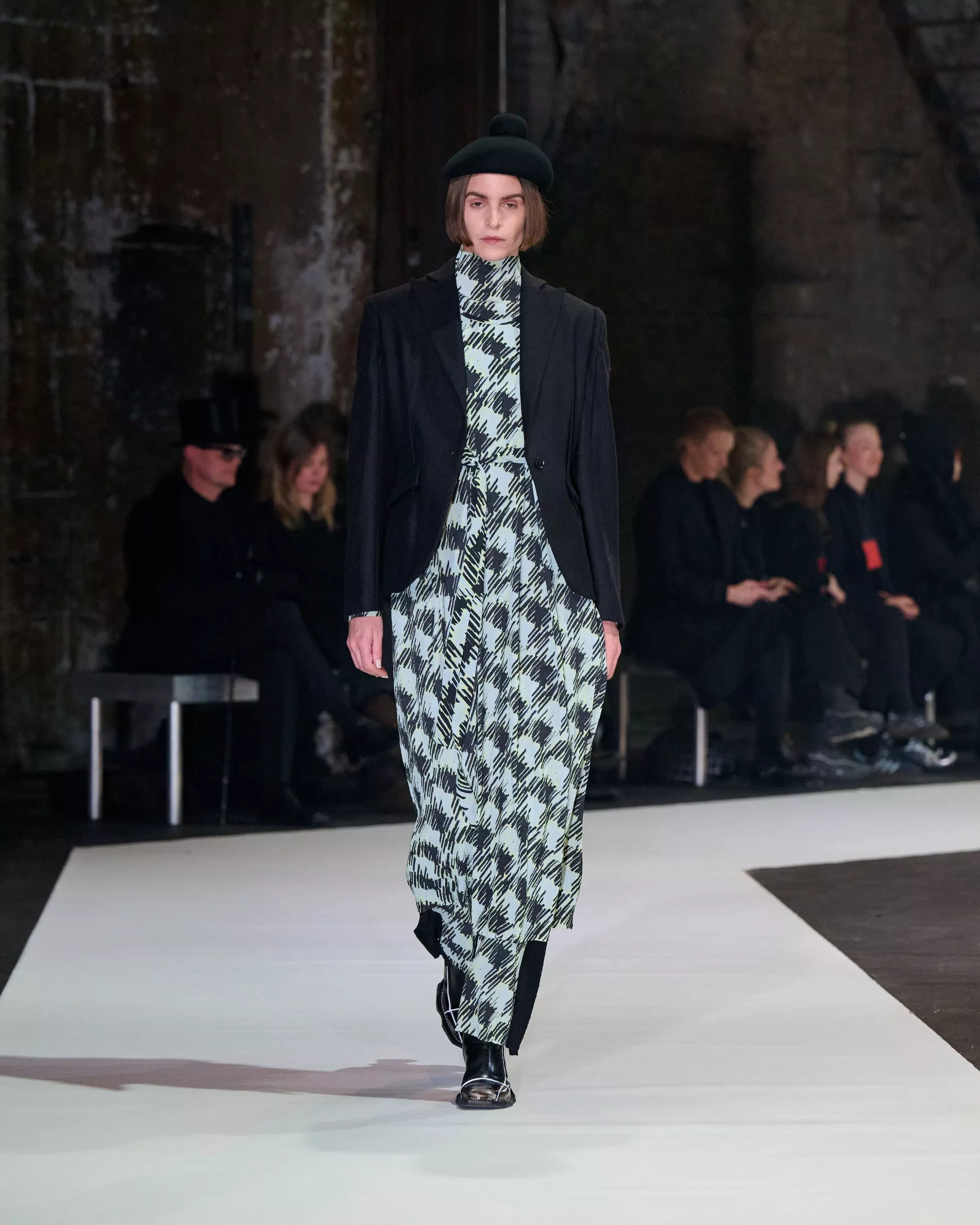
Henrik Vibskov. Photo: James Cochrane
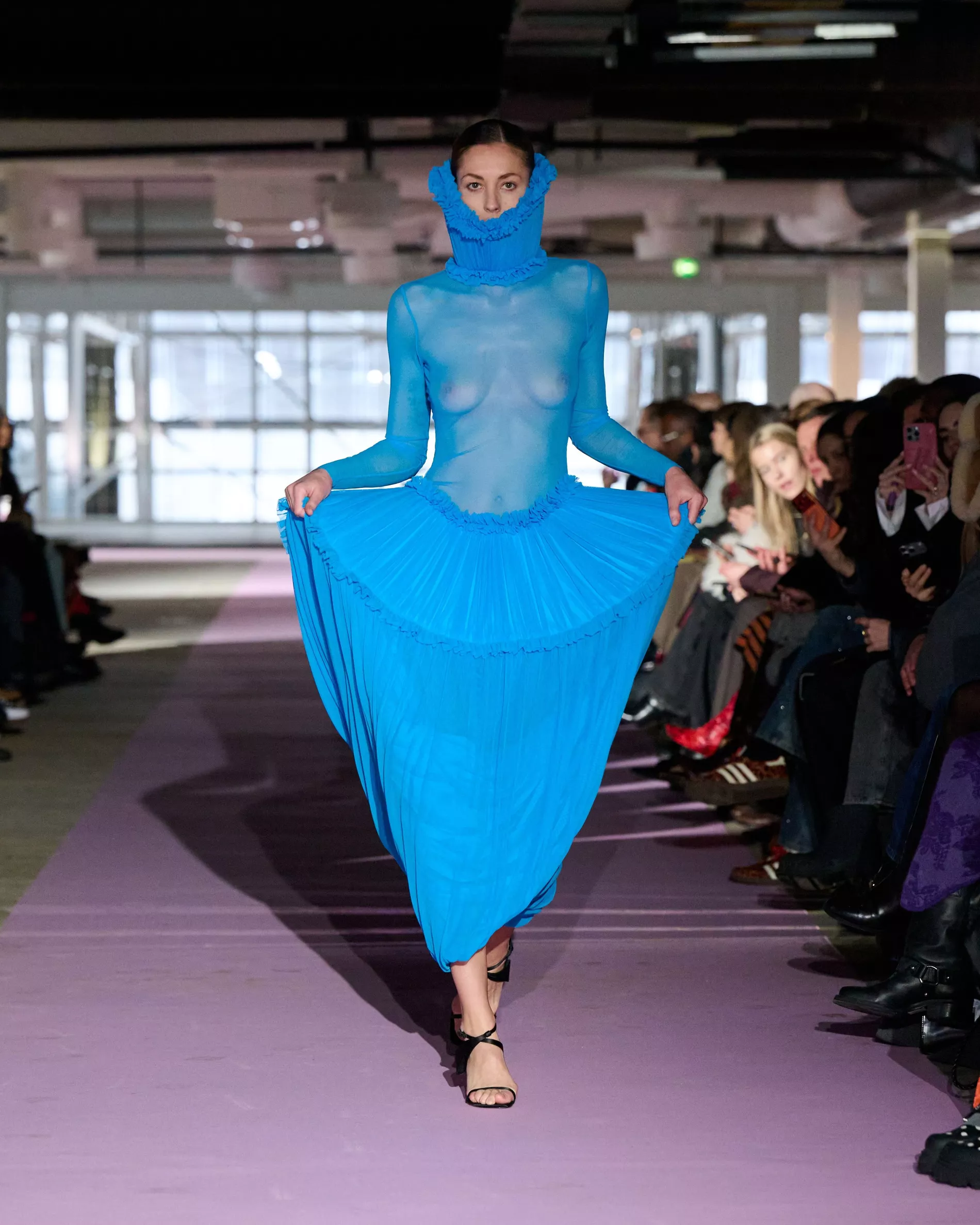
Forza Collective. Photo: James Cochrane
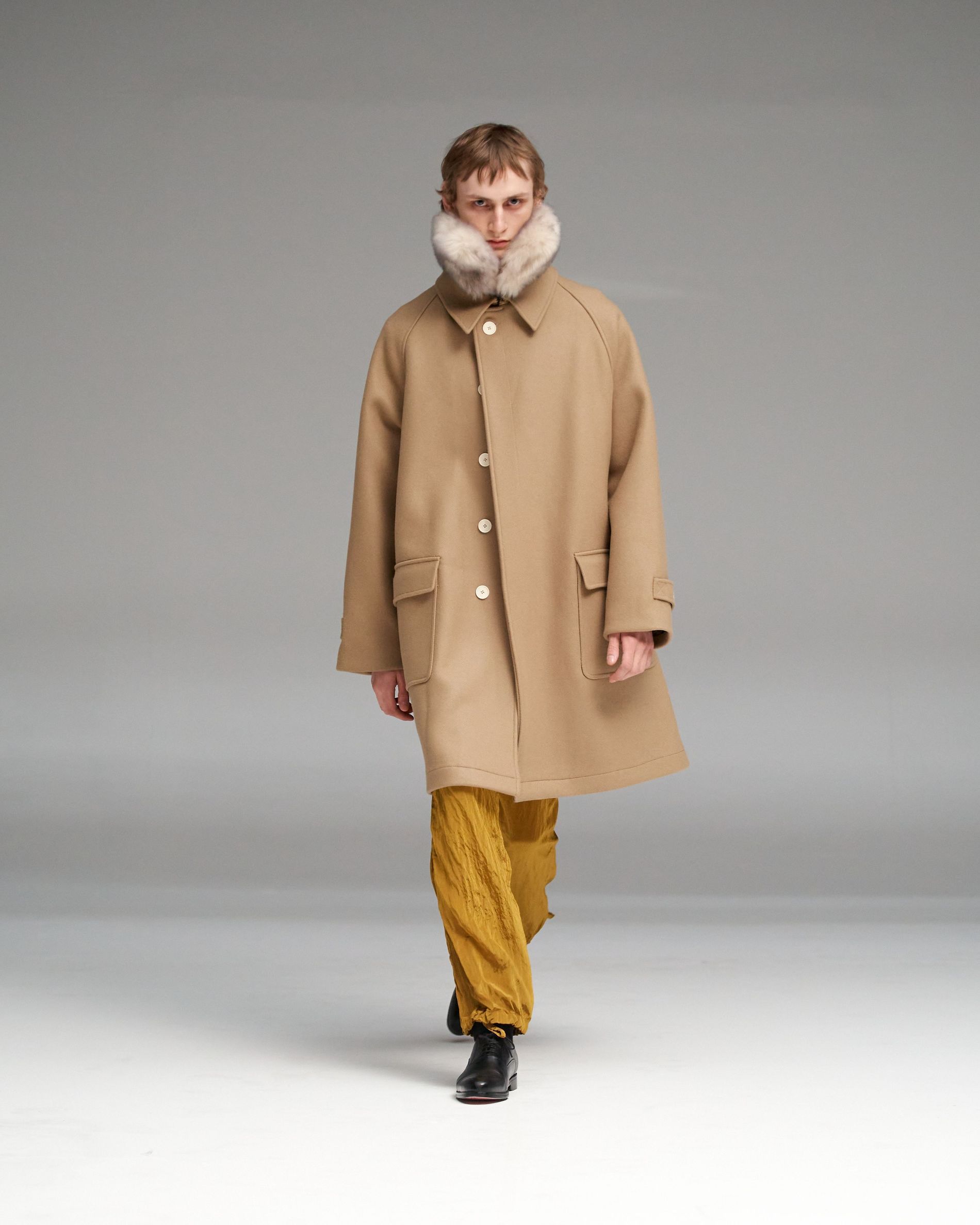
Ran. Photo: James Cochrane
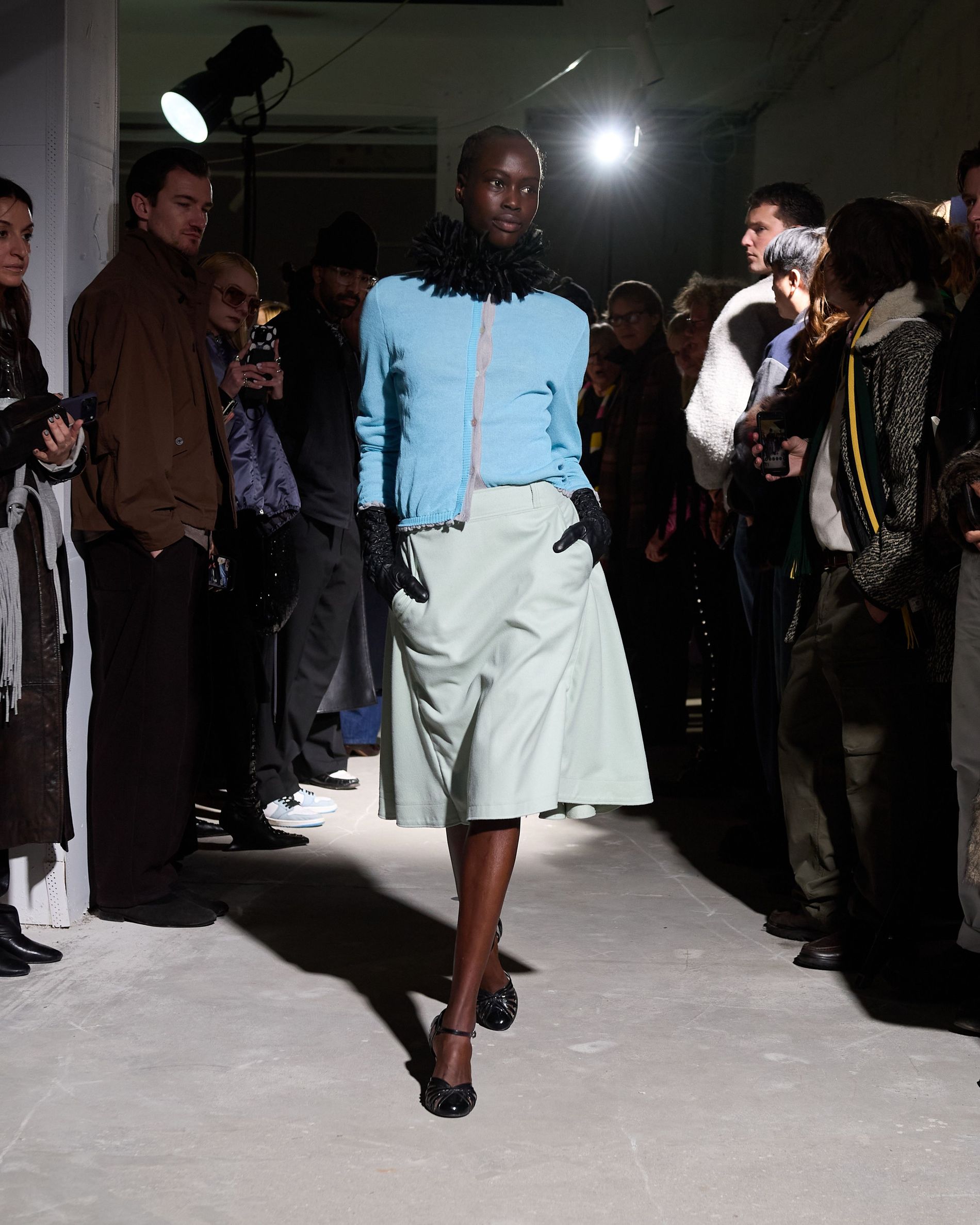
Nicklas Skovgaard. Photo: James Cochrane
Fashion is, as always political, and perhaps a touch of conservatism to be found in the new-gen high collar and the return of the ruff to the runways. "There’s something inherently conservative about them, but that’s where the tension lies," says Bonnier. "They create an upright, almost disciplined posture. There’s something distinctly regal about it. Slightly medieval, almost Germanic in its references." Irregardless of whether or not there is a political statement to be made, collars keep returning as a central motif, loaded with cultural and historical weight.
The collar is, however, potentially at odds with the sudden surge of maximalist necklaces. But, as a dedicated necklace lover, Bonnier insists that the two can coexist – but you have to be decisive. "When the neckline rises, length becomes key. It’s about balance," she says. But, if you love your shorter necklace stacks, fret not: "You can also layer a delicate choker over a fine collar and then add a longer necklace on top. Look at old Flemish portraits and you’ll see strings of pearls draped over these structured collars."
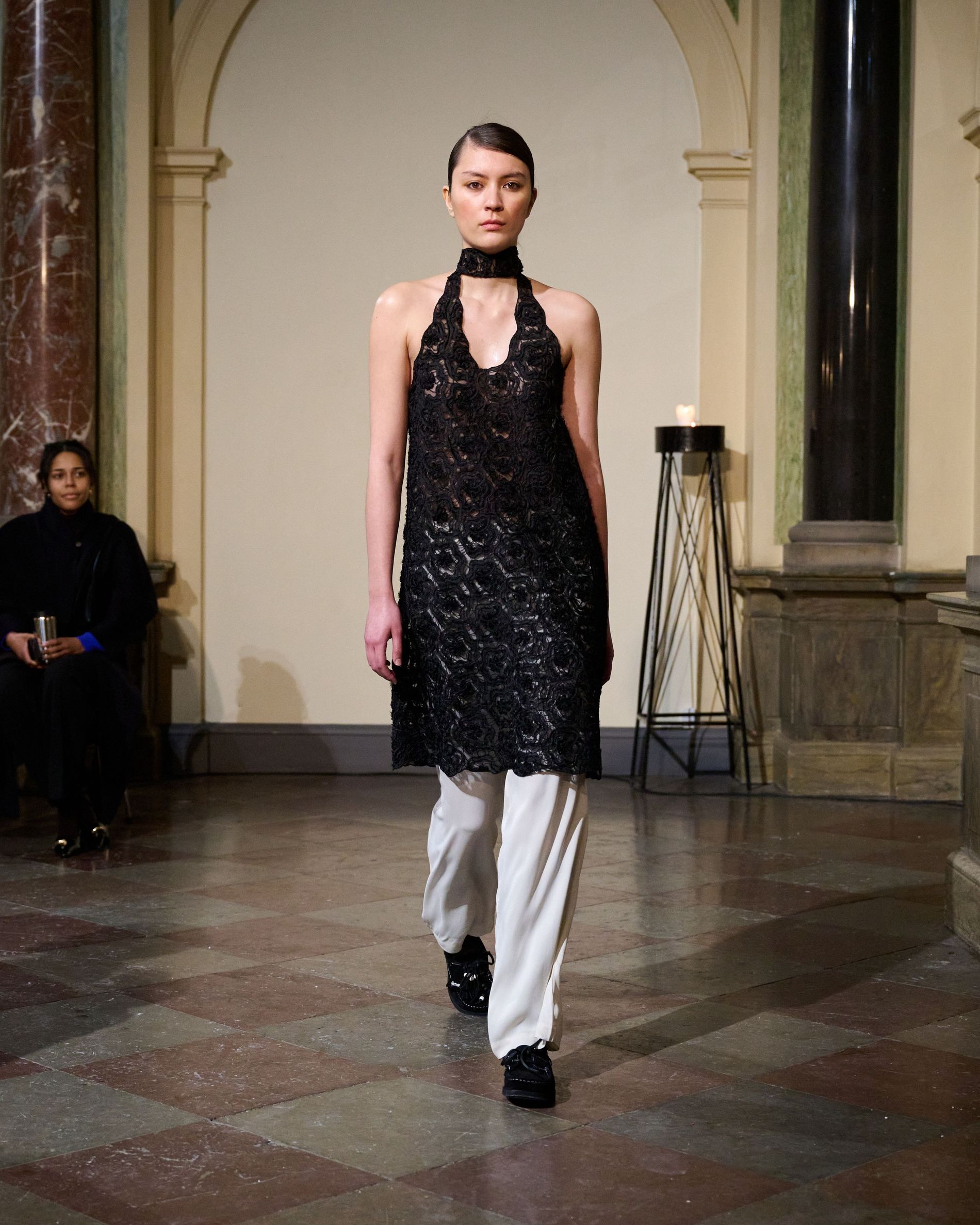
OperáSport. Photo: James Cochrane
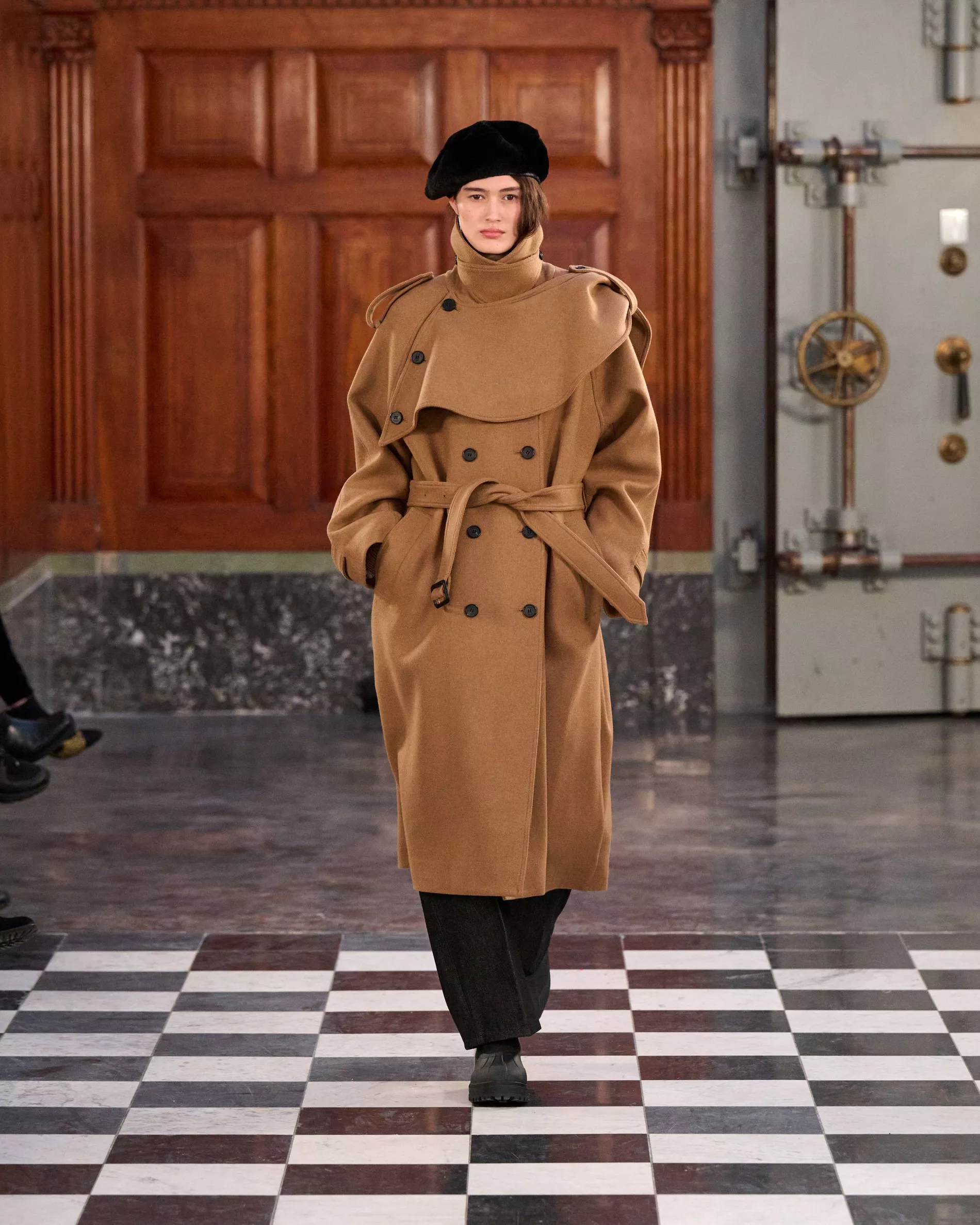
The Garment. Photo: James Cochrane
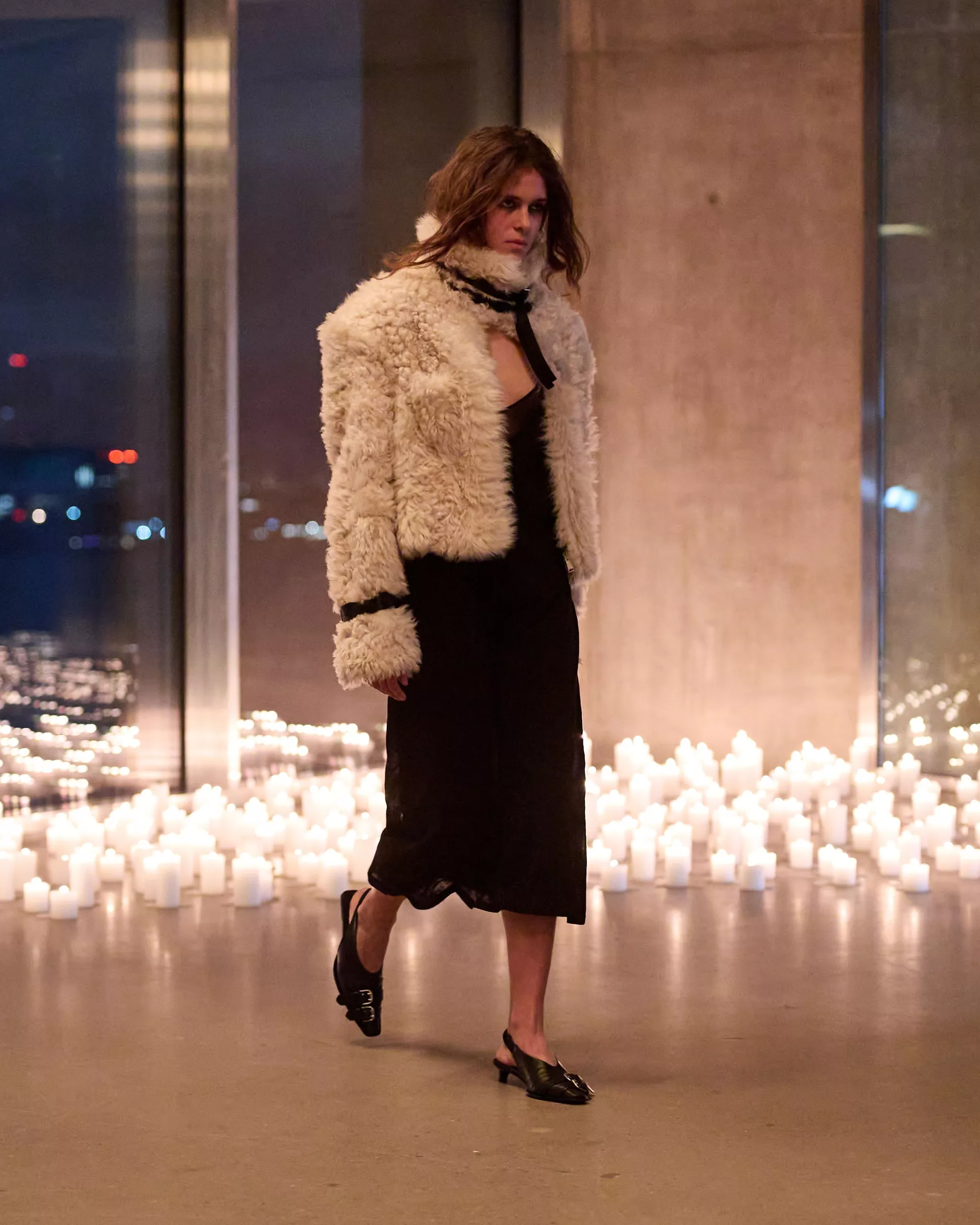
Studio Constance. Photo: James Cochrane
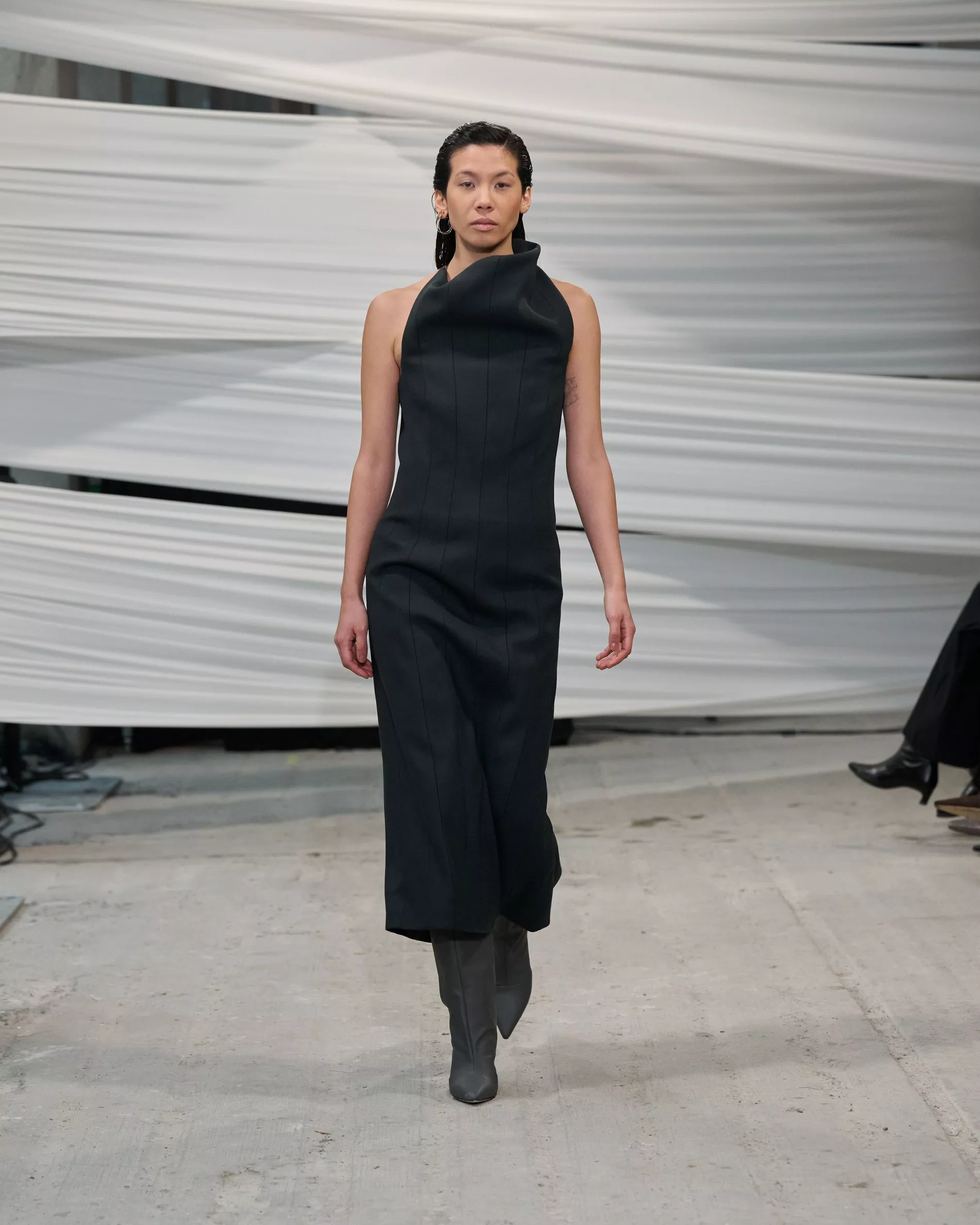
Herskind. Photo: James Cochrane