
The best sunglasses are the ones you forget you're wearing... until someone stops you in the street to ask where they're from. Finding them, however, is trickier than it should be. To help on your eyewear hunt, our edit covers every shape worth knowing: the designer frames that justify the spend, the classic cat-eyes that never really date, and the best aviators for wearing on autopilot. Consider this the cheat-sheet to the pair you'll actually keep
A great pair of sunglasses does more work than most accessories. It finishes an outfit, frames your face, and – if you've chosen well – lasts long enough to become one of those pieces you actually miss when you accidentally leave them beachside on a summer holiday. The problem is that the search for the right pair is exhausting. The options are endless, the quality varies wildly, and it's very easy to spend significant money on something that turns out to be entirely forgettable.
Here is something else nobody tells you about sunglasses: the right pair will get more compliments than almost anything else you own. More than the statement coat, more than the vintage bag, definitely more than the shoes. They sit on your face. People look at your face. It's a straightforward equation that somehow gets lost in the hours most of us spend agonising over every other detail of our ensembles. Sunglasses become an afterthought, grabbed at an airport newsstand or bought in a panic during the first warm weekend of the year.
The problem is that buying sunglasses is, inexplicably, quite hard. The good ones can be expensive. The cheap ones often look it. And there's an enormous amount of middle-ground product that photographs well and then arrives looking completely wonky in a way you can't always put your finger on. This edit is here to cut through that. It's organised by shape and category so you can navigate directly to what you're looking for — whether that's a proper designer investment, a cat-eye you'll wear until the hinges give out, or a pair of oversized frames that makes even an unbearable coffee-run-post-cocktails almost enjoyable.
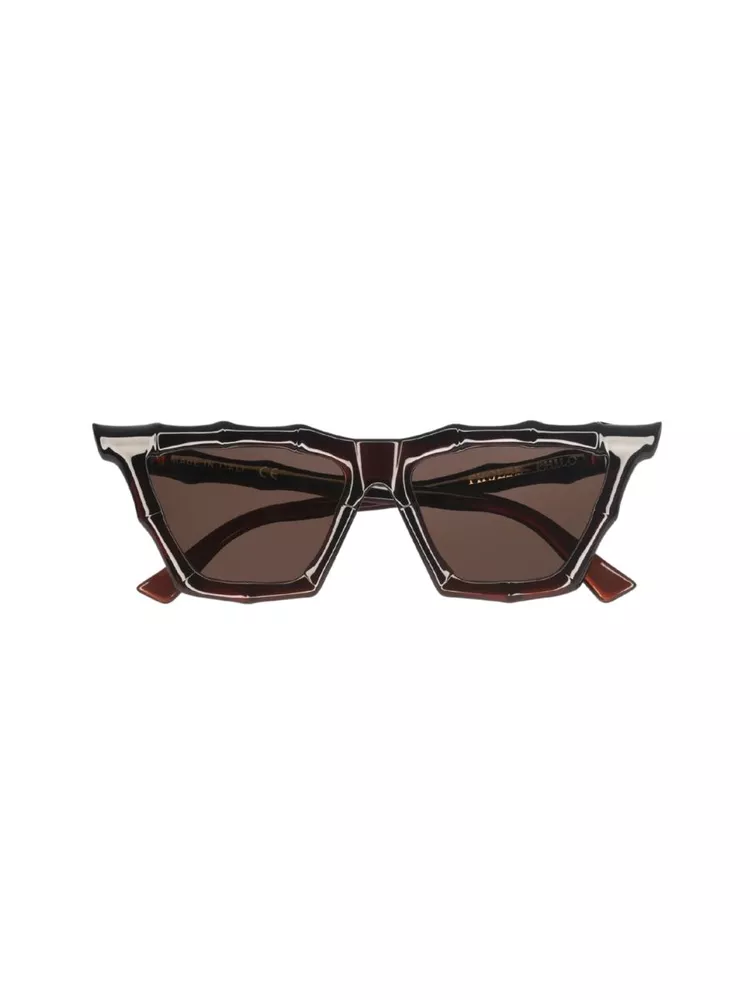
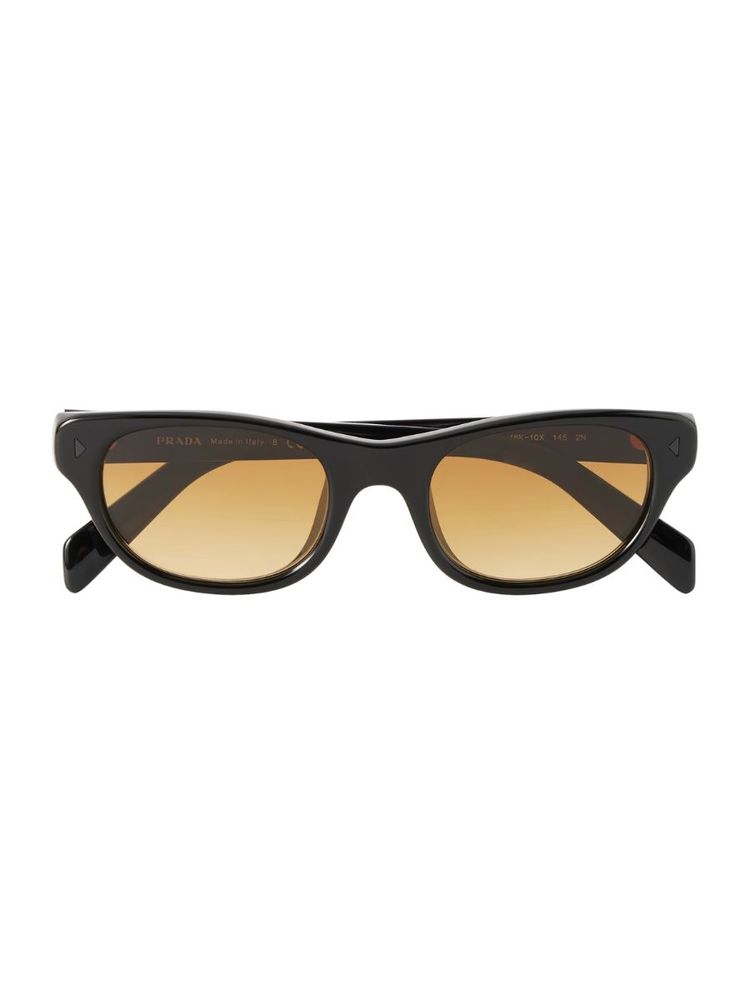
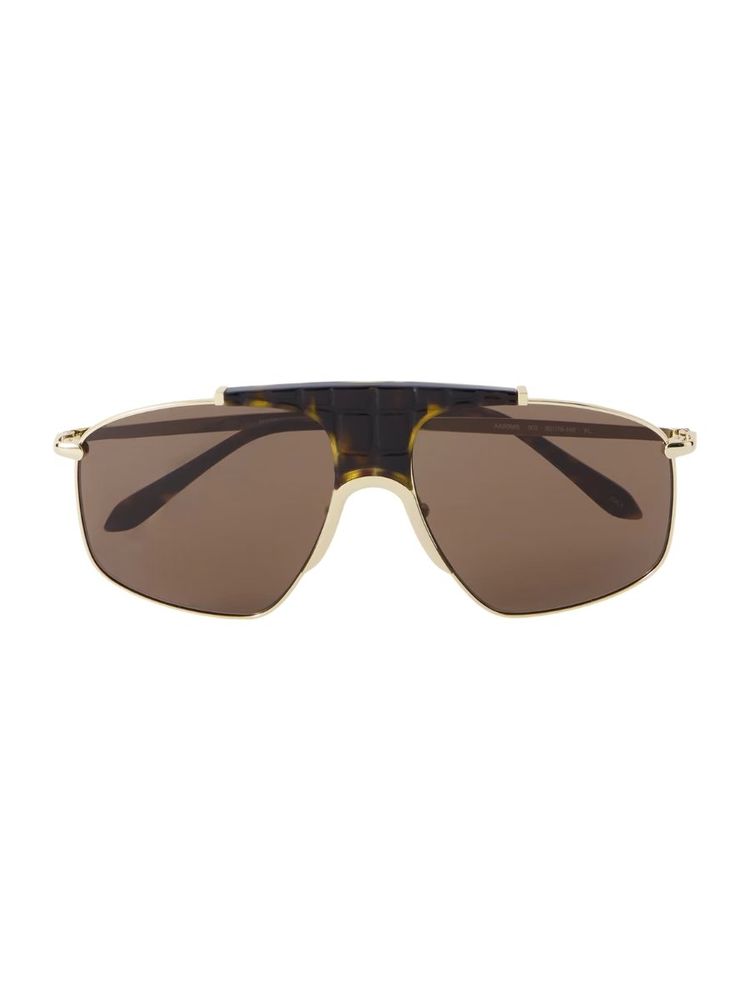
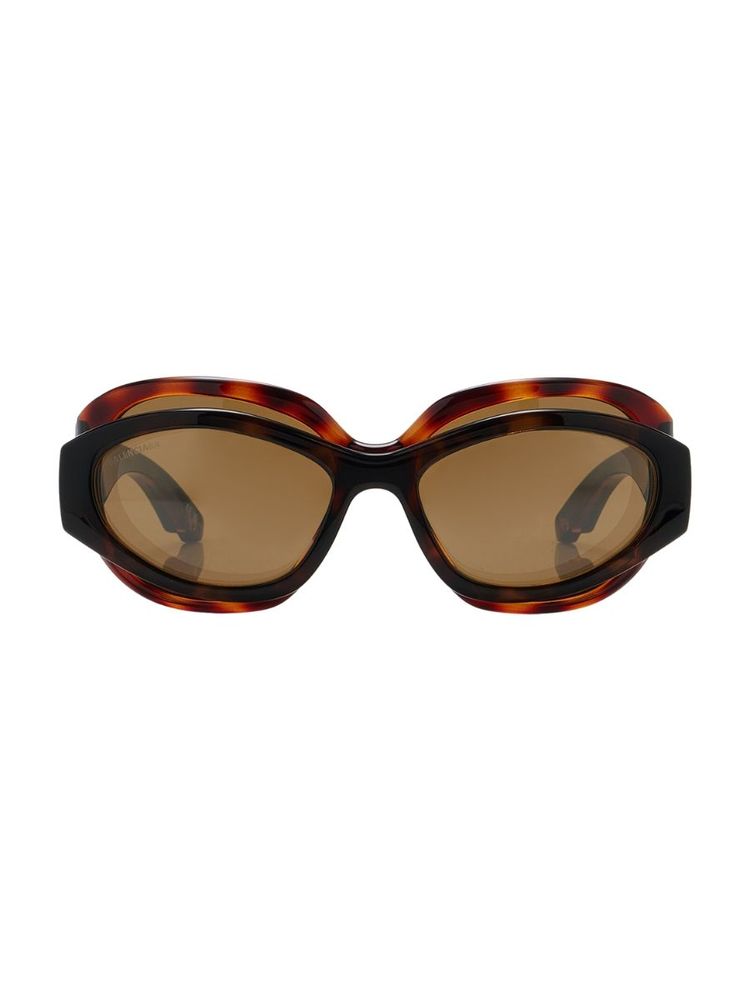
The best designer sunglasses
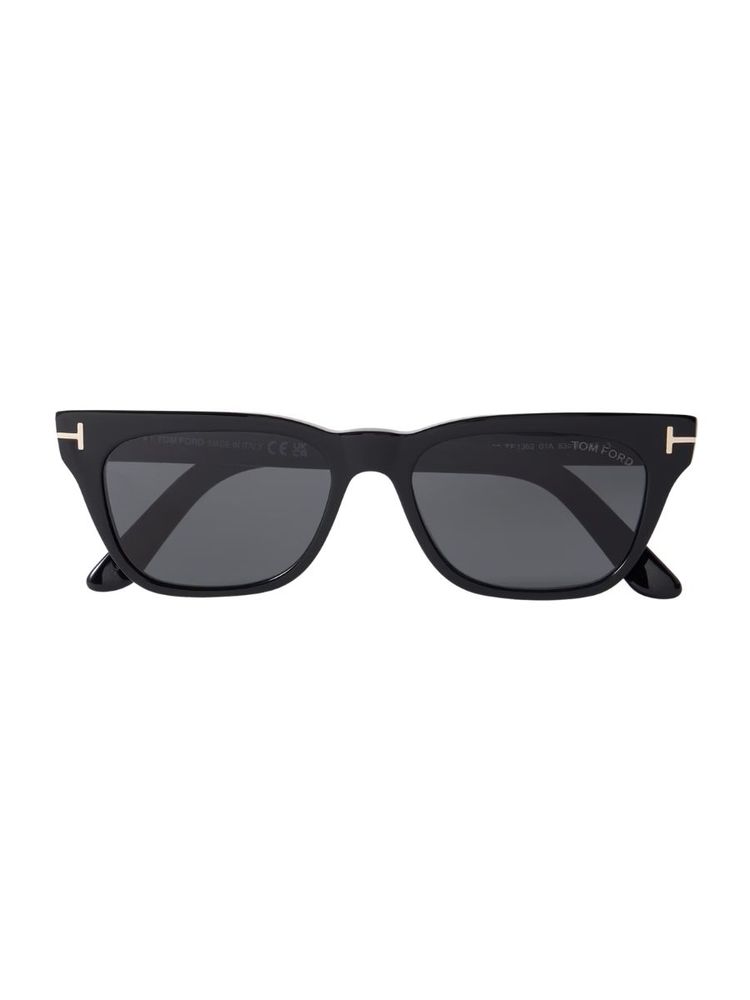
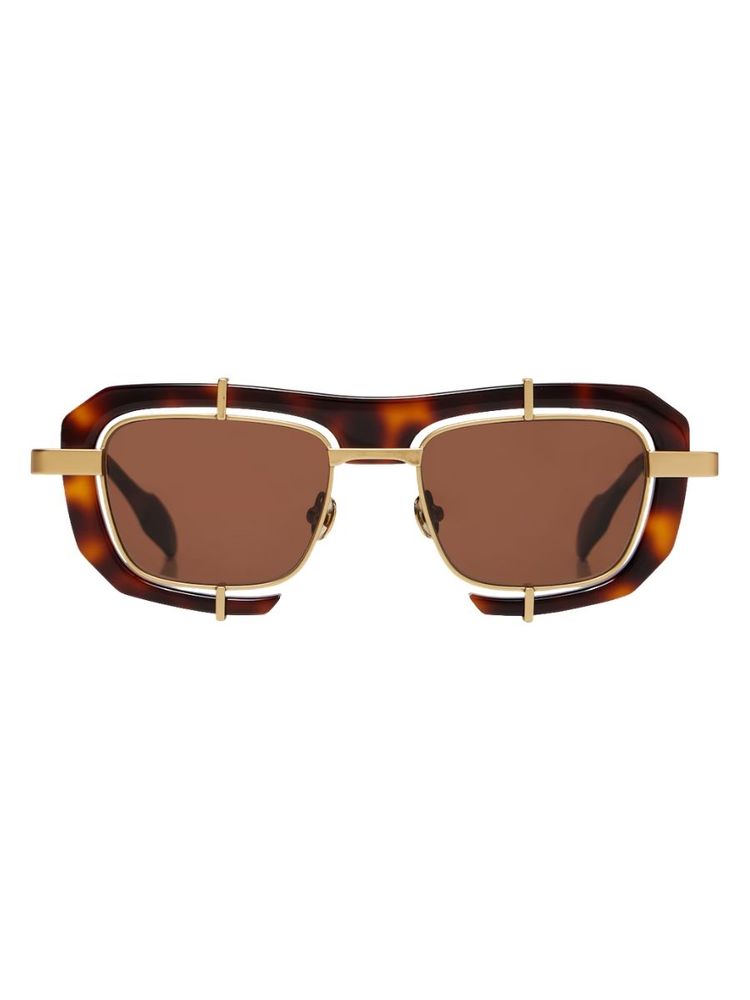
The honest case for spending real money on sunglasses has nothing to do with designer logos. That is the wrong argument, and it tends to produce the wrong purchases. The real case is more practical and, ultimately, more persuasive: a well-engineered pair of designer sunglasses will sit on your face without sliding, feature lenses that won't distort what you're looking at, and be fabricated from the sort of acetate that won't go chalky after two summers with hinges that will still move correctly in four years' time. These are not trivial things. These are things worth paying for.
When you're shopping at this price point, it's worth trying frames on in person where possible, or buying from a retailer with a clear returns policy. Fit varies enormously even within the same brand's range, and what looks strong in an image can land differently on your actual face. Pay attention to how the bridge sits (it should rest comfortably without pinching or sliding) and to whether the temples feel parallel to your head or angle outward. Small details, but they matter for daily wear over several years.
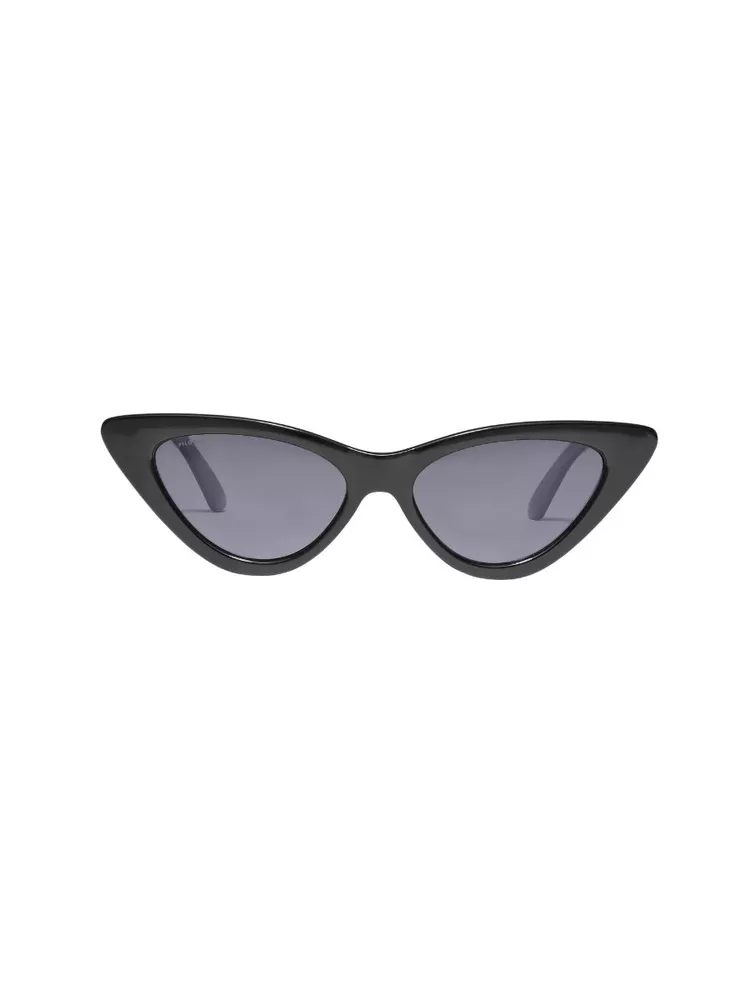
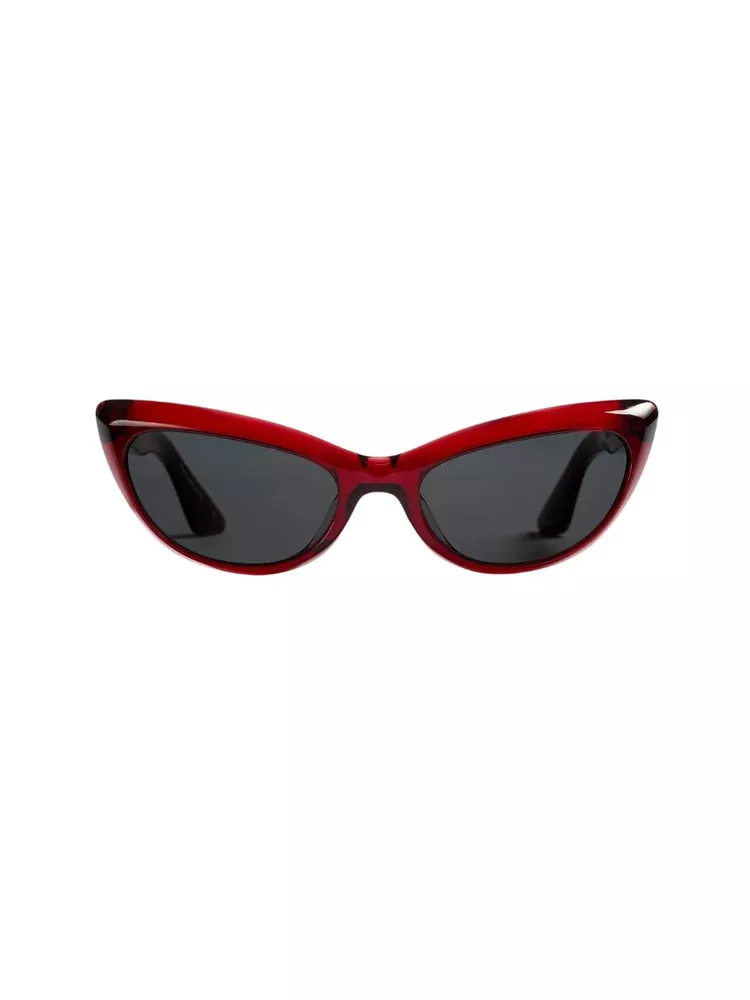
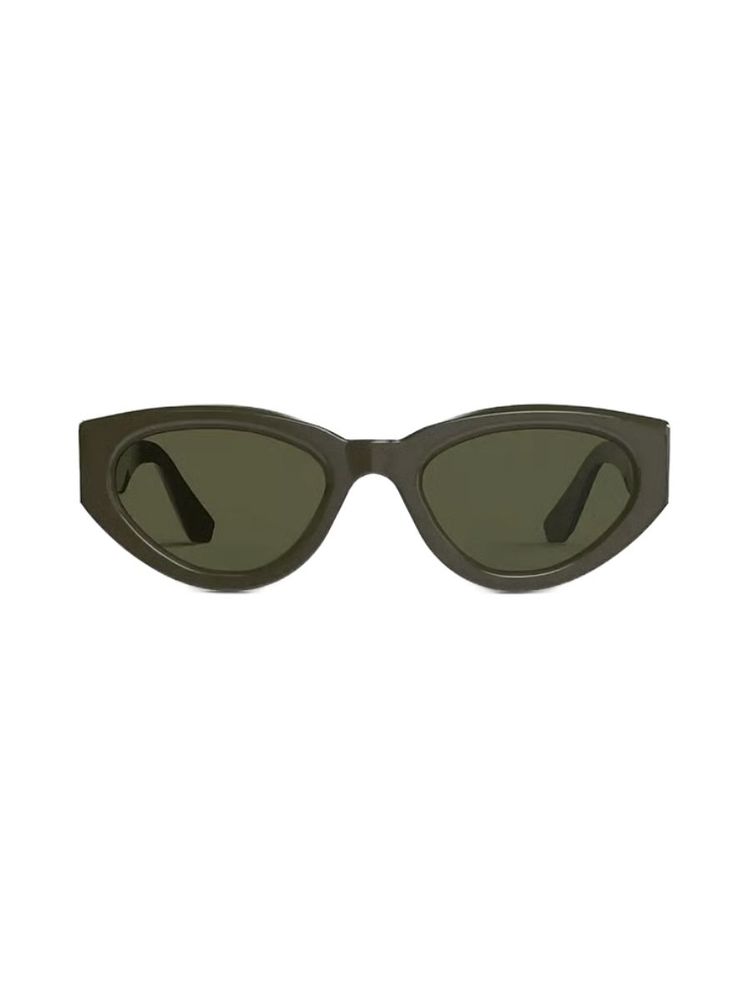
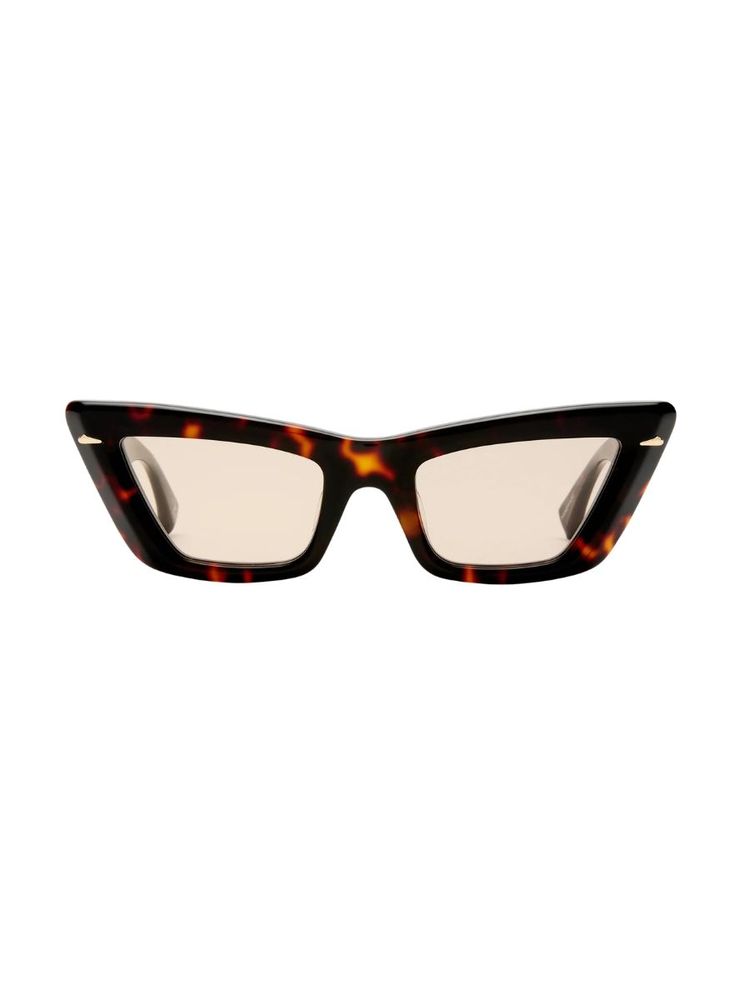
The best cat-eye sunglasses
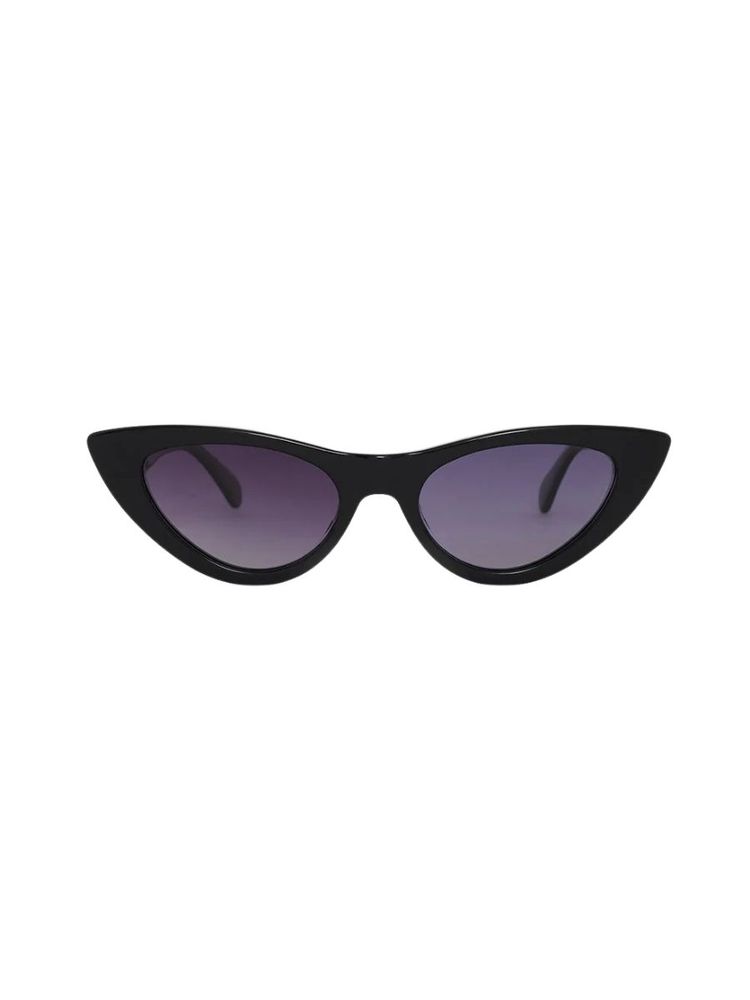
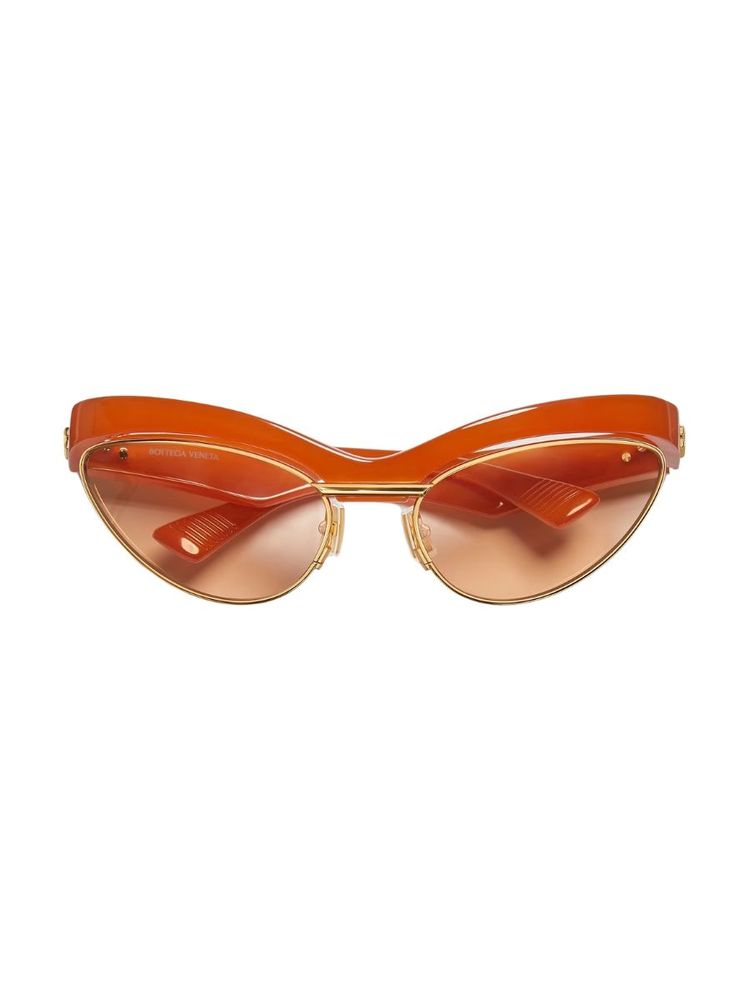
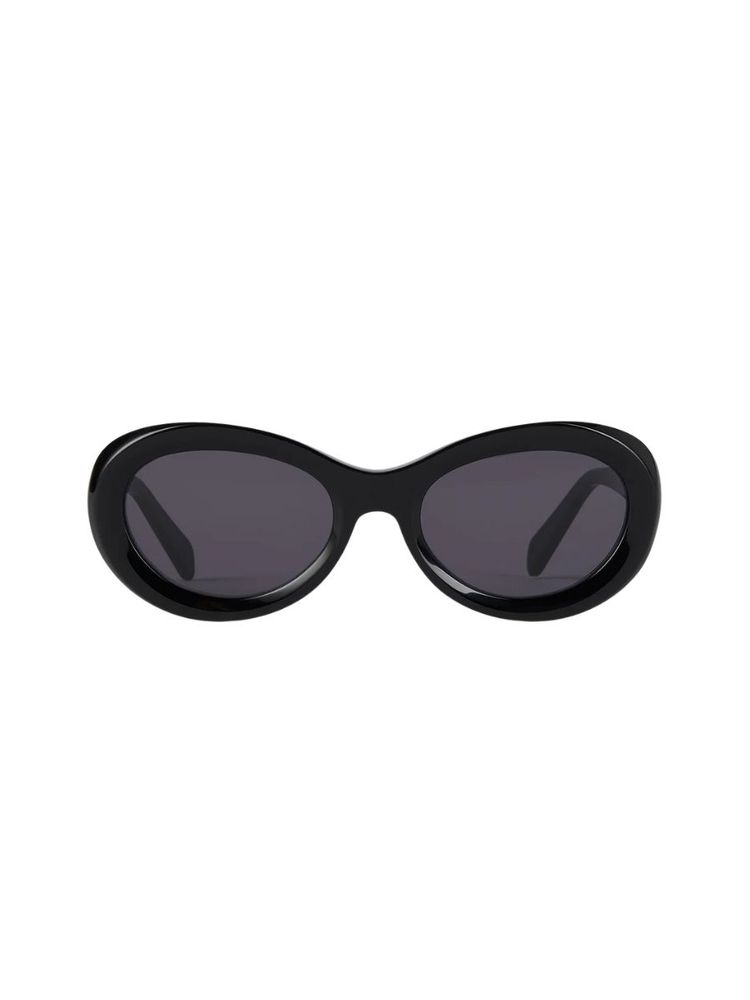
A cat-eye frame is one of the few shapes in the eyewear category that carries a genuine point of view. People who wear cat-eyes well tend to wear them consistently and with conviction. People who feel uncertain in them tend to look uncertain in them. It's a shape that asks something of you as the wearer, which is one of the many reasons this frame has become so cinematically iconic – hello Audrey Hepburn!
The cat-eye covers a wider range of silhouettes than the name implies. At one end: the sharp, angular, almost architectural frame where the upswept corner is a decisive design statement and pairs well with clean tailoring or severe minimalism. At the other: the softer, rounder retro shape where the flick is gentler, the overall frame lighter, and the effect more nostalgic and easier for everyday wear. The only cat-eye you should actively avoid? A cat-eye that hasn't committed.
The best oversized sunglasses
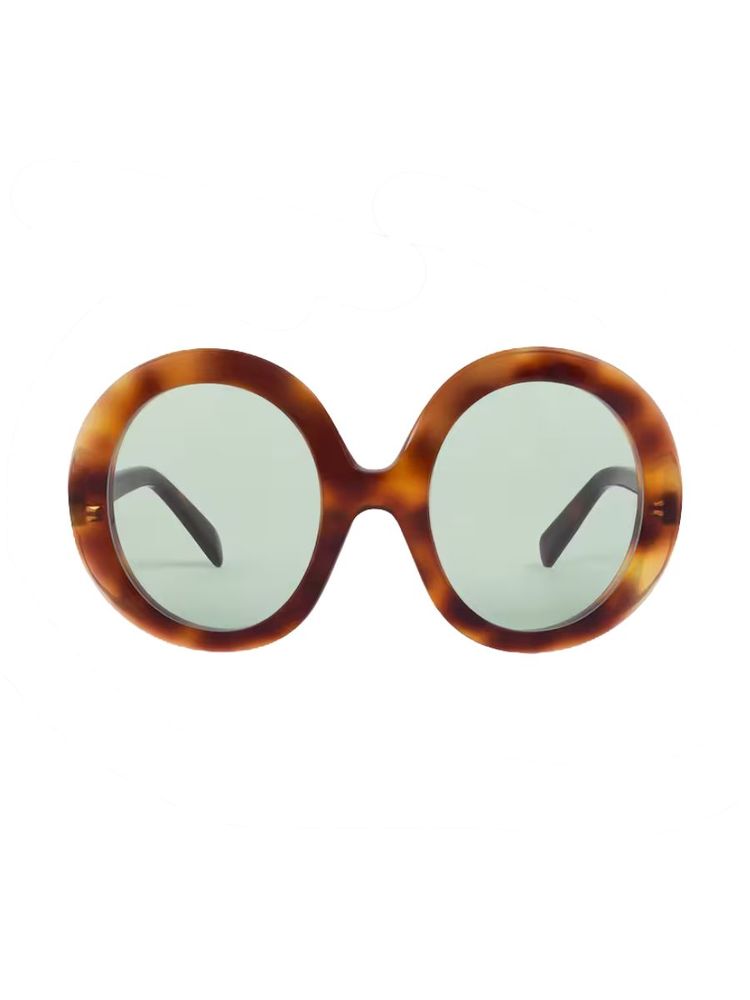
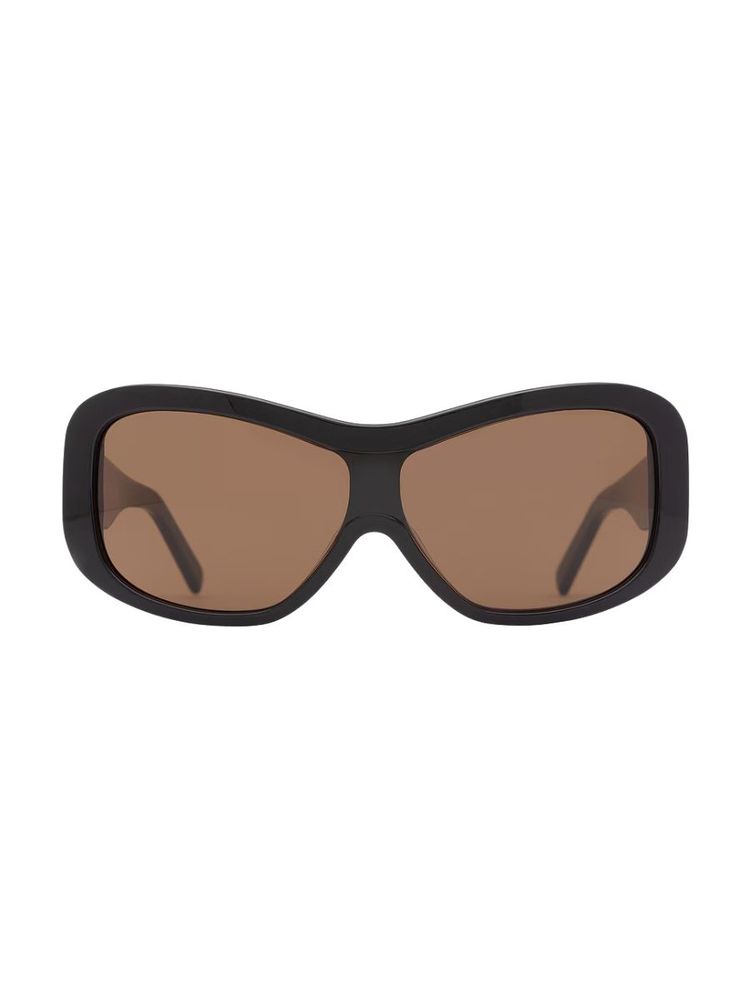
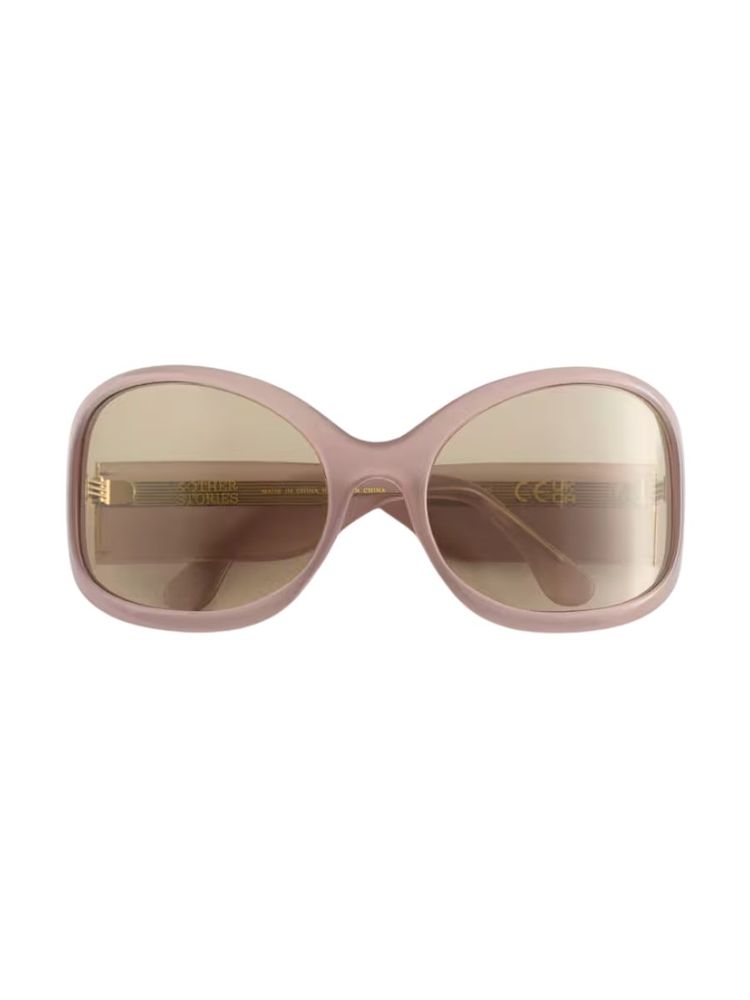
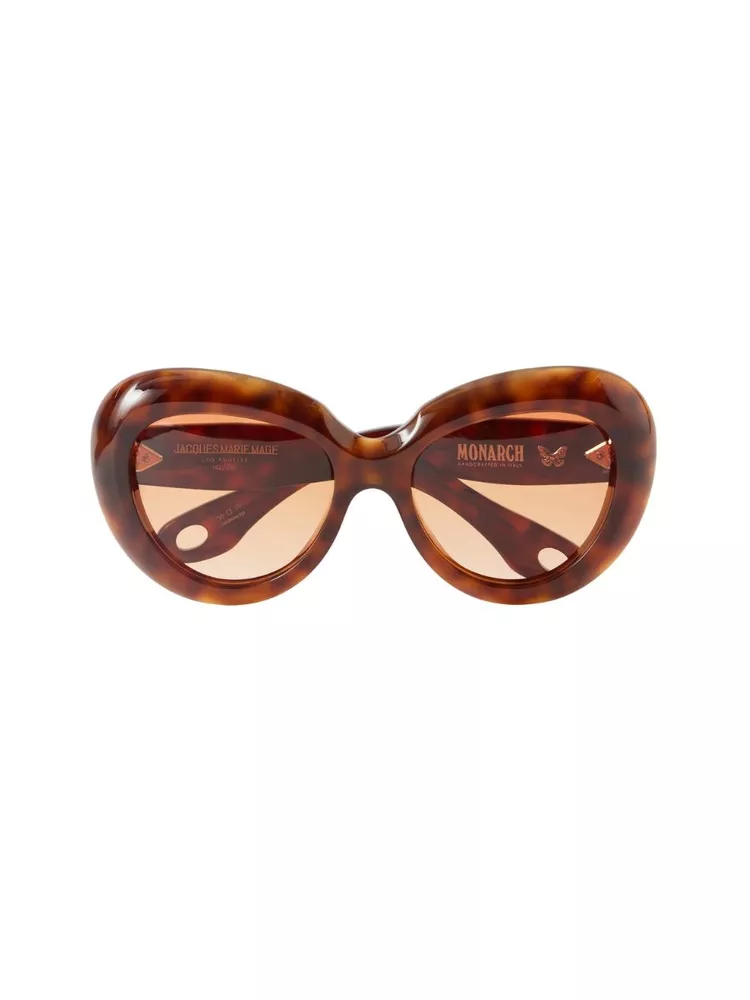
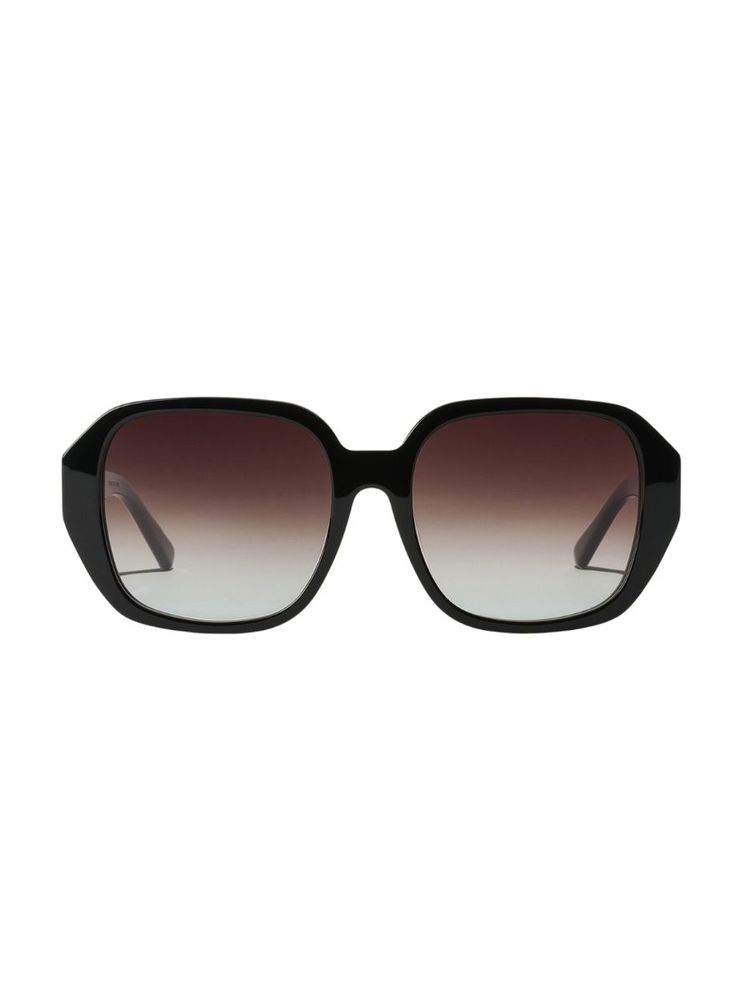
Oversized sunglasses have a somewhat irrational power to elevate any outfit. They create the impression of effort without any actual effort. They offer genuine sun protection in a way that more modest frames (the kind that leave a strip of unprotected cheekbone to burn) simply don't. And they carry with them a long, well-documented cinematic history that has made them shorthand for a certain kind of glamour: the kind that involves large cars, head scarves, and a technicolour filter on reality.
The question when it comes to oversized frames is always one of finding the right proportion. Frames that are too large for your bone structure look borrowed and bug-eyed (which we welcome, if it is a deliberate take on the recent trend and not an accident). Too small, and there's an unavoidable awkwardness to the way you come across. Like Goldilocks, you want to find the one that's just right.
The best aviator sunglasses
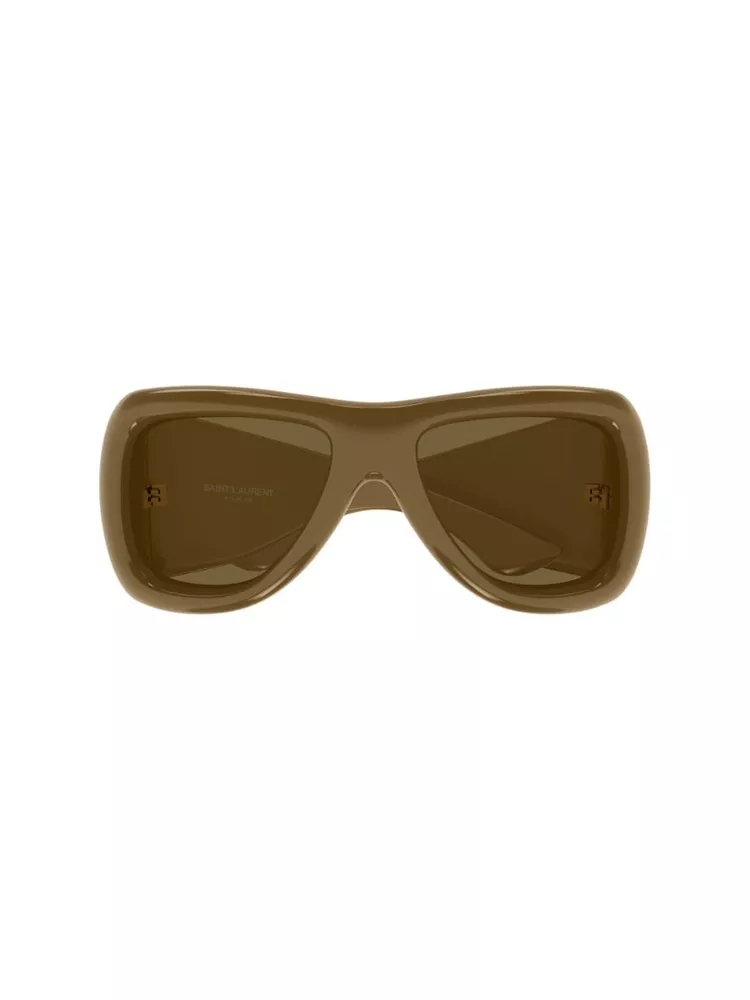
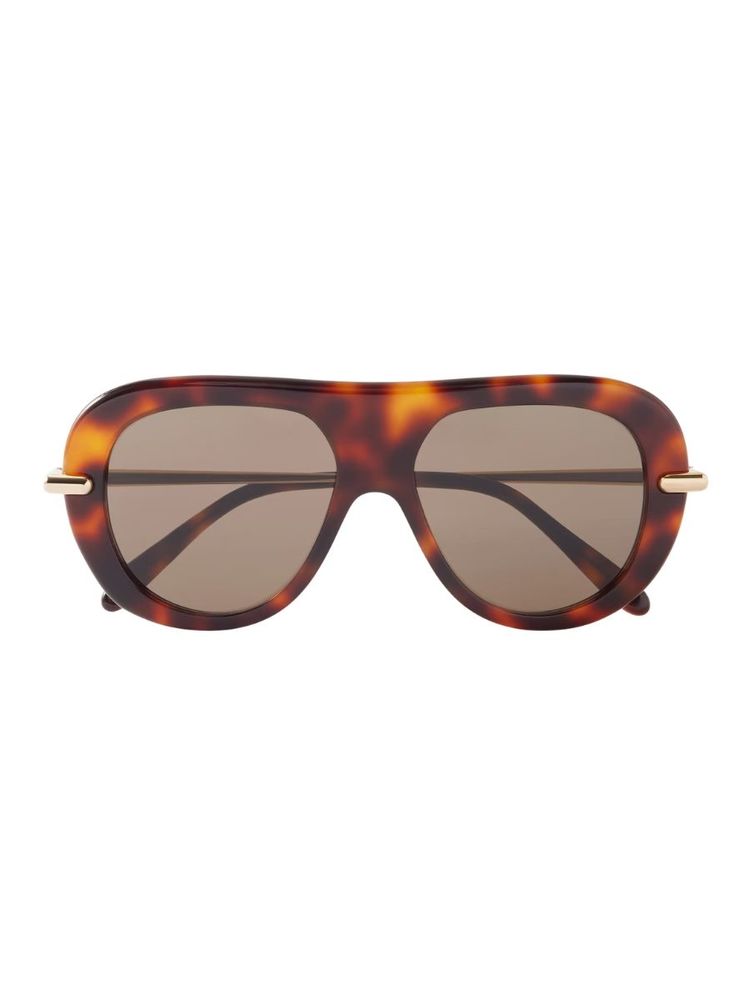
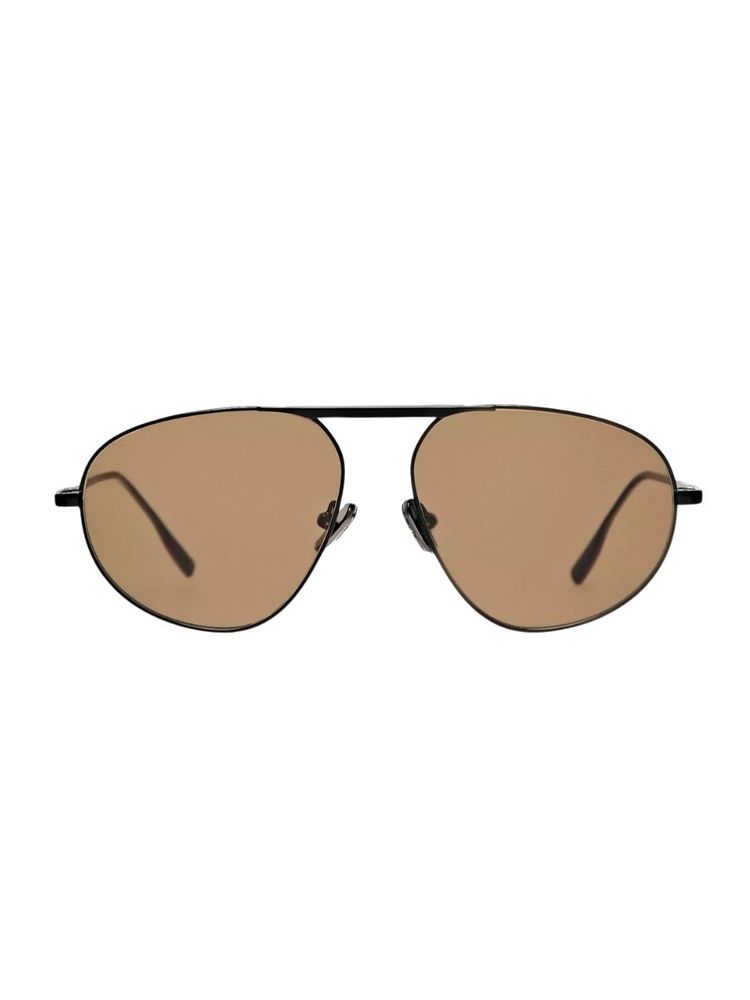
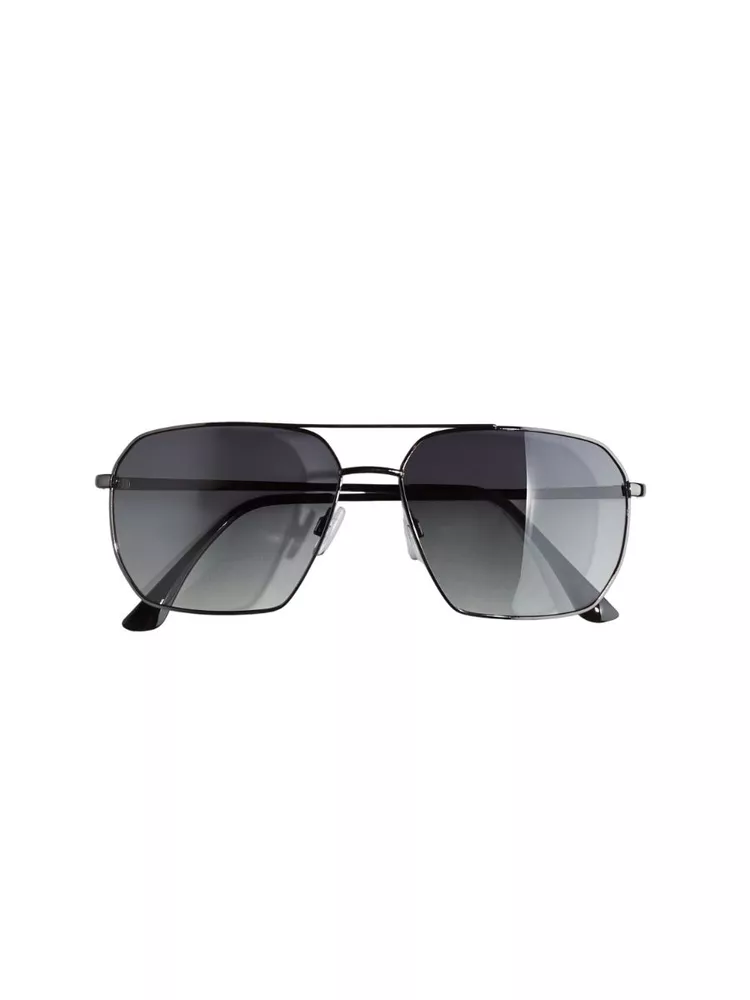
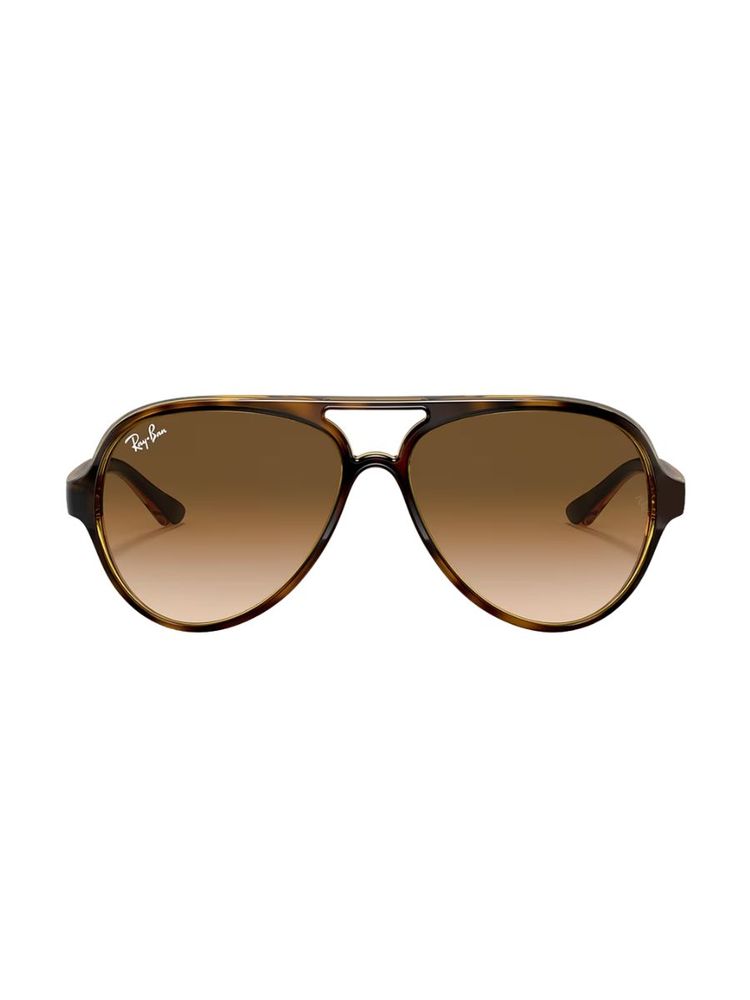
Aviators were designed in 1936 by Bausch & Lomb for US Army Air Corps pilots who needed maximum eye coverage, minimal peripheral obstruction, and enough structural integrity to function at high altitudes. They were not designed to be stylish. They just became stylish anyway when they were adopted by musicians in the sixties, film directors in the seventies, and fashion editors immediately after that. And they have never really gone away.
The shape itself is inherently well-balanced. The teardrop lens provides good coverage while the metal bridge and the slim temple arms doesn't dominate your face shape. As such, the aviators work across most face geometries without much adjustment. Are they the most exciting eyewear option on the market? No, but if you're looking for a workhorse that will wear well across a myriad of occassions and outfits they might be just the pair for you.
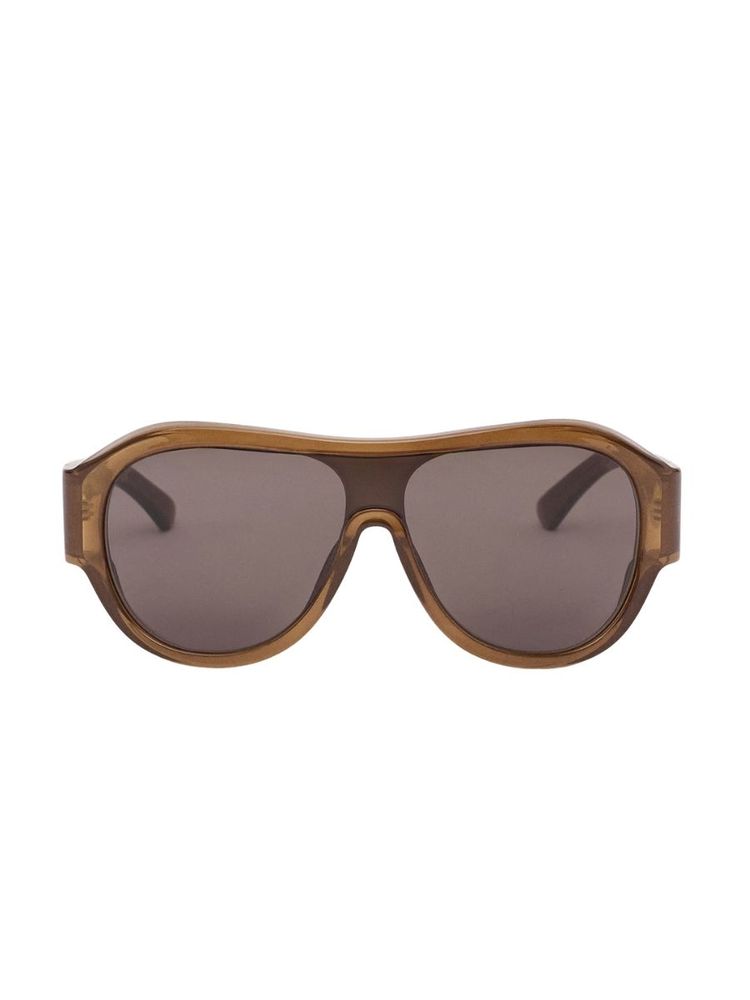
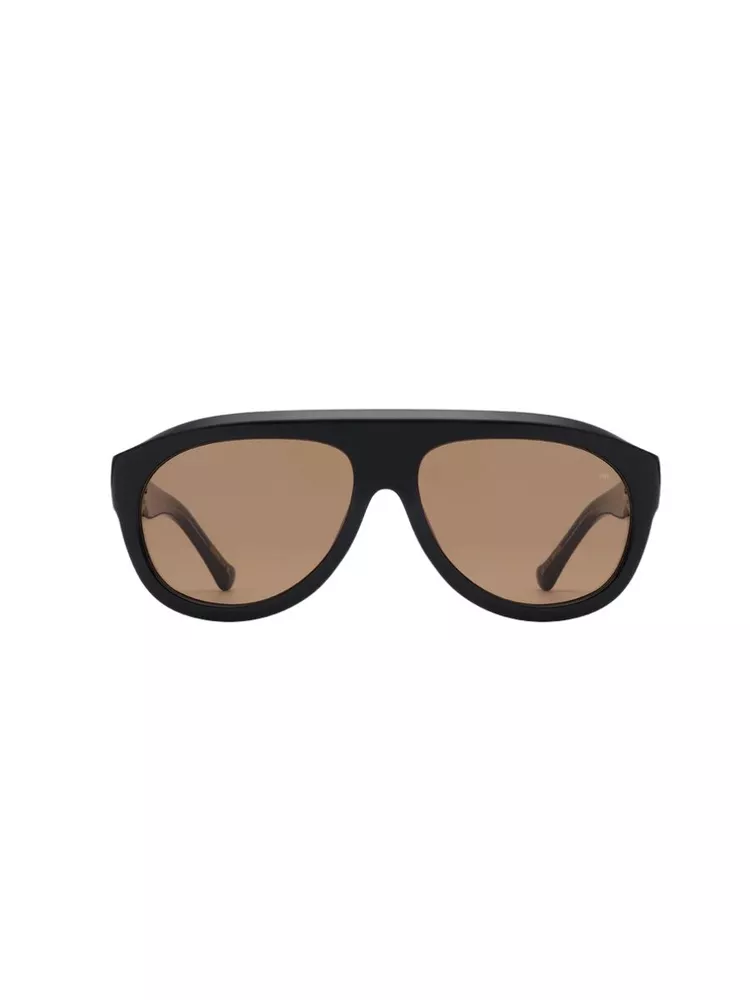
The best oval sunglasses
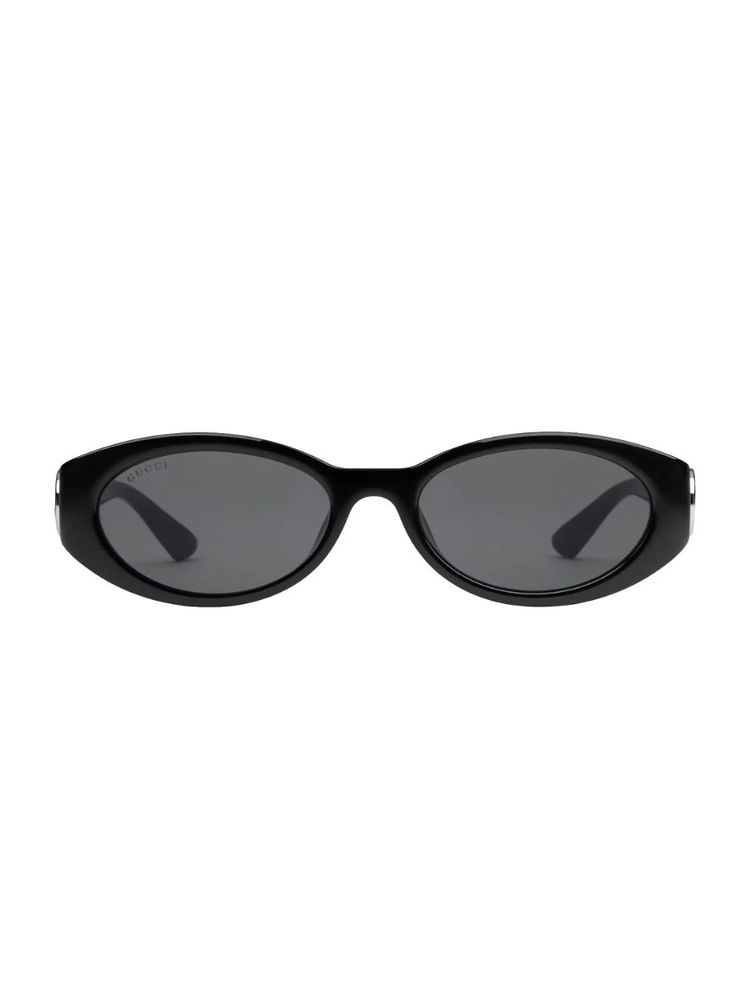
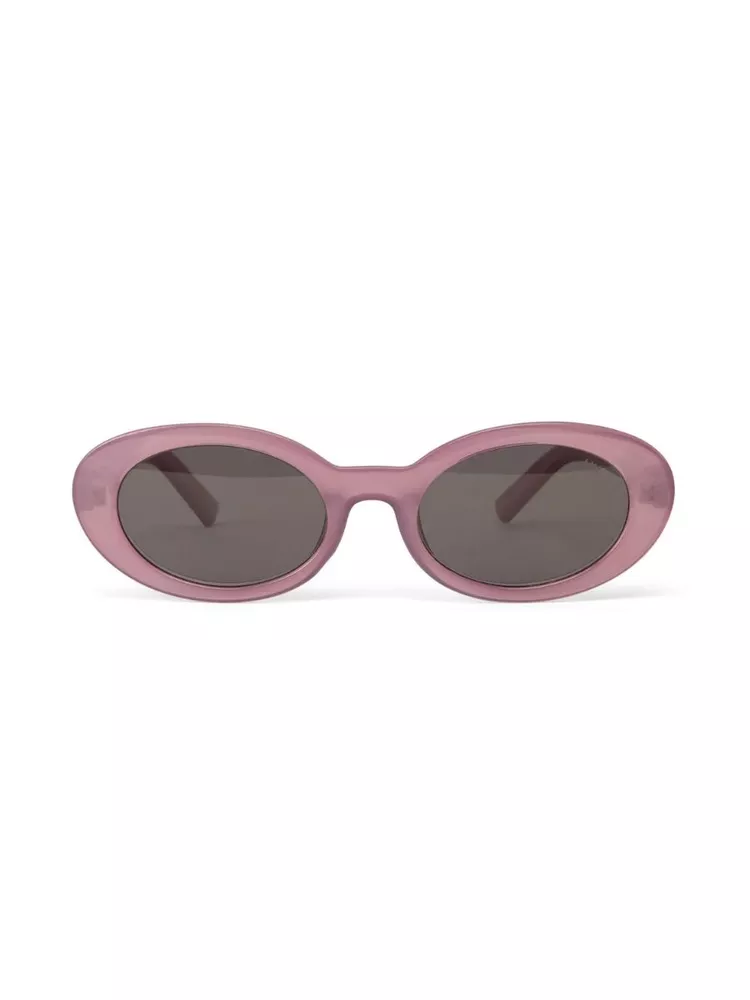
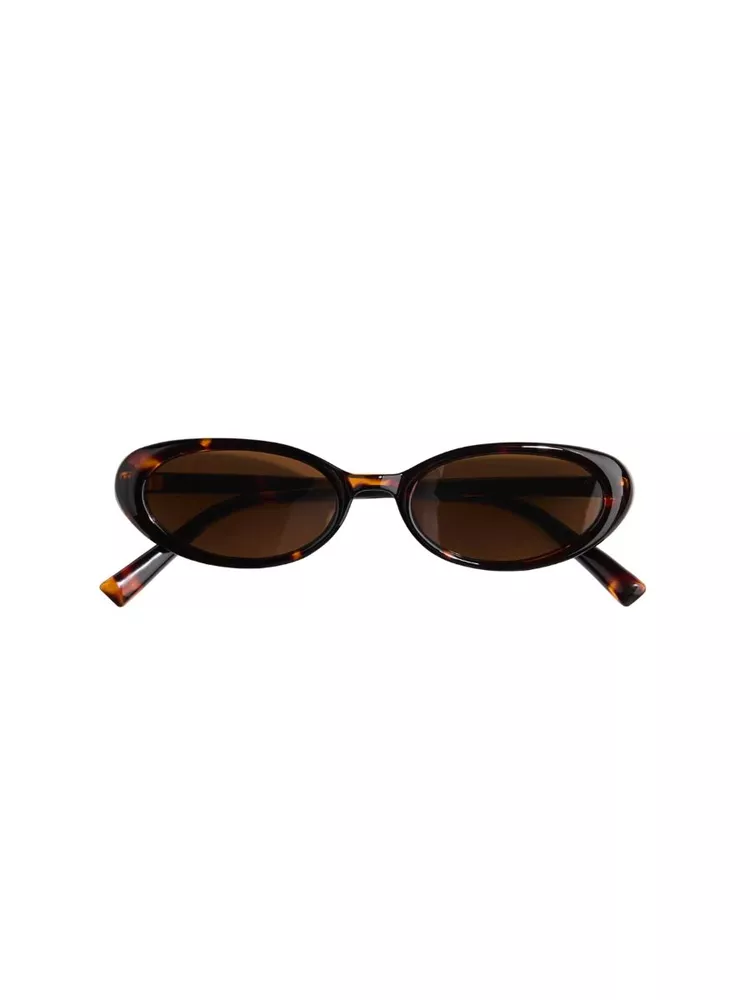
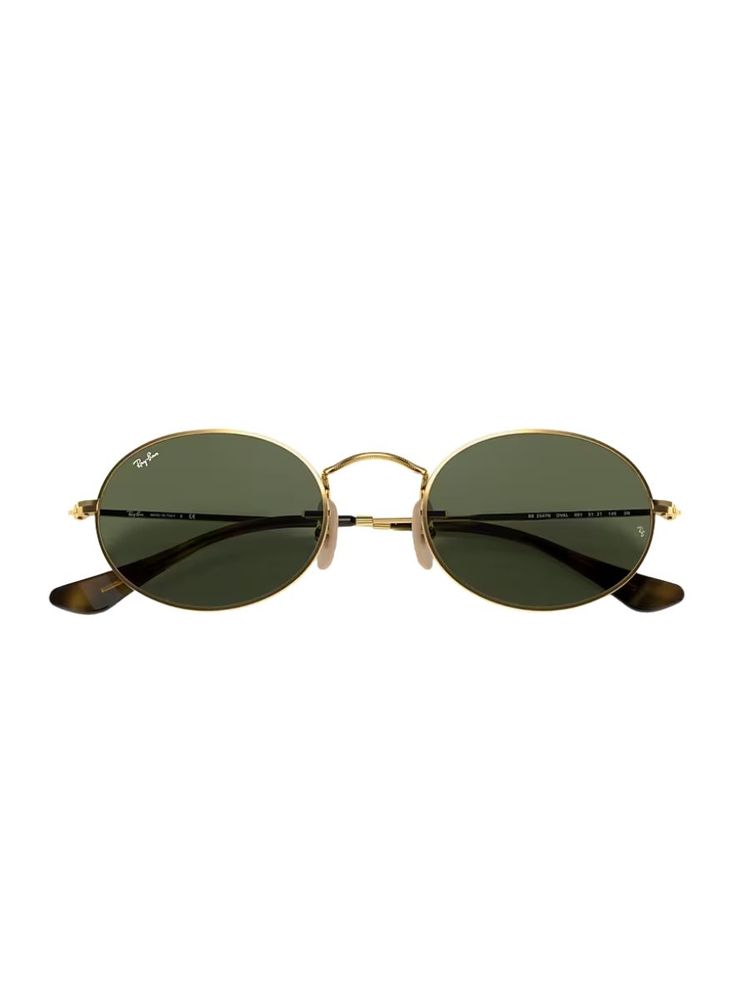
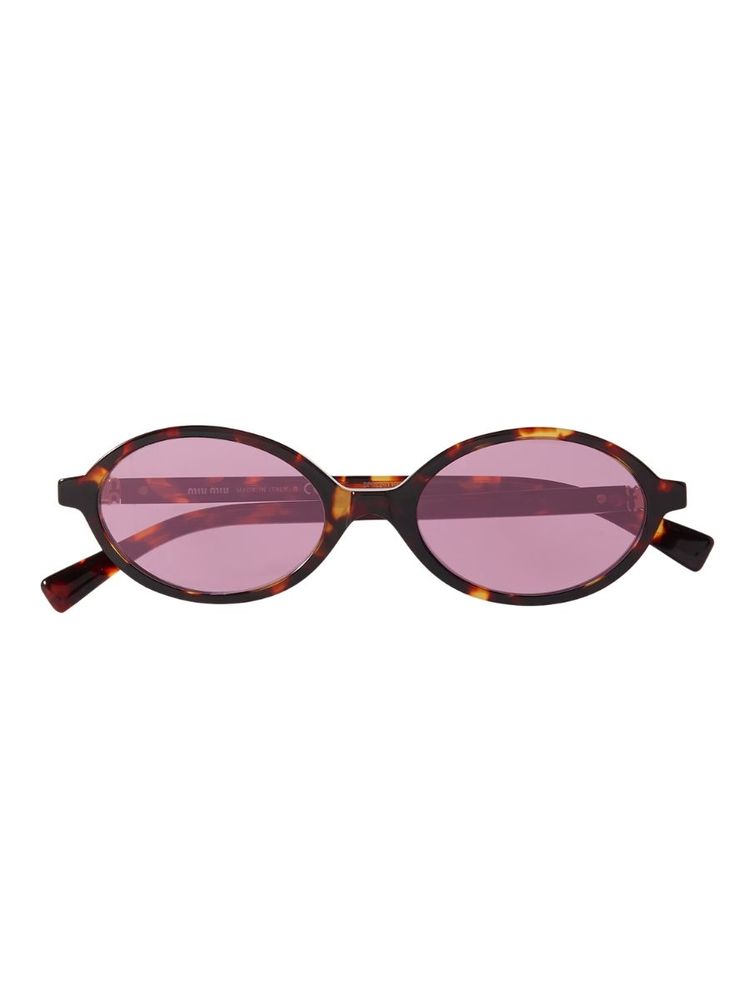
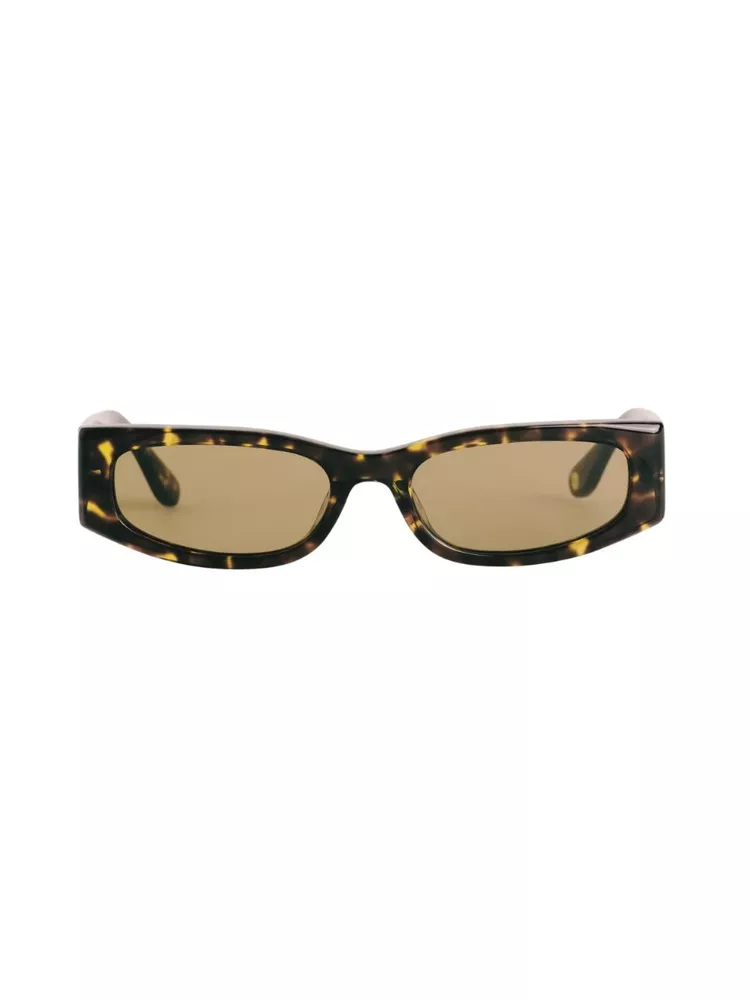
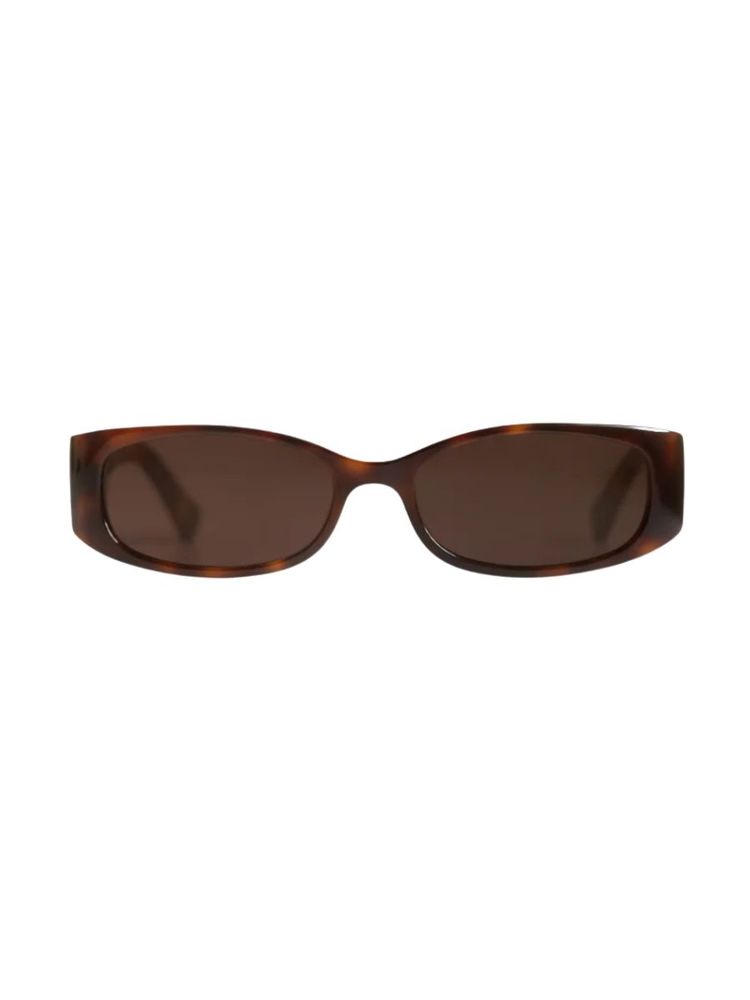
Still caught up with CBK fever and '90s nostalgia? Then oval frames might scratch that sartorial itch. The slim, stretched out silhouette makes this shape remarkably flattering. The soft curve works with most faces, widening faces that are narrow and softening faces that are angular. This is rarer than it sounds. Most strong shapes in eyewear require some degree of face-shape compatibility. Ovals are unusually forgiving.
Due to them having a moment right now they're also well-represented across both luxury and wallet-friendly price points, which means the choice of genuinely good options is broader than it's been for a while. If you've been considering a pair, the current market for oval frames is better than it's been in decades.
The best rectangular sunglasses
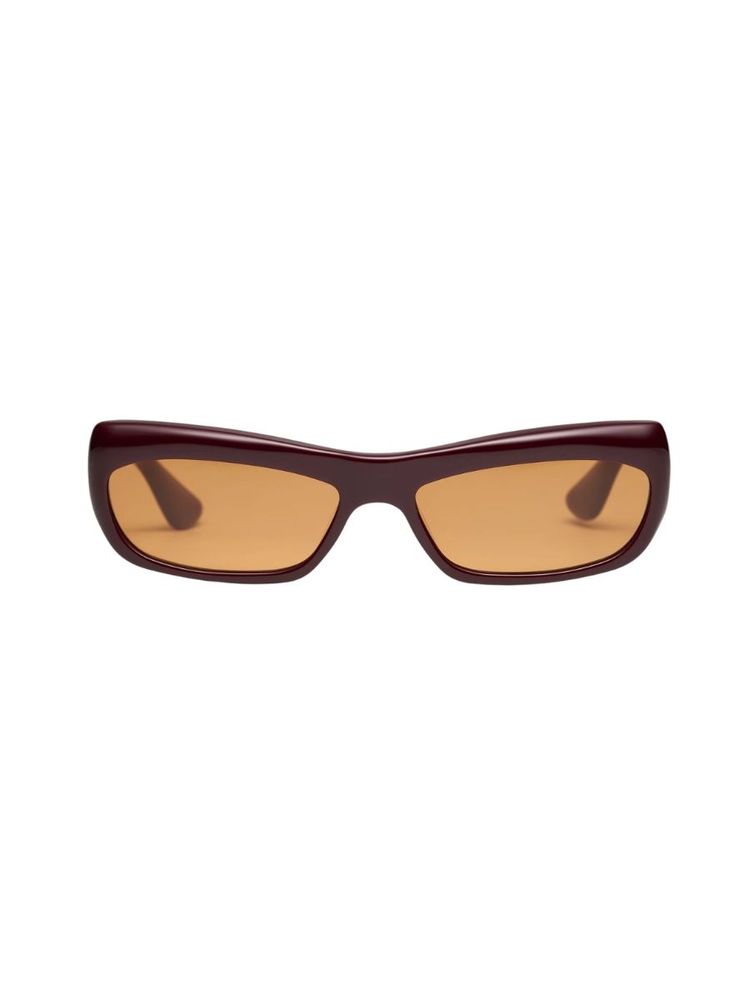
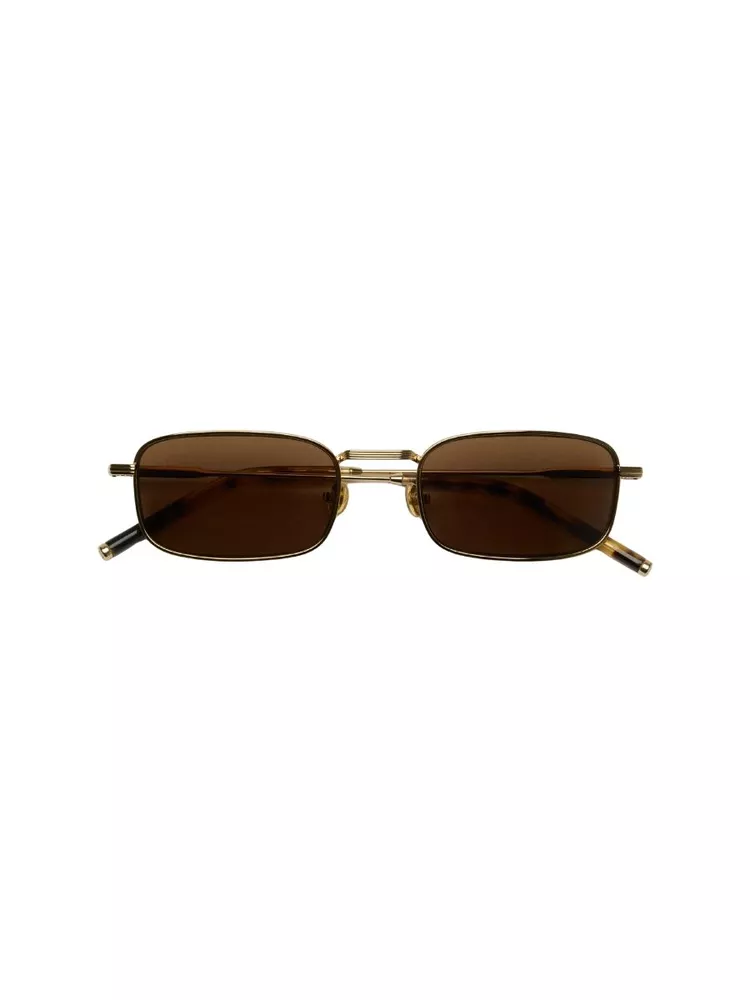
Rectangular frames have a particular appeal to people whose wardrobes rely on cut and proportion, where the accessories are there to sharpen the picture rather than add to it. The shape is clean, direct, and slightly uncompromising. Rectangular frames work with the same sort of logic as a really crisp white shirt or a well-cut trouser: the value is entirely in the precision rather than any frilly decorations.
The thing to consider before buying is lens depth, because this is where rectangular frames can fall apart entirely. Very shallow lenses, like those narrow strips that barely covers the eye area, can be demanding on most faces and provide limited practical sun protection. These skinny sunnies are more of a seasonal bet, with a surprisingly short shelf life compared to their slightly broader cousins.
The best black sunglasses
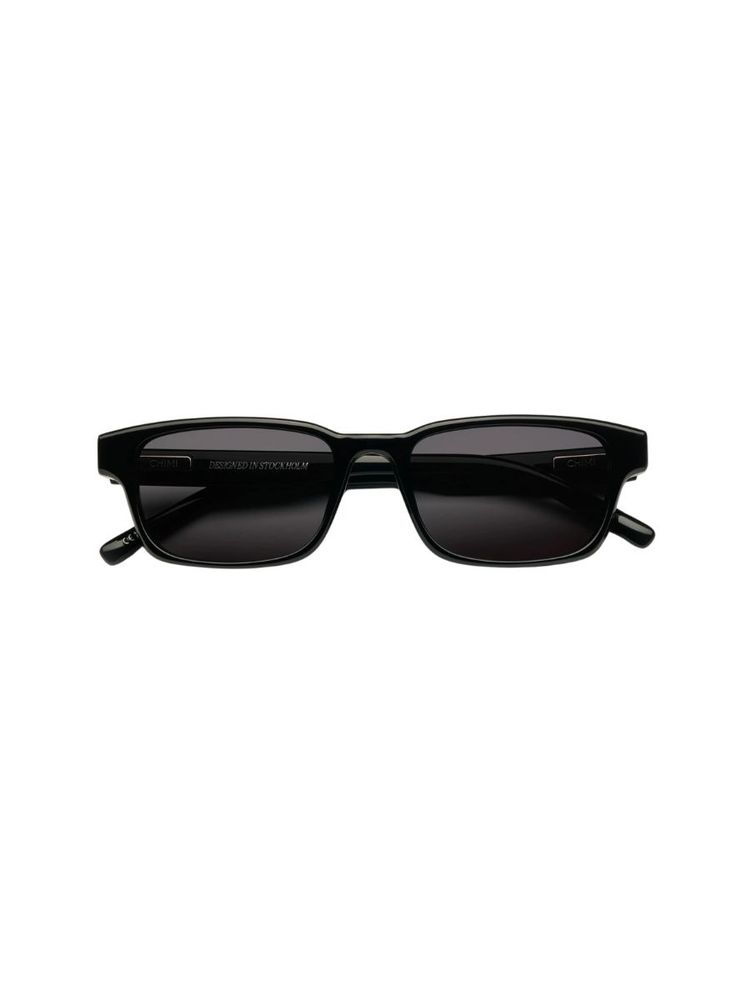
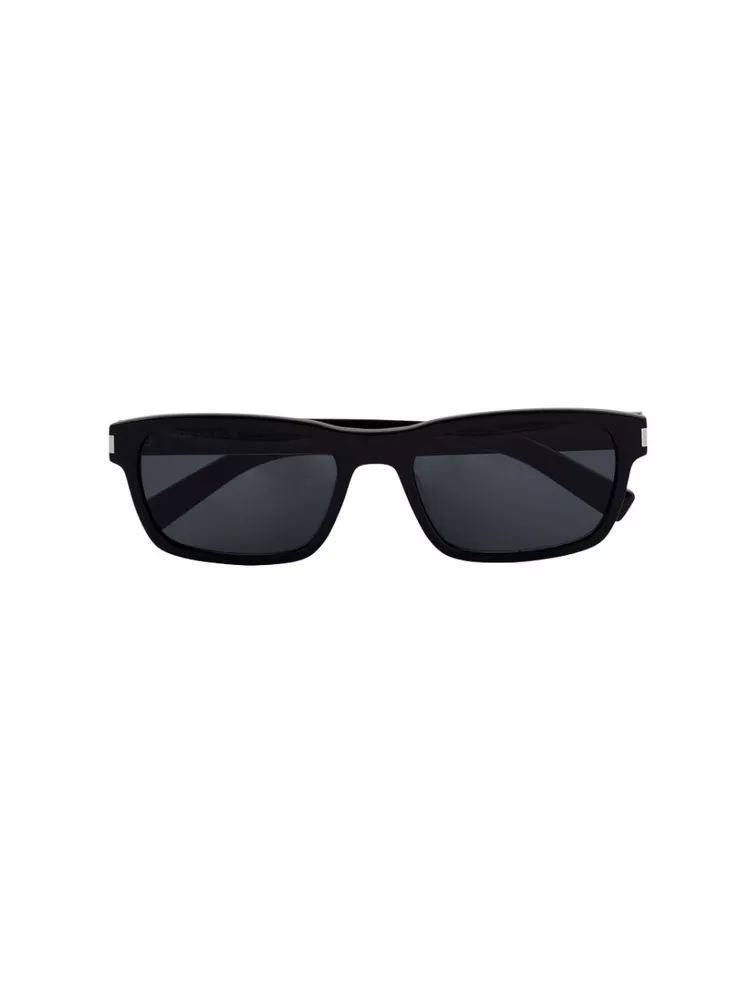
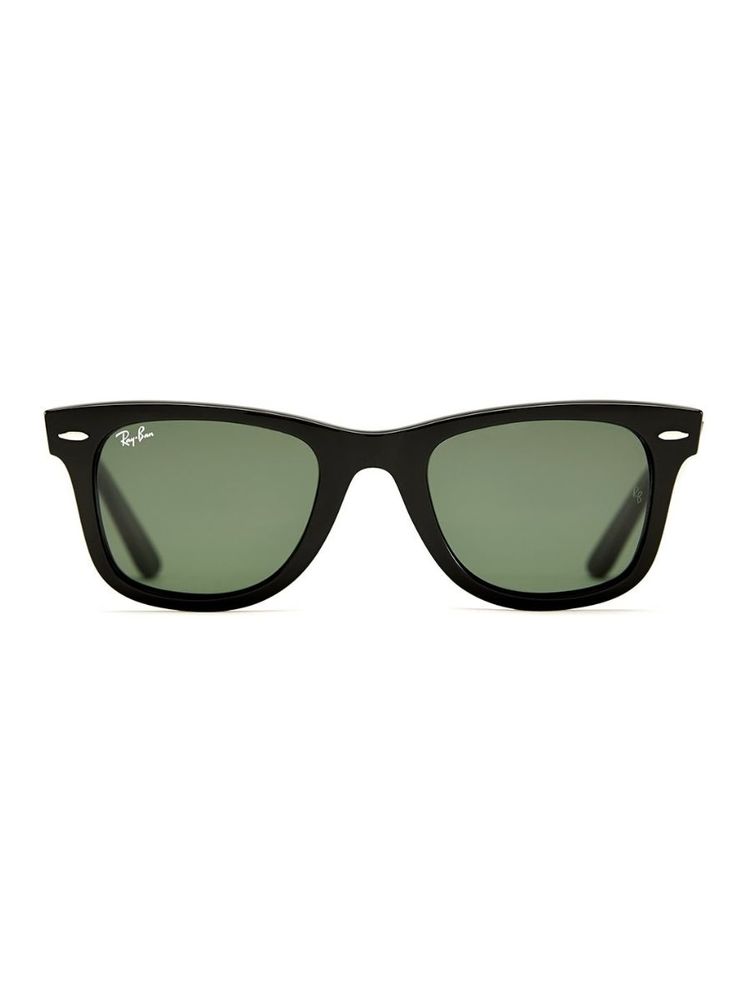
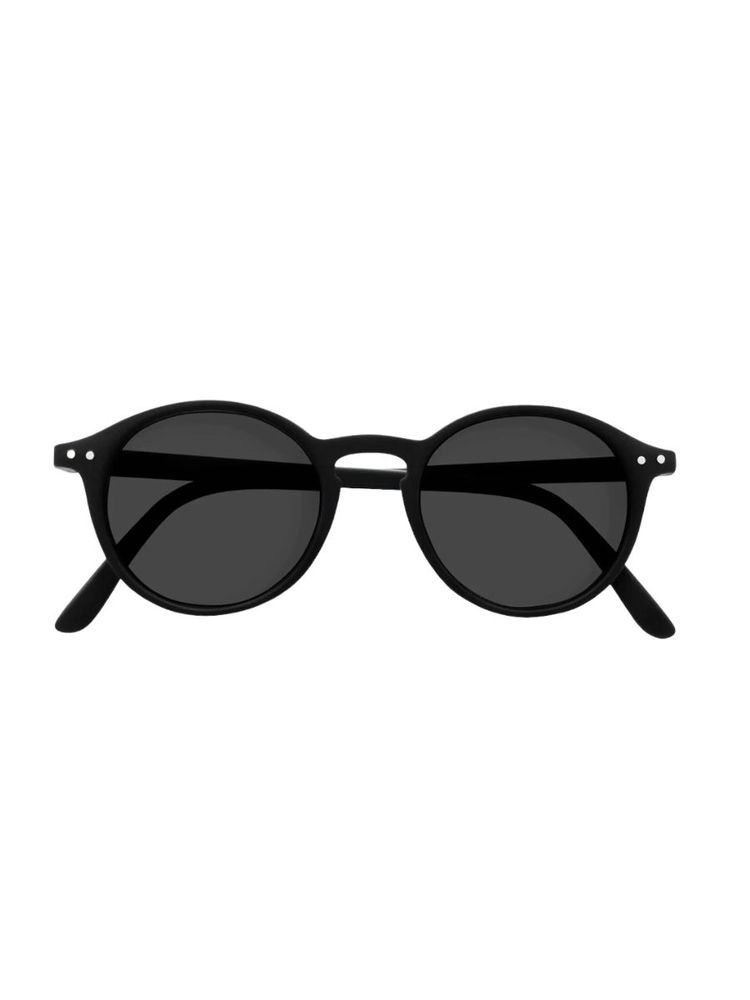
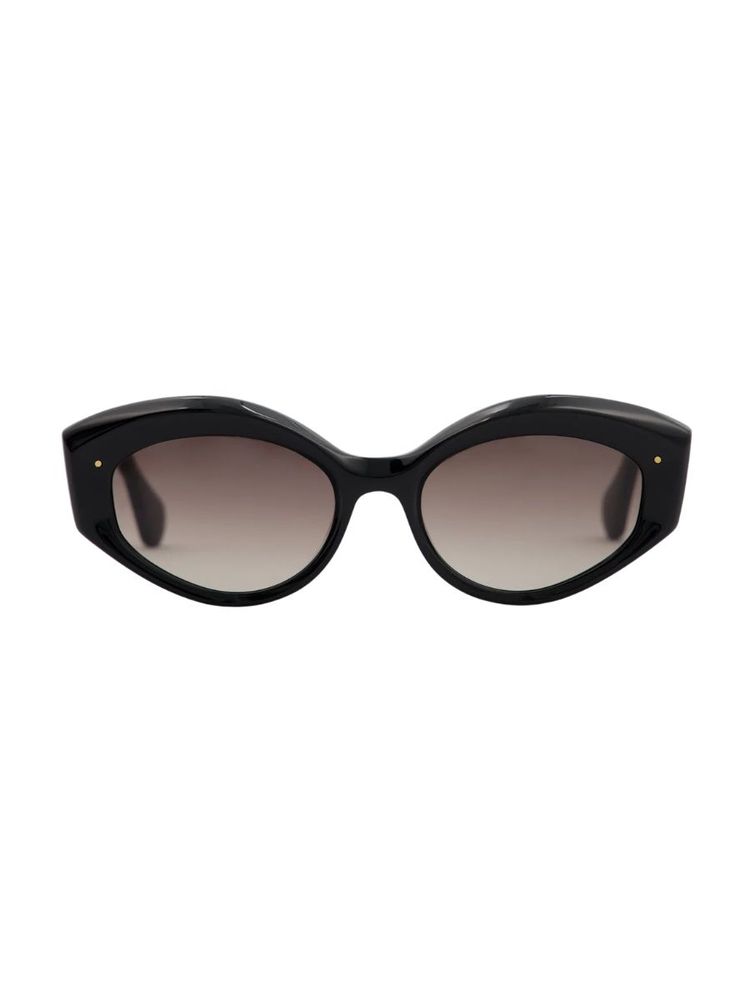
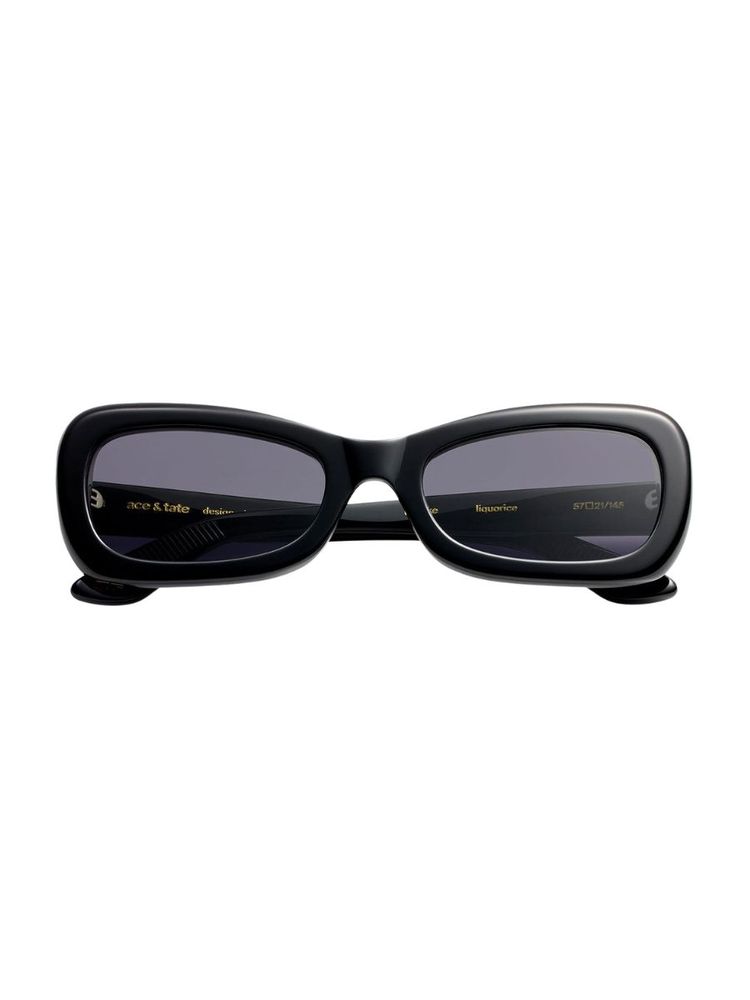
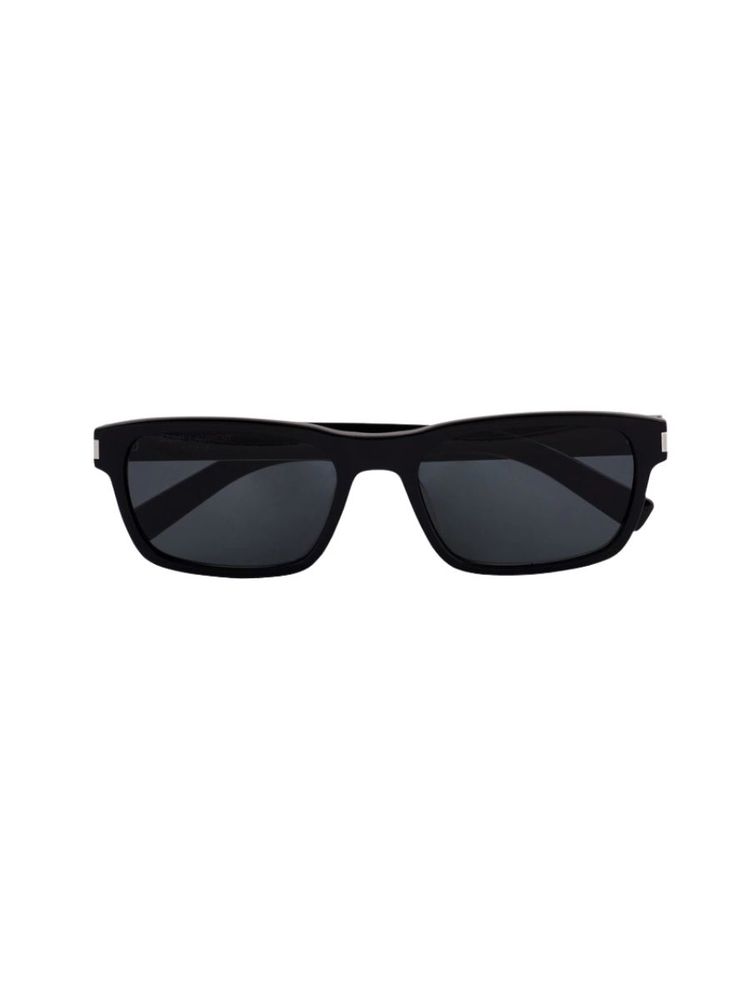
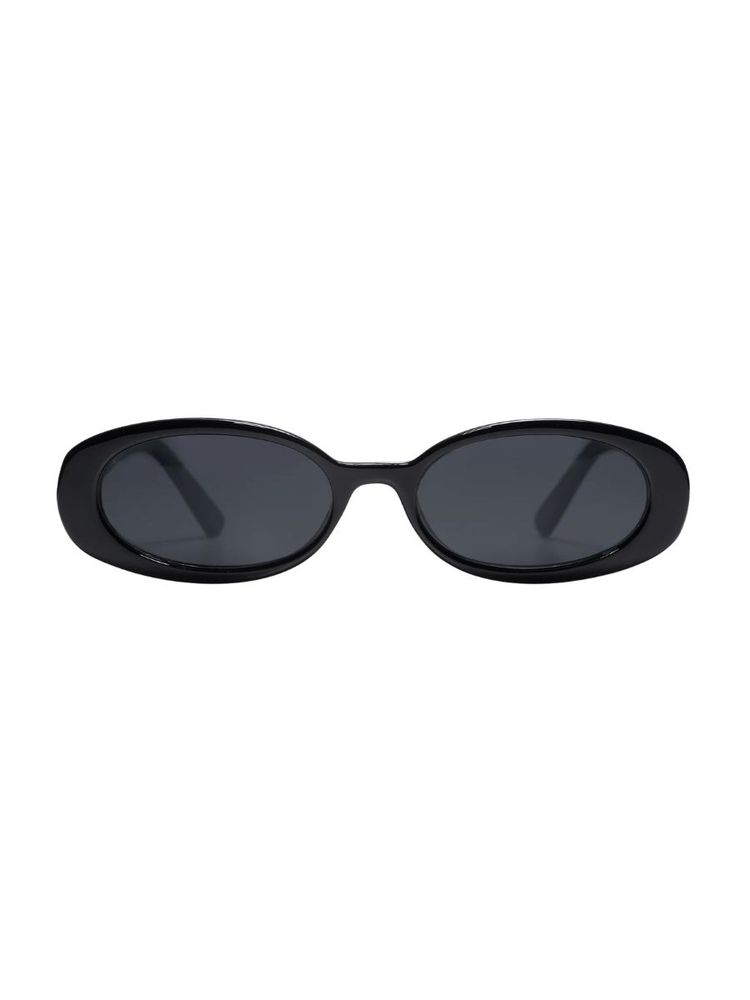
Black frames are the denim jacket of sunglasses: universally compatible and essentially effortless. They go with white shirts. They go with prints. They go with dresses, with suits, with weekend dressing, with those eccentric ensembles you put together at home with no intention to ever wear out. They don't require advance planning or colour coordination. They just work, every time, and the question is really only about shape and quality.
There is a case to be made that a genuinely good pair of black sunglasses is the most valuable single purchase in the accessories category. Perhaps even across your whole wardrobe. No, it isn't the most interesting or exciting purchase, but cost-per-wear will be among the lowest which definitely warrants opening your wallet. After all, people who have found their perfect pair of black sunglasses tend to wear them constantly and replace them religiously when they eventually give out.
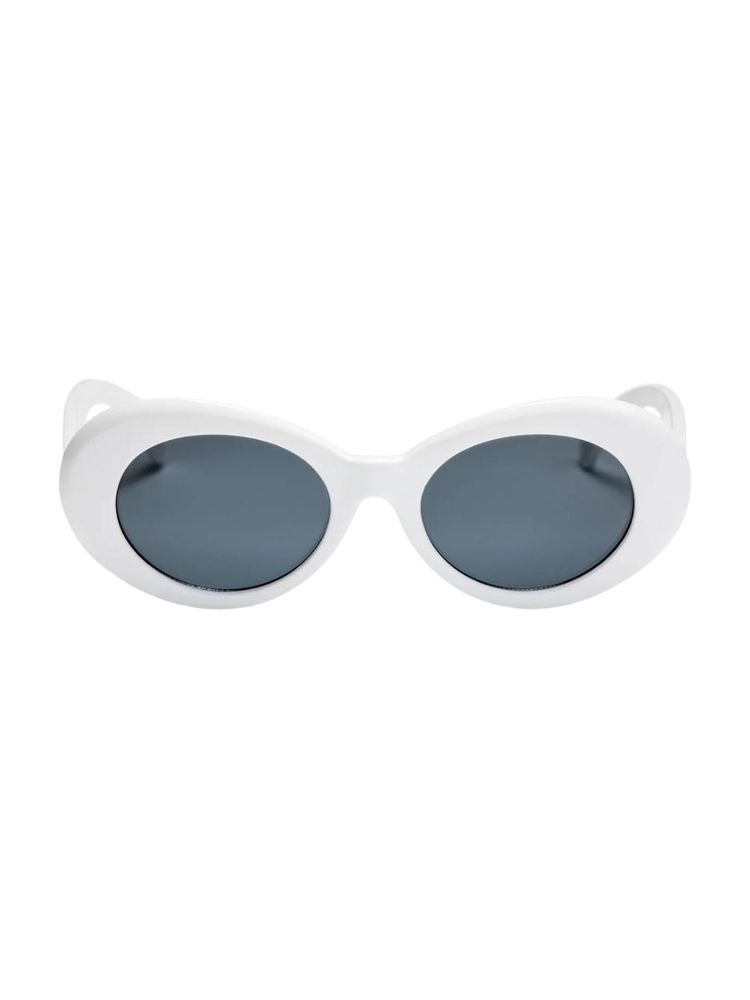
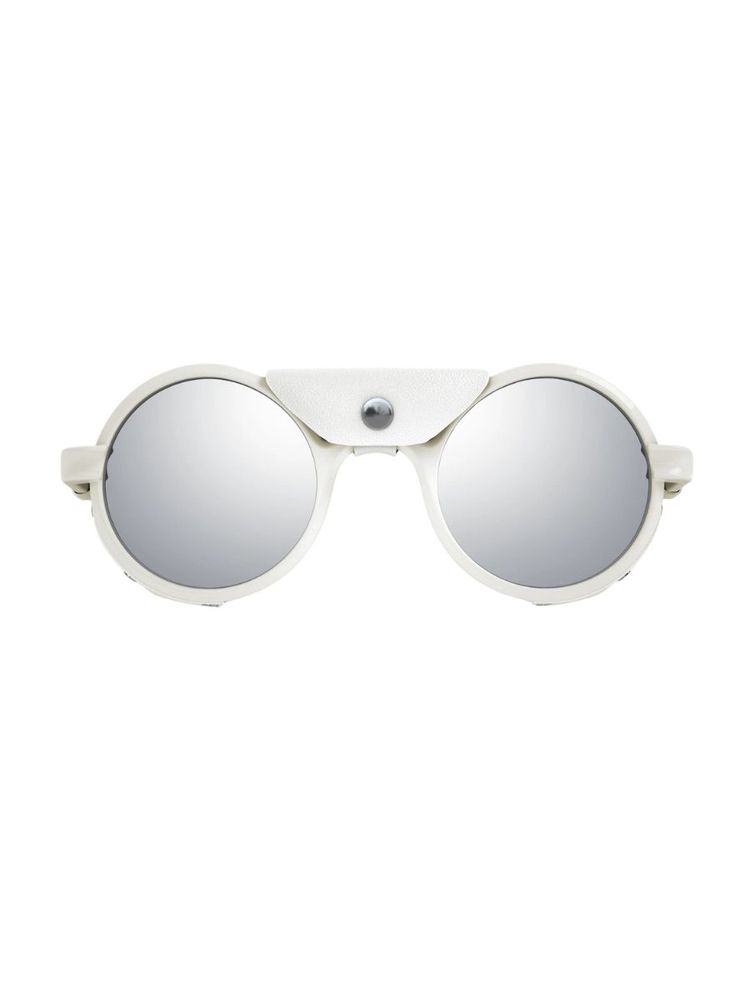
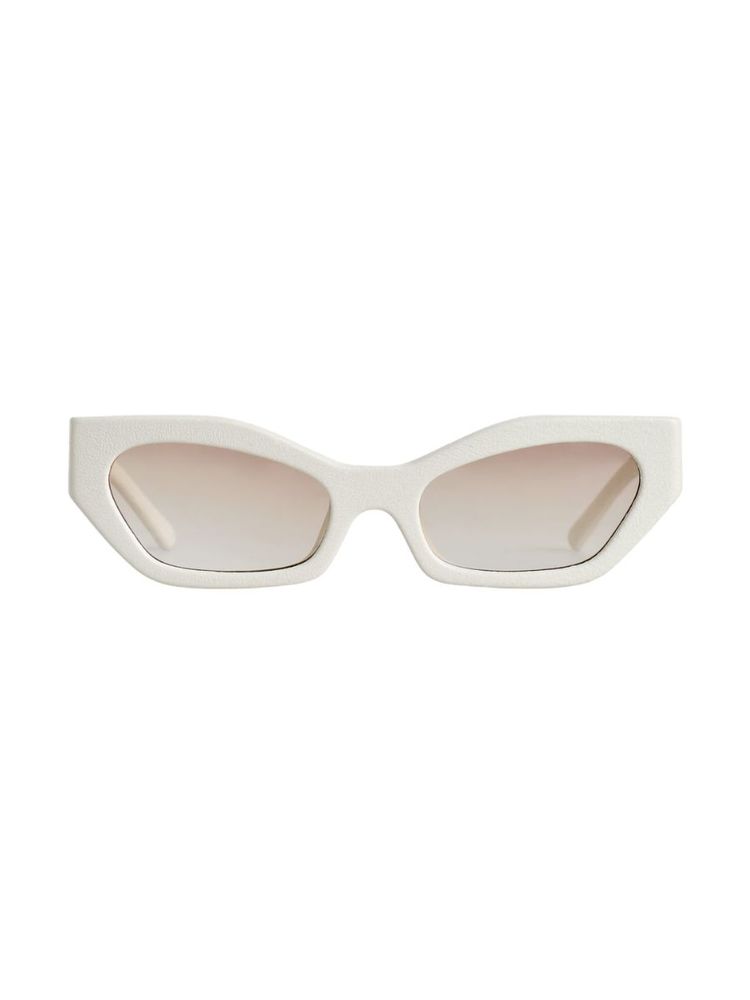
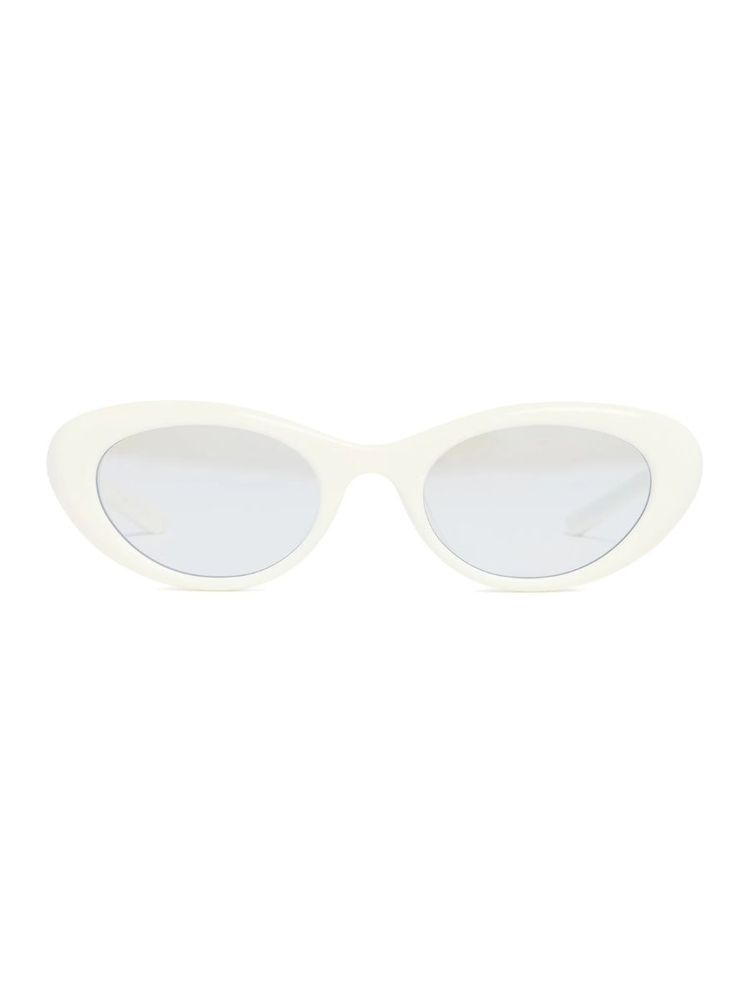
The best white sunglasses
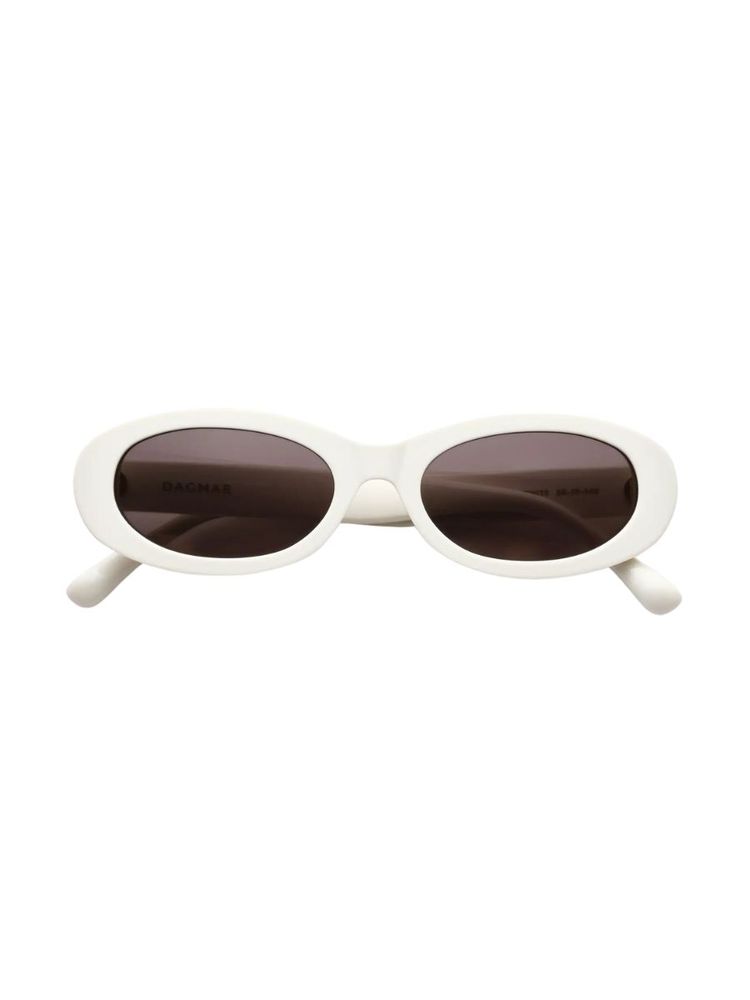
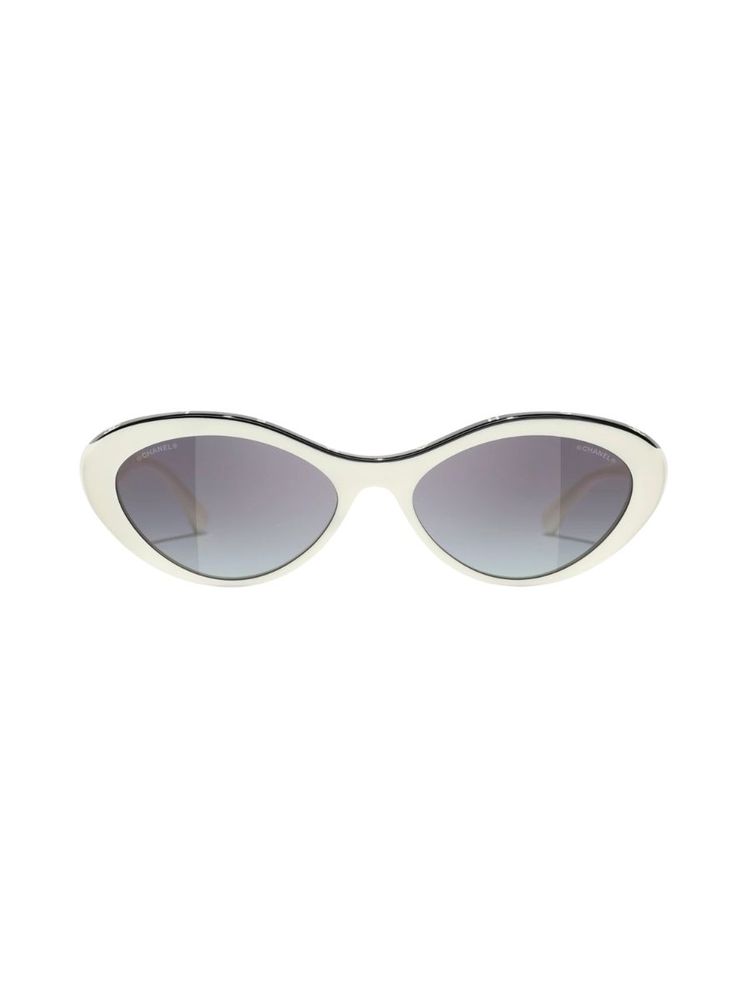
White sunglasses are not for everyone. They are a specific, deliberate choice. More specific than tortoiseshell, more specific than black, more specific than almost any other possible colourway. Not only that, a bad pair immediately comes across looking cheap, or garish, or like a prop from a pool party in a Katy Perry music video.
The right white pair, however, is worth the risk. Against tanned skin in summer, with linen, all-white dressing, against the kind of strong colour contrast you get with navy or cobalt or camel, white frames look excellent. But the finish matters enormously. The versions worth buying are not a plastic sort of stark optical white. Instead, look for a warm ivory, a clean bone white with a slight warmth to it, or a soft cream.
What are the best sunglasses to buy right now?
If you're buying one pair and you want it to cover as much ground as possible, a classic aviator or a well-proportioned cat-eye in black or tortoiseshell is the answer. Both shapes have been in continuous, uninterrupted fashion circulation for decades, suit a wide range of faces, and are available at every price point. They're the sort of shapes that don't look dated in a photograph from five years ago and won't look dated in one taken five years from now. If you're building a small, deliberate collection rather than buying a single pair, add an oversized frame for high-sun days as they offer better protection and a different register, or a rectangular frame for those who want something sharper. That's a complete rotation for most wardrobes.
Which sunglasses styles actually stand the test of time?
Aviators have the longest documented track record: they've been in continuous fashion use since the 1960s across multiple distinct cultural contexts and show no signs of retreat. Cat-eyes have been consistently relevant since the 1950s, with periodic peaks of intensity but no actual troughs while oversized frames have been a reliable wardrobe staple for at least four decades. Black frames in any shape sit outside trend cycles almost entirely. If your aim is a tried-and-tested timeless pair of sunnies, it might be best to steer clear of overtly nostalgic or novelty proportions. If the frame needs cultural context to make sense, it has a shorter shelf life than the classics.
Are designer sunglasses actually worth it?
For the right pair: yes, most definitely. What you're paying for at the higher end of the market isn't primarily the logo. It's engineered for longevity and practicality with optical-quality lenses which protect your eyes, acetate that develops a slight patina over years rather than going dull, and hinge that can hold up to extended daily wear. The difference between a well-made designer frame and a mid-market equivalent isn't always visible in a product photograph, but it becomes extremely apparent after two or three years of daily wear.
The counterargument is also legitimate: if you lose sunglasses regularly, leave them in taxis, sit on them, or have a track record of replacing them every season regardless, this is not the right investment for you.
What colour sunglasses are the most versatile?
Black frames, without much contest. They work with everything, require no colour coordination, and look equally appropriate dressed up or down across most contexts and seasons. After black, tortoiseshell. In the warm amber and brown range these shades offer nearly identical versatility with slightly more personality, and suits a broader range of skin tones than high-contrast black in some cases. Gold metal frames (in classic aviator proportions particularly) have a specific flattering quality that makes them easier to wear than silver for many people. On lens tint: a neutral grey or brown is the most universally wearable choice day-to-day. Green-tinted lenses have been having a sustained moment and are unusually flattering across a wide range of skin tones.