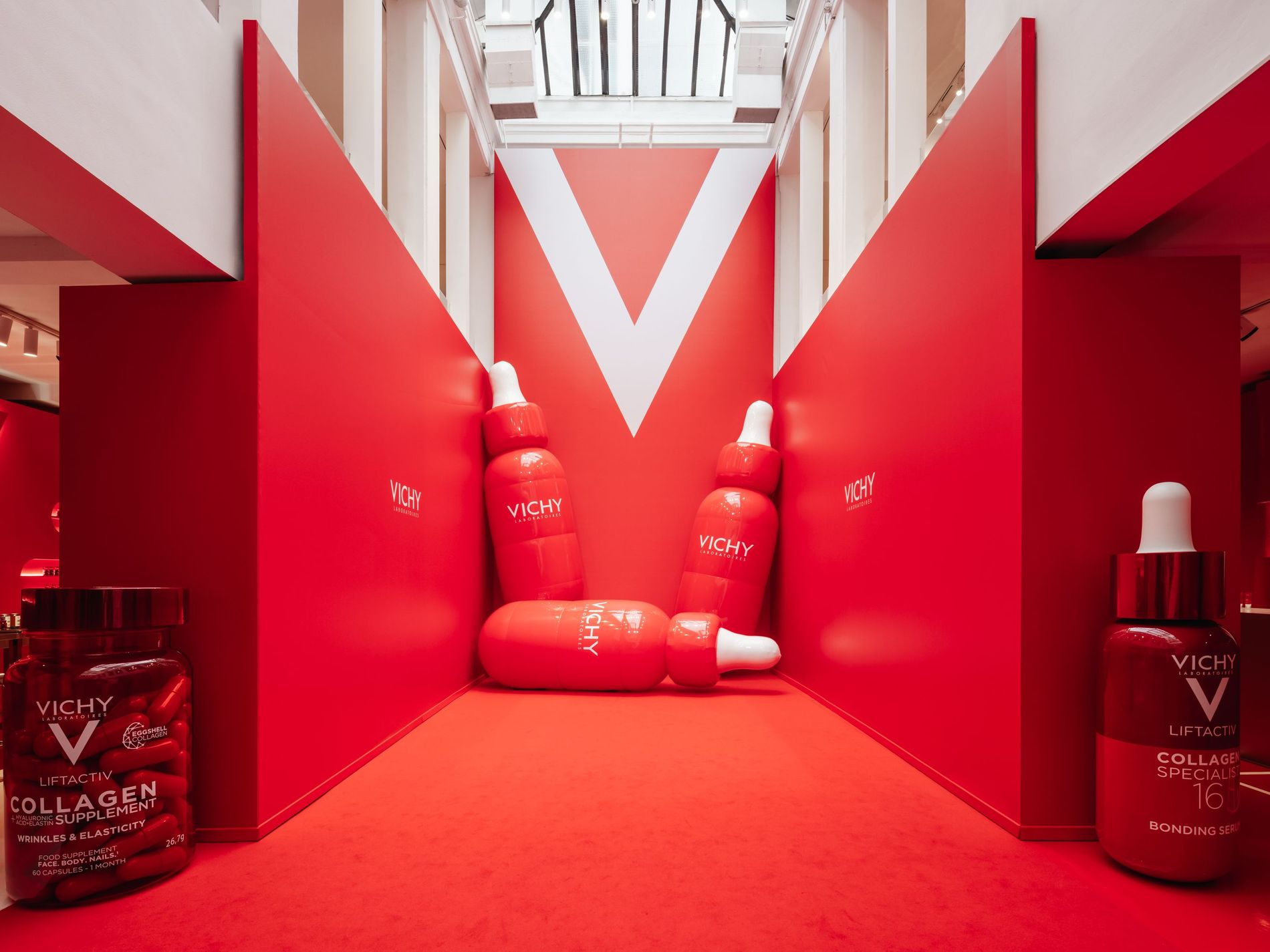
Longevity is the buzziest word in our beauty vocabulary for 2026. But what does it really mean? Senior beauty editor Josefin Forsberg ventured to Vichy's Longevity Clinic in Paris to explore how to live (and look) better for longer – with expert advice from brand ambassadors Emily DiDonato and Jessie Inchauspé (aka Glucose Goddess)
As if escaping the skin-busting temperatures of Stockholm (we’re talking -17°C, people) for a balmier +10 Paris wasn’t enough of a draw, my recent visit to Vichy’s Longevity Clinic left a lasting impression on how I view beauty. A steadfast favourite in French pharmacies recommended by tens of thousands of dermatologists worldwide, Vichy’s clinical credibility is what efficacy-minded beauty obsessives crave. But in 2026, the heritage brand is expanding beyond skin-deep philosophies to explore a more holistic understanding of beauty and ageing. And the guest of honour at their immersive event? Longevity.
So what is longevity? It seems the entire world wants to know, with longevity-related search terms reportedly spiking dramatically over the past year. In short, longevity is not about outsmarting time. It is the scientific pursuit of aging well. Of slowing biological ageing, boosting resilience, and supporting cellular functions that determine how we look and feel as the years add up.
In skincare terms, that still includes familiar players: collagen peptides to support dermal structure and vitamin C to combat free-radical damage. In fact Vichy’s Liftactiv Collagen 16 range is formulated to address 16 signs of ageing – an indicator of how finely the science has subdivided the ageing process. But longevity, as presented at the Clinic, is bigger than cosmetics. It folds in nutrition, hormones, environmental stressors, sleep quality, metabolic health, and the cumulative effects of daily life.
Longevity, then, isn’t about chasing youth. It’s about reducing unnecessary damage. And one of the most underestimated accelerators of ageing, according to biochemist and Glucose Revolution author Jessie Inchauspé (better known as Glucose Goddess online), has very little to do with skincare at all. “When we eat a lot of sugar and have many blood sugar spikes during the day, this creates inflammation and glycation,” she explains. “Glycation is ageing. It fragments collagen and leads to wrinkles.”
In other words, your skin remembers every sugar crash, and no amount of collagen cream can fully override that.
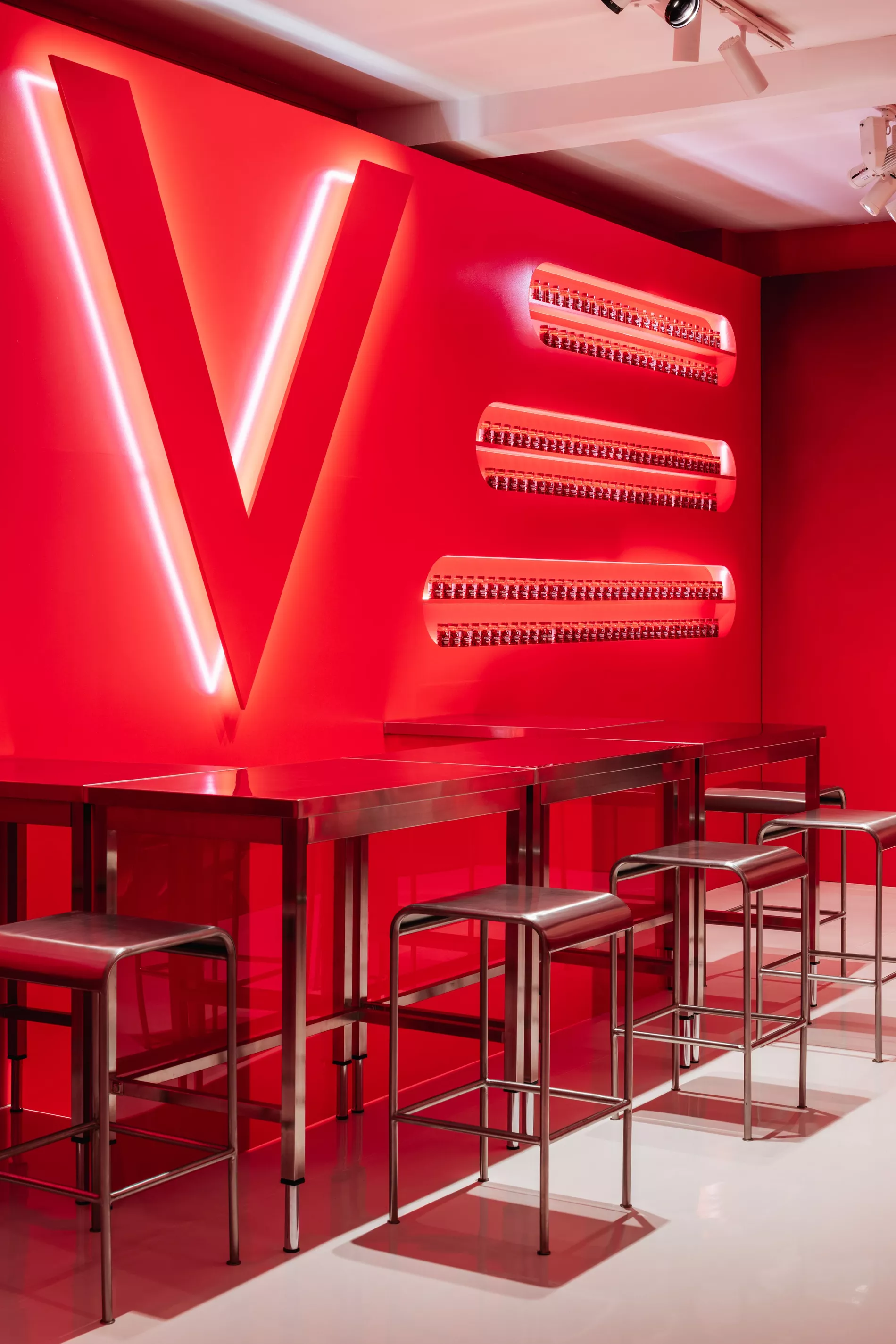
Photo: Courtesy of Benoit Florençon
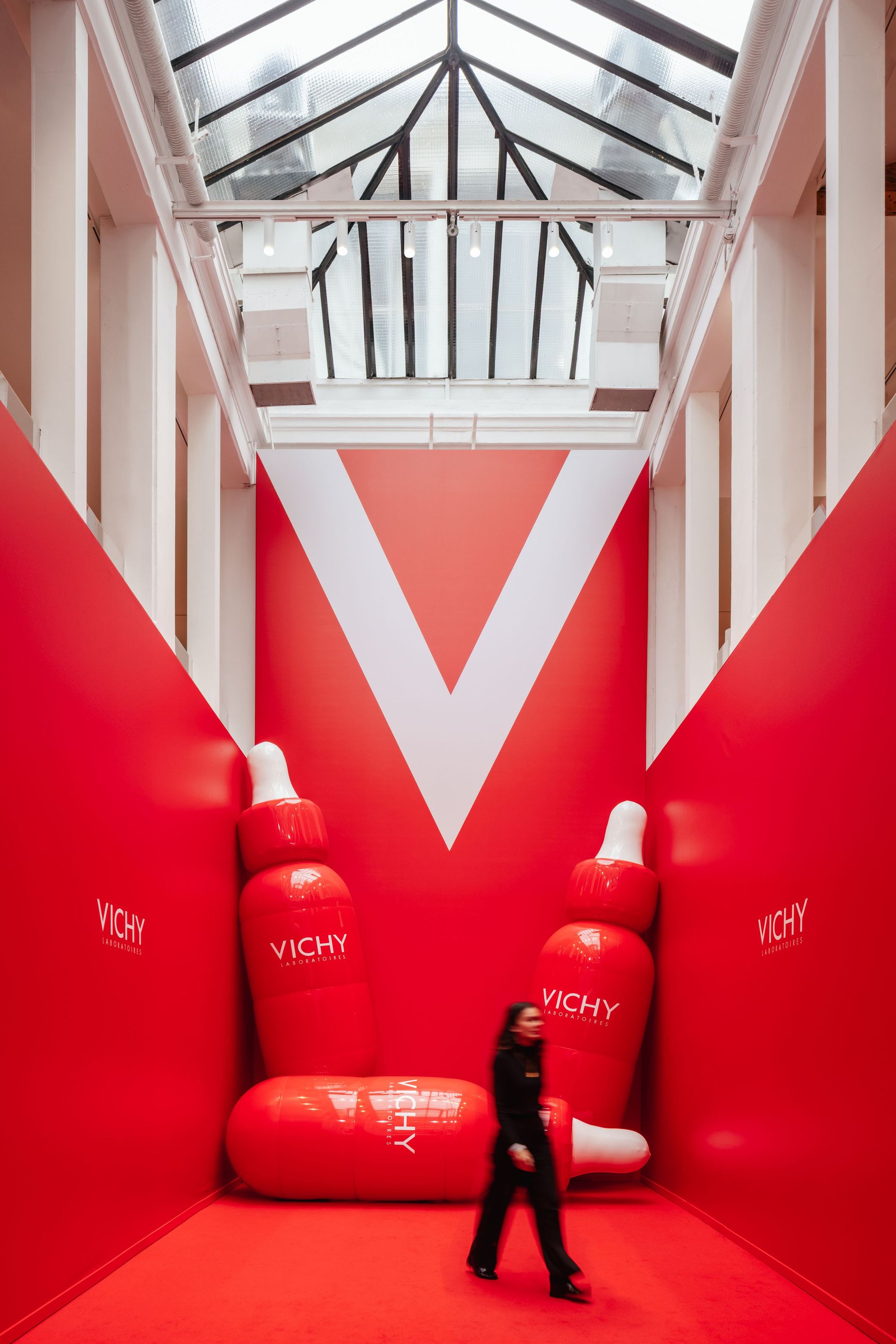
Photo: Courtesy of Benoit Florençon
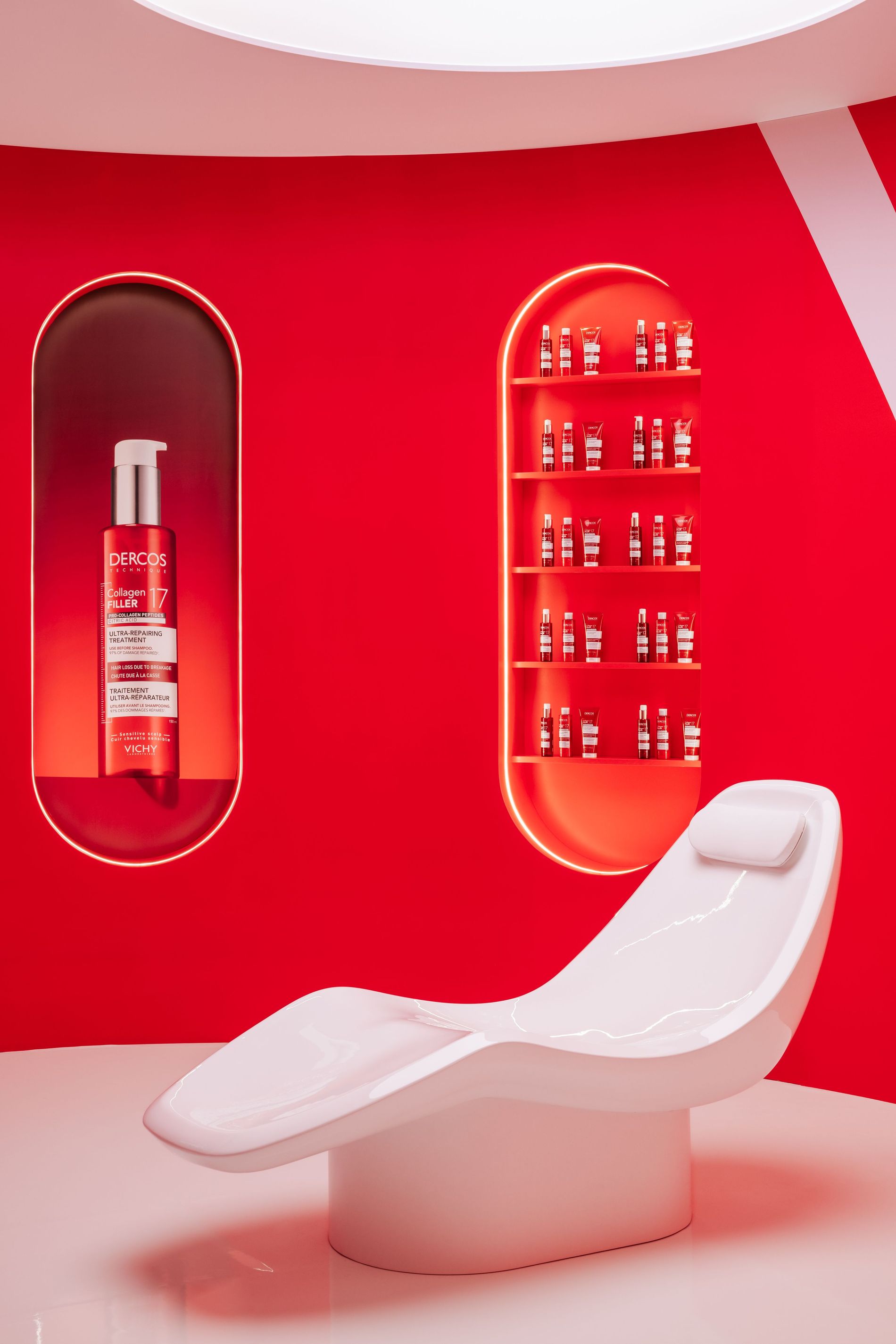
Photo: Courtesy of Benoit Florençon
This is where longevity thinking diverges from traditional beauty logic. Rather than asking what to add, it asks what to stabilise. Inchauspé is clear that supplements and skincare are supportive tools, not moral beauty absolution. “I would never say a supplement can make up for bad habits,” she says. “That’s not the point. A good collagen supplement can support your efforts, but only if the foundations are there.”
Her own non-negotiable good habit? A savoury, protein-forward breakfast. “Almost ten years ago, I switched from sugar in the morning to protein. Eggs, fish, dairy, nuts. That change completely altered how I feel throughout the day.”
The logic is simple: fewer spikes, less inflammation, slower visible ageing. Even sugar itself isn’t banned, but should be approach with due consideration. Never on an empty stomach. Never disguised as “healthy” fruit juice. In fact, fruit juice is the one food myth Inchauspé wants to ban. "Fruit juice doesn’t give energy,” she says. “It gives dopamine. And it damages the mitochondria that actually create energy.”
I worried so much about wrinkles when I didn’t have any. Now I do, and I see them as proof I’ve lived.
Emily DiDonato
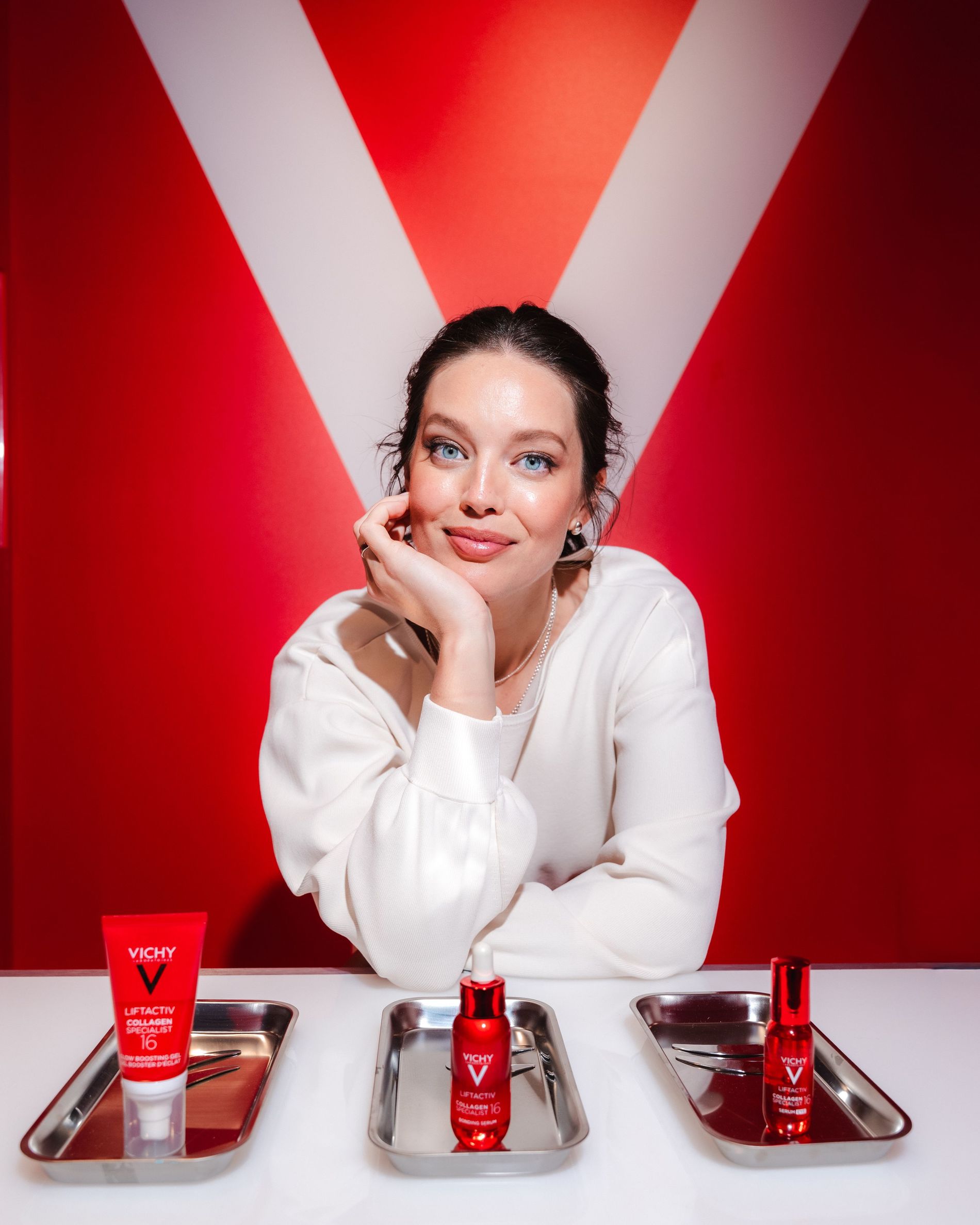
Brand ambassador and American supermodel Emily DiDonato. Photo: Courtesy of Olivier Penpenic
If Inchauspé brought scientific insight to Vichy's Longevity Clinic, American model Emily DiDonato provided a much needed reality check. For the model and Vichy ambassador, longevity shows up in the 'boring' beauty habits: sleep and consistency. “High-quality sleep is unsexy and boring,” she says, “but it makes the biggest difference.” Her own routine is refreshingly straightforward: hydration, vitamin C, daily SPF. Comfort is non-negotiable. “Even if something makes my skin look amazing, if it feels tight or dry, I won’t use it.”
There’s also a noticeable shift in how she talks about ageing now versus her twenties. “I worried so much about wrinkles when I didn’t have any,” she admits. “Now I do, and I see them as proof I’ve lived.” Longevity, in this framing, is about choosing which stressors are worth keeping around. “Sometimes it’s also about letting go of people who create unnecessary stress,” she adds. “Keeping your circle small, joyful, nourishing.”
This philosophy is exactly what Vichy is leaning into with its Longevity Clinic concept. This isn't about miracle messaging or wunderkind ingredients, but about diagnostics, education, and prevention. Drawing on decades of dermatological research, the brand is positioning longevity as a holistic practice rather than quick-fix results in the mirror.
The advice from the clinic experts lingered with me long after I was shuttled home. Fruit juice was the easiest habit to let go of. Sweet breakfasts, less so, but now an egg or two are firmly part of my routine. Even my long-held habit of keeping a glass of water on my bedside table came under scrutiny. Drinking late into the evening might feel virtuous (we're frequently told to drink more water) but if it fragments sleep, it undermines one of longevity’s most powerful tools.
Longevity, it turns out, isn’t just a trend. It’s a life-encompassing reckoning with glowing results.