
From a hidden power plant to Peggy Gou’s climactic set, Audemars Piguet’s Parallel series proves that the most powerful experiences happen when sound, time and place collide
“You can't describe Montreux Jazz Festival, words don't do it justice,” Quincy Jones once said. “You just have to come and experience it.”
There may be no better guiding sentiment for what unfolded last week in Switzerland. What began in 1967 as a small jazz gathering beside Lake Geneva has since become one of the most iconic music festivals in the world. Yet despite hosting legends from Nina Simone to Kendrick Lamar, the spirit of Montreux has never been about genre, but about freedom, experimentation, and evolution.
“Why are we still called Montreux Jazz Festival if we don’t really do jazz anymore?” It’s a question that CEO Mathieu Jaton hears often. But the answer is simple: “Jazz isn’t a style. It’s a spirit. It’s openness, emotion, and community. And that’s what we protect.”
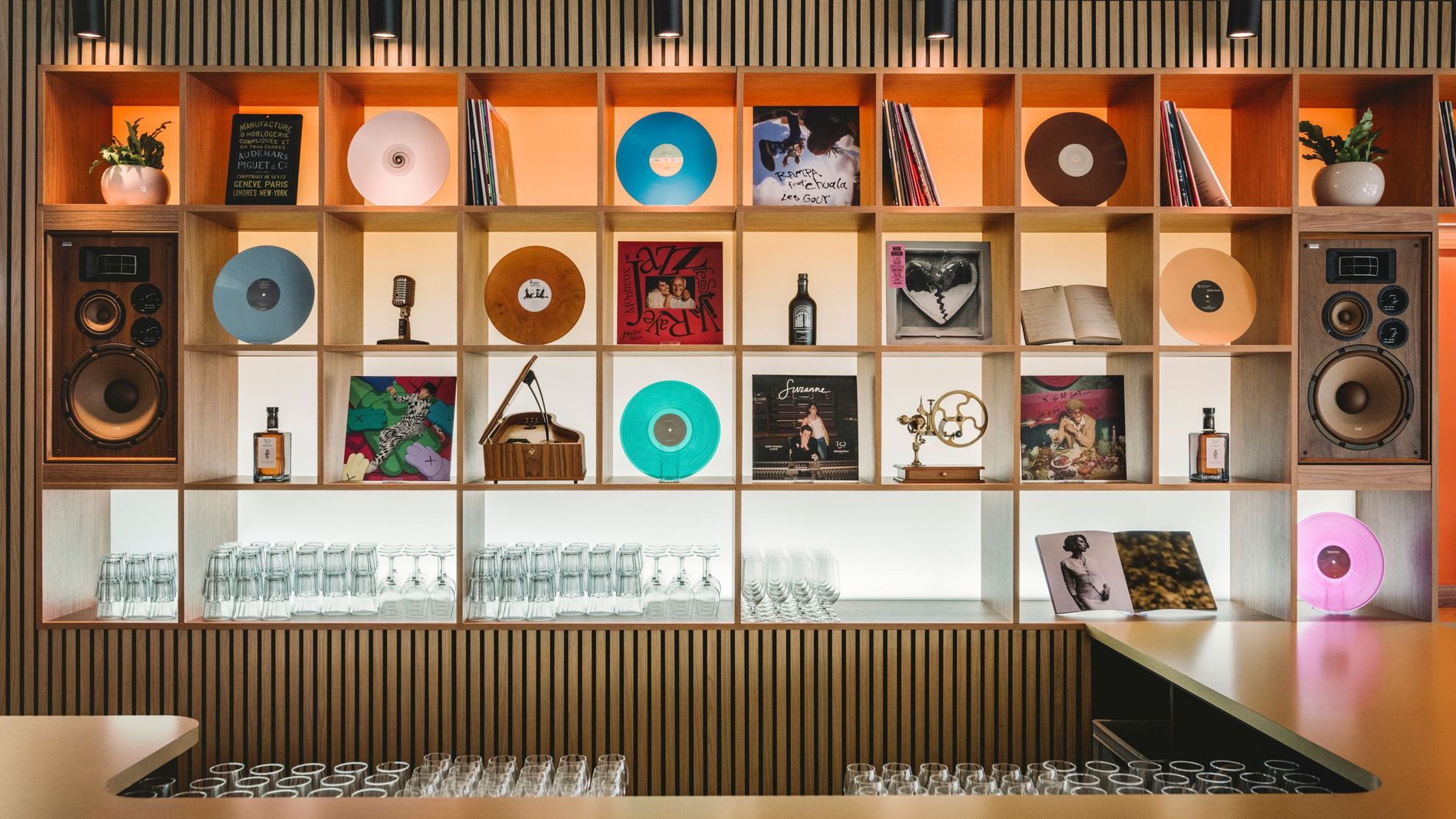
That same openness pulses through the partnership between Montreux Jazz Festival and Swiss Haute Horlogerie house Audemars Piguet, which has quietly become one of the most exciting collaborations in the music space. Unlike splashy corporate sponsorships that simply plaster logos over stages, AP has embedded itself deep in the cultural DNA of Montreux, from digitising the festival’s 17,000-hour audiovisual archive (a UNESCO-recognised project) to launching Parallel, a mysterious off-calendar concert series that fuses music, place and emotion.
This year marked the third edition of Parallel. The journey began at the AP Lounge and booth, amid the midst of the festival, before a group of journalists – myself included – were ushered onto a coach, winding our way up vertiginous Swiss roads as we tried to guess where we might be headed. What awaited us at the top was, quite literally, electrifying: a towering, disused thermal power plant, transformed into a rave with panoramic views. Towering turbines, vaulted ceilings and a dance floor suspended above Lake Geneva. As Peggy Gou closed the night with a euphoric set, it felt like a fever dream.
Related: WhoMadeWho’s Big Moment: Inside the Danish electronic trio’s unmissable festival
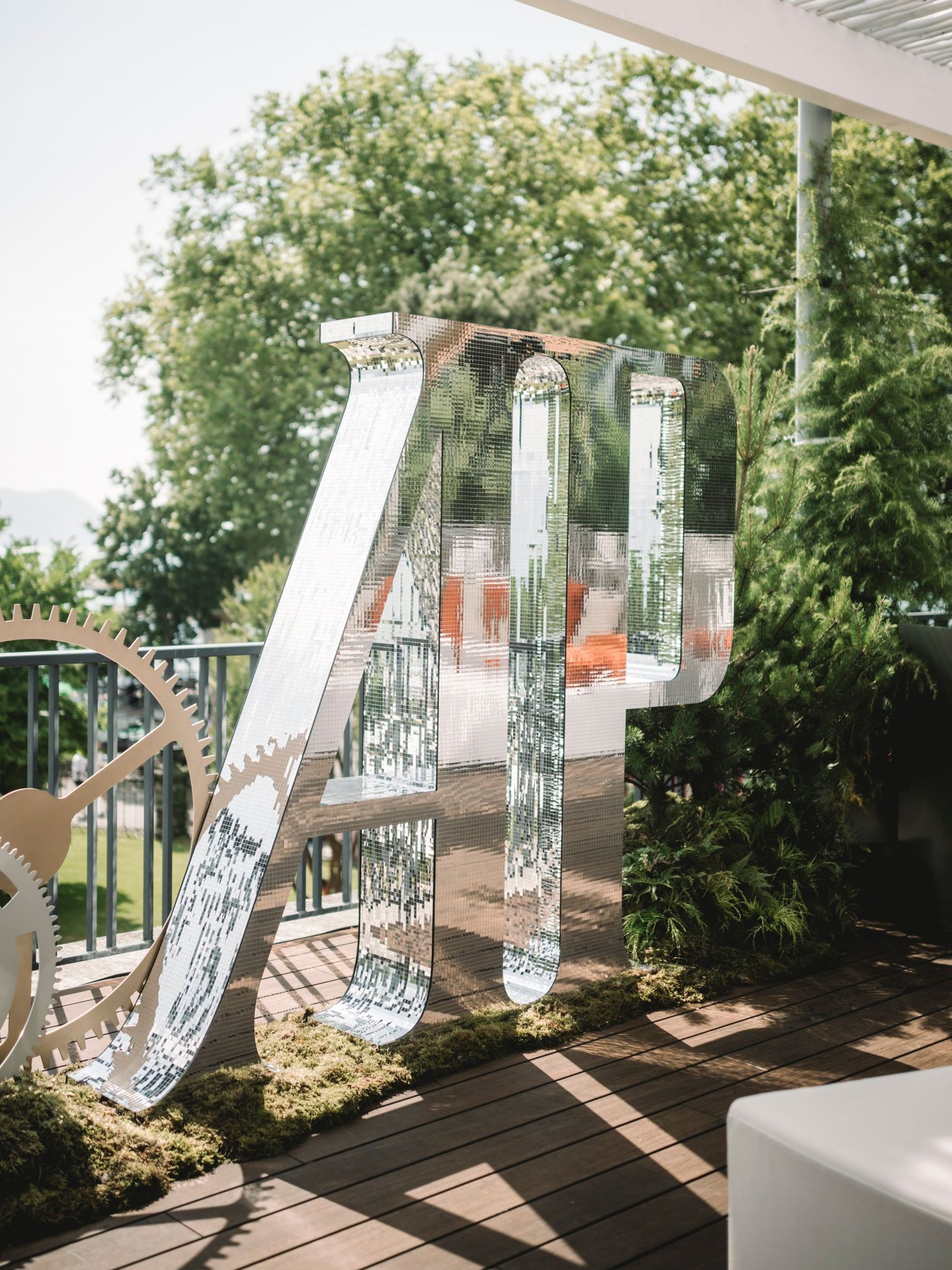
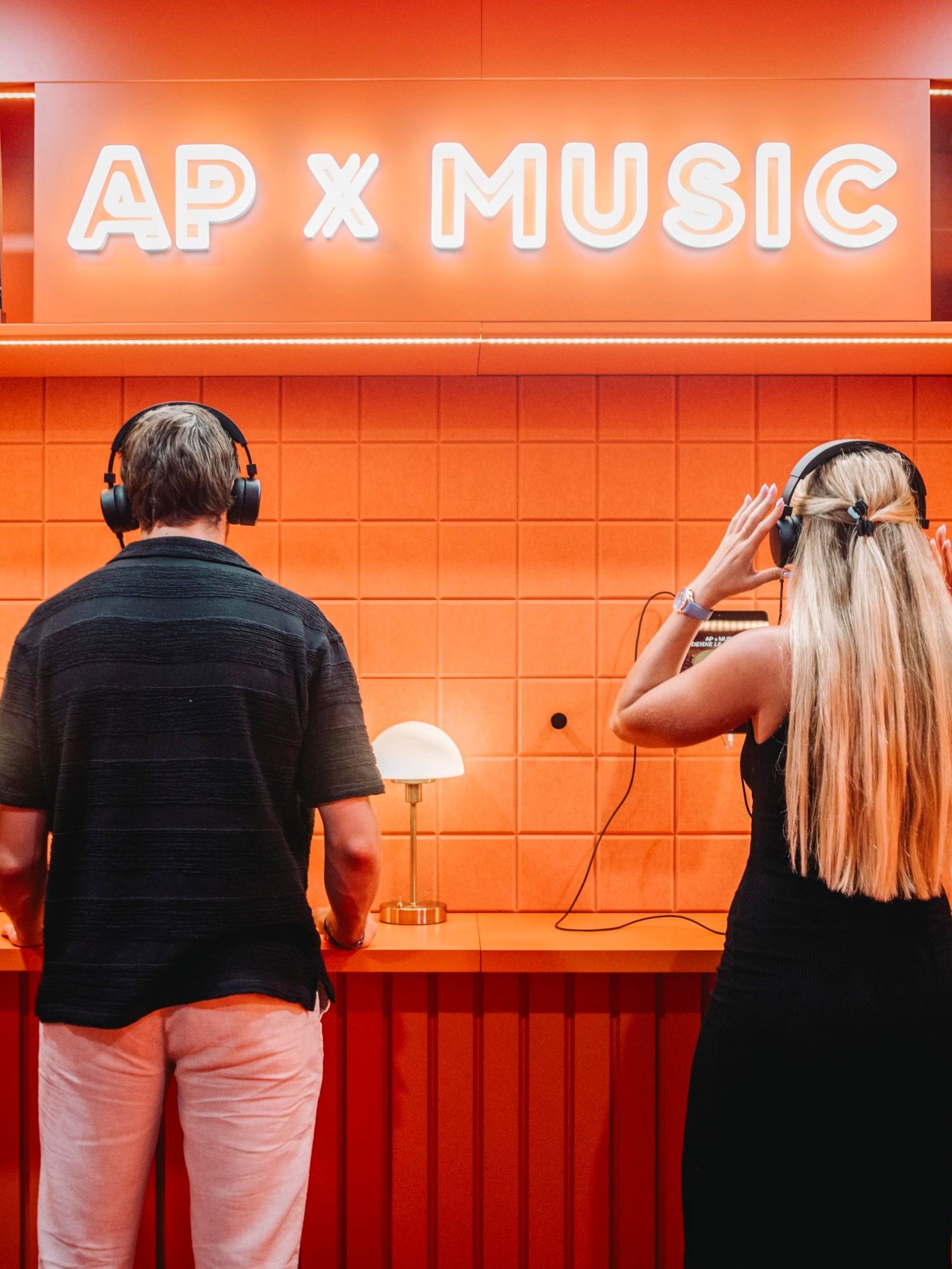
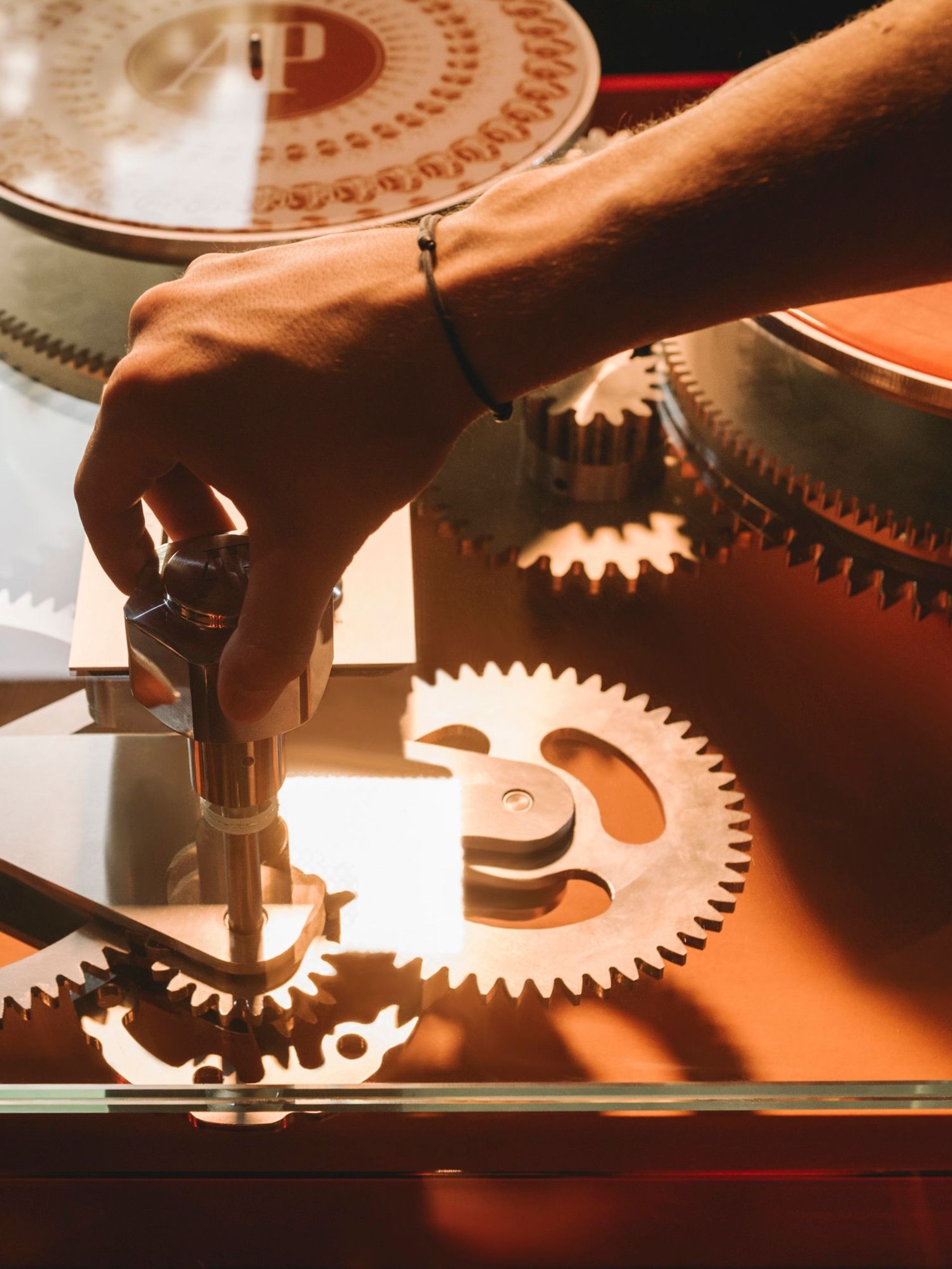
But Parallel is not just about spectacle, it’s a manifestation of AP’s long and layered relationship with Montreux. “We love to have partners that are deep into the DNA of music,” says Jaton. “We’re not a regular festival throwing branding on a stage. From the first meeting with AP, it was clear – we were 100 per cent aligned. It started like a love affair… and slowly, we got married.”
That creative synergy is evident not just in event production but in the artists and ideas they cultivate together. “We’re not in the music business,” Jaton says. “We are motion creators, with the audience and for the audience. And that’s a game changer.”
From AP’s side, the relationship with music is historic, even structural. “It goes beyond AP, beyond 1875 when the brand was founded,” says an AP spokesperson. "Back in the day, people knew the time by listening to the church bells. And where we’re from, the Risoud Forest is famous for resonance wood, which has this incredible capacity to transmit sound. One of our founders, Edouard-Louis Piguet, was in a choir – that musical ear gave him the skills to tune chiming watches.”
Related: “I wanted to do a gay anthem”: Listen to Peter Jöback’s official song for Stockholm Pride 2025
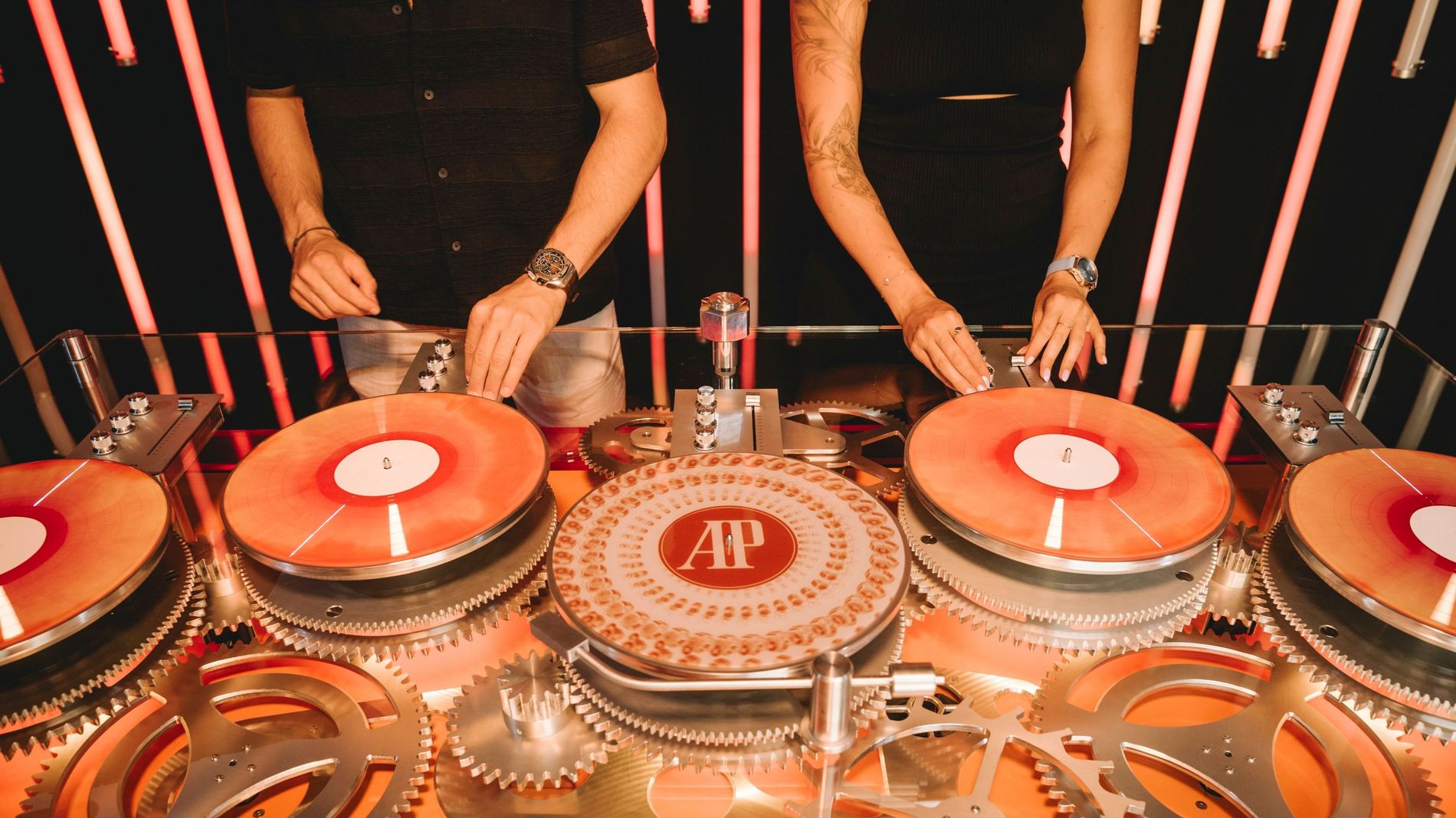
That acoustic obsession led to an eight-year research project with EPFL to improve the sound quality of AP’s chiming watches, a project that culminated in the RD-1 Supersonnerie in 2015. But as the craft of horology advanced, so too did the brand’s cultural footprint. By 2019, AP had officially become Global Partner of the Montreux Jazz Festival and launched its APxMusic initiative – a platform for collaborative musical creation.
One of the most striking examples came this year, in celebration of AP’s 150th anniversary: an original track created by Mark Ronson and singer-songwriter RAYE titled 'Suzanne'. Initially chosen for personal reasons, the name turned out to be serendipitous – a direct nod to Suzanne Audemars, a historical figure connected to both founding families of the brand. “It was a kind of miracle,” said RAYE in a statement. “Discovering the song’s underlying connection with the brand’s history was mind-blowing.”
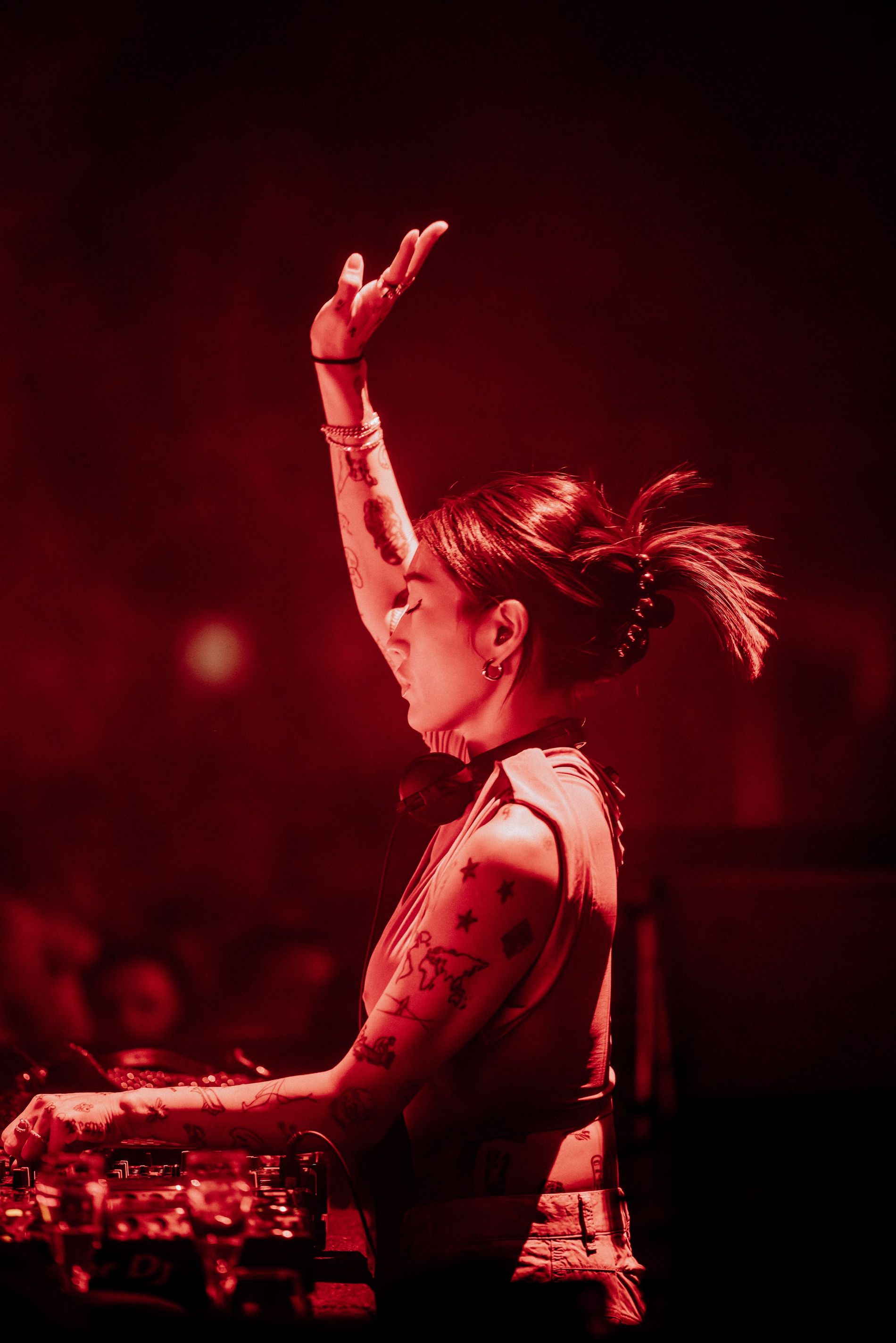
The partnership with RAYE in particular runs deep. After performing at the festival in 2023, the then-rising star told Jaton that it had been a lifelong dream. “My father showed me the images of Nina Simone, Aretha Franklin, James Brown… I want to come every year,” she said. Her performance that night was so powerful that it left part of the audience wondering if they needed to stay for the next act. “Honestly, it was so emotional,” Jaton recalled. “Some of the audience said, we’re done, that was so good.”
This year, she returned as a headliner, and plans for future collaborations are already stirring. “Normally, we don’t book artists back-to-back,” says Jaton. “But with RAYE, there’s history. There’s feeling. So we’ll see.”
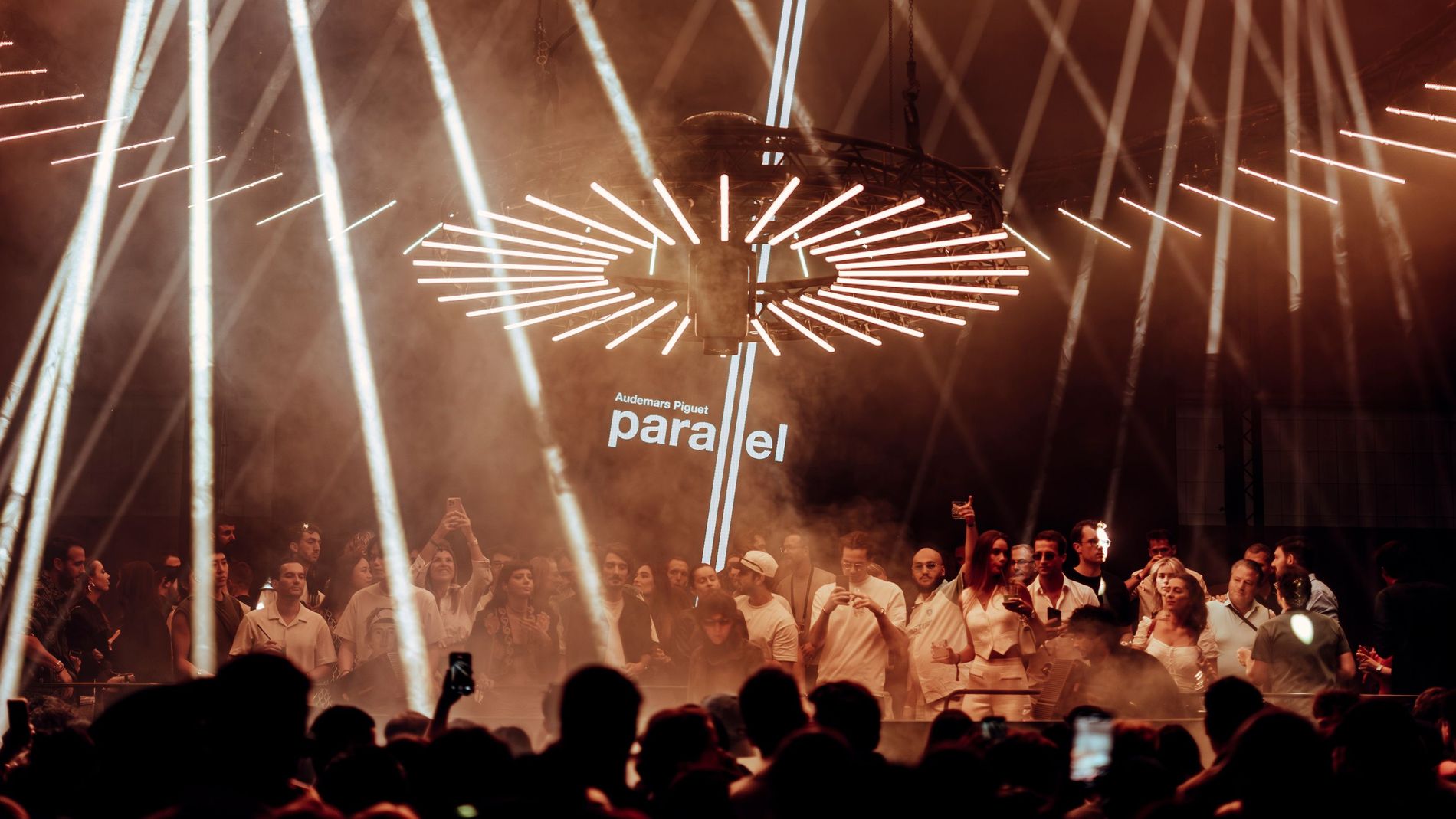
That feeling of deep creative alignment is at the heart of what makes Parallel so special. “We’re not interested in slapping a logo on something,” says AP. “It’s about co-creating. Finding artists who care about craft. And just as importantly, finding locations that elevate the music.” And crucially, it’s not just a VIP affair. Access to Parallel is open to the public through competitions and activations, ensuring exclusivity does not eclipse authenticity. “That was key for us,” Jaton noted. “We didn’t want another happy-few experience. We wanted something open – something generous.”
“What AP is doing with us is putting huge pressure on the other sponsors,” Jaton admits. “Now we have a benchmark. All the other festivals ask me, ‘How do we do what you’re doing with AP?’”
The answer, of course, can’t be fully explained, only experienced.