
As Copenhagen Fashion Week turns 20, four Scandi favourites look back at the first-ever edition.
Copenhagen Fashion Week is now widely recognised as being the fifth fashion capital, behind the the big four of Paris, Milan, London and New York. But back when Eva Kruse, then editor-in-chief of Danish magazine Eurowoman, first came up with the idea of starting an official fashion week in Copenhagen two decades ago, she was met with scepticism. “Being an editor, I travelled to a lot of the international fashion weeks, so I knew what [a fashion week] could do and how it could lift a region,” Kruse tells Vogue. “But it was hard [to get people on board], which was surprising – we spent a good year and a half lobbying for support.”
Back then, it was the Danish capital’s commercial brands – the likes of Bruuns Bazaar, Munthe plus Simonsen and By Malene Birger – that dominated the fashion conversation. Still, smaller designers, including Henrik Vibskov (then a recent graduate of Central Saint Martins, Stine Goya and Baum und Pferdgarten were also making waves at the time. “It was [about creating] a commercial event, but it was also a lot about uplifting talent,” Kruse continues. While social media was in its infancy, Copenhagen Fashion Week broadcast the shows live on screens across the capital, as well as putting on city-wide activations for the general public,
During the 2010s, the likes of Ganni and Cecilie Bahnsen helped put Copenhagen on the global stage, with the image of the Scandi girl riding her bike in a puffed-sleeve dress still being synonymous with the fashion week today. “[There was] one summer especially where you really felt that Copenhagen was full of press, influencers, people from all over the world,” Helle Hestehave, co-founder of Baum und Pferdgarten, recalls.
In recent years, Copenhagen Fashion Week – under the helm of current CEO Cecilie Thorsmark – has become known for its commitment to sustainability, after introducing a set of minimum requirements that all on-schedule brands have to adhere to in 2023. “The sustainability conversation [back in 2006] was so different to today,” Charlotte Eskildsen, founder of Designers Remix and now creative director of The Garment, says. “Back then, you had to inform consumers about it; now we know that this is how we produce [clothes].”
When Kruse first decided to launch Copenhagen Fashion Week 20 years ago, could she have ever imagined how big it would be today? “I remember we wanted to be the fifth capital in the world – people in the industry didn’t believe [we could],” she reflects. “I don’t think I imagined it would have taken that long, but now Copenhagen is absolutely on the map.”
Below, four OG Scandi designers share their memories of the first edition of Copenhagen Fashion Week.
Henrik Vibskov
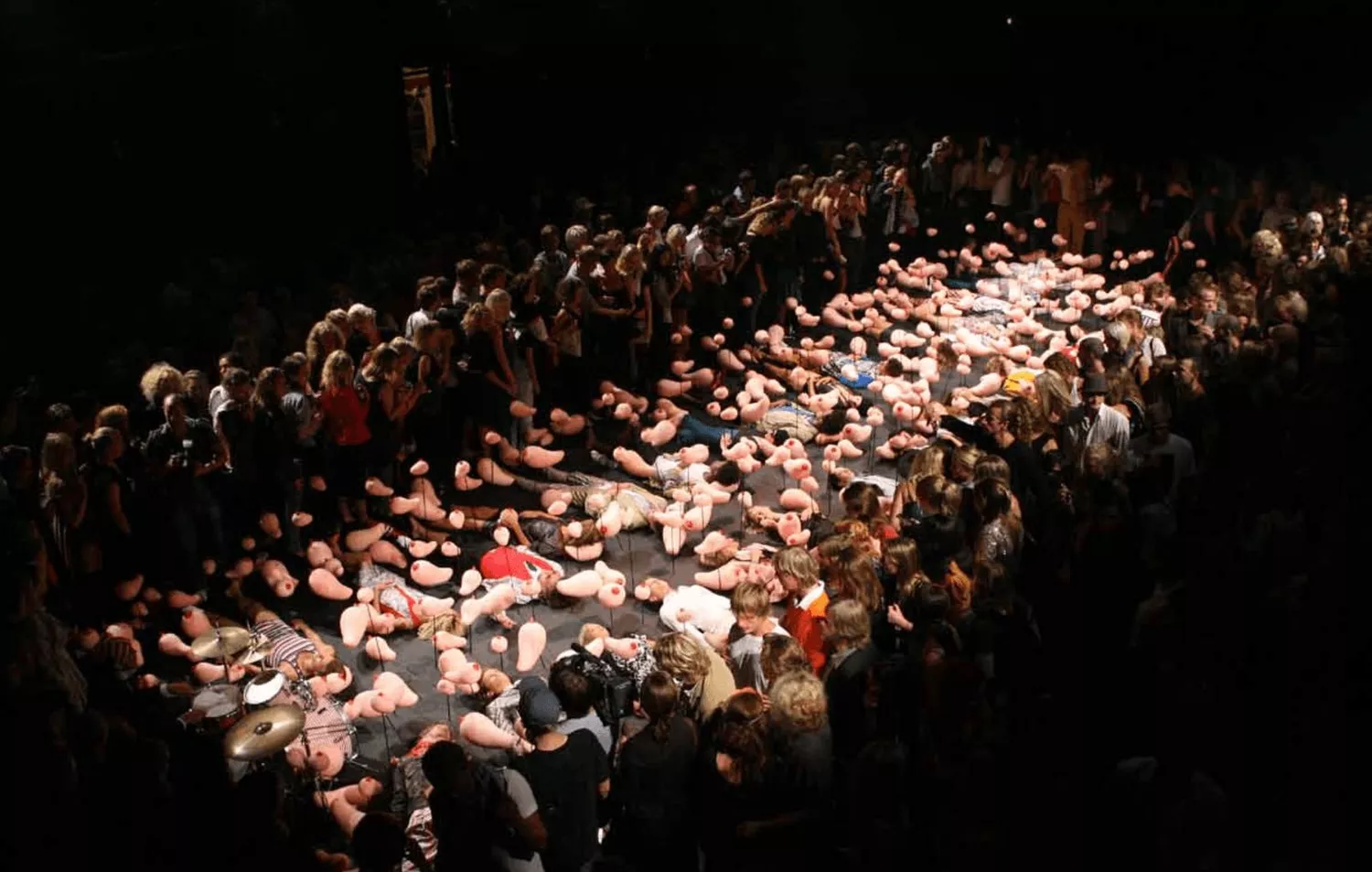
Henrik Vibskov spring/summer 2006. Photo: Courtesy of Henrik Vibskov
I started doing shows in Copenhagen before the fashion week existed, but it was more like a big party. I would do these dual shows, where first I would do Paris, and then I’d do Copenhagen. I think for Copenhagen, I stood out a lot – everyone else was on the grey, beige, black team. I realised I could do something more theatrical or performative. One of the shows that I did in 2006 was public, so you could pay £2 or a pack of cigarettes to get in.
In the beginning, I remember it was very local, and then slowly, people from abroad started coming here, and it became bigger and bigger. In the beginning, I was a little bit sceptical about Copenhagen Fashion Week, and was focusing 100 per cent on Paris. Slowly, it actually became more and more important, and suddenly, it made more sense to focus on Copenhagen fully.
Malene Birger
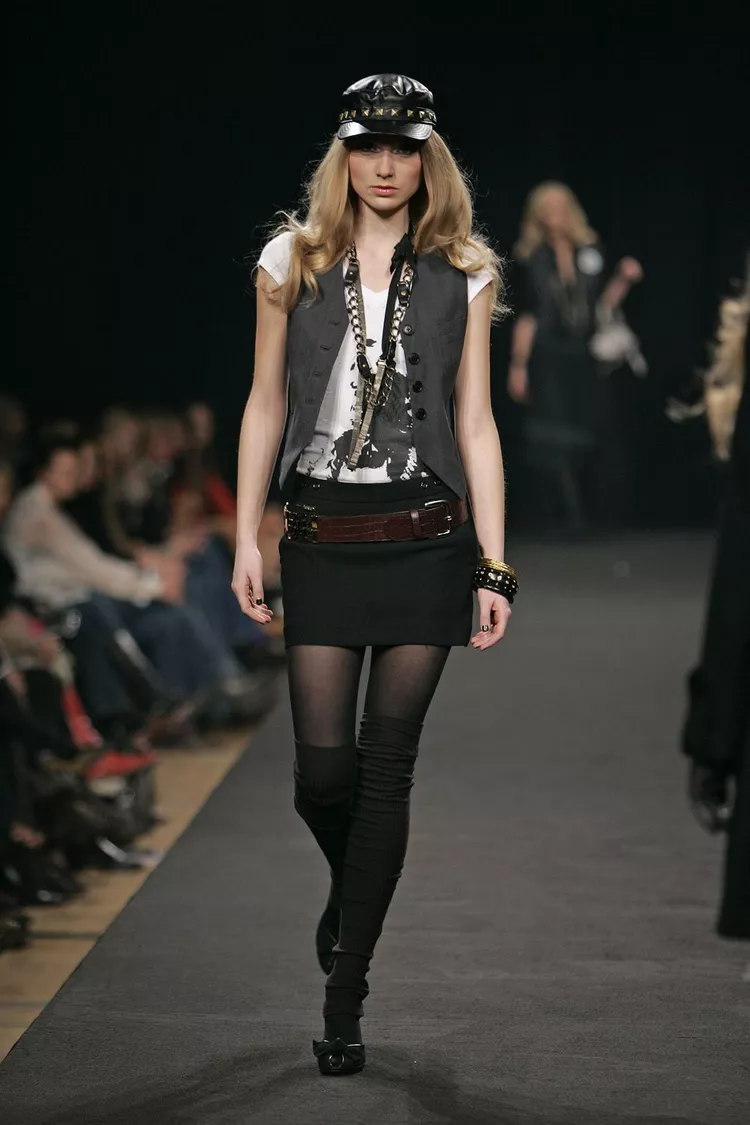
By Malene Birger autumn/winter 2006. Photo: Helle Moos
By Malene Birger launched in 2003, and we had our very first show in August 2003. Copenhagen Fashion Week was a good thing for all of us – it was a more professional approach; somebody took care of the schedule, buyers, transporting the press from one show to another. 2006 was a big year for By Malene Birger as we opened our first flagship store, and our web shop, which was a very brave step to take back then.
20 years ago, the fashion scene in Copenhagen was buzzing, with lots of parties and a lot of fun. Brands like Rützou, Bruuns Bazaar, Munthe plus Simonsen, Ganni, Baum und Pferdgarten and By Malene Birger – those were the brands that were moving, getting a lot of attention and selling really well back then. The budgets for shows and events were there; we were in many ways doing exactly what we wanted to – of course, within some limits. There were no influencers, no Instagram, we had much more personal and creative time and real human communication. Nobody was on their phones all the time – we were freer, I would say.
Rikke Baumgarten and Helle Hestehave
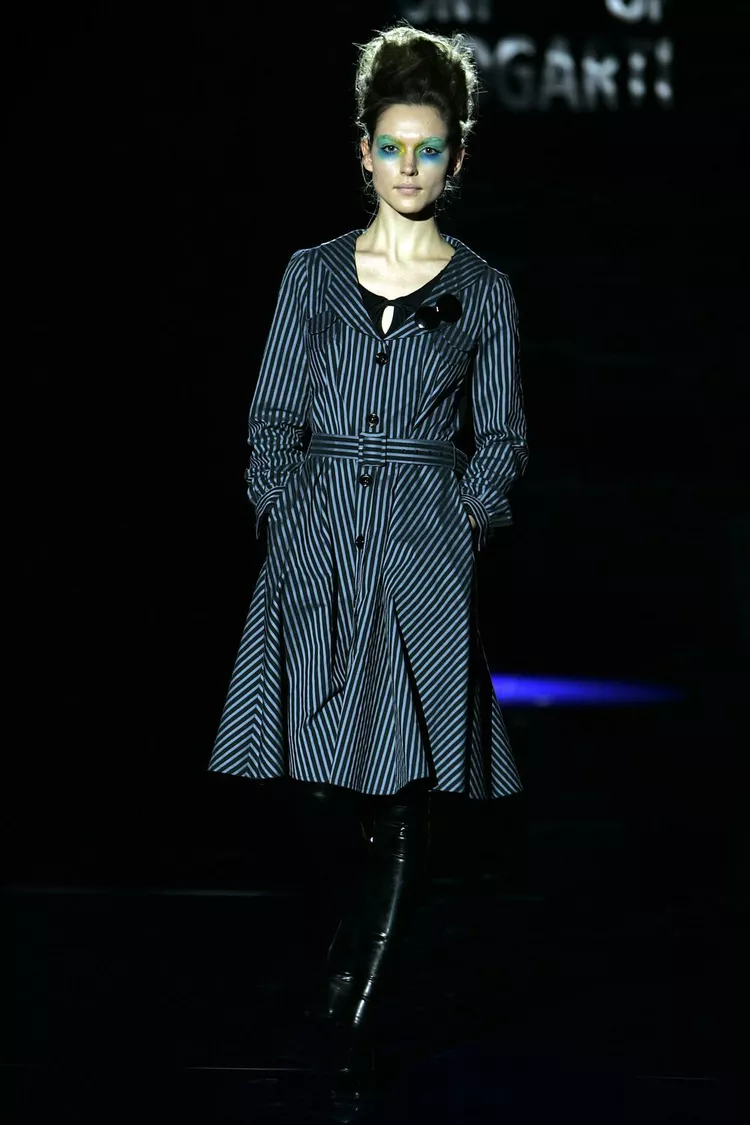
Baum und Pferdgarten autumn/winter 2006. Photo: Helle Moos
Back then, Copenhagen Fashion Week was much more about the established brands – it was more commercial, and more local. For the first few years, a lot of the younger brands, like ours, Baum und Pferdgarten, would show at the City Hall. That was really fun because you met your colleagues: it would be Stine Goya, then us, then someone else. We’d have to share the photographers, the lighting, everything.
From 2006, Copenhagen Fashion Week just slowly got bigger and bigger, and more ambitious. More and more guests came, and more and more brands started showing. It’s been a small revolution for Copenhagen because the city has grown so enormously in other aspects, like food, theatre, art and architecture. That’s also why the fashion week has become so well known – people love to come here.
Charlotte Eskildsen
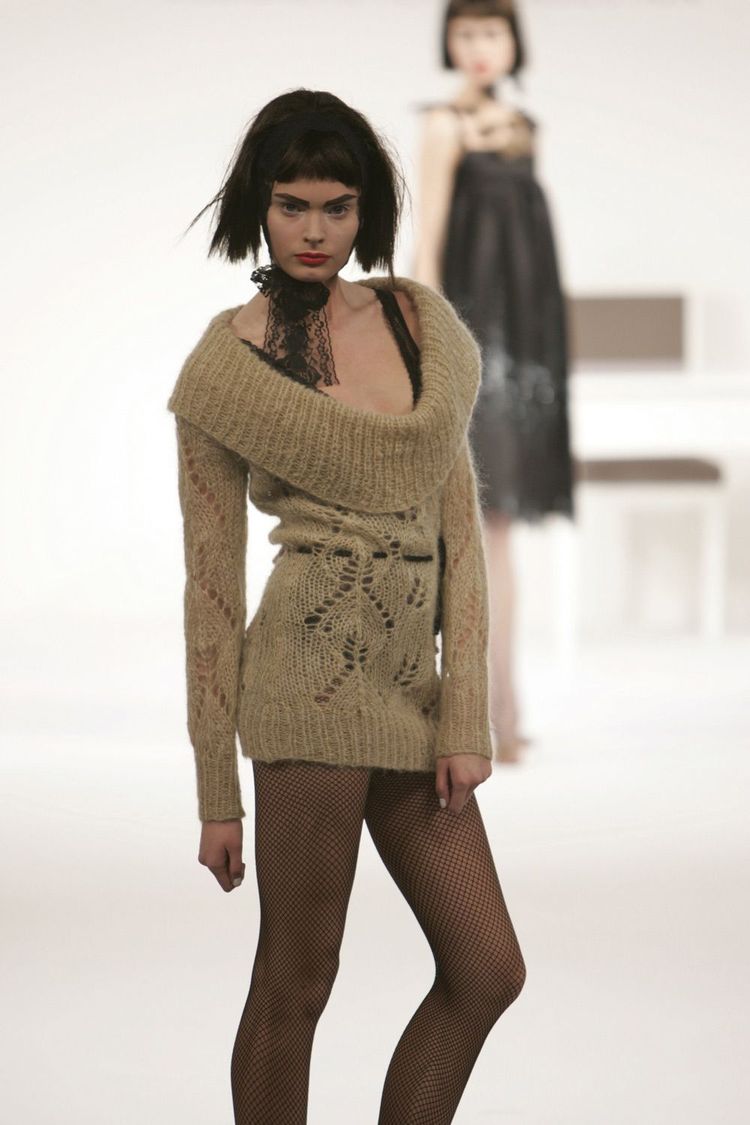
Designers Remix autumn/winter 2006.
I remember there was a meeting at the opera house where Eva Kruse said, “Let’s do a real fashion week.” It was so Scandi at the beginning, and there was still Stockholm Fashion Week, and Oslo too. It was just really local at the time – there was no international press or buyers – although Lily Cole and Freja Beha Erichsen walked for some of our first shows. The fashion wasn’t as colourful; I remember it being more minimalistic.
Back then, you did a show almost without trying to. It was like a party: your friends came, and everybody knew each other. There was no social media, we didn’t have a website, even our photos were bad. At Designers Remix, we began by upcycling menswear – nobody else was doing that in Copenhagen yet. It might have been a bit too early for that.
The sustainability conversation is so different today, the tech has evolved, as has the conversation about how you do a show nowadays. What is more important: the front row, or the actual collection? So much has changed.
These interviews have been edited and condensed for clarity. Originally published by British Vogue.