The second chapter of The North Face x Cecilie Bahnsen expands upon the dialogue between Bahnsen’s hyper-femininity and The North Face’s mountaineering heritage. In an exclusive conversation, the designer reveals how the partnership has evolved for this latest drop
Cecilie Bahnsen's autumn/winter '25 show opened with a sense of familiarity. The sculptural dresses, gathered seams and intricate quilting were all there – hallmarks of the Danish designer’s whimsical world of womenswear. Yet woven through that poetry was something tougher, more grounded. The ultra-utilitarian thread she first introduced through her collaboration with The North Face returned, this time rendered in rich, earthy browns. Among the fluttering dresses came down parkas with cinched waists, quilted skirts and fleeces fastened with harness-like straps, blurring the line between romance and technicality.
Unveiled on her Paris runway, this second installment of The North Face x Cecilie Bahnsen continues the exploration of high-performance outerwear, while refining and expanding: introducing new fabrics, innovative winter-ready details and a more advanced layering system.
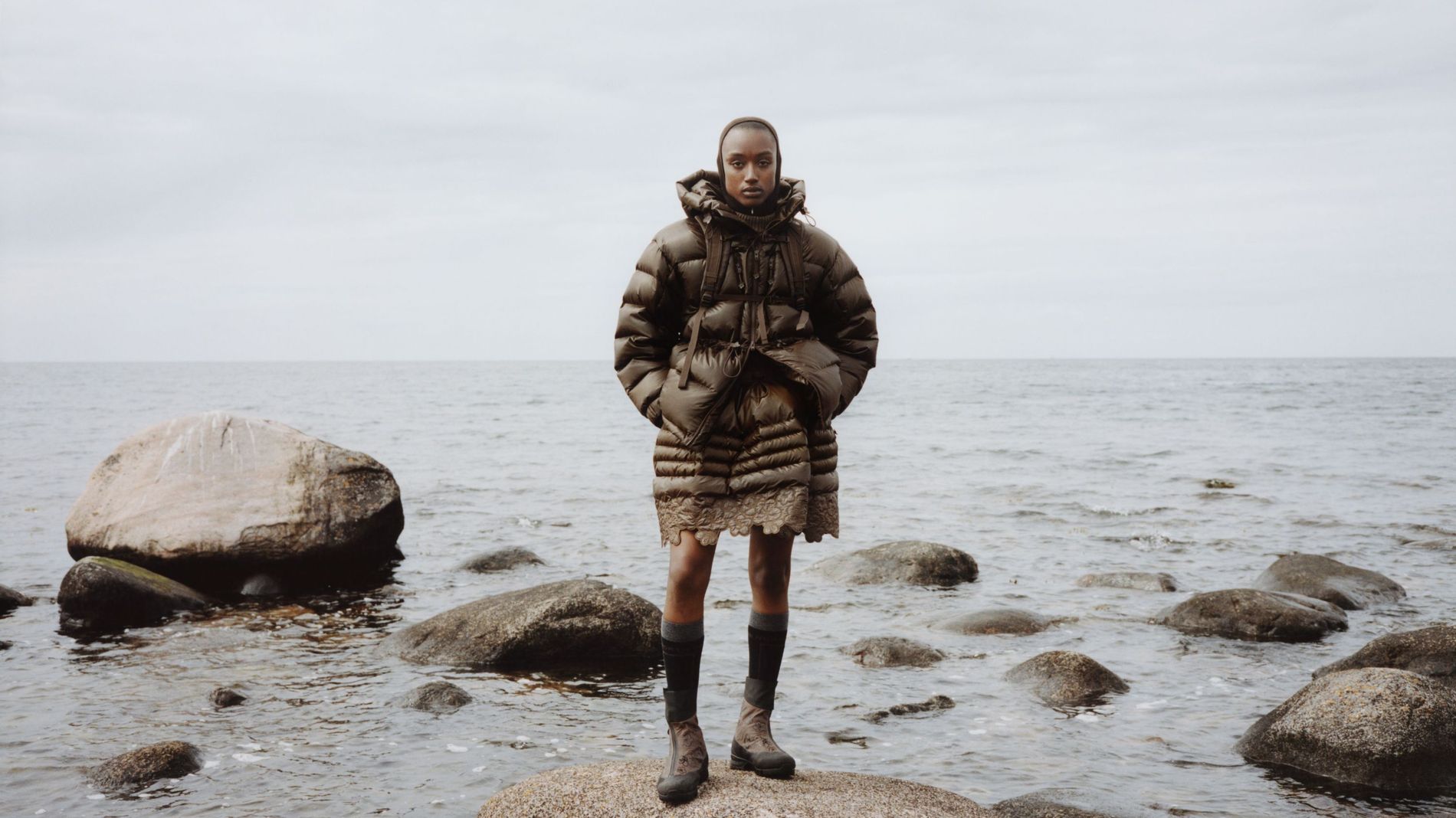
The collaboration had debuted in Bahnsen’s spring/summer '25 collection, but this time, the dialogue shifts to colder terrain. “I always imagined doing a winter collection with The North Face,” Bahnsen says from her Copenhagen studio. “That’s how I grew up with it myself, as proper winterwear. I was so excited to work with down jackets and fleece this time, these heavier, technical materials that we don’t normally use. I wanted to learn what they are as materials... how they move, their weight, their silhouette.”
The collaboration spans seven key pieces, from a down-filled Himalayan Parka to a quilted down skirt and a re-engineered Denali fleece jacket. The parkas are the standout: puffed but sculptural, adjustable at the waist, and cut with the same architectural precision as her dresses. “The Himalaya coat was such a new volume for us,” Bahnsen explains. “But it was still as light as our dresses, you could wear it properly or have it hanging off the shoulder. There was a sculptural quality and an a lightness that made it weave so easily into the rest of the collection.”
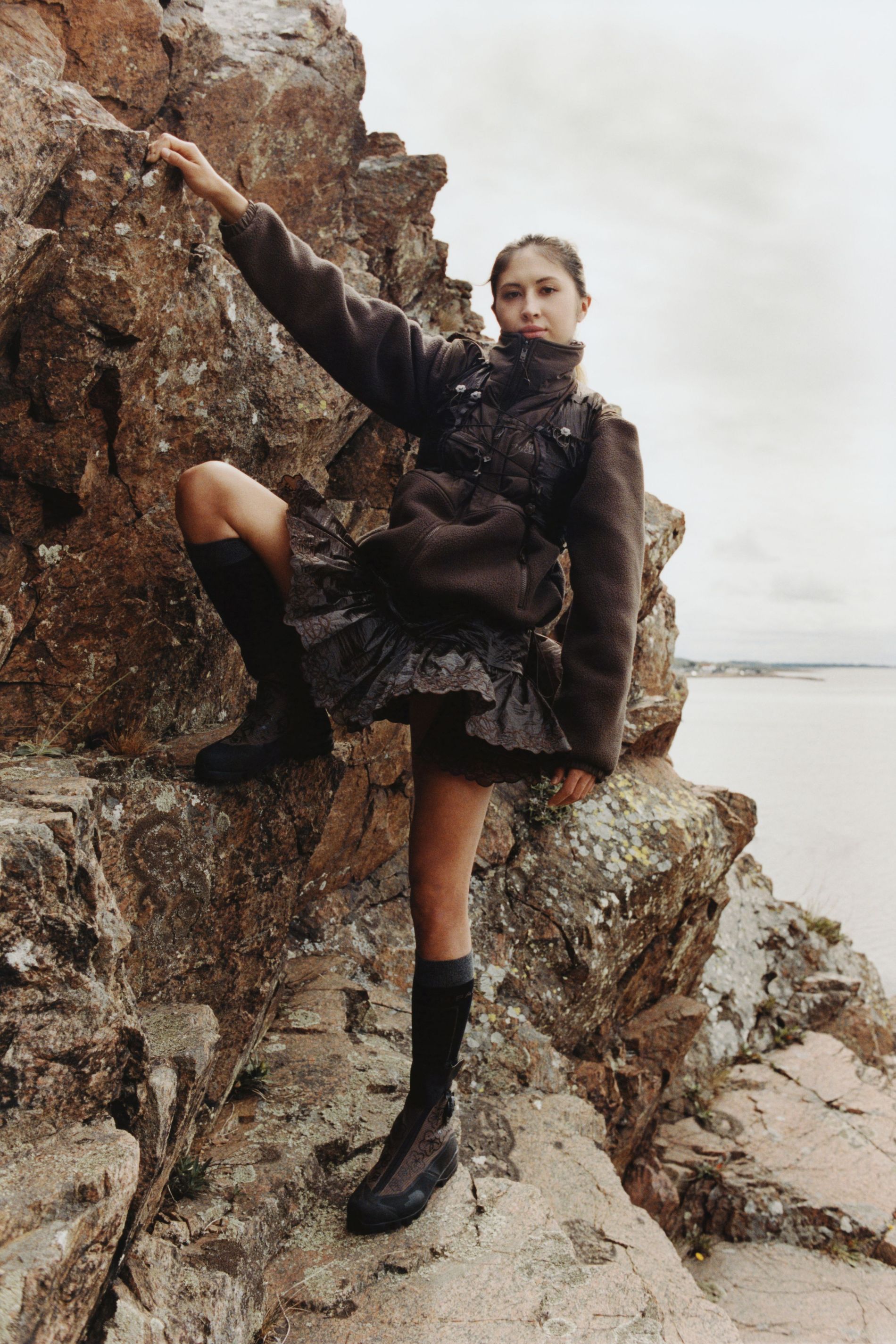
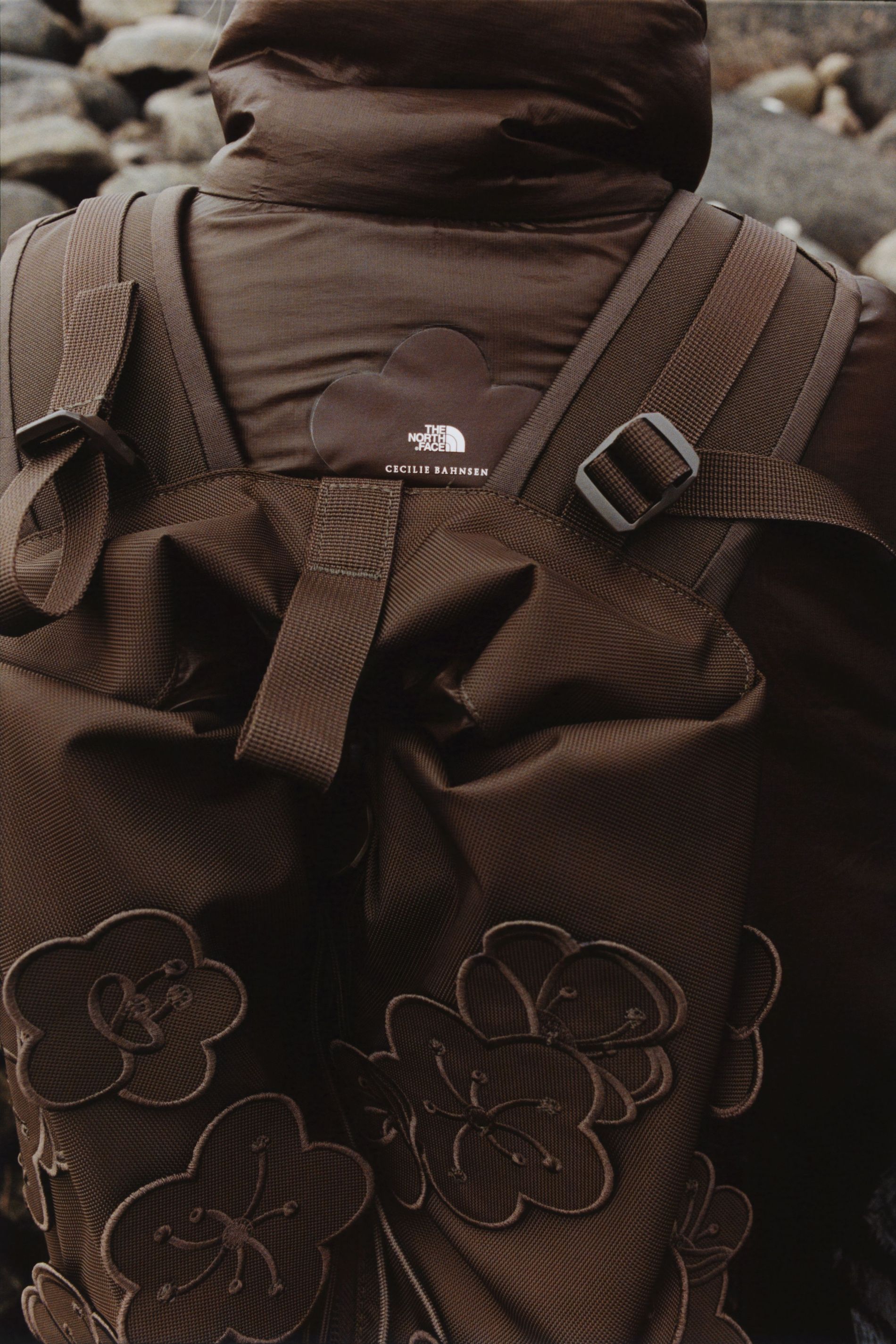
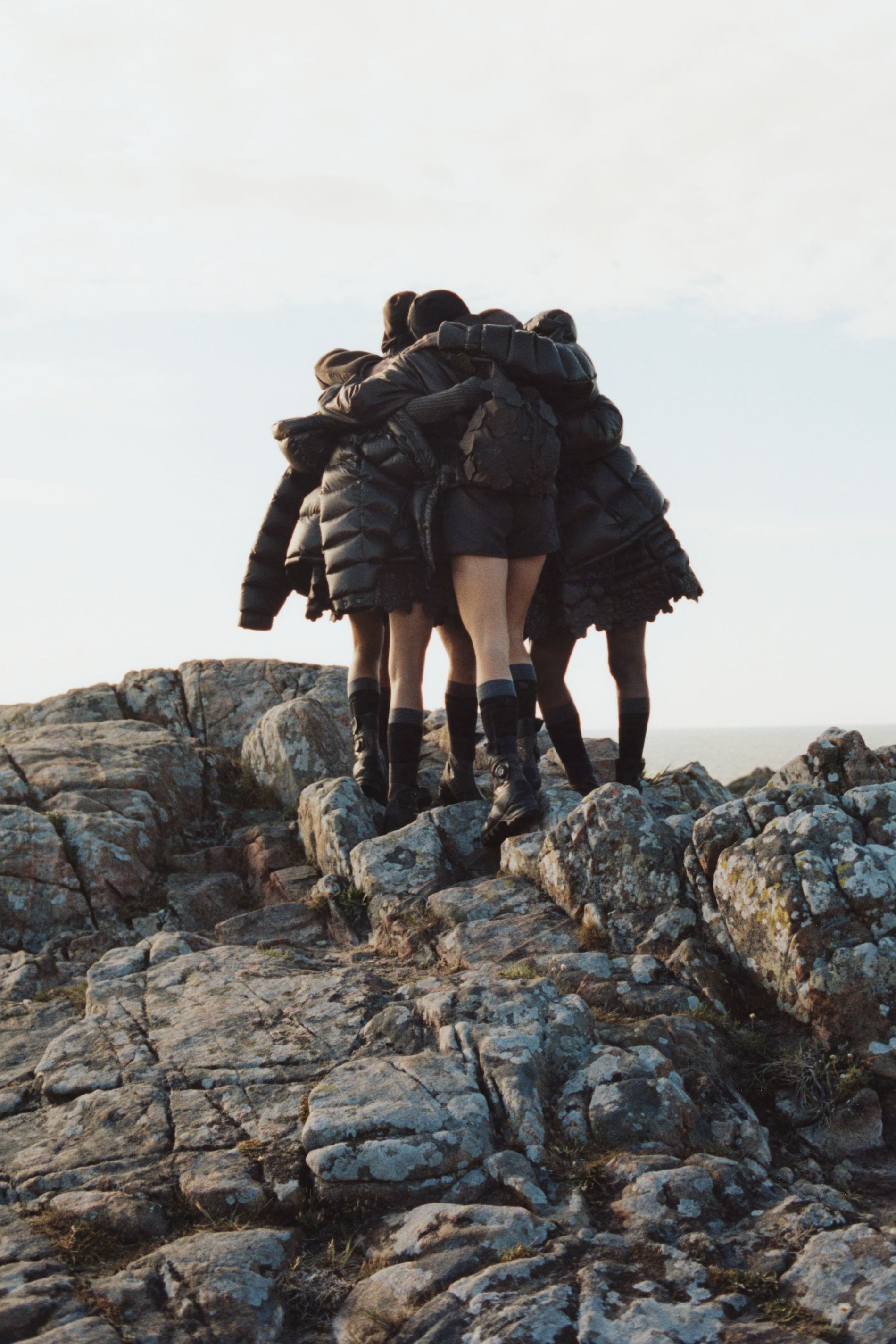
Rather than starting over, the collection builds on the foundation of the first, evolving the dialogue between femininity and function with new layers of adaptability. Fleece jackets come trimmed with delicate details, rope bags are reinterpreted with floral motifs, and The North Face’s proprietary Wool DOTKNIT base layers sit beneath petal-like skirts. “The team at The North Face are the best kind of nerds," she says. “I love how they geek out over how to make the most beautiful product that still meets every standard of functionality and wearability. You could wear a piece on a ski trip and be warm, or just on a Monday as a dress.”
“I think this is where the technical skills of both brands are so interesting... it’s the beauty of knowing and not knowing,” Bahnsen adds. “The DOTKNIT fabric was completely new for me. I imagined it tighter and stretchier at first, but it actually needs room so you can breathe. Once I understood that, I saw not just the fabric, but how it’s worn, how it's layered. It really speaks to the values that are so important to me, that sense of ease.”
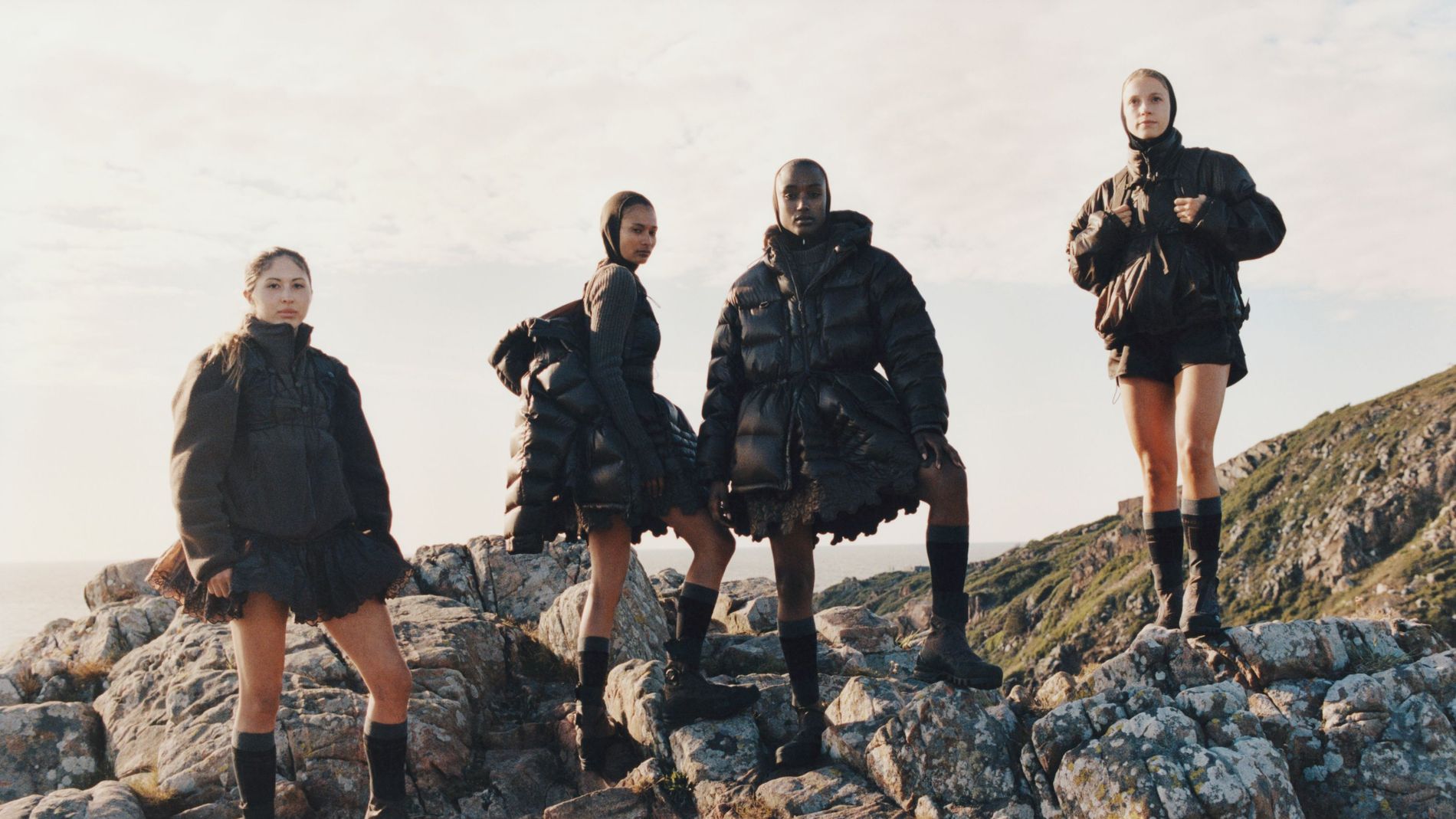
Ease, for Bahnsen, is not so much in simplicity, but more fluidity – the ability for garments to adapt. That ethos runs through every element of this collaboration. “It’s really about modularity,” she says. “How you can style and layer the pieces together, how they move between worlds.” Indeed, the collection’s technical side is balanced by the same lightness that defines her mainline: down skirts paired with delicate blouses, cropped jackets fastened with subtle ties, and outerwear adorned with tonal floral pullers. “The trims and finishes are something The North Face really let us play with,” she adds. “We developed unique floral trinkets — little details that you might not see at first but discover as you wear the pieces. That’s what makes a product feel extra special.”
If the first collaboration was about testing the waters, chapter two feels like a deep dive. “The first round is always thrilling,” Bahnsen says. “But the second time, you know what works, what doesn’t, and what you want to refine. It’s about pushing what you already built.” That confidence comes through not only in the design but in the colour. While the previous collection was rendered in safe black, this one embraces a bolder palette. “Last time it felt right to stay in black, to be classic,” she admits. “This season, we went with brown, and now I can’t imagine it being anything else. It’s rich, a little masculine even, but it sits beautifully next to our soft pinks. It just made sense.”
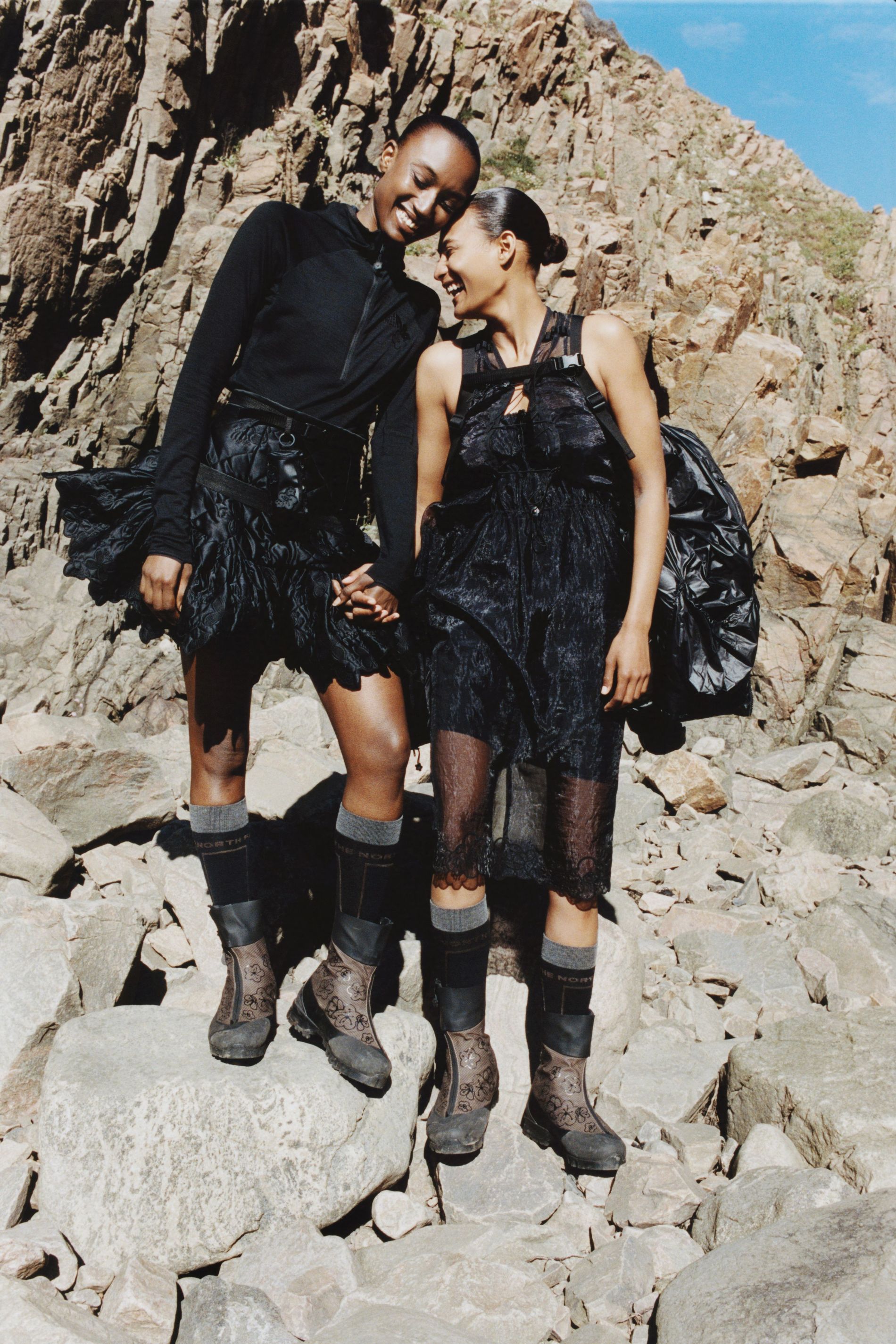
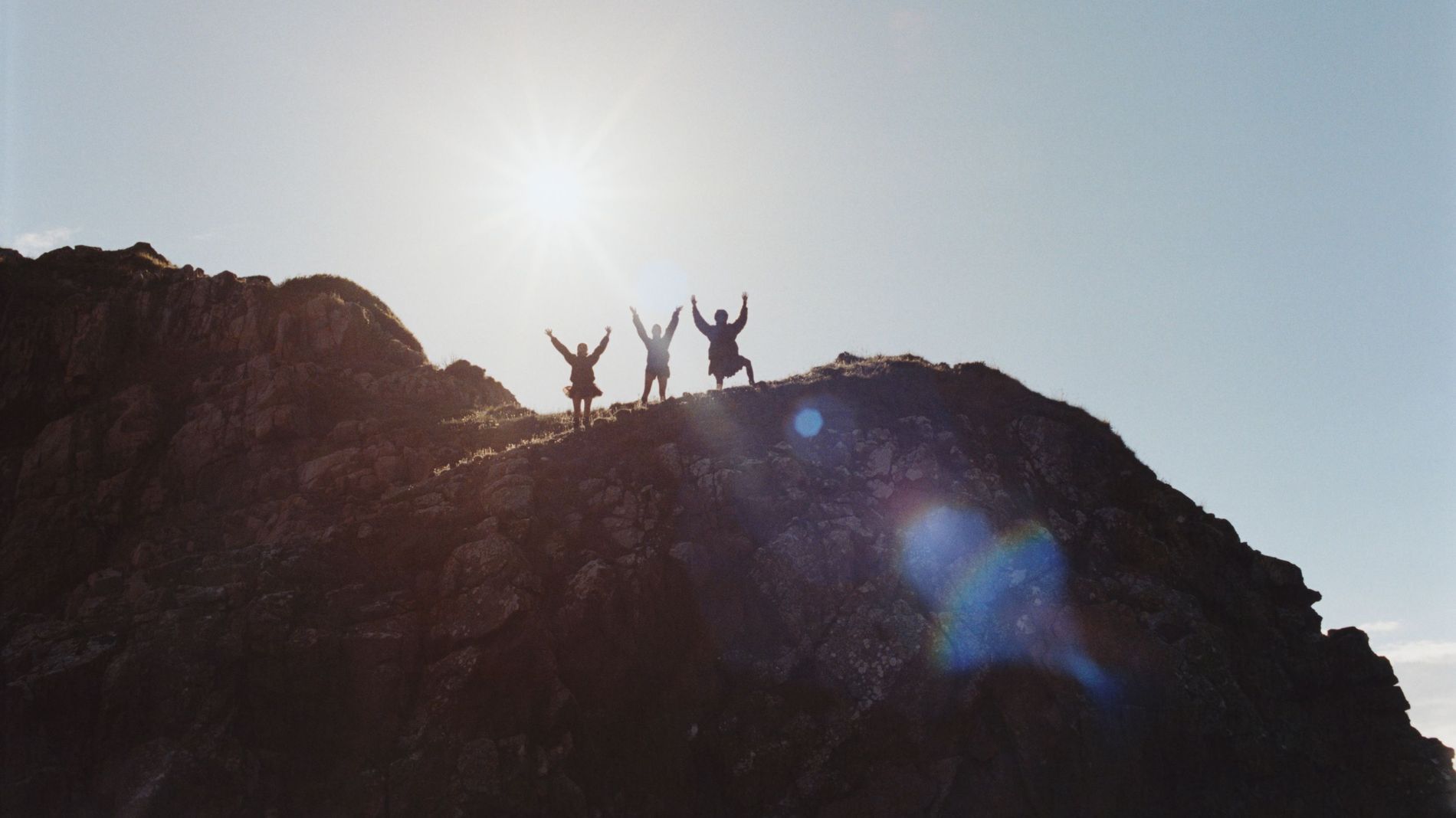
The campaign imagery, shot along the raw coastlines of Mølle and Kullaberg in Sweden by Ellen Fedors and styled by Bahnsen’s longtime collaborator Emelie Johansson, captures that same harmony of softness and strength. Featuring The North Face athletes – trail runner Ida-Sophie Hegemann and boulderer Melina Costanza – the photographs show women navigating rocky cliffs and icy winds in sculpted down jackets and voluminous skirts. “It was important that the women in the campaign, whether athletes or models, embodied determination but also ease,” Bahnsen says. “That balance feels true to how I design, and to how these pieces should live in the world.”
That grounding in the real world matters to her. “I love seeing how people actually wear the collection,” she says. “Our stylist Emelie might wear the fleece with baggy jeans, while another customer will style the jacket over one of our big skirts. The other day, I was dropping my son at kindergarten and his teacher was wearing the raincoat and boots from our last collection. It was amazing – she was standing there with all the kids, and it just looked so natural. That’s the dream, when the clothes live beautifully in real life.”