Seasoned creative director and Chimi co-founder Charlie Lindström launches Benon, a luxury home textile house born from a love of tailoring, craftsmanship, and care, and whose name quite literally means 'the best'. Here, we sit down with the founders to discuss the brand that will never compromise on quality
“Apologies if I’m a little tired,” Charlie Lindström says, making coffee in a subterranean atelier on St Eriksgatan in Stockholm. As autumn light spills through the small, street-level windows, Lindström stands surrounded by reels of fabric, pools of thread, jars full of buttons and bobbins, and mannequins. “I’ve been up with our newborn all night”, he explains, offering me a cup. Though the child is not yet one month old, another new arrival is also keeping Lindström busy: the just-launched, home textile house, Benon. This new venture is intrinsically tied to the atelier in which we are chatting – a place Lindström knows well, has recently taken over, and whose traditions and disciplines form the very foundations of his latest endeavour.
LiLaRo Atelier brought together three master seamstresses: Lindström’s mother, Lilian, and her colleagues Mari Larsson and Ulla Rondahl, whose combined last names' beginnings became the atelier’s own. “They have been tailors since before I was born," Lindström says of the matriarchs who began working together over 40 years ago, before taking over the atelier two decades later. The trio worked with a clientele encompassing the Royal Swedish Opera and fashion houses such as Acne Studios and Hodakova, while also offering high-level tailoring to private clients – including a teenaged Charlie. “They did so much for me when I was young," he shares. “They’d say, ‘You don’t need to buy that. Find a picture of what you like, and we’ll make it for you.’ That really shaped how I think about design and product development,” he says. “It all starts with a reference and, from there, you can do anything.”
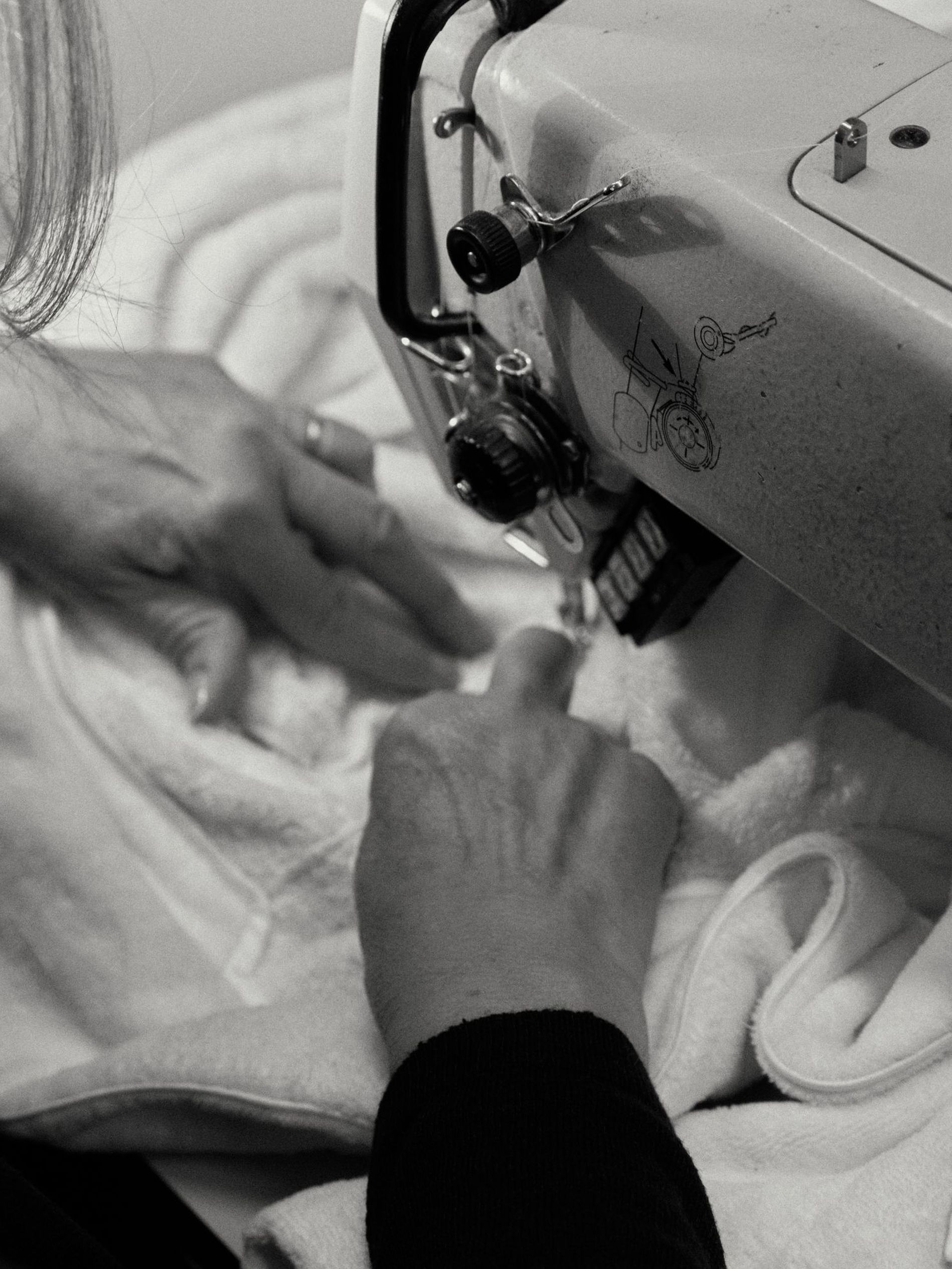
Photo: Benon
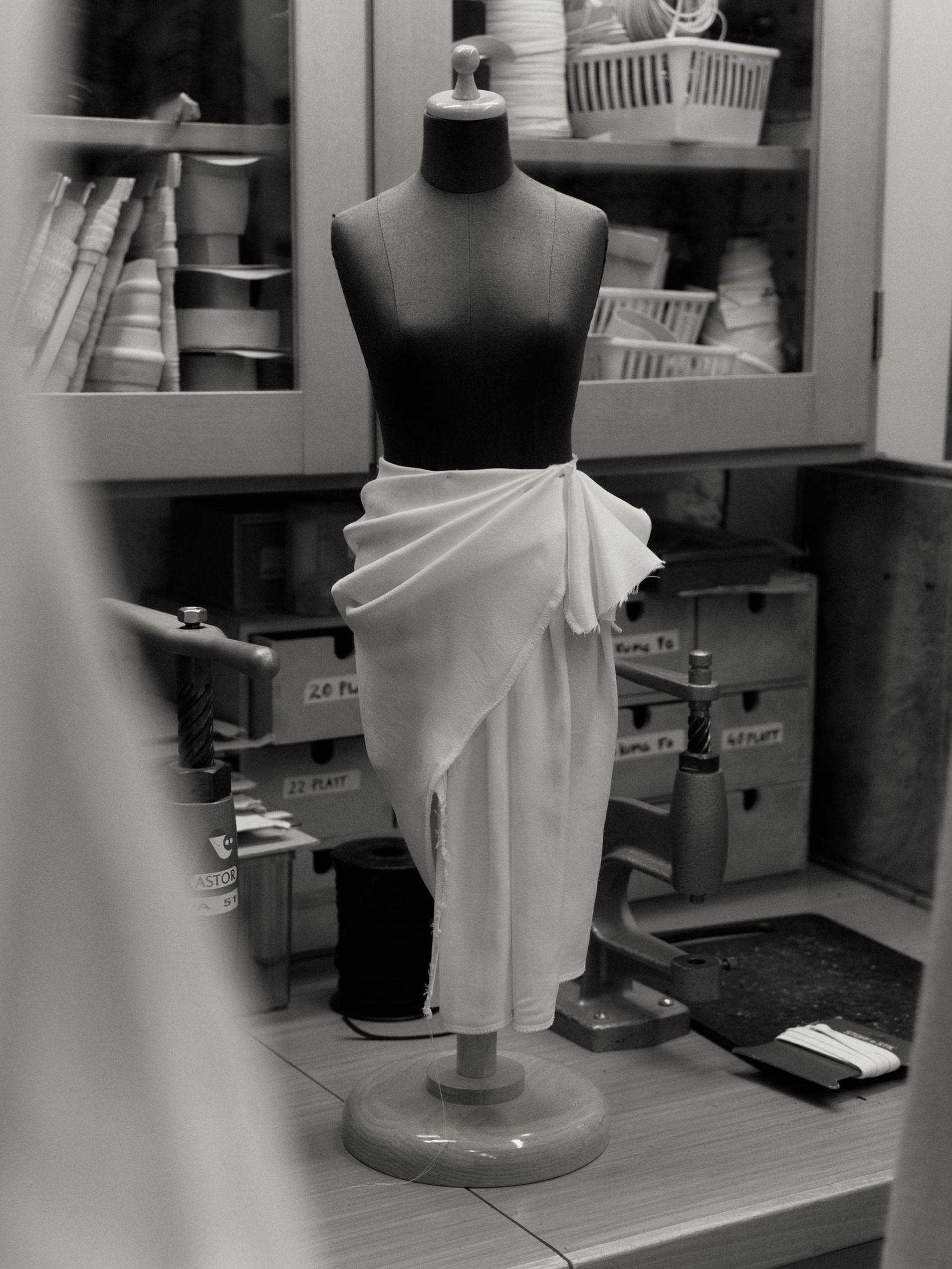
Photo: Benon
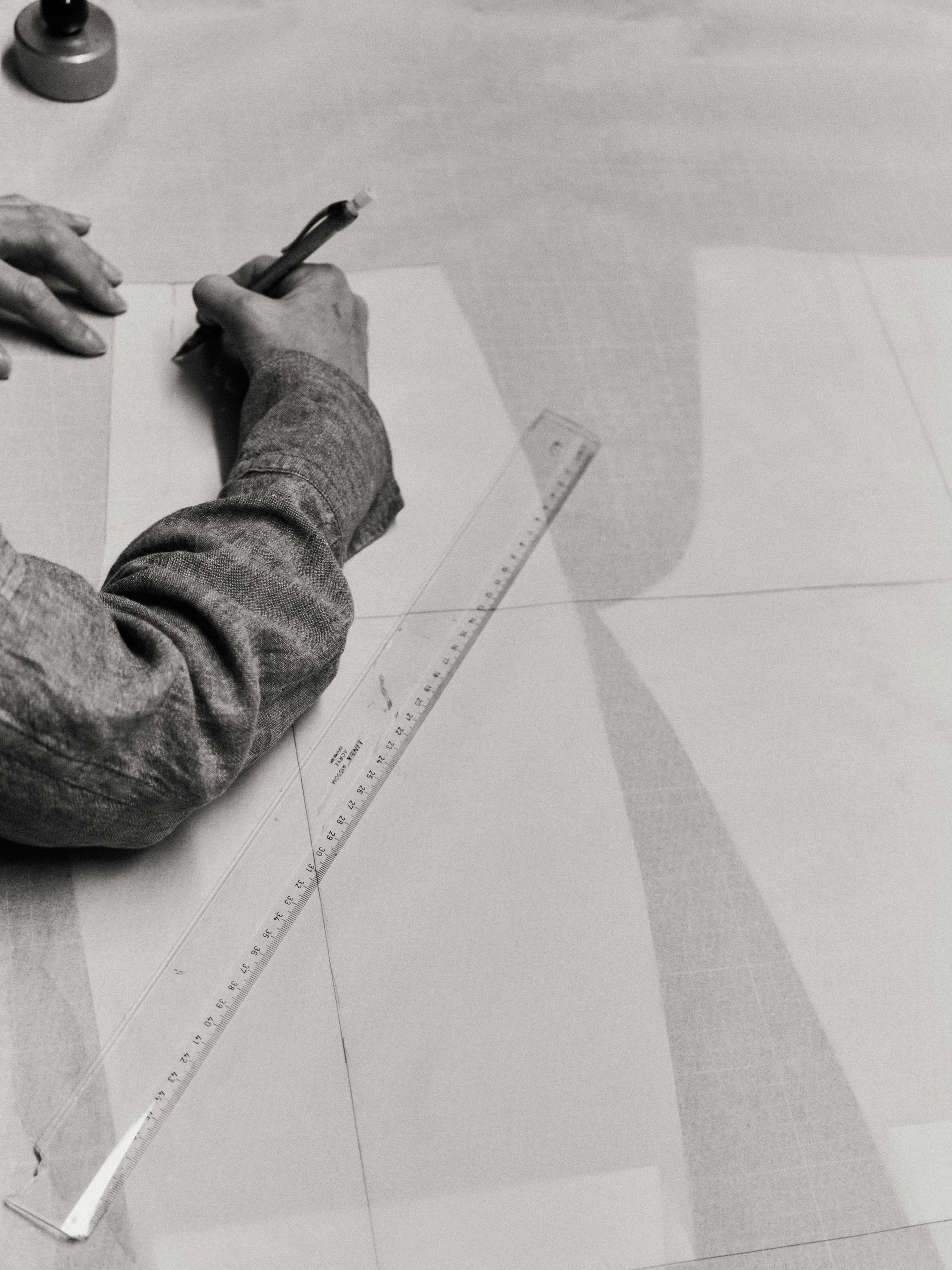
Photo: Benon
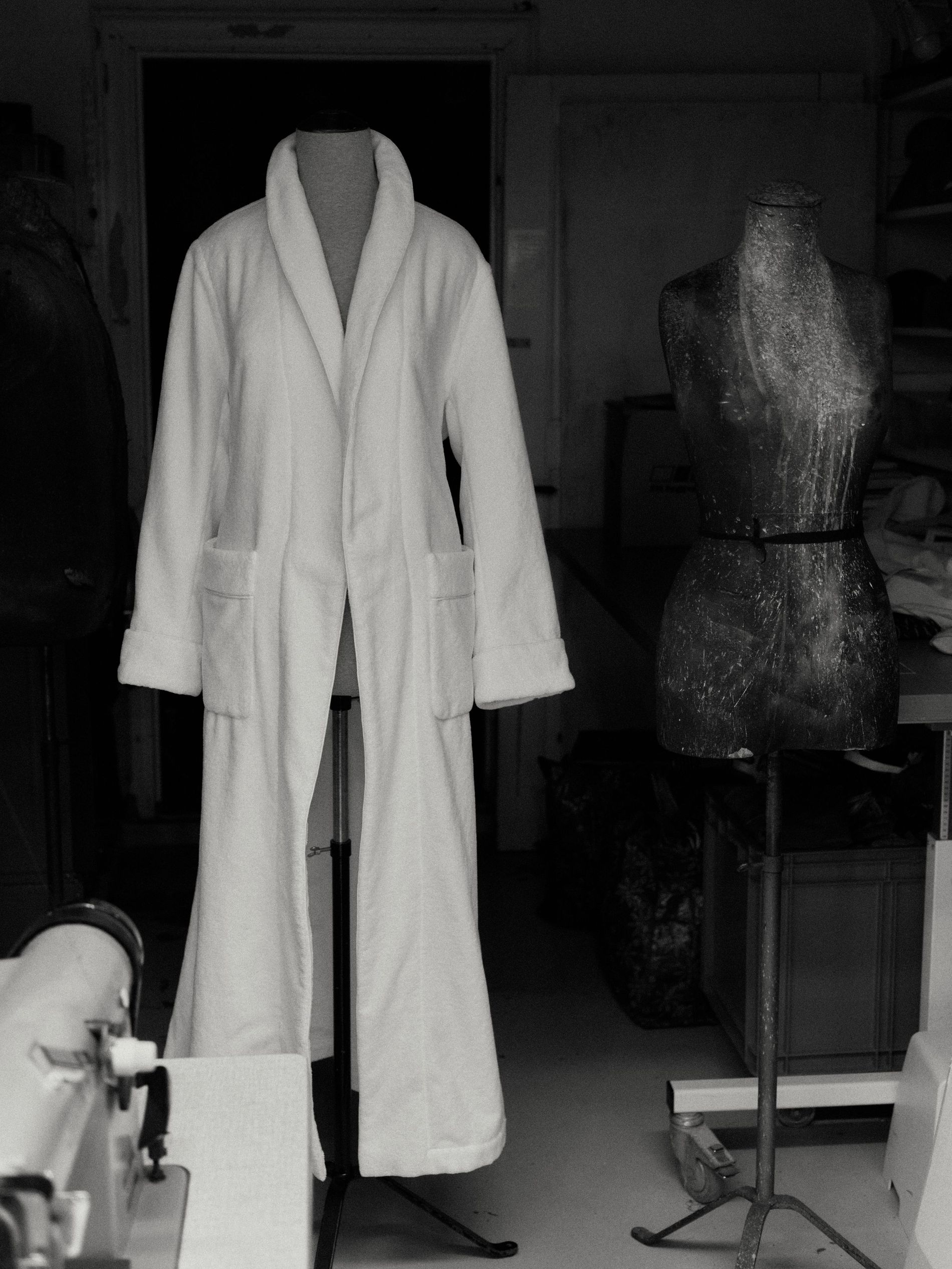
Photo: Benon
Lindström has carried this knowledge with him into his tenure of the atelier, as he launches Benon with his founding partners: fellow designer and fiancée Lea Ryrstam, Visual Director Caroline Sandström, Head of E-commerce Evelina Rydh, and Axel Wikner, who oversees the operational sides of the business. The textile house spans four categories – Bedroom, Homewear, Bathroom, and the soon-to-come Objects – and uniquely positions itself through its approach of applying the mind and eye of a tailor to the home. Benon is a world in which fashion, tailoring and interiors are variations on a theme, alternating expressions of a core discipline.
Though just-launched, the idea had been a long time in the making: it was Ryrstram who first envisioned it, inspired by the spirit of a 'nonna' – though not merely as the grandmother character that the word represents in Italian. As Ryrstram explains, “For me, Nonna has never been about one particular woman. She represents a collective memory of women I have known and admired throughout my life. Women with an instinctive understanding of beauty and craftsmanship, often without ever considering themselves creative in a conventional sense. There was something very natural about the way they approached things, whether it was preparing a meal, looking after a home, or making something by hand. Nothing was particularly grand, yet everything was done with intention. To me, she represents a certain way of living, creating and caring for things. She is our compass, reminding us of what really matters.”
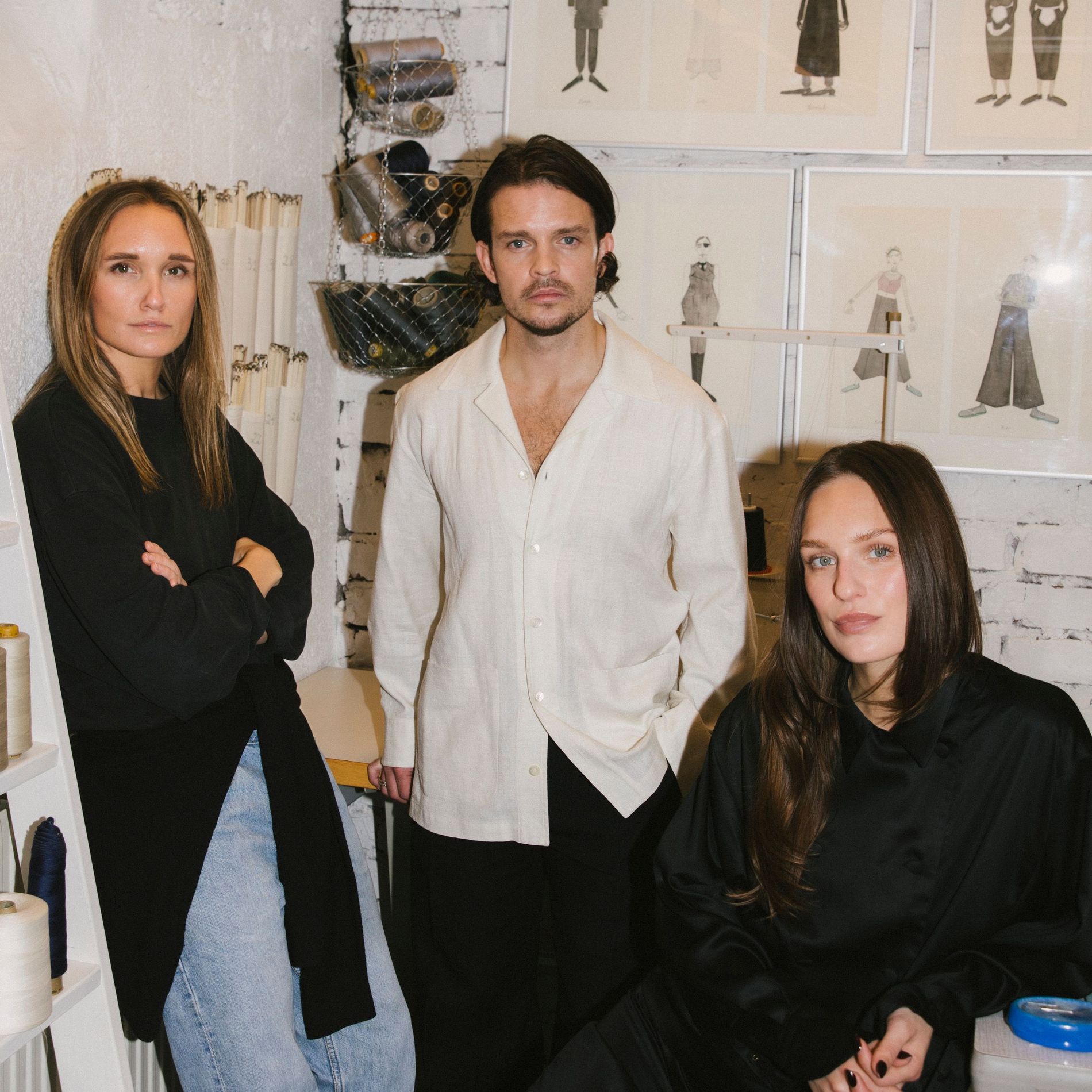
Caroline Sandström Blasiak, Charlie Lindström and Lea Ryrstam. Photo: Rasmus Lindahl
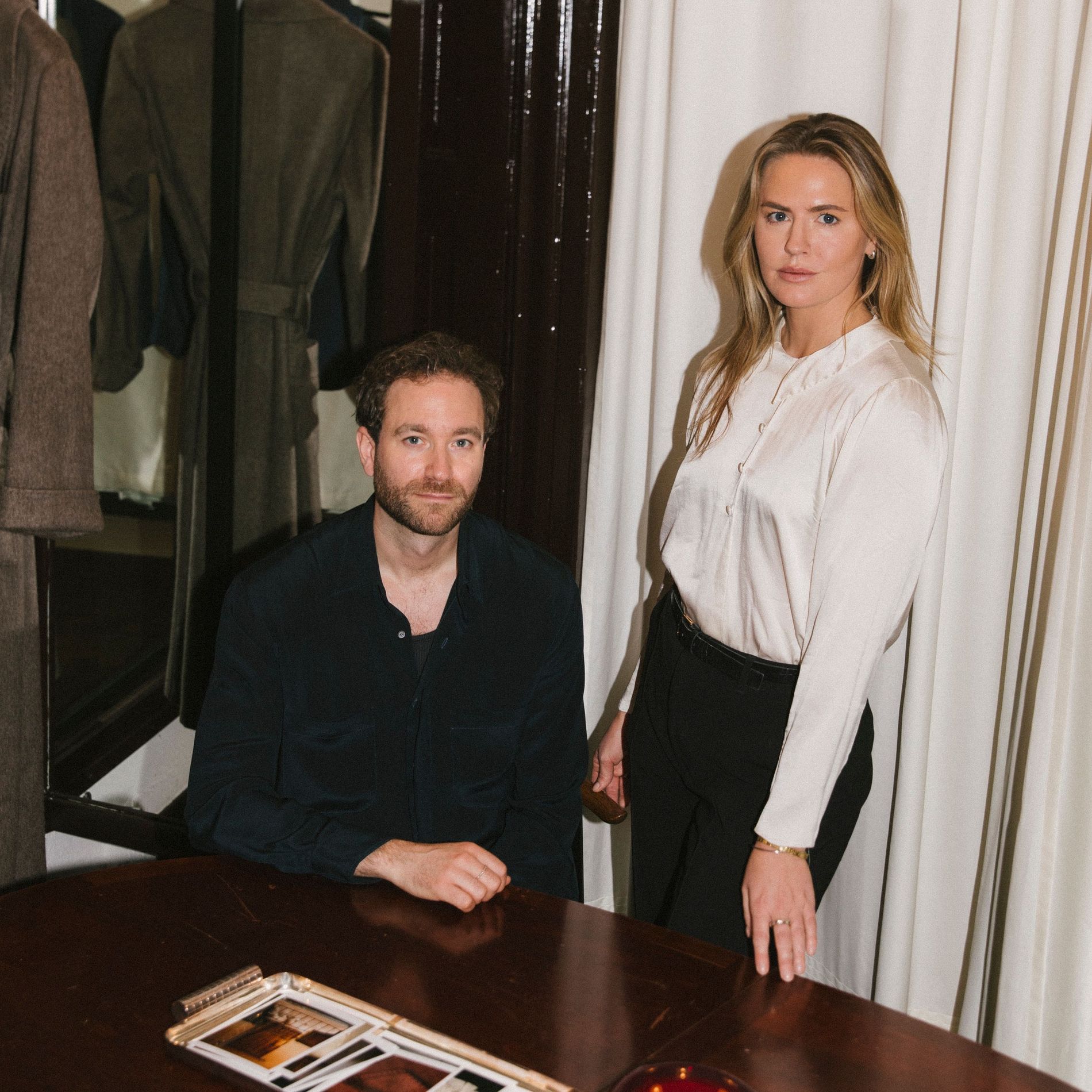
Axel Wikner and Evelina Rydh. Photo: Rasmus Lindahl
Fittingly, for the company now launching in its founder’s matricentrically-charged atelier, Ryrstram continues: “I’ve always been fascinated by the knowledge that lives within families and is passed from one generation to the next.” “The smallest gestures, habits and traditions can carry so much history. I think we sometimes underestimate their value, particularly in a society where everything is expected to become faster, easier and more efficient.” That way of thinking, Ryrstram says, has influenced how she approaches Benon. “I want to create pieces that feel familiar from the beginning, as though they have always belonged in your home. Things that become part of people's lives and, eventually, their memories,” she adds.
The people behind Benon are intertwined in each other’s lives, and memories: Ryrstram and Lindström worked together for seven years, becoming a couple when Lindström left Stockholm-based eyewear brand Chimi, which he co-founded and led since 2016. Meanwhile, Wikner and Lindström’s friendship goes way back, and the duo's camaraderie is apparent: “It’s so fun to work together, almost like a family,” Wikner says. His commitment to Benon is equally undeniable: in March 2025, Wikner left his previous workplace of 13 years to join Benon, a decision he says he “never doubted.” Things then moved quickly: in April, Lindström stepped away from Chimi to work with Wikner on production and strategy, tapping into his longstanding relationships with Italy’s finest suppliers. This opened further doors, including those belonging to top cashmere manufacturers. It is their expertise that is evident in Benon’s supremely tactile cashmere robe, and the house’s pièce de résistance: a generous, plush cashmere throw.
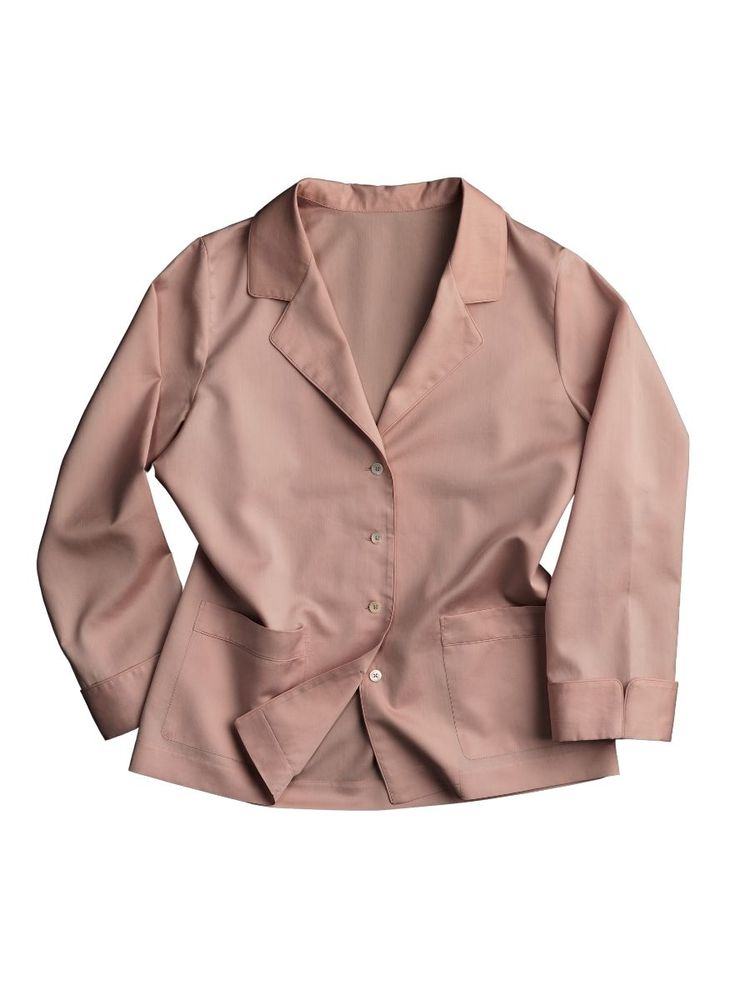
Rounding out the homewear collection are a nightgown, home suits, and pyjamas, all cut and sewn in Stockholm, and inspired in part by '40s patterns from the atelier’s archives. “This cut is extremely classic," Lindström notes, adjusting a cotton-cashmere pyjama shirt’s breast pocket on a mannequin that has seen many years of LiLaRo’s craftsmanship. He then moves on to a discreetly concealed detail: inside the matching trousers – which have been crafted without an elastic waistband “for a cleaner silhouette” – a ribbon in the same fabric has been added. Lindström's boundless attentiveness to detail – extolling the beauty of details such as the drop of the shoulder, the thickness of a pocket, or the finest piping – further demonstrates his enthusiasm for Benon's offering.

Photo: Benon

Photo: Benon
Benon’s bespoke palette – inspired by candlelight, old plaster, faded rose and warm ivory – matches the elegance of the cuts. Rather than utilising the same material in different colours, each hue is paired with the fabric that best brings it to life. “Essentially, it’s all about what works best”, Lindström says, contrasting a cotton blend with cashmere, then silky modal. “They all serve different purposes,” he says, explaining that each Benon fabric is chosen not only for the look and feel, but also for how it falls, and interacts with the wearer. With his extensive testing, he ruled out anything remotely “claustrophobic” or “sticky”. “For homewear, you want something airier,” he says. “A balance that lets you feel as free as you would in pyjamas, but still comfortable opening the door to guests.”
Ryrstram echoes his thoughts: “I've always been drawn to the way people dressed at home in old films,” she says. “There was a certain elegance to it, the idea of dressing beautifully, even when you weren't going anywhere. I love that sense of occasion in the everyday, and it's something that has inspired our entire homewear collection.”
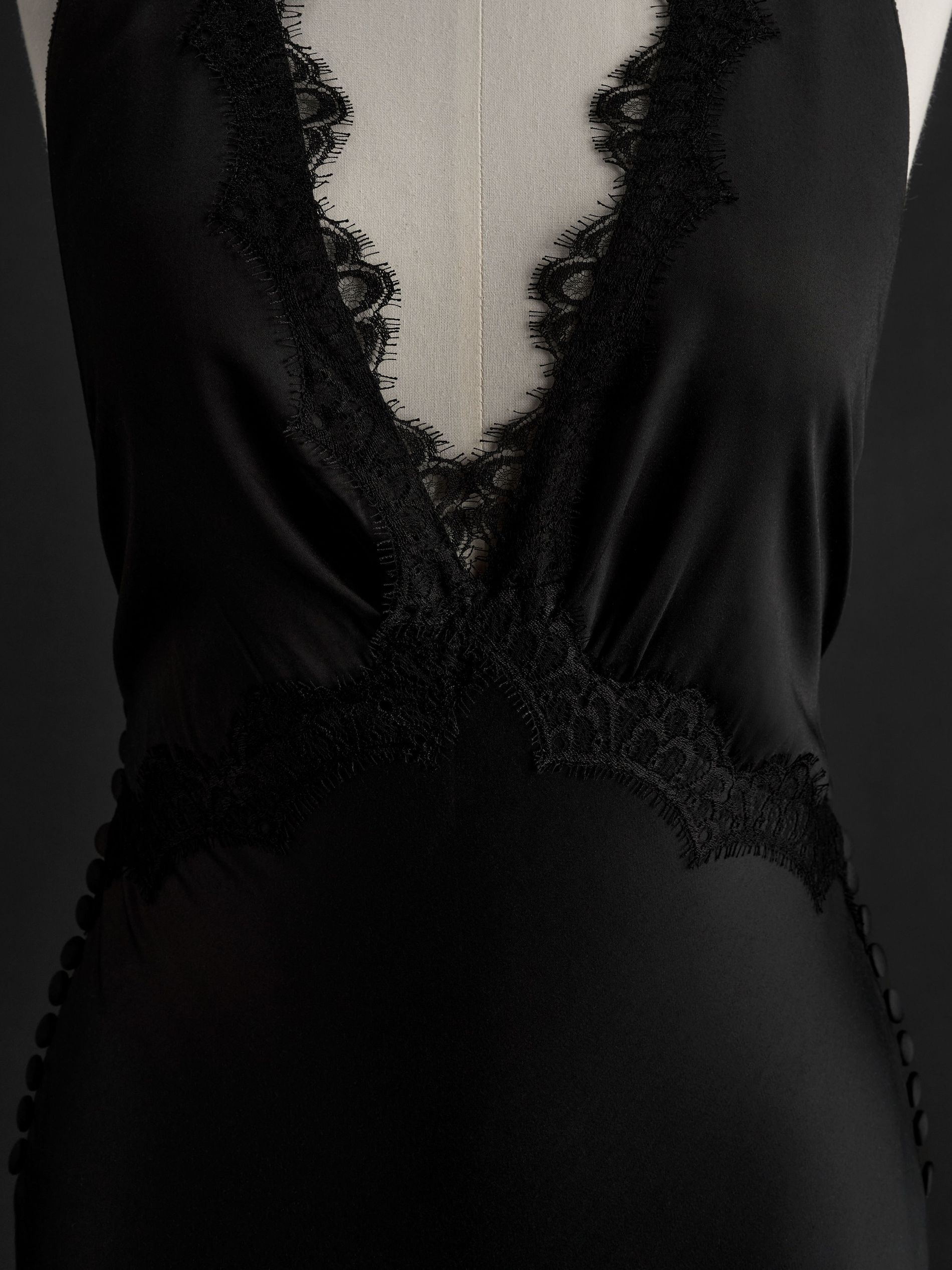
Photo: Benon
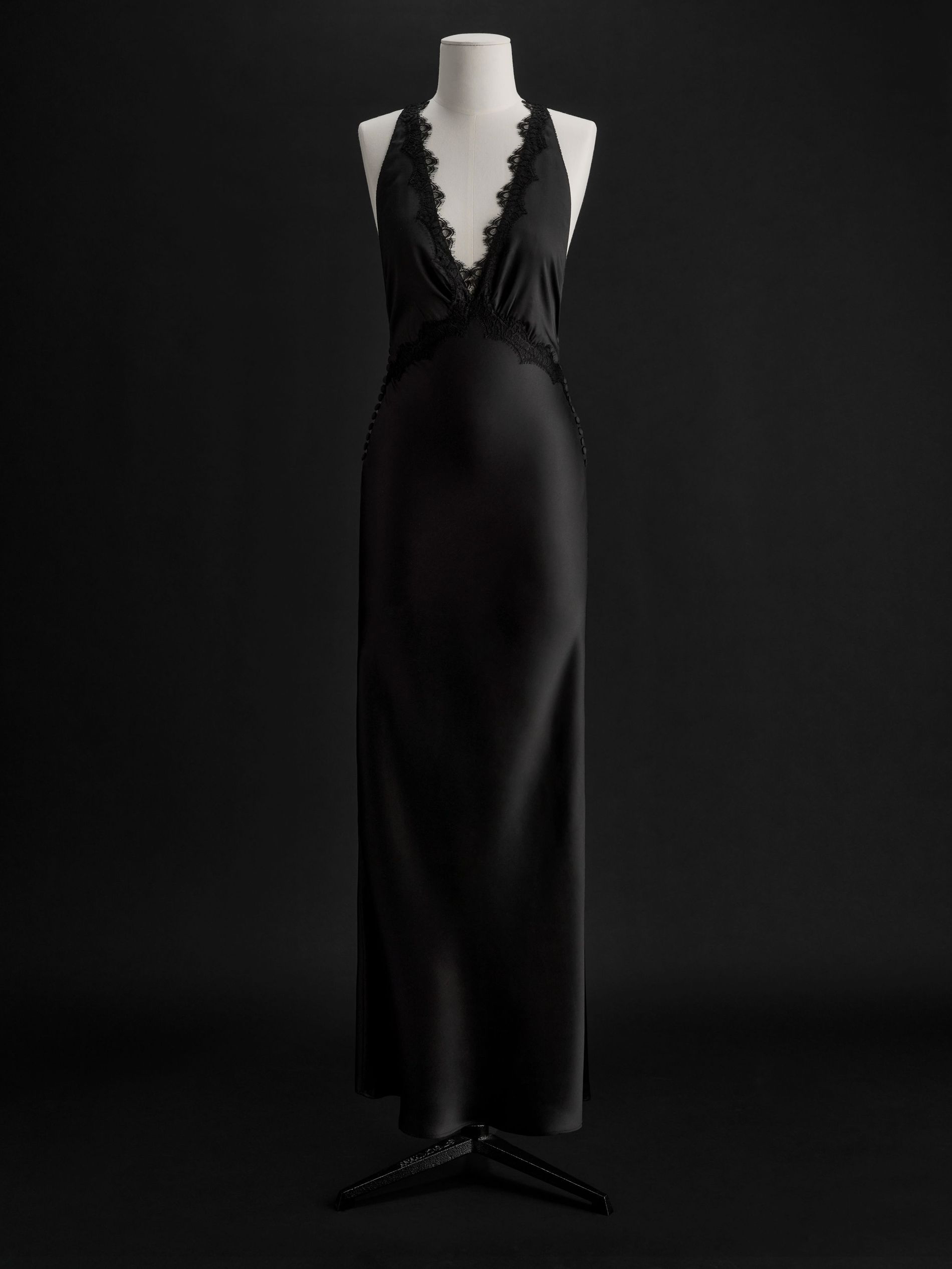
The nightgown, designed by Lea Ryrstram. Photo: Benon
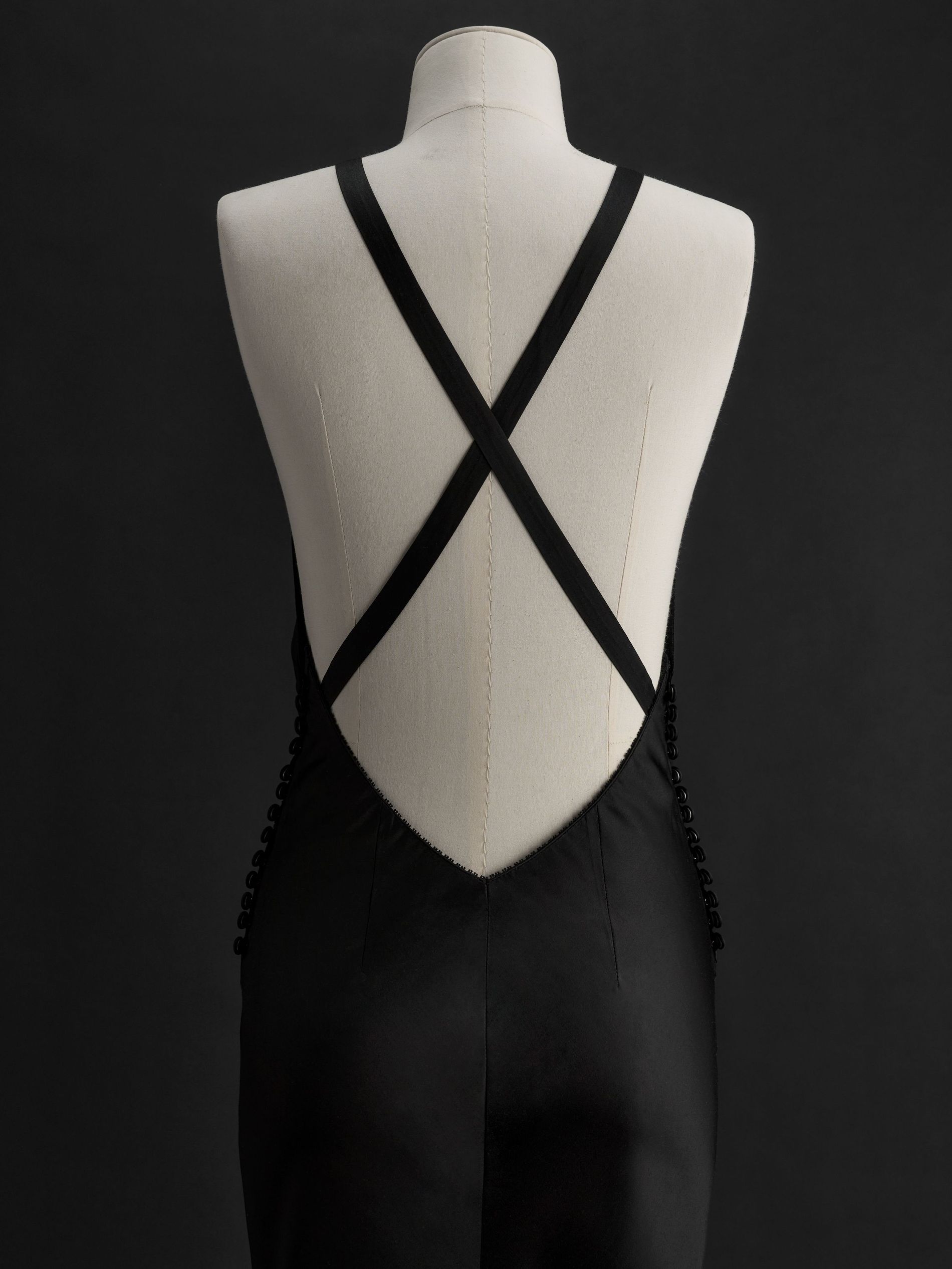
Photo: Benon
This vision is perhaps most visible in the couture-esque silhouette of Ryrstram’s most dramatic design in the collection: the nightgown. “With the nightgown, I wanted to capture some of that feeling. Something feminine and romantic, with a certain sensuality, but still incredibly soft and comfortable to wear,” she says. “I love the contrast between looking dressed up and feeling completely at ease. I think there's something beautiful about making an effort just for yourself, even in the privacy of your own home. The nightgown is really an expression of that idea, although I love the thought of someone wearing it out for an evening as well.” Lindström chimes in: “She is such an incredibly good designer,” he muses, citing her textile studies and earlier work, and pointing out how the curved collar on the women’s robe, which Ryrstram designed, has been perfectly balanced to envelop the wearer without compromising the elegance of the neckline.
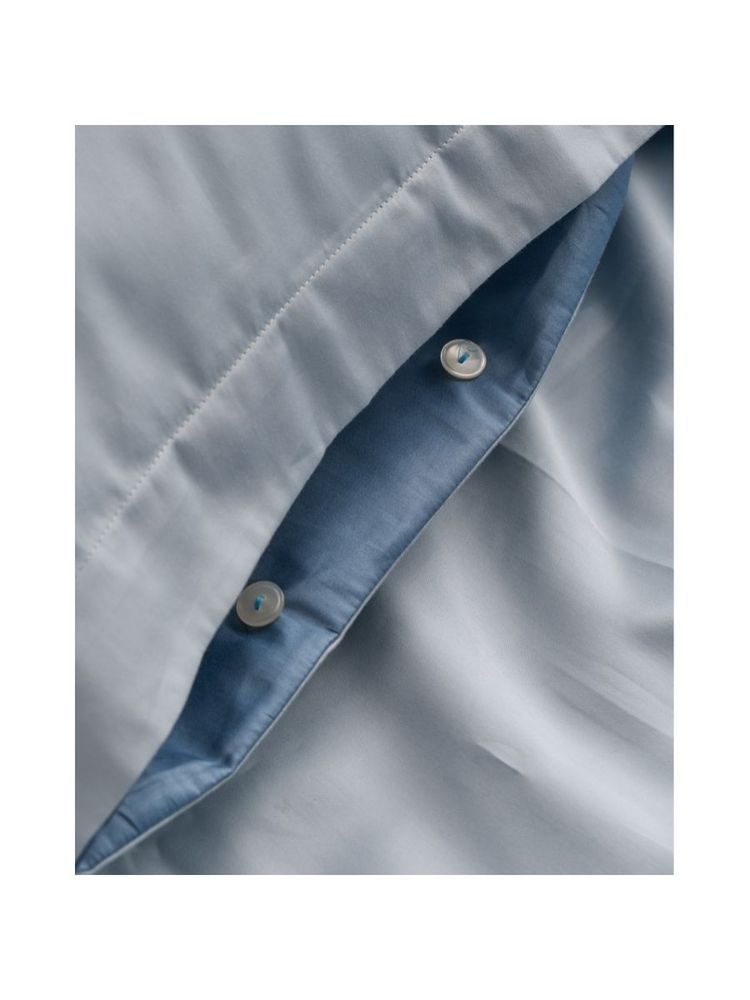
The sartorially considered touch extends to Benon’s bedroom category, coined “dressmaking translated for the bed”. The selection covers top and flat sheets, duvet covers, pillowcases, and blankets, crafted from variations of long-staple Egyptian cotton percale, sateen, and cashmere. “This one’s magical,” Lindström says, holding up what looks like liquid porcelain. The duvet cover in question, Marvel, features handmade rouleau loops and buttons dressed in the same cloth as the sheet – reminiscent of the nightgown's buttons – and repeated an astounding 56 times. I dare to suggest that this intricacy also instills in the buyer a responsibility to care for the item, reinforcing a tactile appreciation through the almost meditative act of unhooking and fastening the buttons.
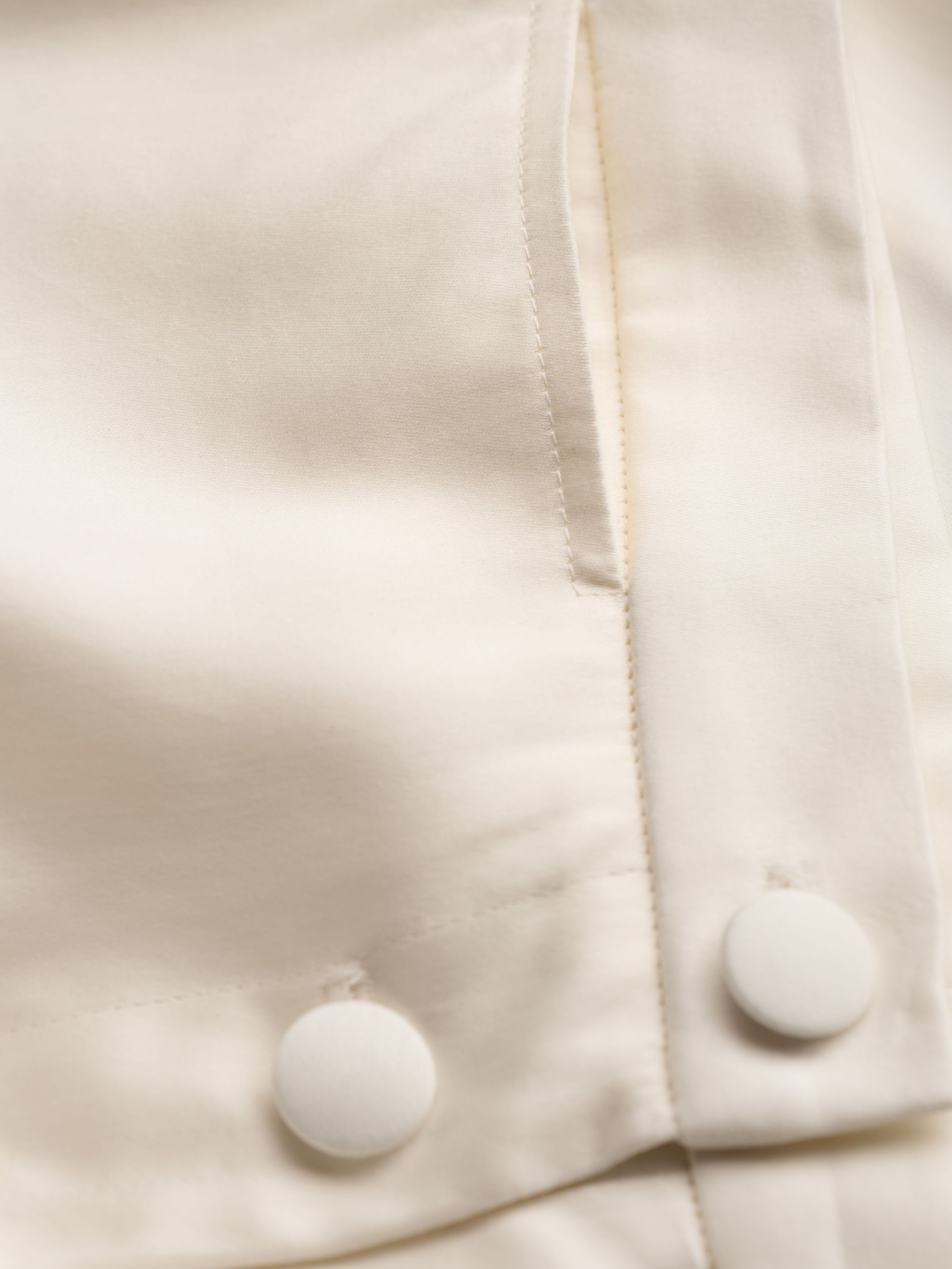
A detail from the cream-hued home suit. Photo: Benon
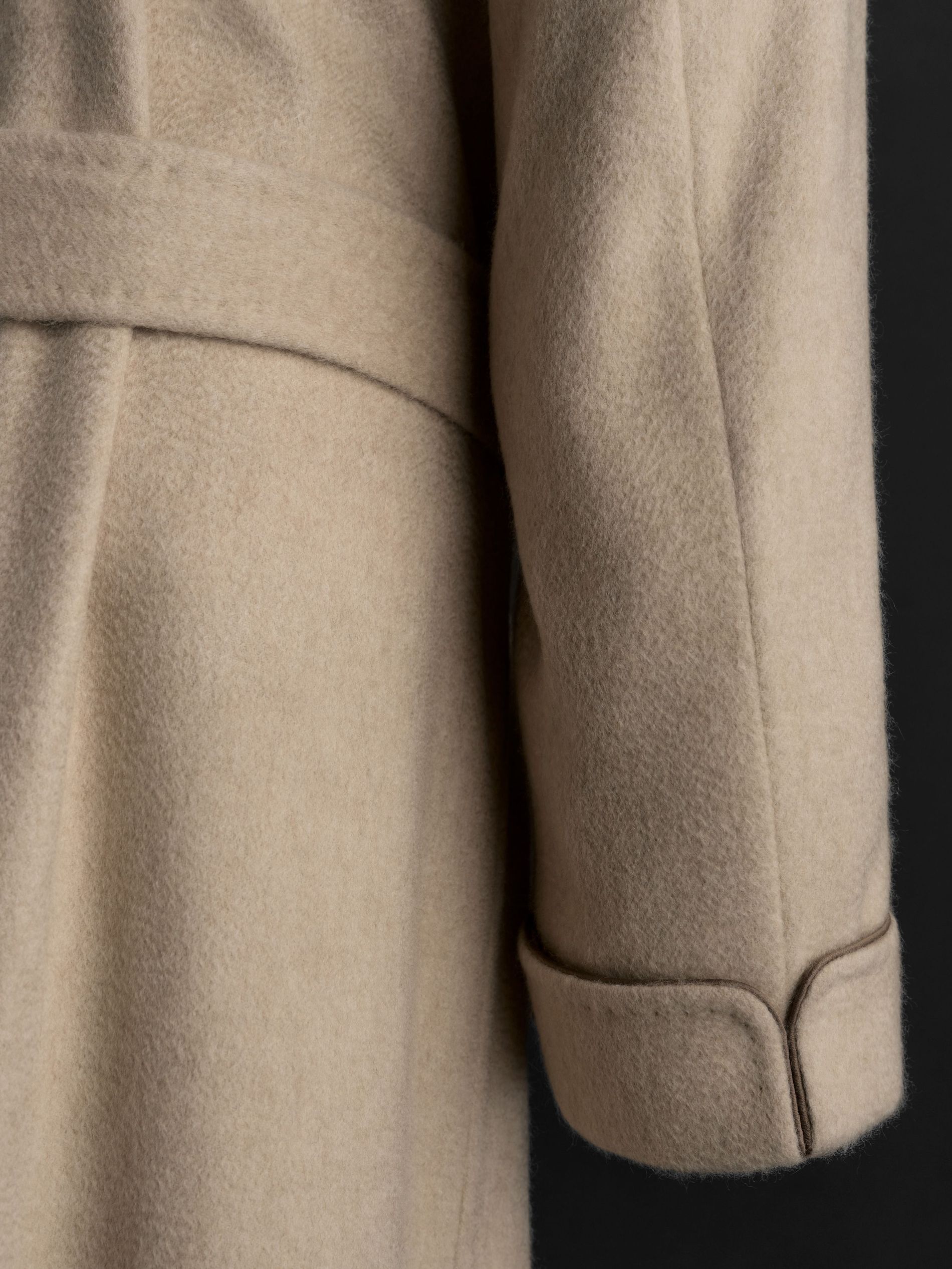
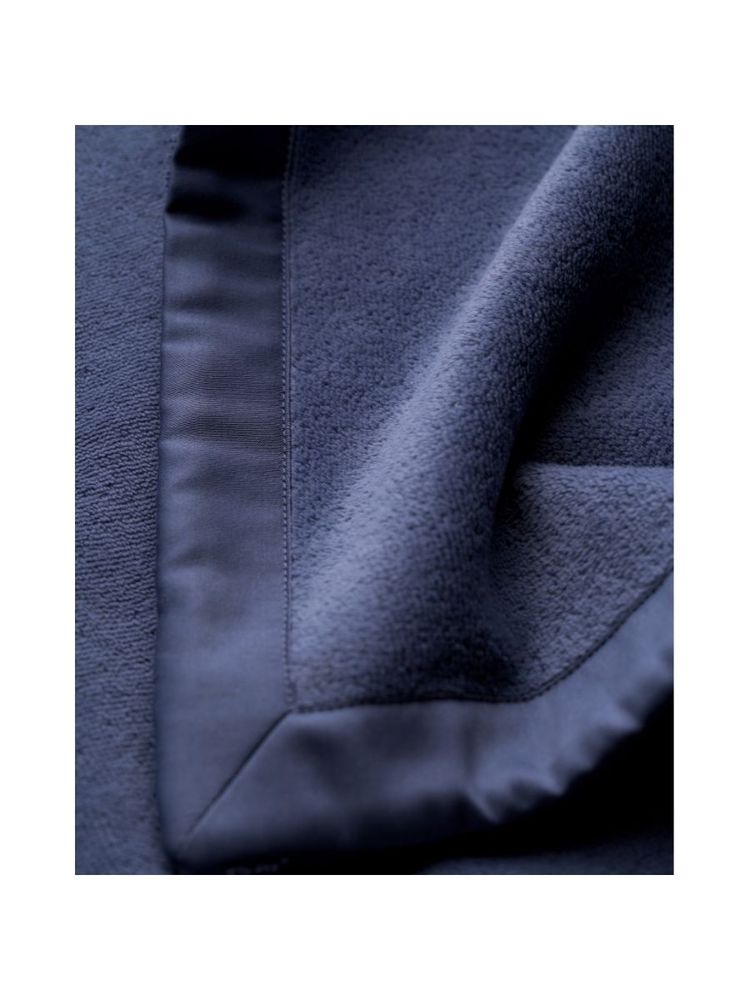
Detailing on the 100% cashmere House Robe in Natural Beige. Photo: Benon
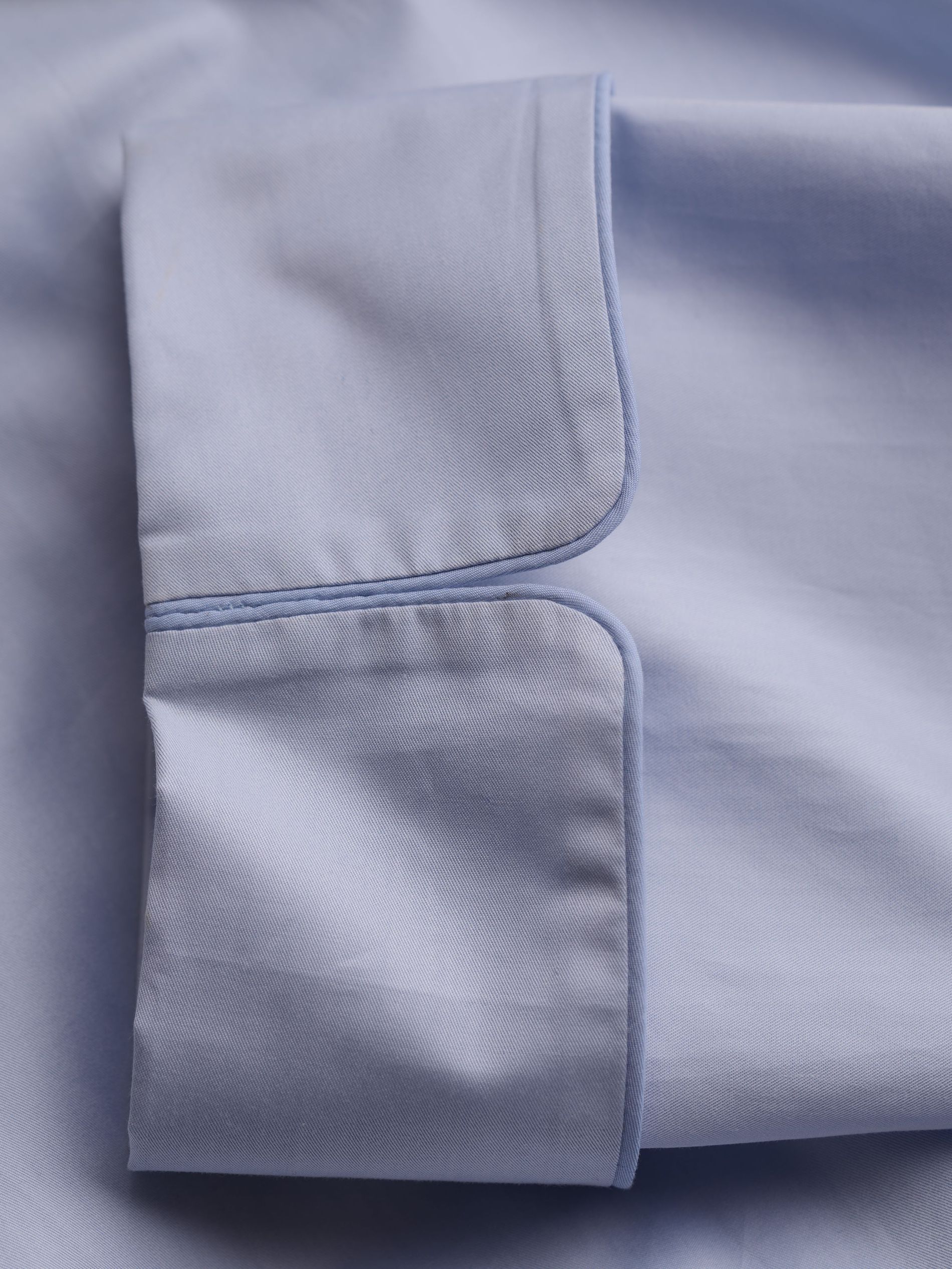
Cuff details on the women's pyjama in light blue. Photo: Benon
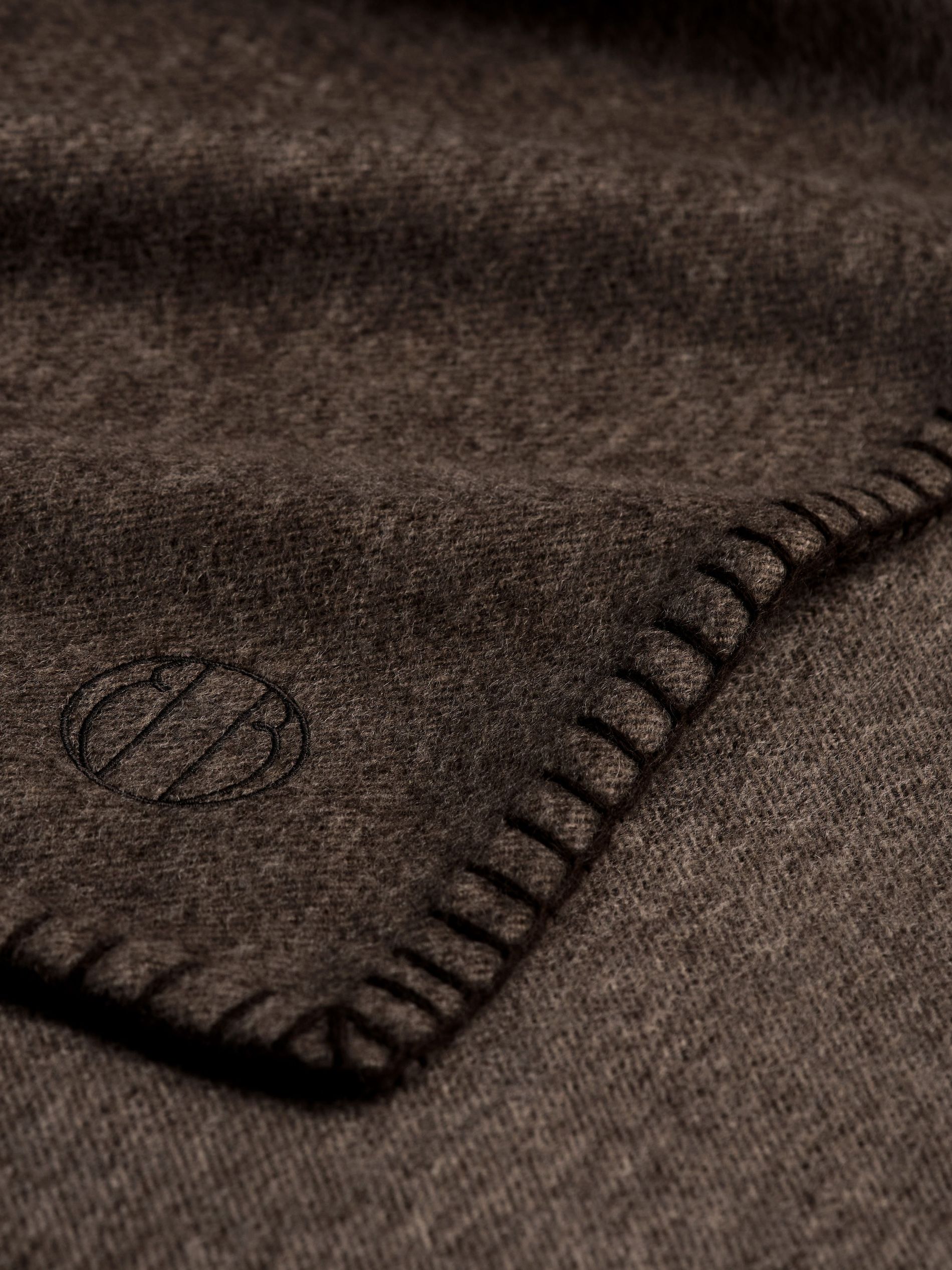
Benon's 100% cashmere throw in Tobacco. Photo: Benon
As Ryrstram says, “I want that connection between making something, and caring for the person who will use it, to be central to Benon.” “Choosing a fabric, sewing a button by hand or simply making a bed can all be expressions of affection,” she continues, before reiterating the ethos at the heart of the brand. “The lesson I take from Nonna is to give things the time and attention they deserve, and to value the quiet work that may not be noticed at first glance, but is felt in use. That is the foundation for Benon.”
Staying true to Benon’s understated approach, the bathroom range houses terry robes and towels, which are the result of Lindström's study of Italian and French linen houses. Crafted by hand and finished with sateen from the brand’s bedding collection, all details are considered for longevity, from the logo embroidered directly onto the fabric, to the material that softens with each wash.
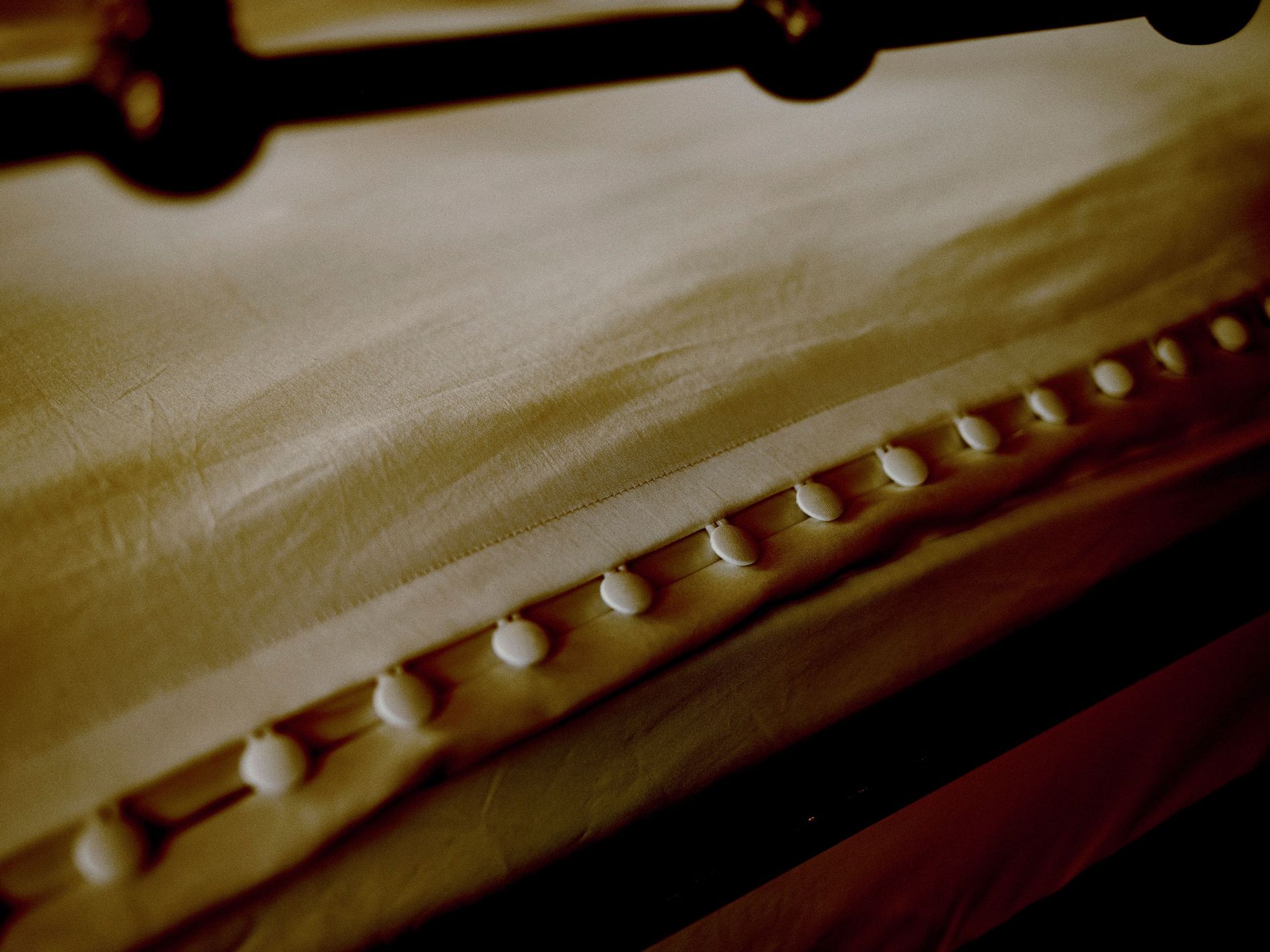
The handmade rouleau loops, and buttons dressed in the same cloth as the sheet, on the Marvel duvet cover. Photo: Benon
Through this process, Lindström has learned a lot. “Everyone talks about thread count, but it starts with the raw material, how the cotton is grown, cared for, woven, and dyed. That’s what determines the finish and longevity,” he notes. Benon works with an Italian weaving mill that transports Egyptian cotton in a patented wooden box to preserve its quality. “It’s a bit like Champagne,” Lindström says. “There are good and bad cotton growers, and we work with the best.”
It’s a bit like Champagne. There are good and bad cotton growers, and we work with the best.
Charlie Lindström, co-founder of Benon
The yarn is dyed before weaving for a finer finish and less compromise on quality, and this considered approach extends throughout the line. One bedsheet, for example, is made from a blend of three of the finest cotton qualities, with even the weave count carefully balanced for breathability, and for Lindström’s ultimate measure of sustainability: longevity. “The aim,” he says, “is to make bed linen that lasts. So, the price will reflect that, because the fabric itself is very costly, the construction is amazing, and then you pay for the craft.”
Lindström estimates that, on average, Benon prices sit around 25 per cent above comparable market offerings, but with a level of quality he considers unmatched. “You should be able to inherit sheets from your grandparents,” Lindström says. In other words, it's not just about creating products built to last, but about offering pieces meant to be passed down through generations.
Benon's sustainable production goals are suitably aligned: looking ahead to a potential Milan showing, Lindström sees an opportunity to gauge what resonates with an audience. “Not everything we will show will be produced. It’s a way to see how people respond, what works in the market,” he says.
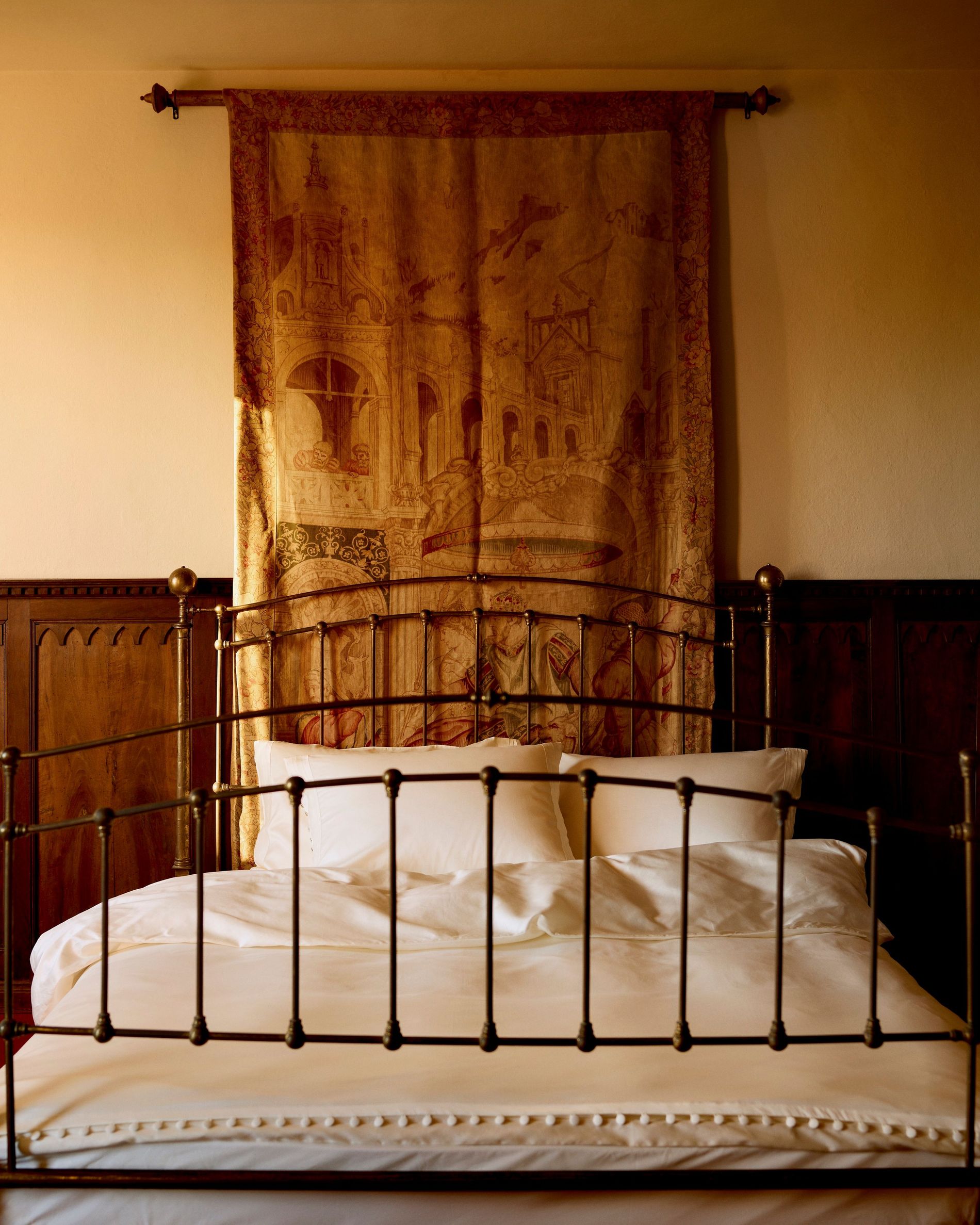
Photo: Benon

Photo: Benon
The campaign for Benon's inaugural collection was shot at Borgo Sant’Angelo, an early nineteenth-century residence in the Lomellina countryside of Lombardy, where Lindström says “all the bedrooms were quite unique.” He should know – the whole team stayed there during filming. “That’s how it is when you’re a startup,” he says.
While some cultures might expect a more ostentatious, brash form of luxury, “that’s not who we are,” Lindström continues. “We've brought in some great partners, such as creative directors Henrik Lundell and Victor Melchior of HLVM, but we don't have loads of backing, so we have to be a little creative.” Benon's long-term goal, he says, is “to become Scandinavia's first luxury house in the segment with a focus on textiles. We have a vision that we hope our great-grandchildren will be able to experience as a brand, which means you need to do the right thing from the beginning.”
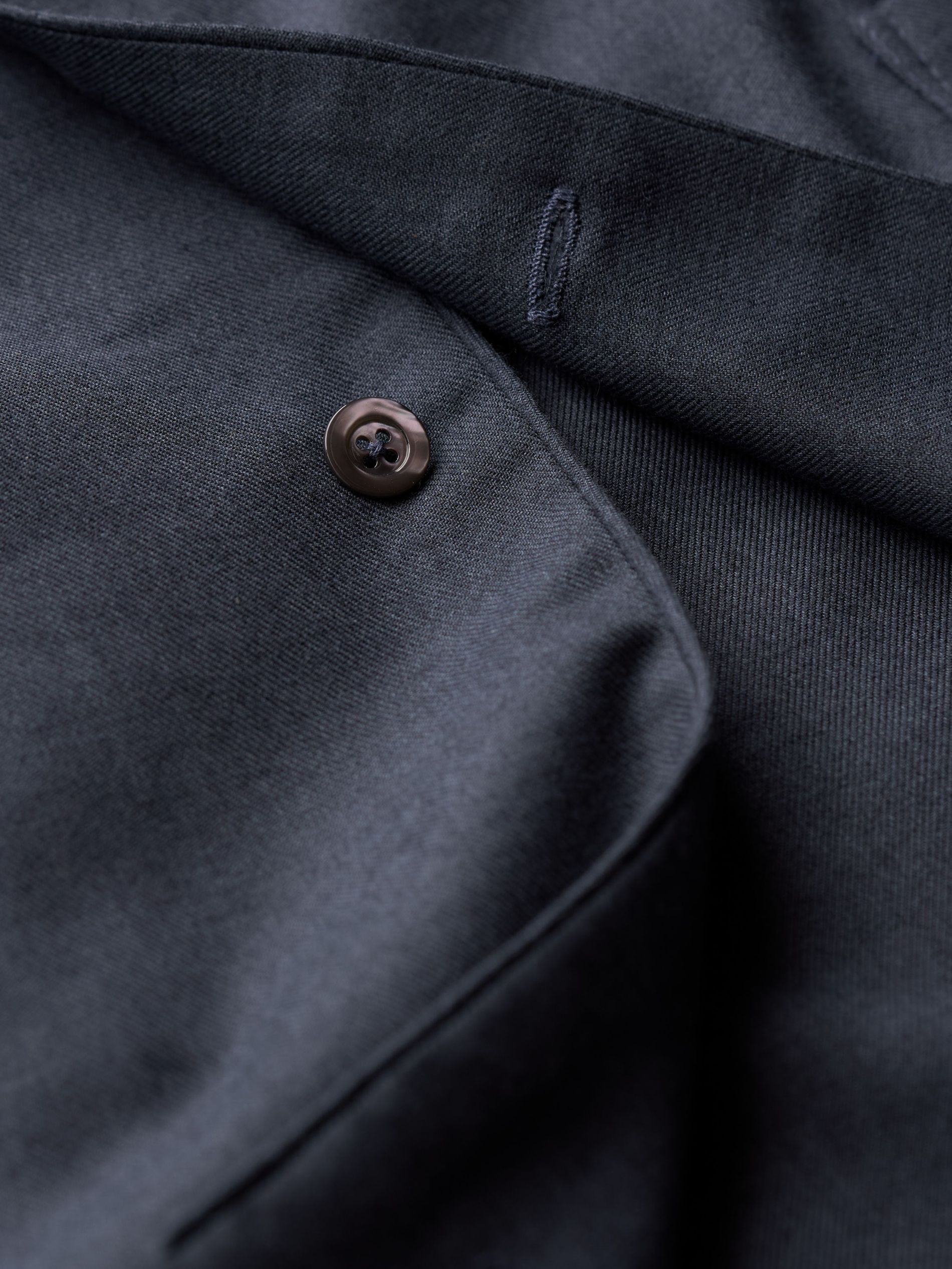
Detail from the Men's Pyjamas in Dark Blue. Photo: Benon
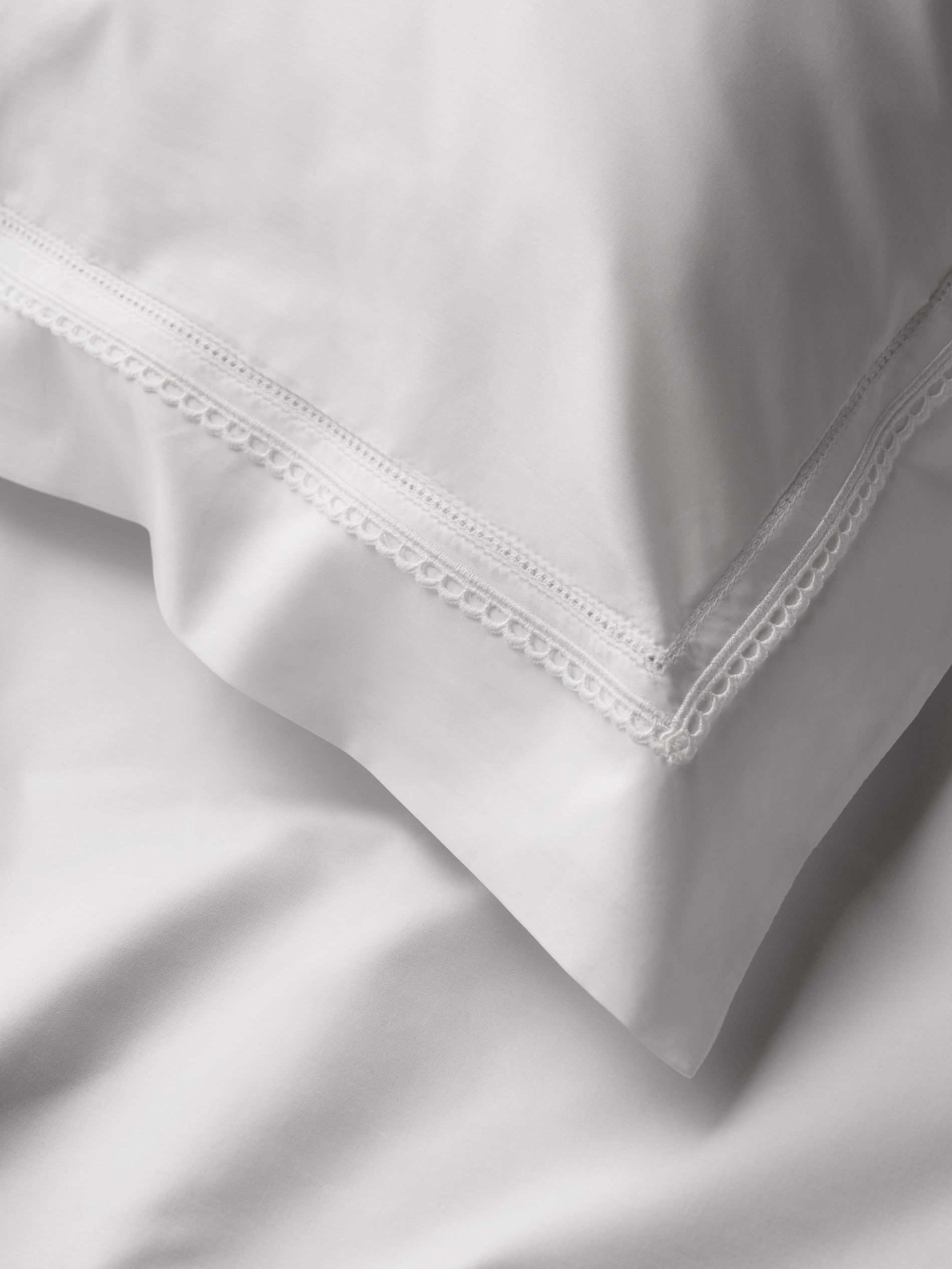
Photo: Benon
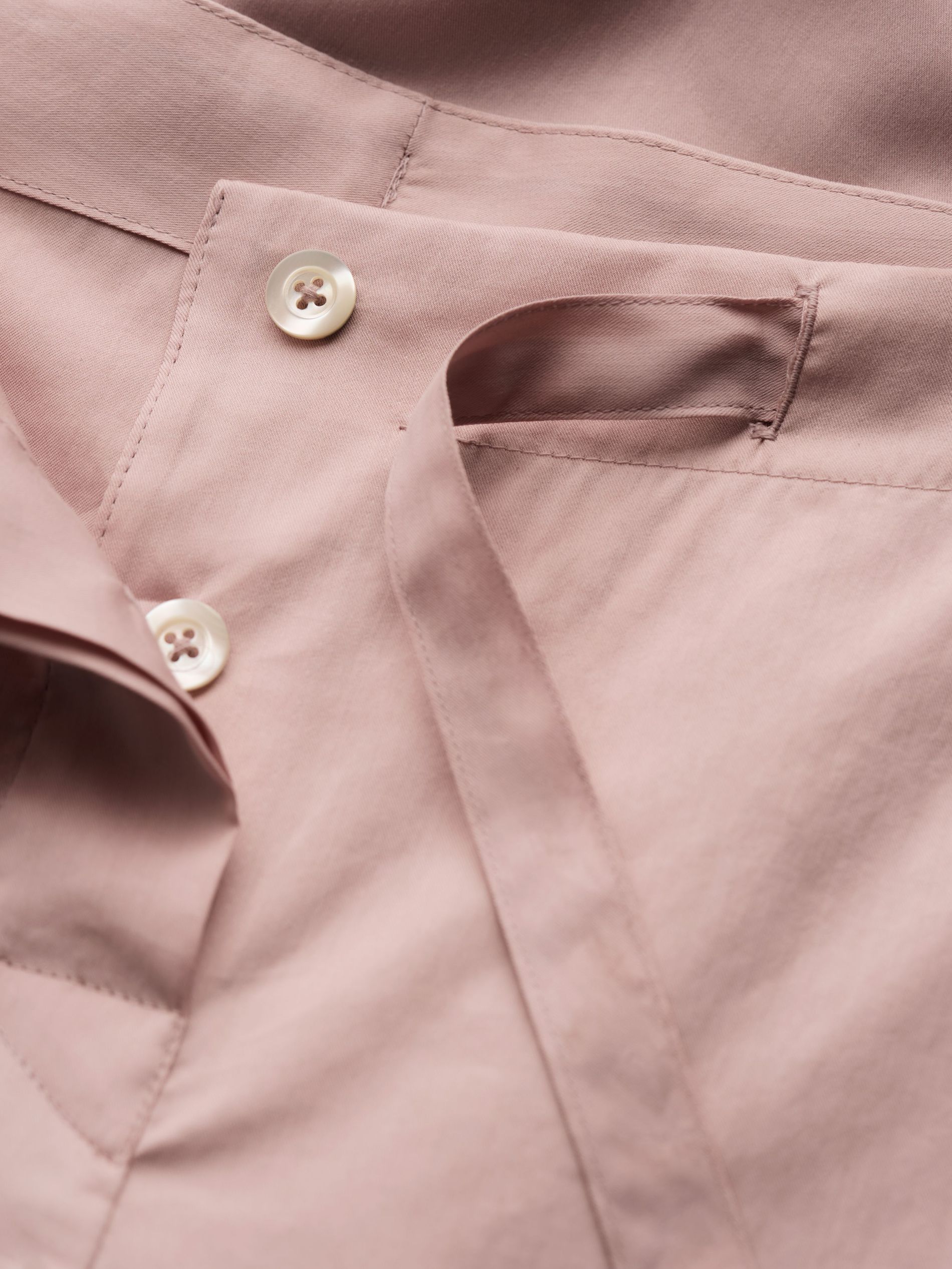
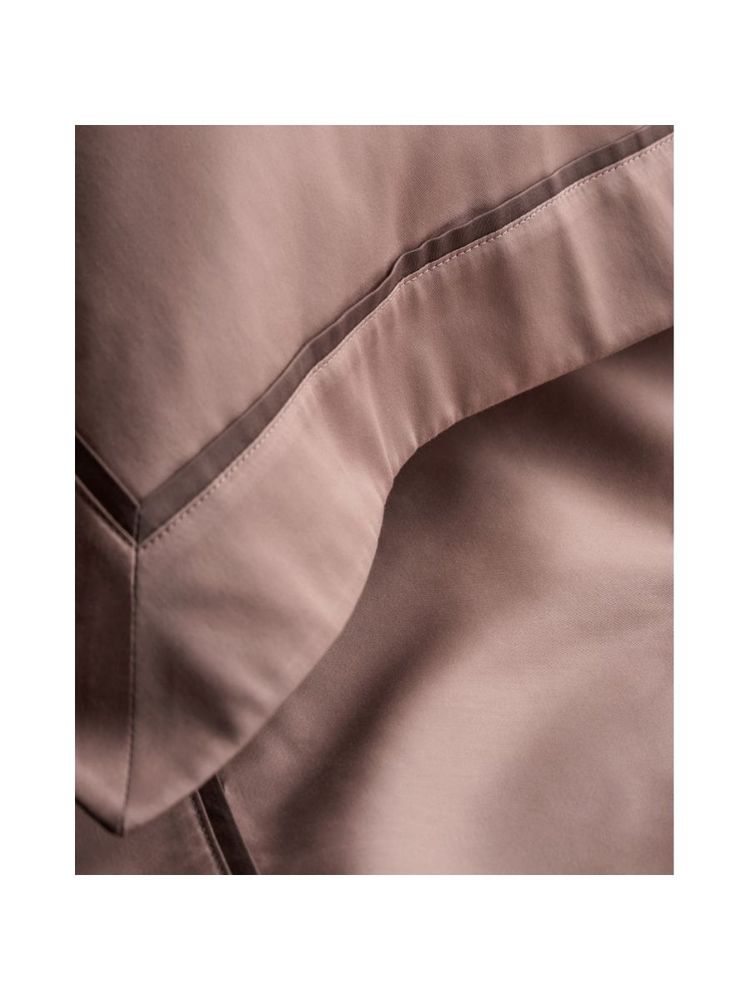
Detail from the trouser of the Women's Pyjama in Pink. Photo: Benon
A choice that reflects this ambition was the development of Benon’s brand identity and logo. For this, the company tapped London and Paris-based creative design studio Lareu & González, whose work has graced some of the most exclusive brands in the world. The resulting logo was, as Lindström puts it, “timeless, with inspiration from different years and icons; standing tall, embodying the care and enduring craftsmanship of Benon.” And what about the name itself? It's a family one. “It’s that simple,” Lindström says. "We thought it was great. Then, in Italy, we found out that in Veneziano (Venetian slang), Benon means 'really great, the best,'” he says with a knowing smile.
As for the trio of fairy godmothers sprinkling LiLaRo magic over Benon’s early years, Lindström hopes the women will finally take time for themselves. “We couldn’t have started without them, they’ve worked so hard. But we took over because they were retiring.” Finding tailors with comparable skill won’t be easy. “There aren’t many who can work at this level,” Lindström laments. “Our prices really reflect the quality of the craftsmanship.”
With a foray into objects on the horizon, crafted in collaboration with designers who blur the line between furniture and sculpture, who knows what Benon’s atelier may dream up next. Though its offering may take new turns, the journey ahead for a brand whose very name is ‘the best’ will undoubtedly encompass care, devotion and craftsmanship, one expert stitch at a time.