
Danish fashion studio Another Aspect and design house Fritz Hansen have joined forces on a collaboration rooted in reuse, exchanging excess materials and giving them a second life. The result: considered leather accessories crafted from Fritz Hansen’s surplus, reimagined through Another Aspect’s pared-back lens. Ahead, everything you need to know about a team-up that proves one brand’s leftovers can become another’s everyday essentials
Covetable designs can be crafted from the materials we already have. It’s a sentiment Danish brands Fritz Hansen and Another Aspect double down on in their newly launched collaboration, which centres around one idea: “to use what already exists.”
In a game of ‘I’ll give a piece of mine if you give a piece of yours', the design house and fashion studio have exchanged surplus materials, giving each a new life. Another Aspect provided fabric remnants from its production – including burgundy tweed and contrasting Japanese textiles – which Fritz Hansen reworked into upholstery for its sleek Dot™ stools, soon populating café La Cabra, nestled within Another Aspect’s store in the heart of Copenhagen.
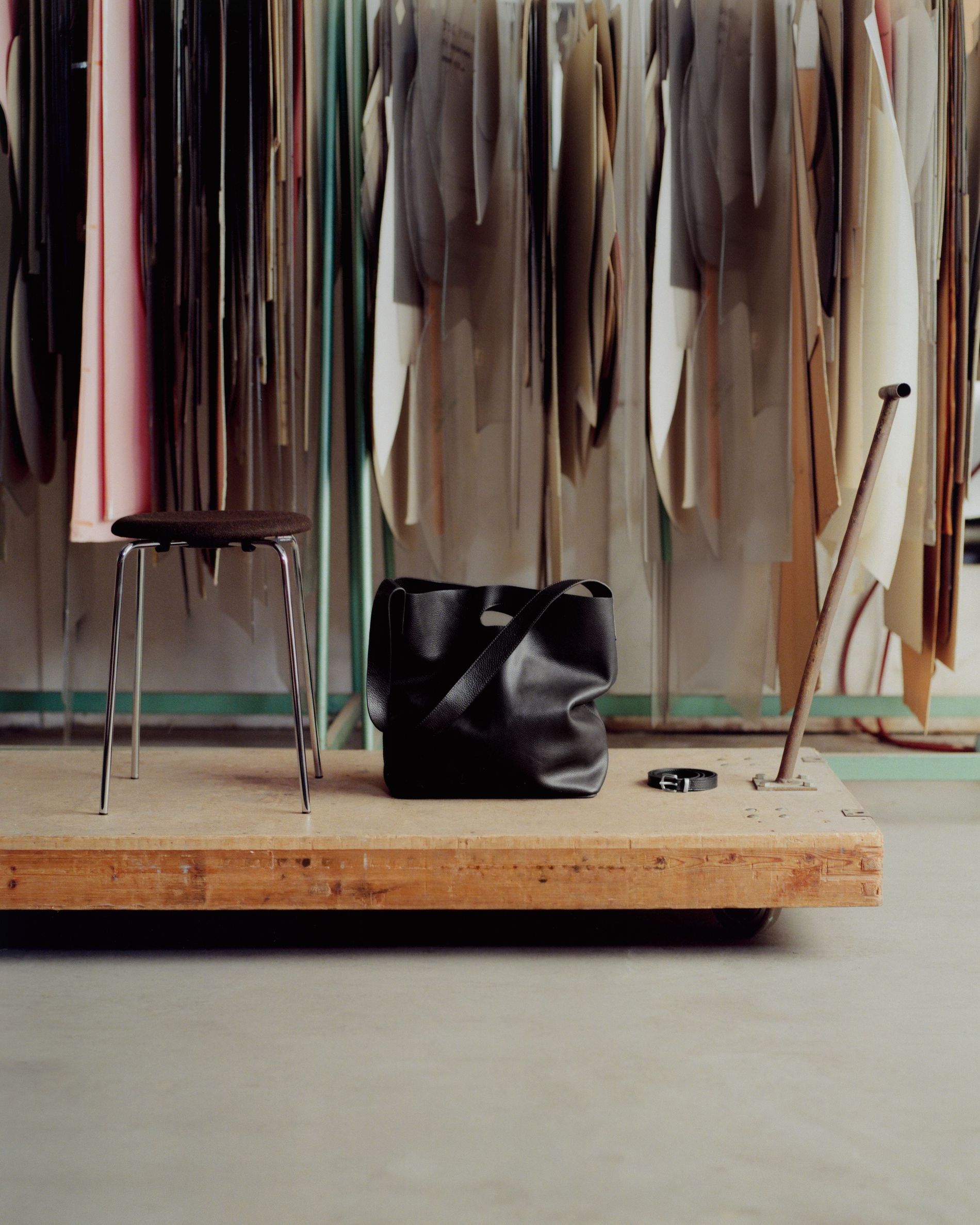
The stool, leather bag and belt, all crafted from surplus materials Another Aspect and Fritz Hansen provided each other. Photo: Fritz Hansen
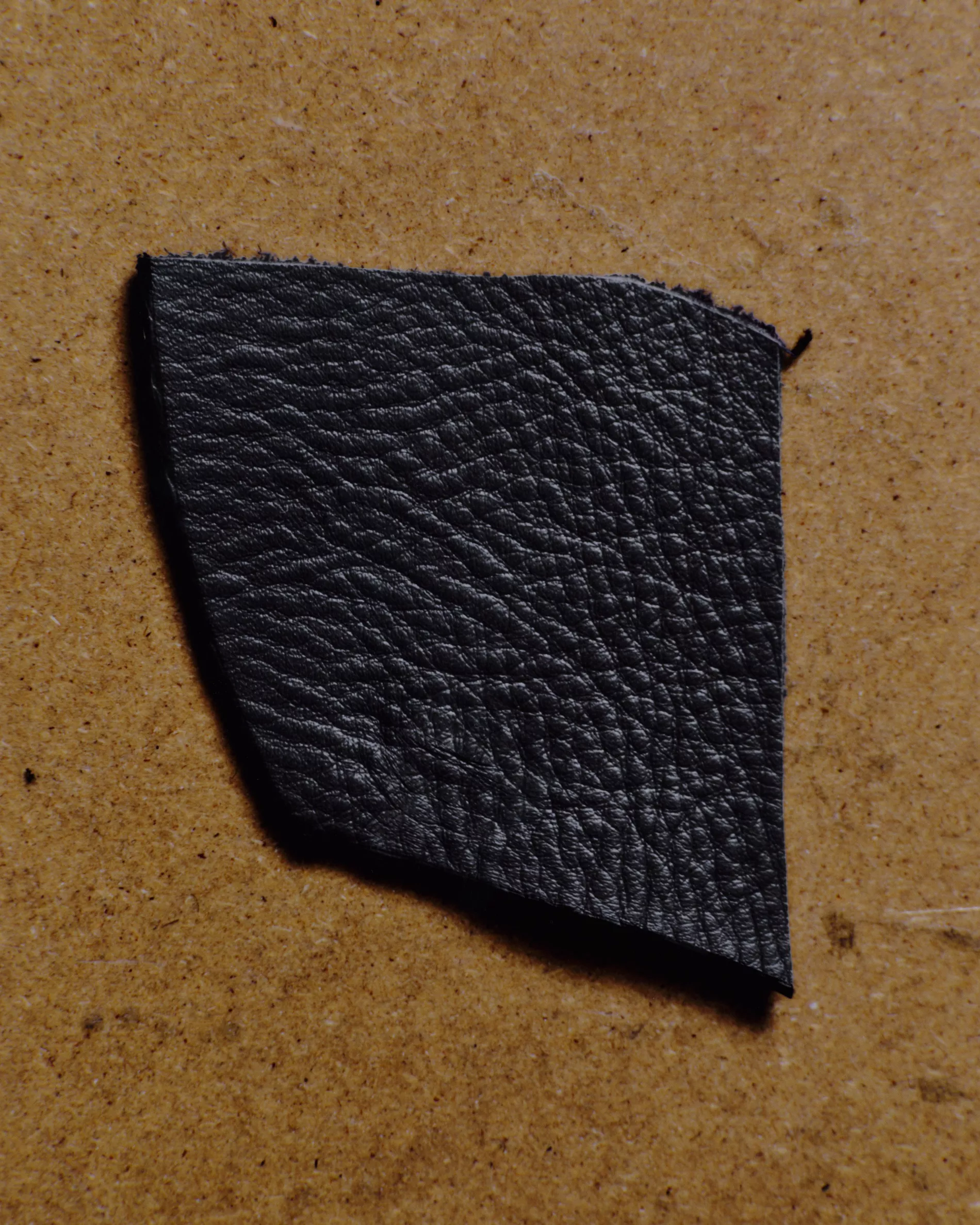
Photo: Fritz Hansen
Meanwhile, Fritz Hansen supplied leather pieces from its upholstery workshop for Another Aspect to transform into accessories, including bags, belts, and keyholders. The goal, the duo notes, is not only grant materials the longest lifespan possible but also showcase that even the smallest offcuts can be repurposed into something practical and beautiful.
“Fritz Hansen has a long-standing respect for materials, craftsmanship and longevity. That mindset made them a natural partner for exploring how existing resources can be rethought rather than replaced,” says Daniel Brøndt, co-founder and brand director of Another Aspect. “We’ve long taken inspiration from the functionality and form of modernist design. Now, with this special everyday staple made from Fritz Hansen’s deadstock leather, we reuse material that would’ve otherwise gone to waste and produce garments with no negative material.”
Another Aspect, in turn, is known for its steadfast commitment to protecting the health of our planet, with its sustainability-first philosophy reaching beyond the clothes themselves to care, longevity and a mindful approach to consumption. Established in 2019, the brand has carved out a cherished spot in the Nordic fashion scene with its refined, everyday menswear staples infused with crisp Scandi cool.
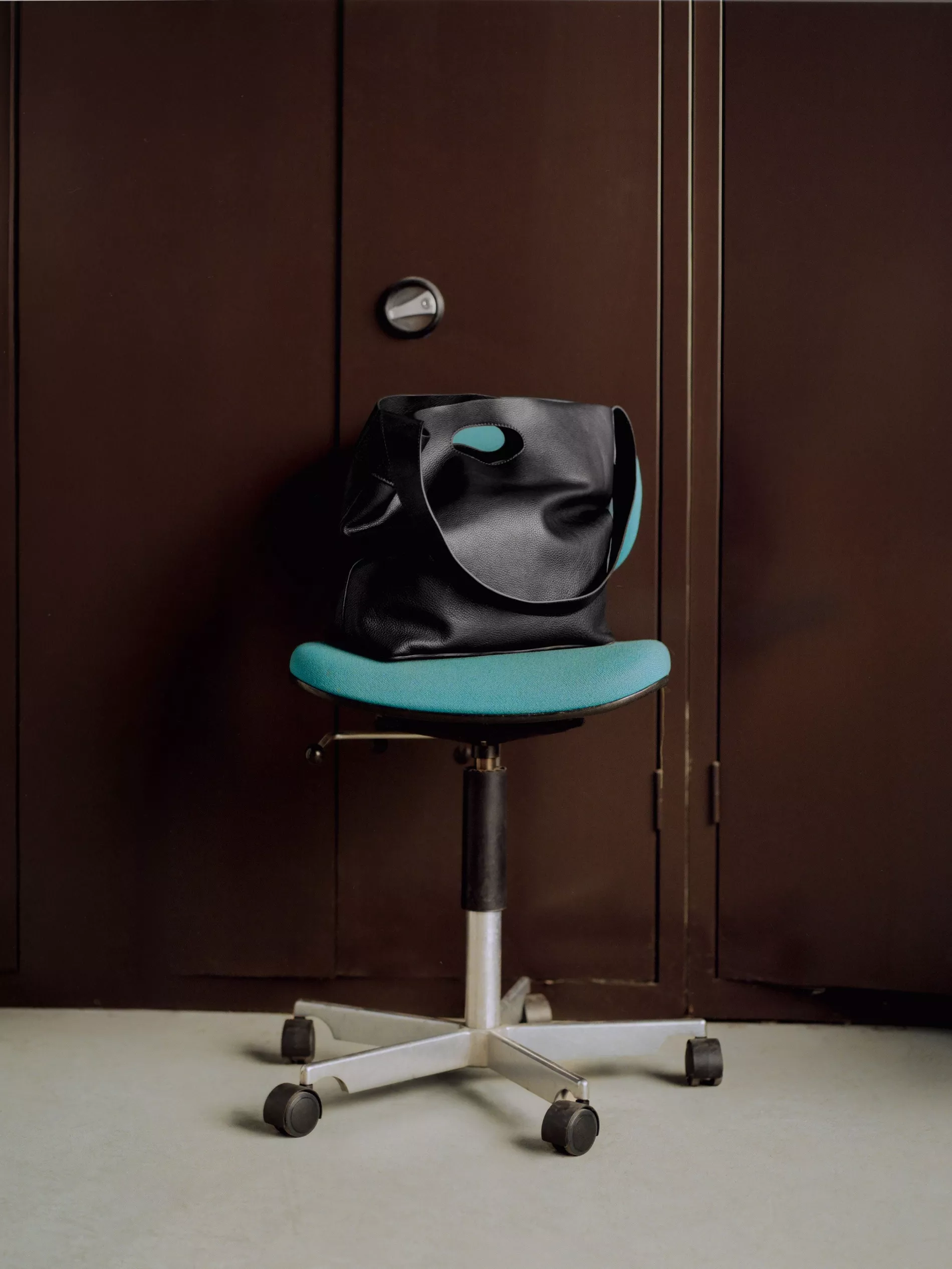
Photo: Fritz Hansen
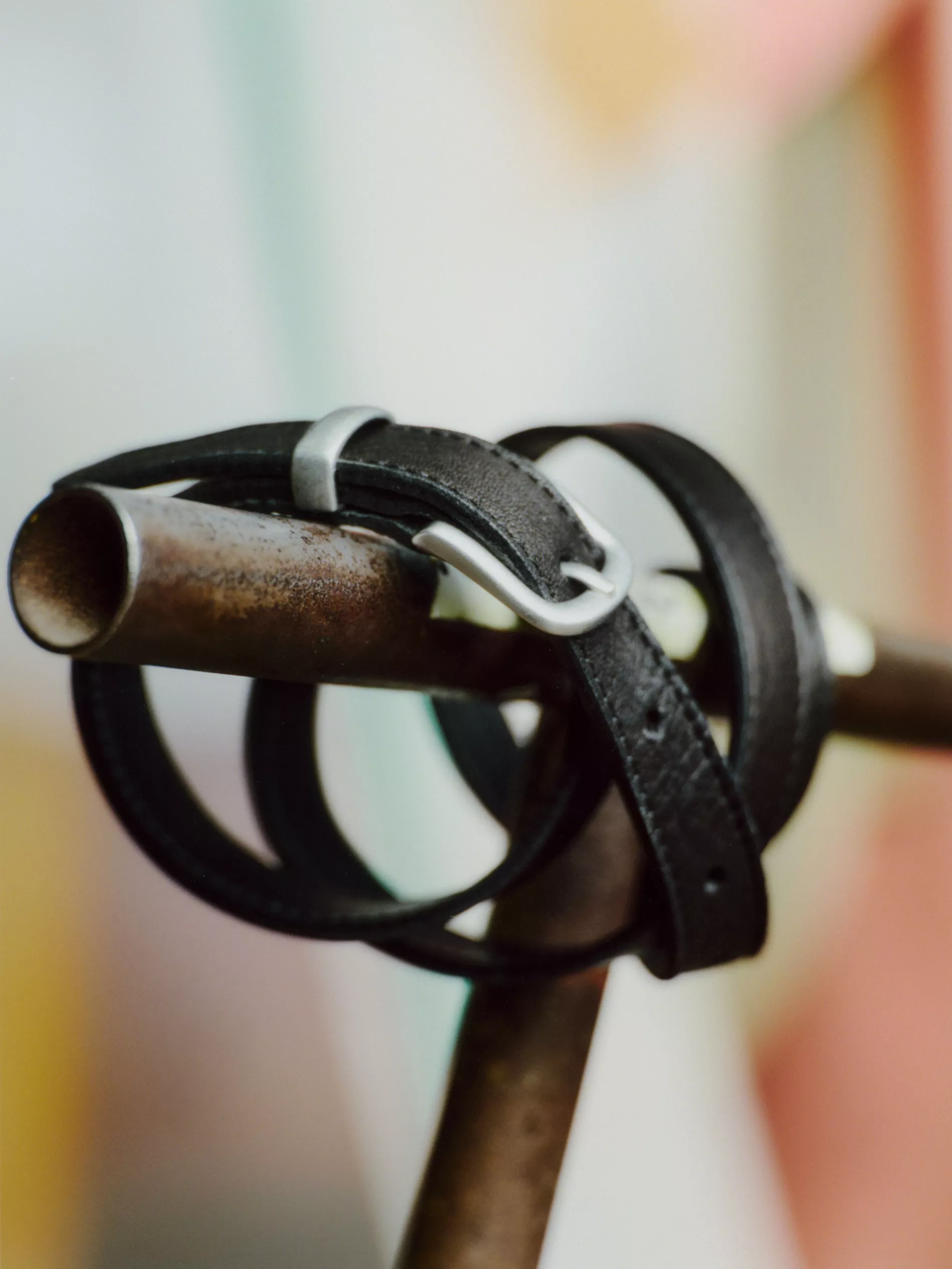
Photo: Fritz Hansen
The label has channelled the same ethos into the leather accessories featured in this collaboration, introducing classic wardrobe staples, including a black slim belt to add a touch of polish to any look, alongside a roomy, slouchy tote designed to hold all your daily essentials. These pieces, as noted by Brøndt, “will be shaped by use and natural distress over time, becoming better than new.”
“The surplus leather became the starting point rather than an afterthought,” he adds. “Instead of designing freely and sourcing materials later, we worked within the realities of what already existed – letting the quantity, dimensions, and character of the leather guide decisions around form, scale, and construction.” Working with Fritz Hansen, which operates on a distinctly different scale to Another Aspect, demonstrated to Brøndt and his team how responsible practices can be integrated at a much larger scale. “It was inspiring to see how systems and craftsmanship can coexist when values are aligned,” he says.
As for Brøndt’s take on the state of fashion today, and what it will take for the industry to truly embrace a slower pace as the norm? “There’s often a gap between sustainability as a narrative and sustainability as a practice. The industry still overproduces while talking about responsibility, instead of designing systems that genuinely reduce waste from the outset,” he reflects. “We need to move away from volume-driven success and allow time, material care, and longevity to define value.”