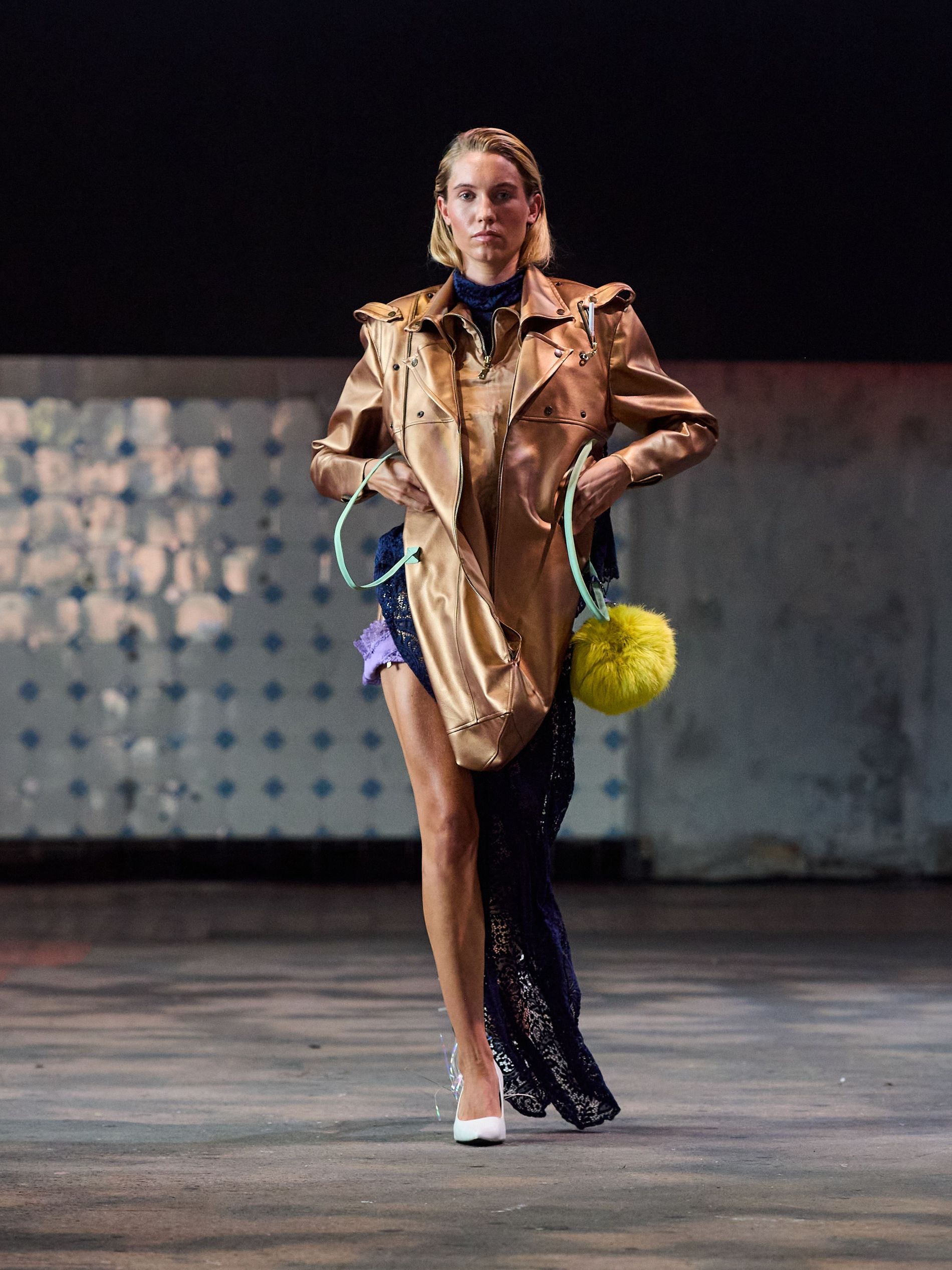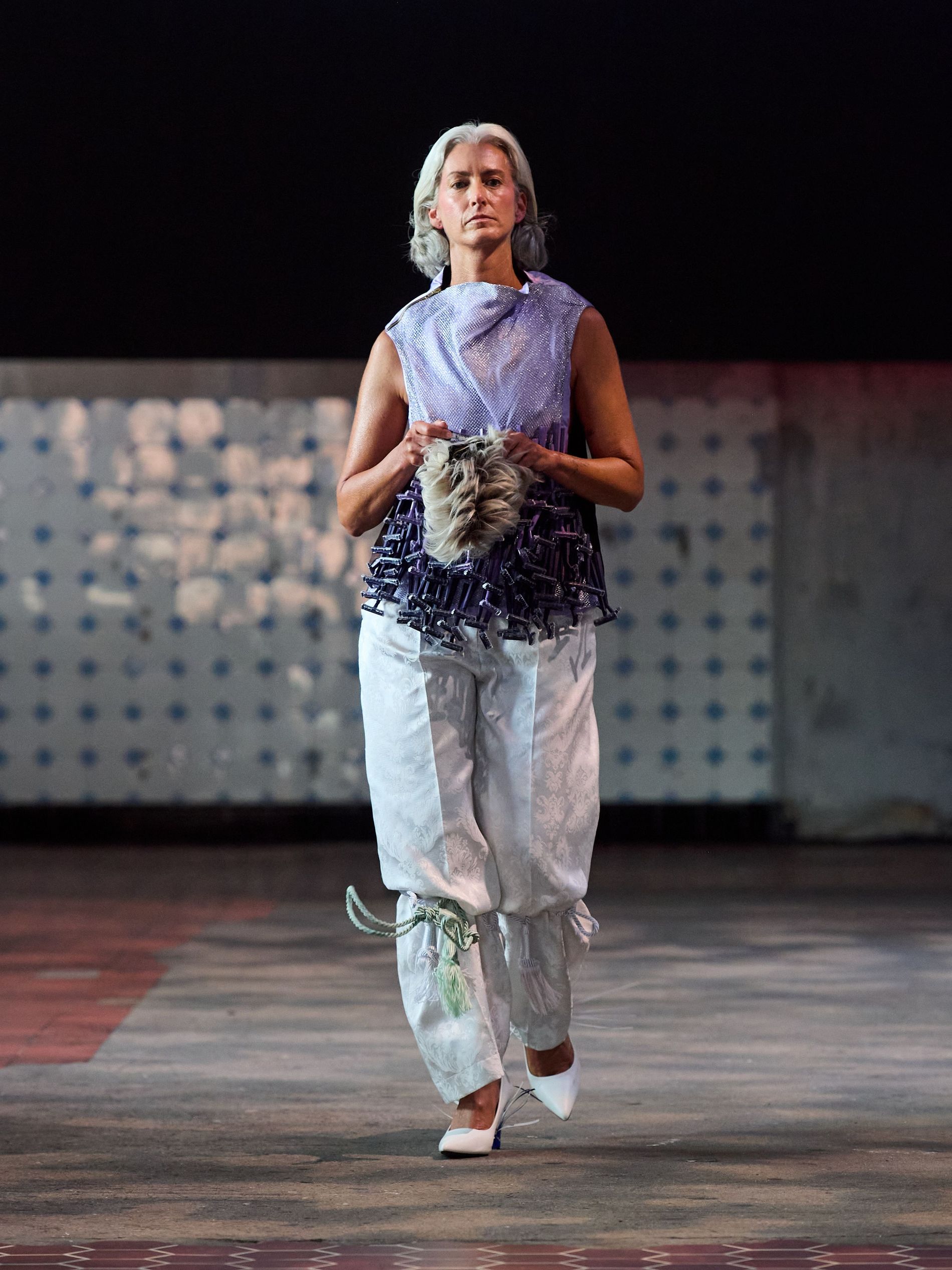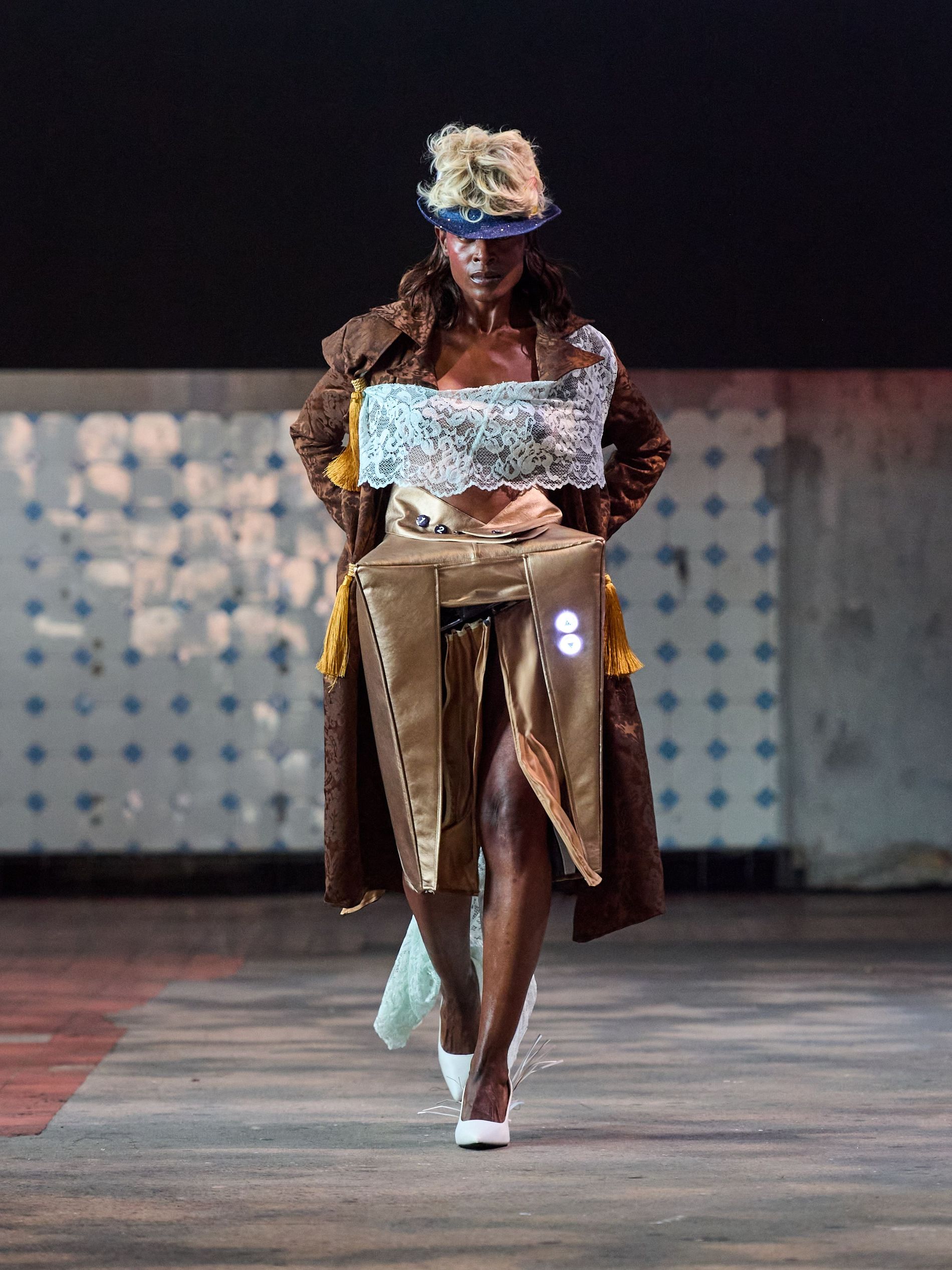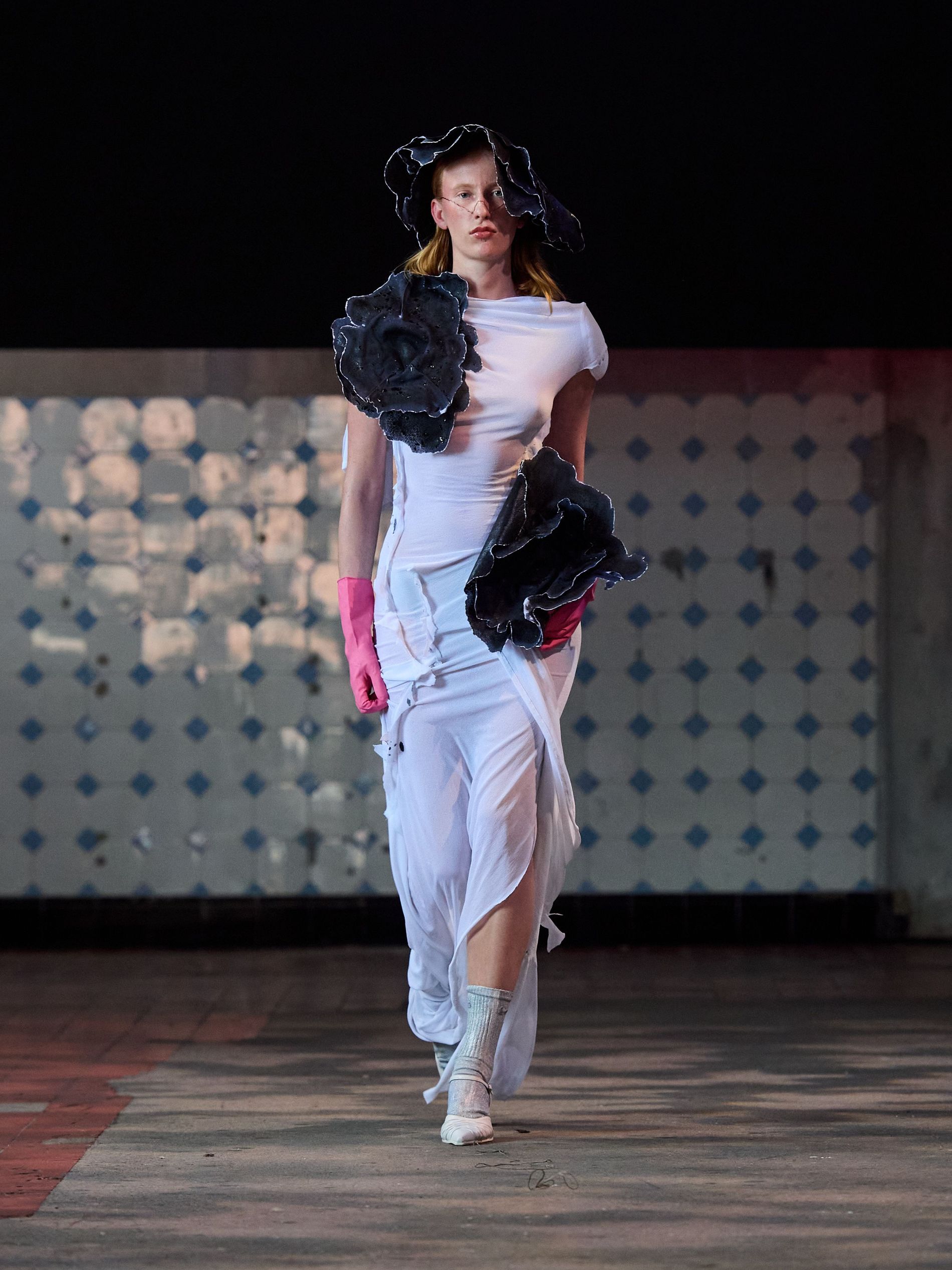
Get acquainted with the next wave of Swedish design talent as Borås’ textile students unveil collections that challenge convention and craft
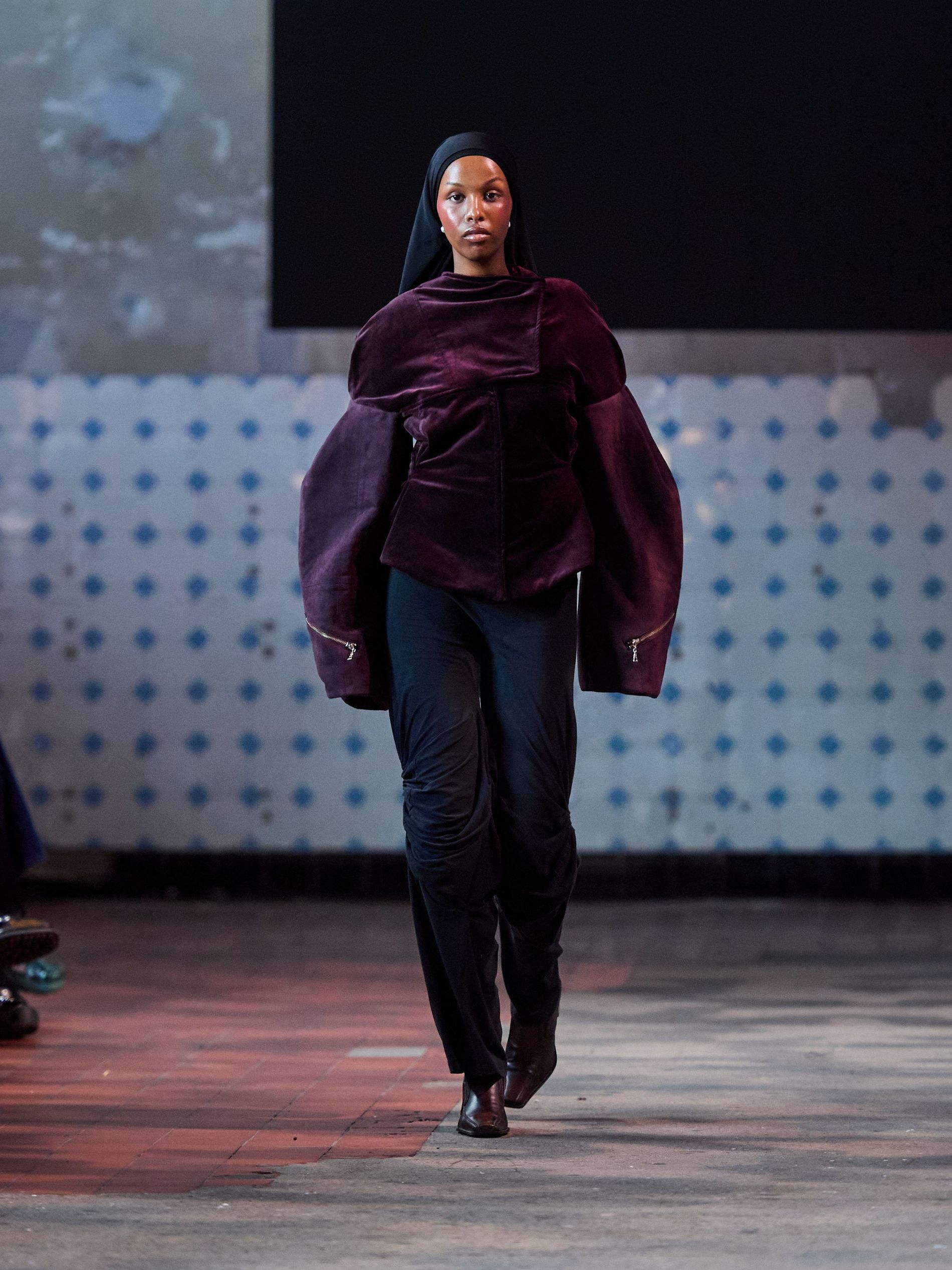
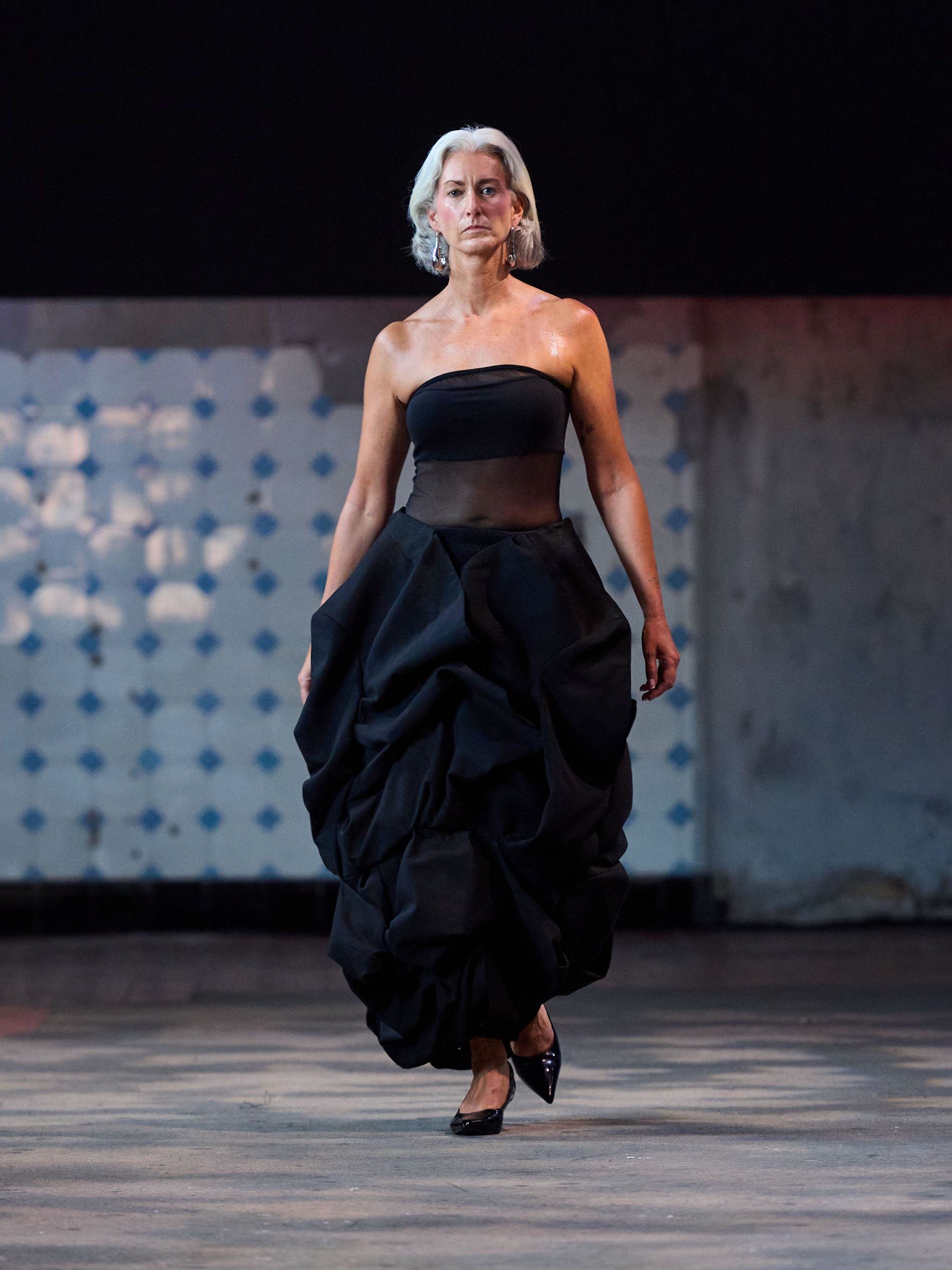
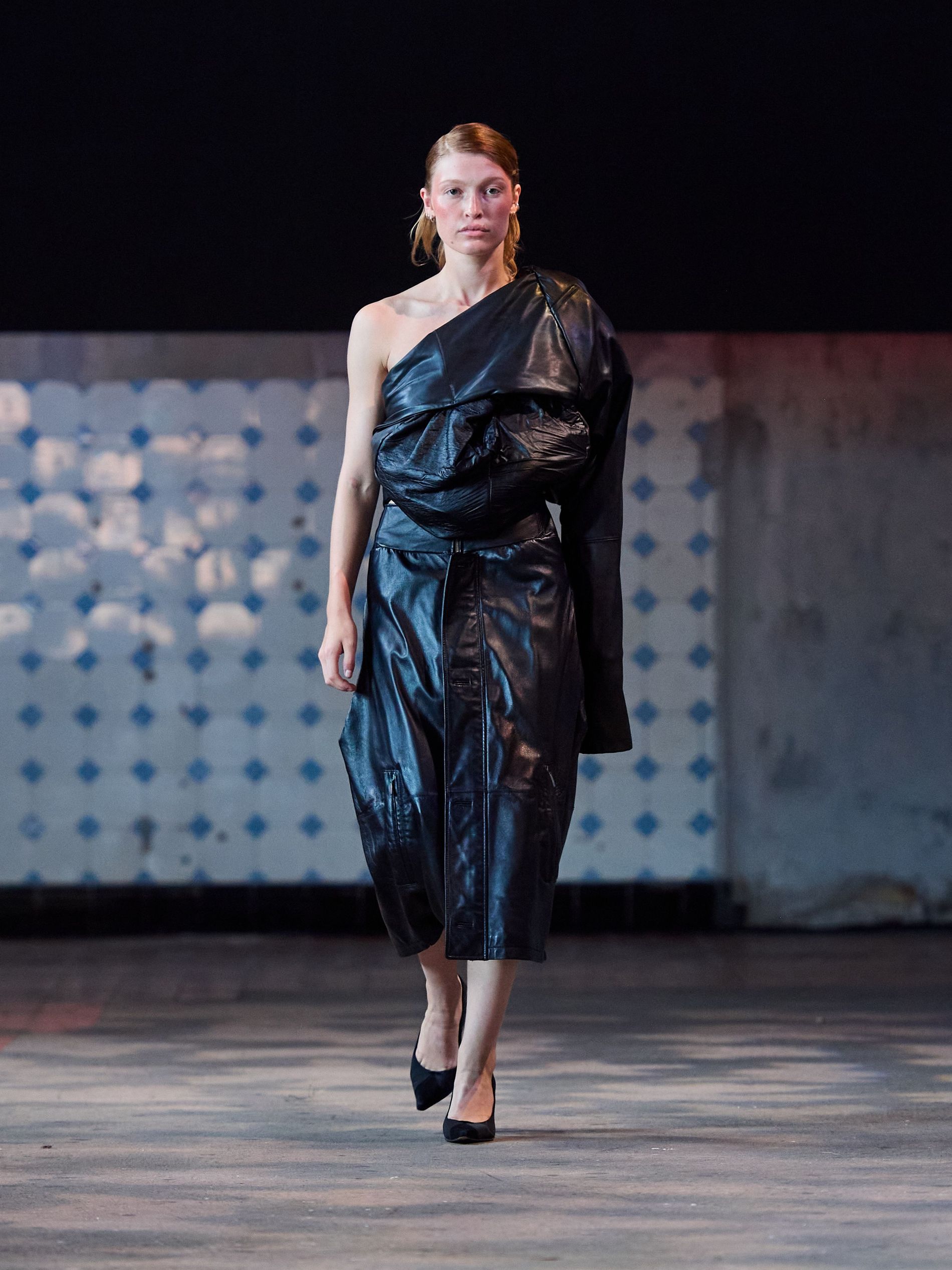
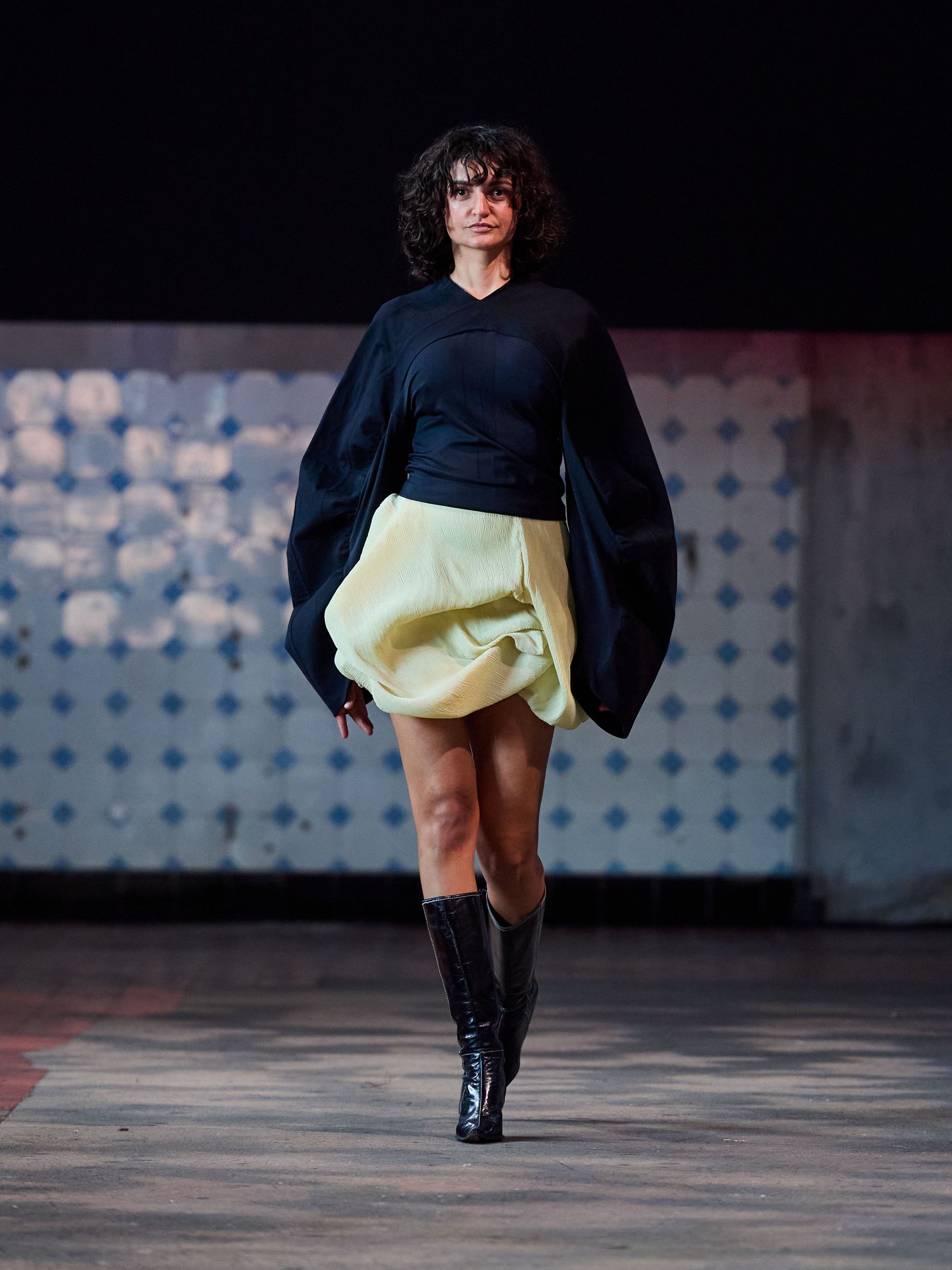
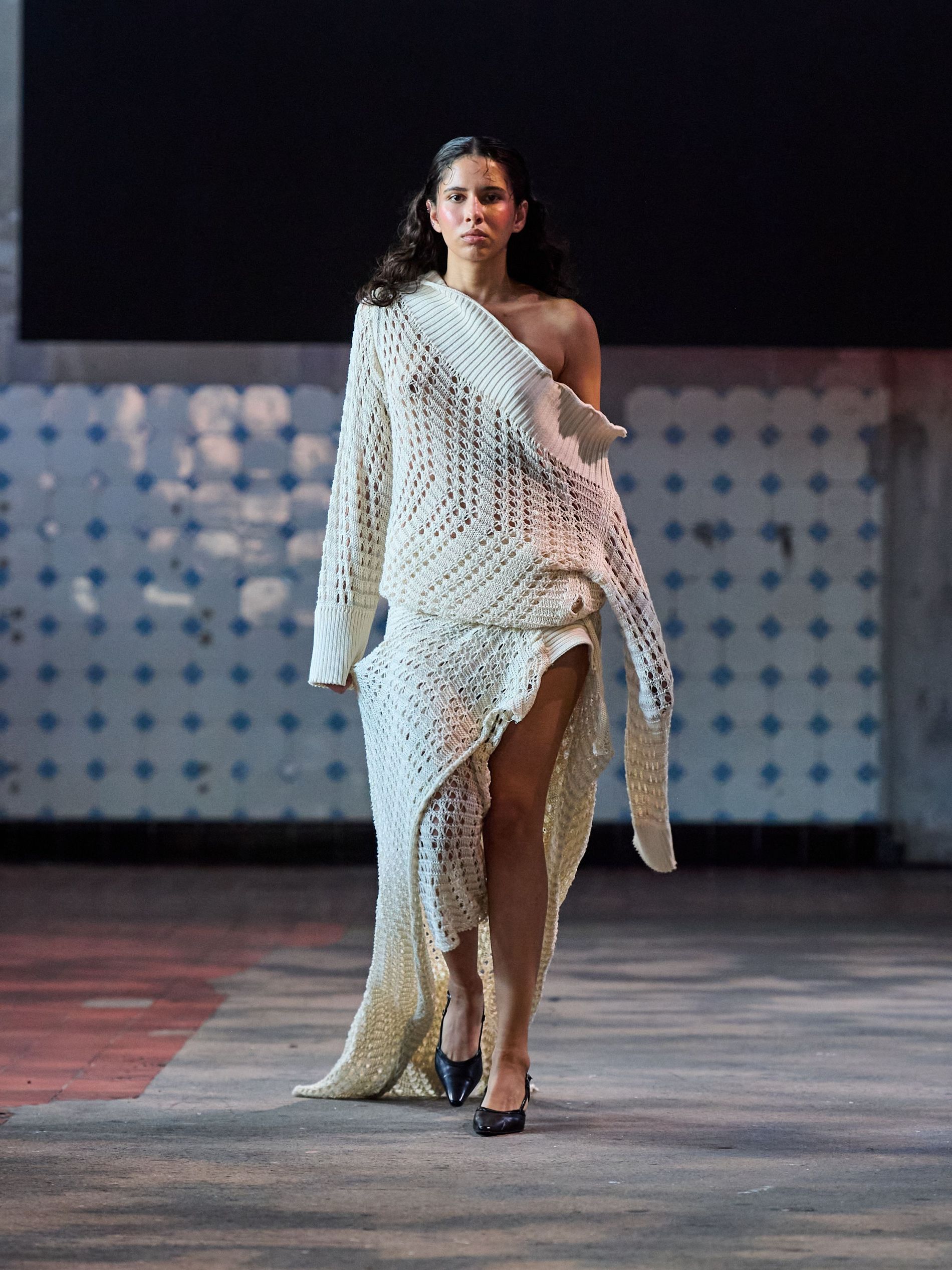
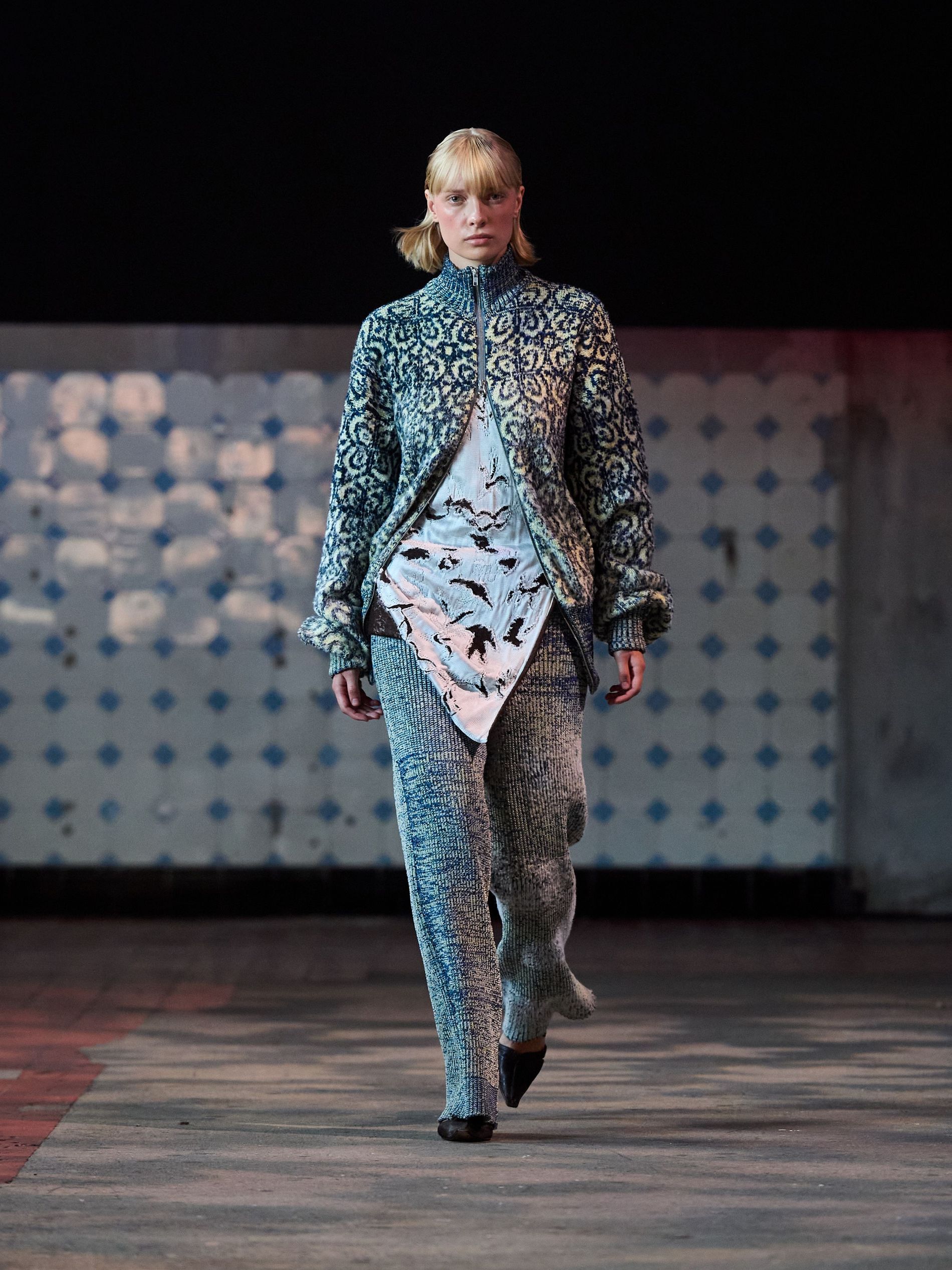
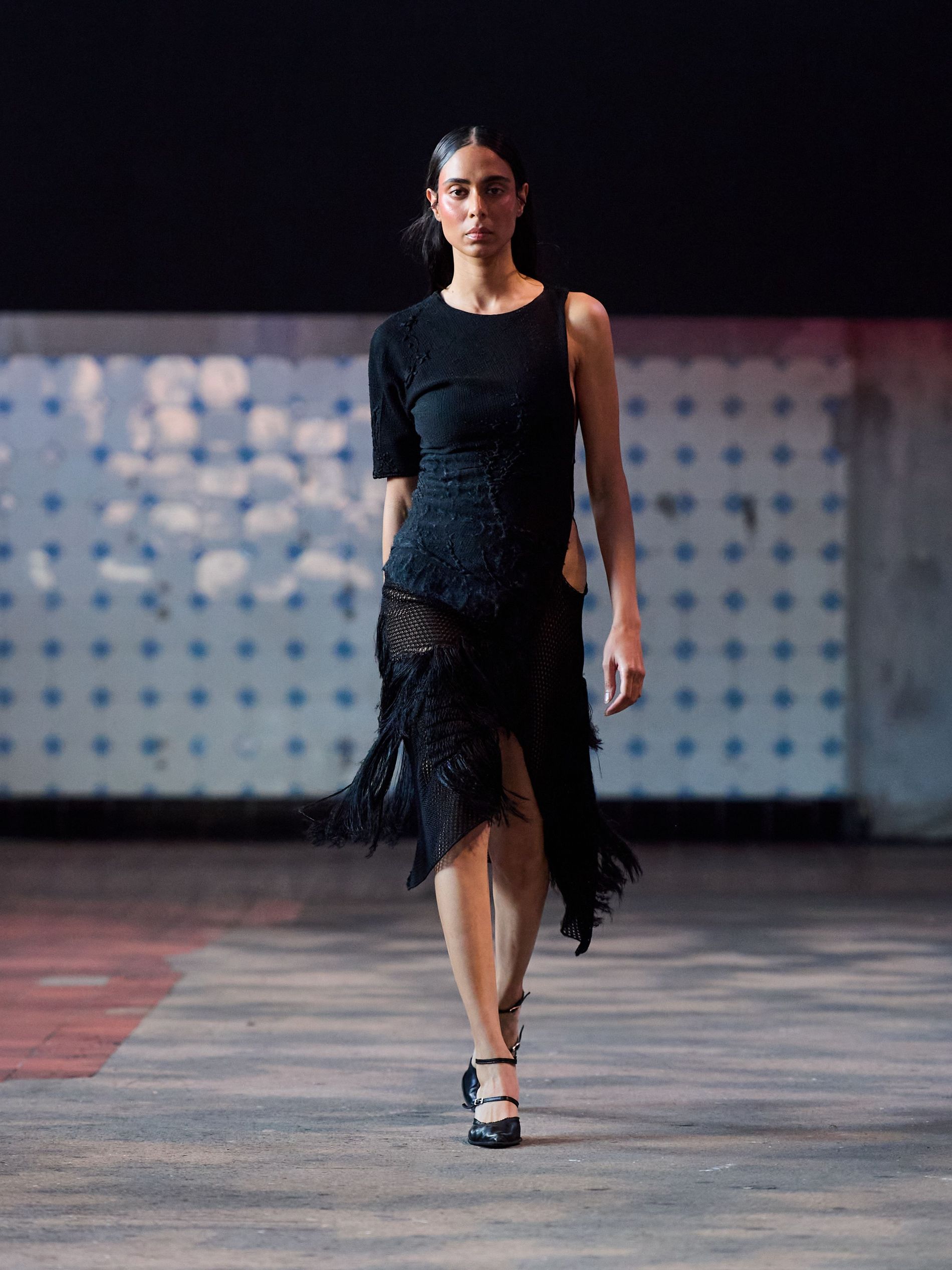
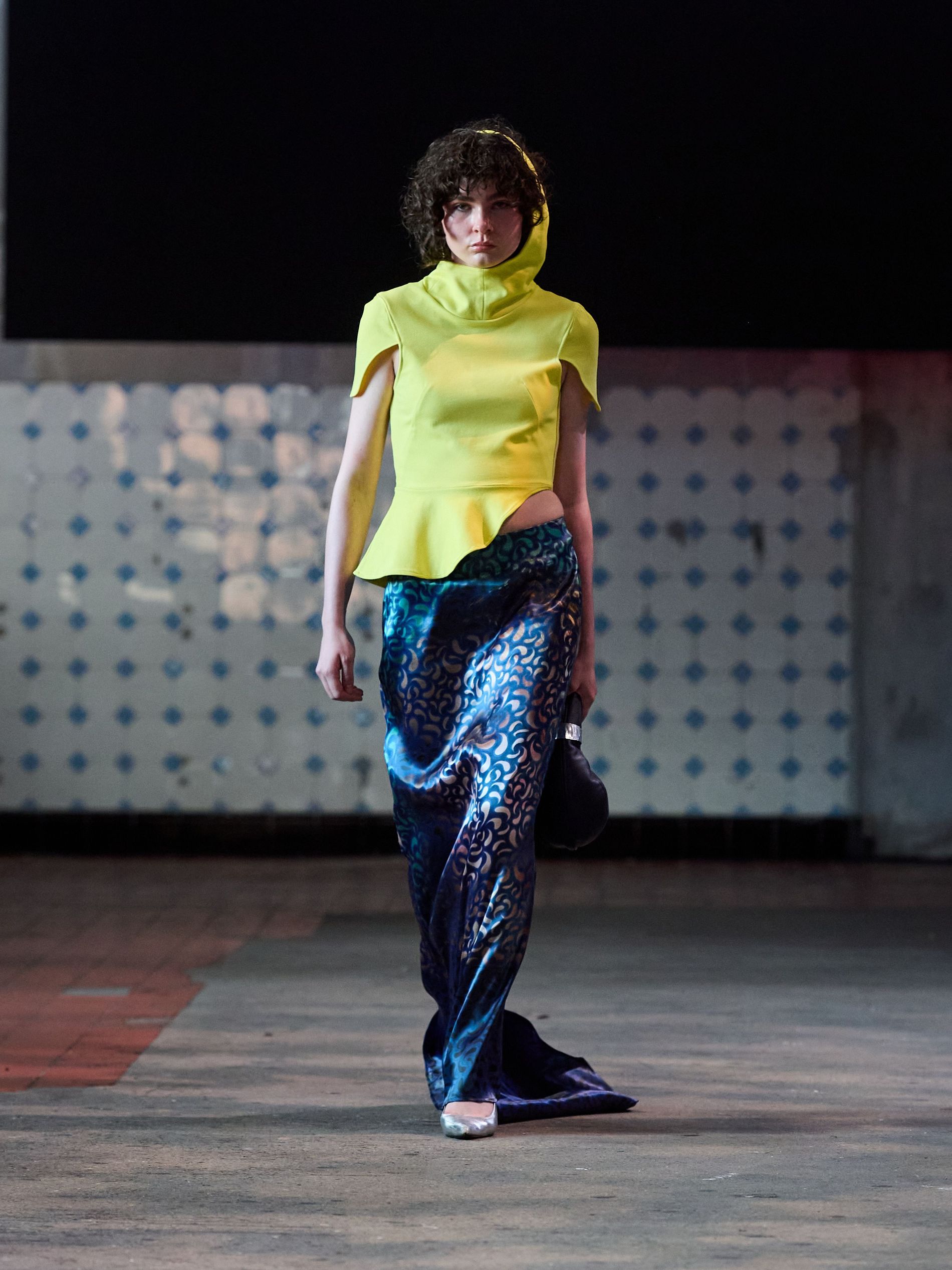
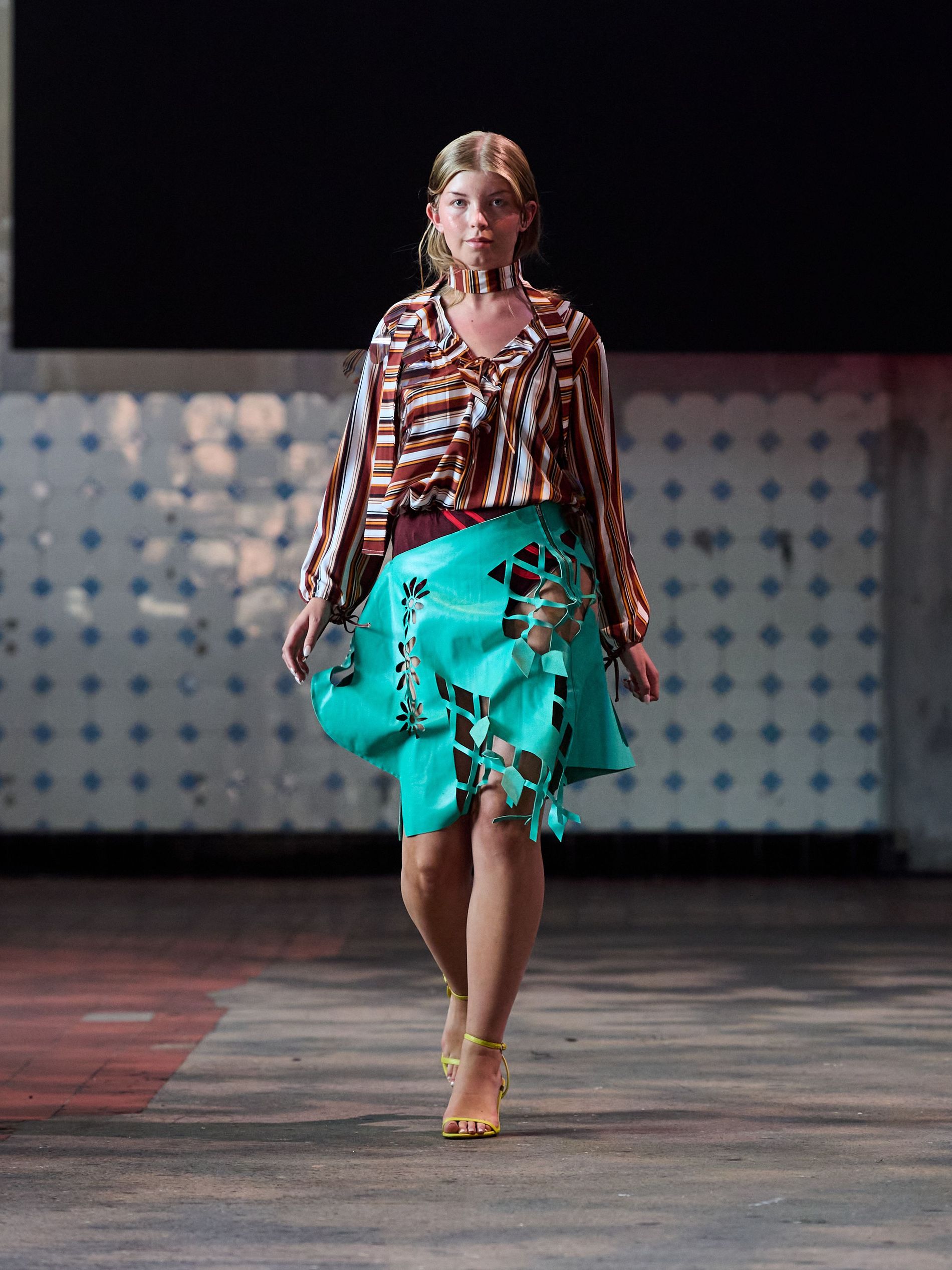
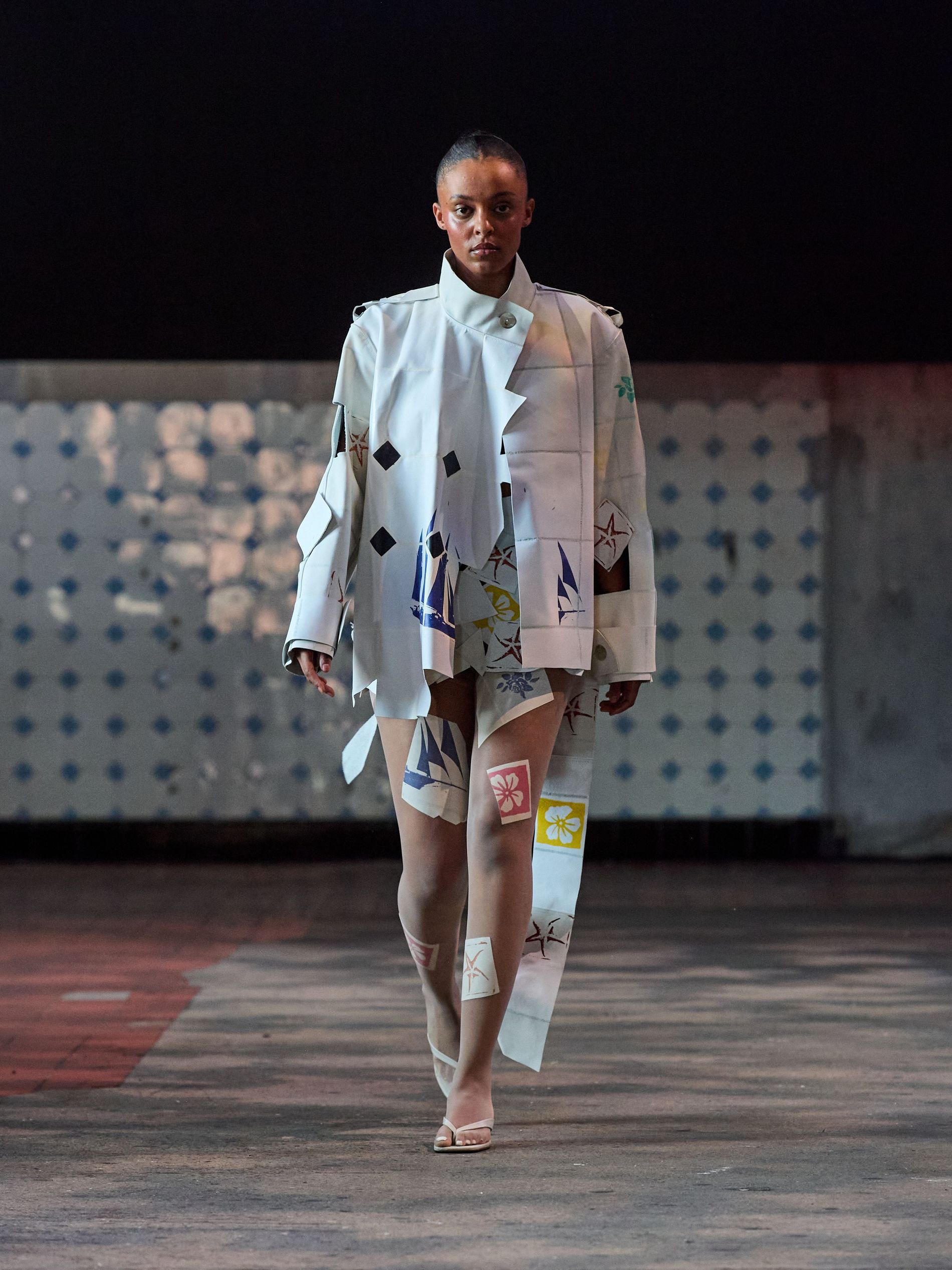
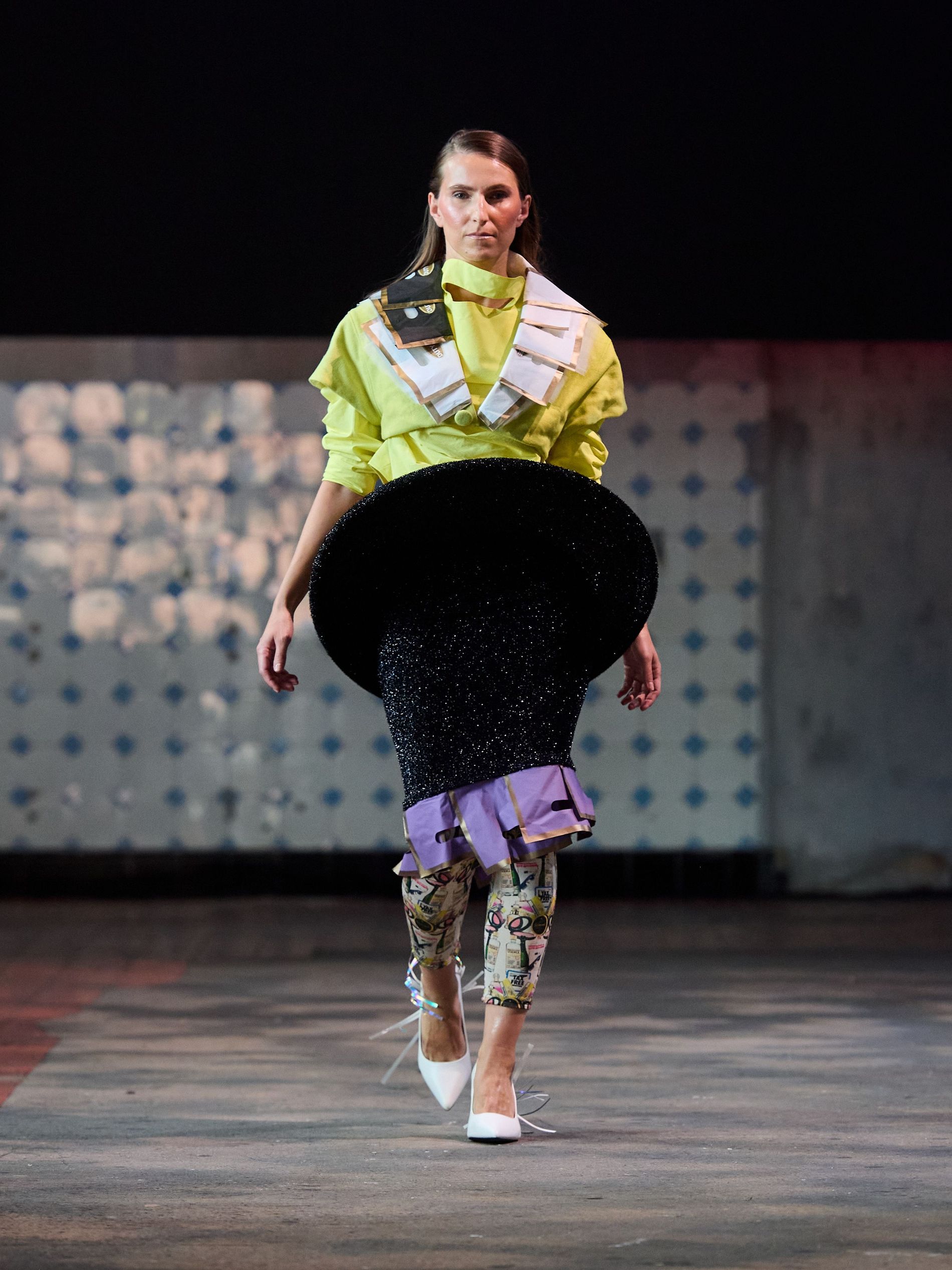
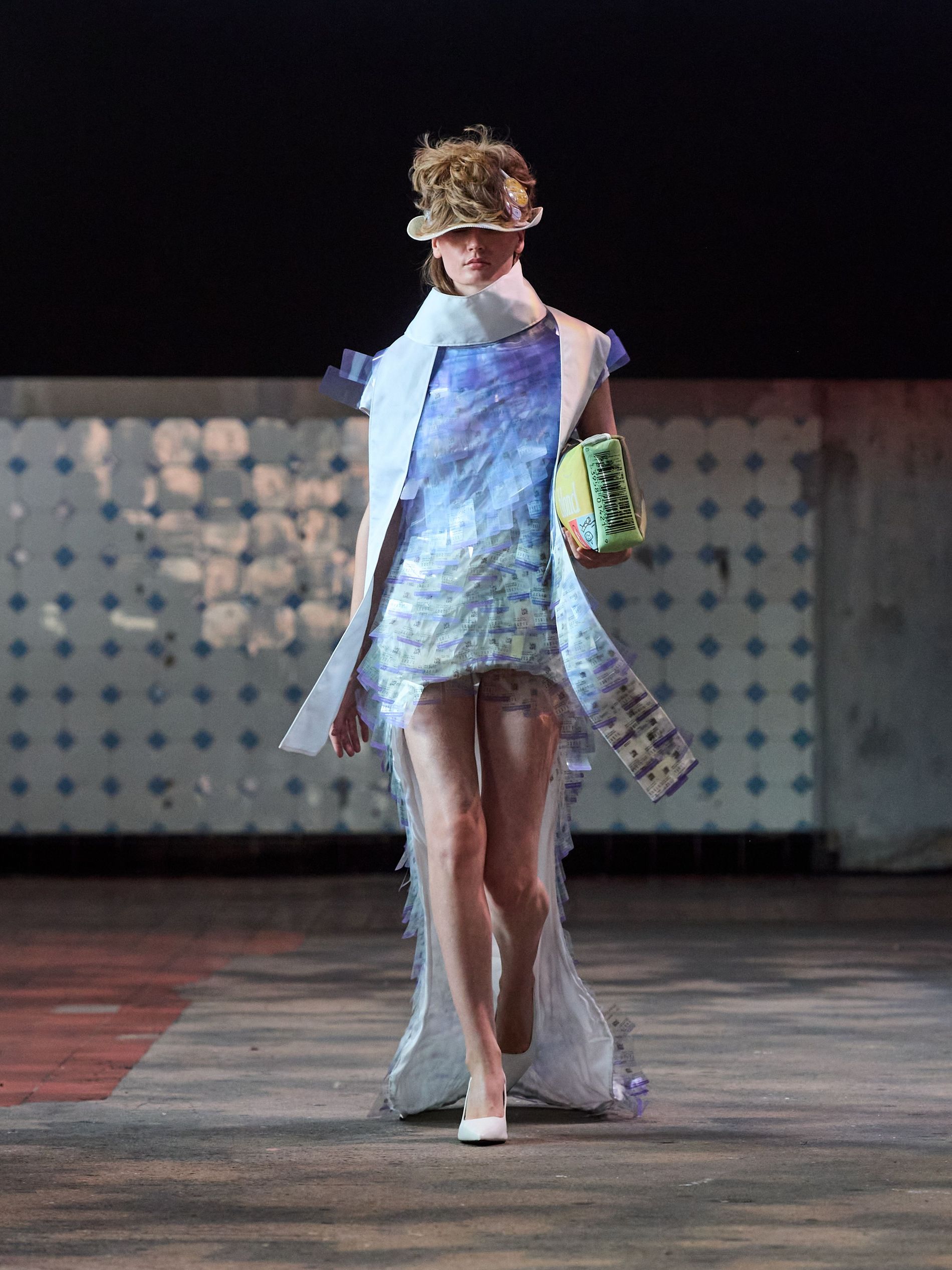
The students from Borås’ Swedish School of Textiles showcase their ongoing studies in collections that display both technical skill and contemplative, abstract musings. Reflecting on the past and future of design, these sixteen students delve deep to reimagine classic prints, silhouettes and traditional craftsmanship. The result: a crop of crafty, stirring pieces that tickle the senses and make us reexamine trend and industry conventions.
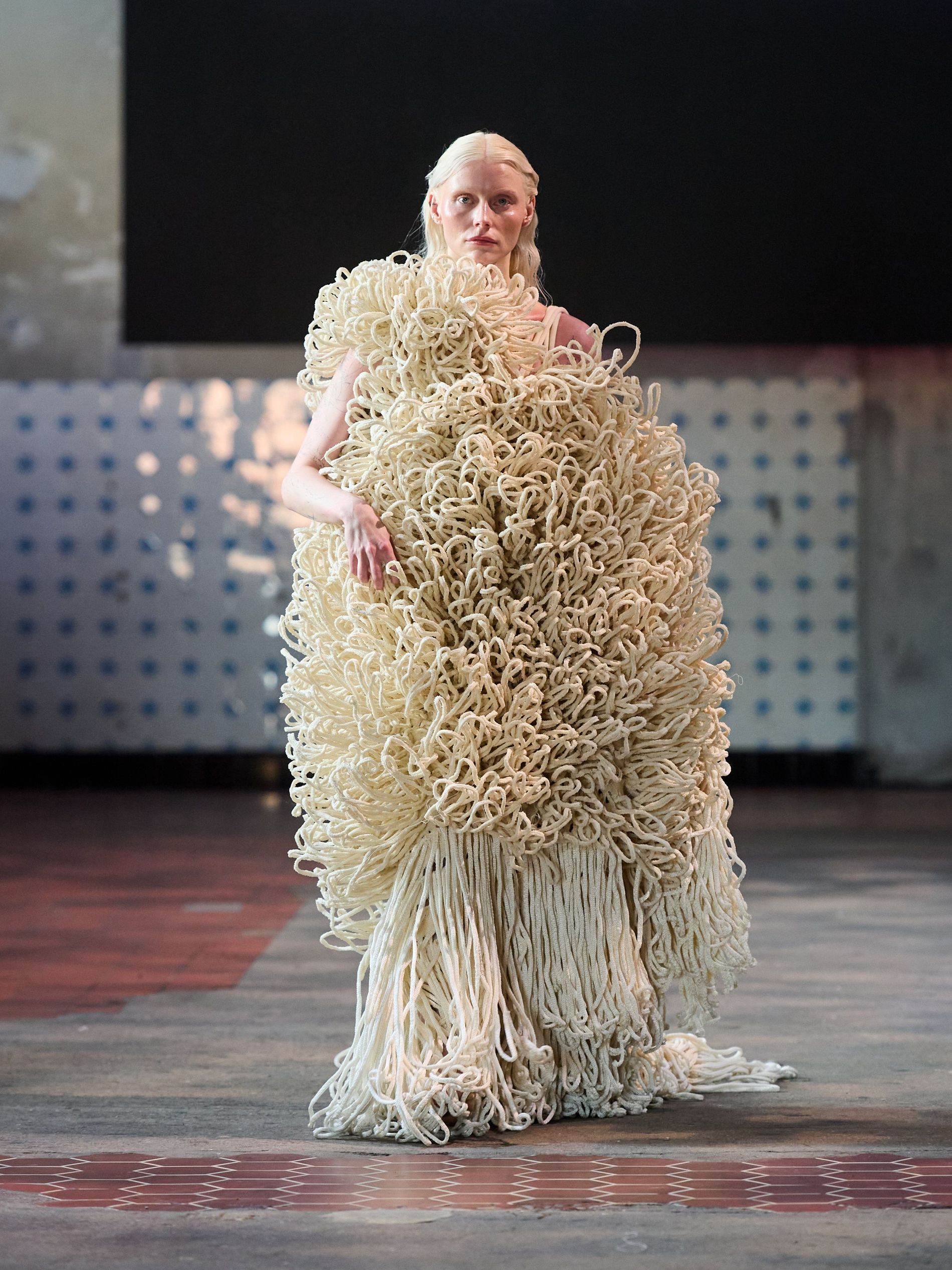
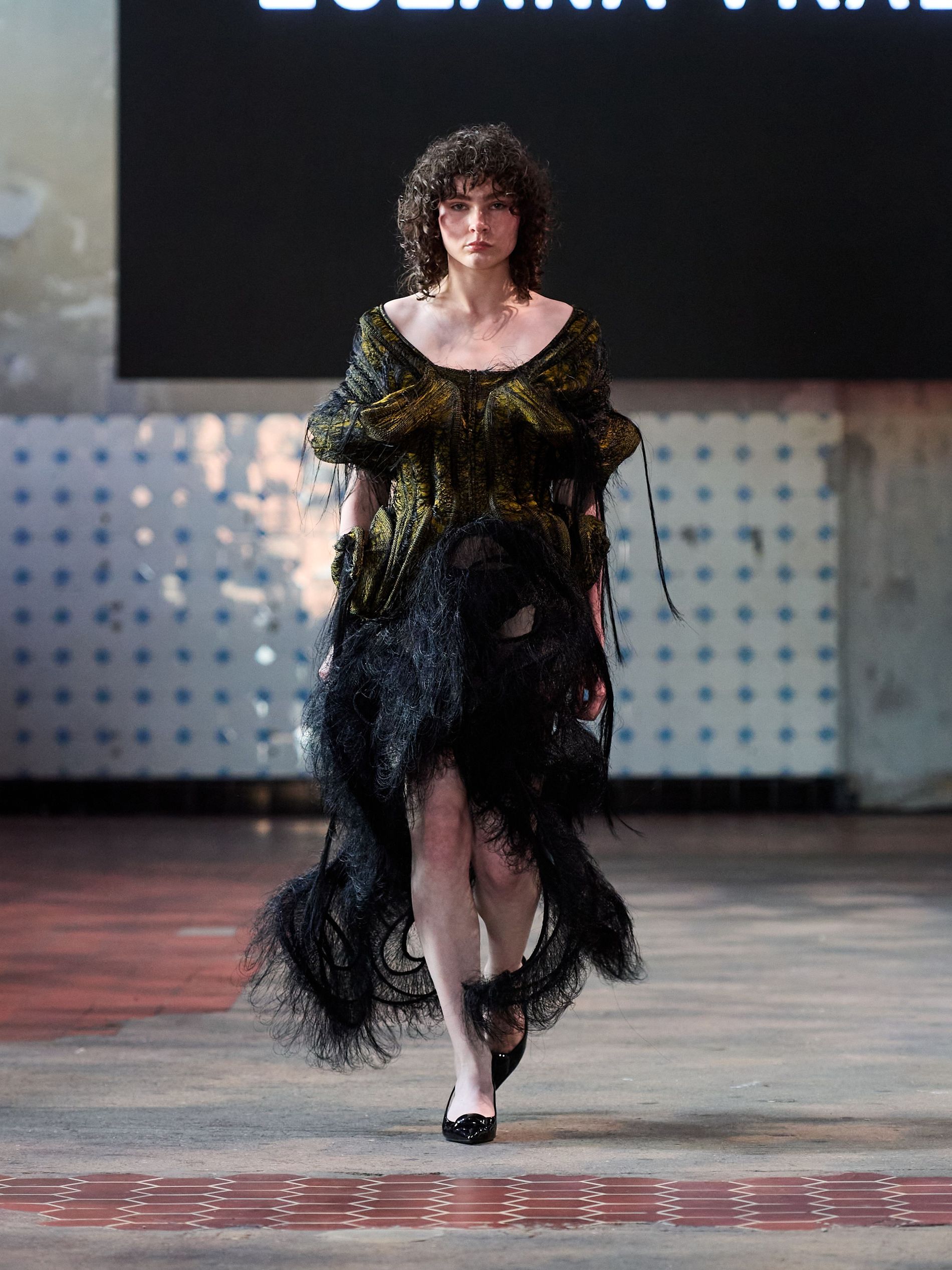
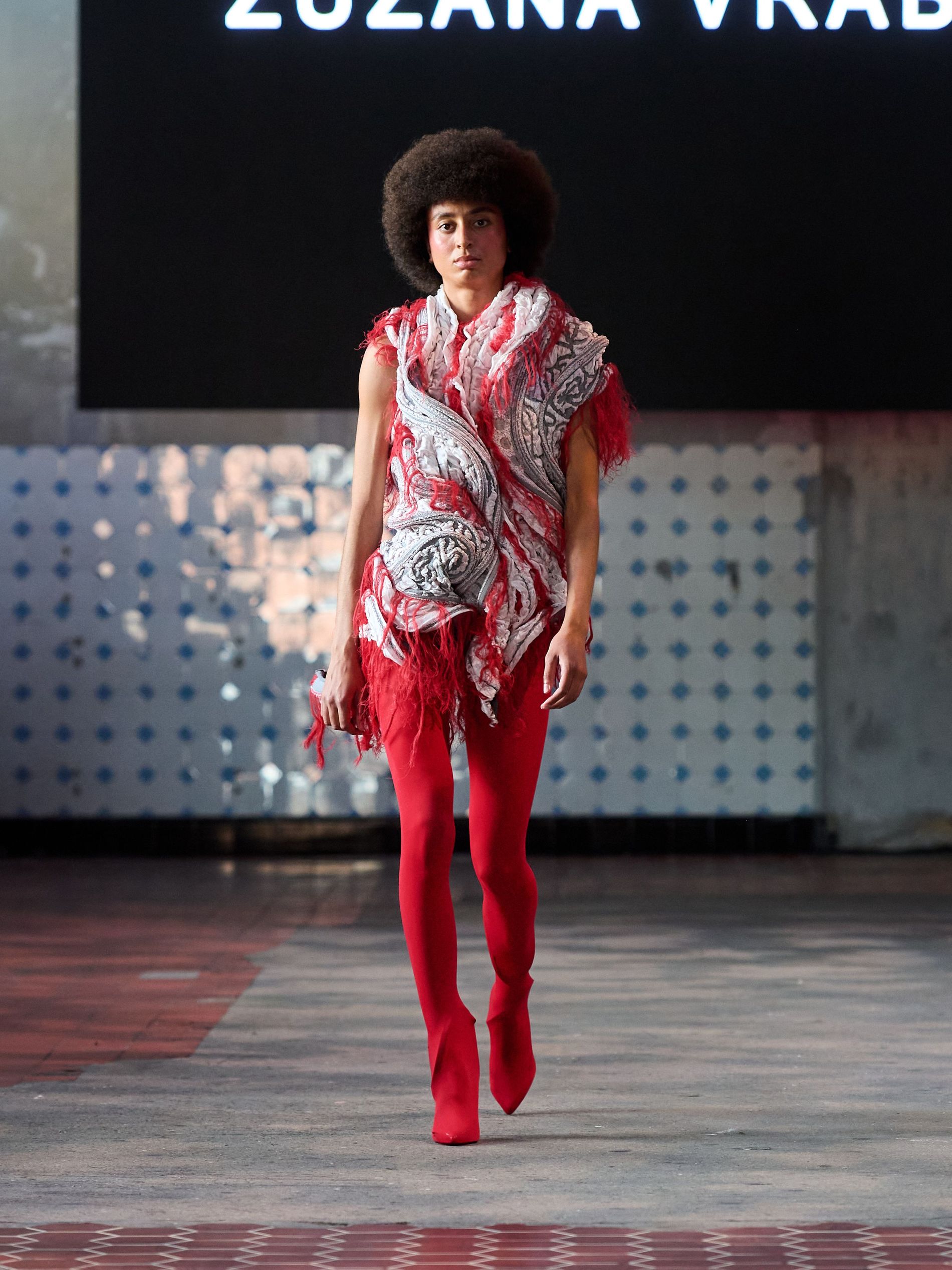
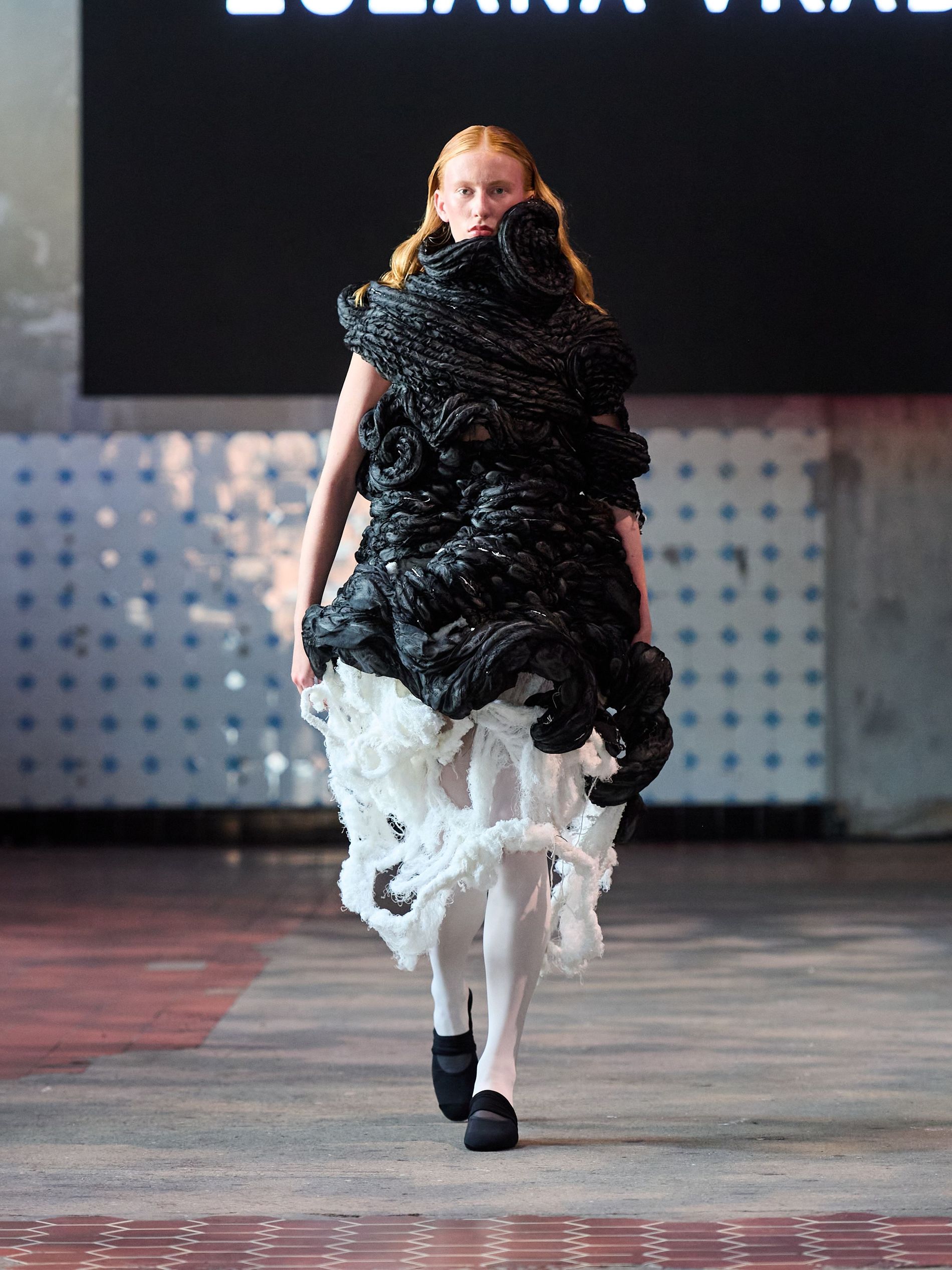
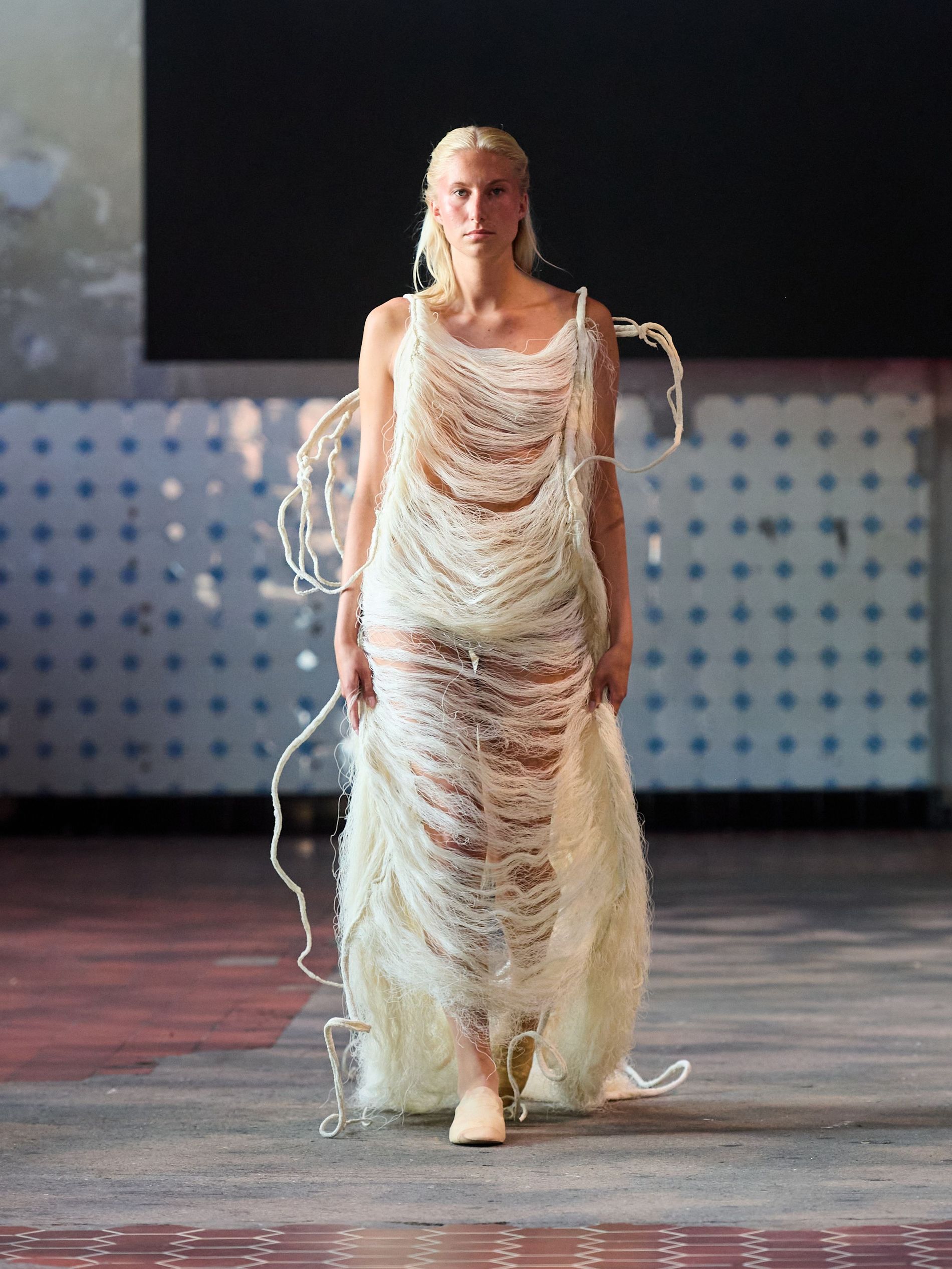
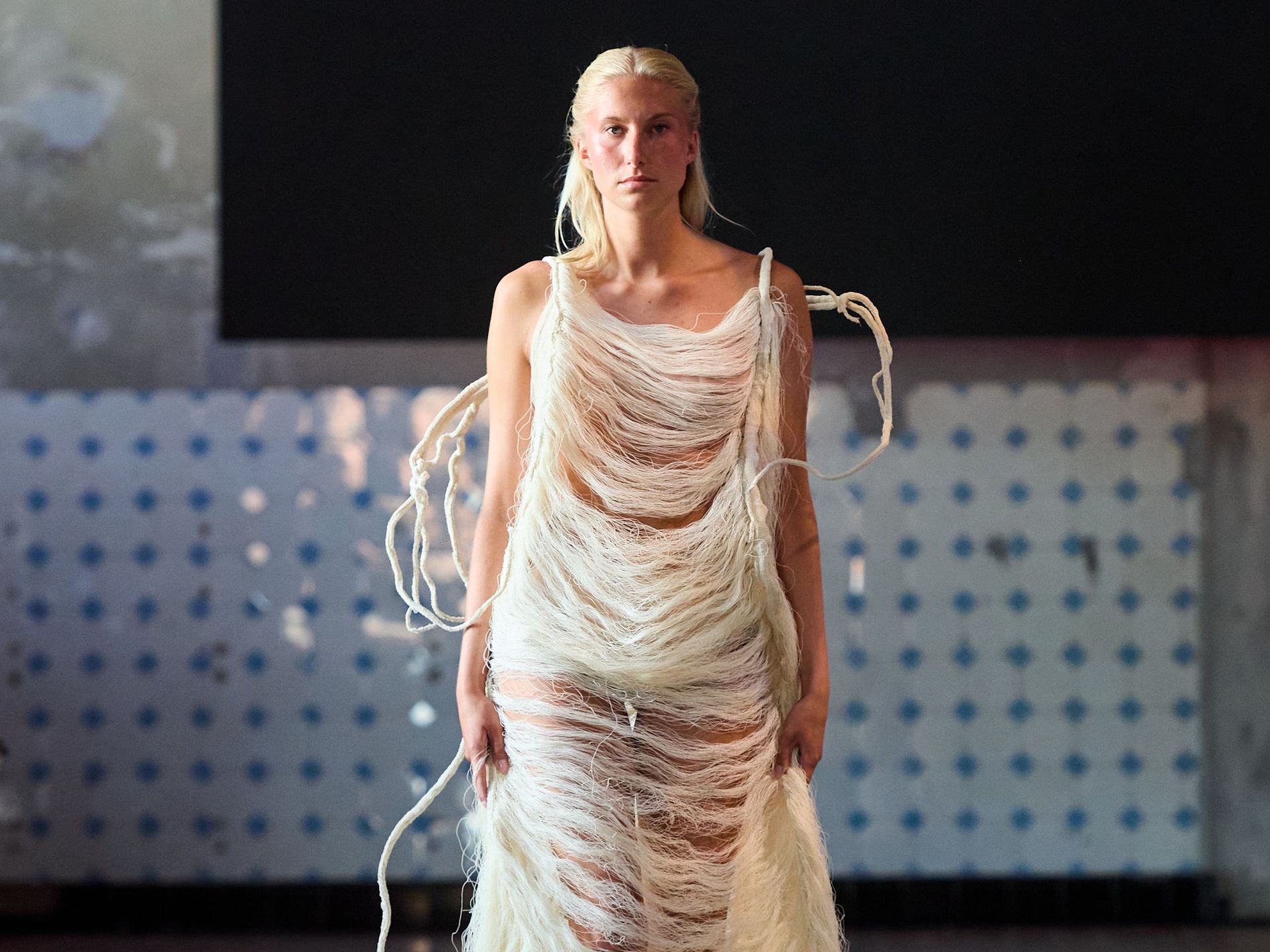
Zuzana Vrabelova: Bestiary
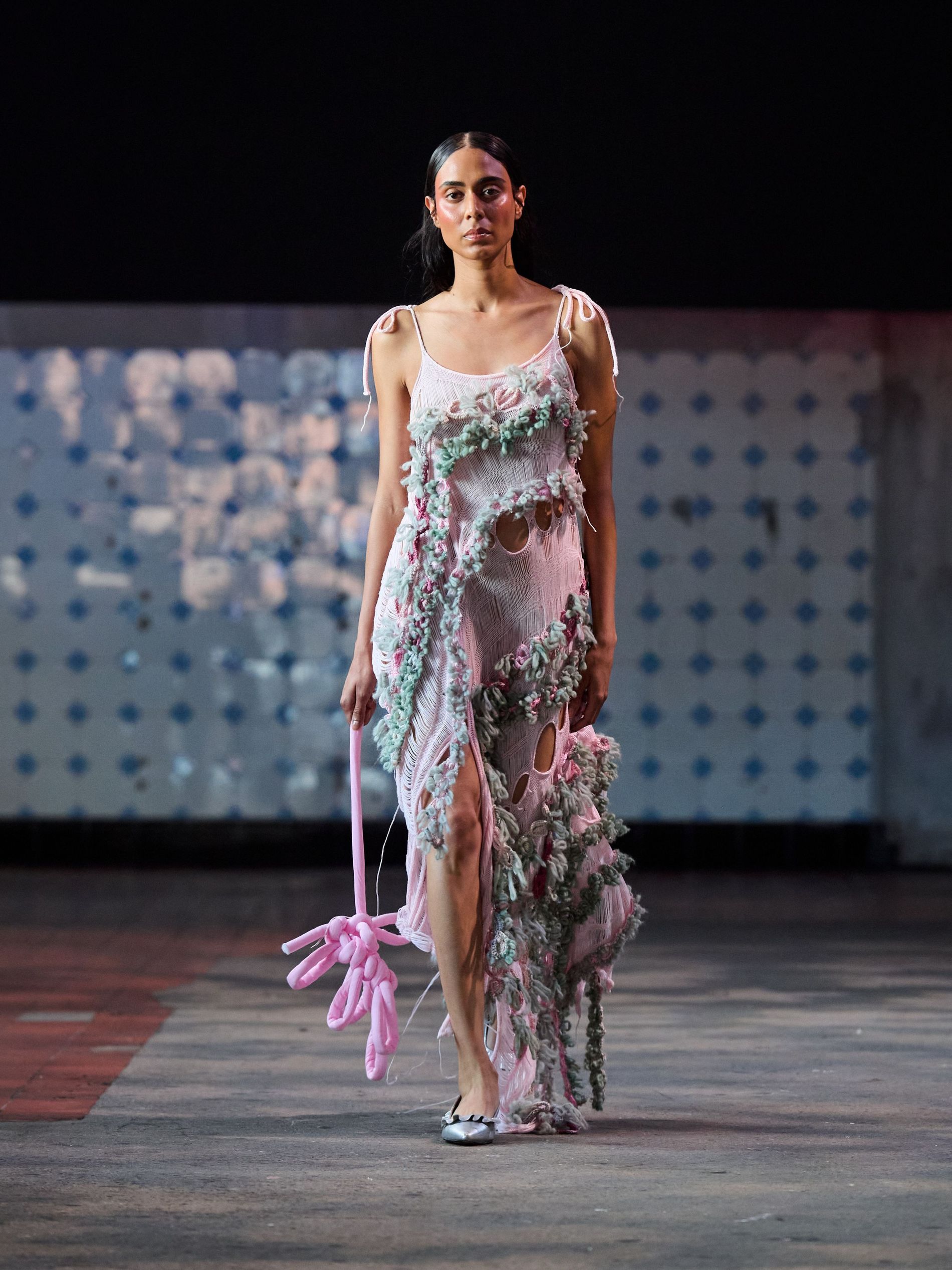
Flora and fauna, petals, hair and bone – these pieces turn botany and biology inside out. “Bestiary speculates on garments as beings or organisms - structures that emerge independently of the human body, yet engage with it,” Vrabelova explains. In mirroring the structures of living things, the pieces comment on the life our own clothes live.
“I wanted to challenge body-centric approaches to fashion. These garments do not exist solely to dress, but instead create environments of their own - spaces where they coexist with, adorn and transform the body.”
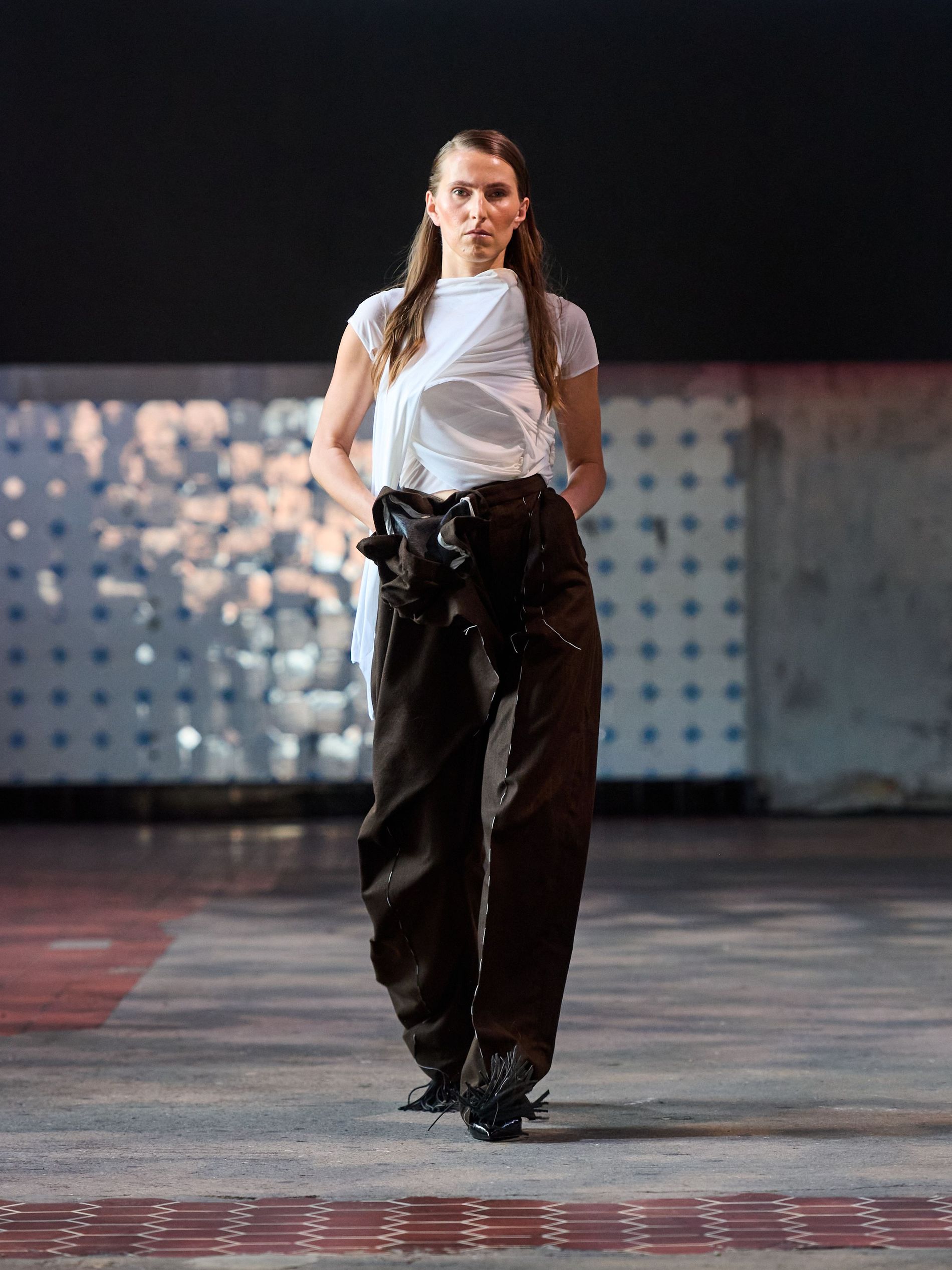
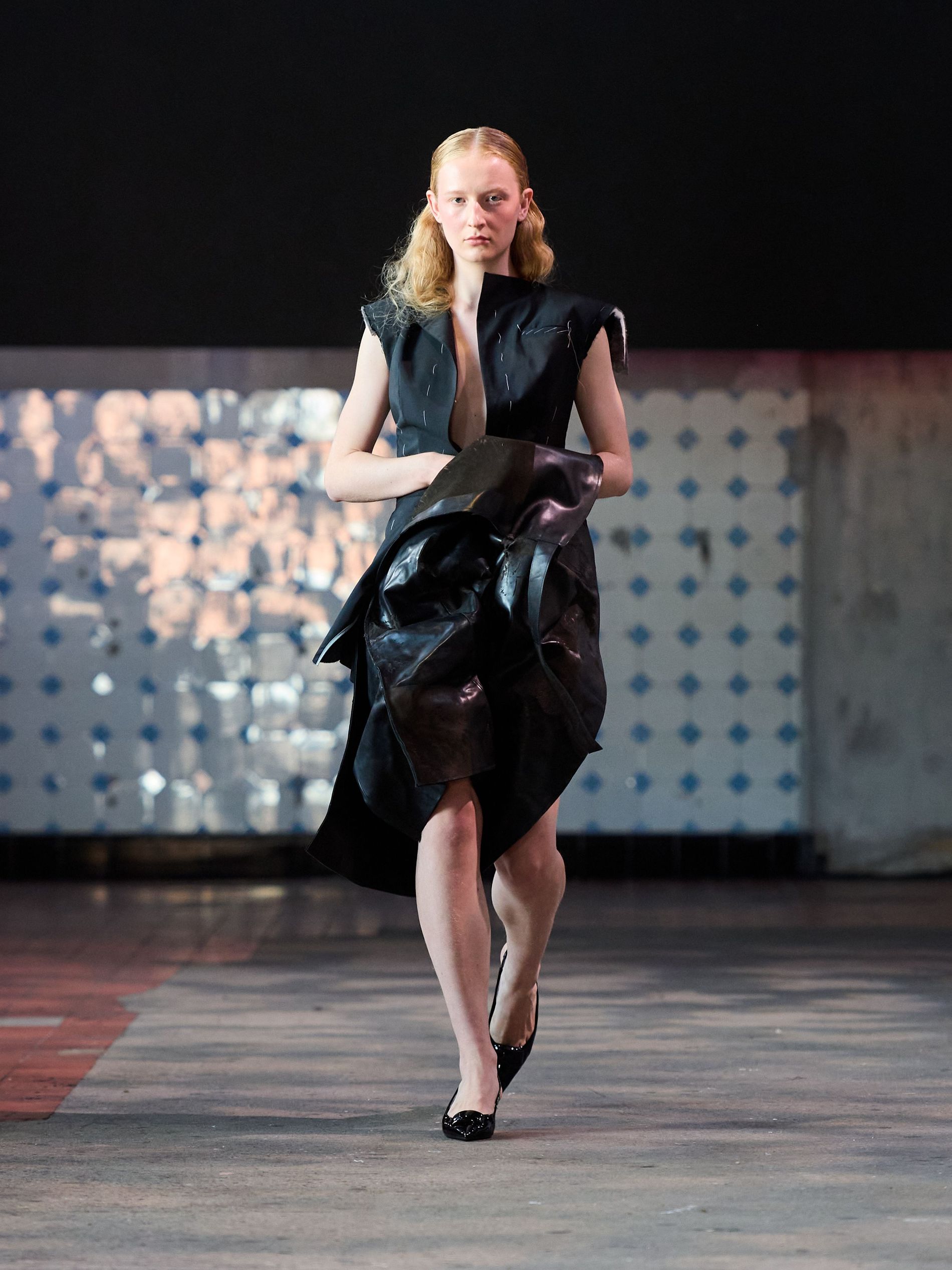
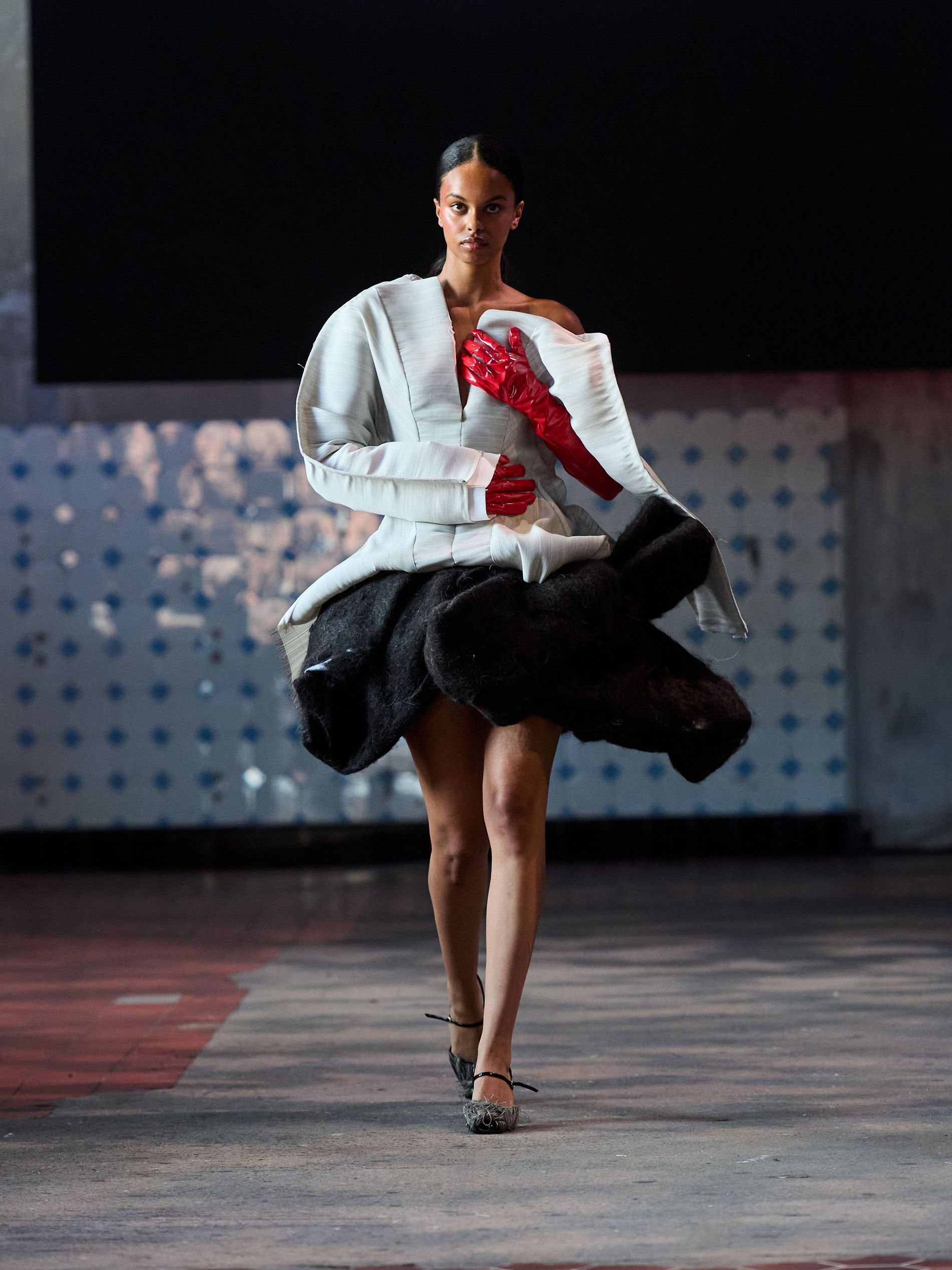
Andrea Rehbein: Approximations to the Acrobatics of Flesh
“I use abstraction as a unifying tool,” says Rehbein of the sculptural forms that emerge from her clothes. “The collection is an investigation on the fragility of our boundaries. By disrupting traditional silhouettes, the rigid signs and meanings attached to garments and bodies are blurred,” she explains.
A commentary on subjectivity, where contrasts depict the space between status quo and reform: a nod to the power of the archetypical silhouette. “There’s a sensitivity to pattern drafting – even minor changes reshape the whole, altering both the garment and its relationship to the body.”
In Approximations to the Acrobatics of Flesh, Rehbein says her garments “act as mediators for the unstable body” – where fabric and flesh emerge as something new.
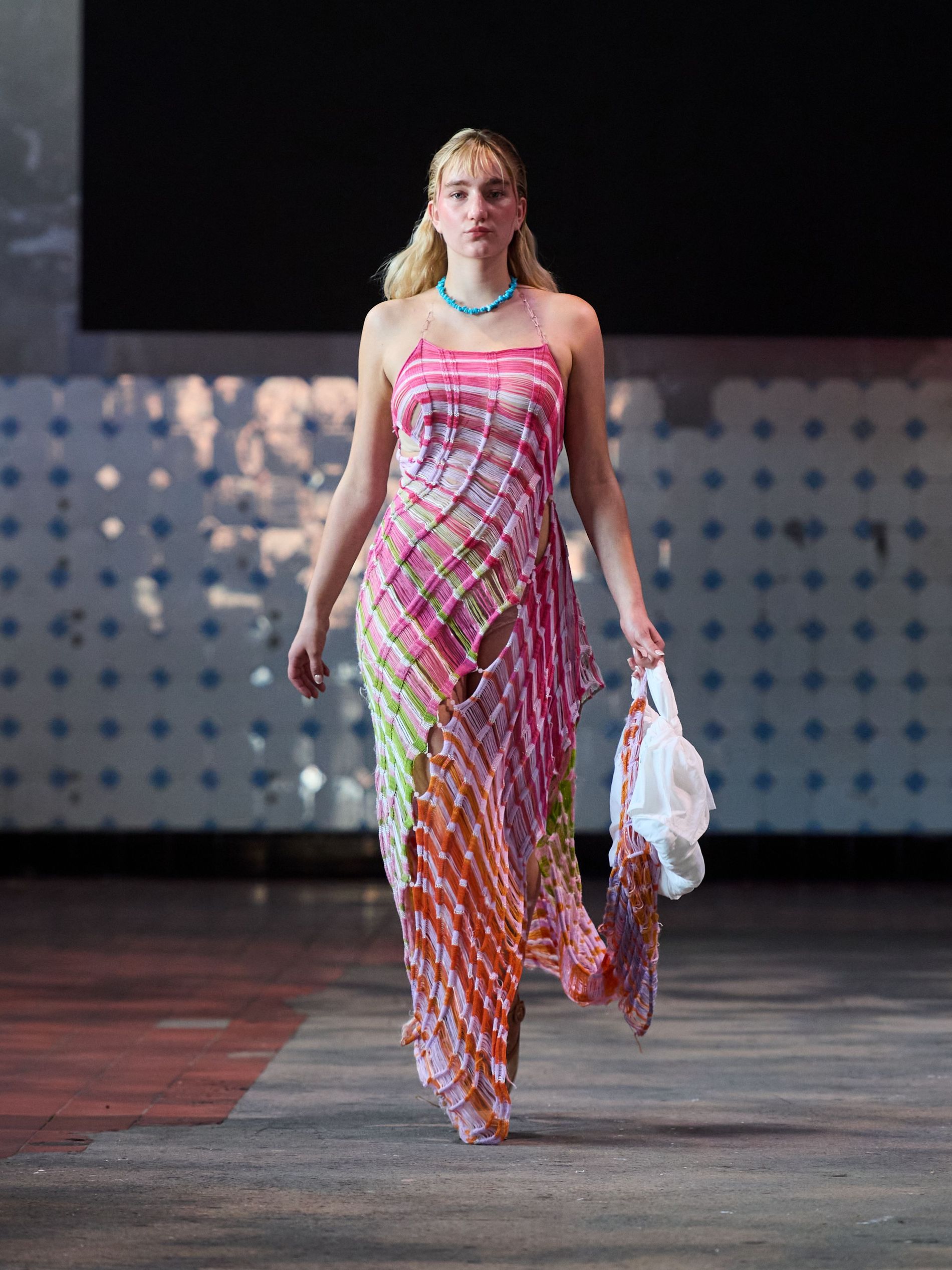
Yuting Xia: Body Drafts
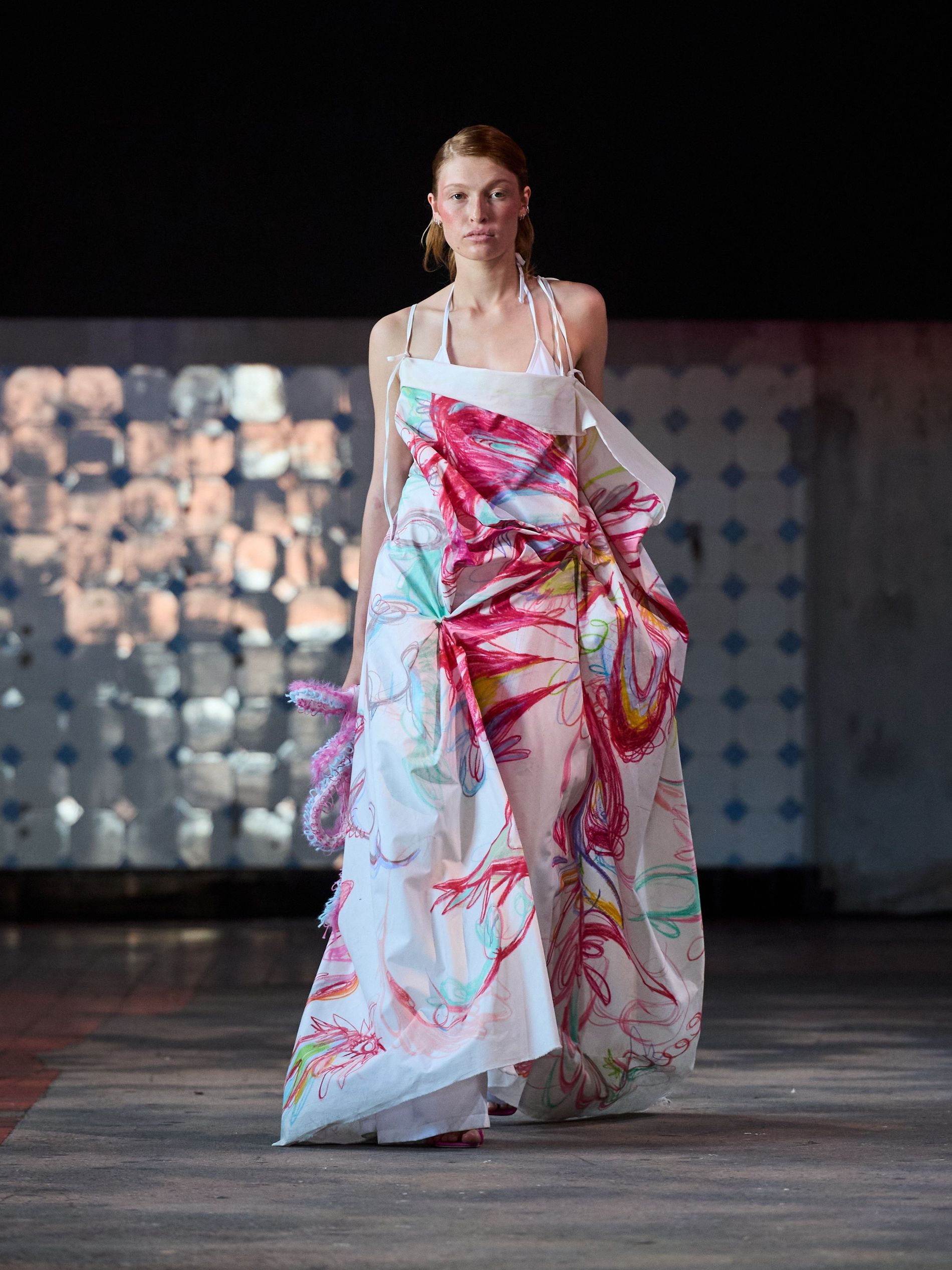
“This collection was developed purely by intuition” says Yuting Xia of the lively pieces that bounce down the runway. Xia creates without end in mind, her method derived from how it feels to simply sketch for the sake of it. “I’ve always been drawn to painting – I’m fascinated by its raw, spontaneous energy.” A freedom she carries into her design process.
“I approach the garment like a living canvas, letting my hands move with the same graffiti-like mindset. Every thread follows my instincts. There are no plans—just a direct translation of thought into form, as the garment slowly takes shape on the body straight from my imagination. As you can see, design should be this free.”
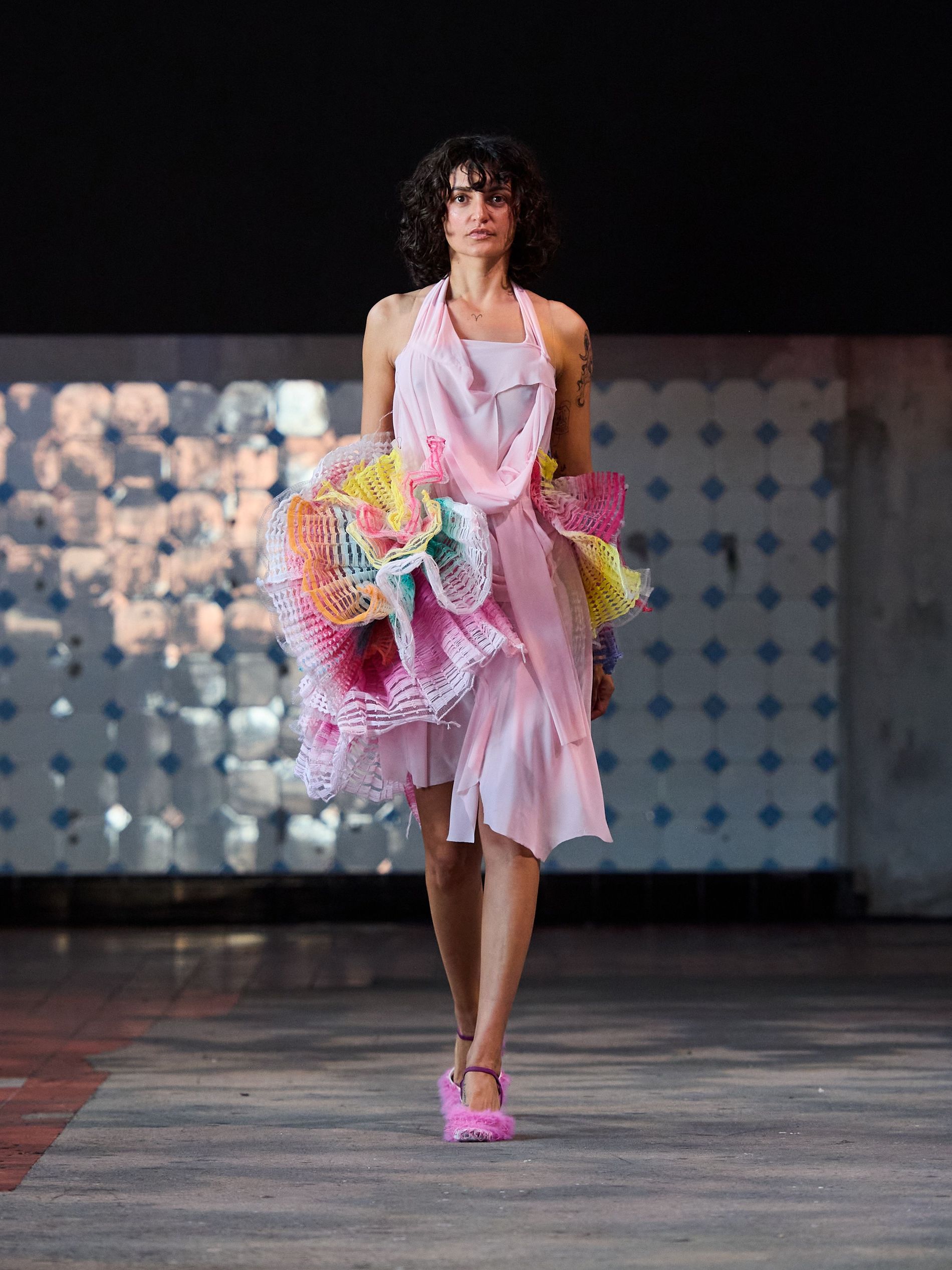
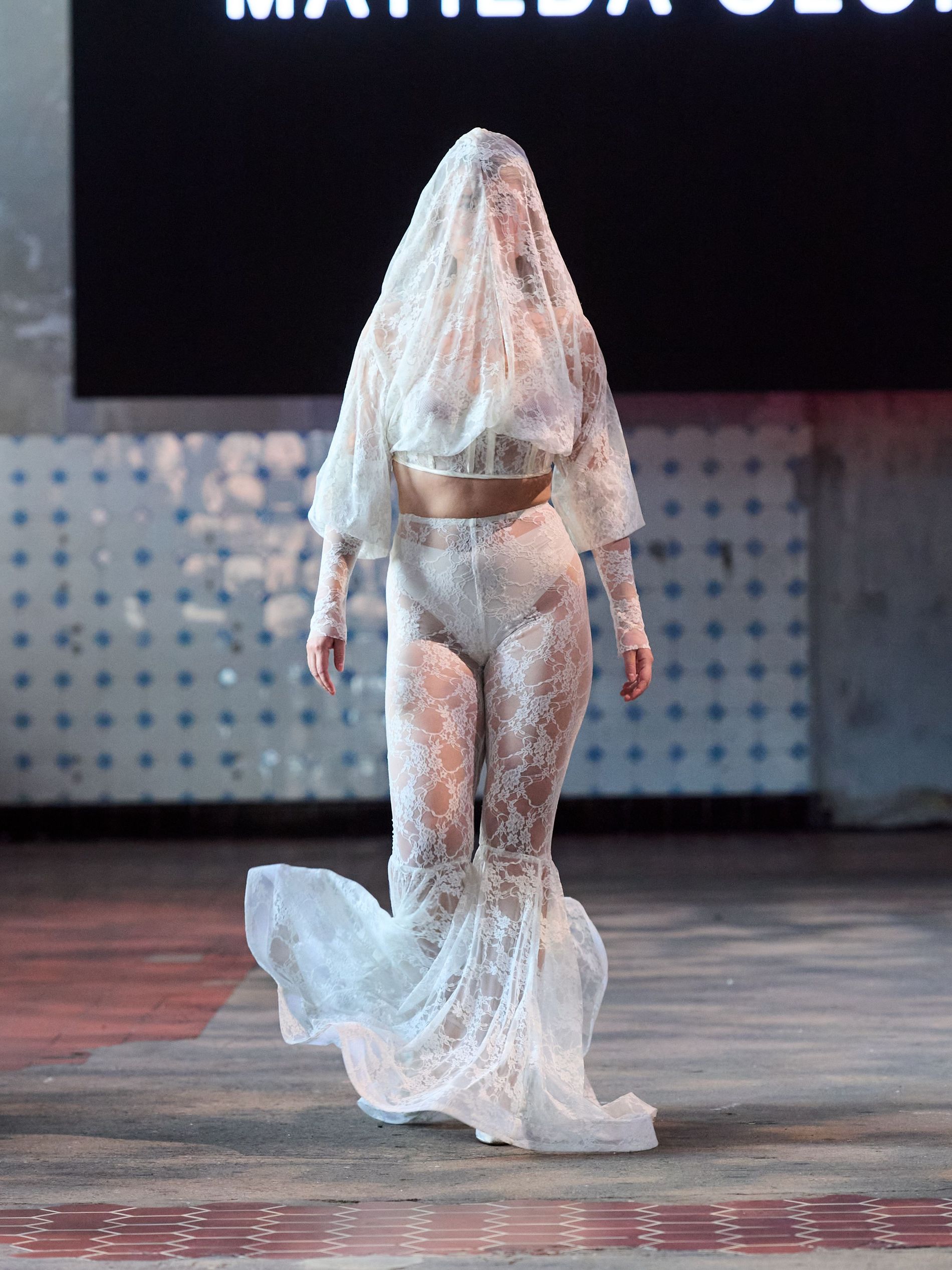
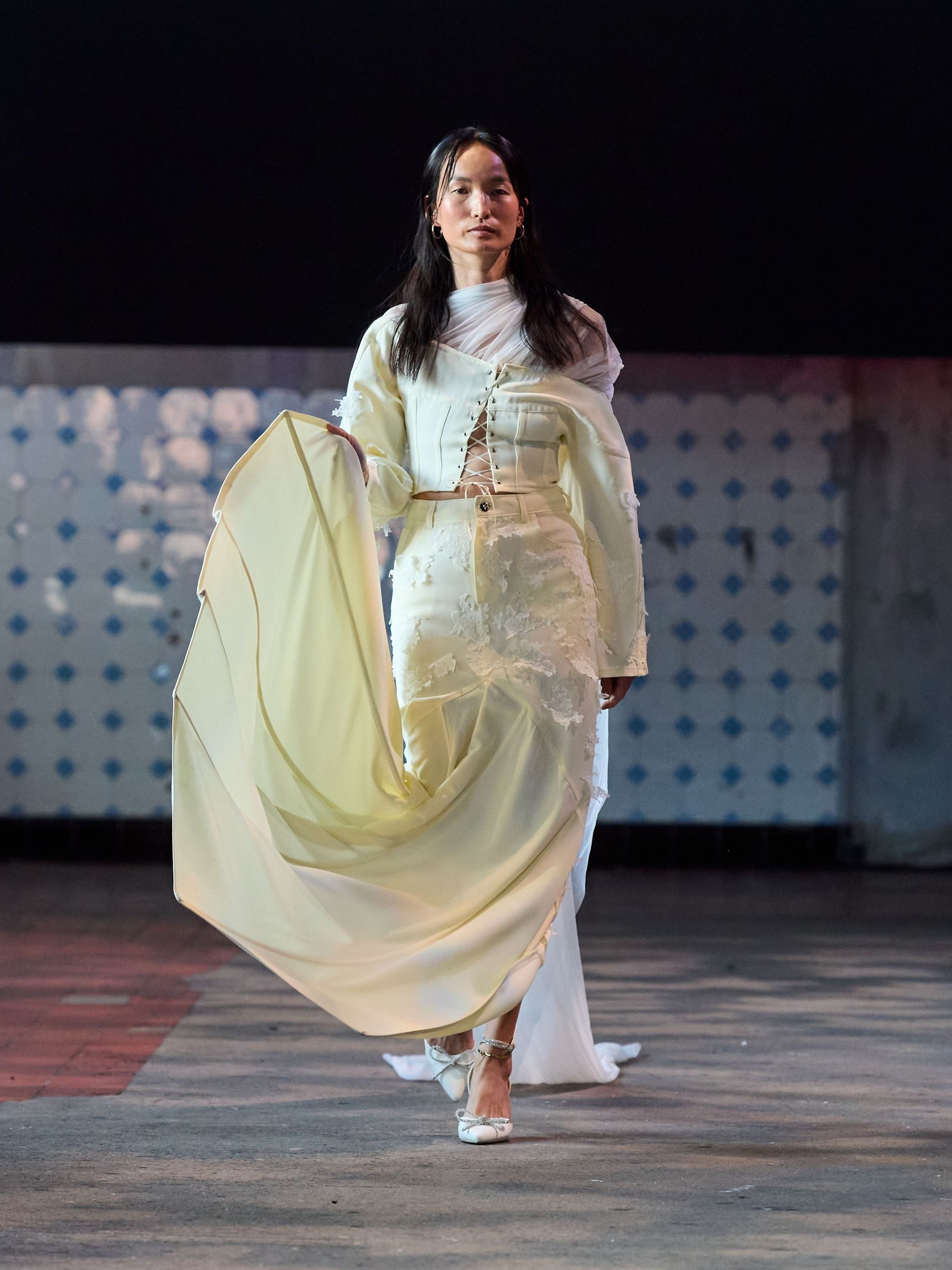
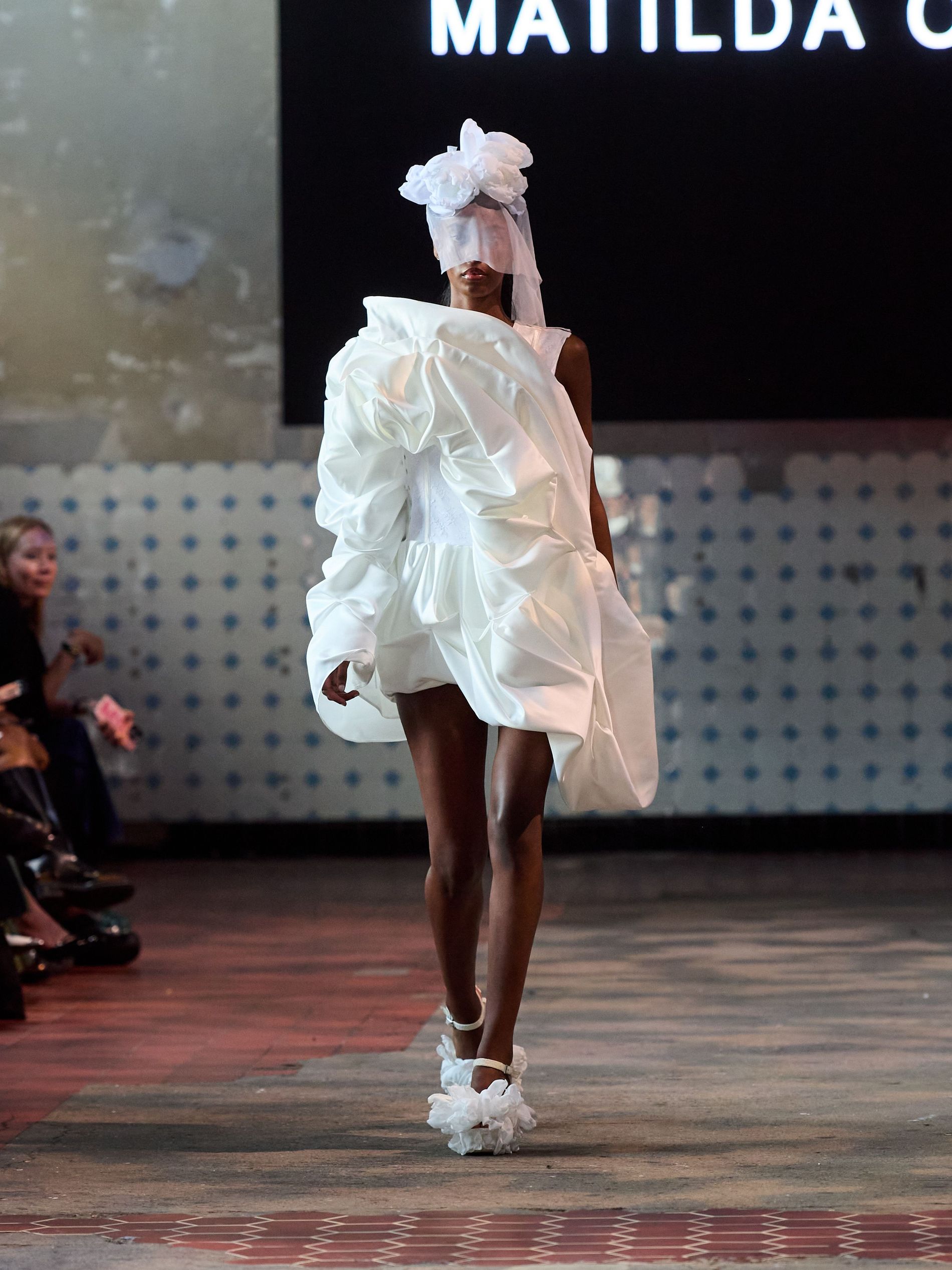
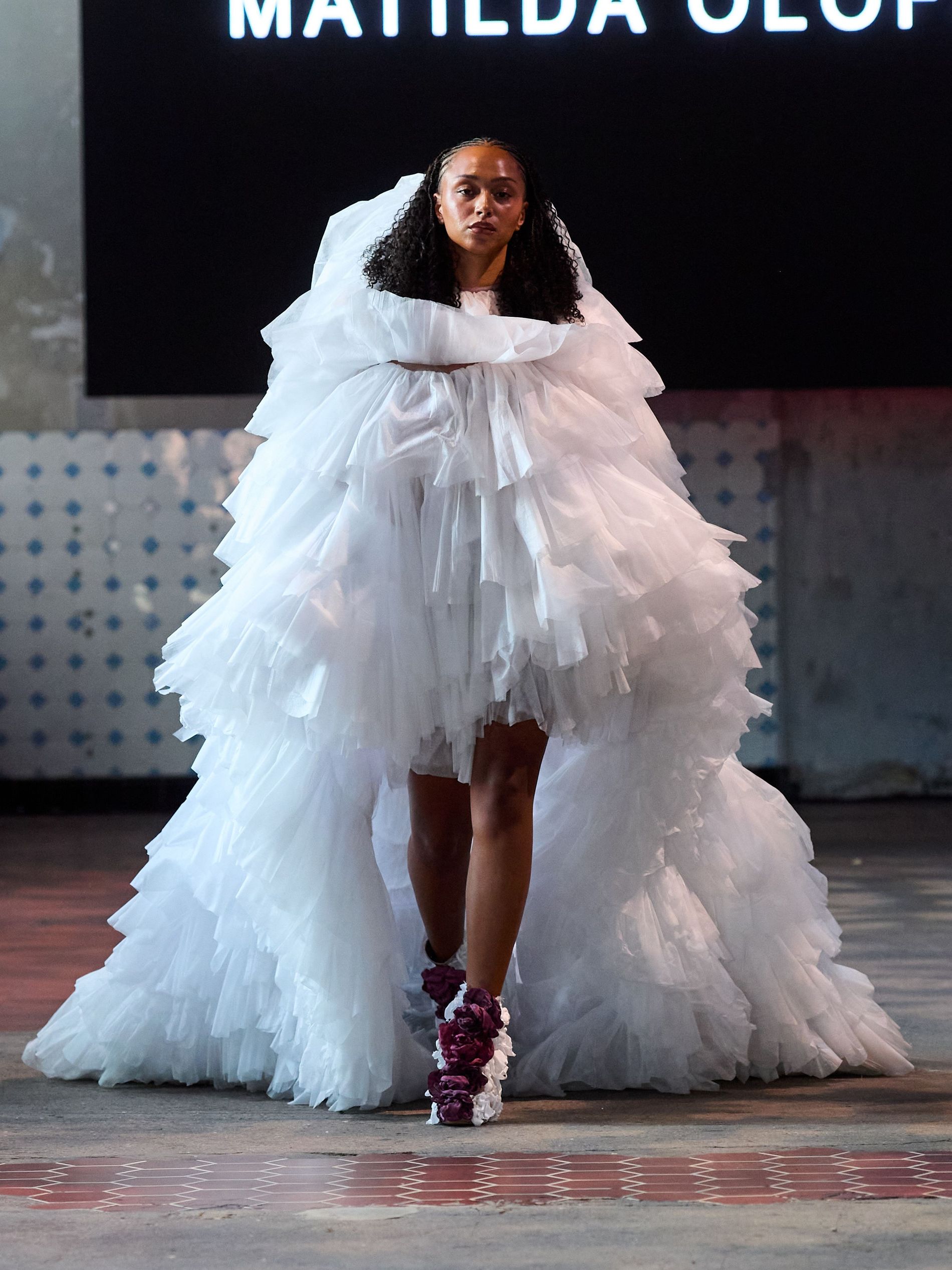
Matilda Olofsson: Forever and Always
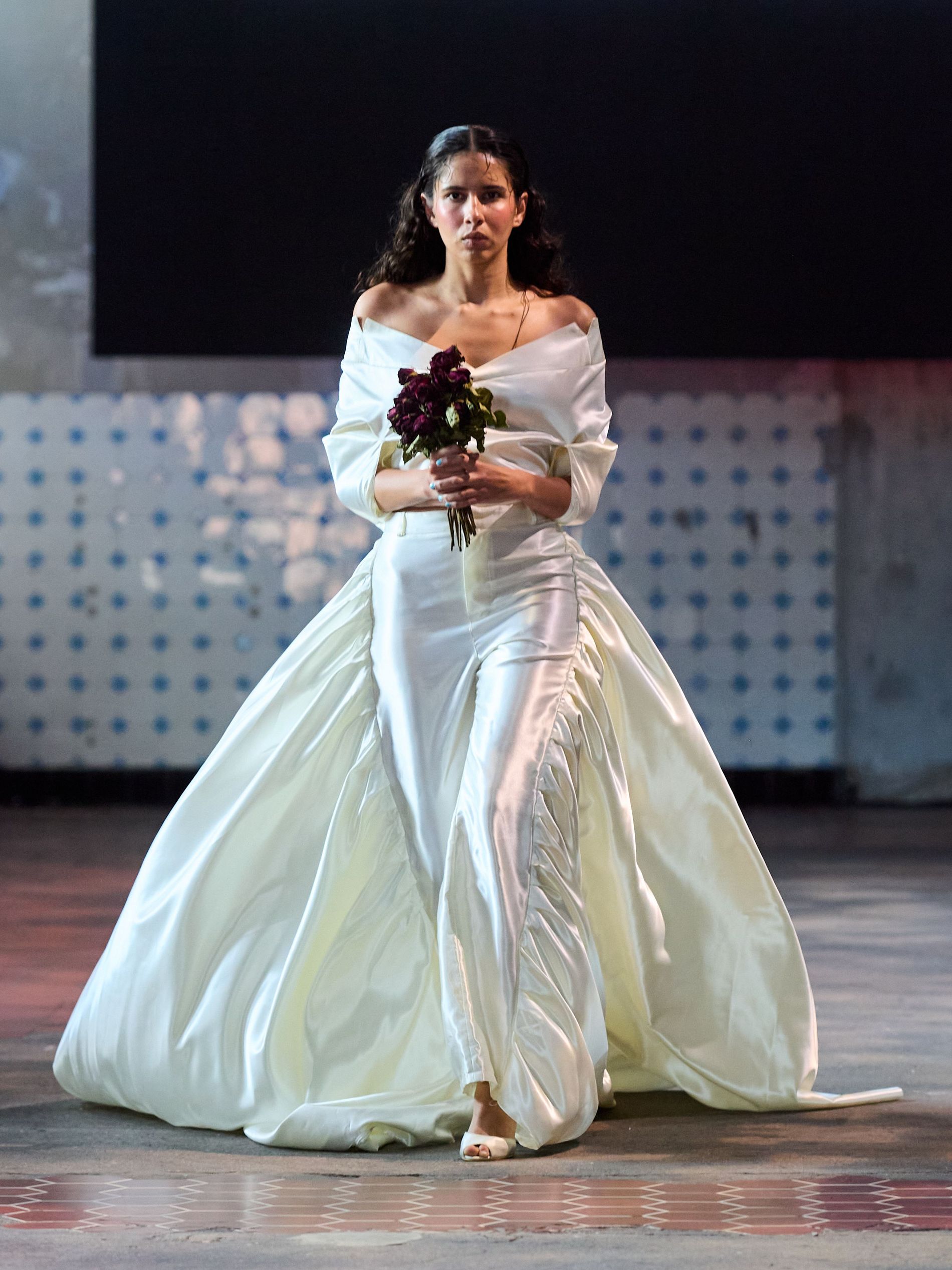
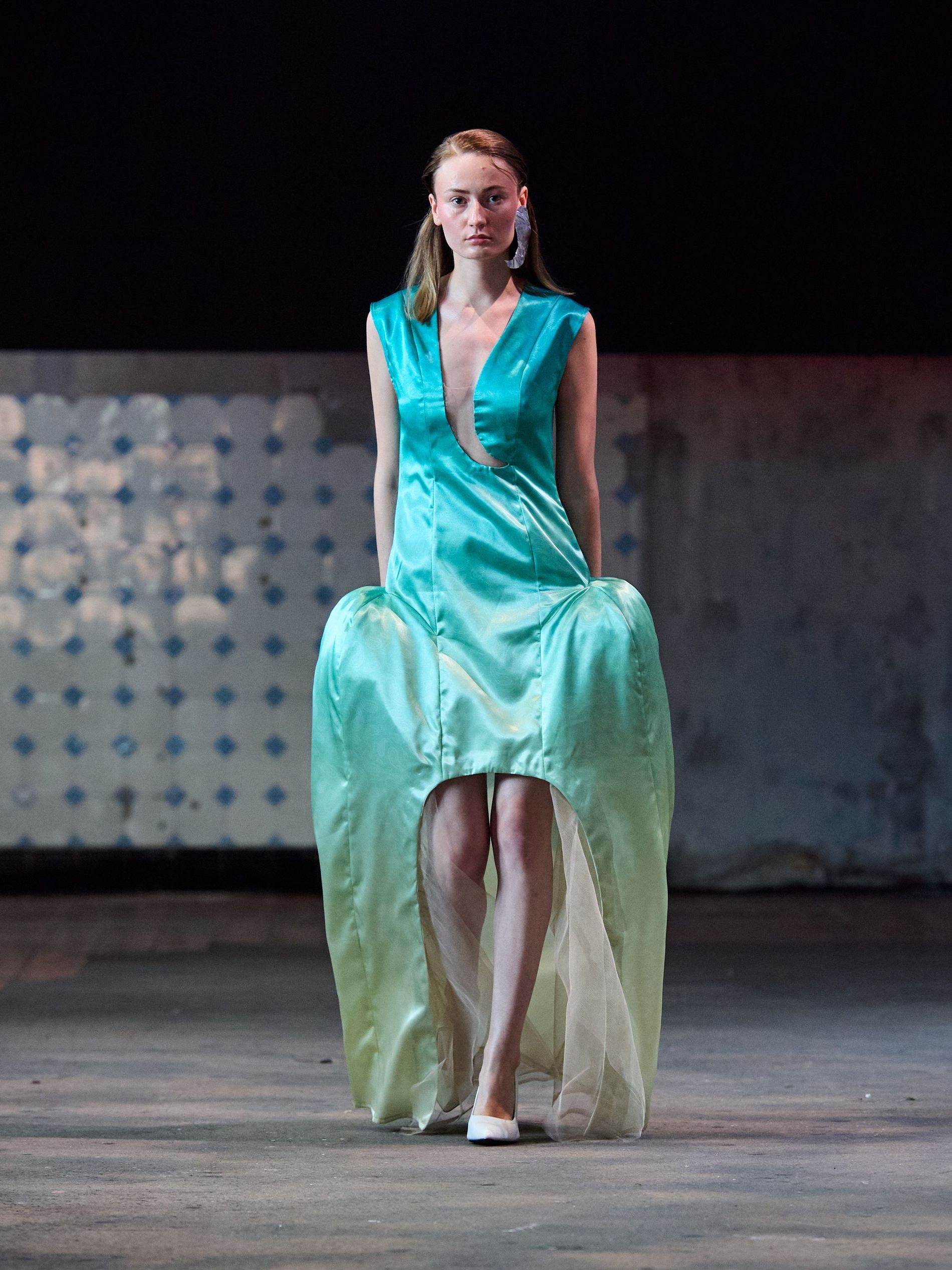
A reimagination of bridal trends, Forever and Always brings a new dimension to the never-ending array of modern copycat bridalwear. “Through research into historical and contemporary bridalwear, I was inspired by the simple movement of walking down the aisle to create an impact of motion,” she says.
Olofsson doesn't depart entirely from tradition, but one thing she does do is shift the central focus away from the torso, using volume to enhance features and grab attention quite literally from head to toe.
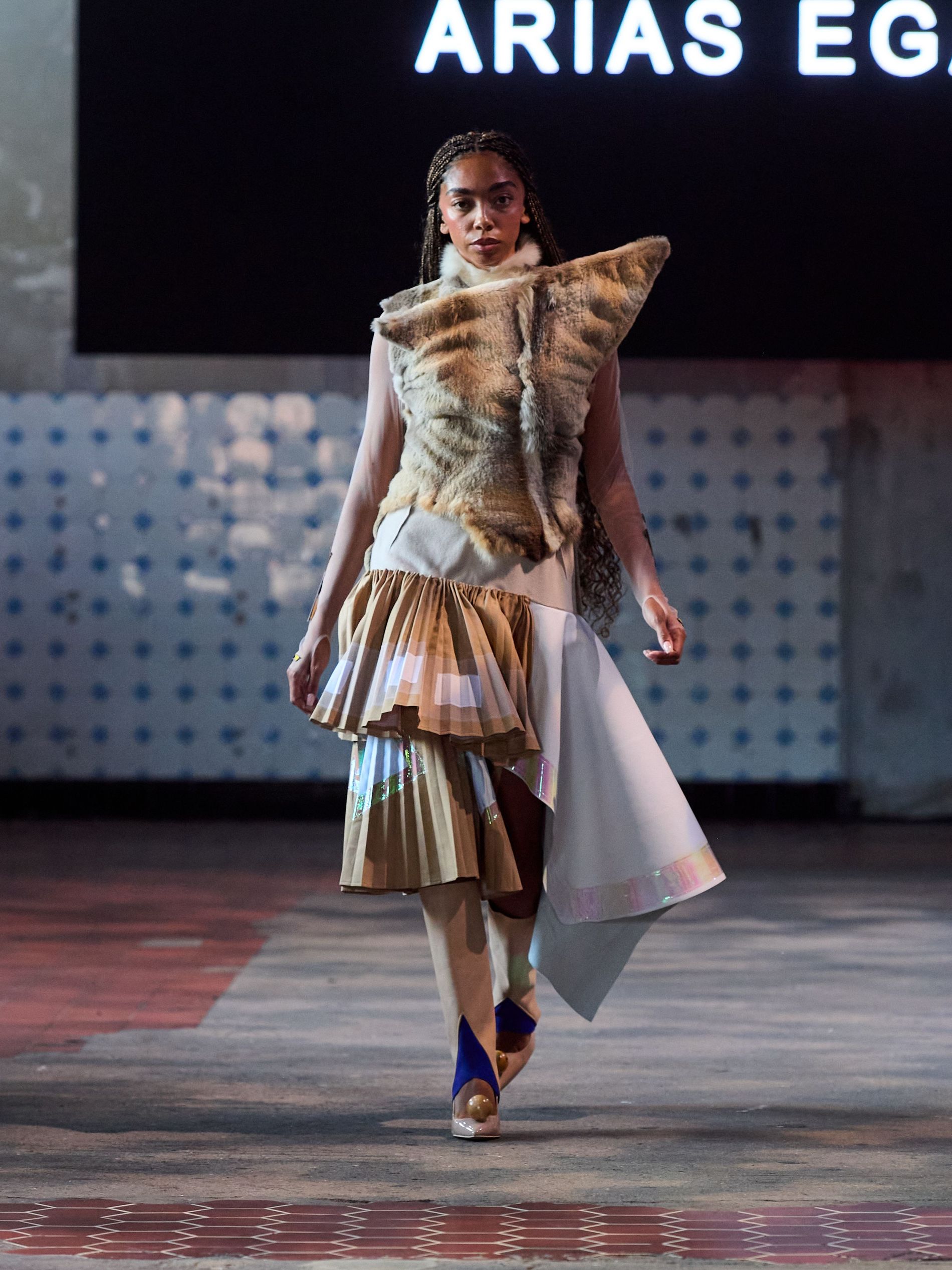
Gabriela Arias Egaña: Lost in Los Andes
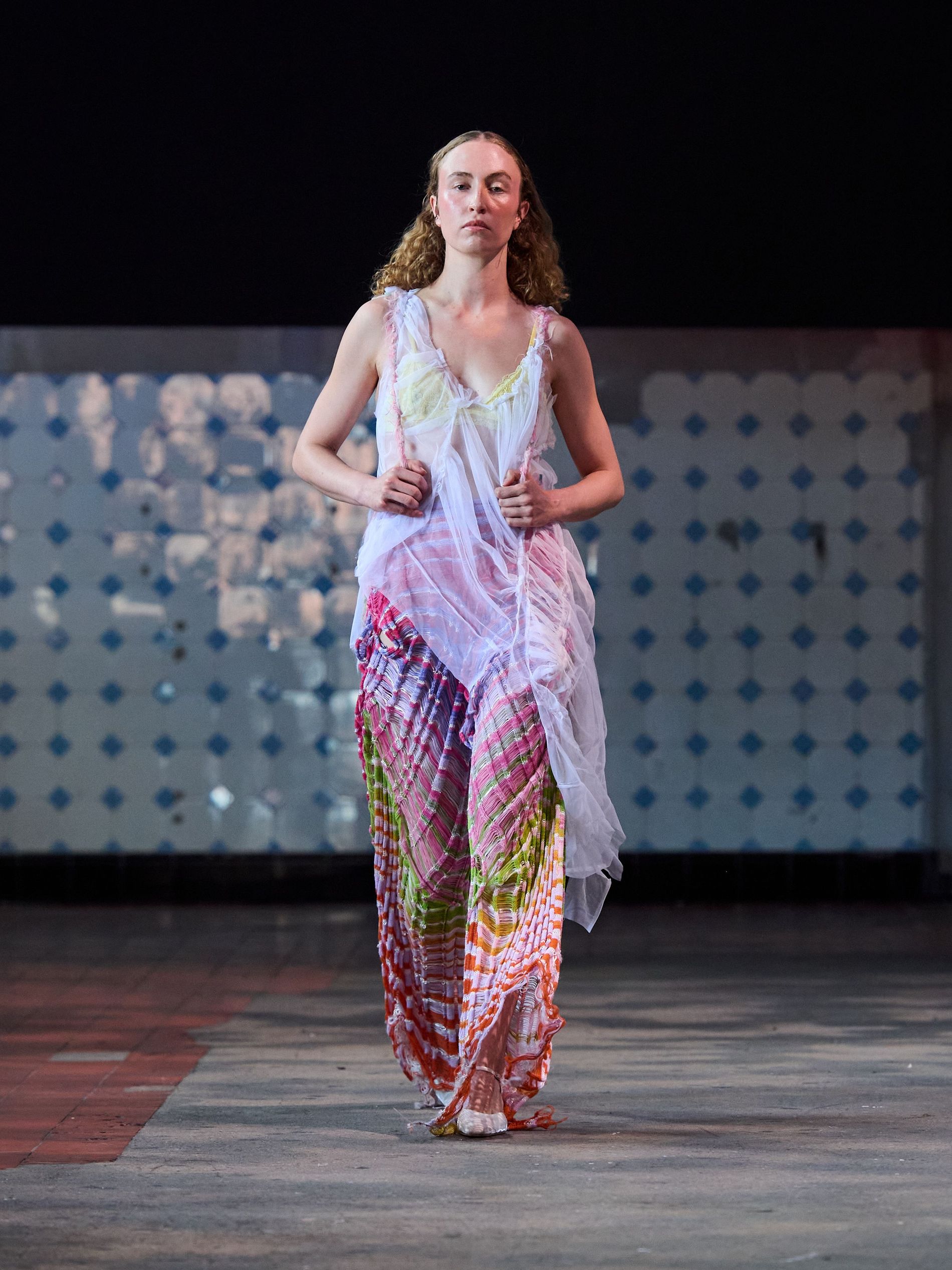
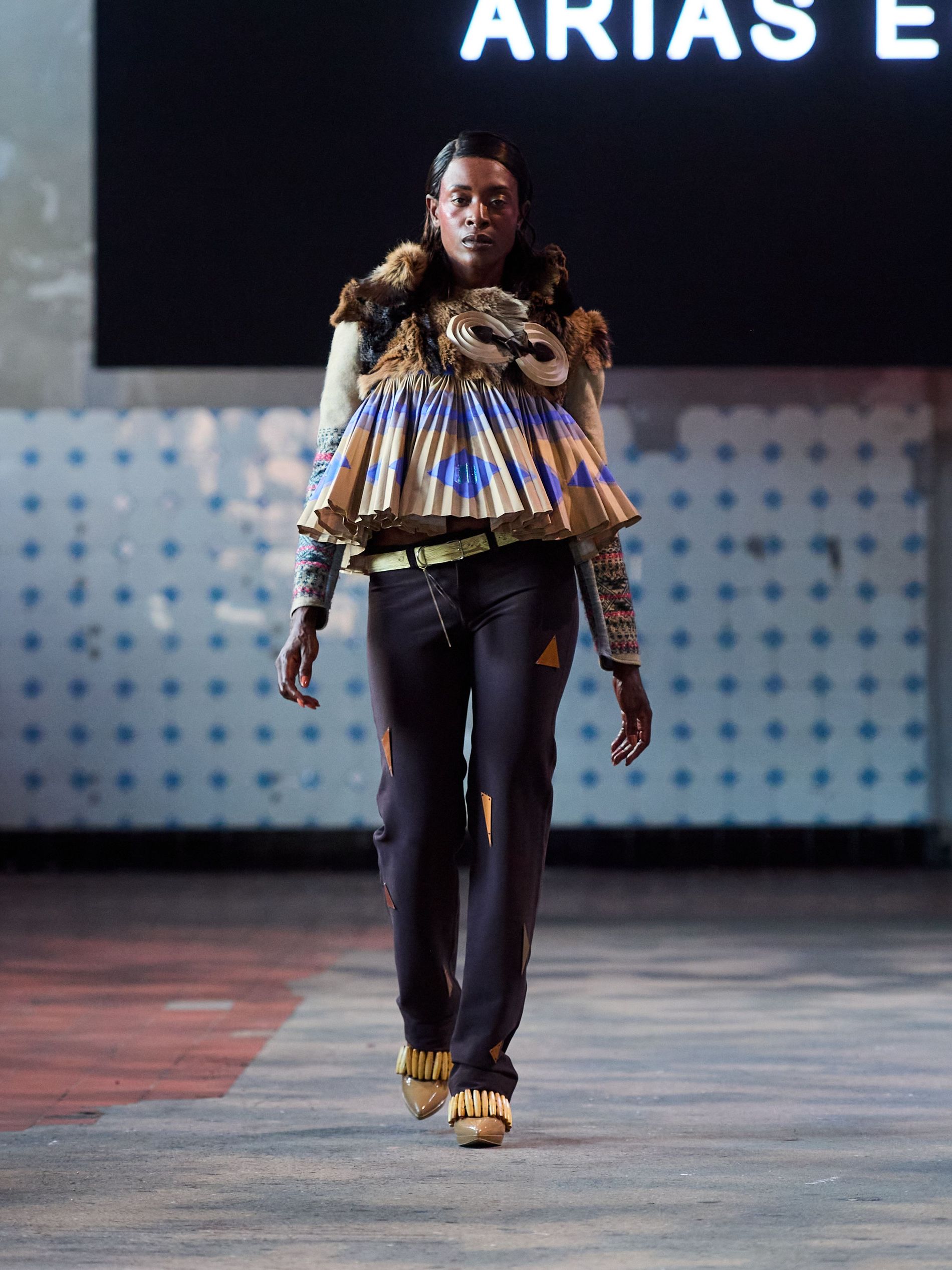
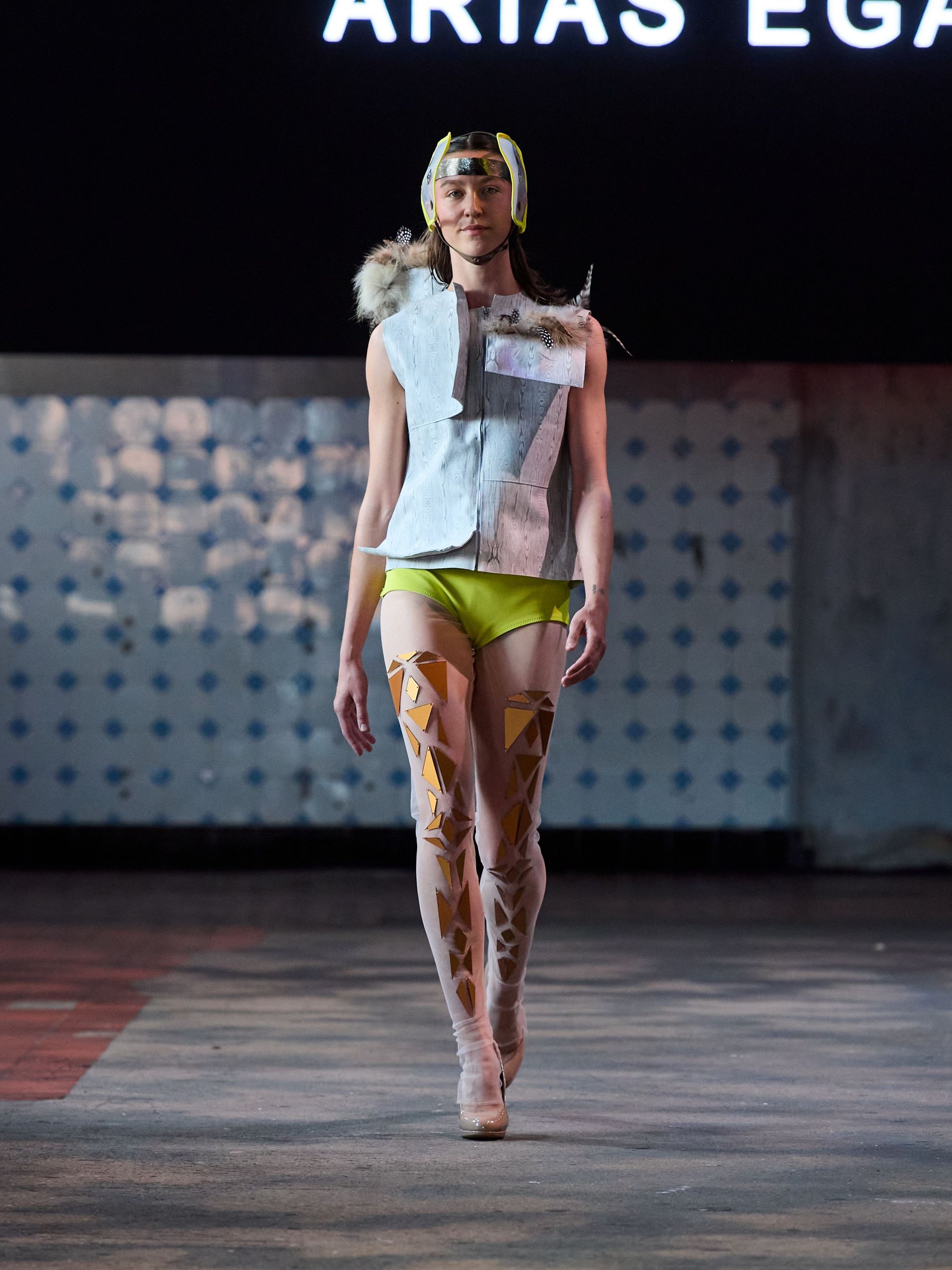
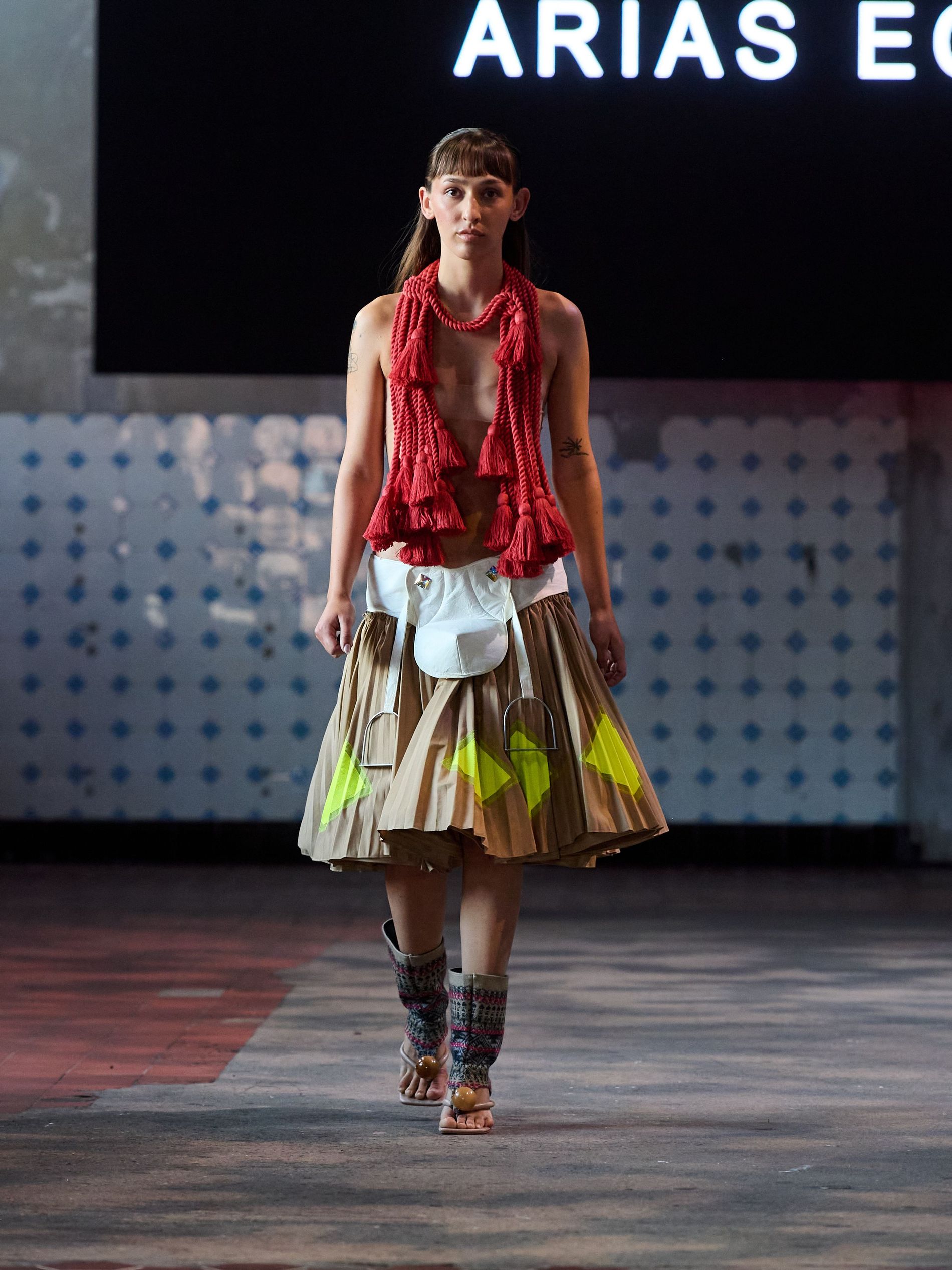
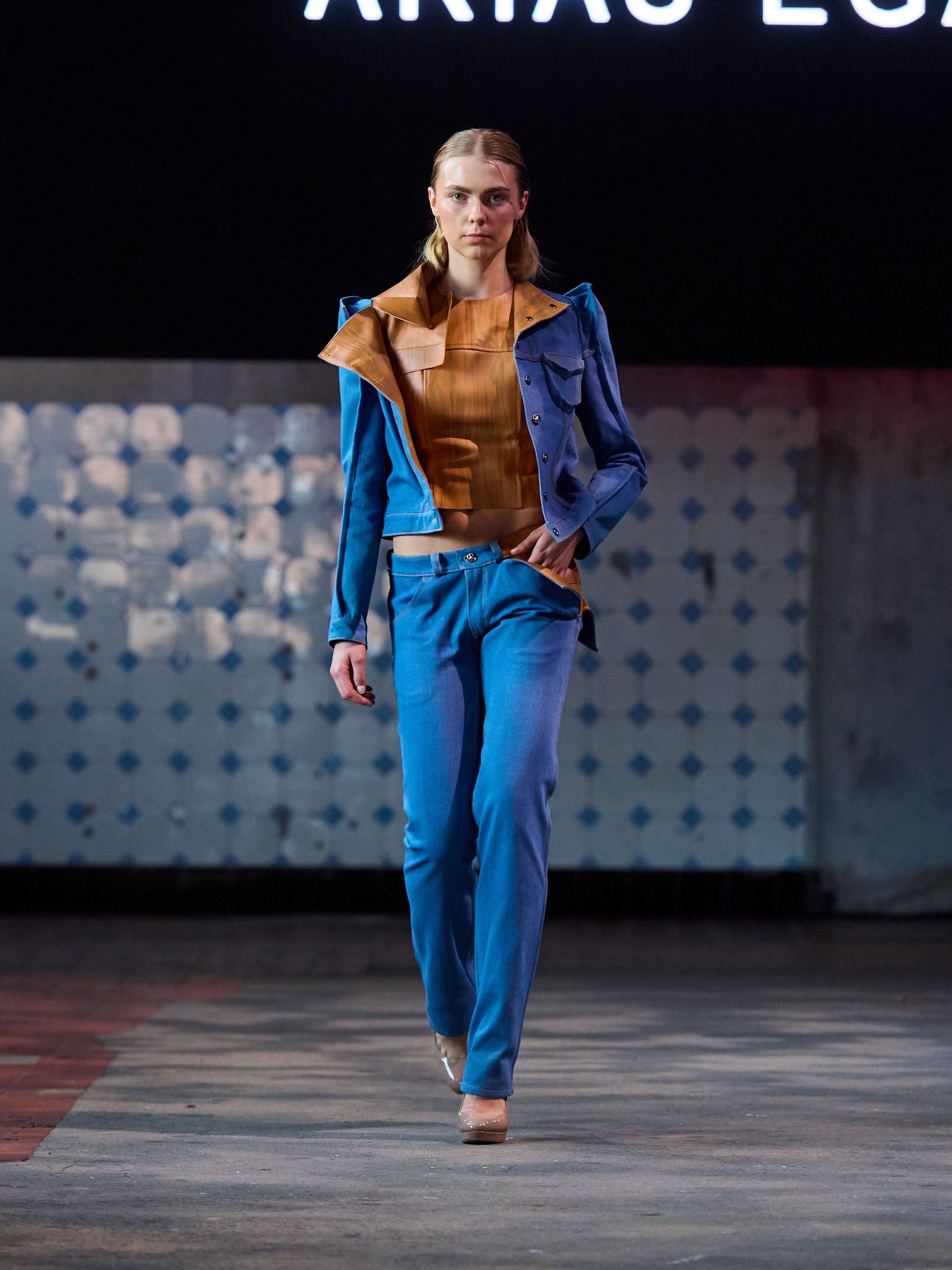
Arias Egaña’s collection Lost in Los Andes is a reconstruction of her Chilean heritage and the custom of textile folding. Based on her own experience of being raised as a second-generation immigrant in Sweden, she asks, “how can diasporic identities from conflicting cultural origins be manifested in contemporary contexts to stay relevant?”
“I wanted to find a personal understanding in a complex state of cultural heritage in the face of contemporary Western fashion.” She does this through incorporating common Chilean pleating techniques into uncommon materials such as fur and leather, creating new expressions from traditional craftsmanship.
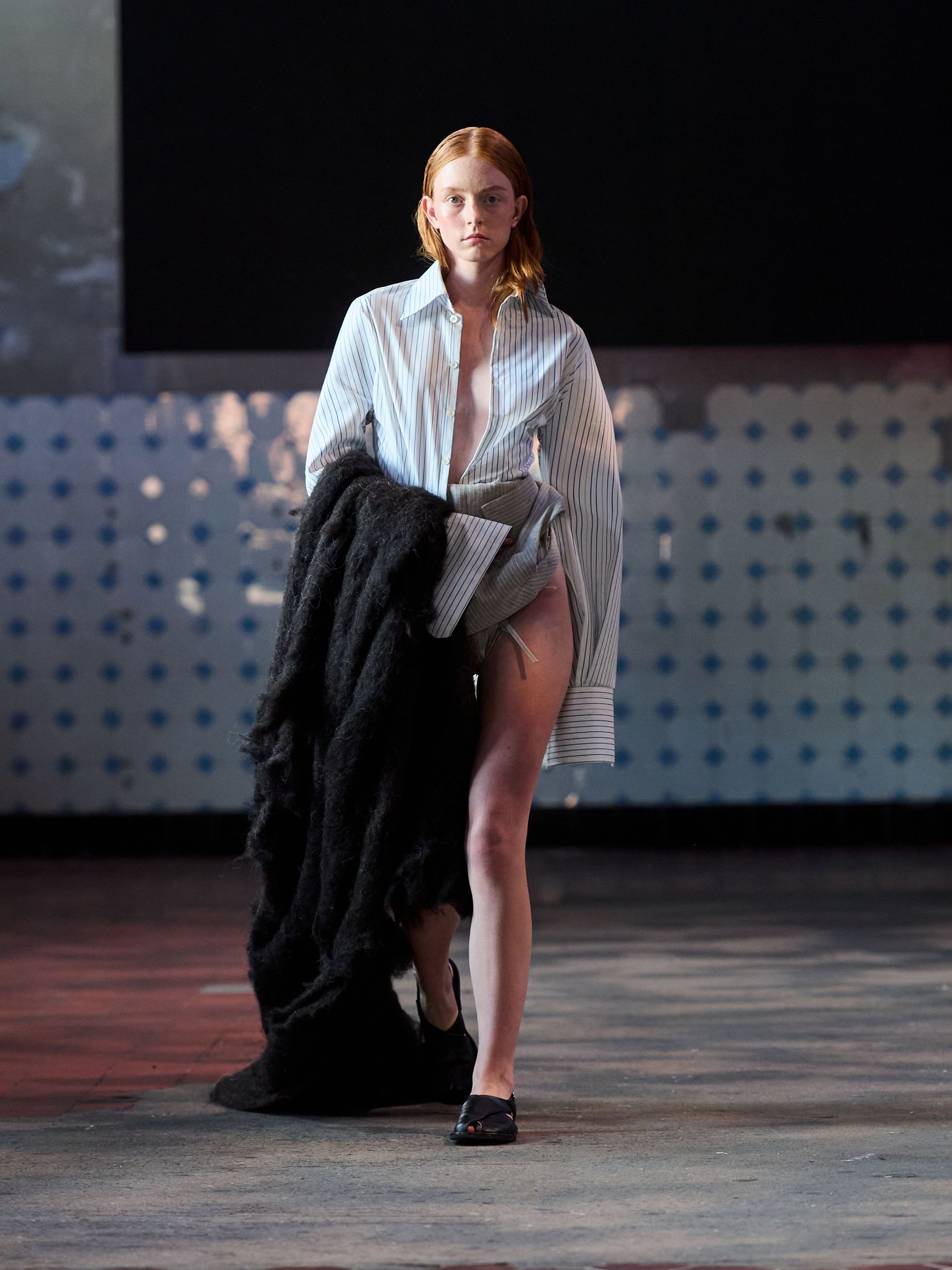
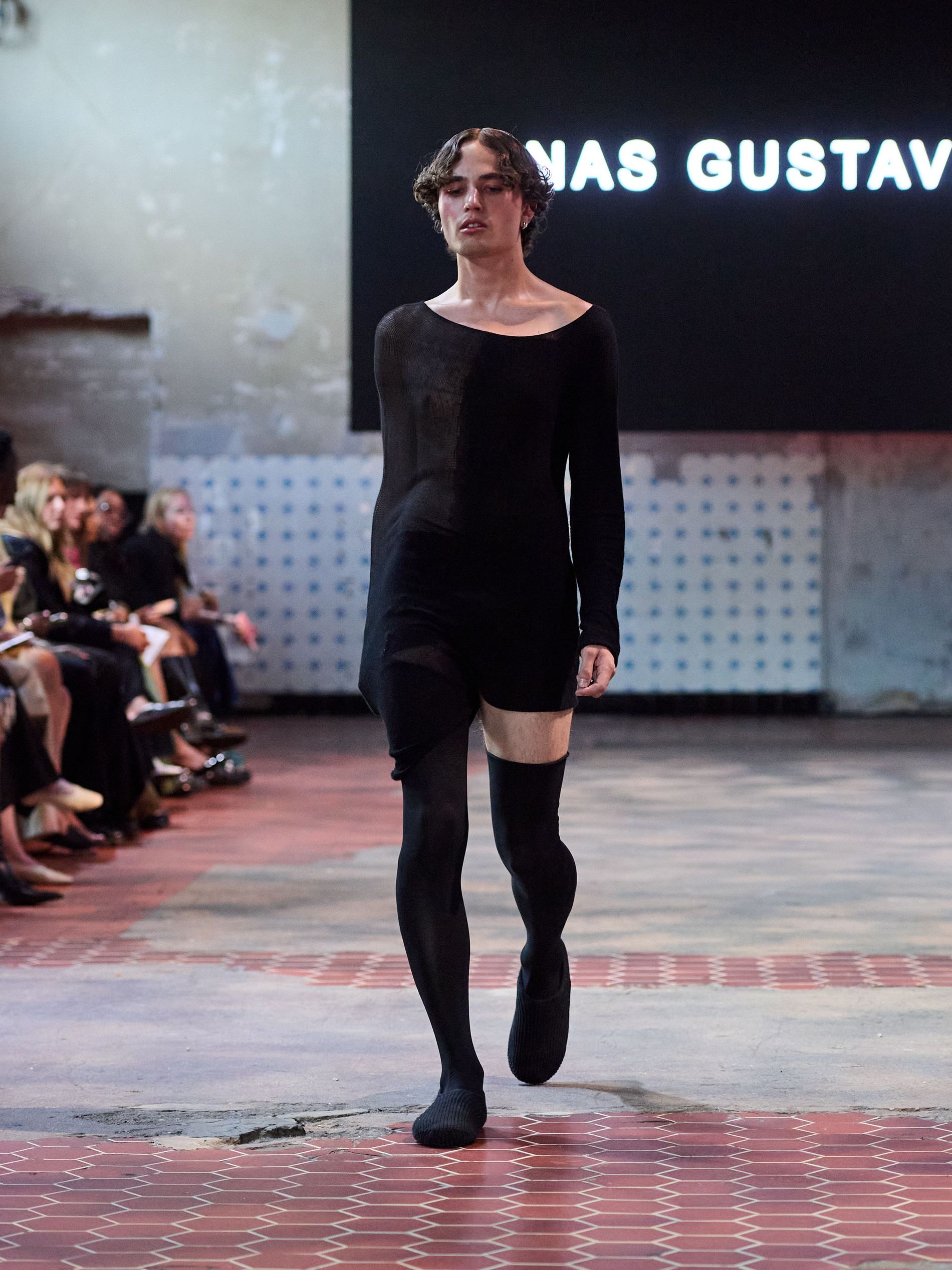
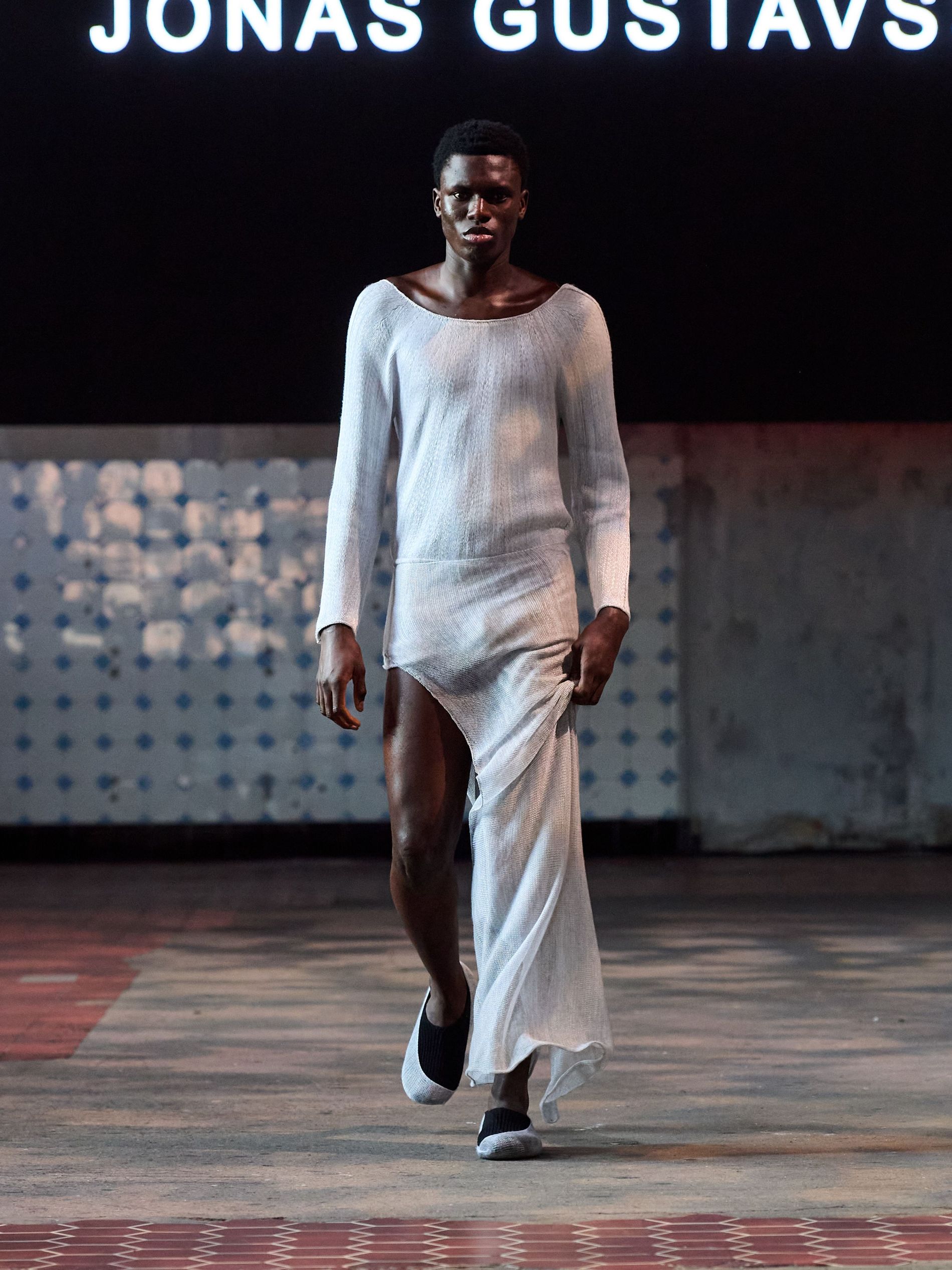
Jonas Gustavsson: Astral Project
“Fashion becomes philosophy in motion.” Astral Project is an exploration of identity and gender with references to Greek mythology and Eastern philosophy. Rooted in Charles Fourier’s concept of the third gender, Gustavsson’s collection evokes an ethereal spirit in its fluid, exposing cuts.
“The collection is about revealing what’s within all of us and exploring what lies beneath the surface. It’s an invitation to see the human experience, and life itself, from a different perspective,” he explains. Experimental, horizontal and partial knitting techniques manifest as what he defines as “a wearable act of resistance and redefinition. A call to unravel and reimagine identity through the threads of history, body and soul.”
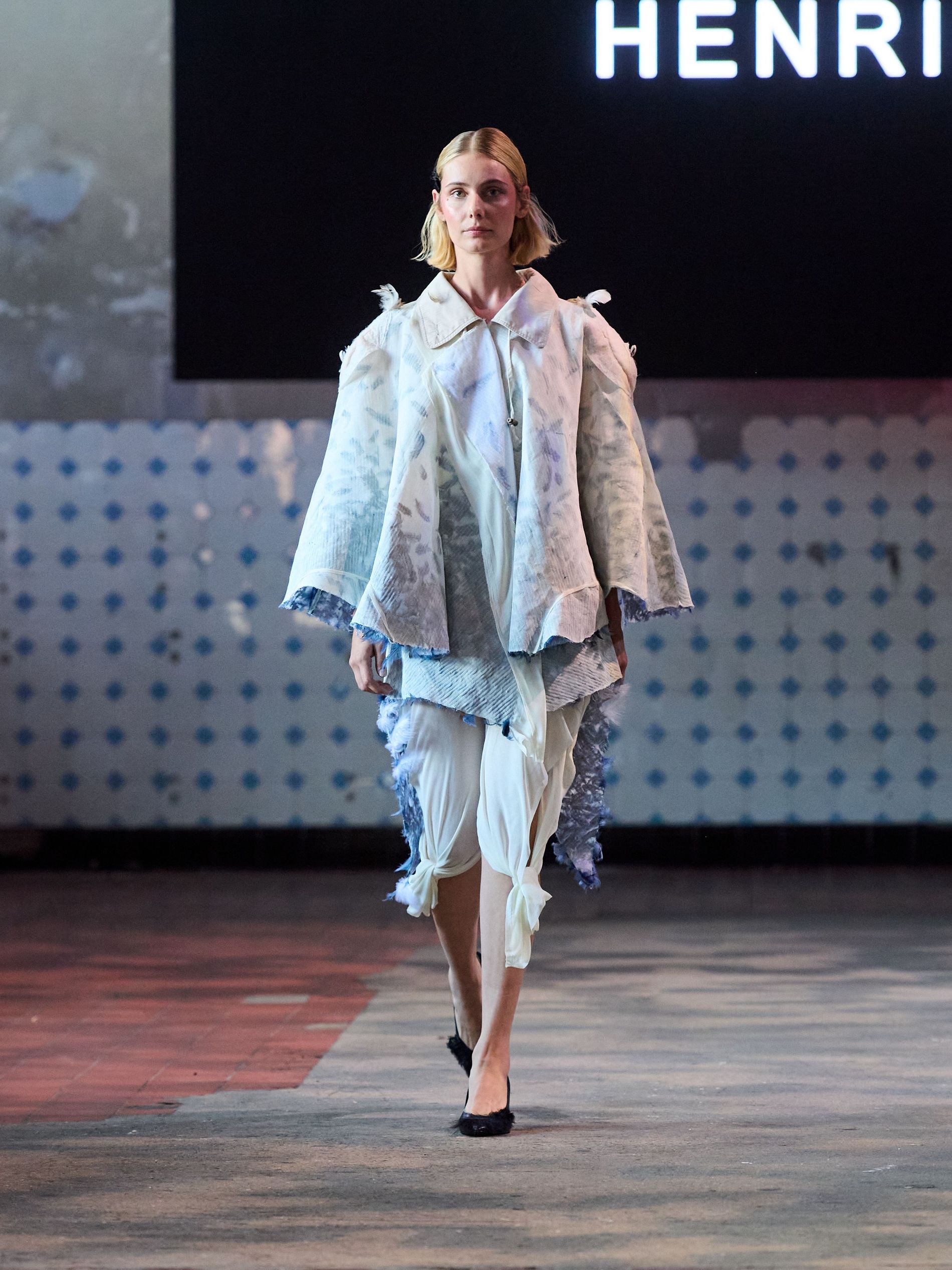
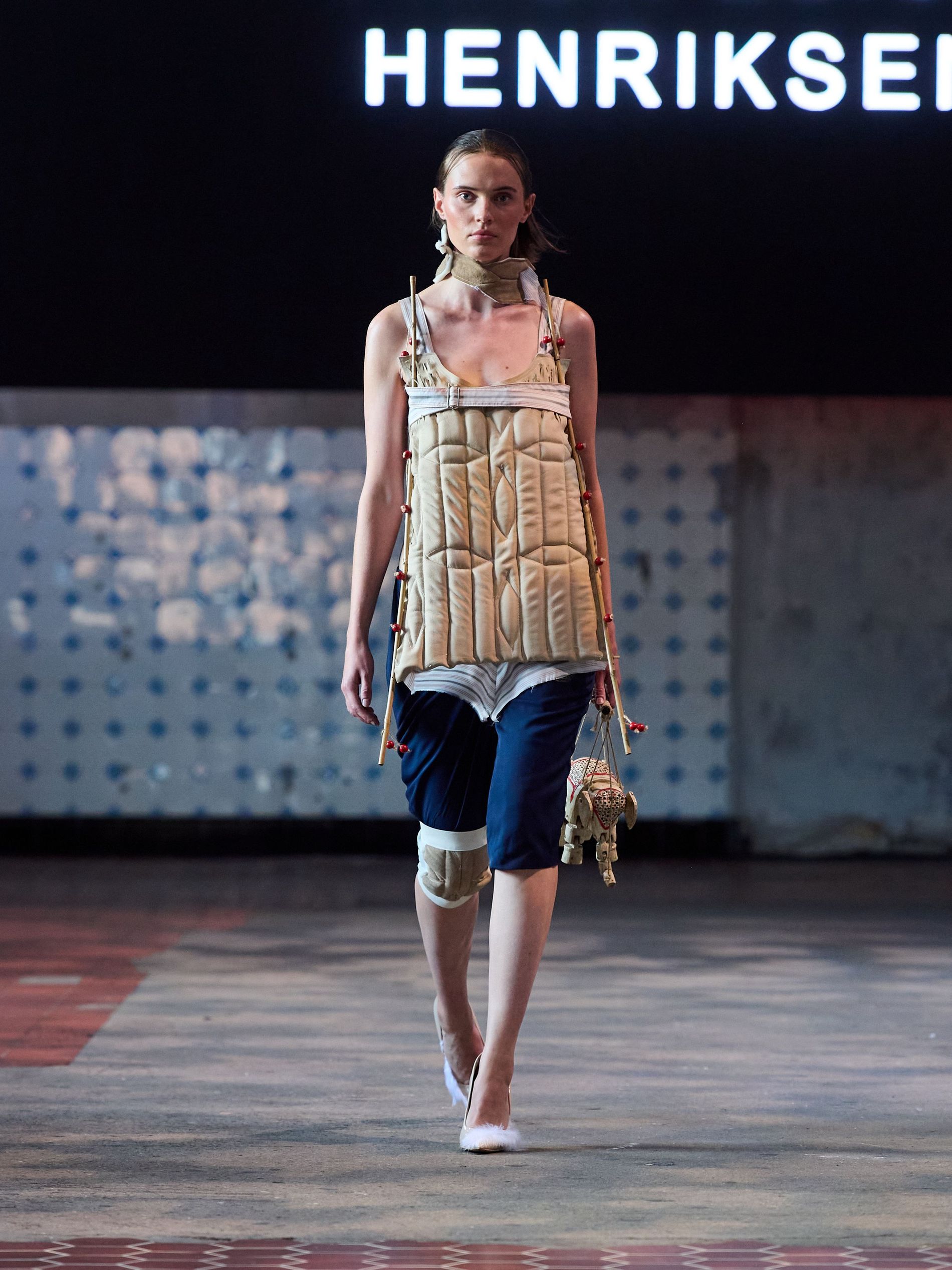
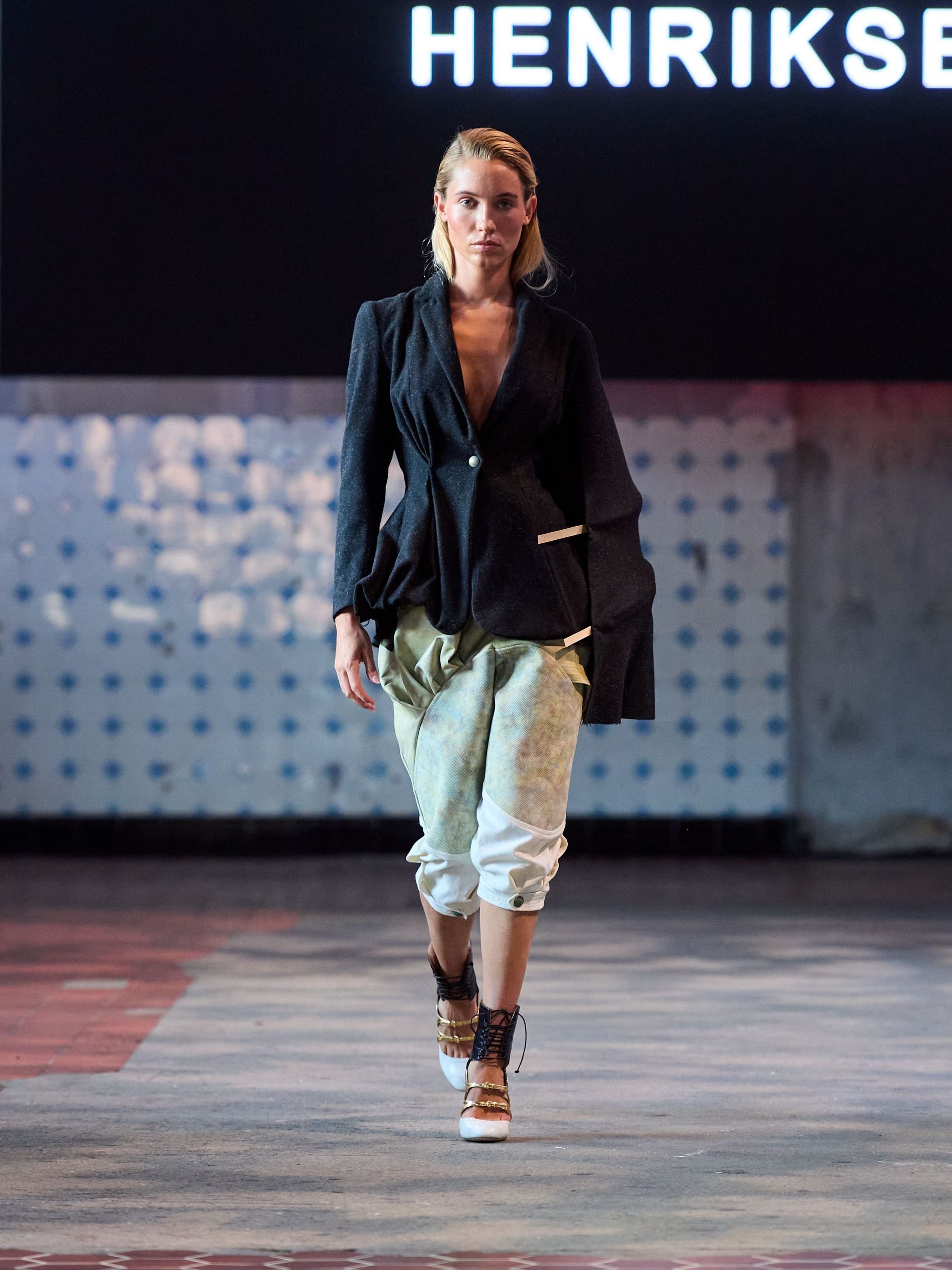
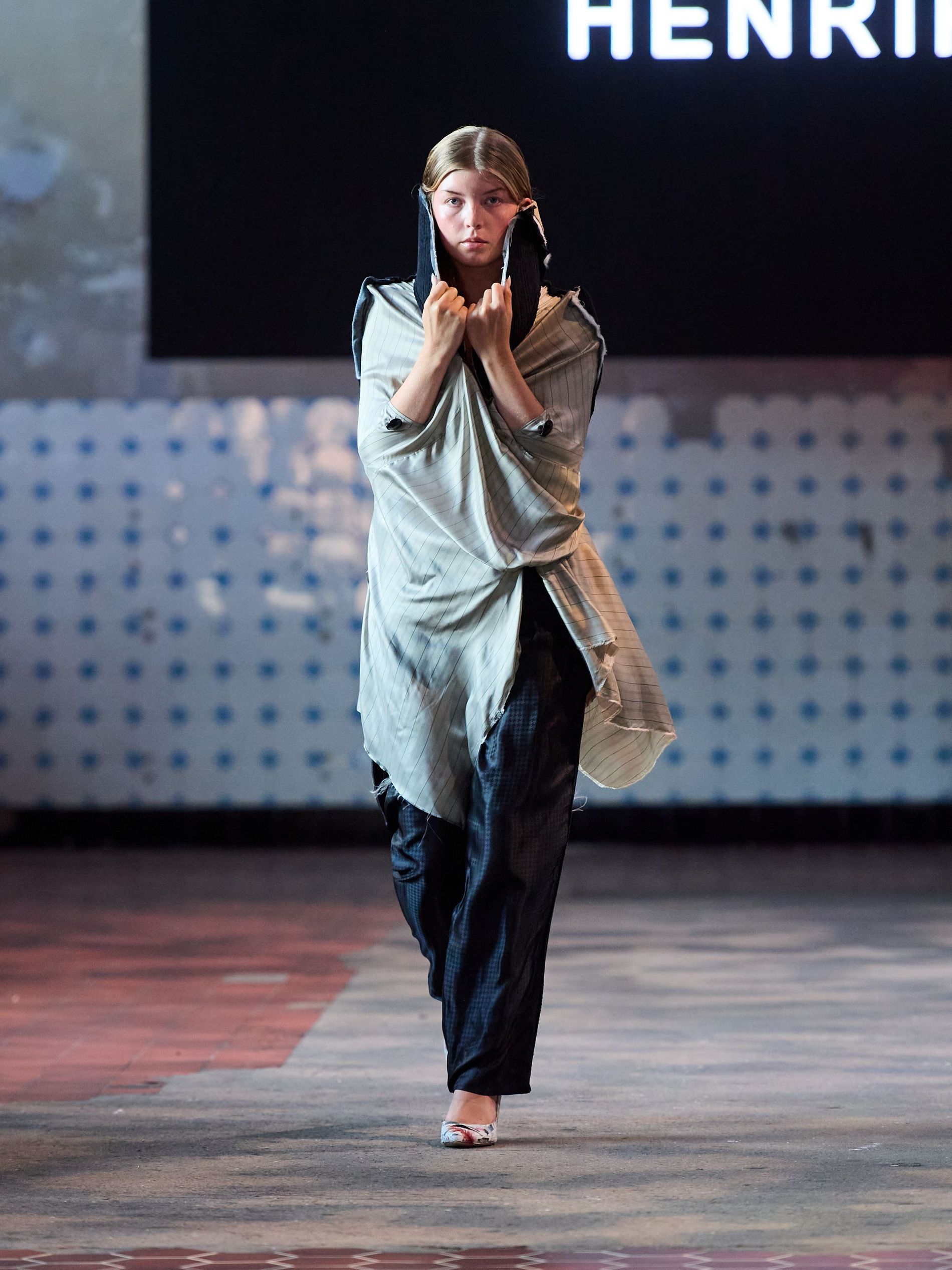
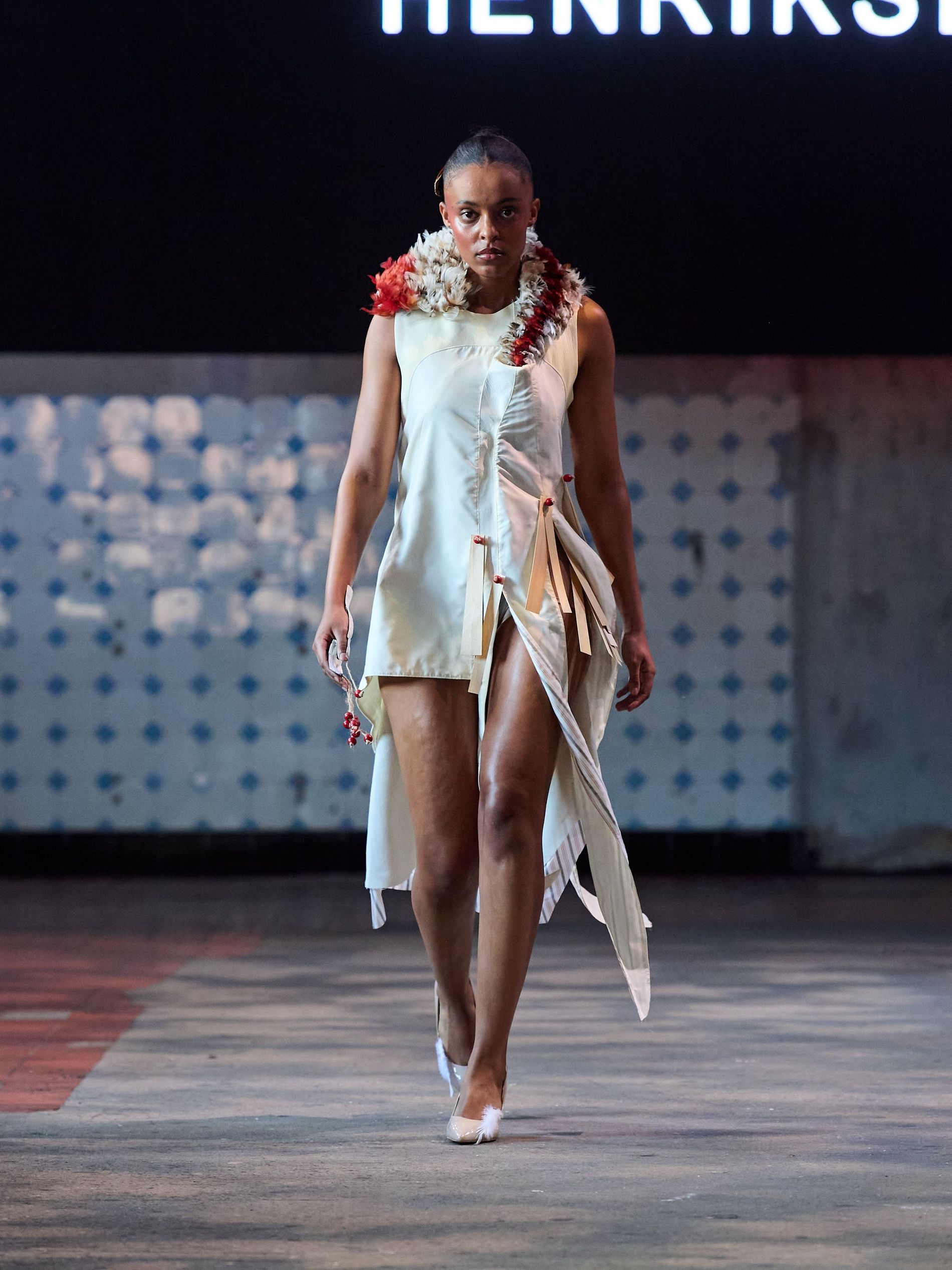
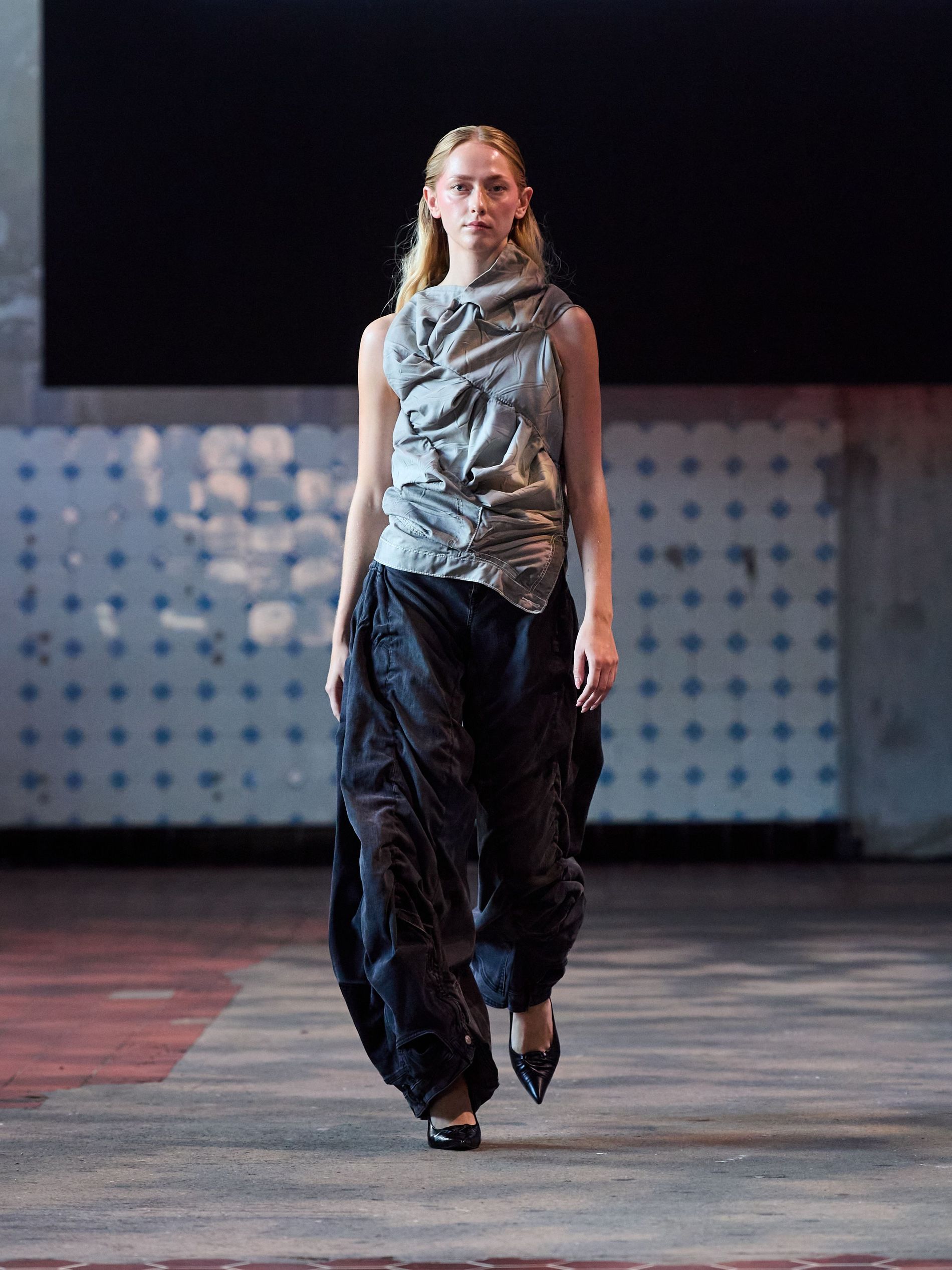
Frida Elise Henriksen
Kleis wrote something like; ”After self-consciousness, grace will reappear”
A narration of character creation, Henriksen’s collection draws inspiration from performing puppets, and how playwrights build their characters through material and form. ”The collection is a poetic examination of identity: how costume becomes character, and how fashion becomes a means of self-discovery,” she explains.
A reflection on the role fictional characters’ garments play in the trajectory of their stories, each look illustrates a persona’s inner search for themselves. “The collection explores how the cut of a garment reveals the gestures of our mind.”
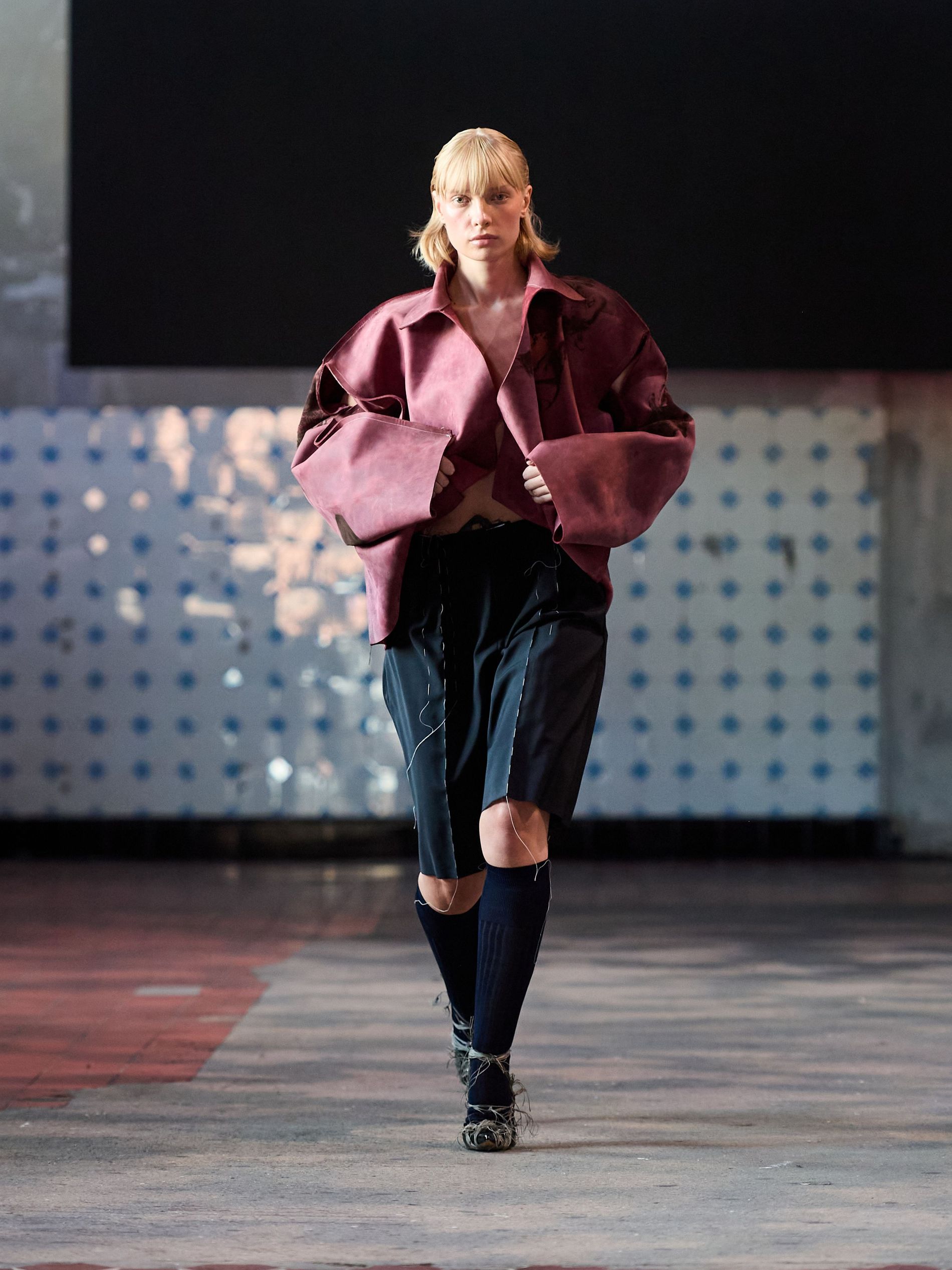
Susanna Suojanen: Translating Wardrobes
In Translating Wardrobes, Suojanen asks, “how can clothing move beyond its original form and meaning?”
Here, recycled items are remade. T-shirts become pants, trousers are manipulated into jackets, and jackets into skirts. “The collection explores the dialogue between form and texture, focusing on how their interaction can dissolve the familiar associations tied to existing garments,” she explains. “To move beyond trends, time, and identity.”
Margot Leverrier: Contrast in Dialogue
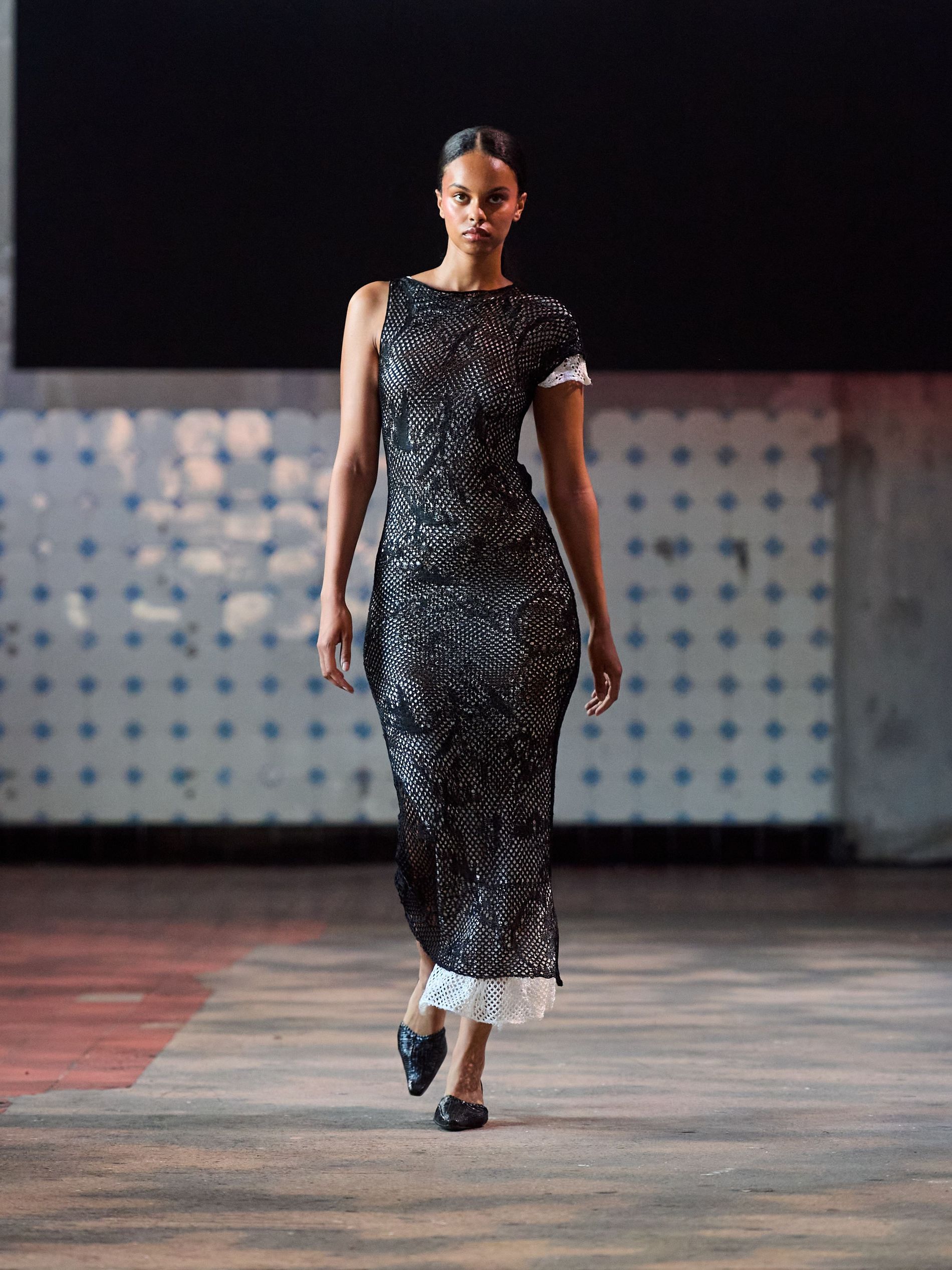
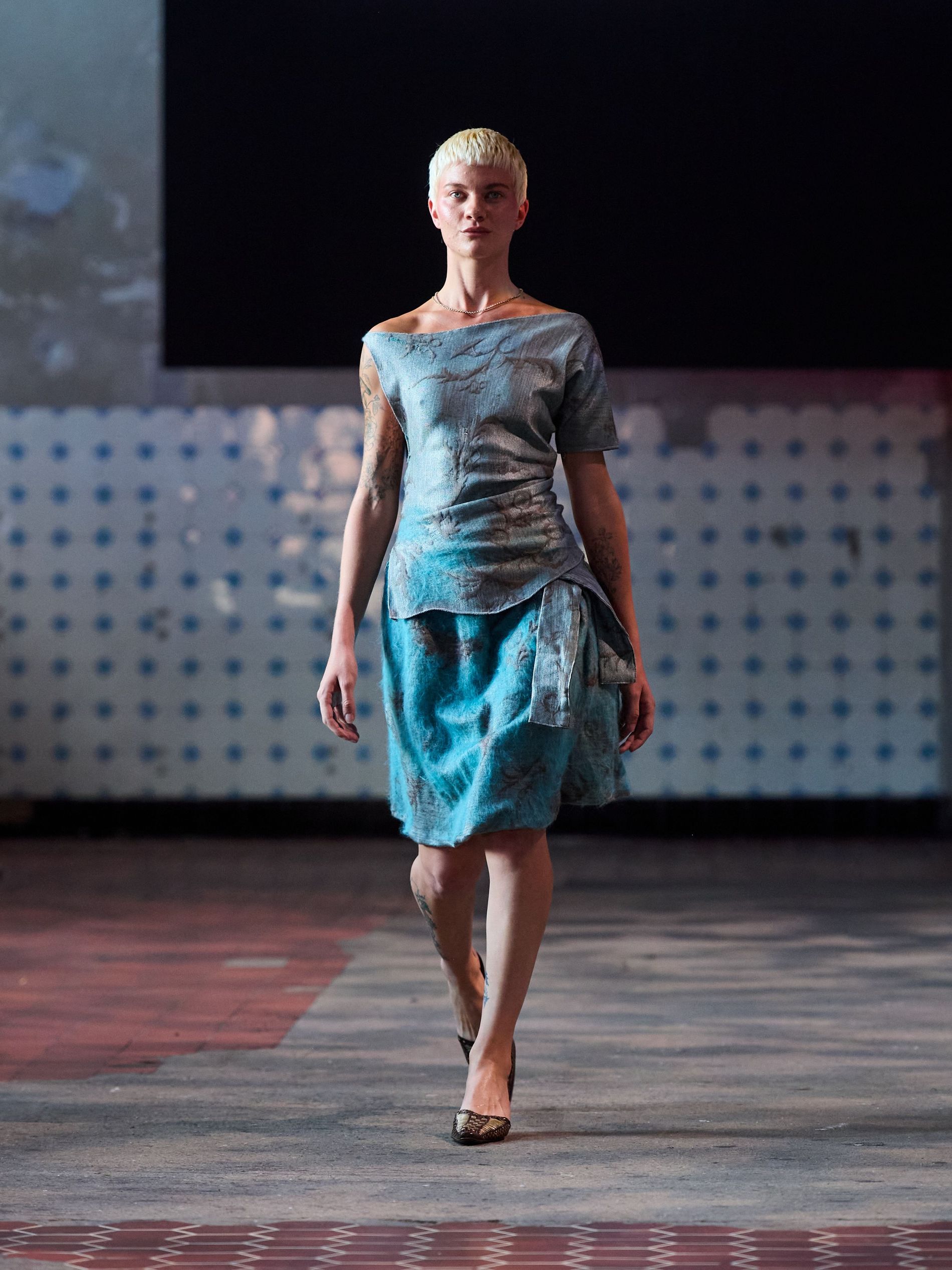
Contrasting textiles and palettes meet and marry in Margot Leverrier’s designs. “It's a conversation between past and present, machine and hand, density and openness,” she explains.
Hue overlays emphasise the contrasts of material and form, which cling and hang in equal measure. “Neutral palettes of black and white highlight surface and technique, while subtle interlays of blue wool reveal unexpected depth as fibres emerge through industrial knitting and hand intervention.”
Her technique stems from Normandy’s lace-making heritage, reframed through a contemporary lens. “Memory woven into textile, a gesture of reinterpretation, and an invitation to witness craft’s ongoing evolution.”
Wictor Ljunggren: Cinched In-Functional Silhouettes
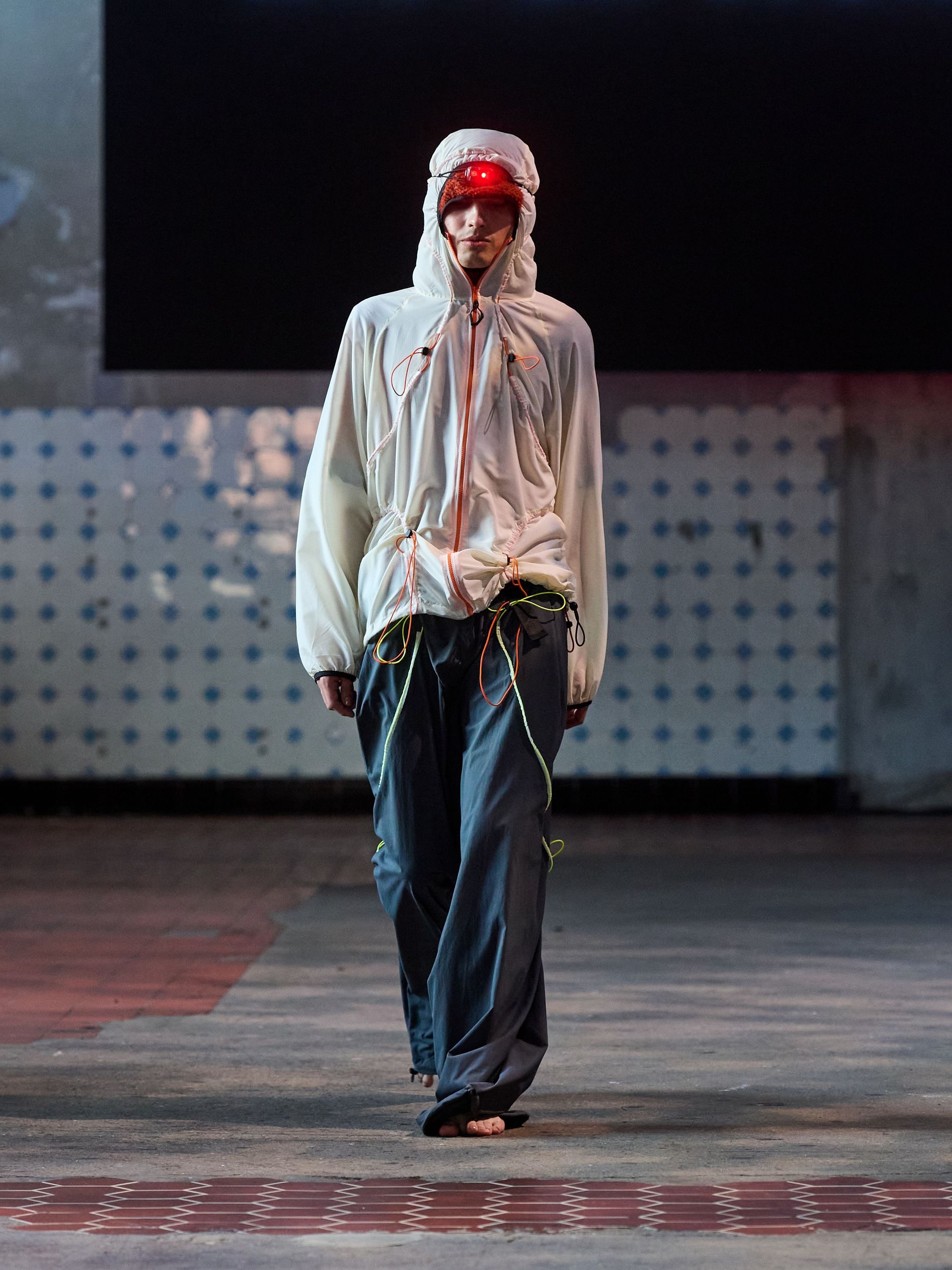
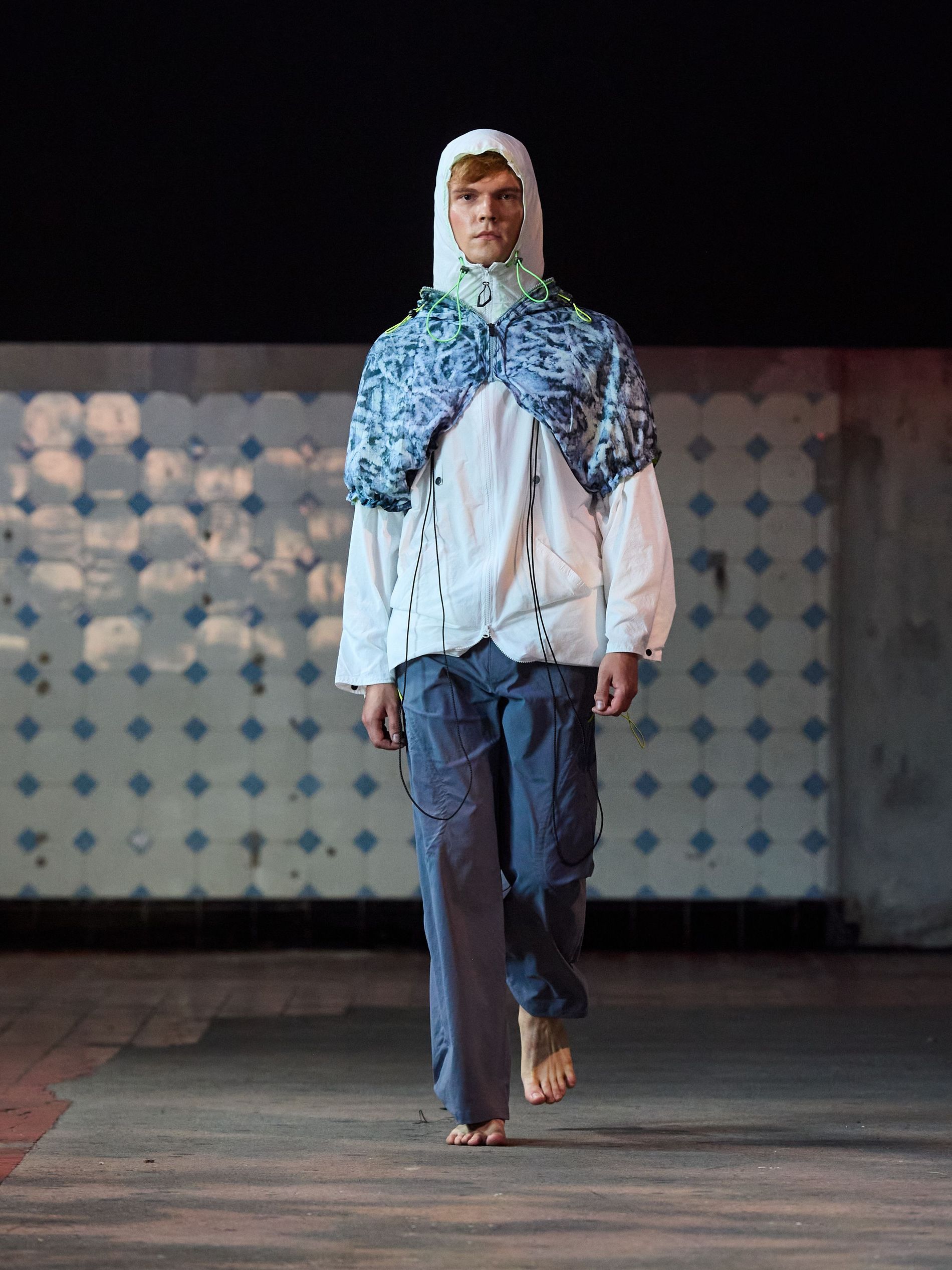
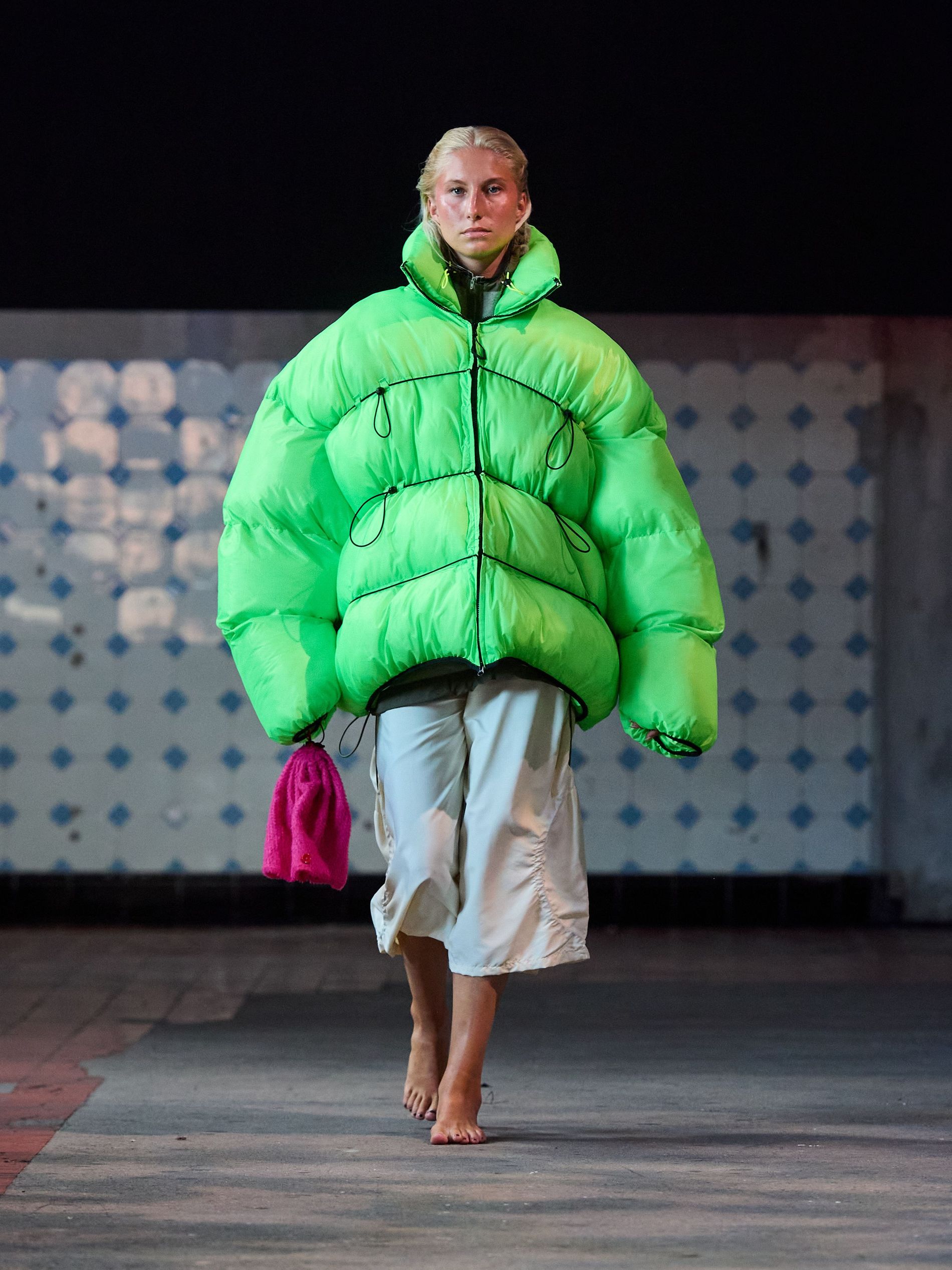
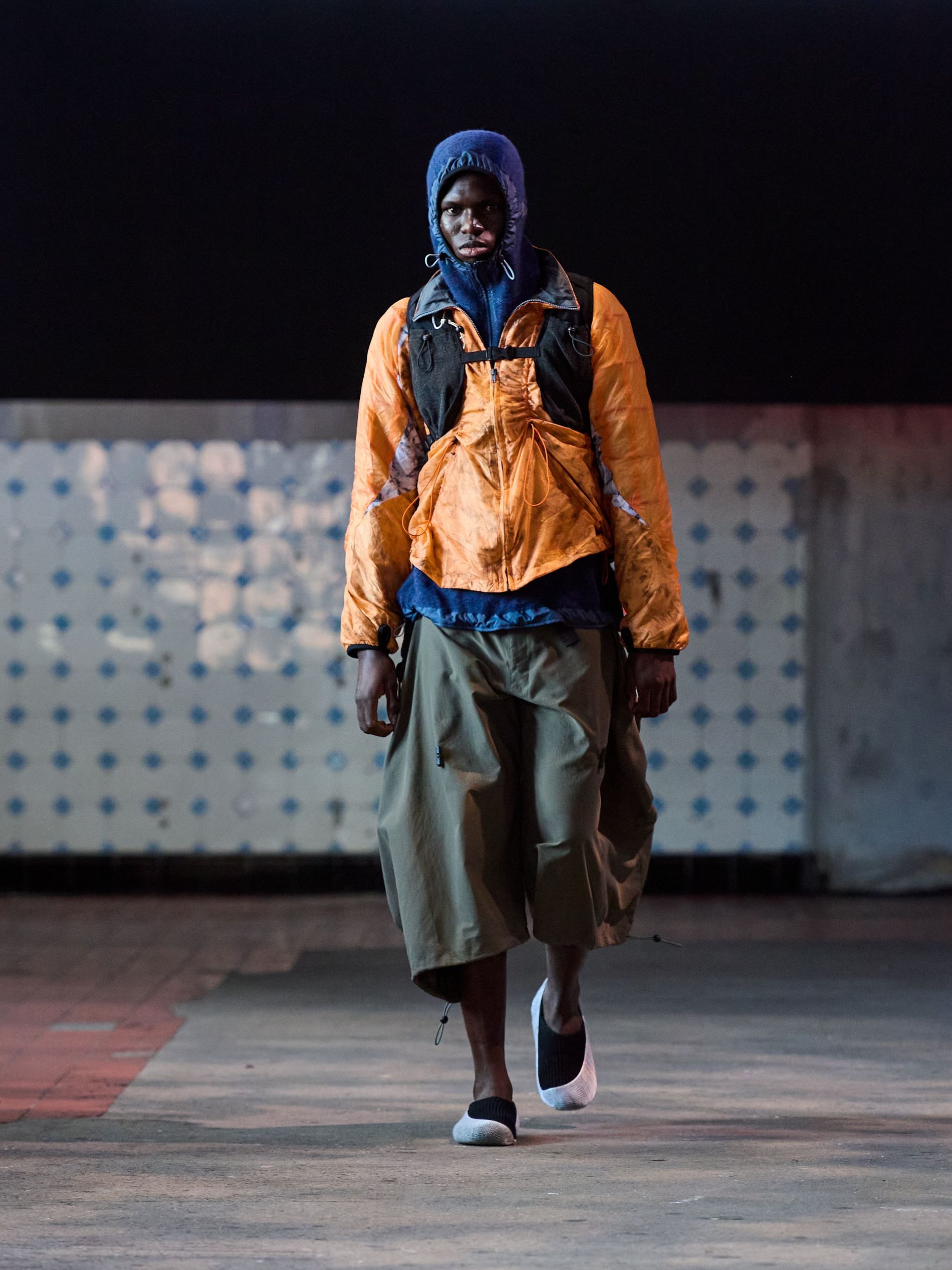
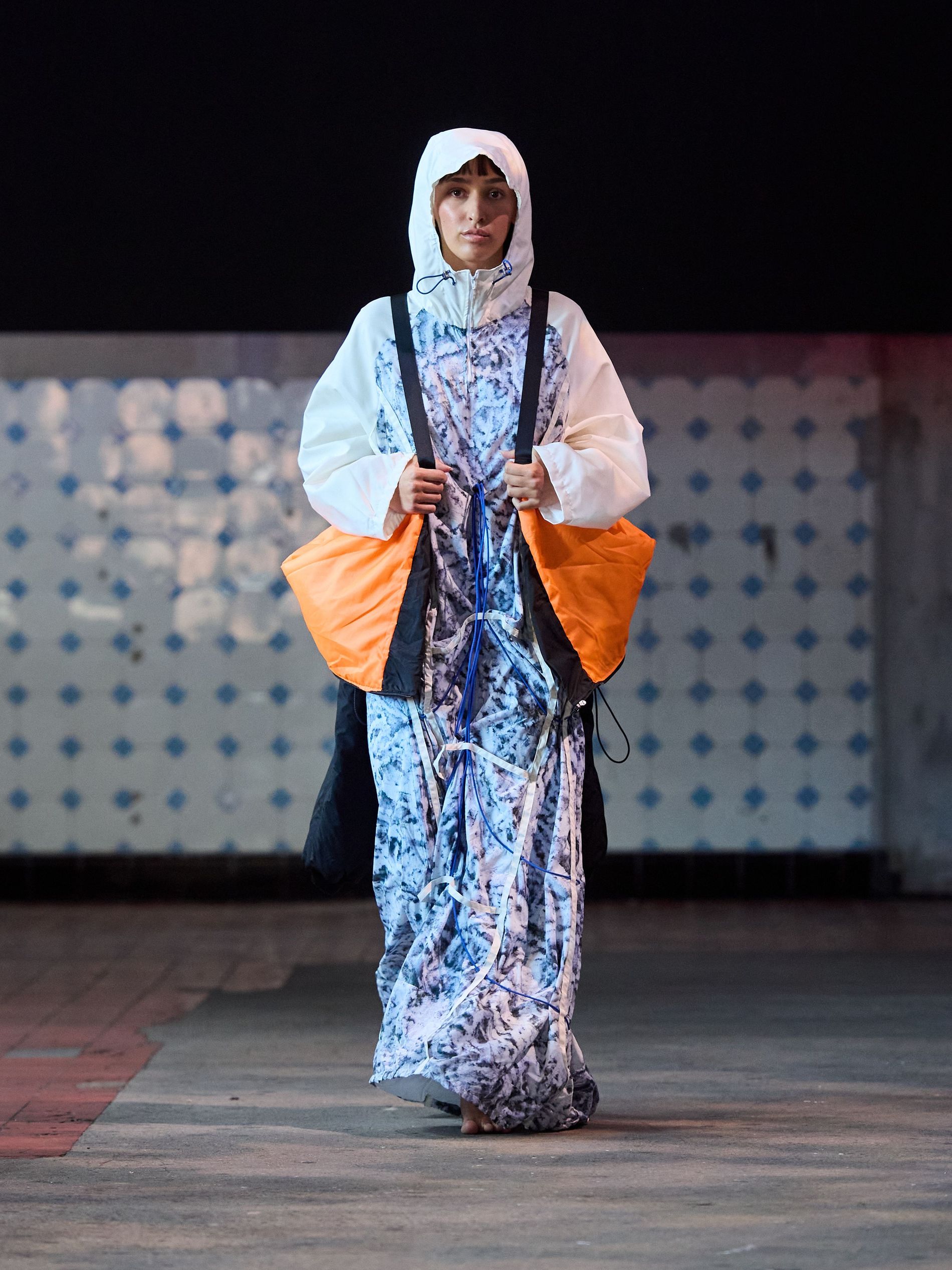
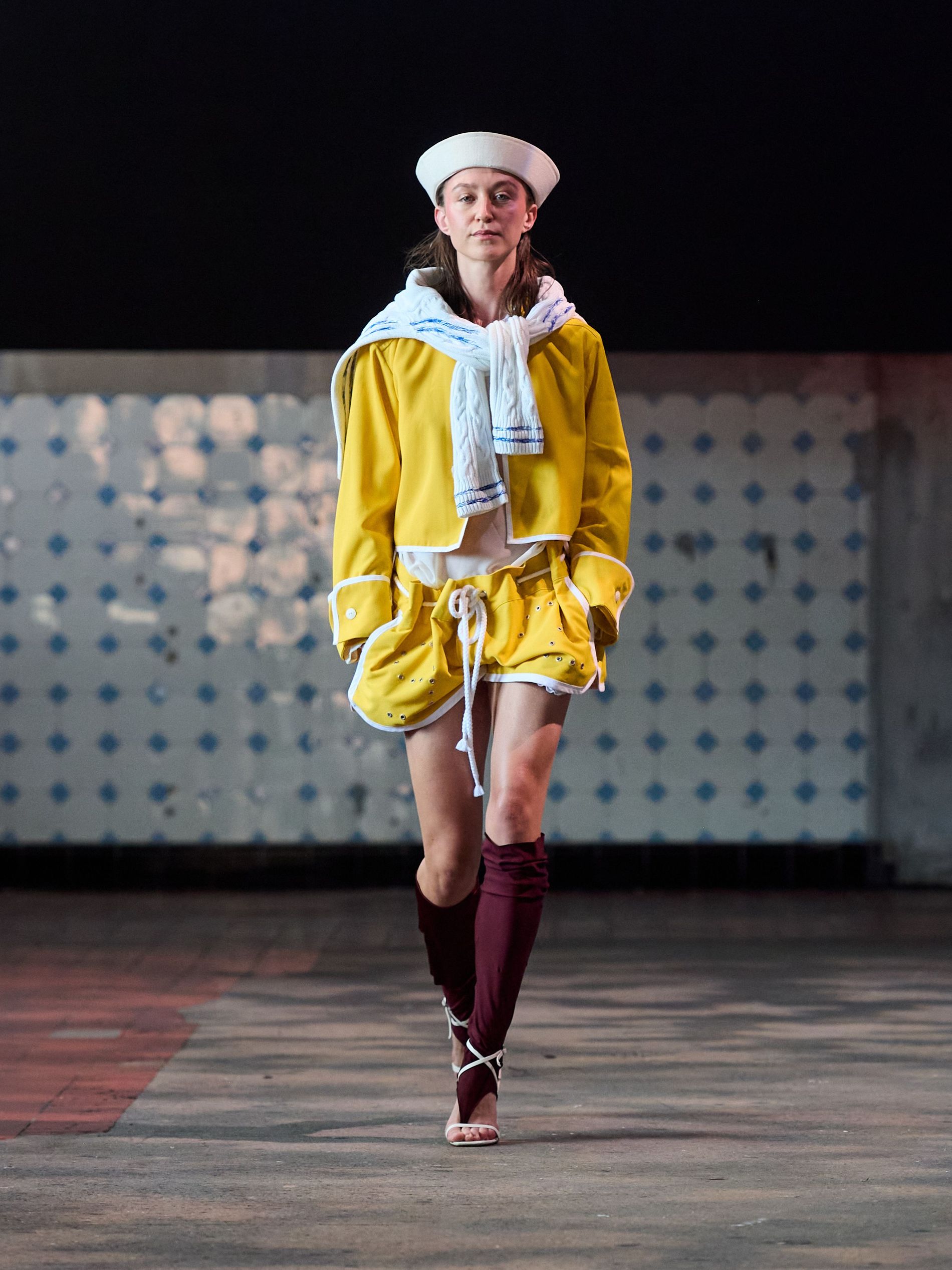
Functionality lies at the centre of Wictor Ljunggren’s tech-y collection. “I wanted to revalue cord systems,” he begins, “proposing adjustable garments that shift in silhouette and functionality, in alignment with the kinaesthetic structure of the human body.” Replicating the convertible designs of hiking apparel, the result is akin to a new genre of Scandinavian streetwear, where want and need go hand in hand.
Siri Bratt: Ctrl+Paisley:Print.Post.Repeat.
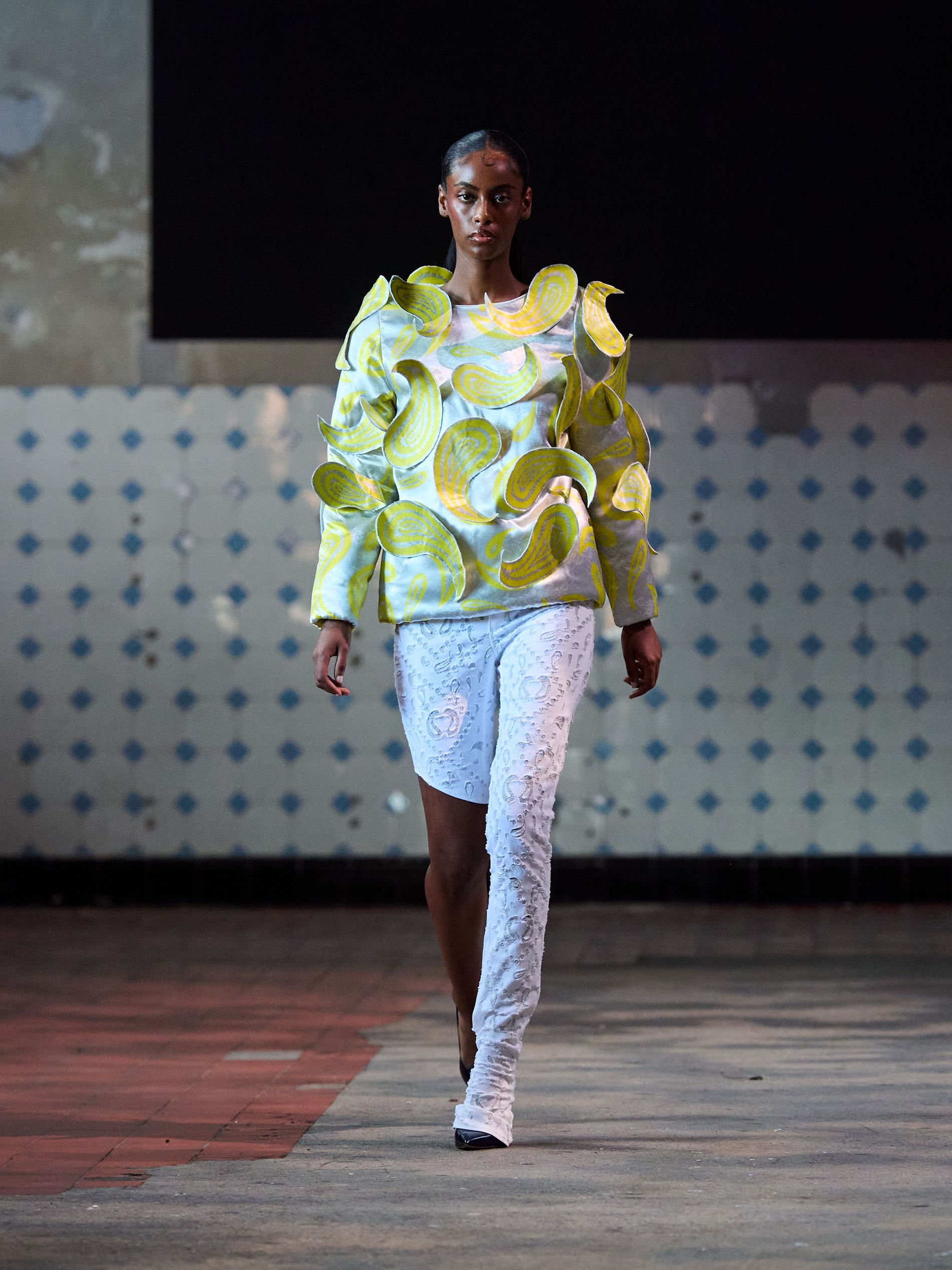
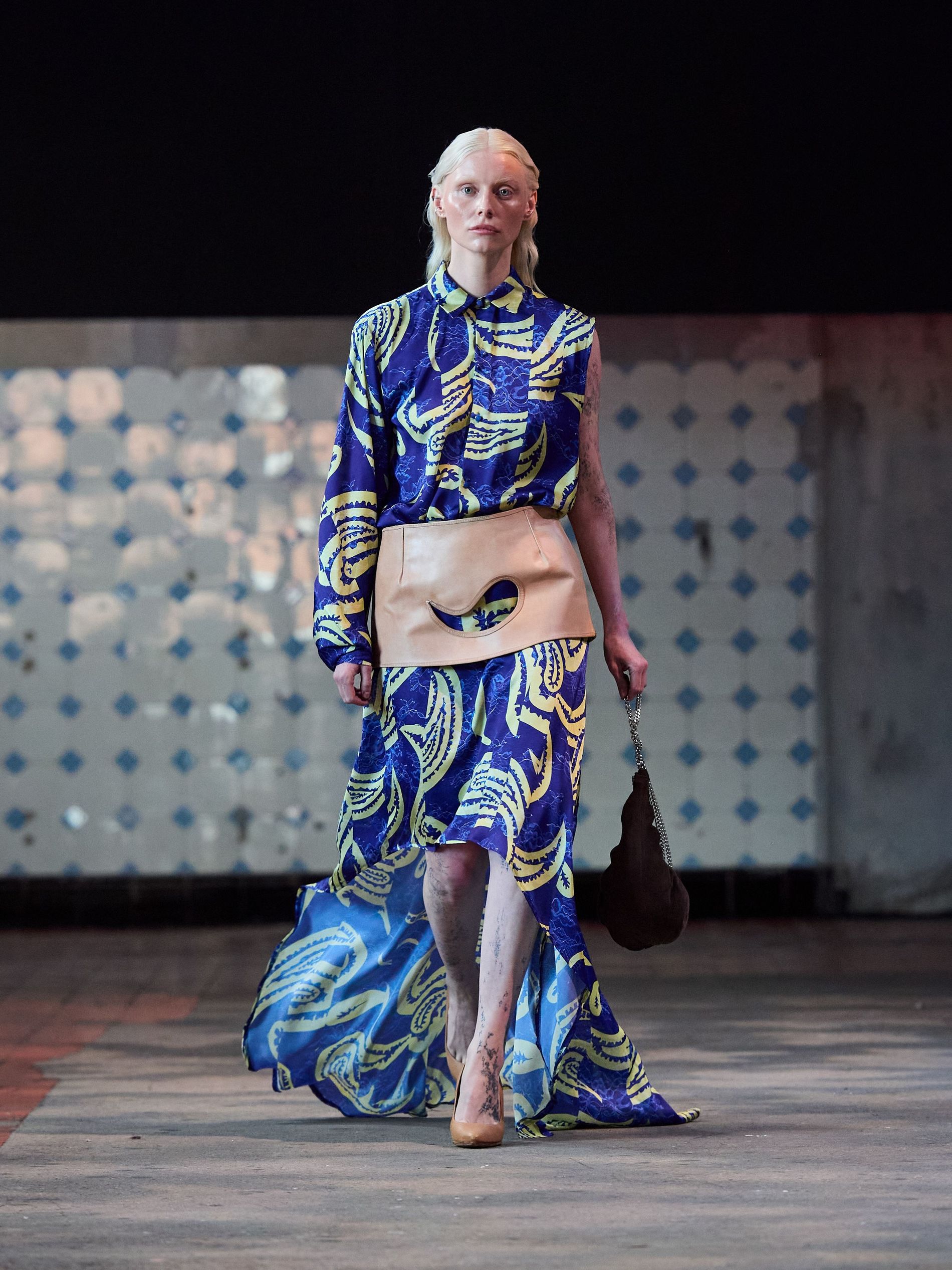
Pop Art passion, Ctrl+Paisley:Print.Post.Repeat. is an ode to Paisley. And a direct inspiration of Miuccia Prada’s methodology – “of how classic print traditions can be reinterpreted and how questioning perceptions of ugliness can create beauty,” Bratt reflects. “Paisley is recognisable but has ceased to evolve in its look.”
Repetition and reimagination, “again and again and again and again,” she says. And through her commitment, the cut-outs and prints give the pattern new life. “Stay loyal, stay obsessed,” she tells us – that’s what it takes.
Lan Krebs: Jersey Diversity
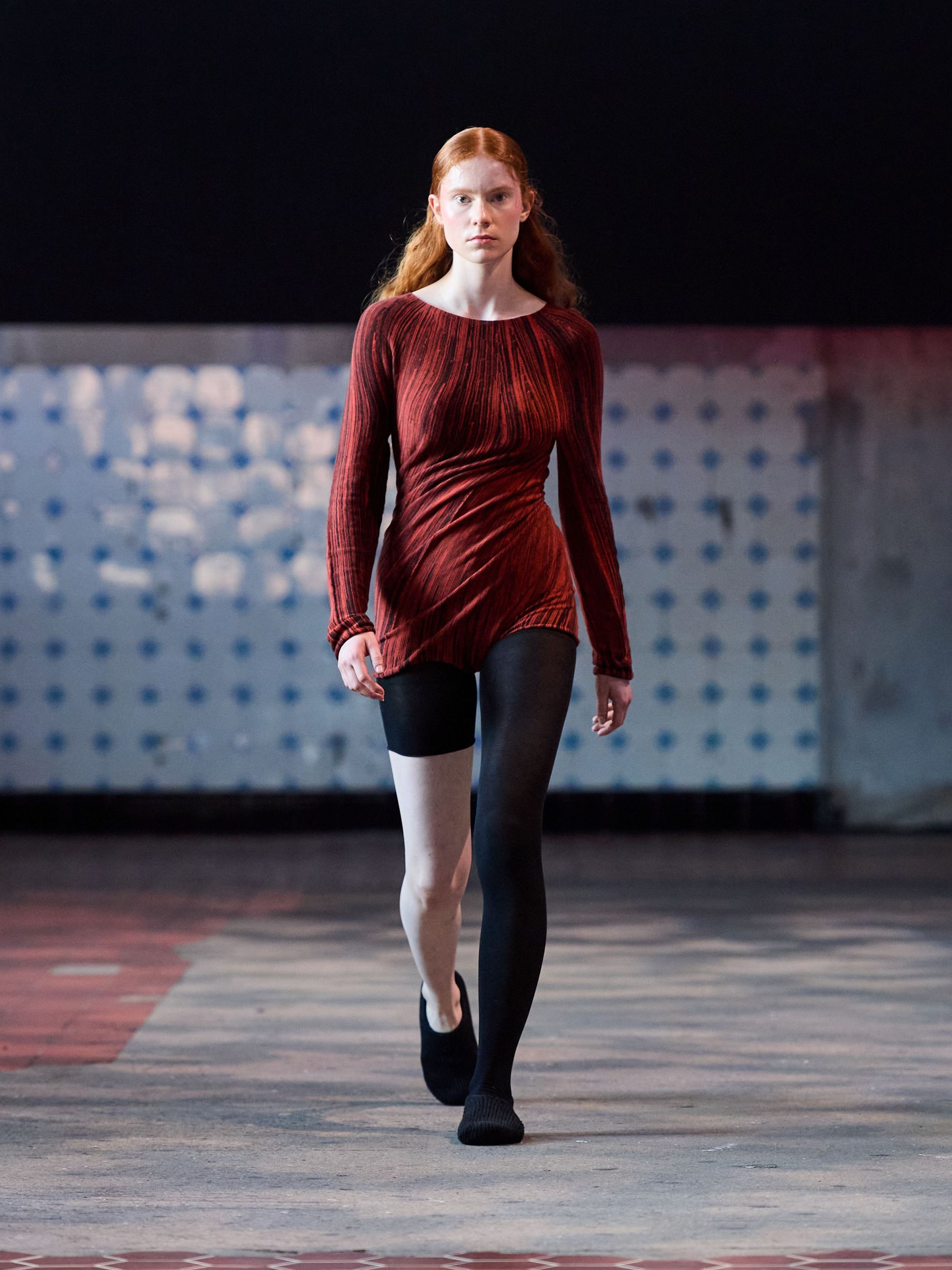
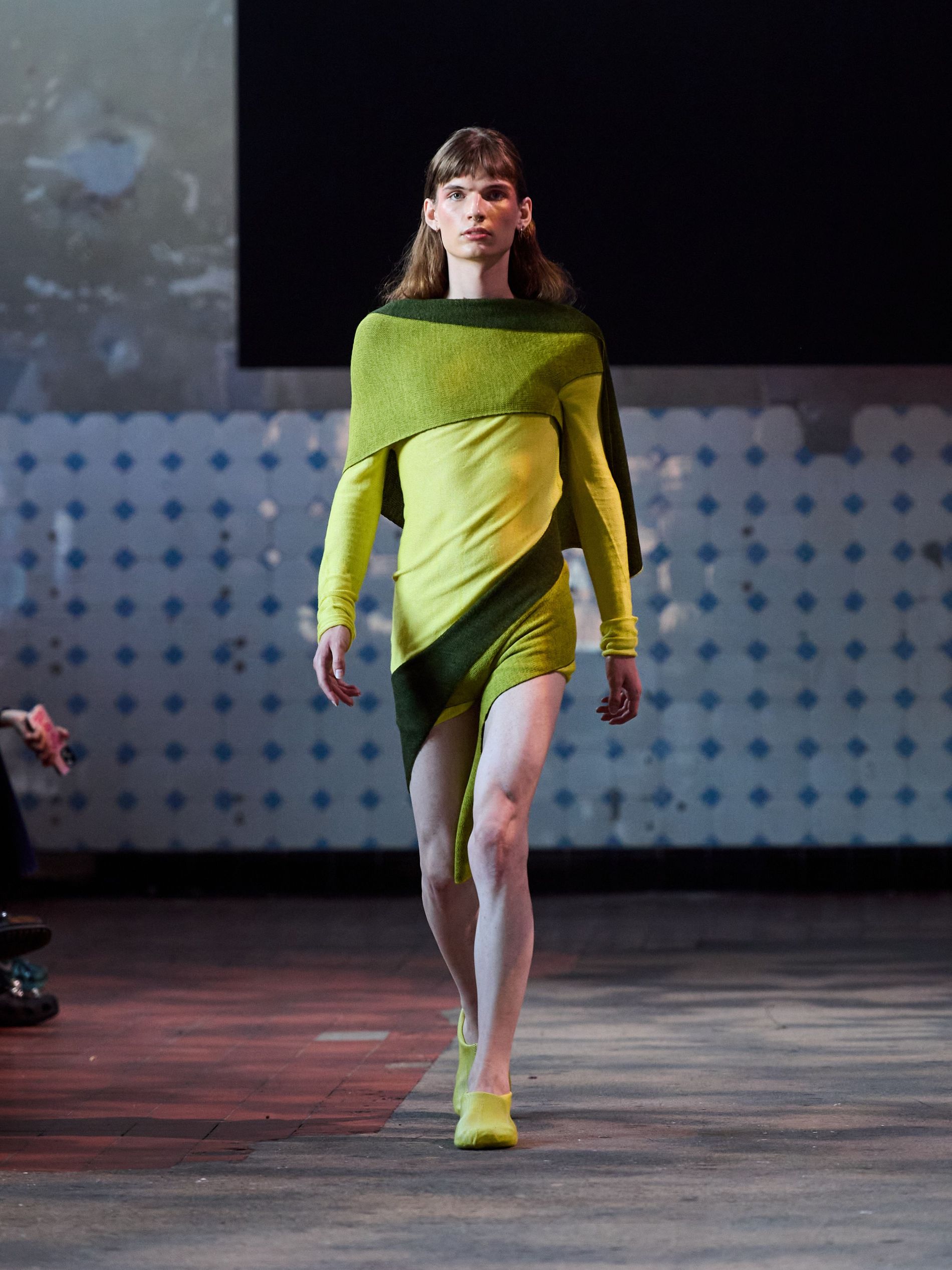
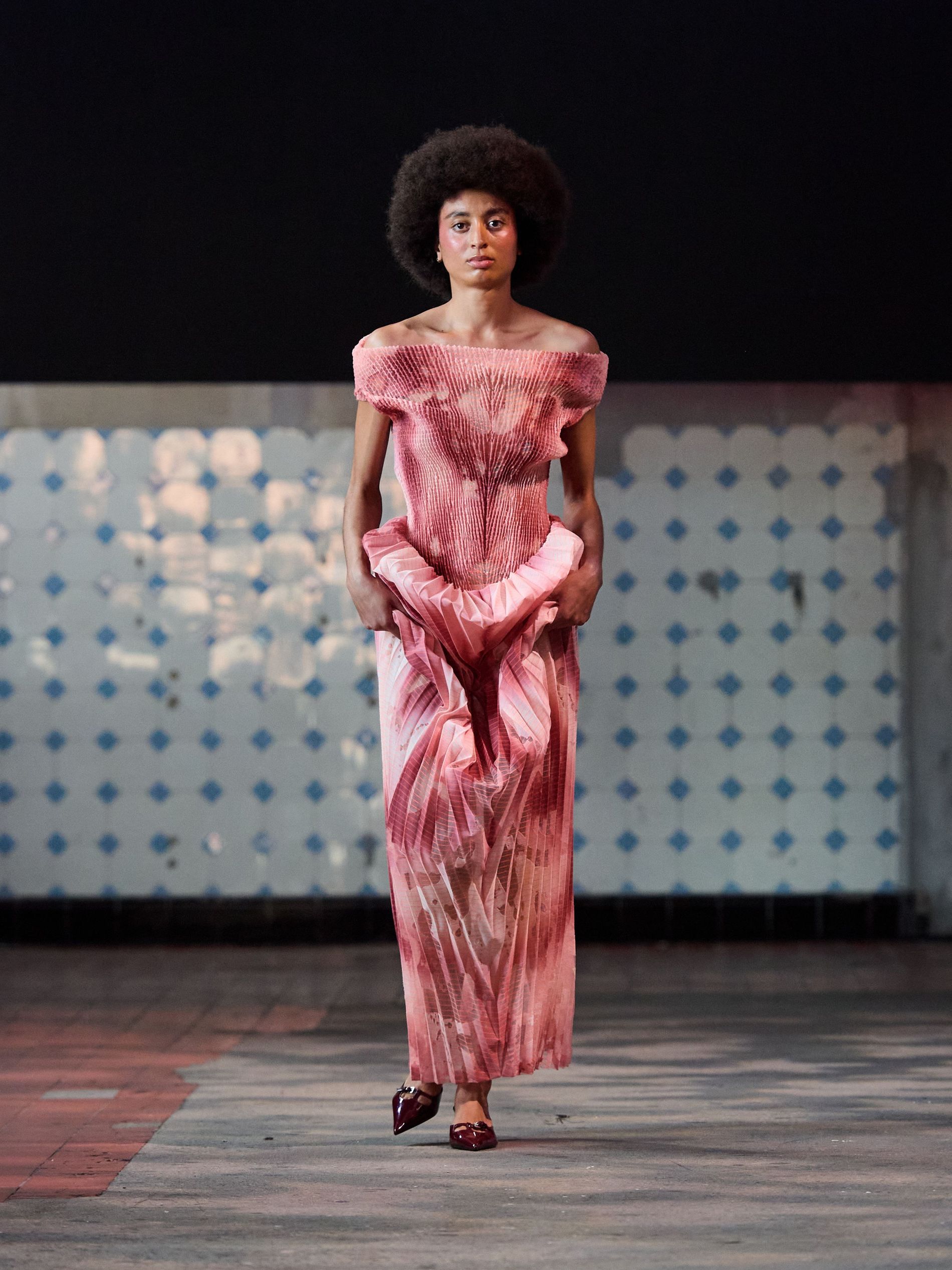
Lan Krebs elevates jersey from its humble, functional simplicity to dynamic, vivacious beauty. “Each piece begins as a seamless tube. An elementary form that, through manipulation, becomes uniquely expressive. By pleating, hand-gathering and experimenting with angles and transparency, the tube evolves into a silhouette that responds to the wearer’s movement and styling choices.”
Krebs chose an industrially standardised fabric, not by chance, but to “demonstrate how subtle, intentional manipulations can radically transform both structure and surface,” he explains. “Sculpted directly on the body, without imposing rigid definitions of what a garment should be. They do not dictate a front or back, an inside or outside. They are open to interpretation, inviting interaction and play.”
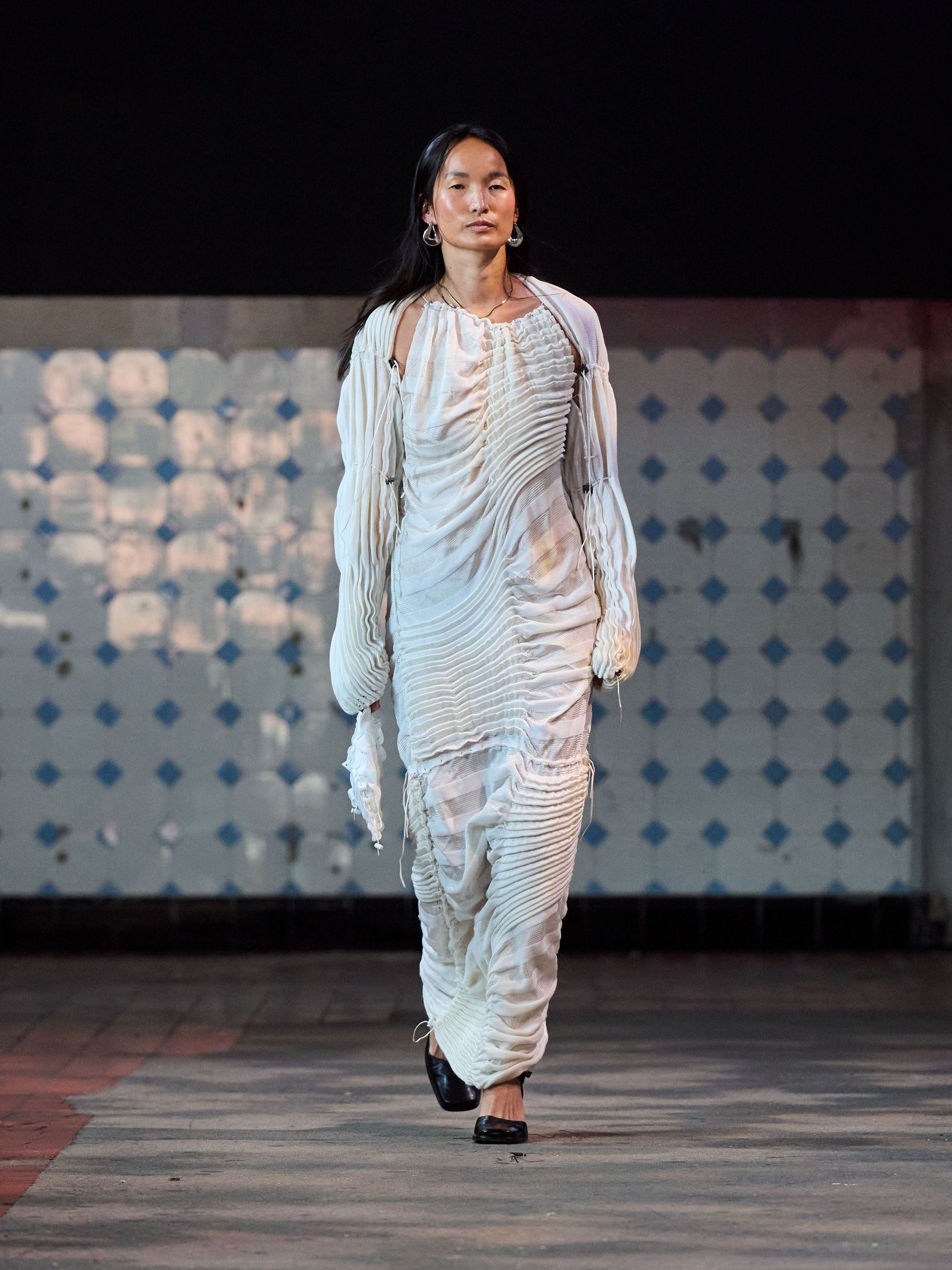
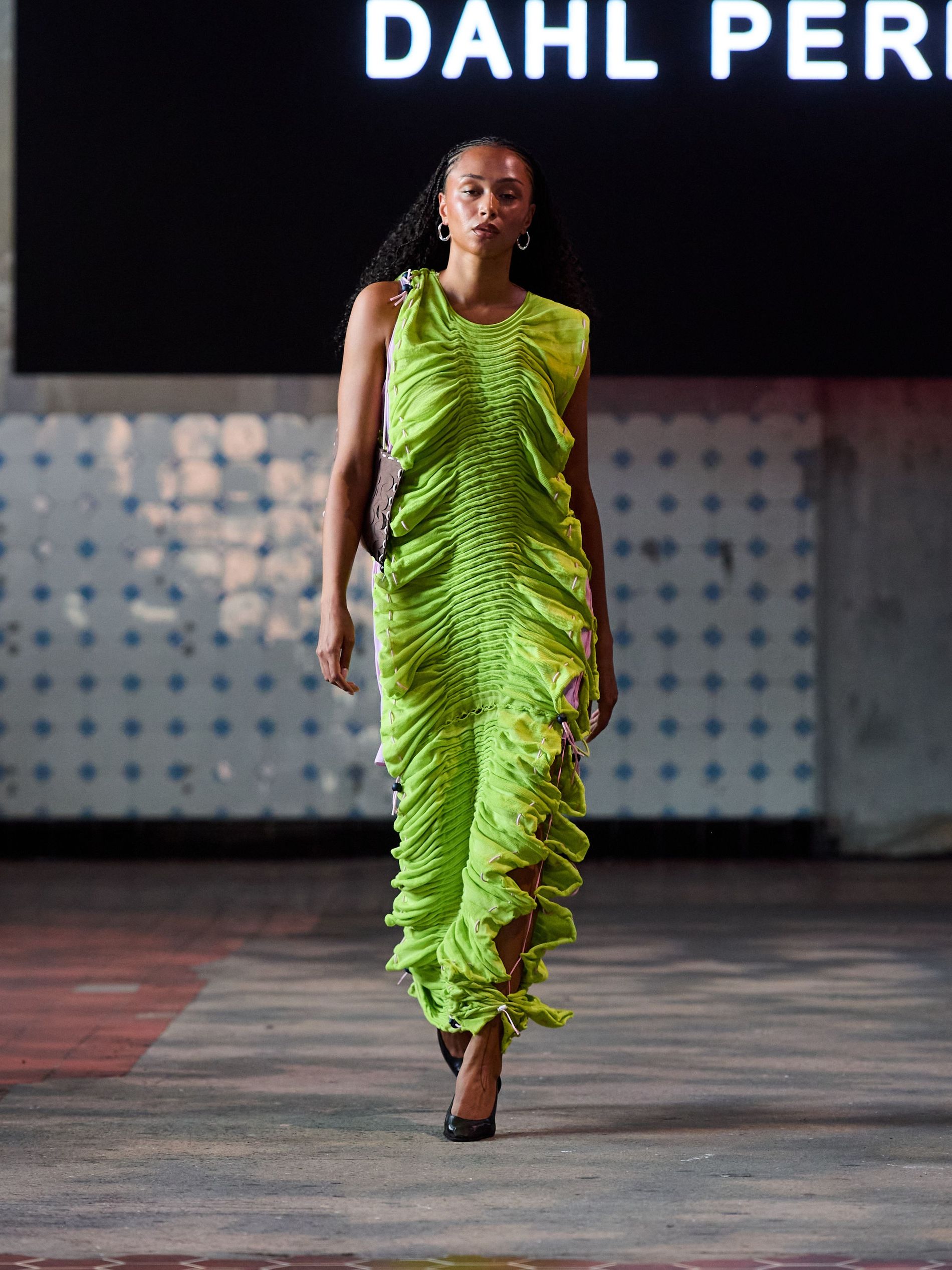
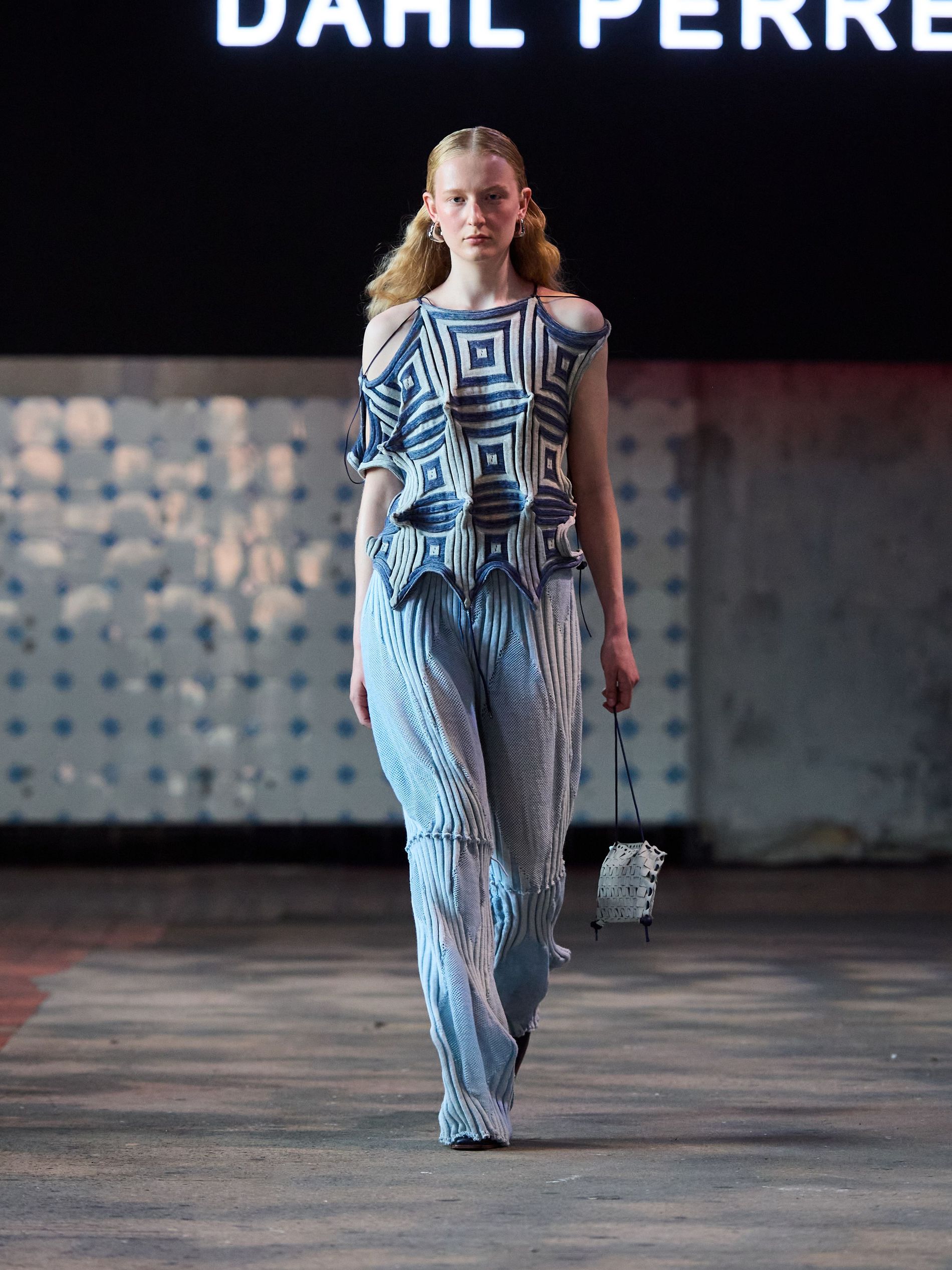
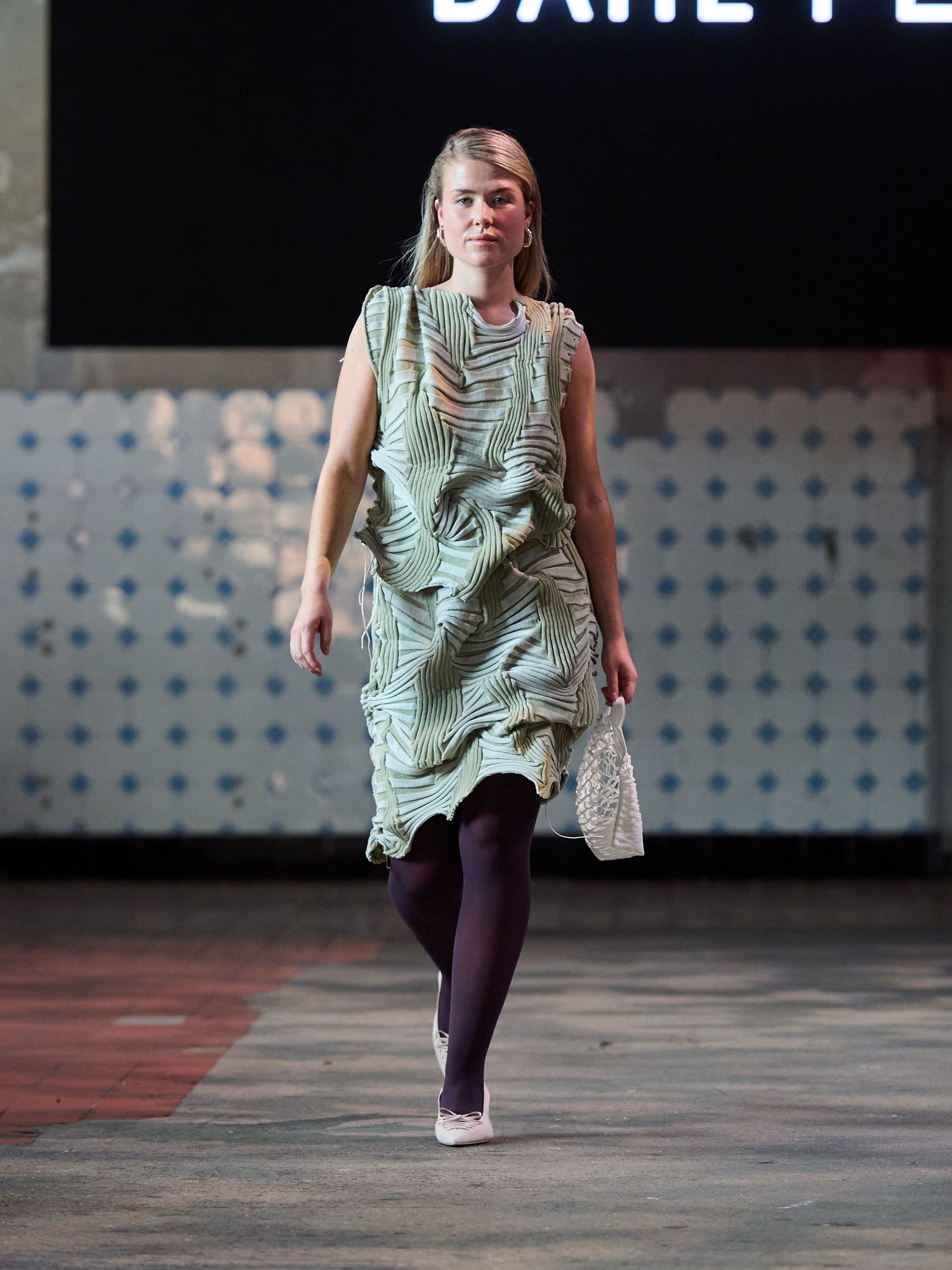
Anaïs Dahl Perret: Morphogenesis in Motion
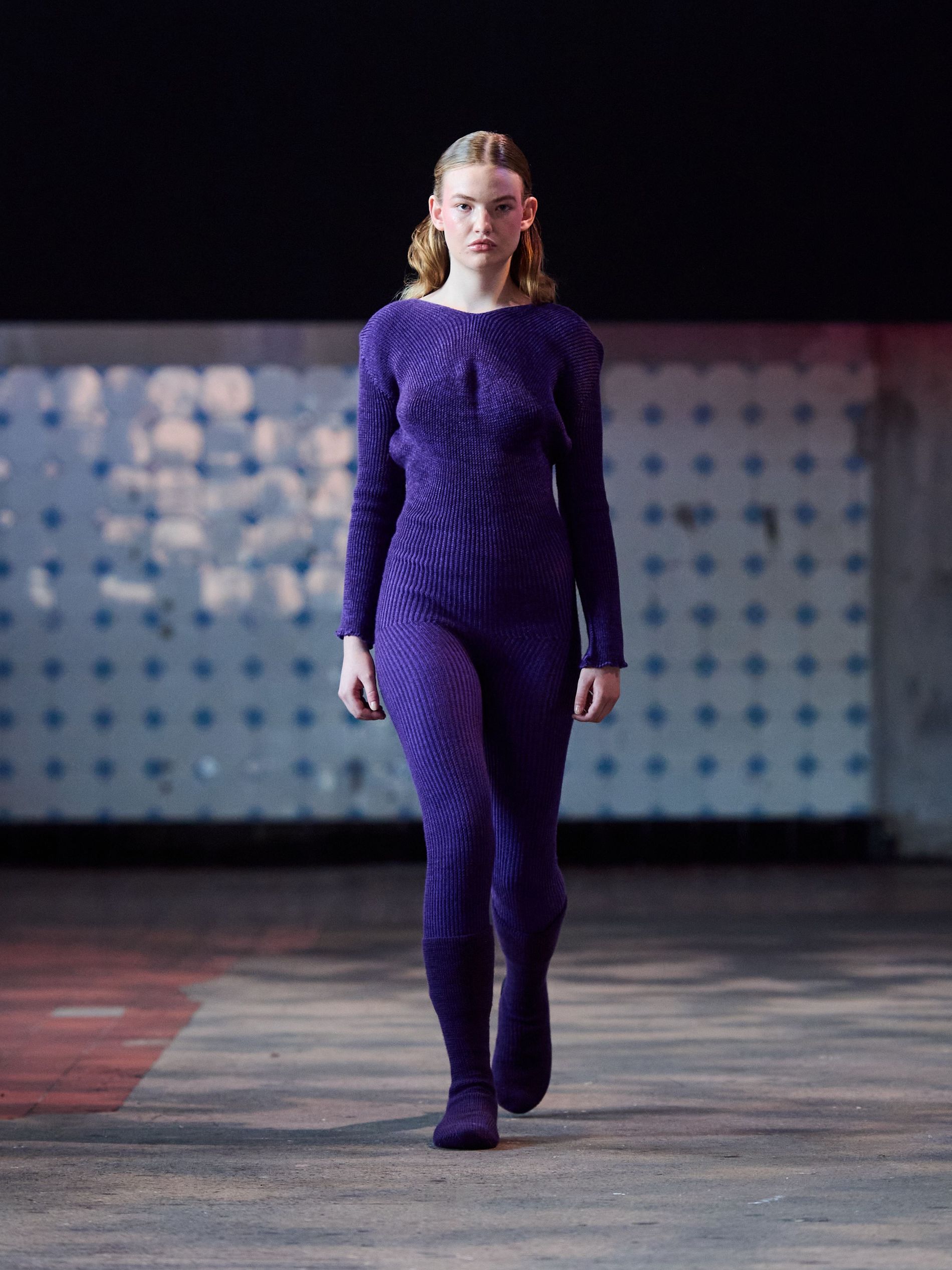
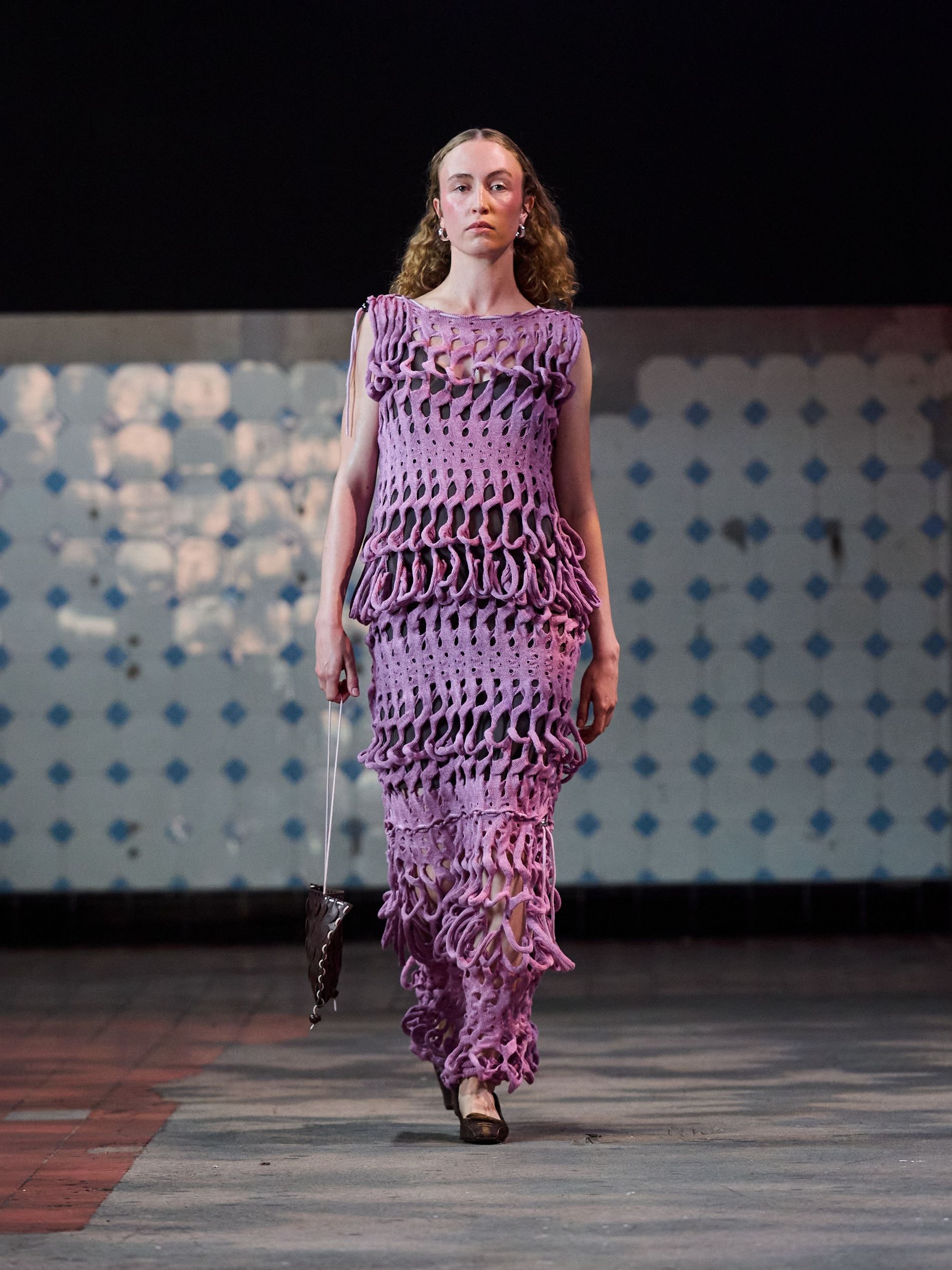
The garments in Morphogenesis in Motion seem to breathe. They’re meant to – made to imitate the anatomical circularity of living beings. “I was inspired by cellular behaviour, using knit and laser-cut techniques to create transformable garments,” says Dahl Perret.
With nature’s ceaseless adaptation as her subject, her mono-material designs move by pulling on interlaced drawstrings. “To create personalisation and dynamic reshaping on the body,” she explains, “inviting a slower, and more intentional interaction with garments that change expression and evolve through use.”
Dahl Perret takes on the static element of the fashion industry, making garments that foster attachment by changing with us, instead of being left behind.
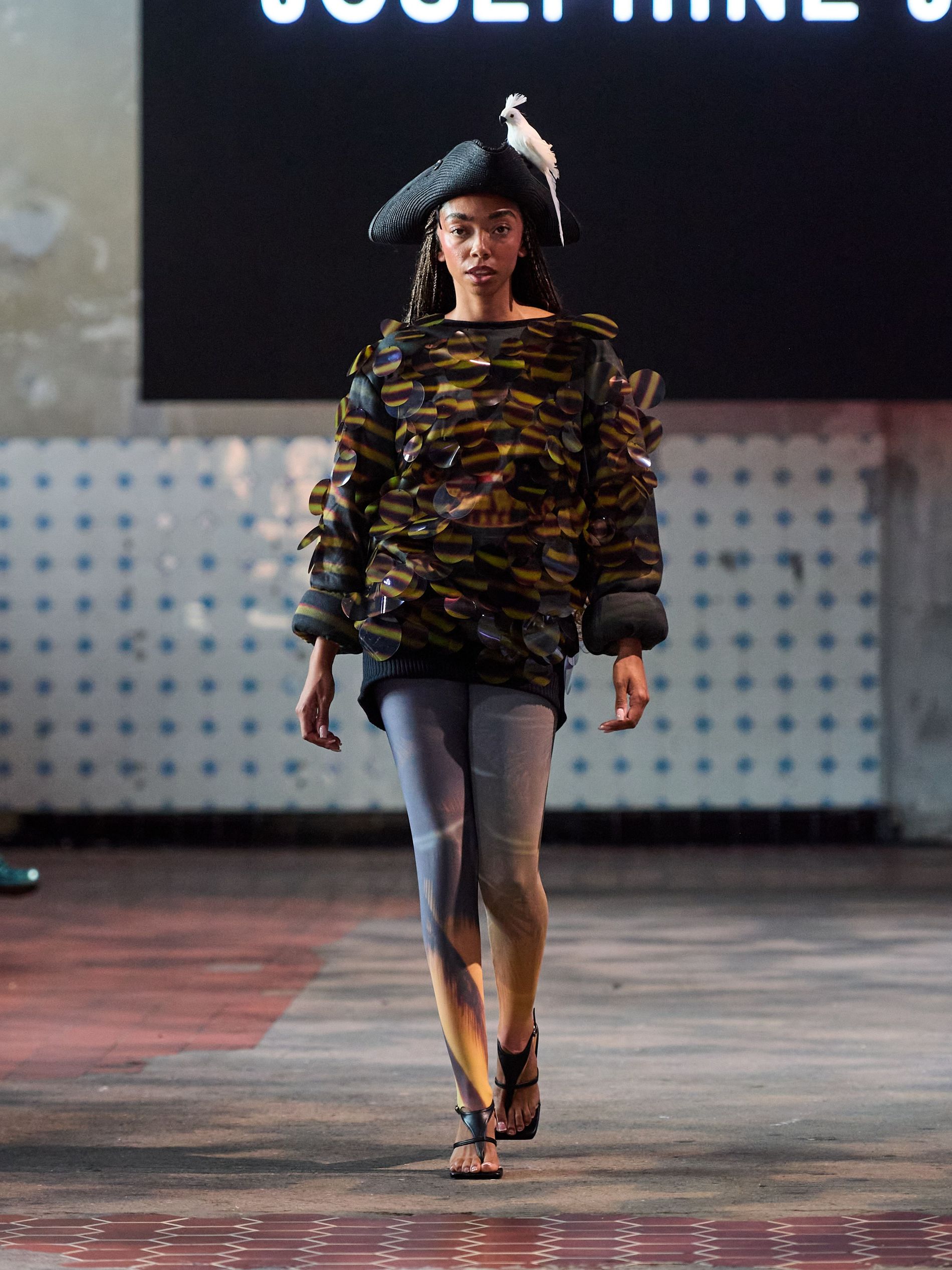
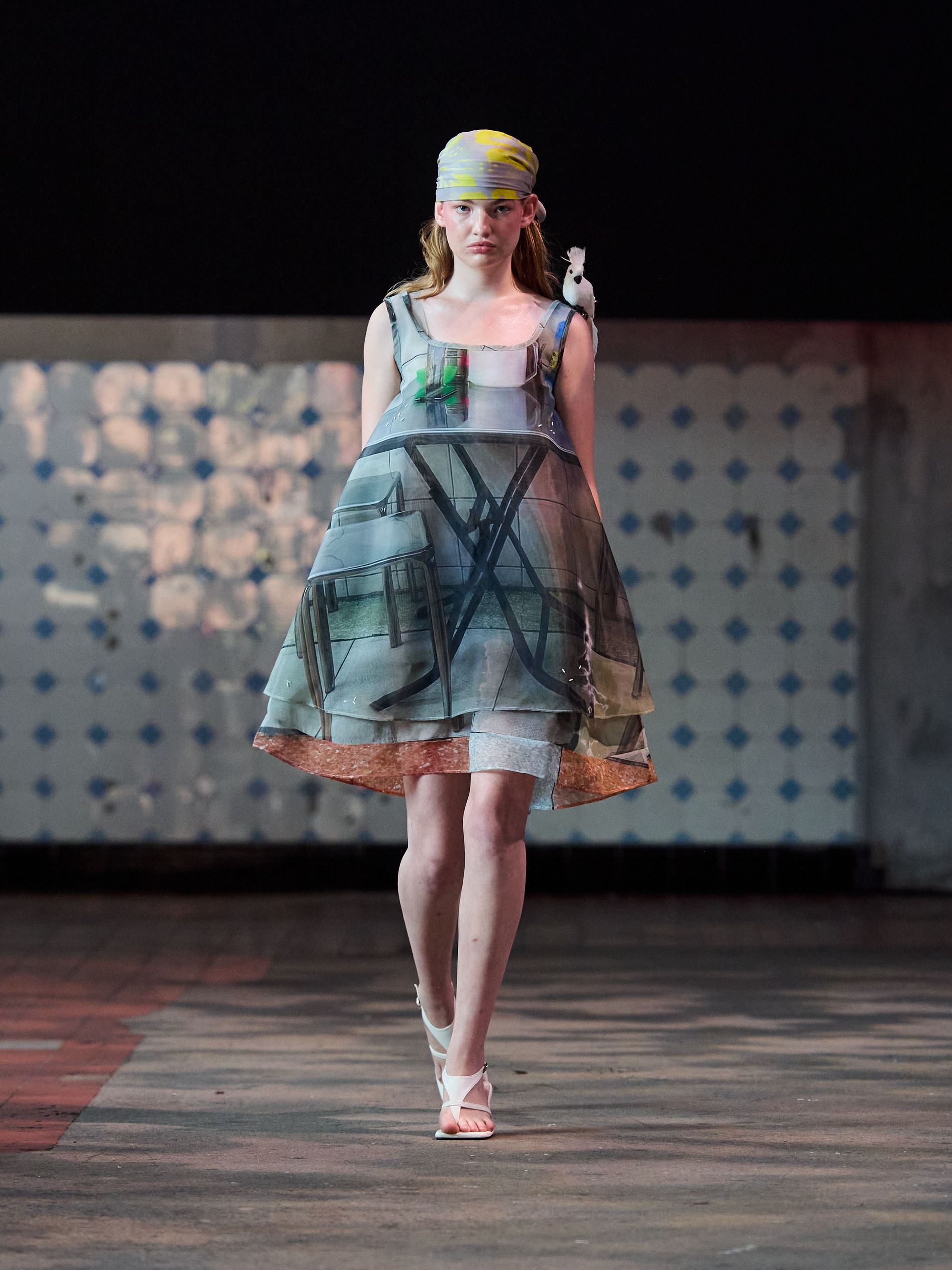
Josephine Järlhem: The Passage From Lover To Lover 1992-2025
A funky nostalgia trip, The Passage From Lover To Lover 1992-2025, sees Järlhem depict her romanticised childhood. “This project is a love story,” she begins. Inspired by her parents, she uses her craftsmanship as a narrative tool to reconstruct imagined memories from old photo albums. “I used prints and textures to evoke familiar objects and atmospheres, forming an emotional, material-driven archive told through my own lens. Pieces of identity, love and memory.”
Charlie Malmsten: ”Why wonder if the glass is half full or half empty, refill it instead”
Kitsch, a little crazy, and fun-loving. That’s precisely what Charlie Malmsten’s runway designs are meant to be: a journalistic echo of the singular culture that emerges on the ferry crossing between Stockholm and Helsinki. Excess, camp culture and cheap luxury. This is the picture he paints:
“As the ferry moves across the cold Baltic Sea, it feels like stepping back into 1991. It stinks and I’m thirsty. These walls have witnessed countless stories. Husbands left to drink, while the women hit the dance floor. Shorthaired, dressed in sequined tax-free blouses with a €3 drink in hand. High drama, no irony. Step aboard the Finnish cruise ship.”
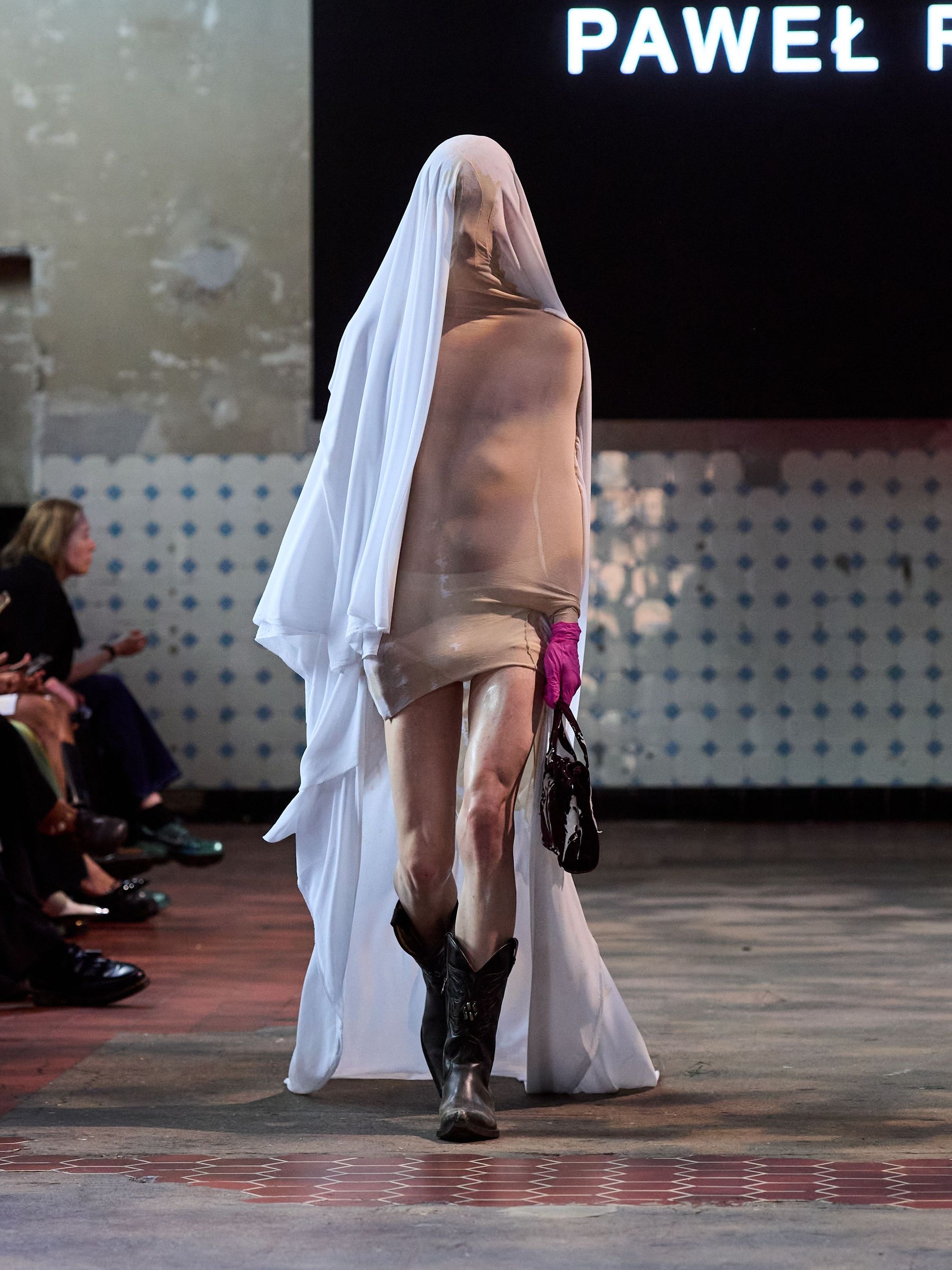
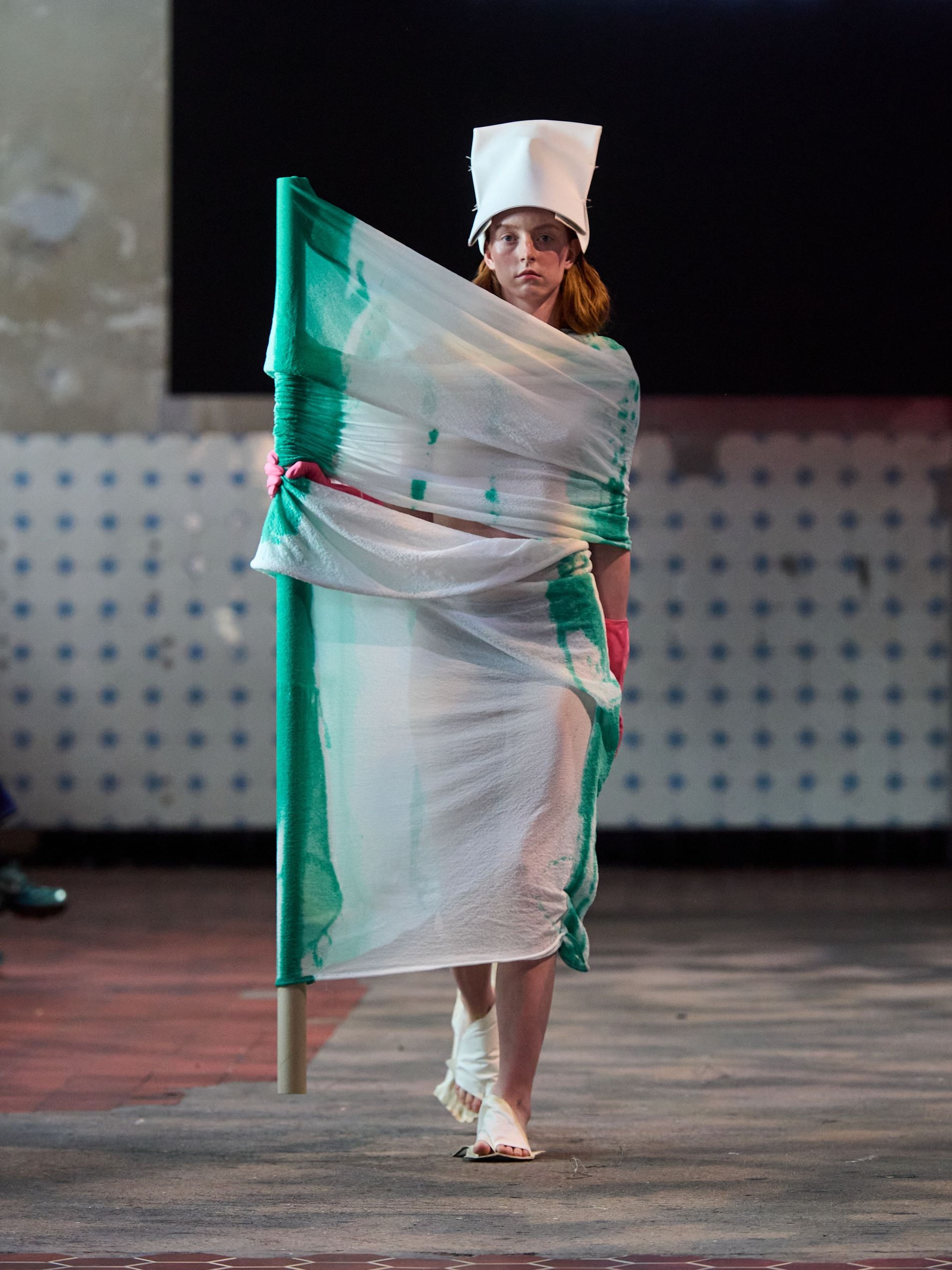
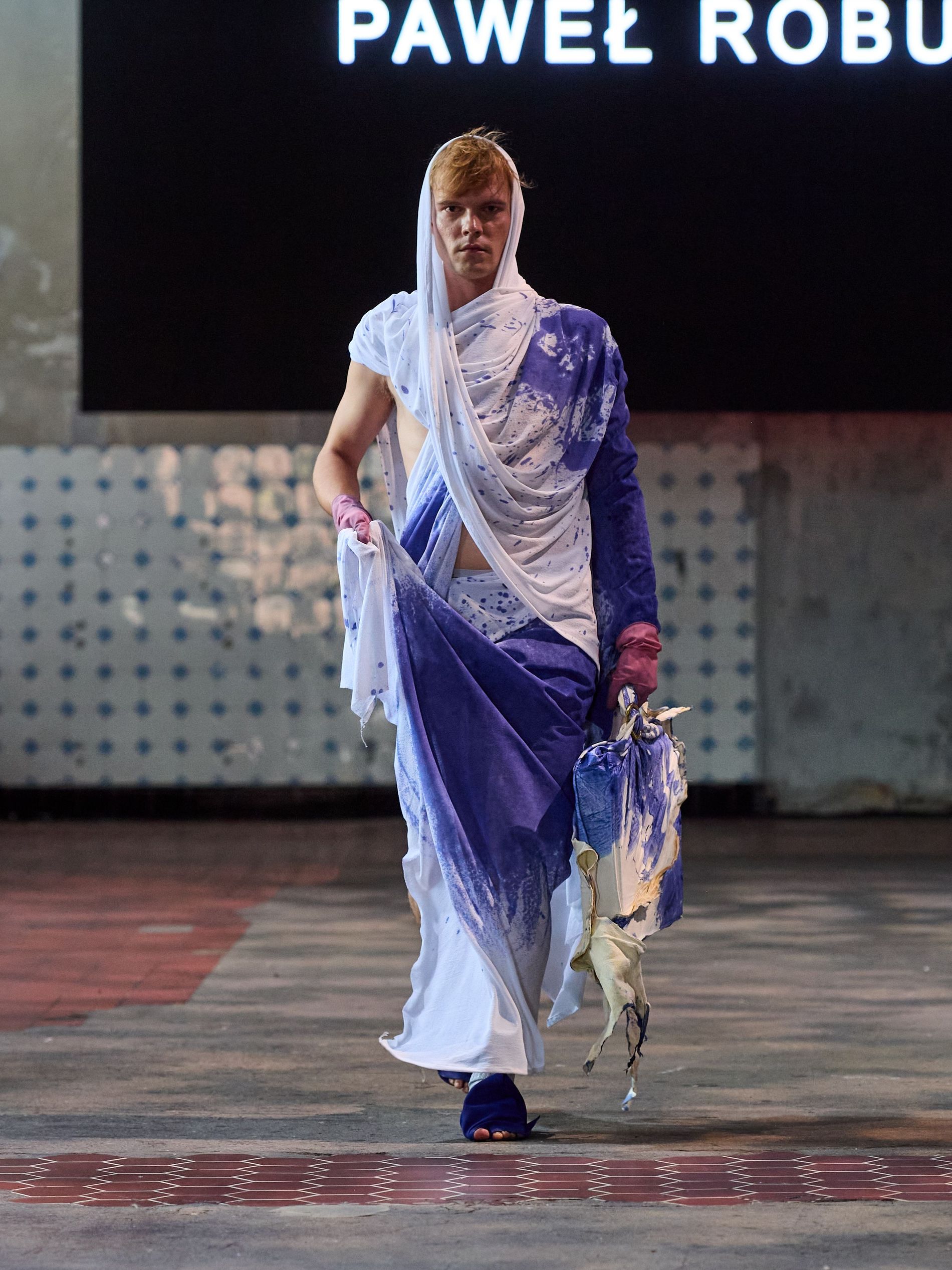
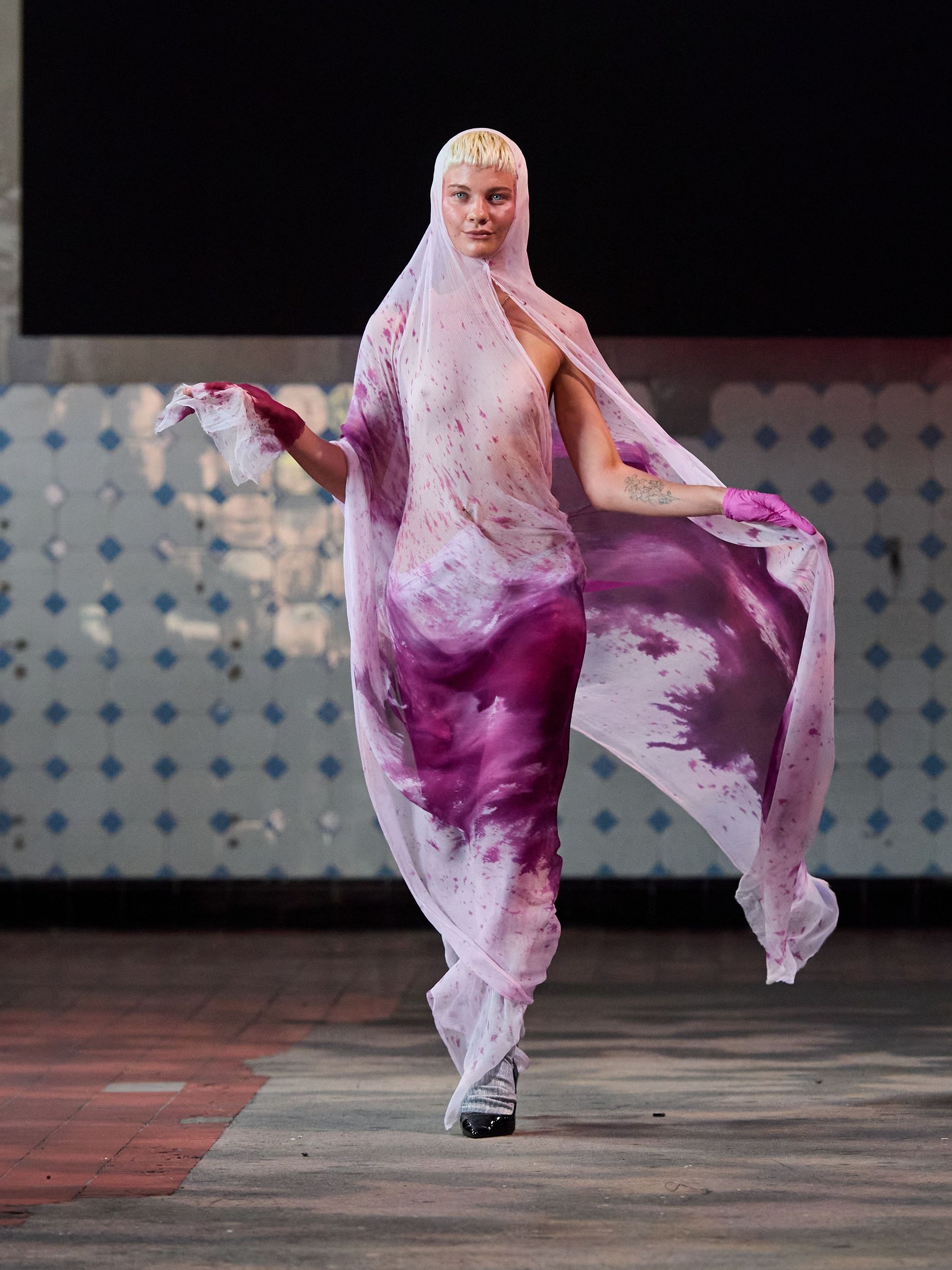
Paweł Robuta: Liquid Relics
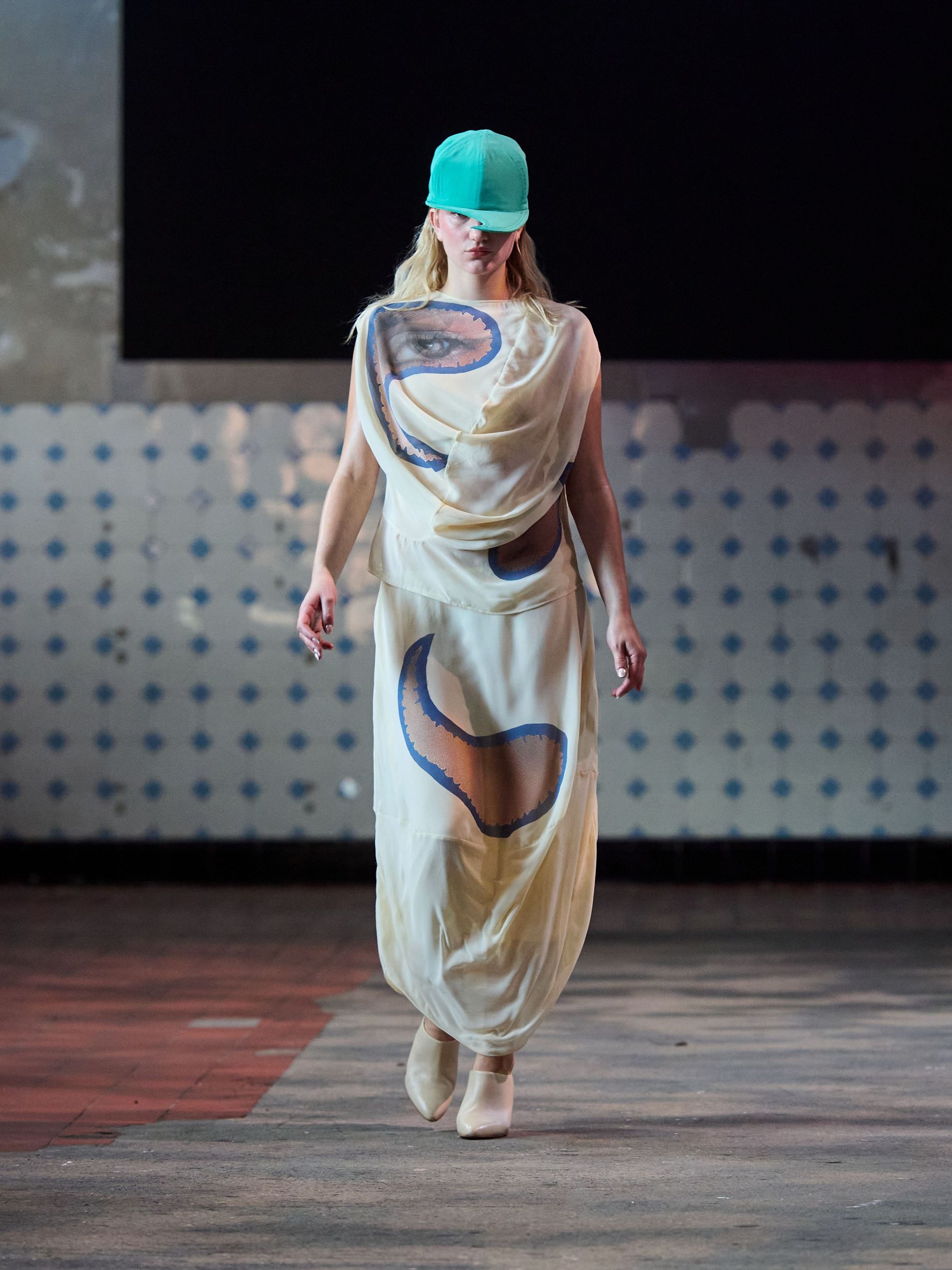
A stain can mean the end of a garment, but in Pawel Robuta’s collection, Liquid Relics, they are a beginning. “Stains are often seen as marks of guilt or imperfection. Here, they are reimagined as symbols of presence, intimacy and transformation.”
Robusta’s method uses Hellenic draping to follow the body’s forms, embracing imperfection in the process. “Bodily fluids, typically the source of stains, can elevate garments to artefacts, like the Shroud of Turin, imbued with reverence.” Here, destruction becomes creation.
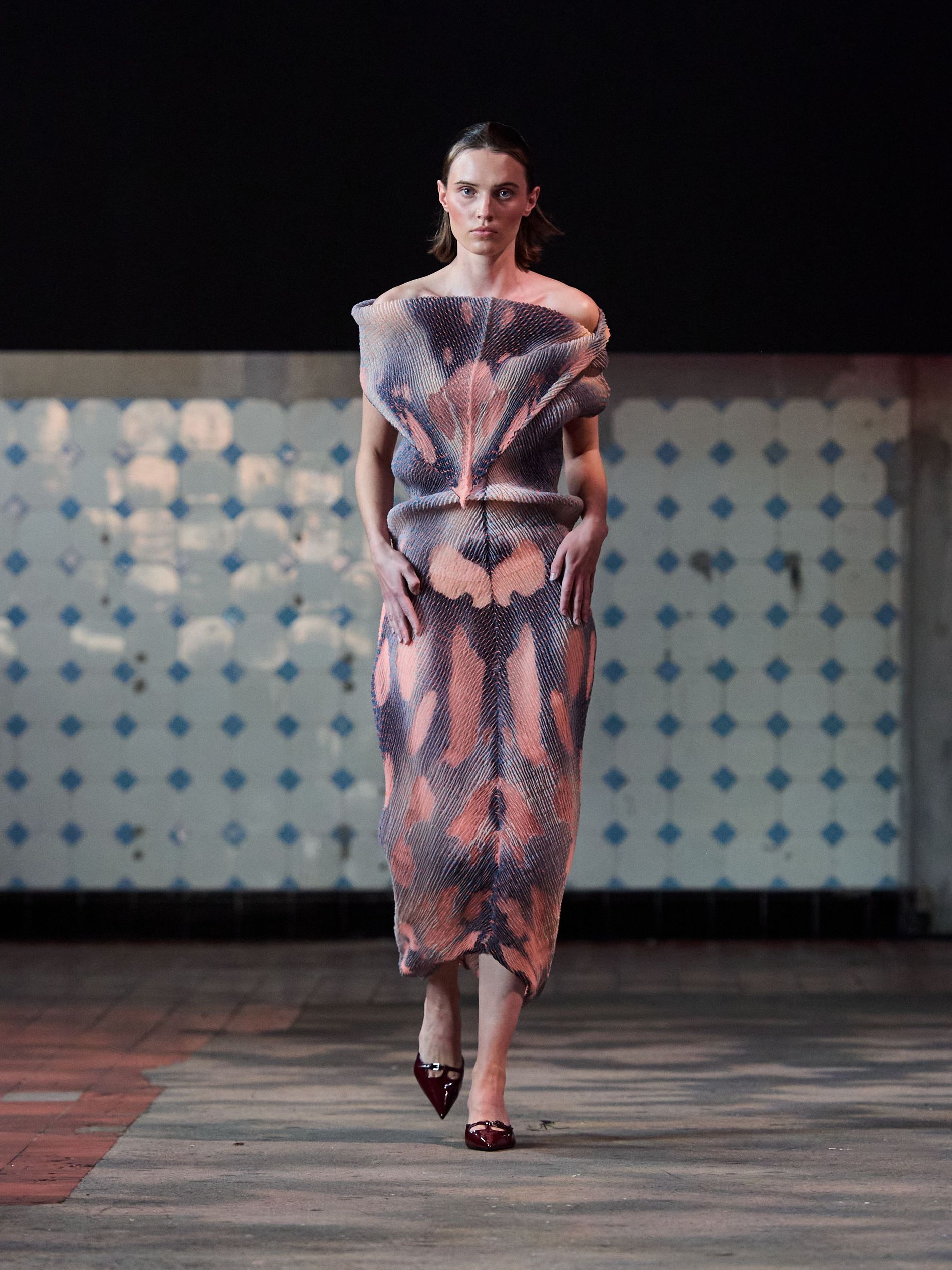
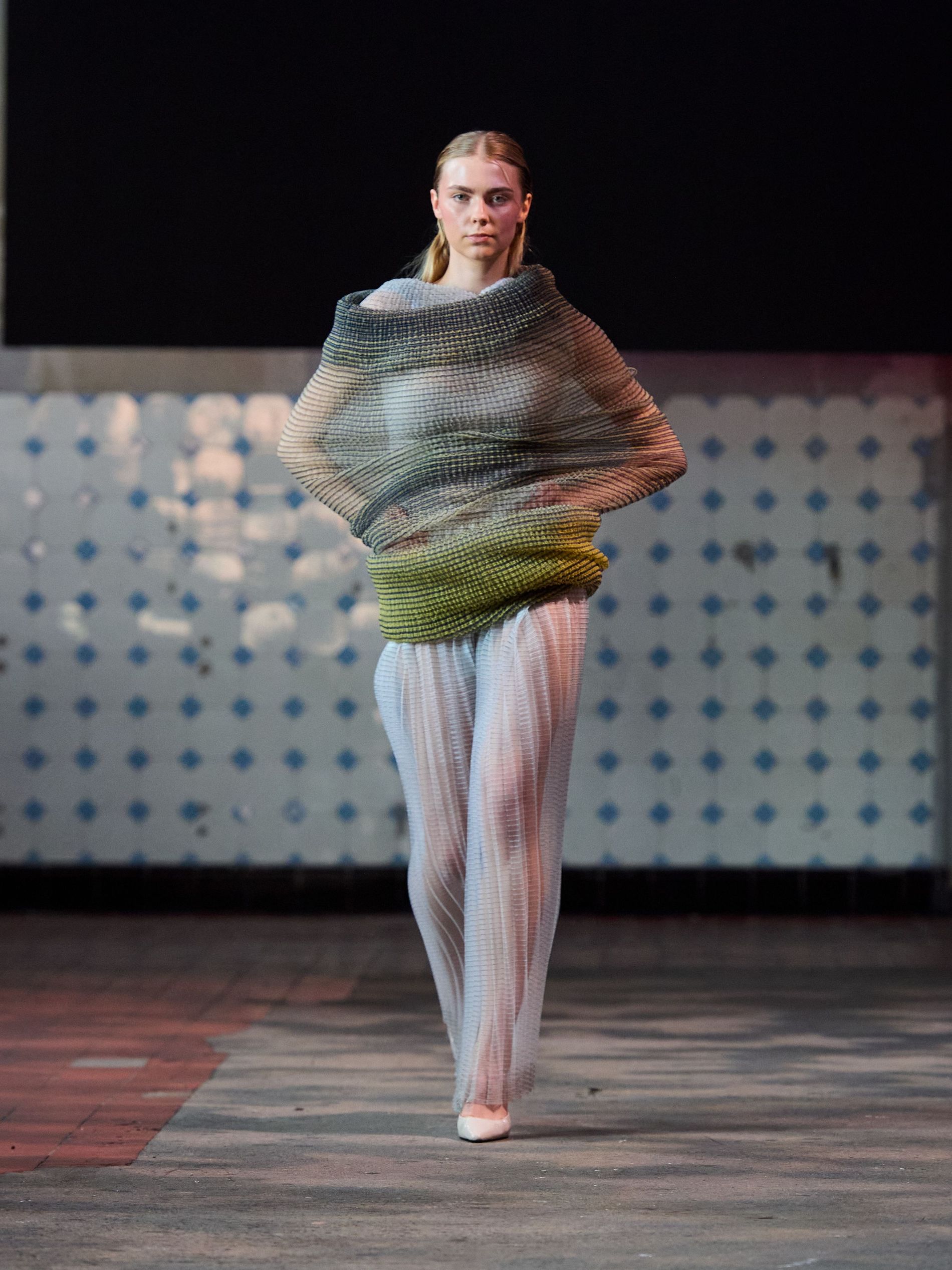
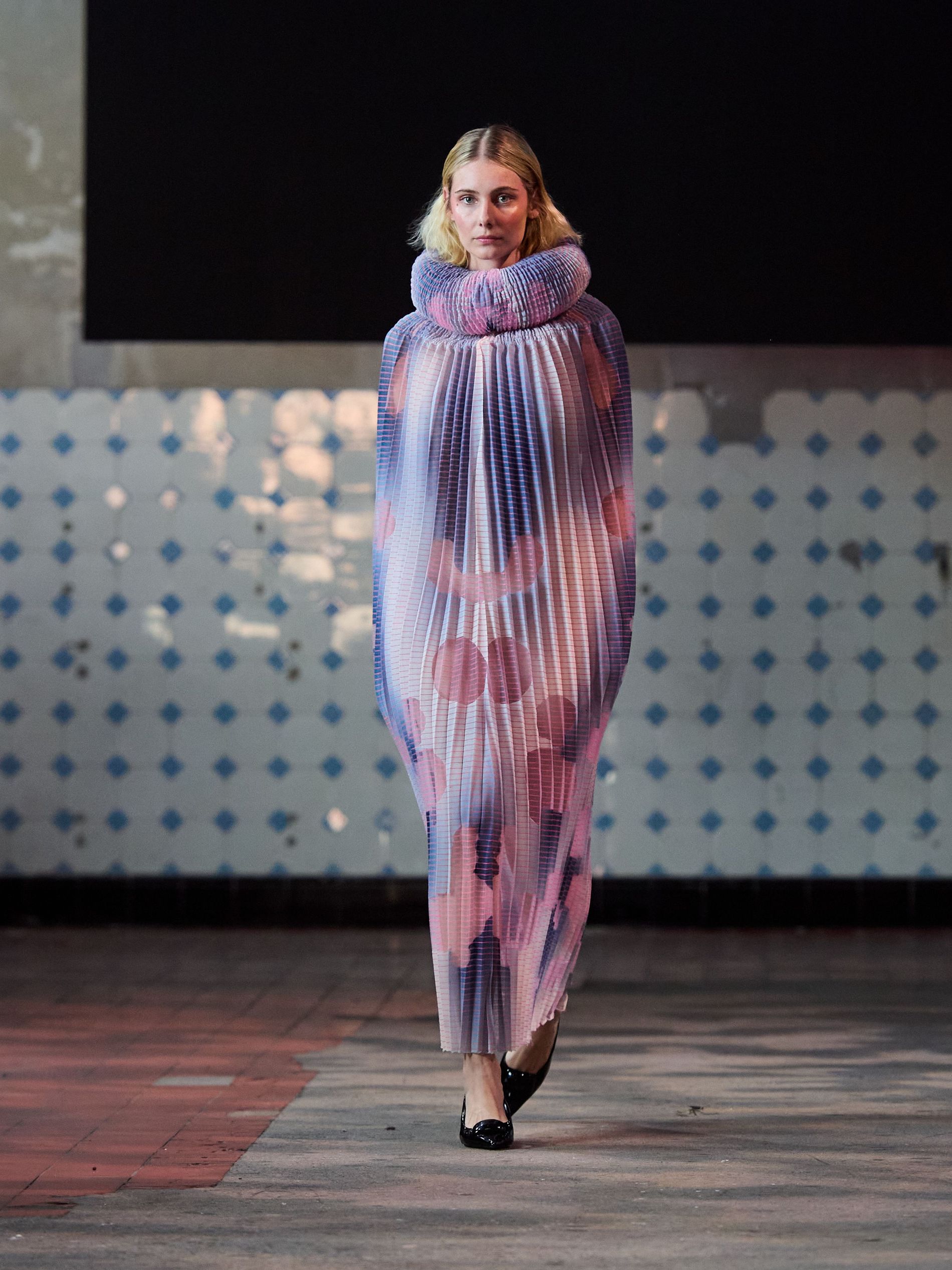
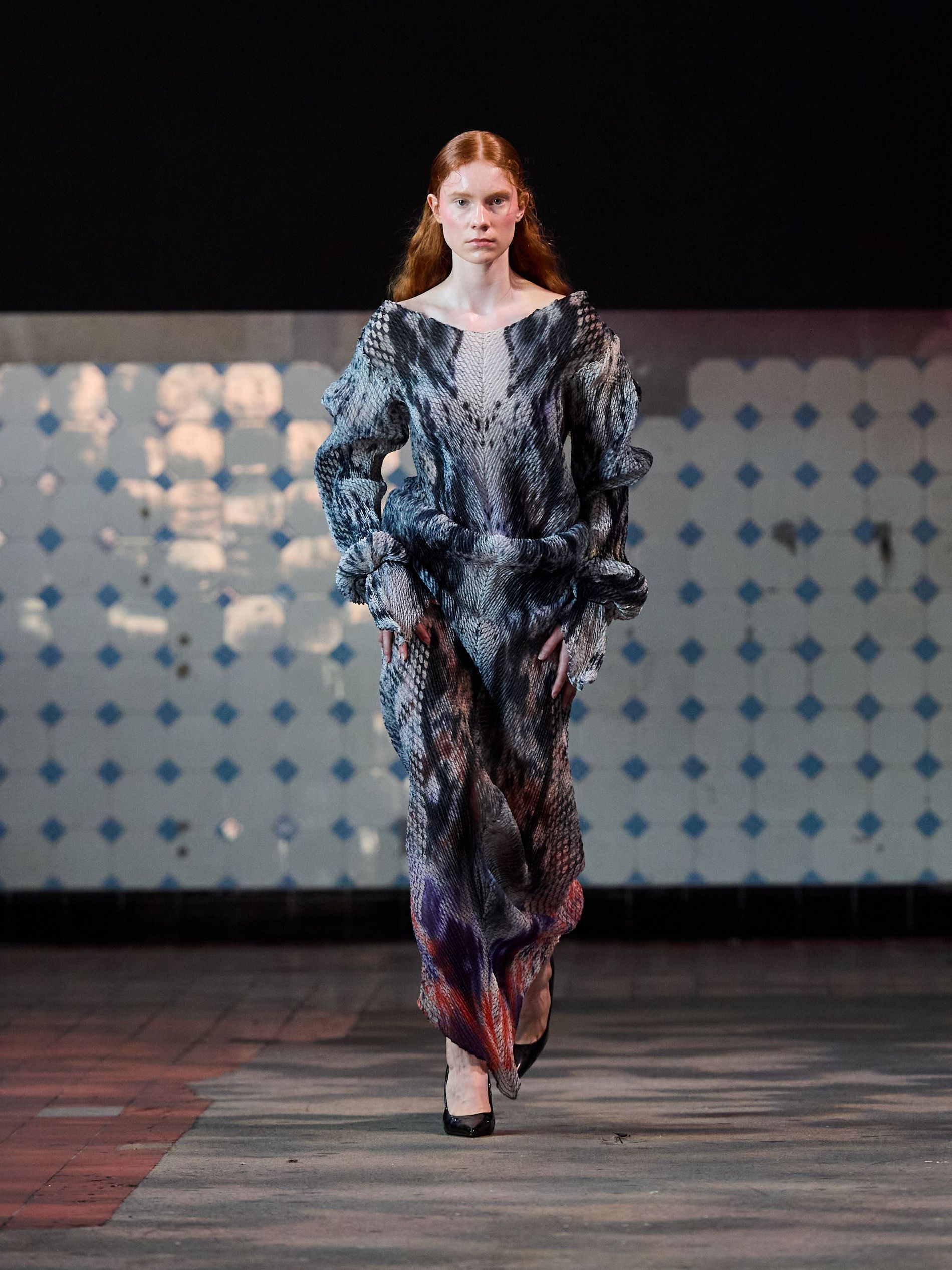
See the designers' SS26 collections below.