
Berlin-based Swede Nora Arrhenius Hagdahl opted to don three wedding dresses on the day of her nuptials, all of which carried a distinctly Scandi direction
In the course of speaking about her wedding, Nora Arrhenius Hagdahl describes herself as “very much a fashion girl,” “a flirty girl,” “a craft girl,” and “a waist girl.” So, to accommodate all of these different aspects of herself, the bride donned three looks over the course of the celebration at which drew creatives from Berlin, London, and Stockholm.
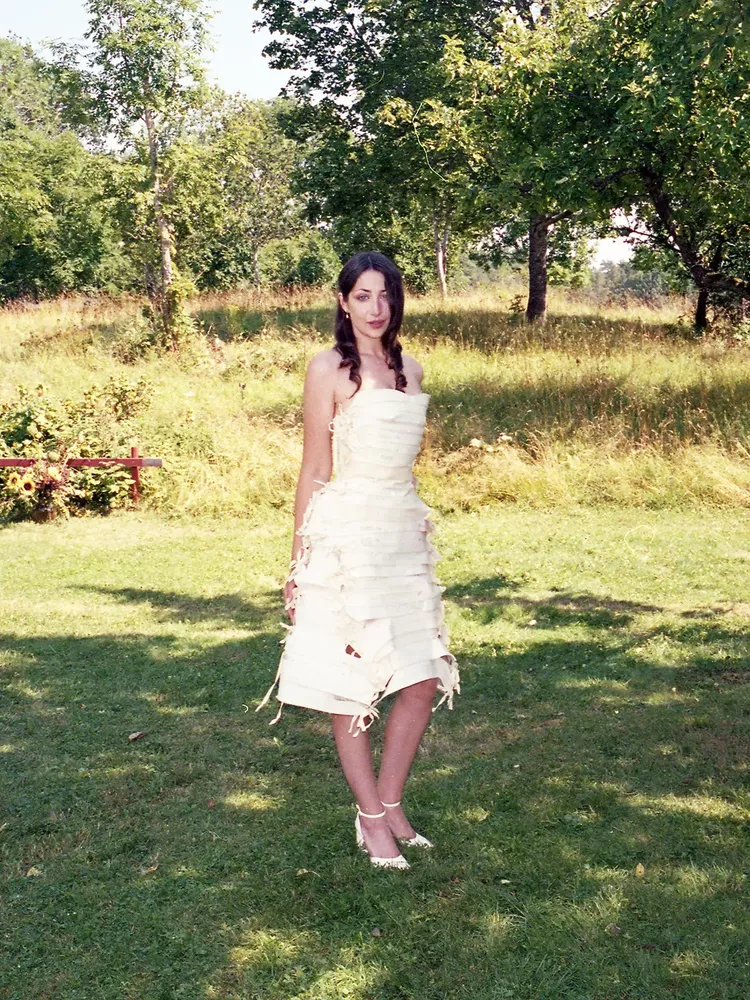
The bride’s something old: A Hodakova dress made of vintage collars. Photo: Luke Sullivan
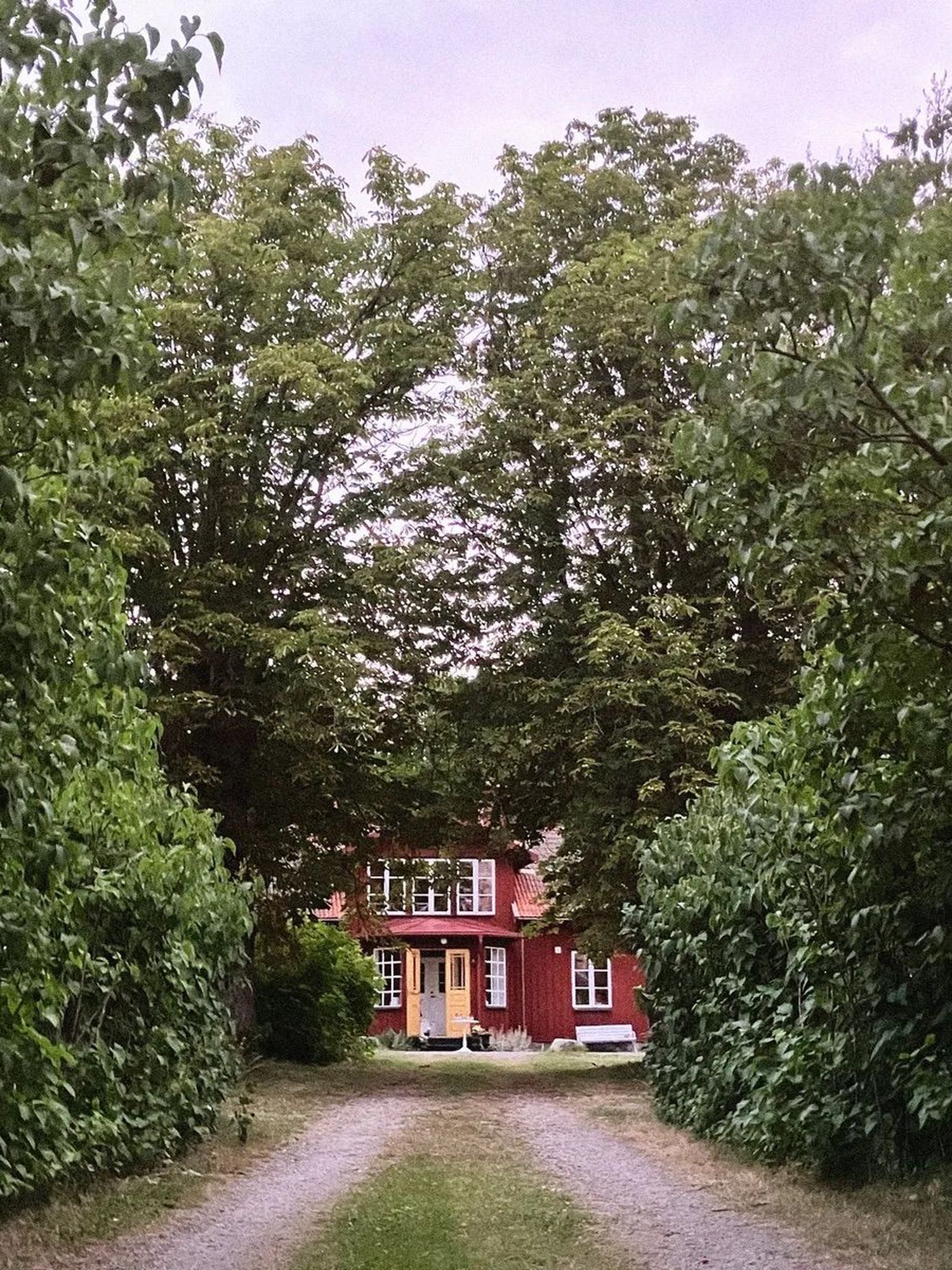
Opptuna, the bride’s parents home was the location of the wedding. The main house dates to the mid-19th century. Photo: Nora Arrhenius Hagdahl
Hagdahl, an art critic and co-founder (with Frida Vega Salomonsson) of Nuda Paper, a culture and fashion magazine, tied the knot with Kornél Kovács a DJ, music producer and co-founder (with Axel Boman and Petter Nordkvist) of the record label Studio Barnhus. They were introduced by a mutual friend one cold and dark winter in 2021. “It was very much like love at first sight,” Hagdahl recalls. “Kornél was basically telling me that he wanted to get married after a couple of times that we met. And I was like, ‘Yeah, sure, let’s make that happen.’ It is just a very natural and electric and fantastic relationship.”
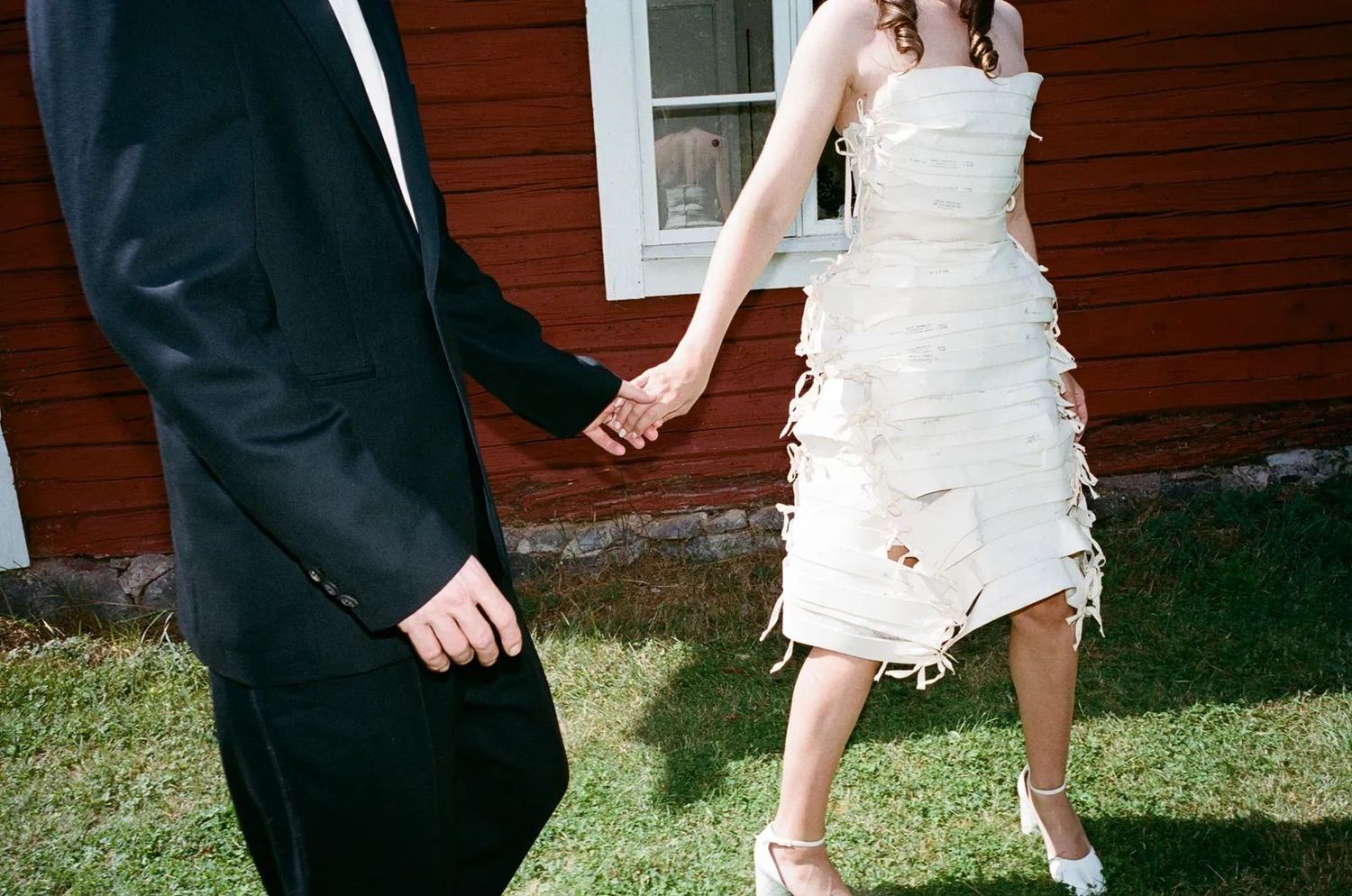
Close-ups of the groom’s Our Legacy suit and the bride’s Hodakova dress. Photo: Luke Sullivan
As Nuda regularly stages exhibitions and happenings, Hagdahl took the wedding planning in her stride. “I always dreamed of having a big party for my friends, and because I lived in different places and Kornél has so many friends all over the world, the dream was to have everybody meet,” she says. “That was the big appeal for me, to have all these worlds come together.” This comingling took place at the bride’s parents’ home in Opptuna, about an hour away from Stockholm.
The houses on the property, which are surrounded by fields, date to the 18th and 19th century and there is archaeological evidence that the area has been inhabited since the early Bronze Age. There was nothing retrograde in the wedding attire, however. The groom wore Our Legacy and the bride’s first dress, made of vintage shirt collars, was by Ellen Hodakova Larsson, whom Hagdahl has previously written for.
Designer Johanna Larsson with the bride. Photo: Hjalmar Rechlin
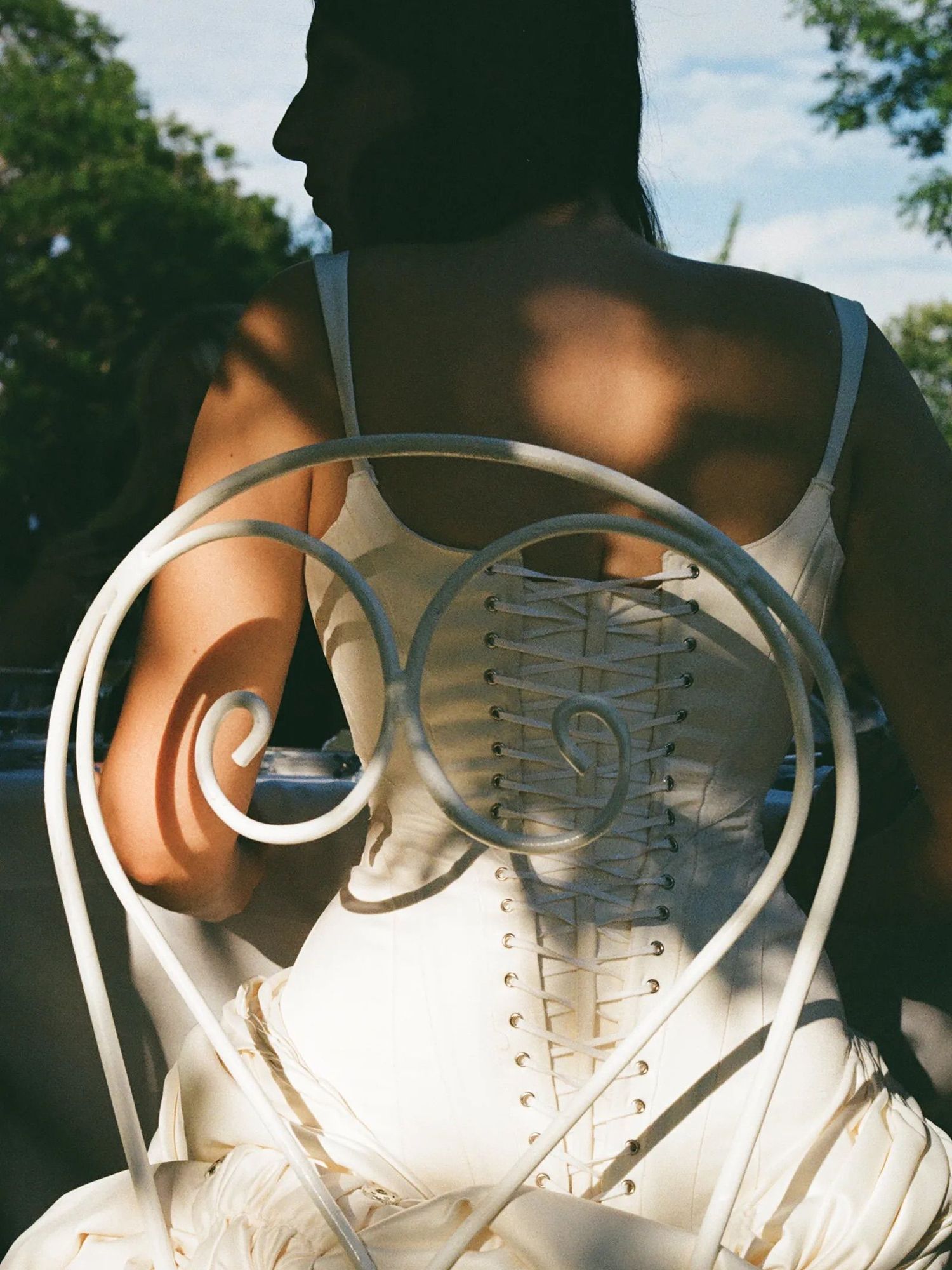
Larsson’s specialty is corsetry. Photo: Dora Weiss
“I went over to the studio, and Ellen brought everything out that she had in white,” the bride recounts. The designer customised the dress by snatching it in at the waist. “I love the rougher style of that one; I mean, it’s very cocktail, very femme, but also it’s super harsh, and there are these bows on the side. It makes it really fun. Also, there’s all the writing on the collars [listing] the manufacturers, which is just really unexpected and really lovely. Ellen was such a doll for making that happen.” Hagdahl wore the look while guests sipped a custom cocktail from glasses covered in lip prints. “The pre-drink [of vodka, rhubarb and rose] was a bit of a performance by Cues, an art bar here in Stockholm run by artists Anton Halla and Annie Åkerman,” she says. “All the glasses were kissed by either me or Kornél though Chanel Allure No 58 lipstick being put on two silicon moulds of our lips. My dad, who is an artist, helped us make the moulds, which meant me and Kornél had to pout in plaster for 40 minutes without moving.”
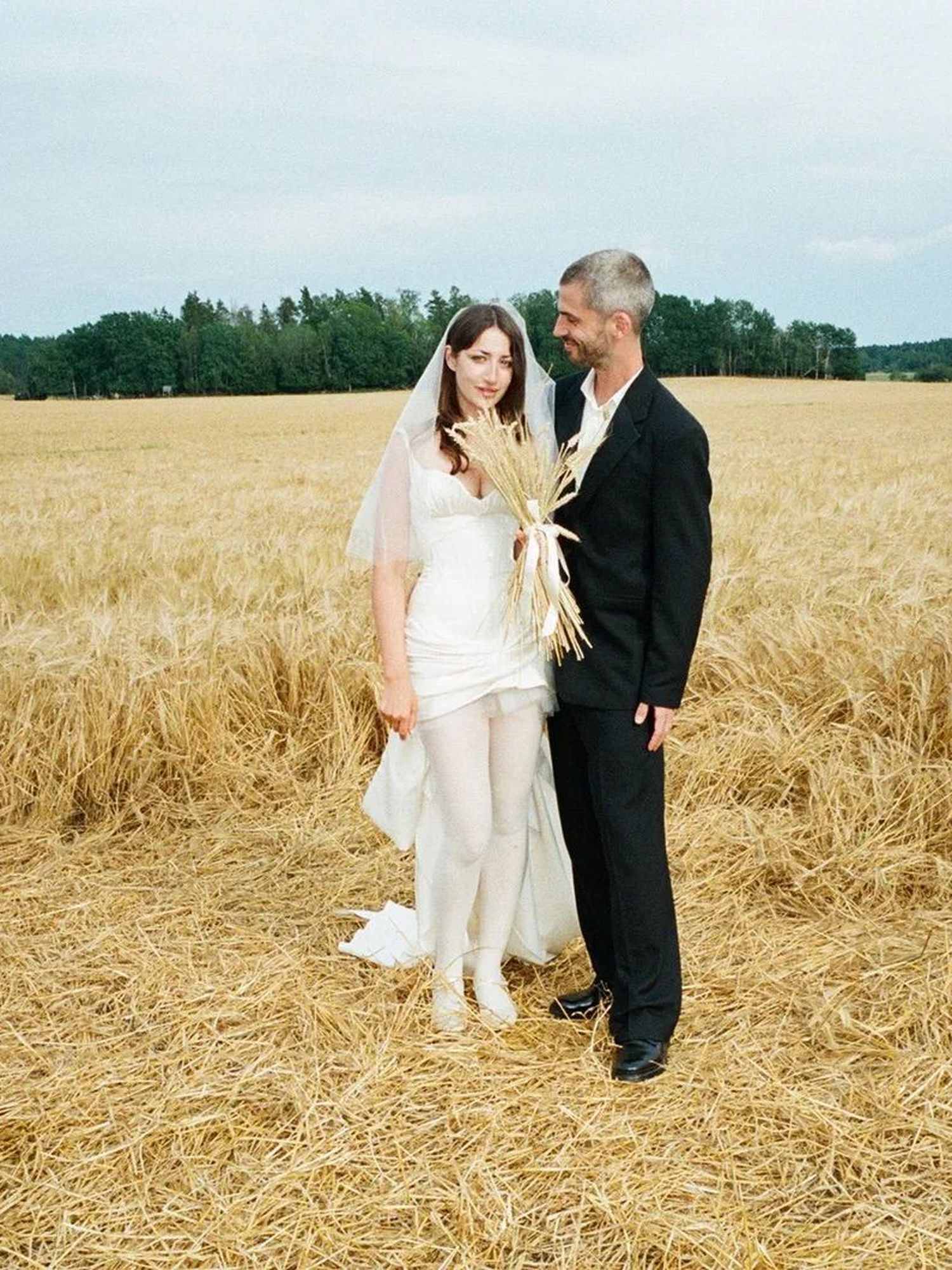
Nora Arrhenius Hagdahl and Kornél Kovács. Photo: Luke Sullivan
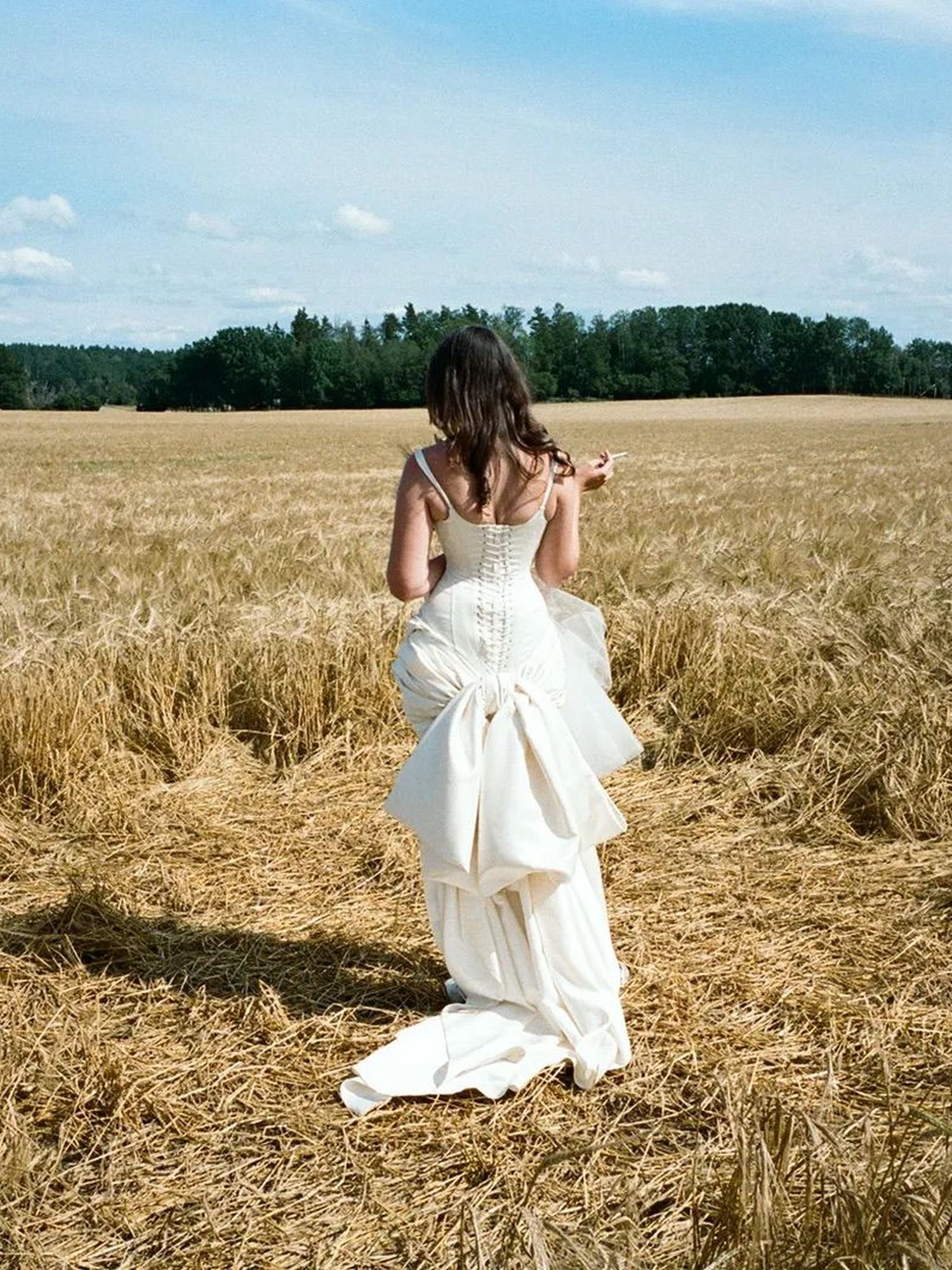
The bow train. Photo: Luke Sullivan
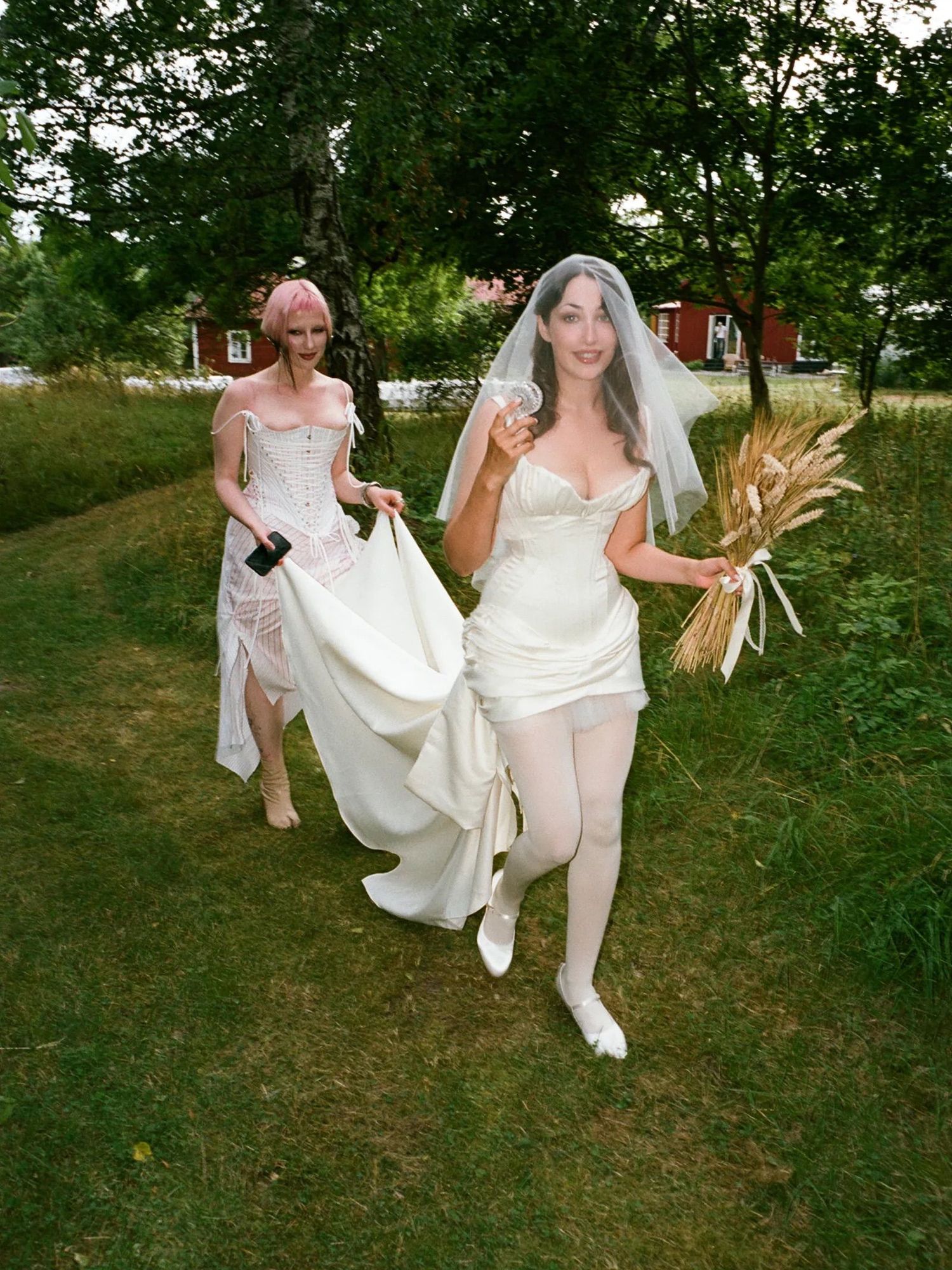
For the ceremony, Hagdahl changed into a custom wedding dress made by Johanna Larsson, a Swedish School of Textiles graduate who also works as a makeup artist. “I knew that Johanna is amazing at making fitted corsets – she has such an attention to detail that is really, really impressive – and I know that we shared references, like anime and Vivienne Westwood,” the bride says. “The dress was basically made by her and me together at her house. She was sewing, and we were listening to music together, and it was a very, very collaborative [process].”
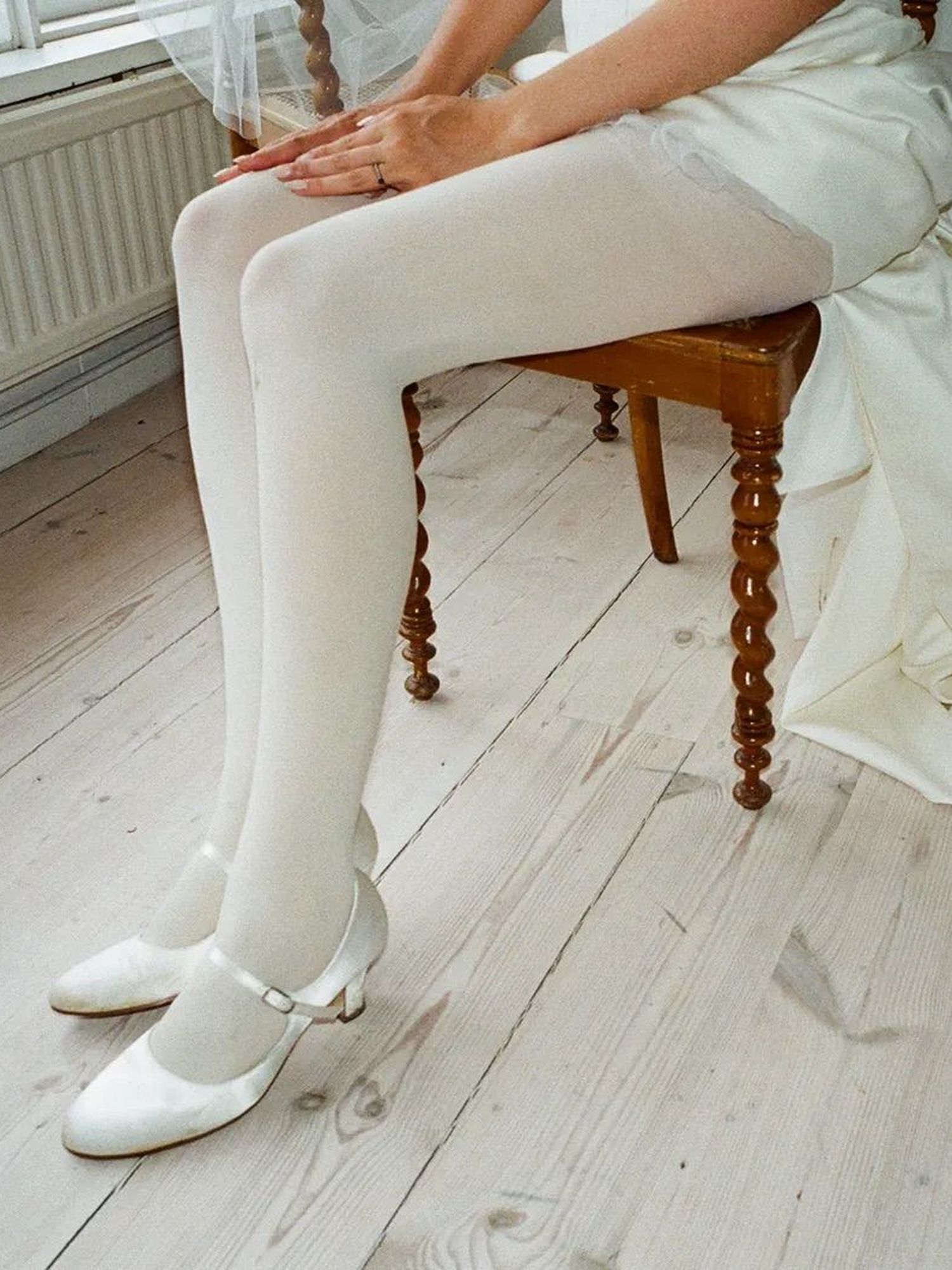
The bride wore German dance shoes by Werner Kern. Photo: Luke Sullivan
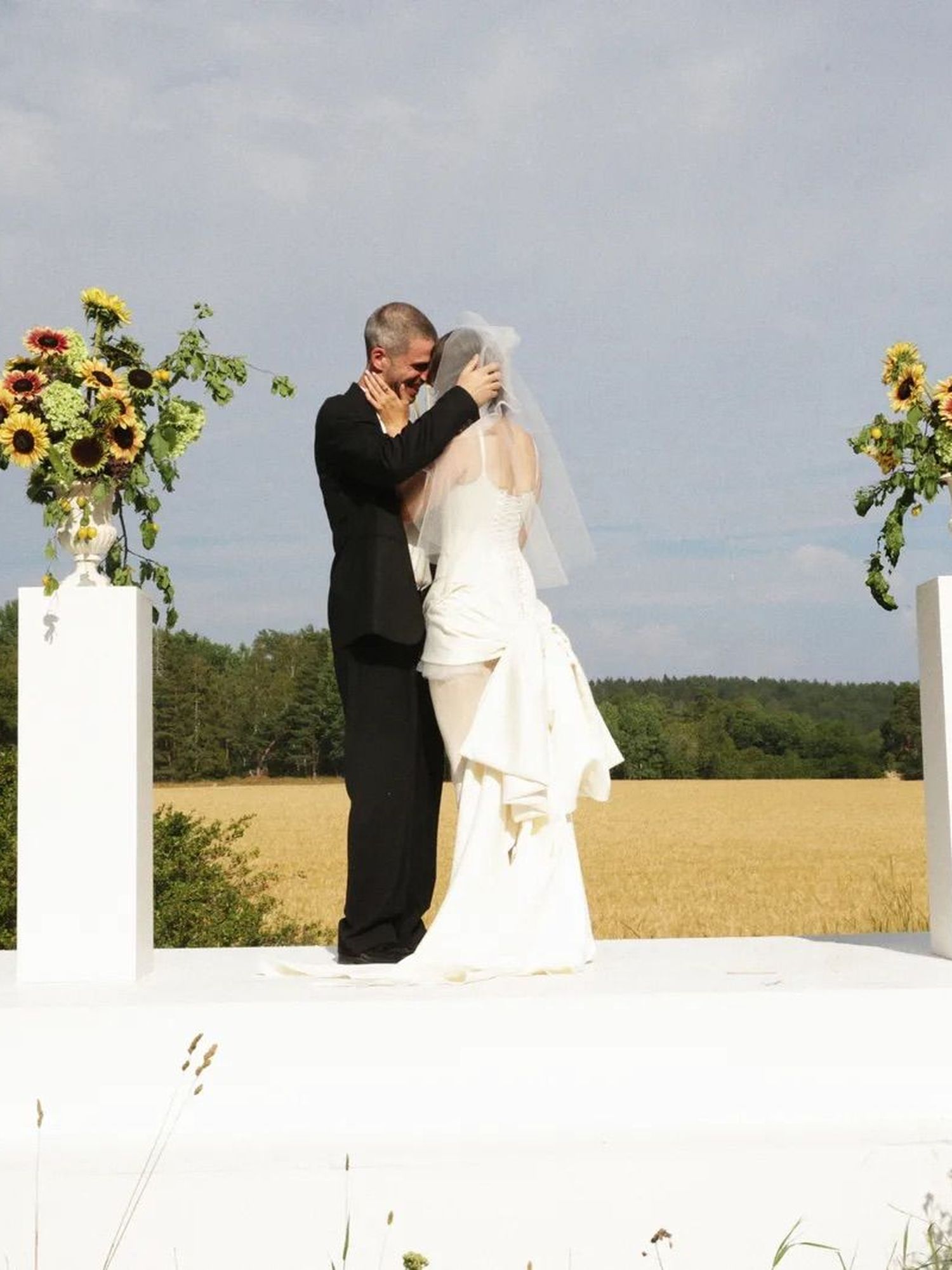
“You may kiss the bride.”. Photo: Frida Vega Salomonsson
Constructed in an ivory hue, the basque corset extended down to an abbreviated pouffe skirt with a bow with trailing streamers at the centre back. “I wanted a short dress for all my party gays from Berlin.” The dress was accessorised with white tights and Werner Kern shoes. “It’s an old German brand that does just ballroom dance shoes – nothing fancy, really,” she adds.
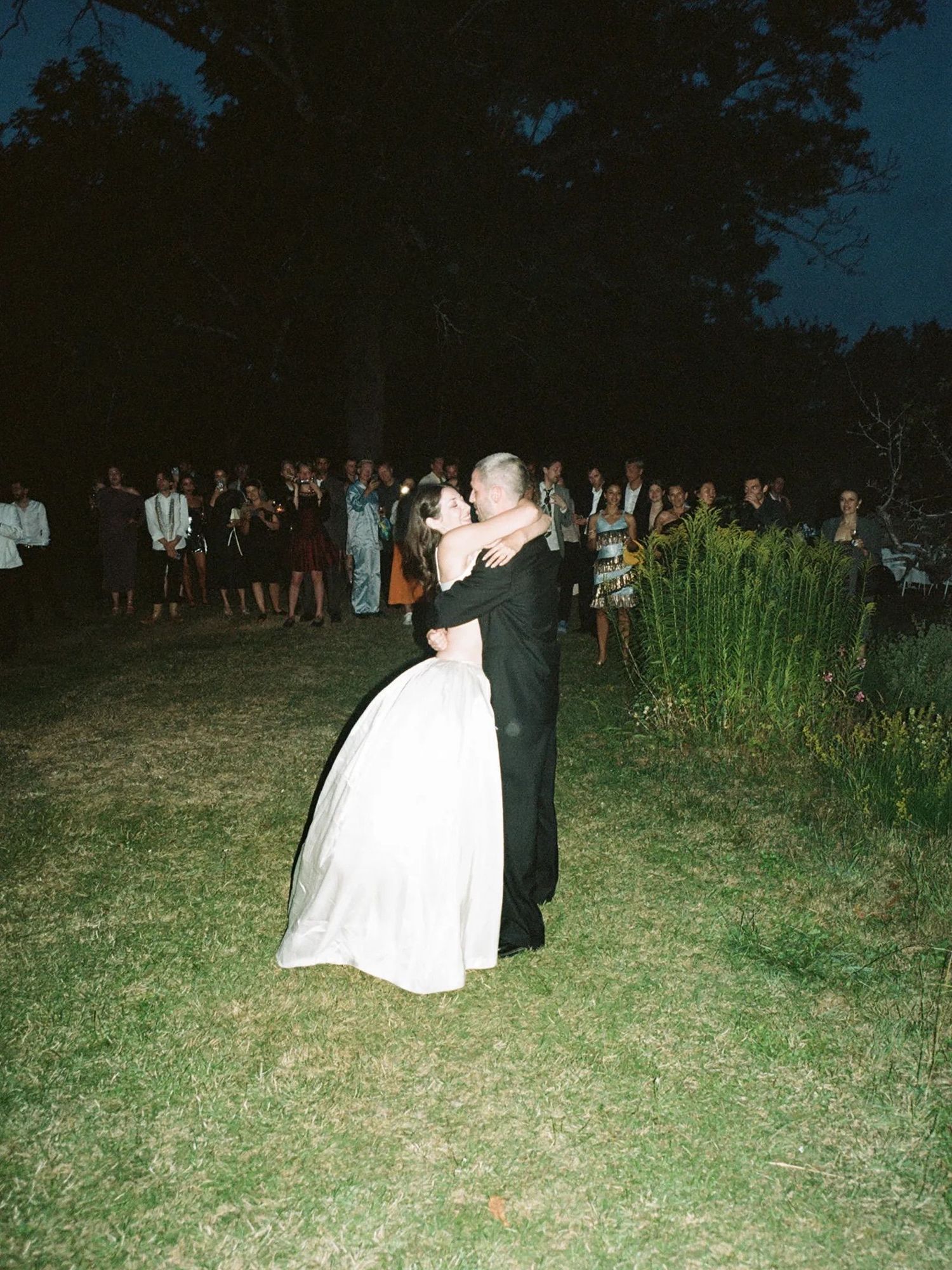
The first dance. Photo: Hjalmar Rechlin
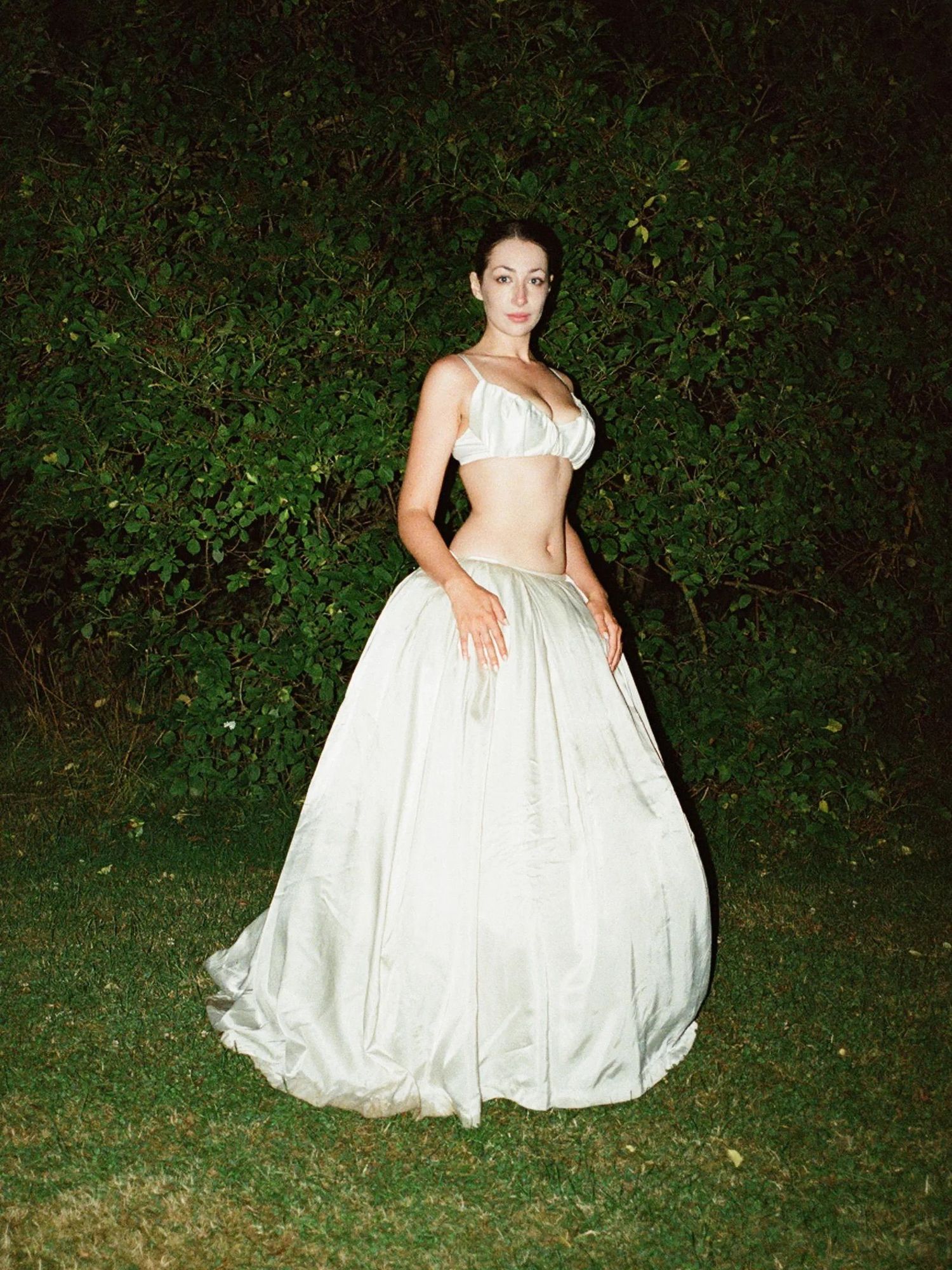
The skirt was once worn as a costume at the Swedish Opera. Photo: Luke Sullivan
Feeling crafty, the bride made her own veil – as well as the bra top – for the dance outfit that came together with the help of Nicole Walker, an in-demand stylist who works with Yung Lean. “I wouldn’t have been able to do anything without her,” says Hagdahl. “She was the perfect guide. The last look was all her, it was her skirt. It’s an old skirt from the opera house, I think it’s from [a production of] Swan Lake in the ’90s. The top I made, [as] Nicole is always like, ‘You have to go sexier.’ Obviously, this skirt is ridiculous and really fun, but also very beautiful.”
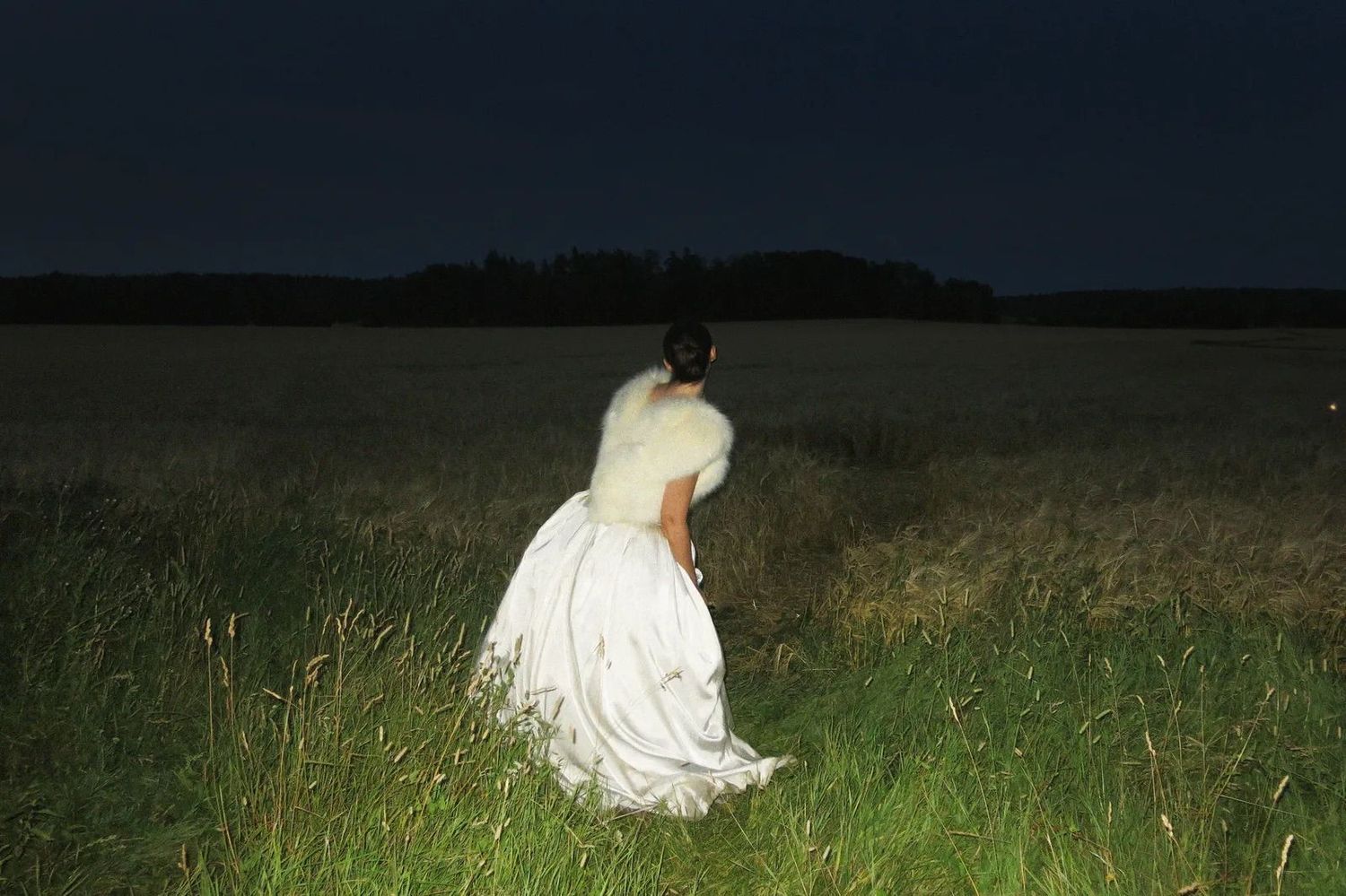
Romance in the air. Photo: Luke Sullivan
Originally published on Vogue.com