Months after the spring/summer 2026 shows, a handful of pieces are still lingering in conversation. Here, we go behind the scenes at Prada to examine the ‘composing of elegance’ behind two skirts from the runway collection – each built from multiple fabrics, techniques and silhouettes
With no fewer than 16 designers making their debuts during the spring/summer '26 season, conversation across the fashion world has scarcely paused since. Yet months on, some of the most compelling pieces came from one of fashion’s most established duos: Mrs Prada and Raf Simons. Known for garments that invite discussion and reward a second look, they presented a duo of patchworked skirts on the runway that continue to reveal themselves over time. Here, we step inside the Prada atelier to look closely at two examples and the craftsmanship behind their construction.
According to the show notes, the two skirts – shown as looks 8 and 36 – “shed their singular identity in favour of a complex design”. Each is made from several skirts combined into one piece, with different techniques, volumes and materials brought together so that the seams between them are not immediately obvious. Instead, movement pulls the elements into a single shifting silhouette. Diaphanous taffeta sits alongside structured duchesse; soft crepe de Chine meets embroidered surfaces, while pleats, flounces and ruffles meet in movement. Colour plays a role, too: classic black is set against softer pastels and sharper tones, creating what the house calls a deliberately “unstable equilibrium”.
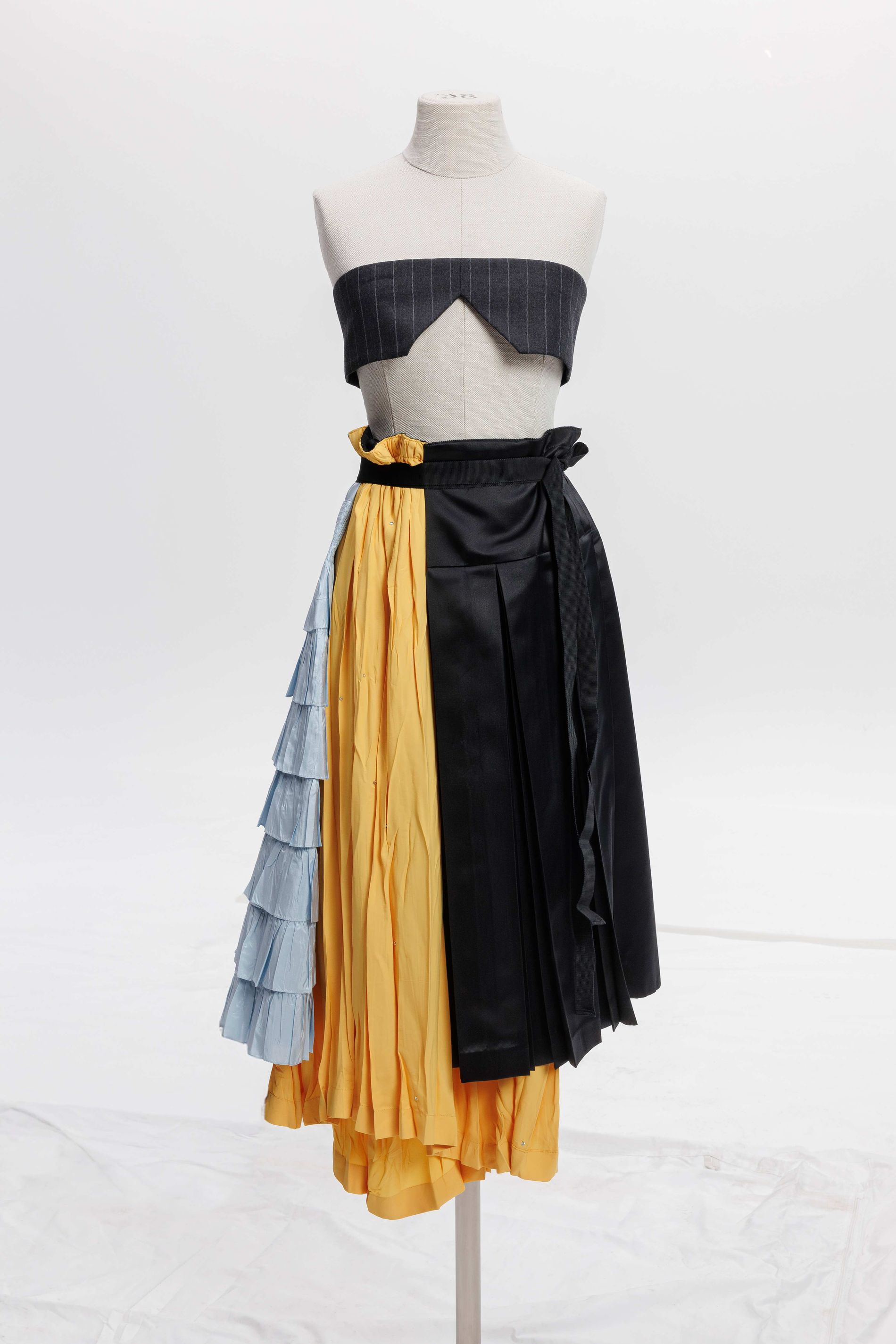
Photo: Courtesy of Prada
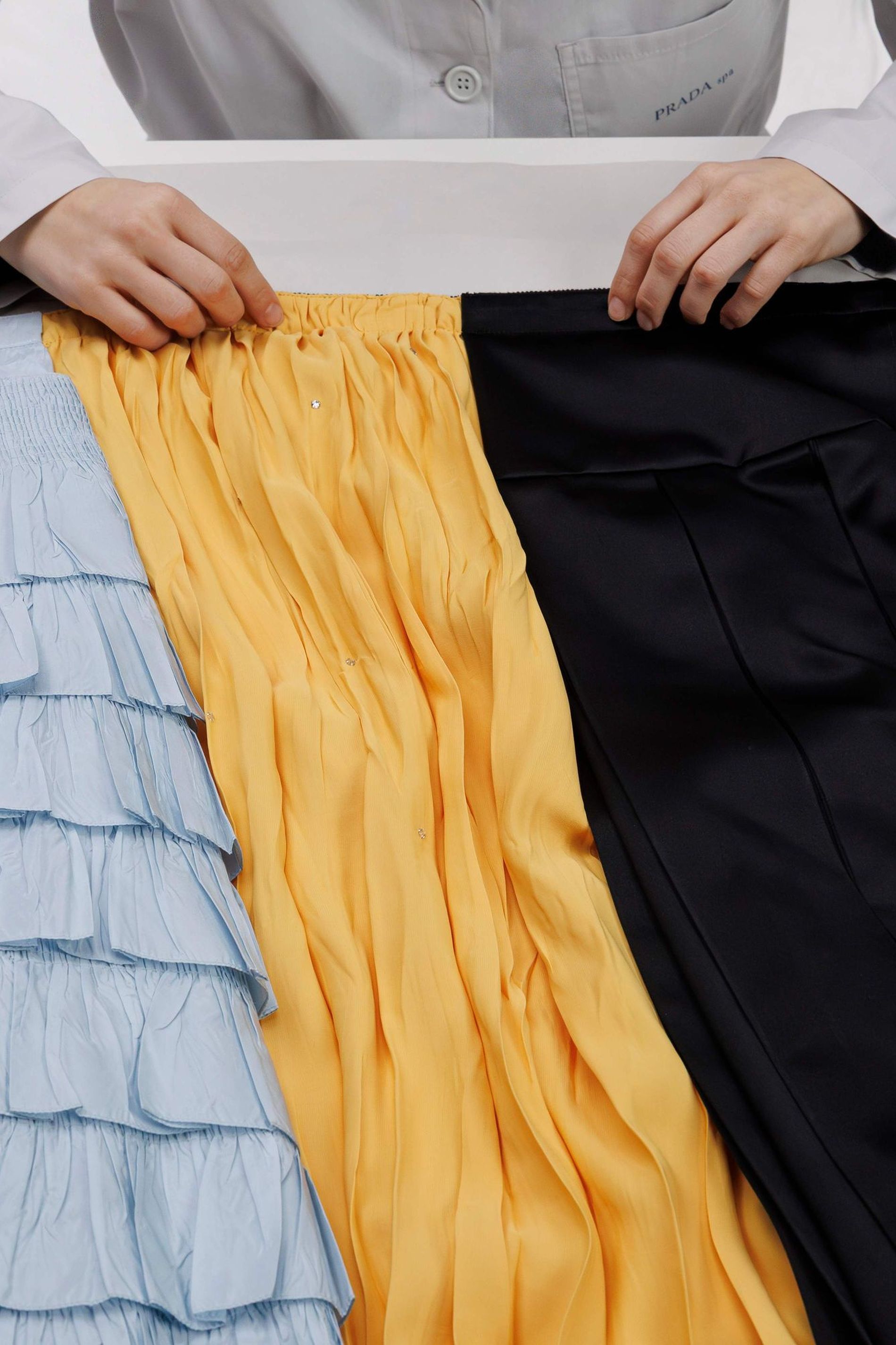
Photo: Courtesy of Prada
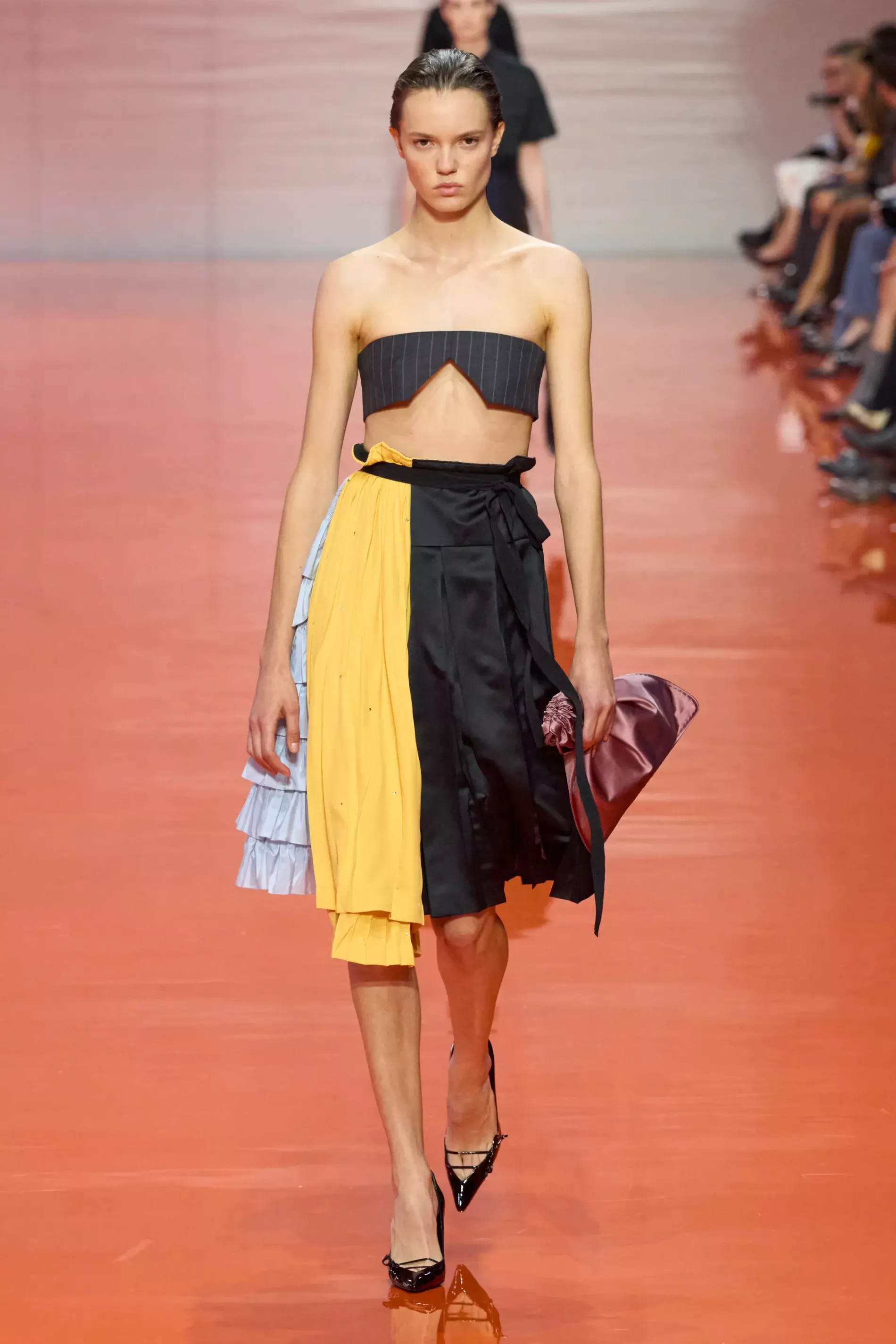
Photo: Prada SS26
Look 8 began, as all Prada garments do, on the mannequin. Developed first through draping before being resolved through extensive pattern cutting, the skirt brings together fabrics with very different weights and behaviours. At the front, a duchesse panel structured with individually formed flat pleats creates a controlled, almost graphic surface. At the sides, embroidered crepe introduces another register entirely: crystals are applied one by one by hand, transforming the textile to catch the light with movement srather than relying on overt embellishments.
The back section introduces volume through a three-tier construction in taffeta. A structural base layer supports successive rows of gathered ruffles, culminating in seven embroidered bands applied by hand. The effect is not simply decorative but architectural, building dimension gradually across the garment. A grosgrain belt defines the waist and stabilises the composition. In total, the skirt required 27 hours of work to complete in the atelier.
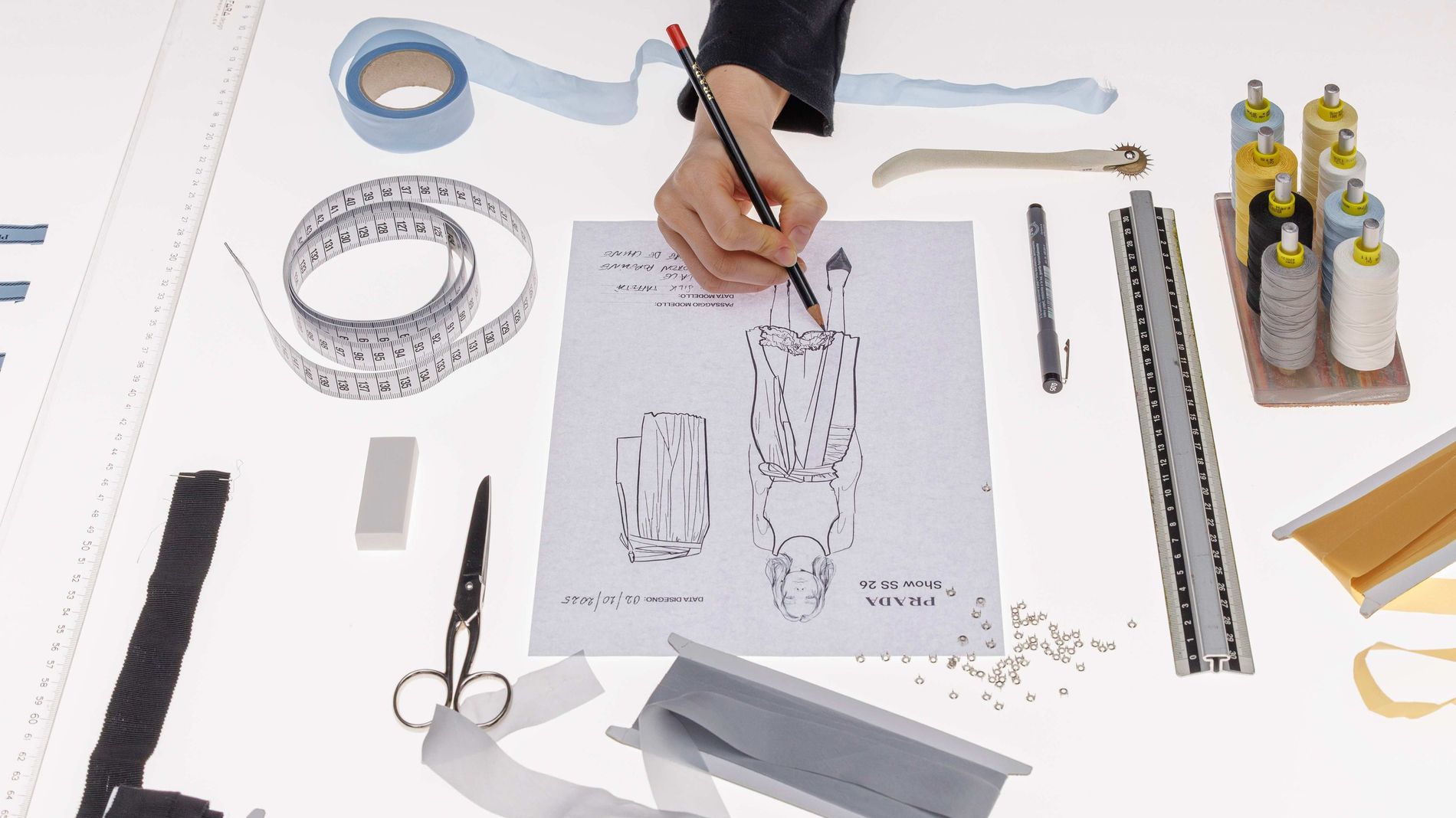
Photo: Courtesy of Prada
Look 36 approaches the same proposition differently, exploring the relationship between lightness and structure across four distinct fabrics. At the front, semi-transparent lace overlays taffeta to introduce depth without weight, while architectural pleats regulate the flare at the hem. Two rows of gathered ruffles, again applied by hand, extend the skirt’s dimensionality while maintaining its line.
Elsewhere, a crepe de Chine back panel introduces softness and continuity, while at the hip a pleated poplin insert is deliberately worked to create an irregular crinkled surface. Each pleat is first topstitched by hand before being pressed into place, producing unexpected geometries that shift subtly as the wearer moves. As with Look 8, a grosgrain waistband acts as a fixed point within an otherwise changing structure. This version required 19 hours of work to complete.
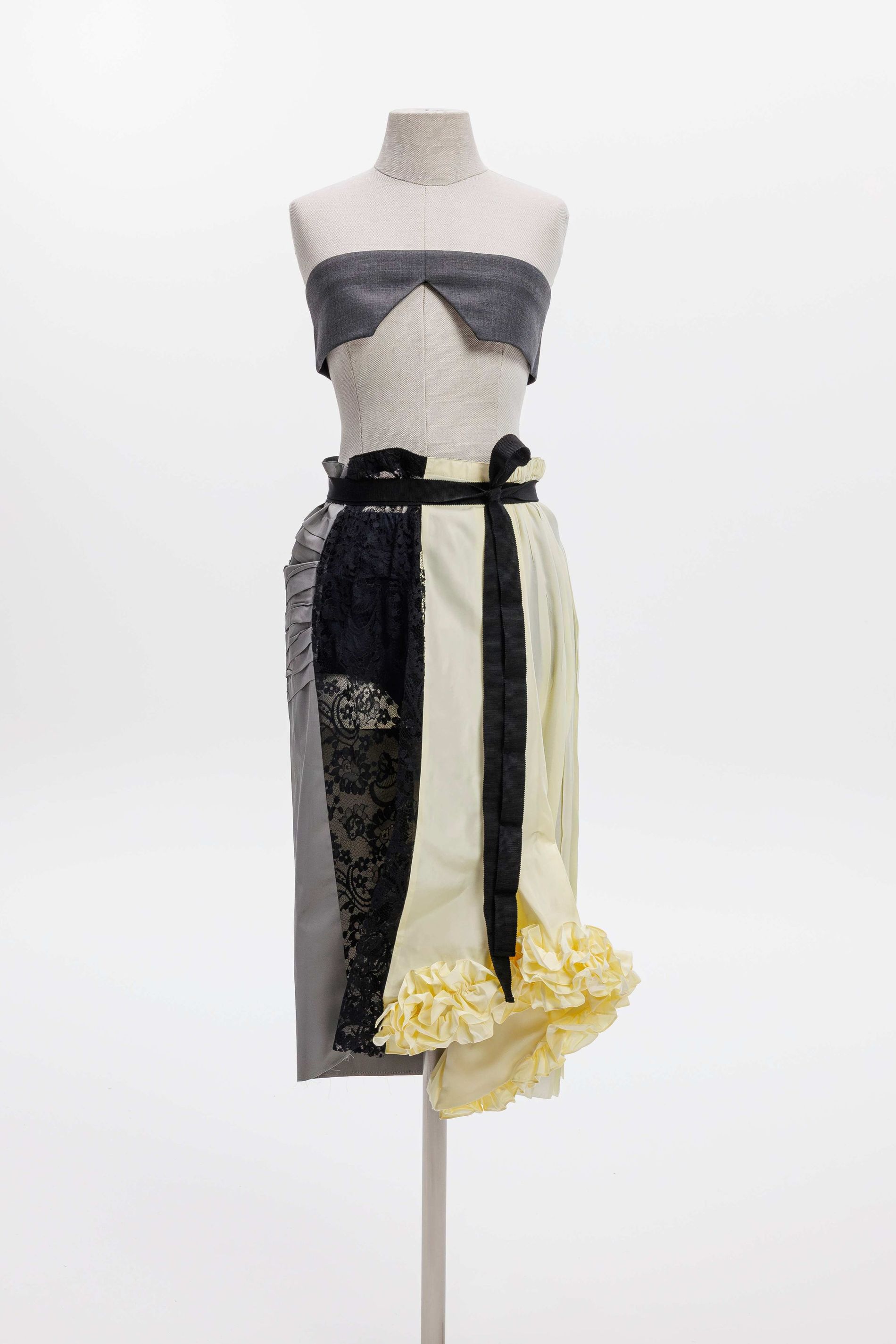
Photo: Courtesy of Prada
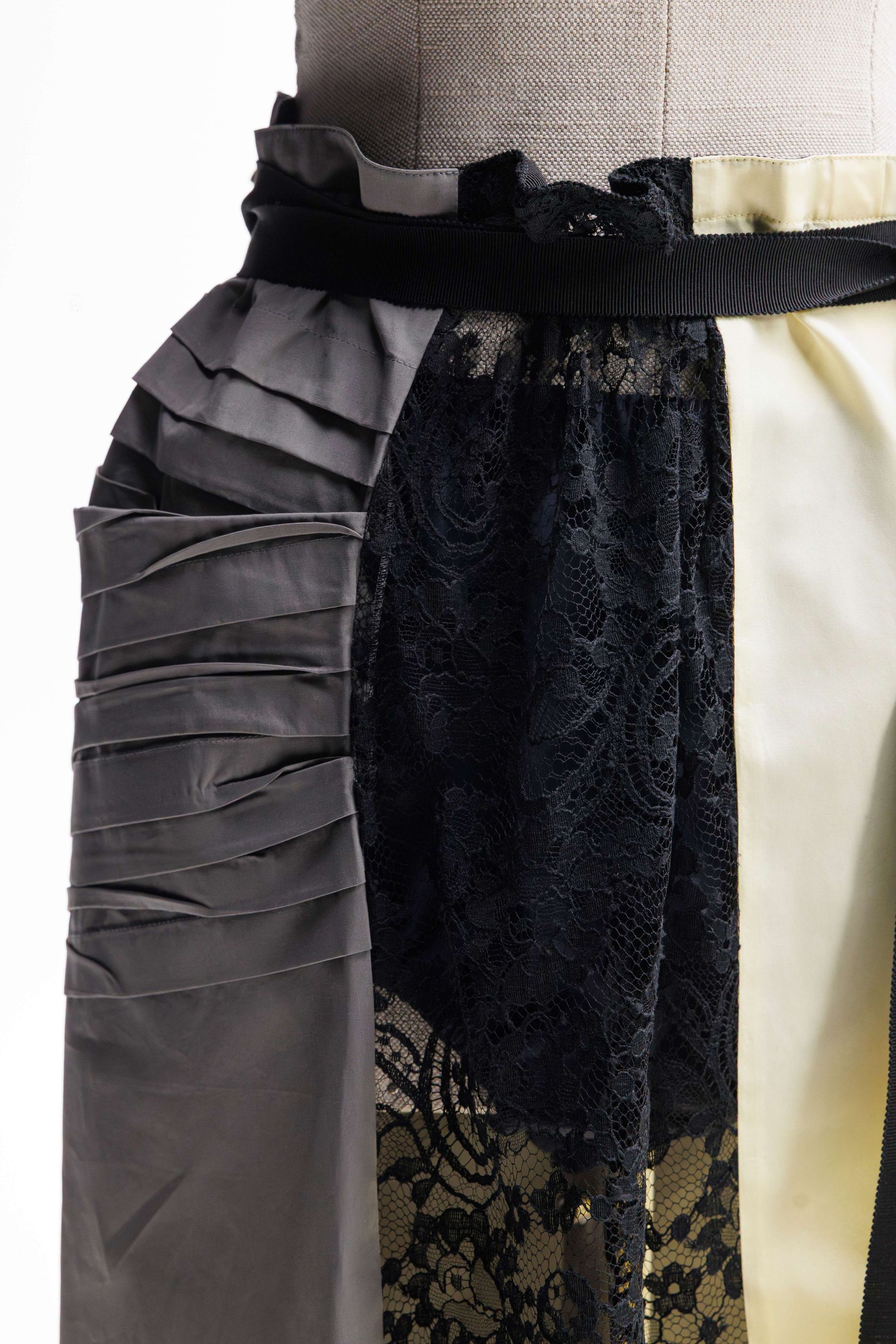
Photo: Courtesy of Prada
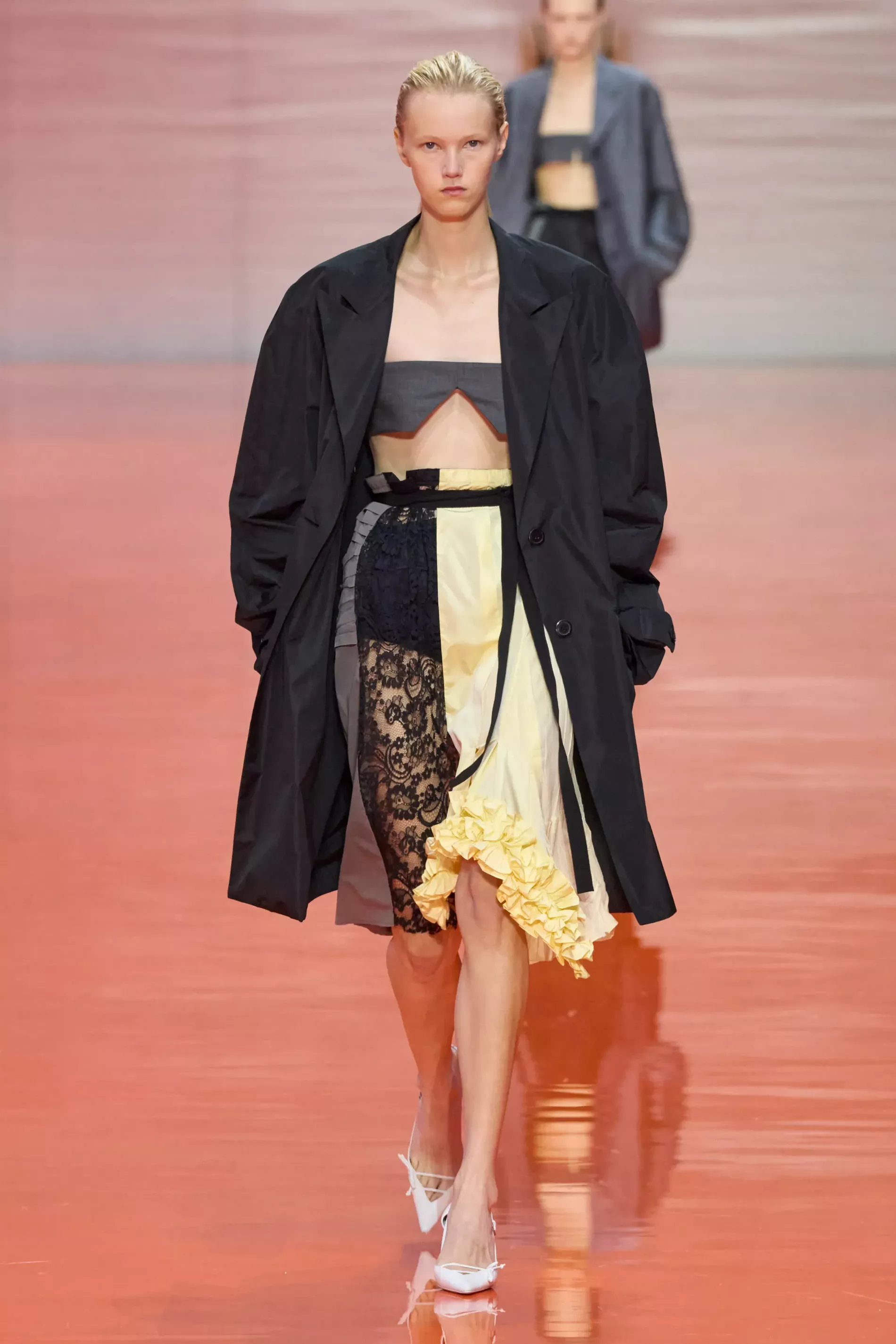
Photo: Prada SS26
Across both pieces, patchwork works less as decoration than as a way of building the garment itself — a familiar Prada approach, where construction becomes a way of changing how a piece is understood over time. Fabrics with different weights, transparencies and movement are combined so they shift together while still keeping their own character. The result is a silhouette that never feels entirely fixed, but instead continues to change as the wearer walks.
Below, see more of the craftsmanship close up within the Prada atelier.
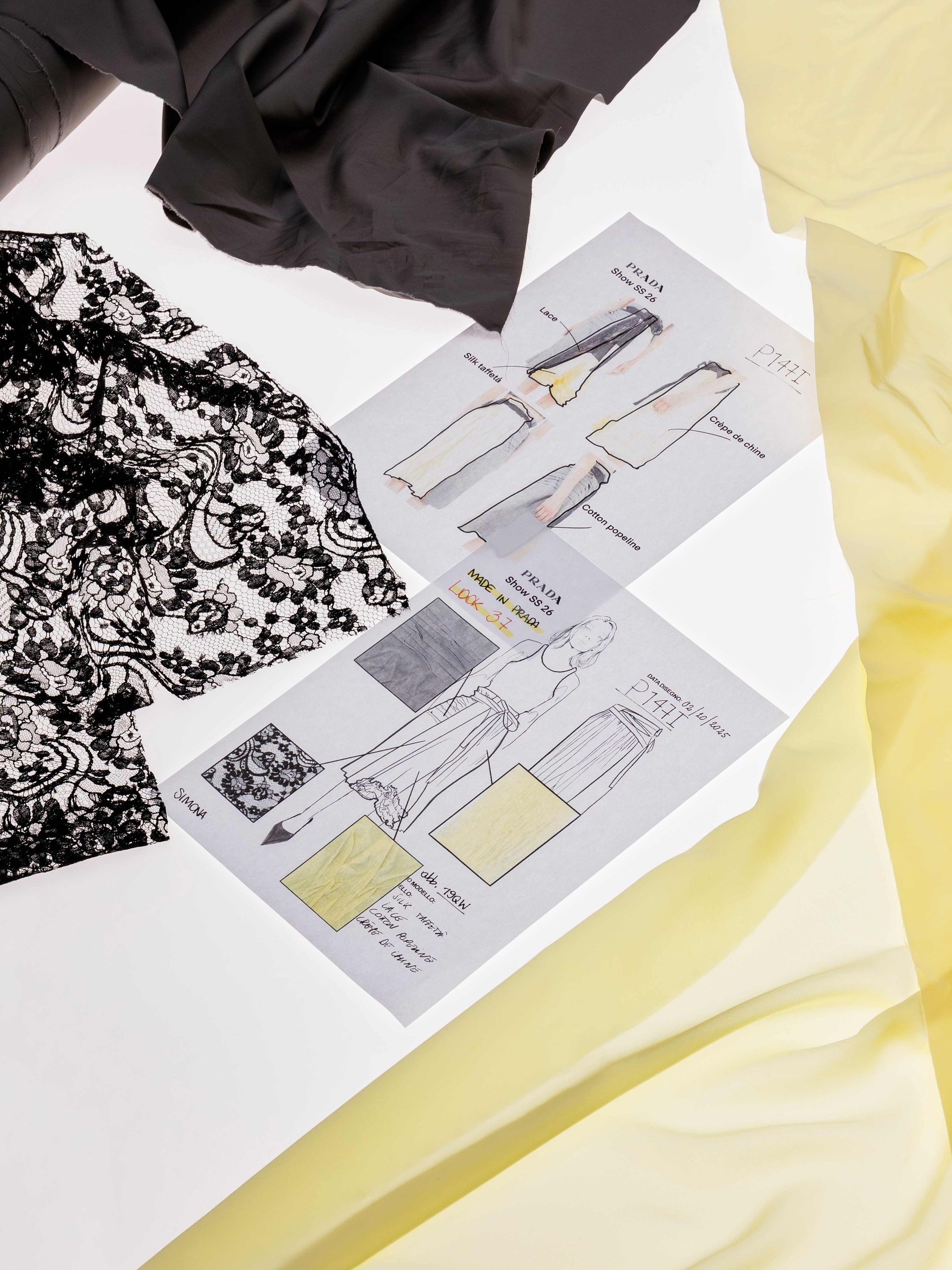
Photo: Courtesy of Prada
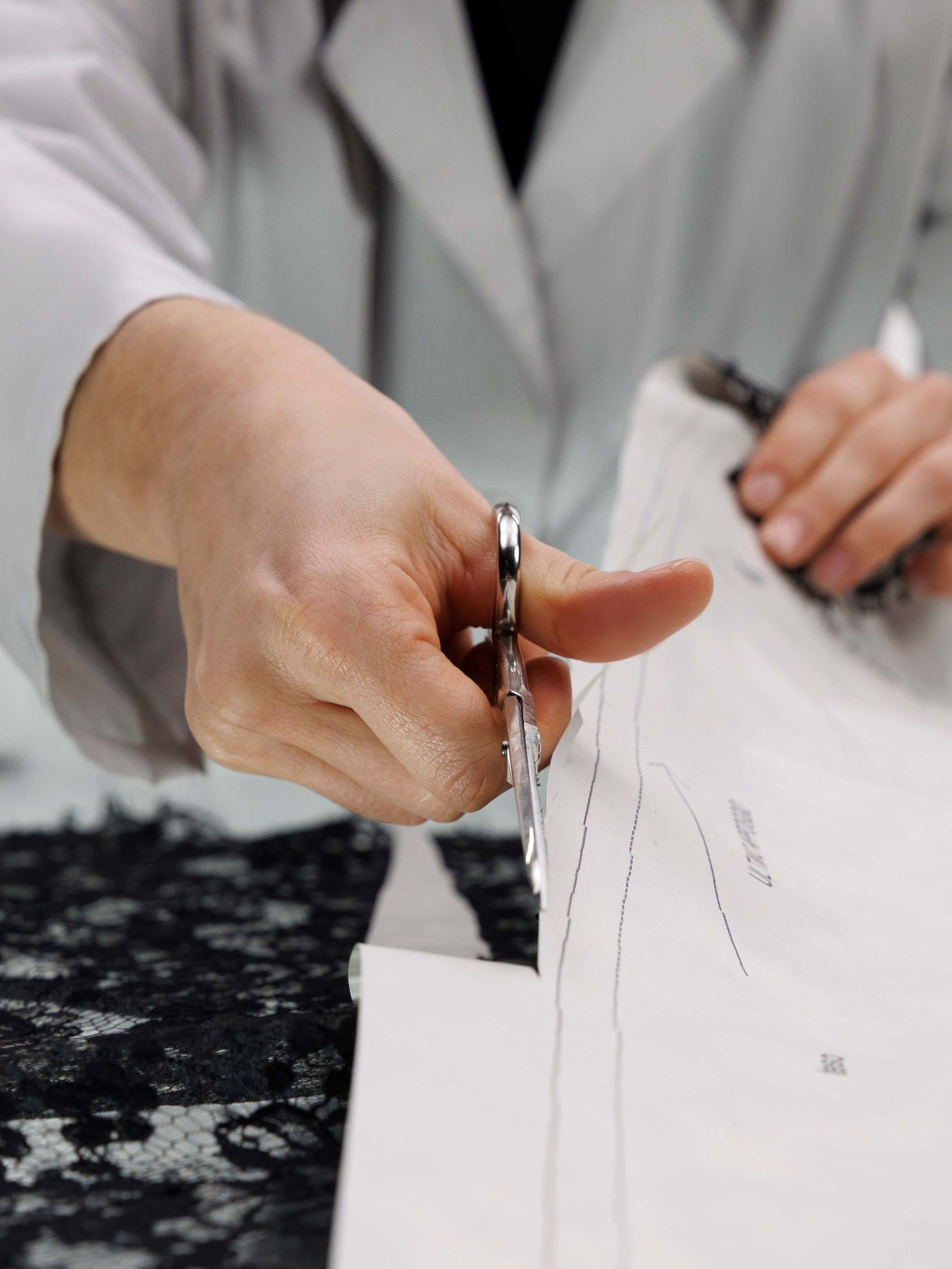
Photo: Courtesy of Prada
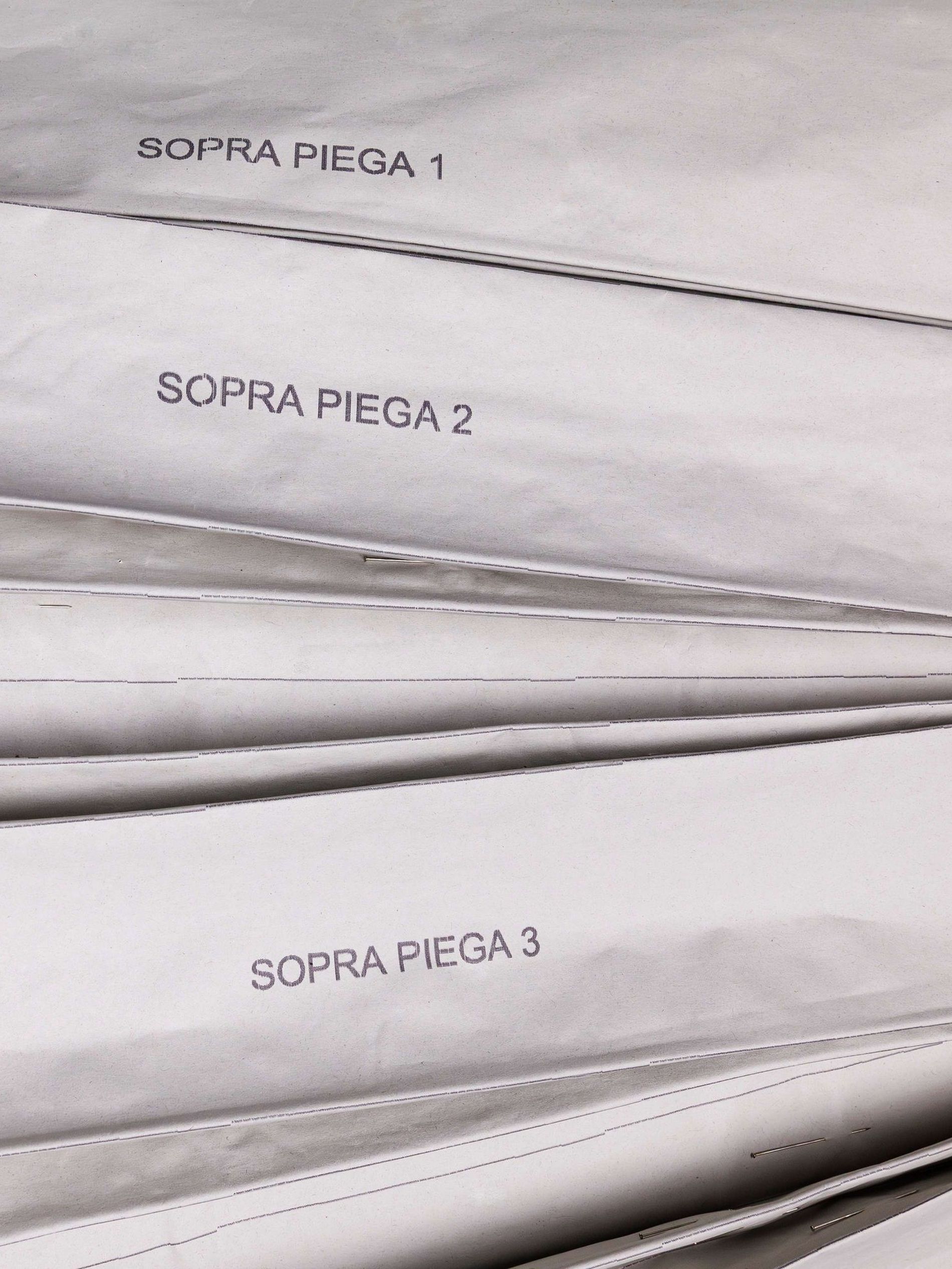
Photo: Courtesy of Prada
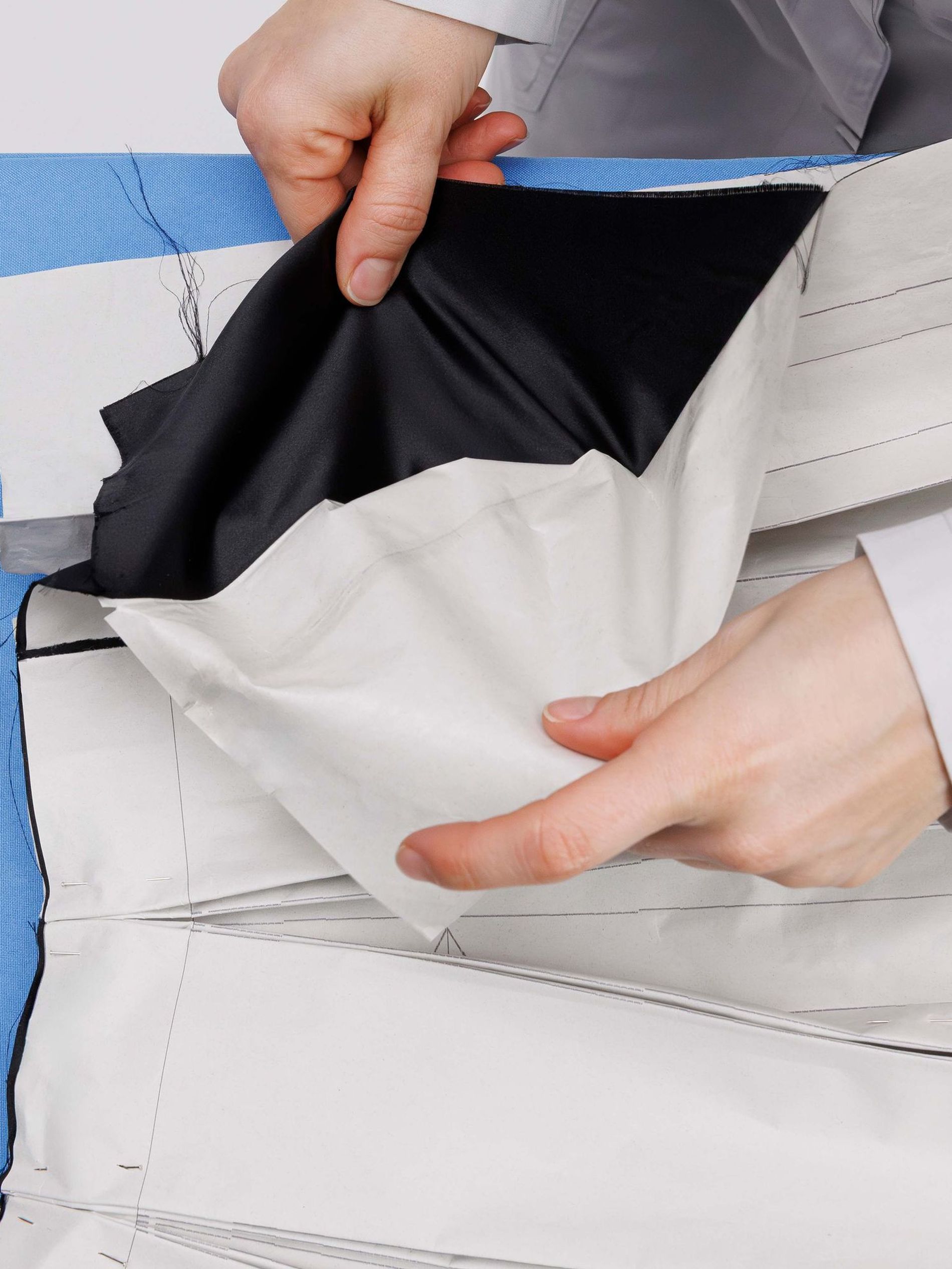
Photo: Courtesy of Prada
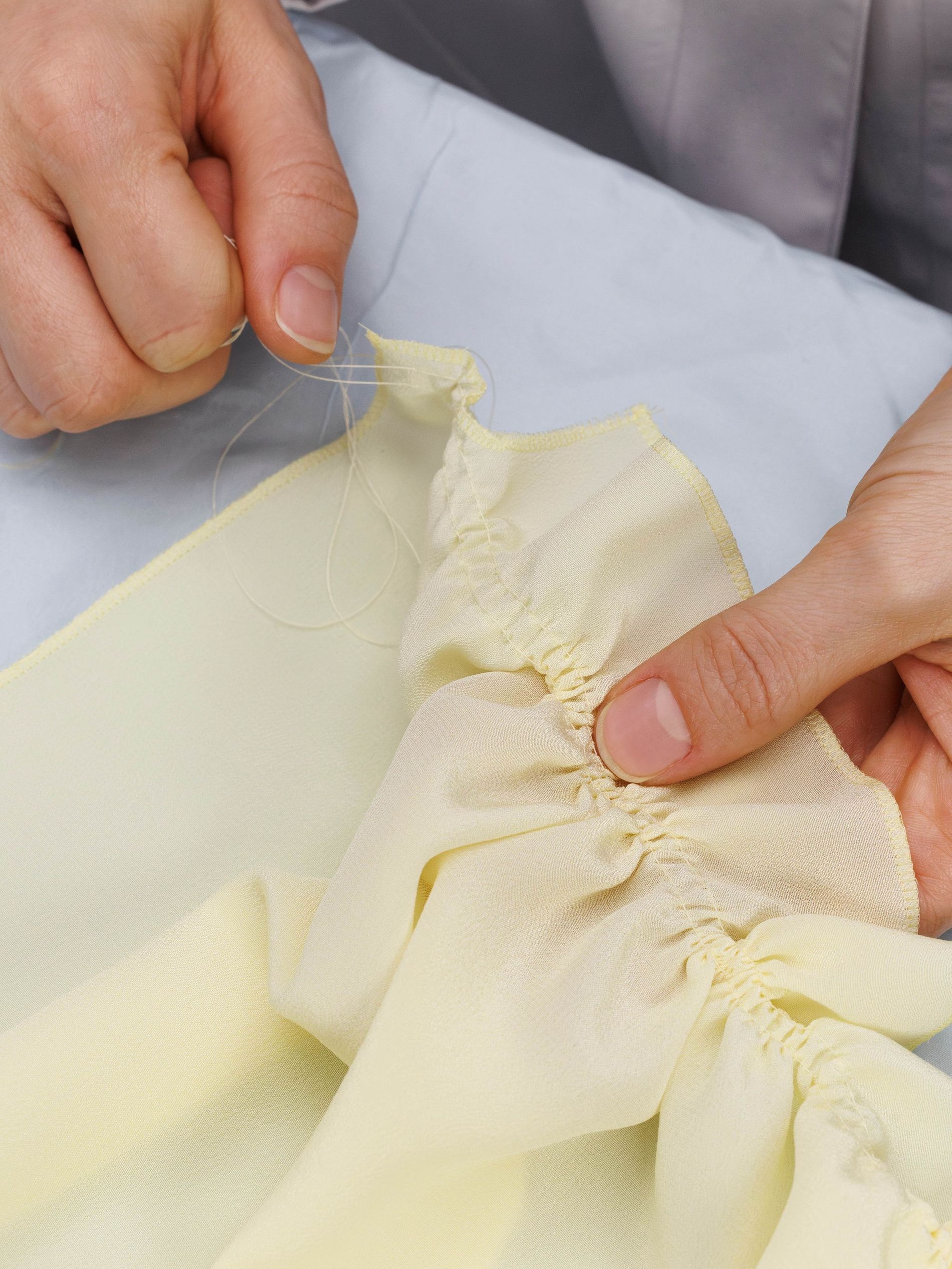
Photo: Courtesy of Prada
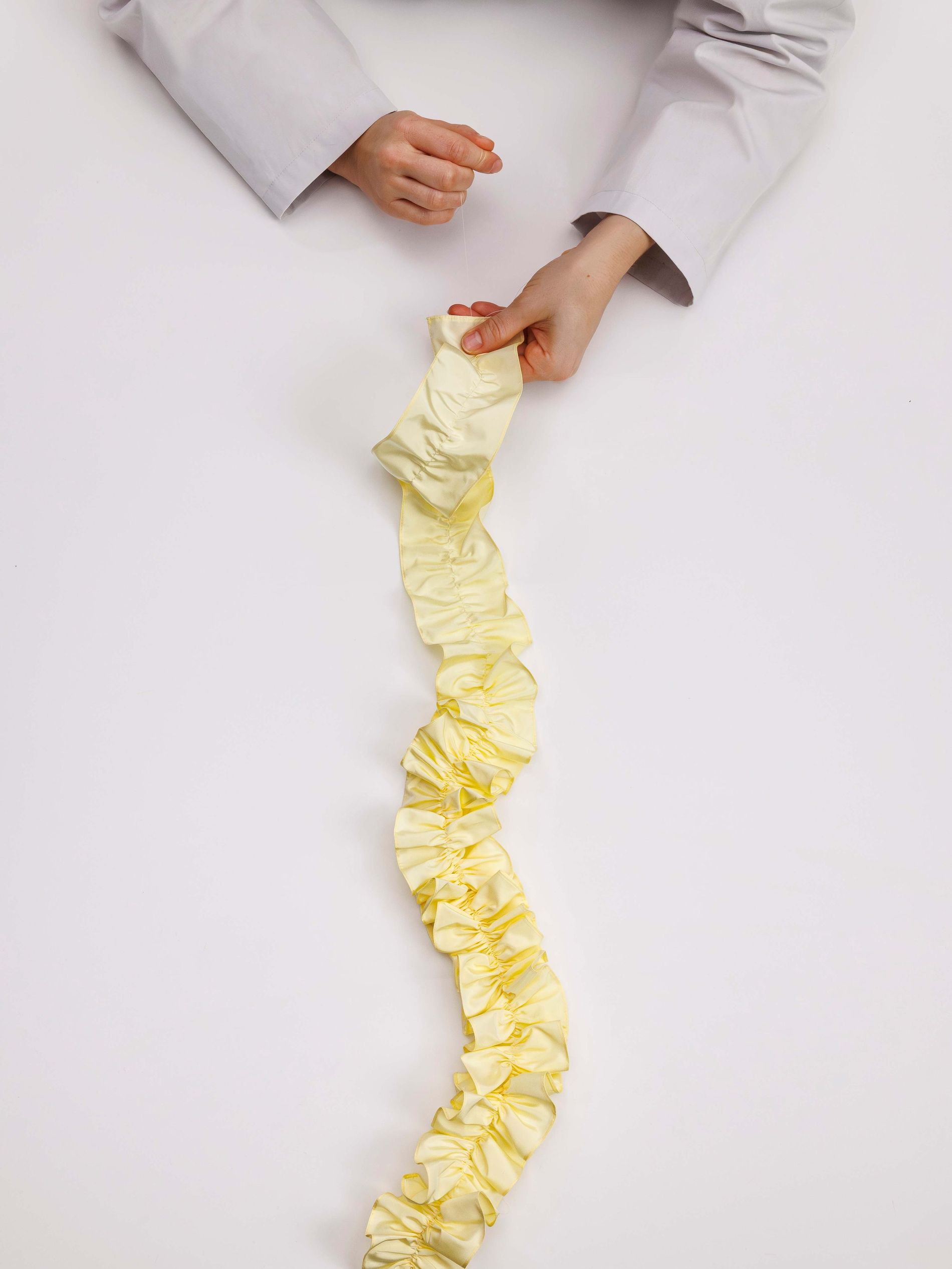
Photo: Courtesy of Prada
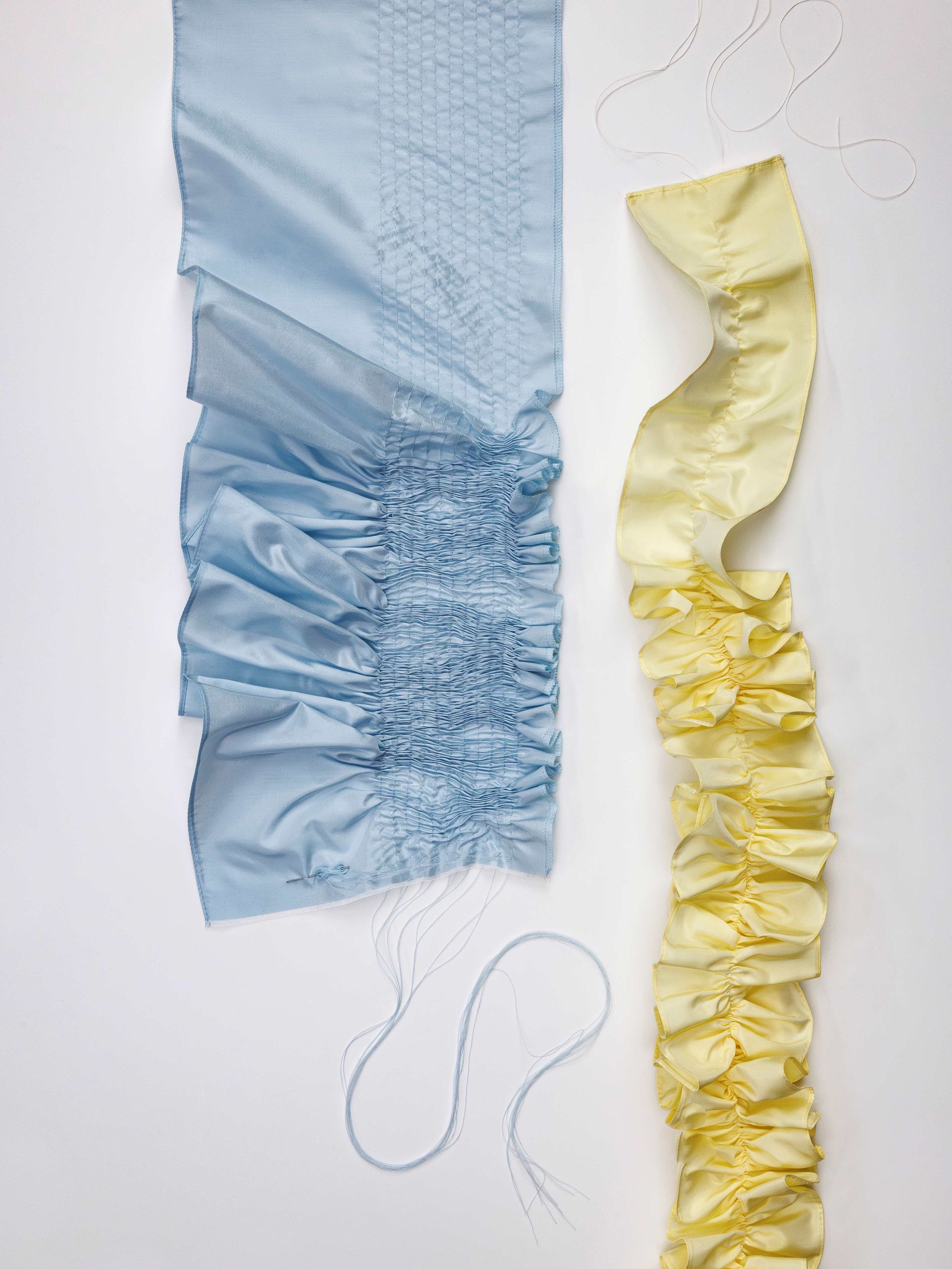
Photo: Courtesy of Prada
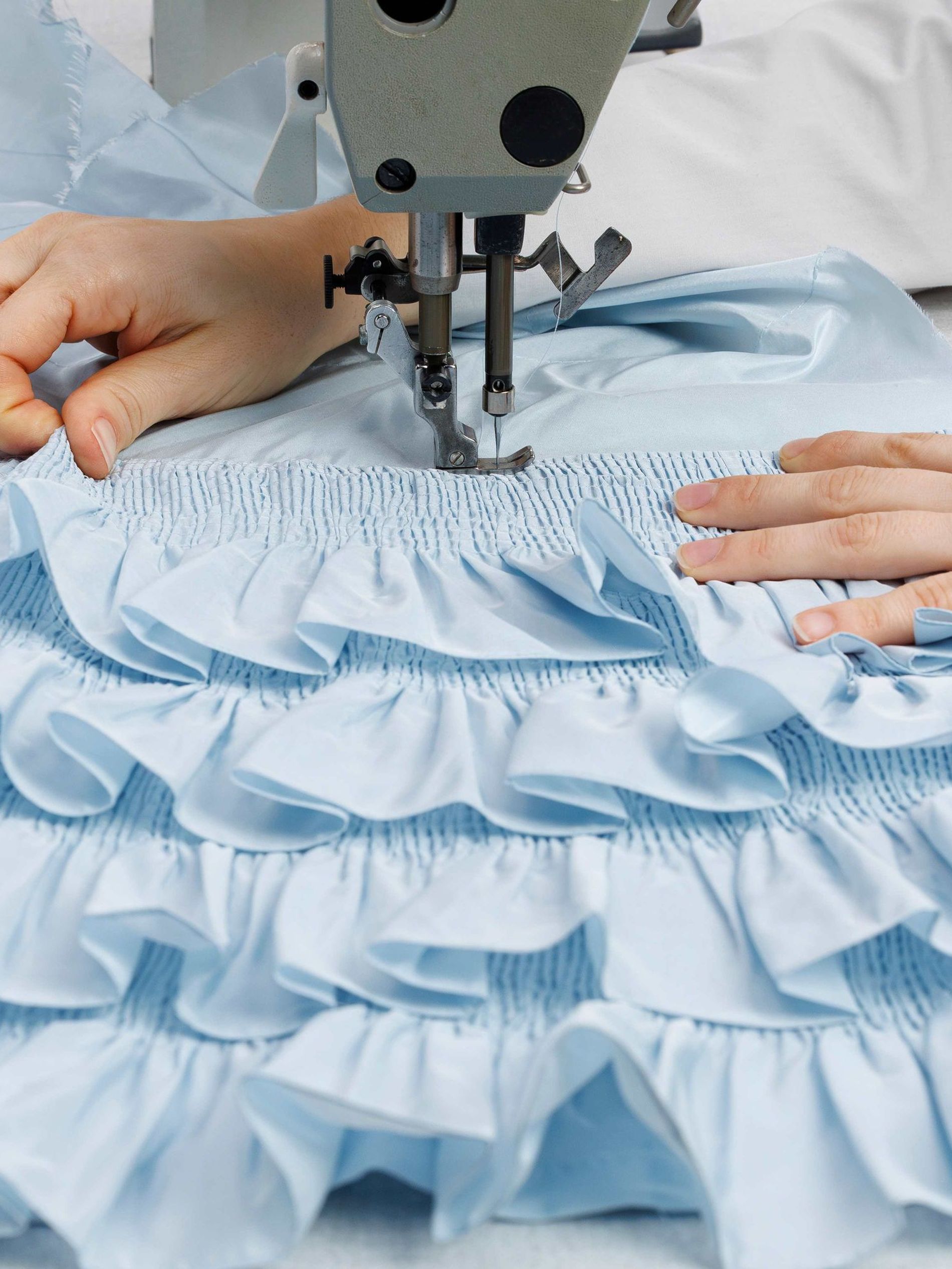
Photo: Courtesy of Prada
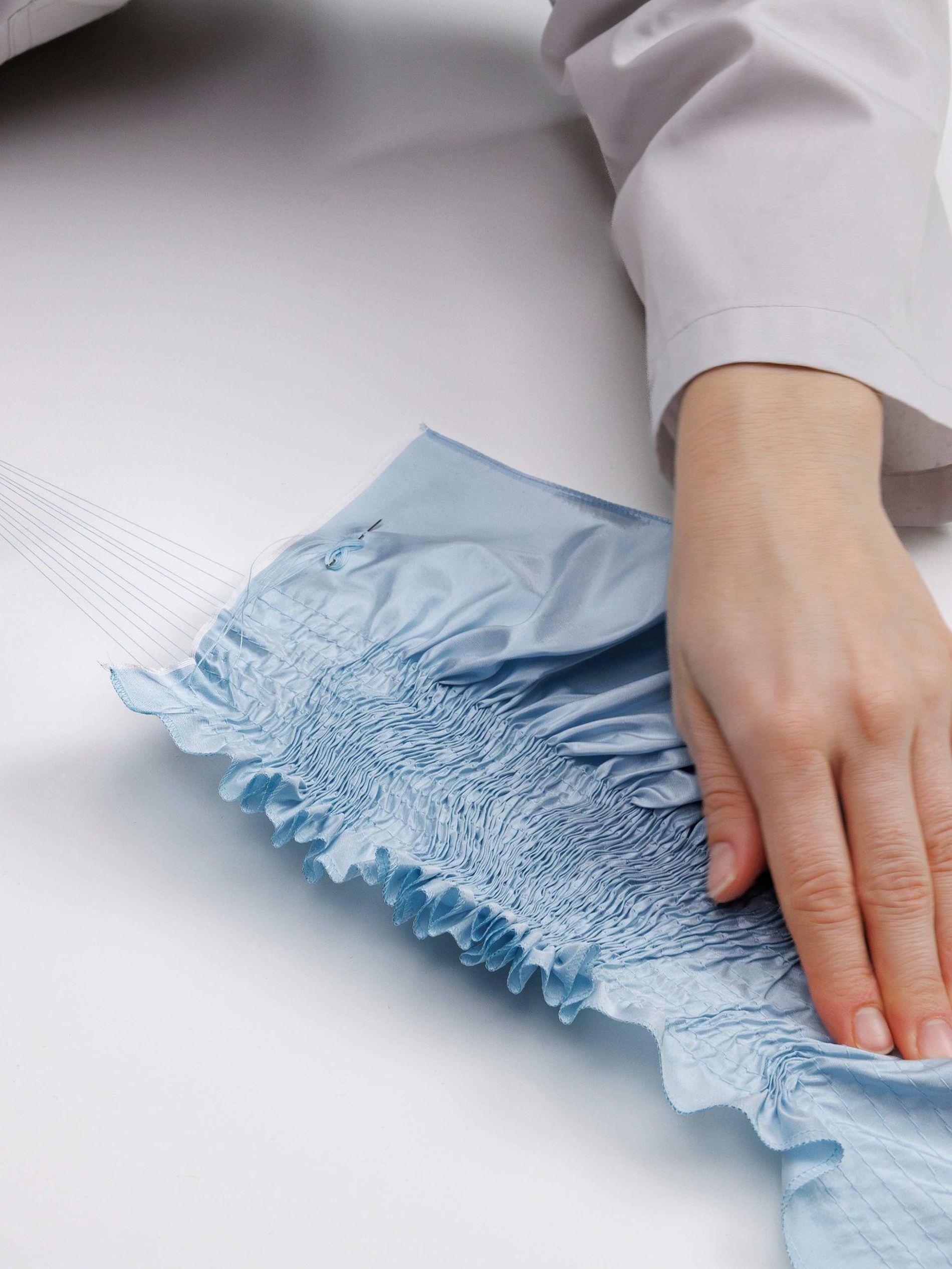
Photo: Courtesy of Prada
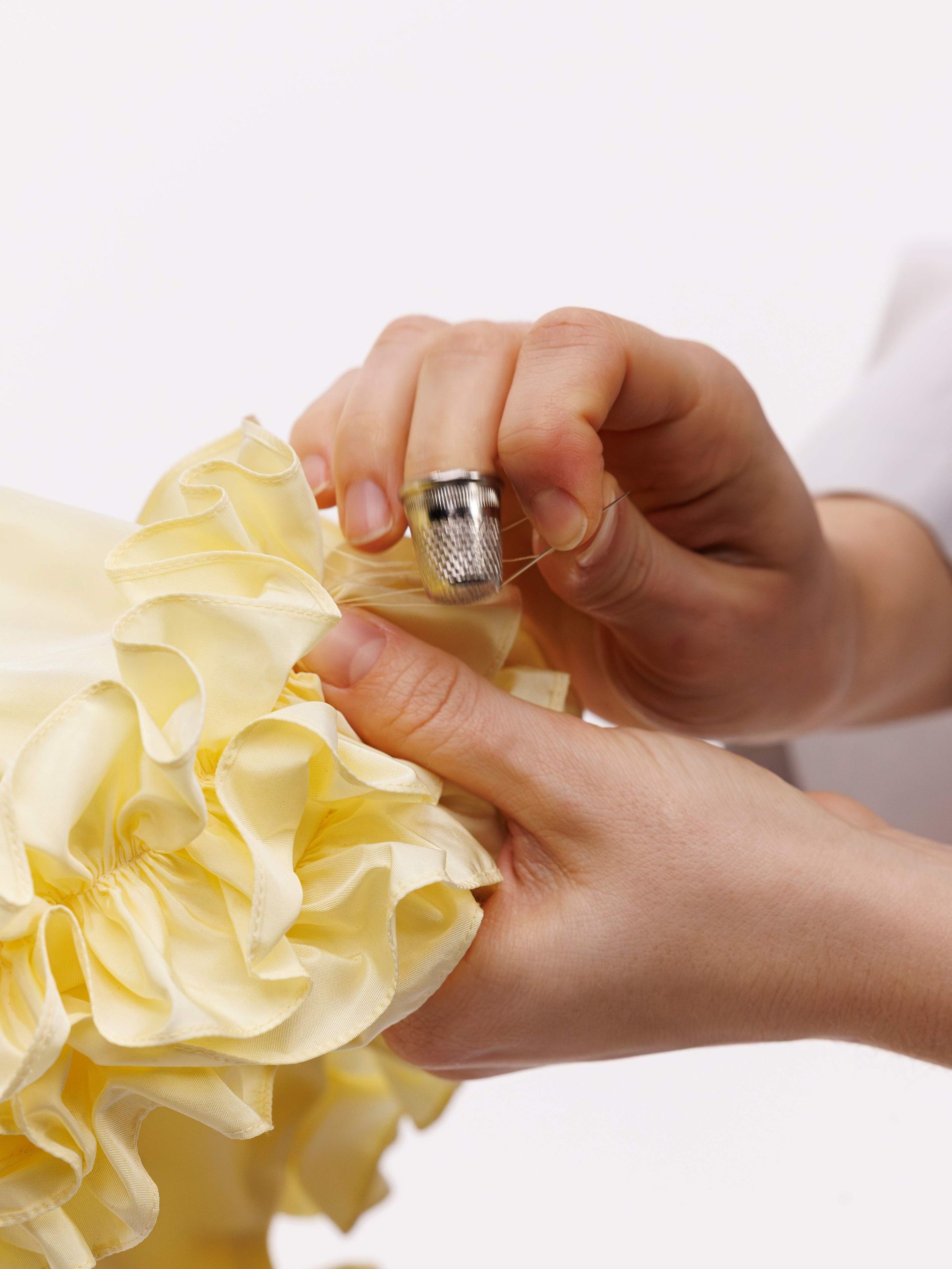
Photo: Courtesy of Prada
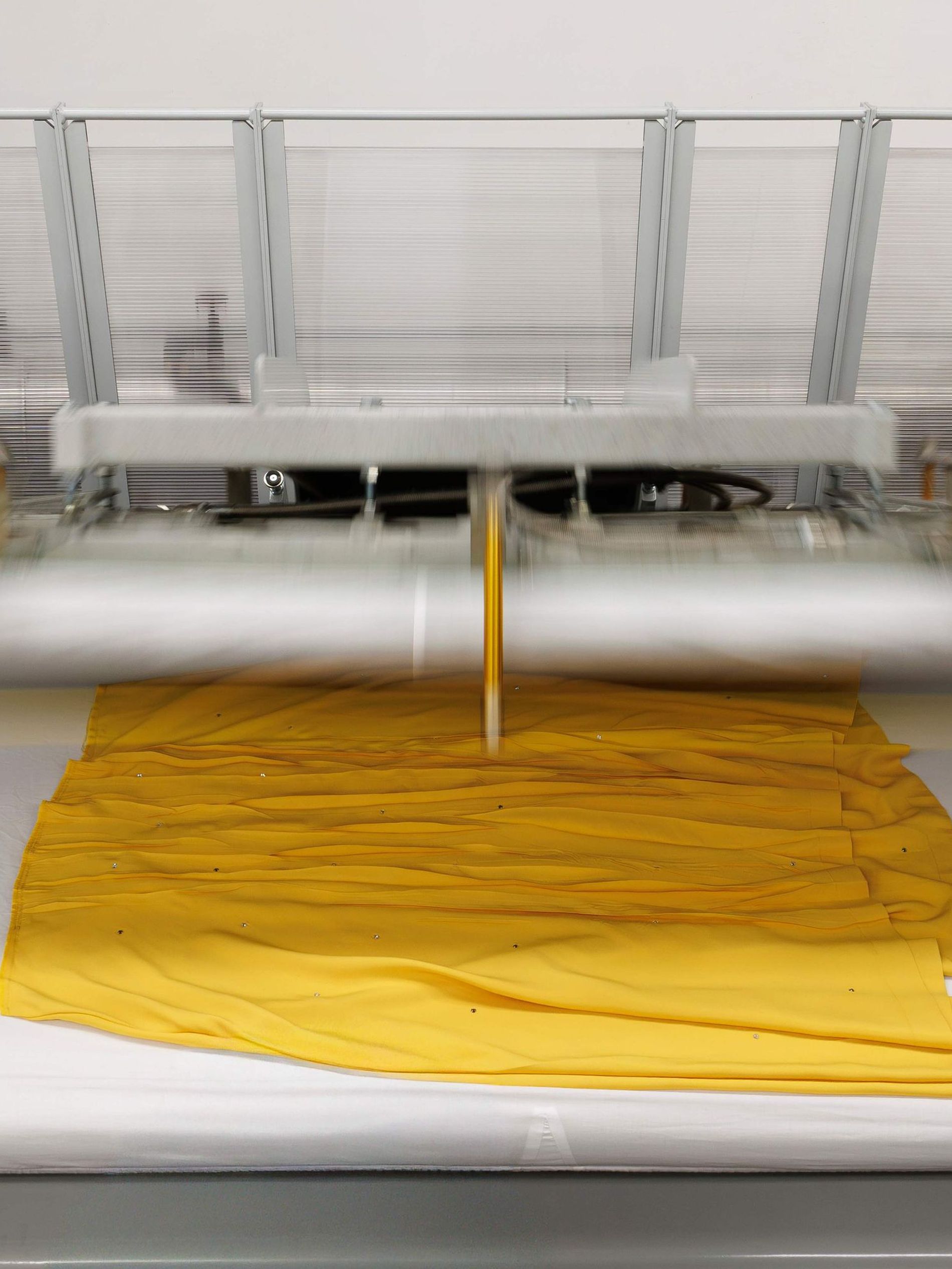
Photo: Courtesy of Prada
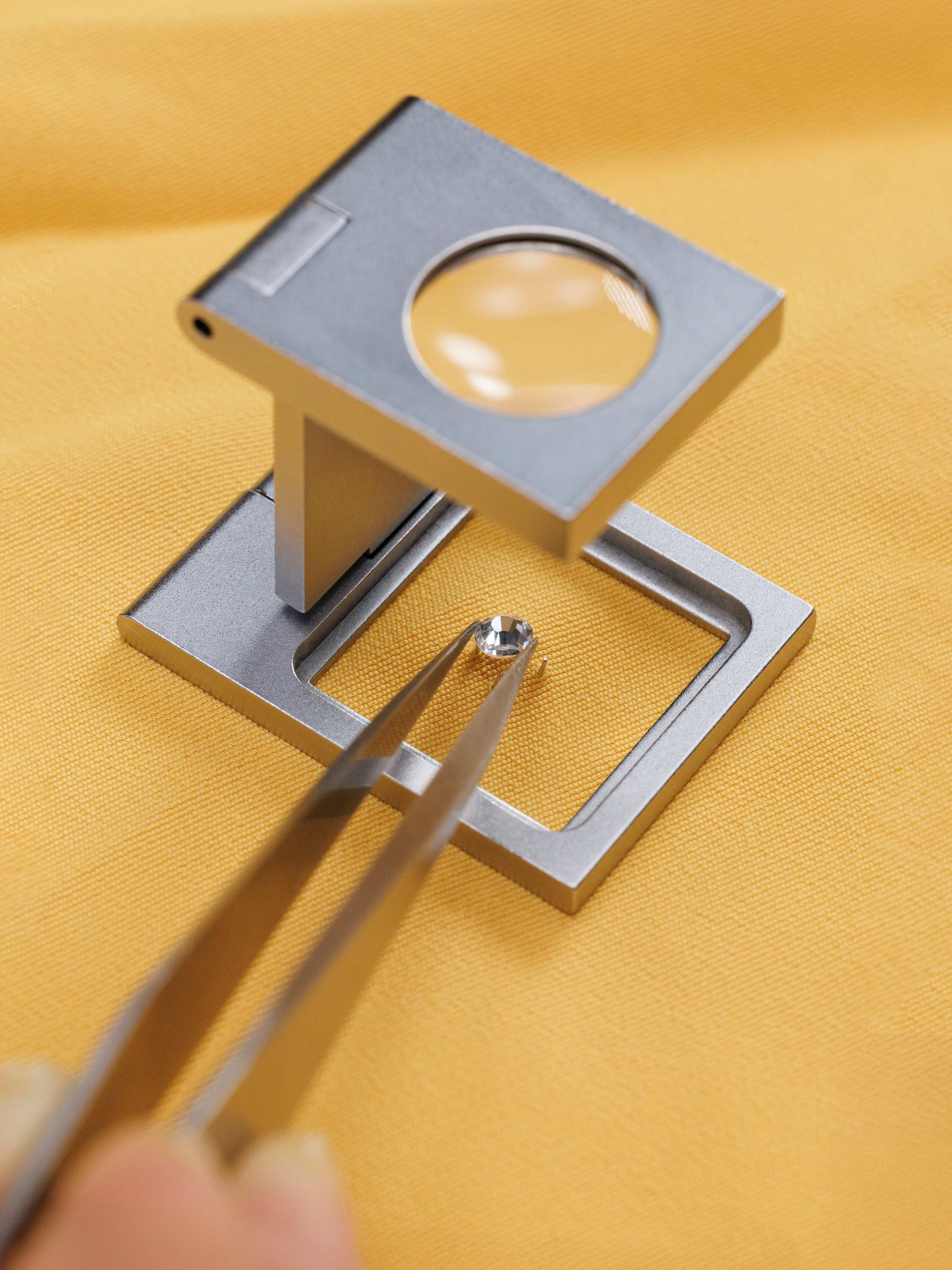
Photo: Courtesy of Prada
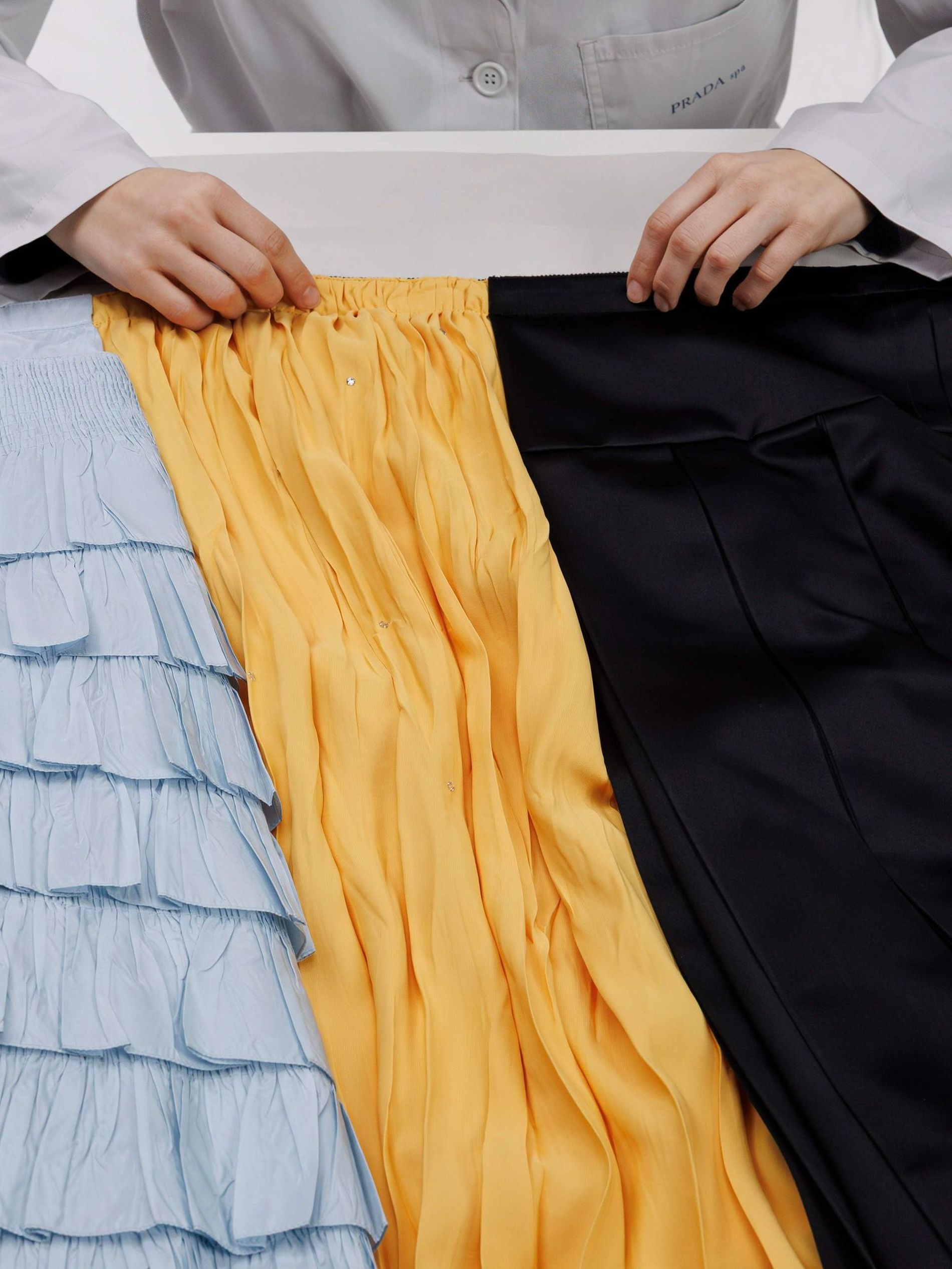
Photo: Courtesy of Prada
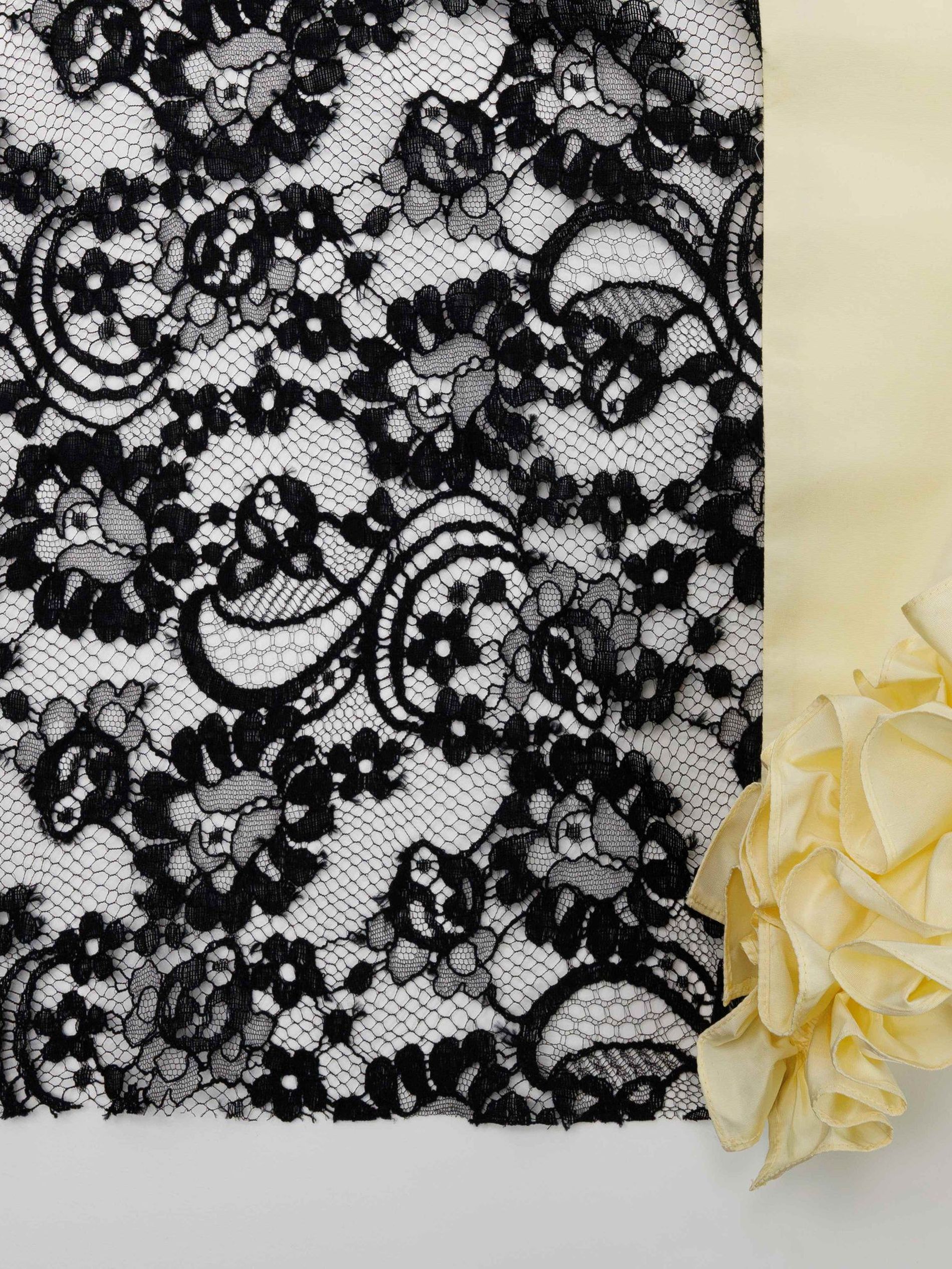
Photo: Courtesy of Prada
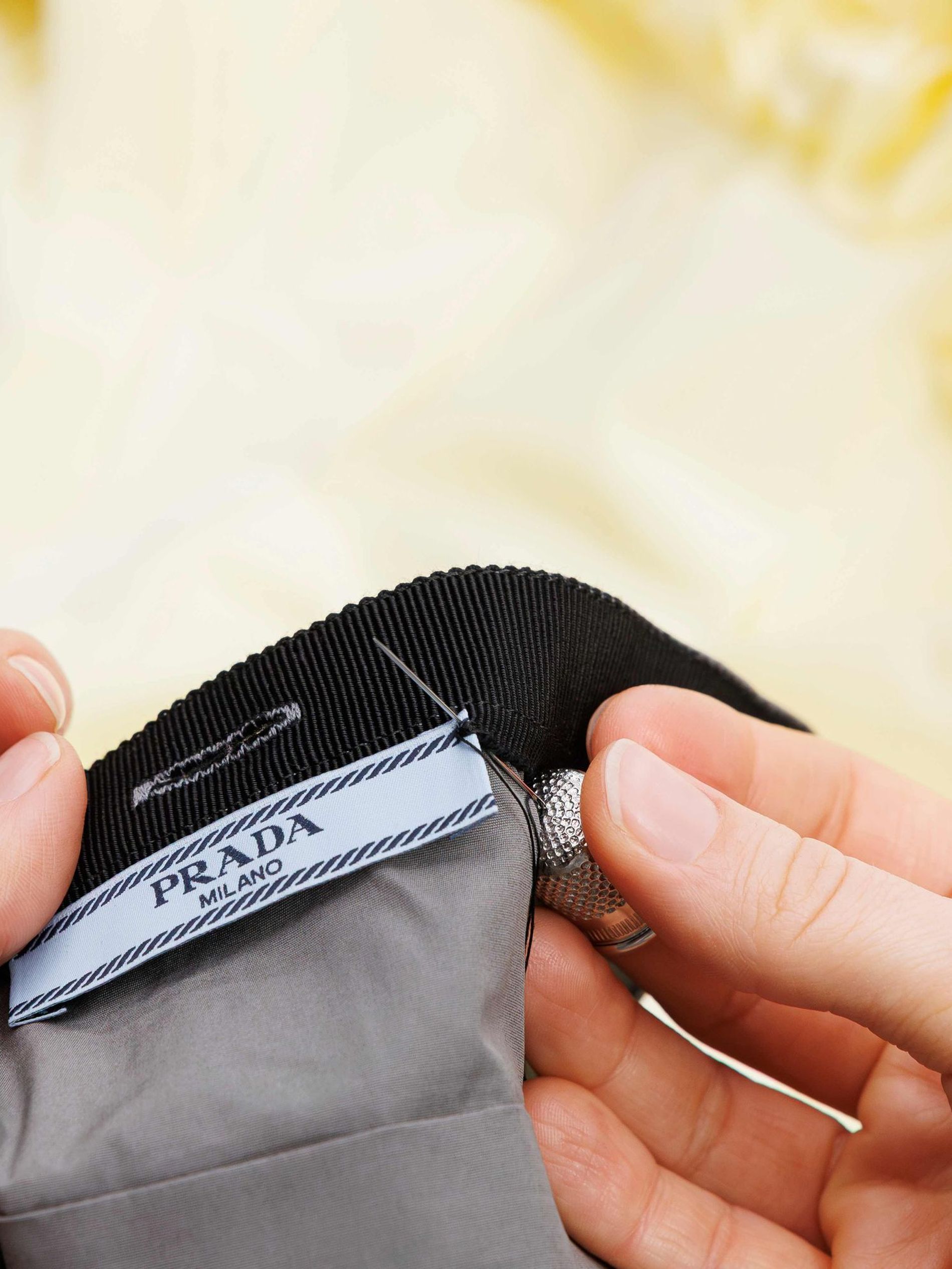
Photo: Courtesy of Prada
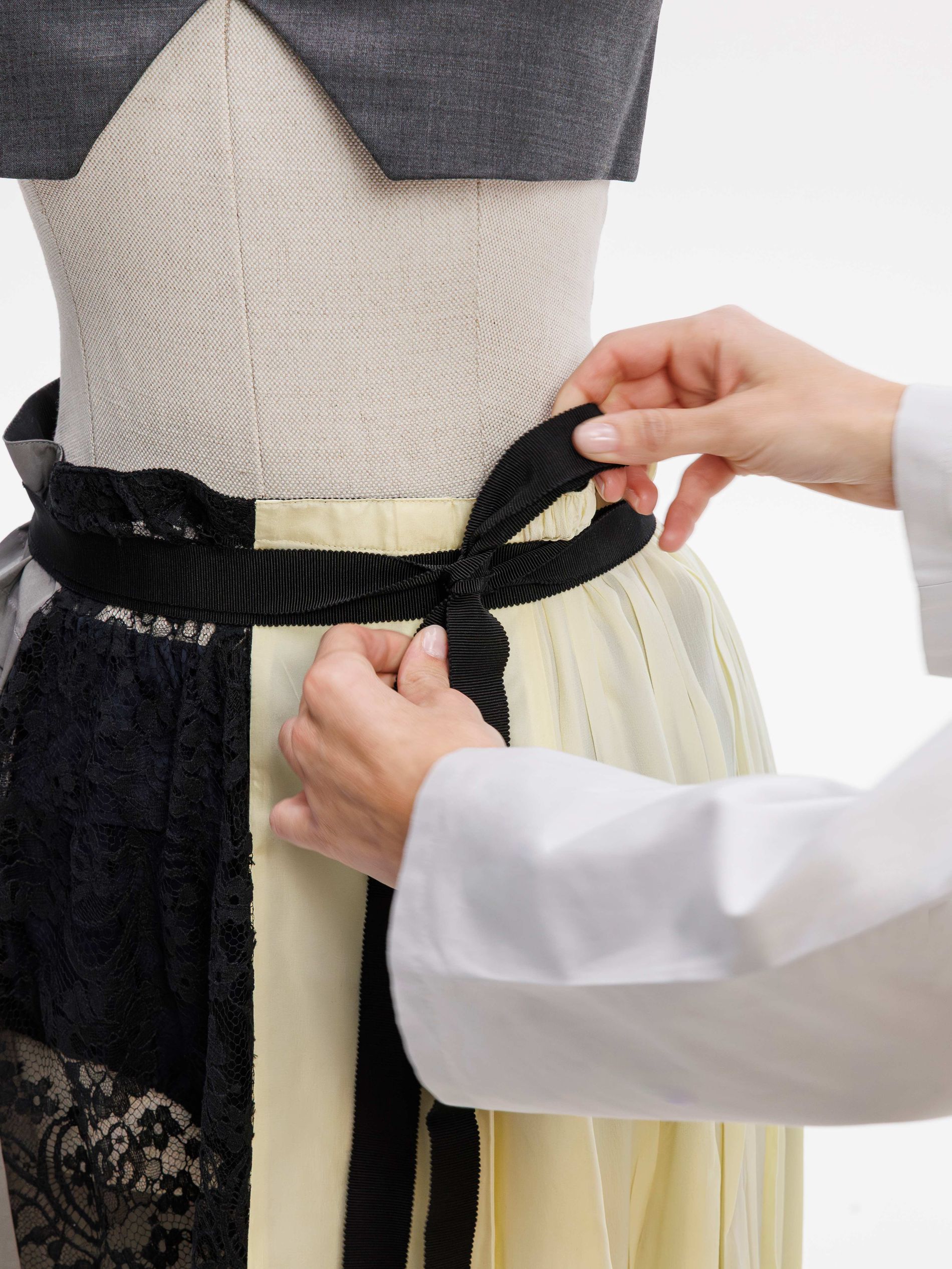
Photo: Courtesy of Prada
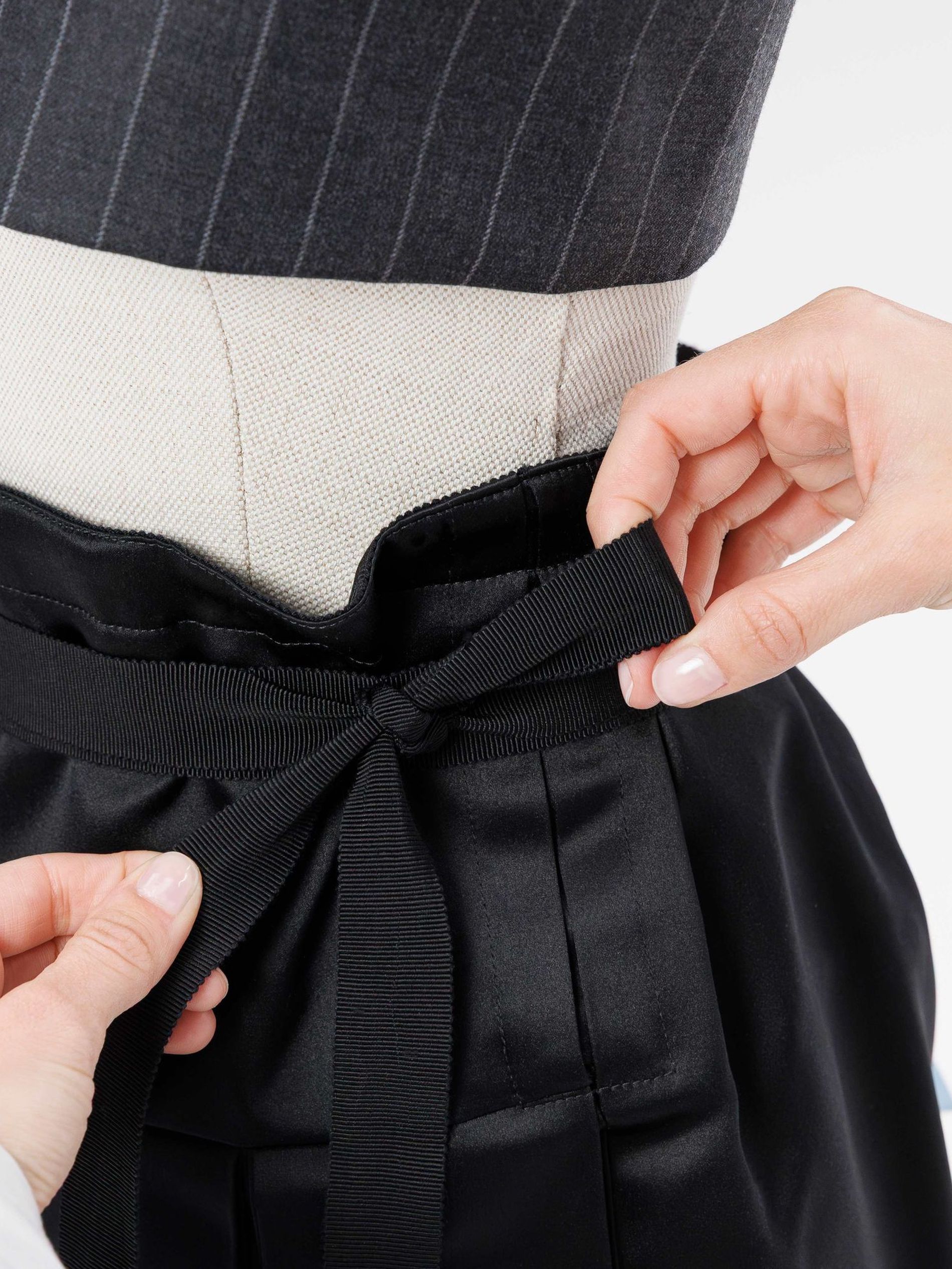
Photo: Courtesy of Prada
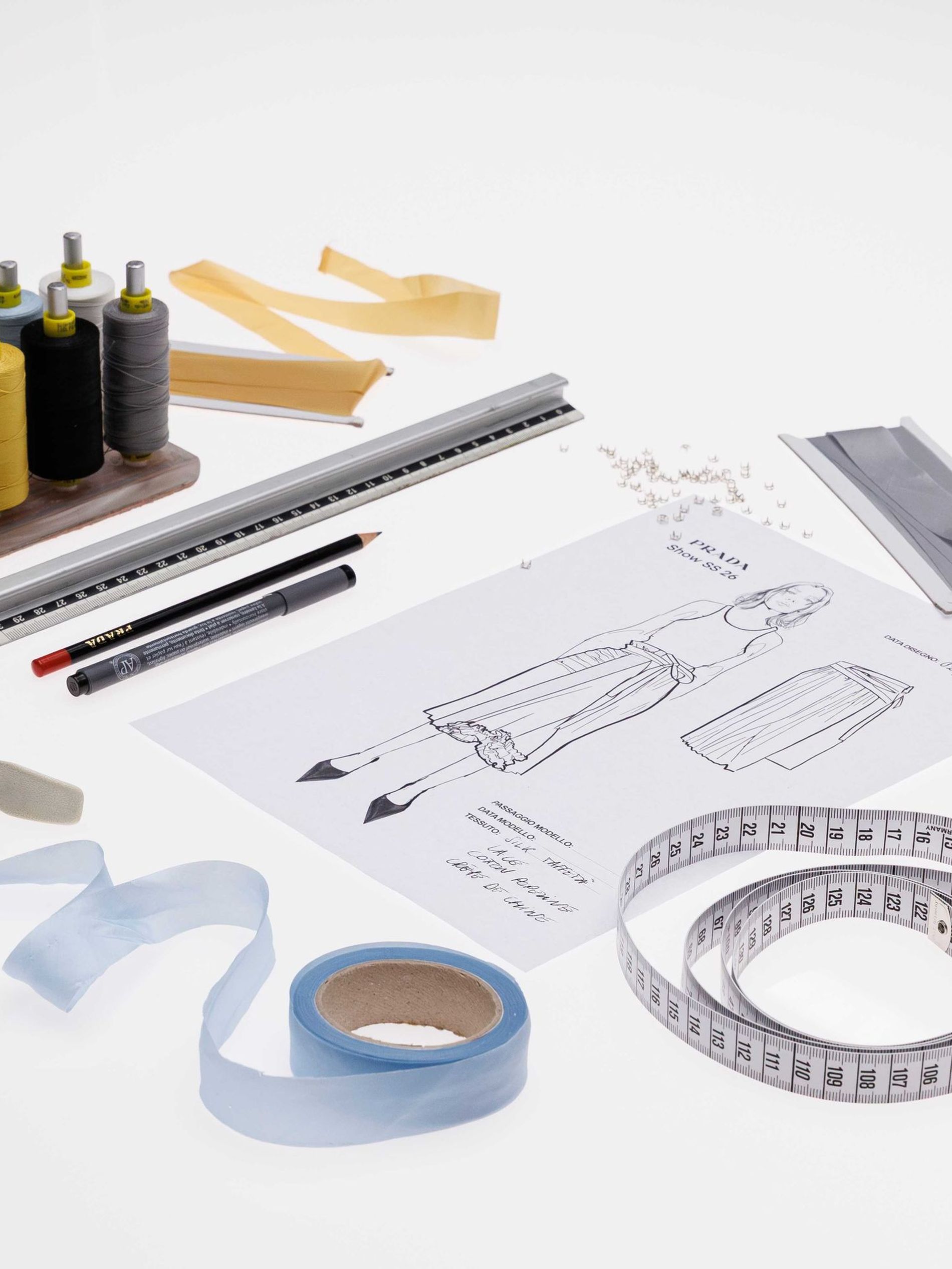
Photo: Courtesy of Prada