
Beauty has spent decades promising to reverse time. Now, one of the world's biggest skincare houses is taking a different approach. After travelling to Paris to experience Lancôme's new longevity philosophy and innovation – including discovering my own skin's biological age – we separate fact from fiction when it comes to longevity's role in the future of beauty
Inside Lancôme's newly transformed Maison de la Longévité on Paris' Champs-Élysées, a beauty advisor presses a small adhesive strip against my cheek, lifting away an invisible layer of skin cells. Minutes later, those cells are analysed using Cell Bioprint technology, producing a number I'd never previously considered: my skin's visible biological age. Unlike the number on my passport, this age has the potential to change.
It's a fitting introduction to a concept that has become one of beauty's biggest buzzwords: longevity. Longevity is everywhere, splashed across wellness podcasts, luxury spas and social media feeds, often accompanied by promises of slowing, reversing or even hacking the ageing process. But after three days in Paris with Lancôme's scientists, physicians and researchers, it becomes clear that much of what we think we know about longevity isn't as it should be. Rather than asking how to erase wrinkles once they've appeared, the conversation has shifted towards a far more fundamental question: how can we function at our best for longer?
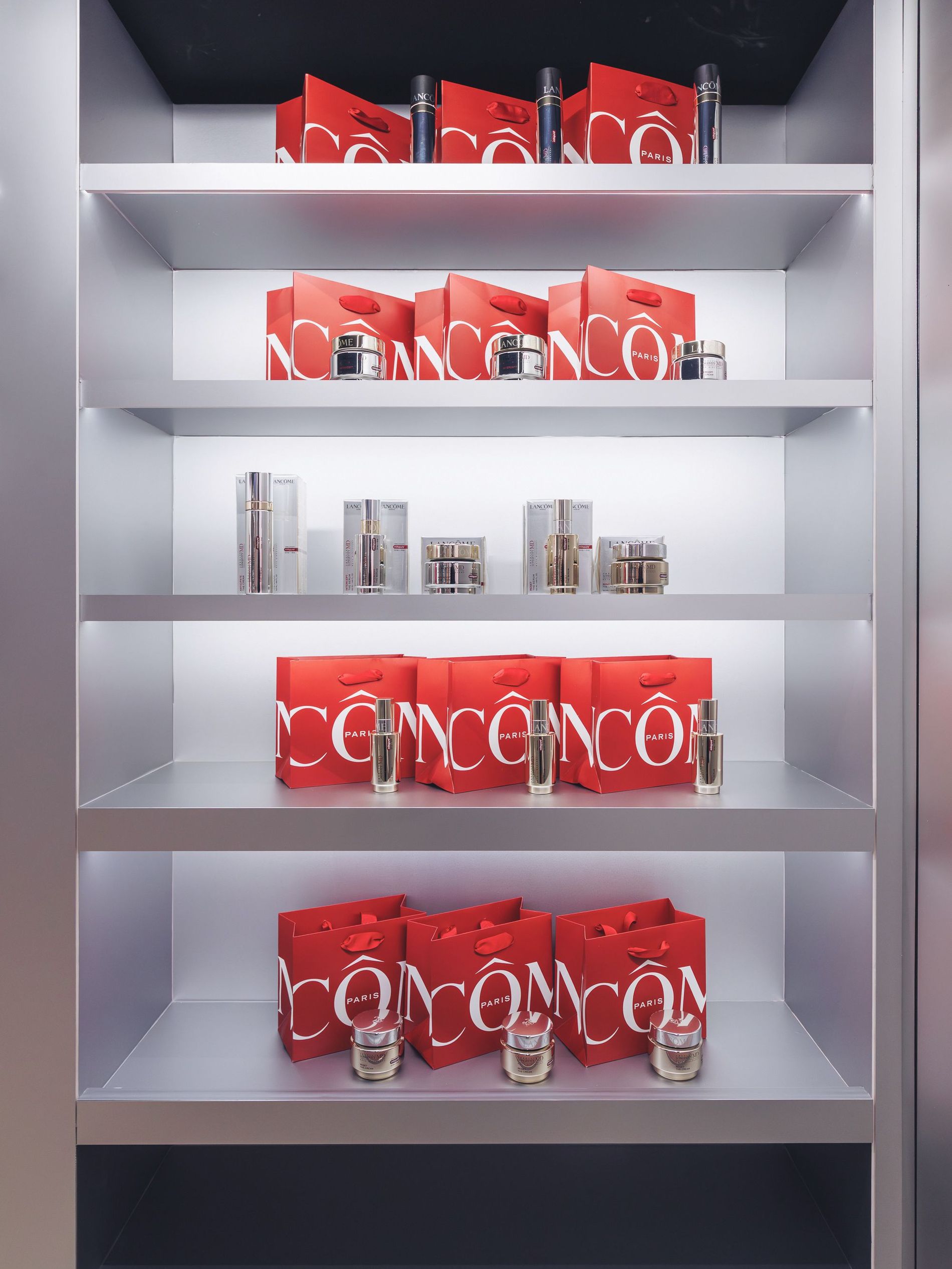
Photo: Stephane Sby Balmy
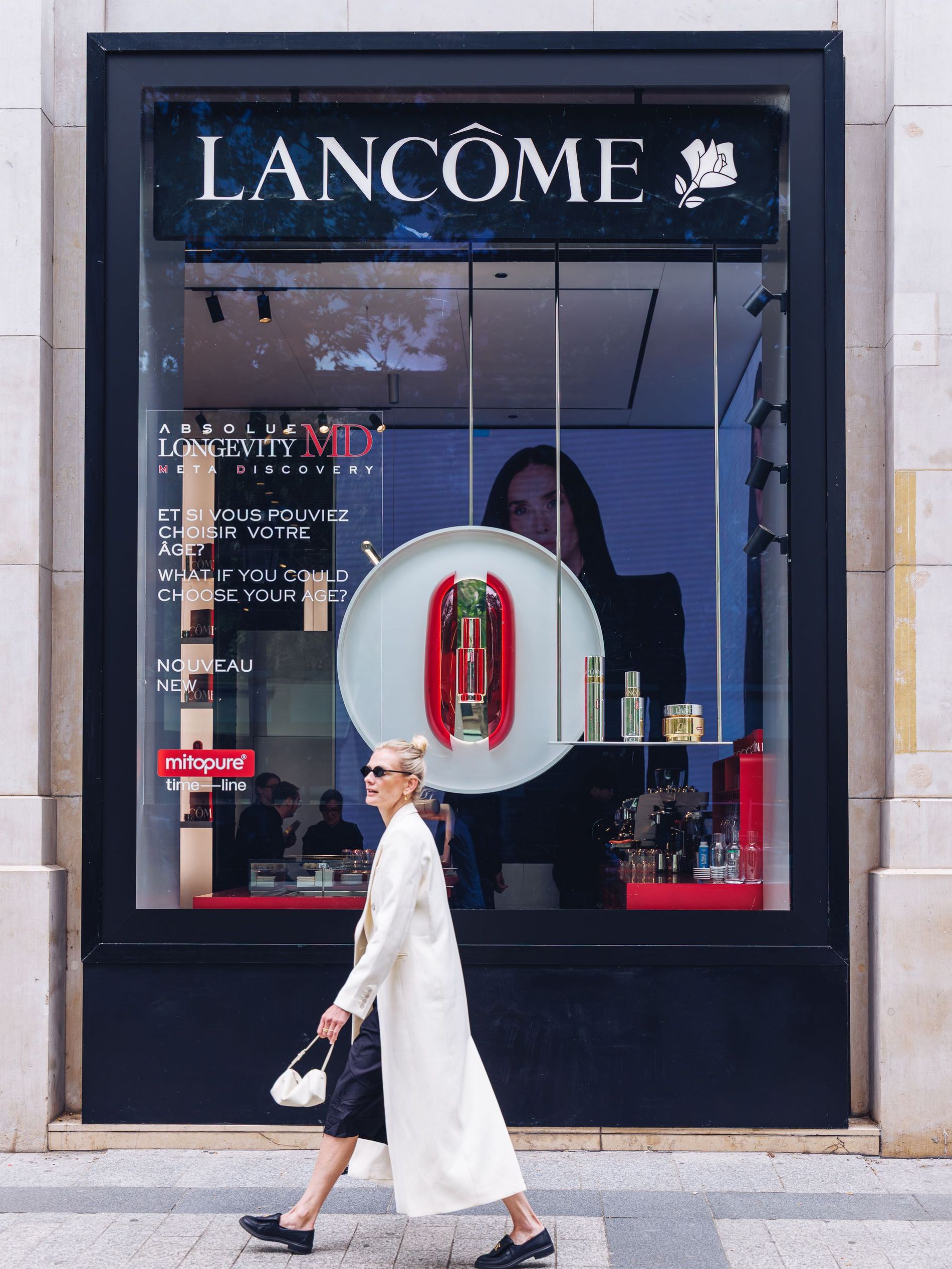
Photo: Stephane Sby Balmy
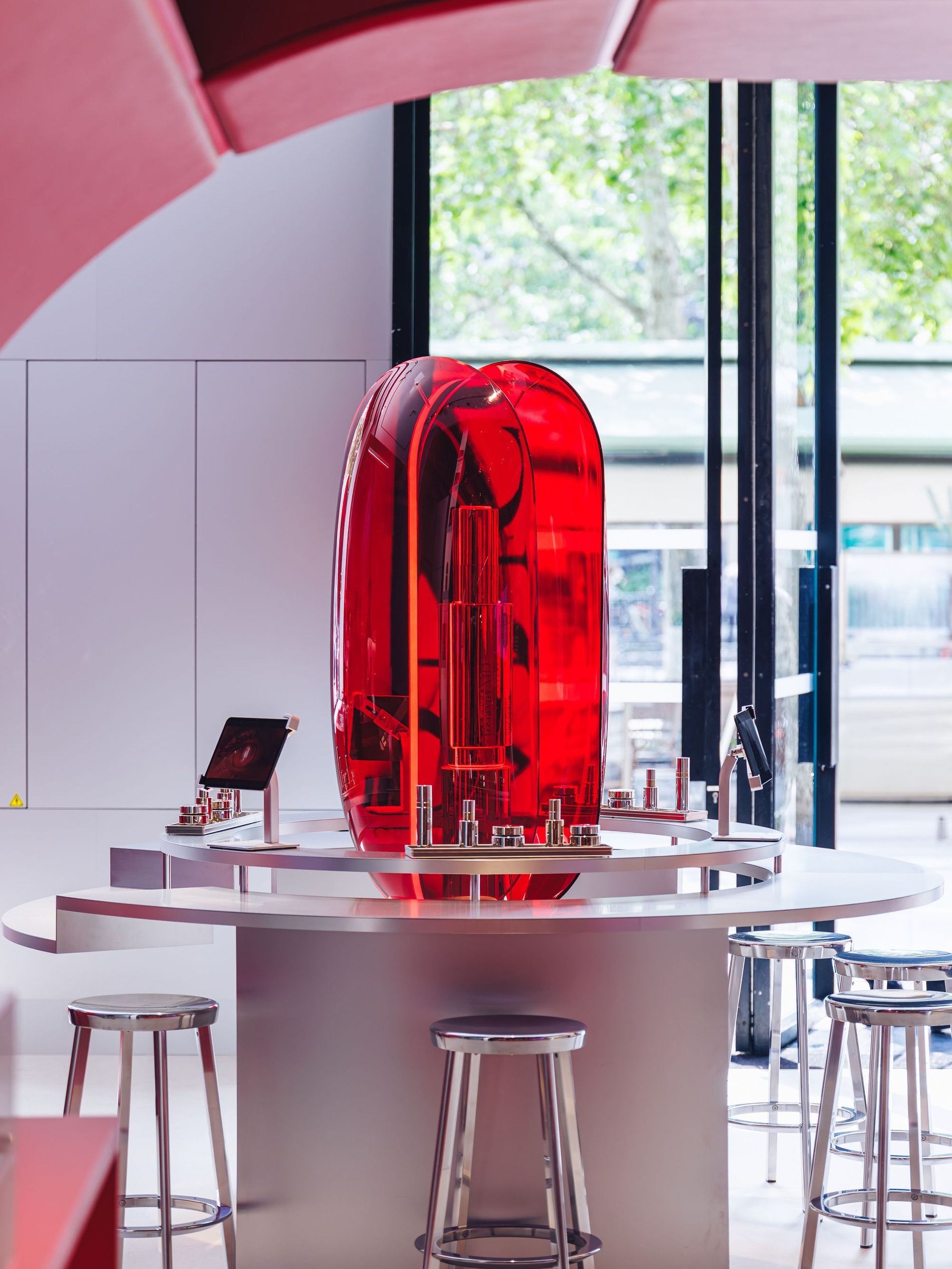
Photo: Stephane Sby Balmy
It's a subtle distinction, but one that could fundamentally change the future of skincare – with Lancôme leading the charge. The Paris launch of its Absolue Longevity MD collection centred around biological age diagnostics, laboratory visits, expert discussions and personalised skincare recommendations built around prevention as much as correction. "People are rebranding anti-ageing as longevity," Dr Annie Black, Lancôme's Global Scientific Director, tells me. "That's really not what we're trying to do." For Black, anti-ageing has always been reactive. "When you look at wrinkles or pigmentation, you correct what you see," she explains. "Longevity looks at what happens before you actually see those wrinkles or spots. You tackle the root causes."
That shift might sound semantic, but in practice it changes almost everything. For decades, skincare has largely been organised around age brackets: creams for your 30s, stronger formulas for your 40s, richer textures for your 50s. Longevity rejects that linear approach. Instead, it asks how quickly your skin is actually ageing and whether that process can be influenced before visible signs emerge. In other words, your birthday matters less than your biology. "Chronological age is the age on your ID," Black explains. "Biological age is the actual age of your cells and tissues." Unlike chronological age, biological age is influenced by genetics, lifestyle and environment. It can accelerate – or slow down.
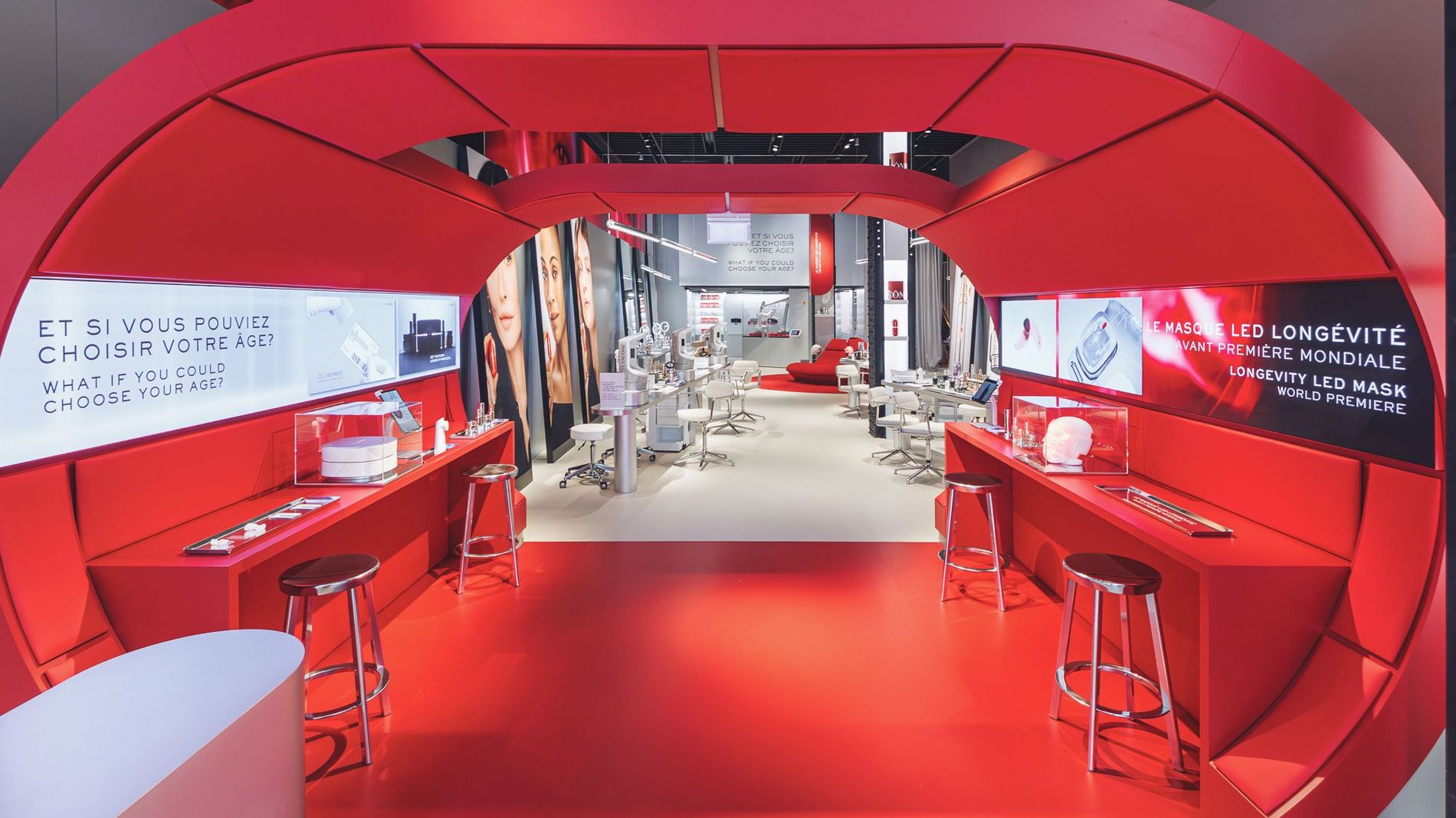
Lancôme's newly transformed Maison de la Longévité on Paris' Champs-Élysées.
The case for biological age
That's where Lancôme's Cell Bioprint technology comes in. Using proteins collected from the skin's surface alongside information about age and lifestyle, the technology analyses biomarkers to estimate skin's biological age and recommend a personalised skincare approach. Two women of exactly the same chronological age, Black explains, may require completely different routines because their skin is ageing differently. "The most important part of how we age is our lifestyle," she says. "Even if two people are both 30 years old, they won't be ageing in the same way."
The concept also raises a big question. If biological age is flexible, then how much control do we actually have? For Dr David Luu – renowned longevity physician and Lancôme advisor – the answer is both more hopeful and more realistic than many wellness gurus would have us believe. "I don't care whether I live to 120 or 80," he tells me. "I want this life to be full. I want to enjoy every day without disease, with vitality and with intention." It's a refreshing perspective in a longevity industry often obsessed with optimisation for optimisation's sake. Instead, Luu breaks longevity into three broad pillars:
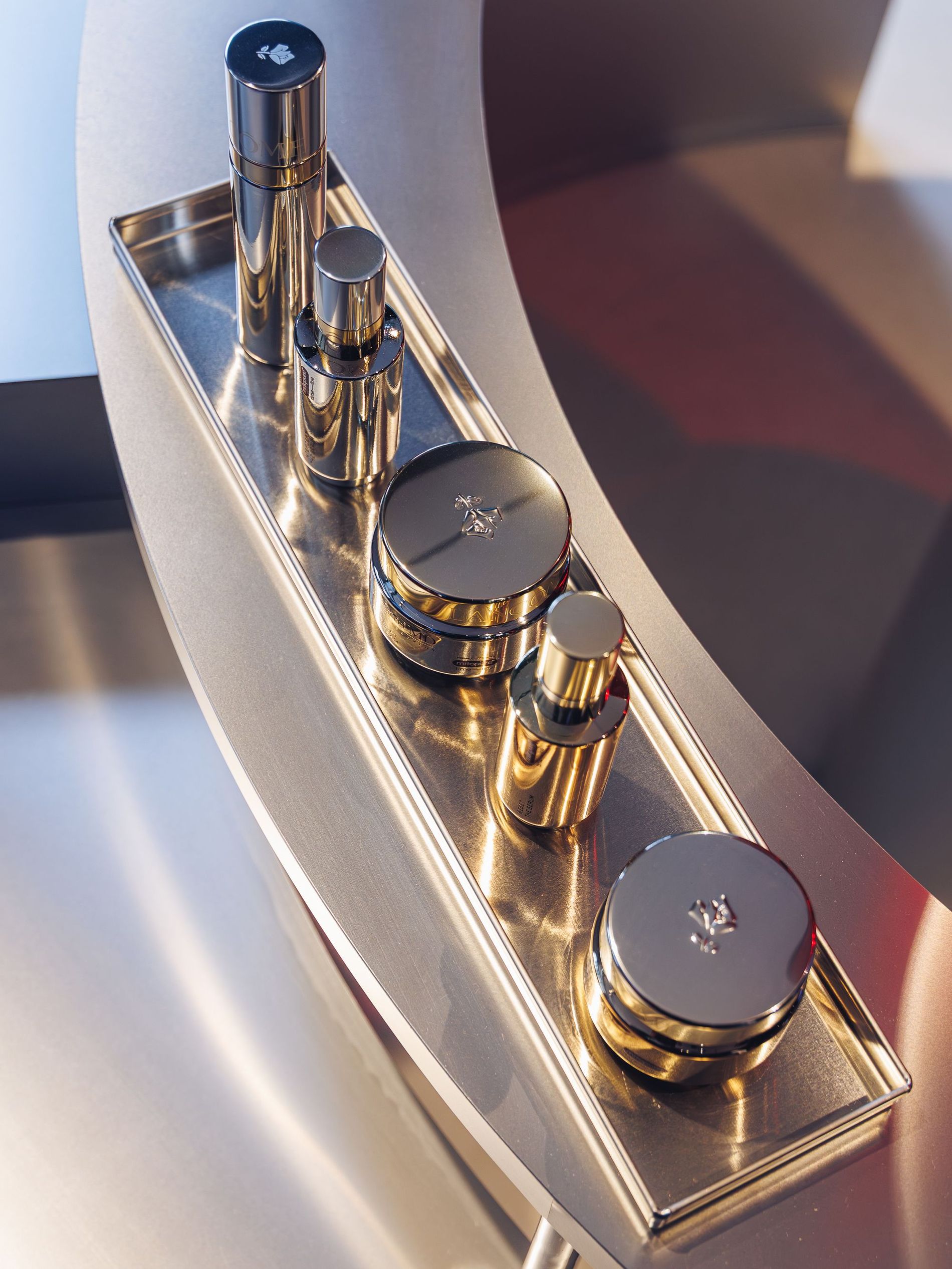
The new Absolue Longevity MD collection is composed of five products designed to treat the biological signs of aging before, during and after they appear. Photo: Stephane Sby Balmy
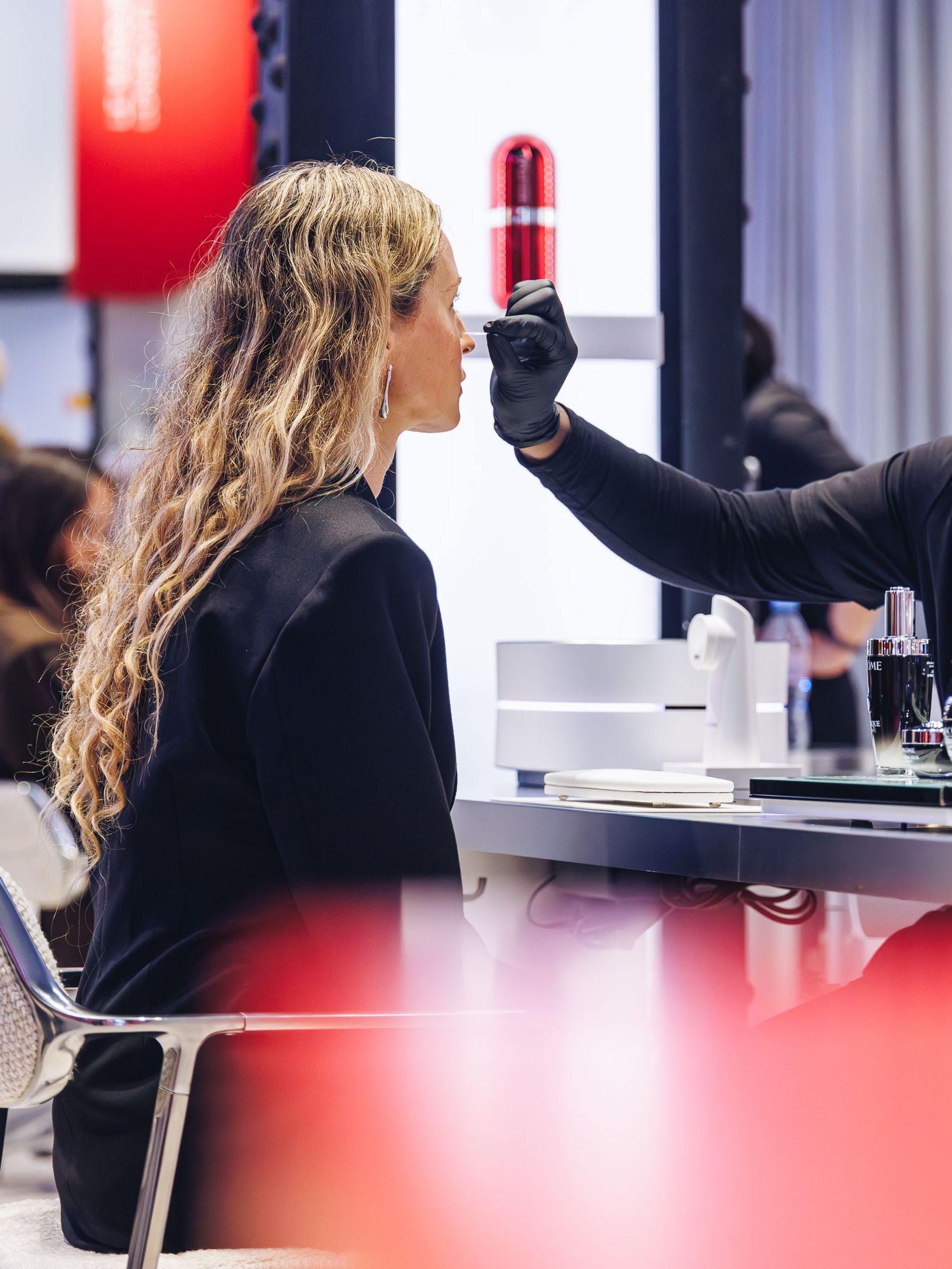
Photo: Stephane Sby Balmy
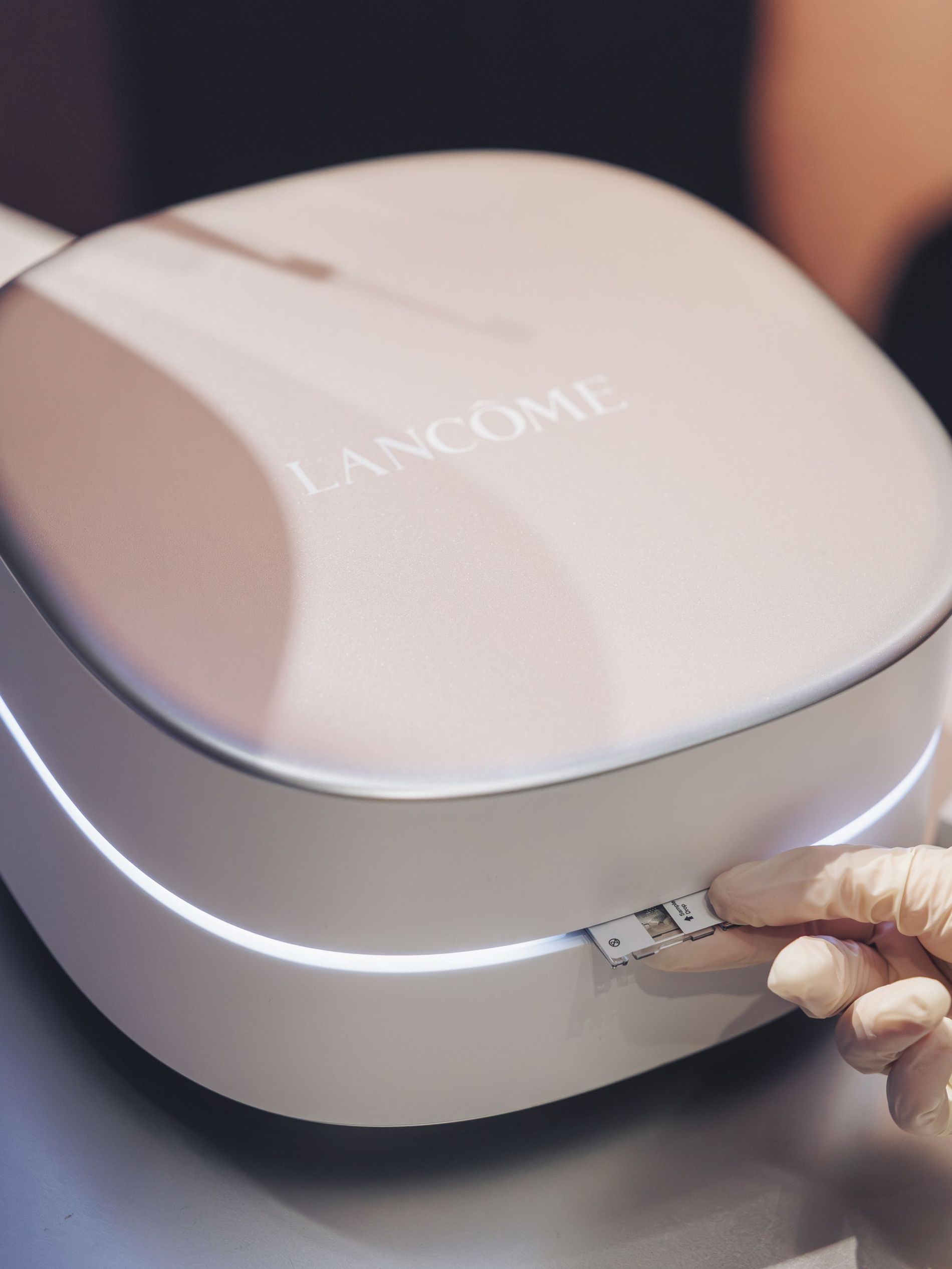
Lancôme's Cell Bioprint technology at the Maison de la Longévité flagship can identify skin's biological age. Photo: Stephane Sby Balmy
The first is lifestyle. "Sleep well. Move every day. Pay attention to stress," he says. "Exercise doesn't have to mean running marathons. Garden. Walk. Take the stairs. Raise your heart rate. Move your muscles." The second is biology. Our genes undoubtedly play a role, but they don't tell the whole story. Lifestyle influences how those genes are expressed over time, meaning many aspects of biological ageing remain within our control. The third pillar is perhaps the least tangible – mindset. Luu points to emerging research suggesting optimism may significantly improve healthspan, alongside the importance of strong relationships and meaningful social connection. "Good friends," he says simply. "People you can rely on. Remove toxic relationships from your life. Those things matter."
It's a reminder that longevity is about far more than supplements or skincare routines. It's about creating the conditions that allow us to thrive. Interestingly, that holistic philosophy is also reshaping how scientists think about skin itself.
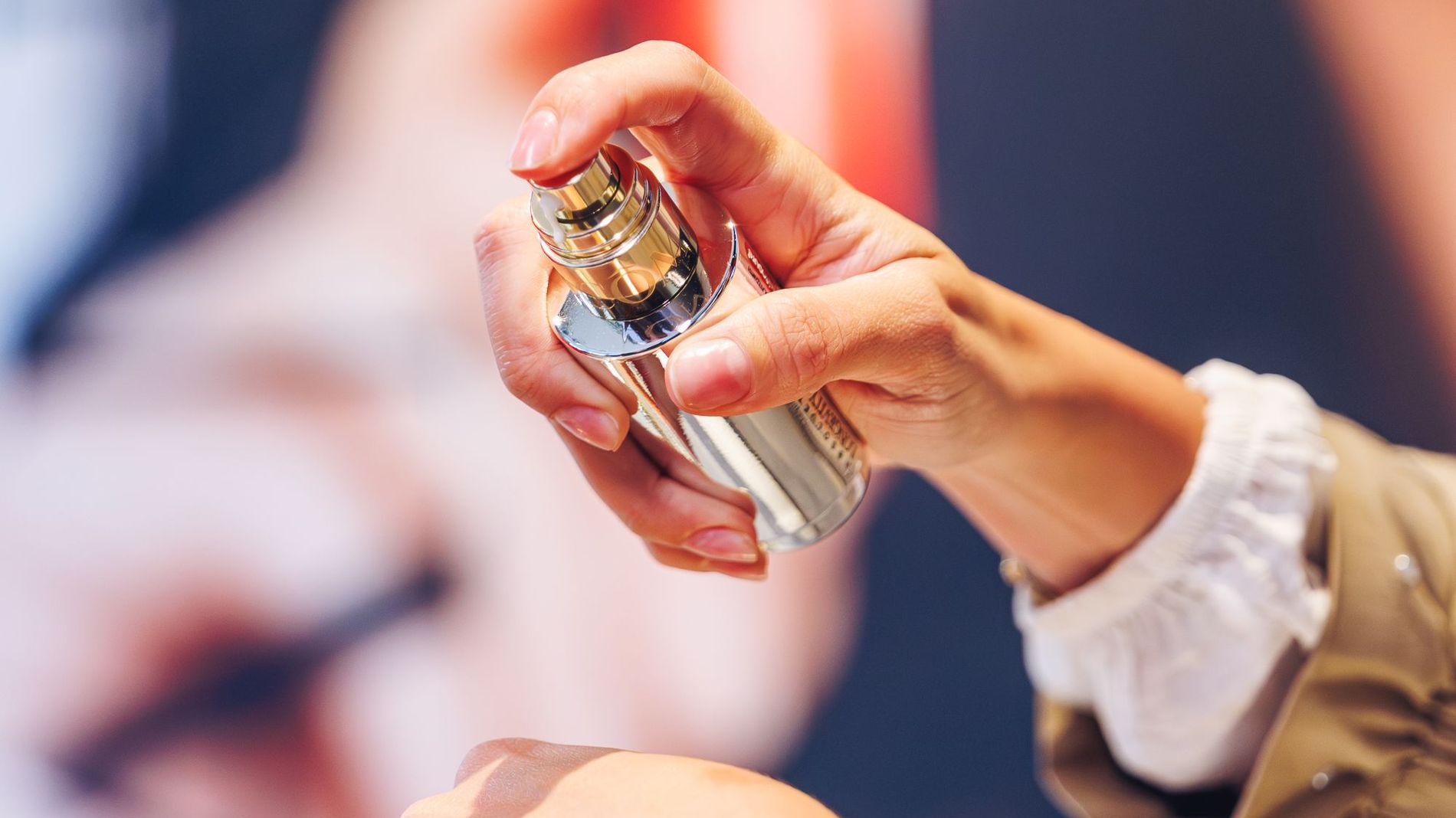
Photo: Stephane Sby Balmy
One of the discoveries Black finds most exciting isn't about wrinkles at all – it's the emerging evidence around the gut-brain-skin axis. "What you eat has an impact on your skin," she says. "Your gut microbiome talks to your skin microbiome. Everything is interconnected." Skin, increasingly, is being viewed less as an isolated surface and more as a reflection of what's happening throughout the body. Recent research has even suggested that consistently supporting the skin barrier may reduce wider inflammatory markers, highlighting just how closely skin health and overall wellbeing may be linked.
Which brings Black back to what she considers the simplest – and most overlooked – principle of longevity skincare: barrier function. "The barrier is the most important thing," she says. "It's your interface with the outside world." If someone were starting from scratch, Black's advice is remarkably straightforward: protect your skin barrier, keep skin hydrated and wear sunscreen every single day.
How Lancôme puts longevity into practice
This is the philosophy underpinning Lancôme's new Absolue Longevity MD collection, which moves away from age-based marketing in favour of three carefully formulated collections designed to reflect how skin changes over time.
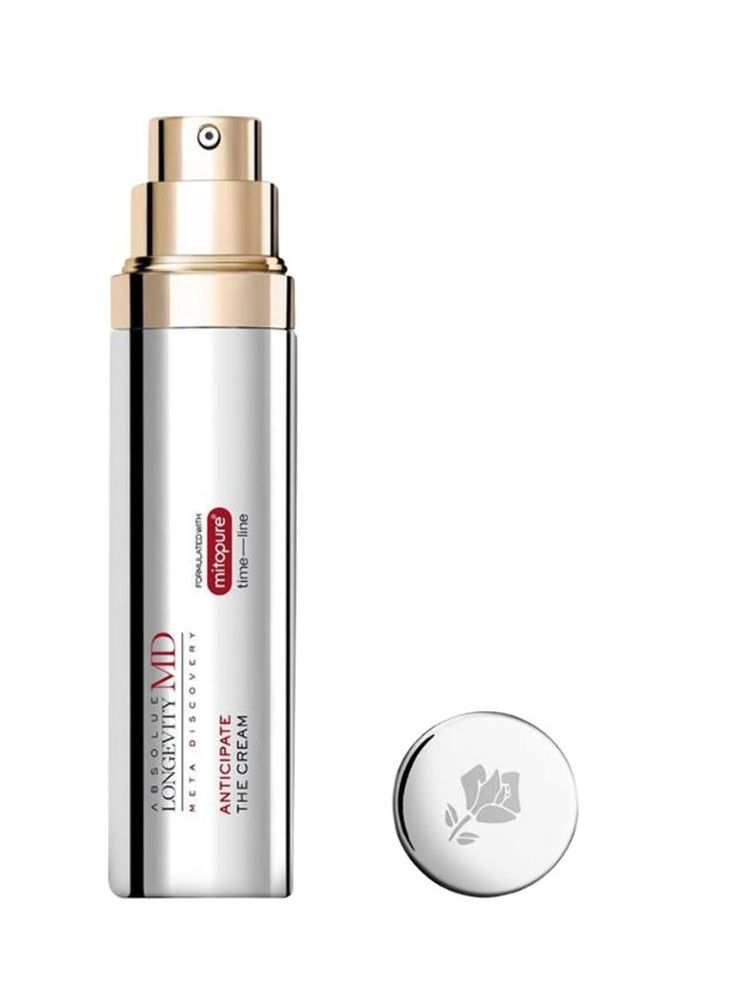
The first, Anticipate, focuses on strengthening the skin before visible signs of ageing appear, supporting resilience and prevention.
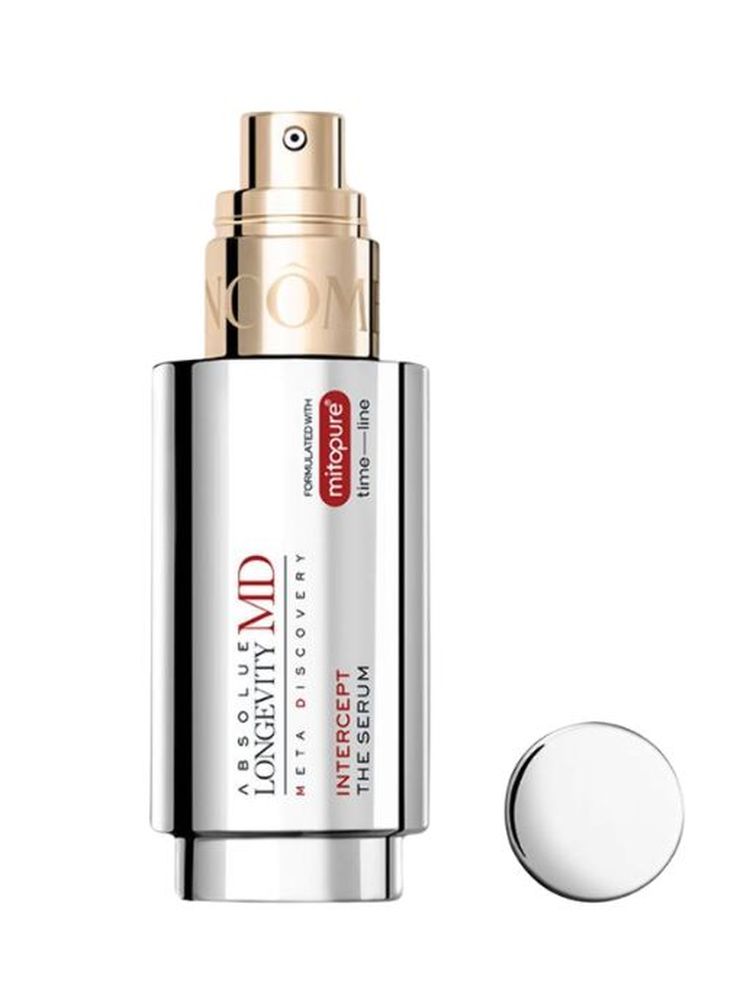
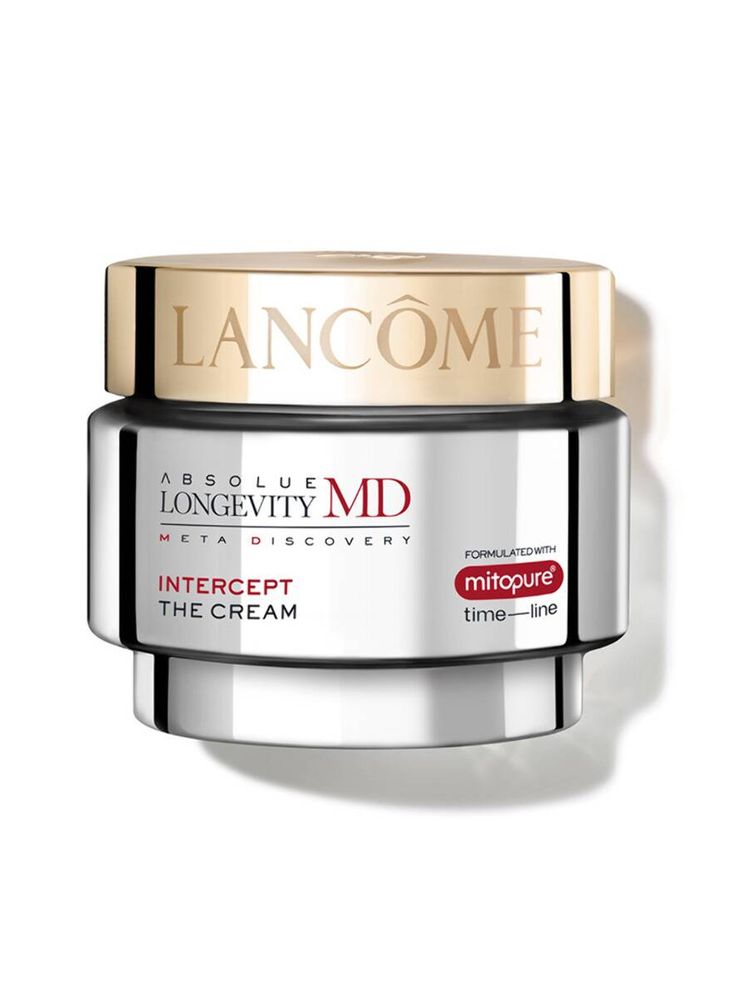
Intercept is aimed at skin beginning to show the earliest biological changes, targeting emerging signs while helping maintain peak cellular performance.
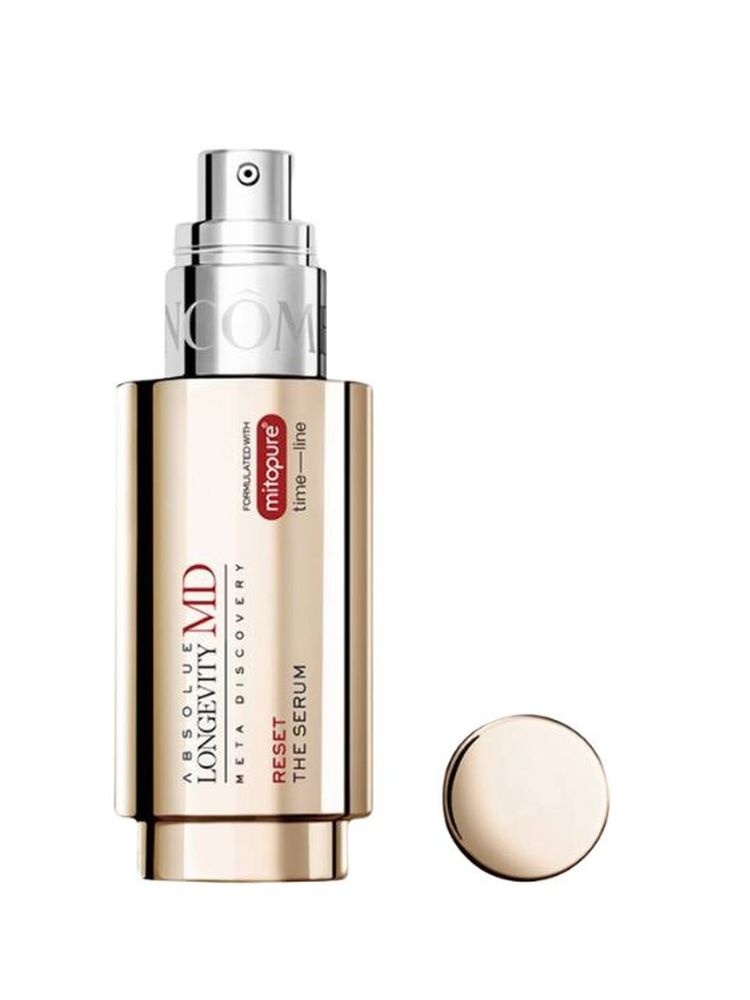
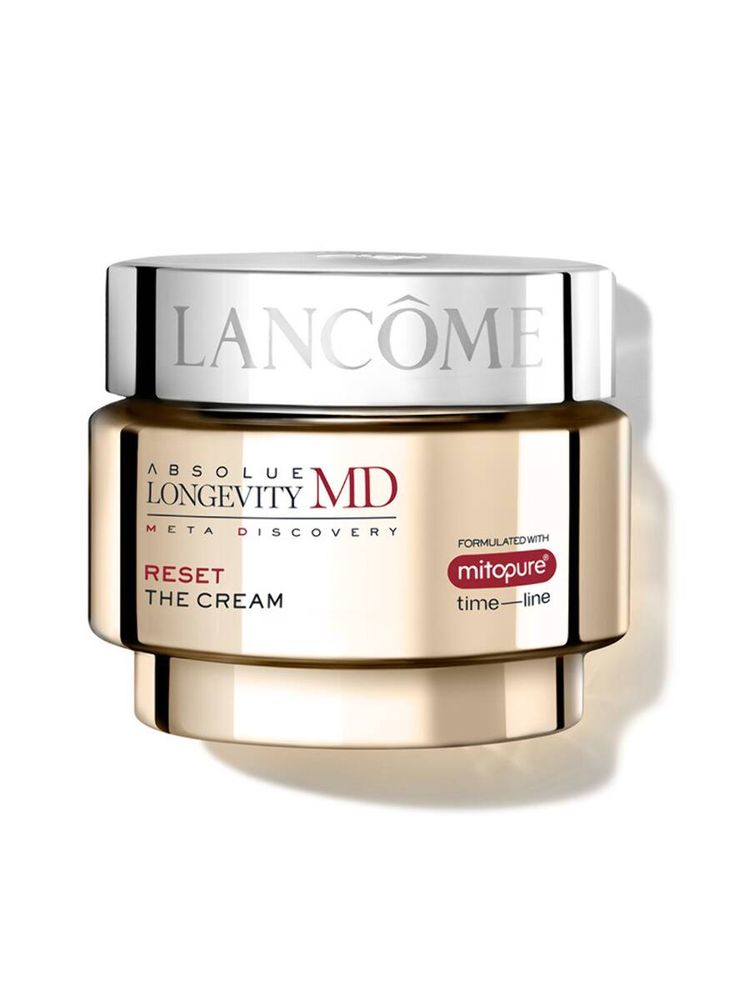
Finally, Reset is designed for more advanced intervention, helping visibly restore skin that has already undergone greater biological ageing.
Rather than replacing one another, the three approaches are intended to work as a personalised system, guided by skin's biological needs rather than simply a consumer's age. Supporting the collection is Lancôme's partnership with Swiss biotech company Timeline, whose Mitopure technology targets mitochondria – often described as the energy factories of our cells. By supporting mitochondrial renewal, the technology aims to maintain cellular energy and function as skin ages.
Leaving the Lancôme flagship and walking back down the Champs-Élysées, I reflected on the biological age my skin had revealed: two years beyond my chronological age, though perhaps influenced by the recent flights and late nights that surrounded my trip to Paris. But armed with a new understanding of longevity – and Lancôme's tailored Absolue Longevity routine – I found I wasn't dwelling on the number itself. Instead, I was thinking about prevention: about treating skin as an organ rather than simply a surface, and about the small choices I could make today to shape its future. Most of all, I left with the reassuring thought that ageing isn't something to fight, but something to support more intelligently. Perhaps that's the real promise of longevity: not the ability to turn back the clock, but the opportunity to influence how we age by changing the way we care for ourselves today.