As The Aurora gathers some of the world's most remarkable cars, yachts and collectors this weekend in Båstad, Oscar Forsberg, Market Manager for the Nordics at J.P. Morgan Private Bank, explains why 'passion assets' are becoming an increasingly important part of wealth planning – and what every collector should know about investing in beautiful things
There is a particular kind of ownership that has nothing to do with returns. The yacht that has defined a decade of summers. The car kept because nothing else comes close. The art collection curated slowly, over years. These are not just financial decisions, they are identity decisions. But that’s exactly what makes them worth taking seriously as part of a wealth plan.
"Passion assets are not a category that sit outside serious financial thinking," says Oscar Forsberg, Market Manager for the Nordics, J.P. Morgan Private Bank. "Every summer, The Aurora brings together collectors, extraordinary cars, and exceptional vessels on the Nordic calendar. What shows up there is the product of obsession, craft, and years of intent," Forsberg goes on. "The same qualities that built those collections - patience, a long view, the discipline to act with intention rather than impulse, are the same qualities that make a wealth plan worth having. The two worlds have been kept in separate conversations for too long."
Below, Forsberg explains why collectors are bringing their most beautiful and prized possessions into broader financial discussions, how lending is changing the landscape, and why today's most cherished assets are no longer viewed separately from the rest of a portfolio.

Photo: Courtesy of The Aurora
What is the biggest challenge collectors face today?
"The real tension is not emotional, it's structural. Most collectors are not buying with the intention of selling. Collections are curated, across years and sometimes generations. An estimated $85 trillion intergenerational wealth transfer is moving through families whose collections, vessels, and cars they have no intention of selling (Deloitte Art & Finance Report 2025).
The challenge is that the assets people are most committed to keeping are often the ones that tie up the most capital. That tension – between emotional commitment and financial flexibility – is where planning earns its place. And increasingly, it is being resolved not by selling, but by lending."
/The_aurora_b70b3e8783/The_aurora_b70b3e8783.jpg)
Oscar Forsberg, Market Manager for the Nordics at JP Morgan Private Bank. Photo: Kristian Bengtsson
How is lending changing the conversation around art collections?
"Increasingly, collectors are discovering they do not need to choose between ownership and liquidity.
Art lending, projected to reach between $42 and $50 billion by 2027 at roughly 11 per cent annual growth (Deloitte Art & Finance Report 2025), reflects how that conversation has evolved. Collectors are using it not just for acquisitions, but for portfolio rebalancing, and succession planning – staying liquid in an illiquid market while keeping collections intact. Lending against art unlocks liquidity without relinquishing ownership. The collection stays exactly where it belongs. The wealth plan stays in charge."

Photo: Courtesy of The Aurora
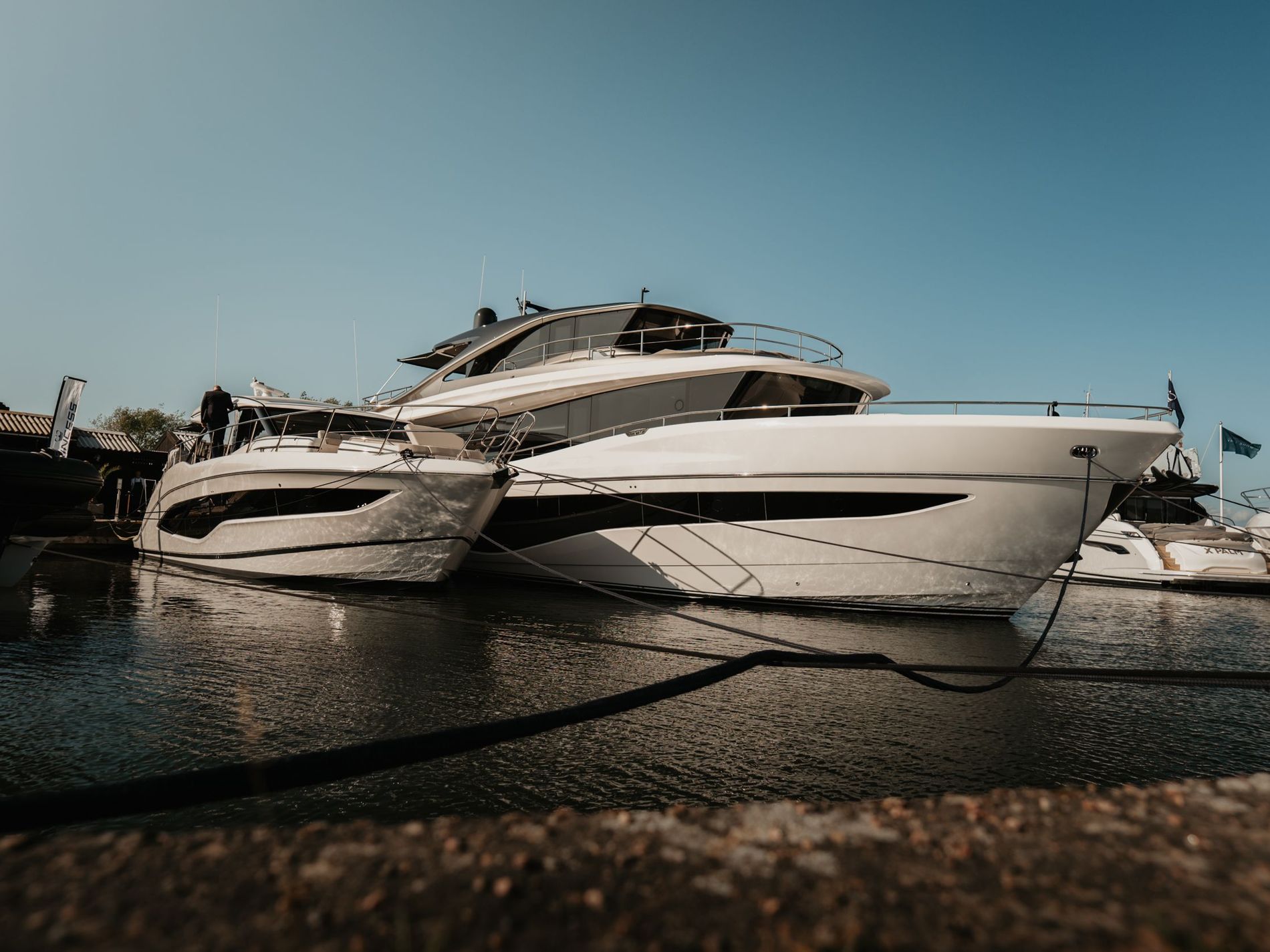
Photo: Courtesy of The Aurora
Does the same principle apply to yachts?
"Very much so. A yacht is not a single purchase - it is a financial commitment that plays out over years. Build timelines are long, payments are staged, and the economic environment shifts in between. Currency moves matter if you are building with a European shipyard. Interest rates matter when you are deciding how to finance. Getting the structure right from the start means that one large, illiquid asset does not create pressure on everything else you own."
What are you seeing in the collector car market?
"The collector car market, meanwhile, has quietly transformed. A market once governed by provenance mythology and instinct now has condition-specific valuations, dedicated auction houses processing billions in transactions annually, and a new generation of buyers entering with genuine sophistication drawn particularly to the vehicles of the 1980s and 1990s, the cars they grew up watching rather than inheriting. These are not purely emotional assets. They carry real financial characteristics alongside everything else they represent."

Photo: Courtesy of The Aurora

Photo: Courtesy of The Aurora
What is the biggest misconception about using passion assets as part of a wealth strategy?
"That accessing liquidity means giving something up. A well-structured lending facility secured against a yacht or a work of art functions closer to a securities-backed line of credit than a traditional pledge. Possession, enjoyment, and management can remain entirely with the owner. What changes is that capital previously locked inside an illiquid asset becomes available: for a new opportunity, to rebalance, to fund a business decision, or simply to ensure that keeping what you love doesn't come at the expense of everything else."

Photo: Courtesy of The Aurora
Ultimately, what should collectors keep in mind?
"That 'passion assets' carry the weight of identity and continuity. The goal is never to extract value from what has been built. It is to ensure that everything of significance is pulling in the same direction aligned to real objectives, liquidity needs, risk tolerance, and horizon. At J.P. Morgan Private Bank, that is where every conversation begins: not with the asset, but with the question of what the wealth around it should achieve."