
To celebrate a new Oslo boutique and the launch of its latest Ingenieur watch models, IWC brought together friends of the brand in the heart of Norway’s Hardangerfjord. Along for the impossibly scenic journey, Vogue Scandinavia's editor in chief Martina Bonnier spoke to IWC's creative director Christian Knoop about what makes the brand tick in the Nordics
Set against the raw, windswept beauty of the Norwegian coastline, IWC Schaffhausen has officially marked its arrival in Norway. The Swiss watchmaker opened its first flagship store in Oslo earlier this year, bringing with it a vision of timeless design, deep-rooted craftsmanship, and a powerful sense of place. To celebrate, IWC invited guests to Salmon Eye, a remote architectural masterpiece nestled in the fjords – an experience that not only marked the brand's entrance to Norway but intertwined it with the very spirit of Scandinavian design.
“For me, the strongest link is that this place is all about authenticity,” says Christian Knoop, IWC’s Chief Design Officer. “It’s about sourcing locally, preserving traditions, and highlighting craftsmanship. That’s exactly what we do with our watches – using materials that have stood the test of time, training our craftsmen, and creating something pure and true.”
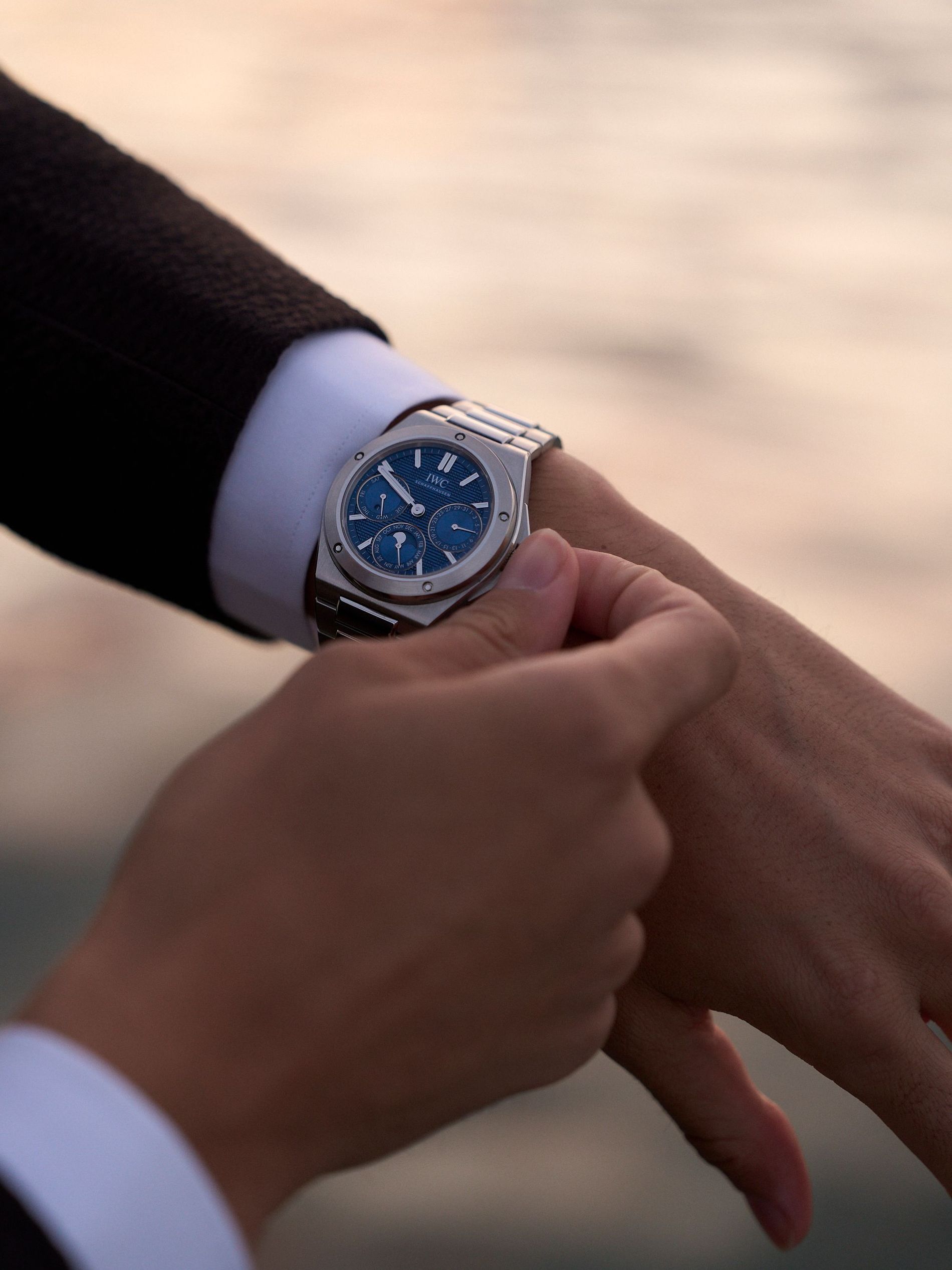
The reimagined Ingenieur, originally created in the '70s.
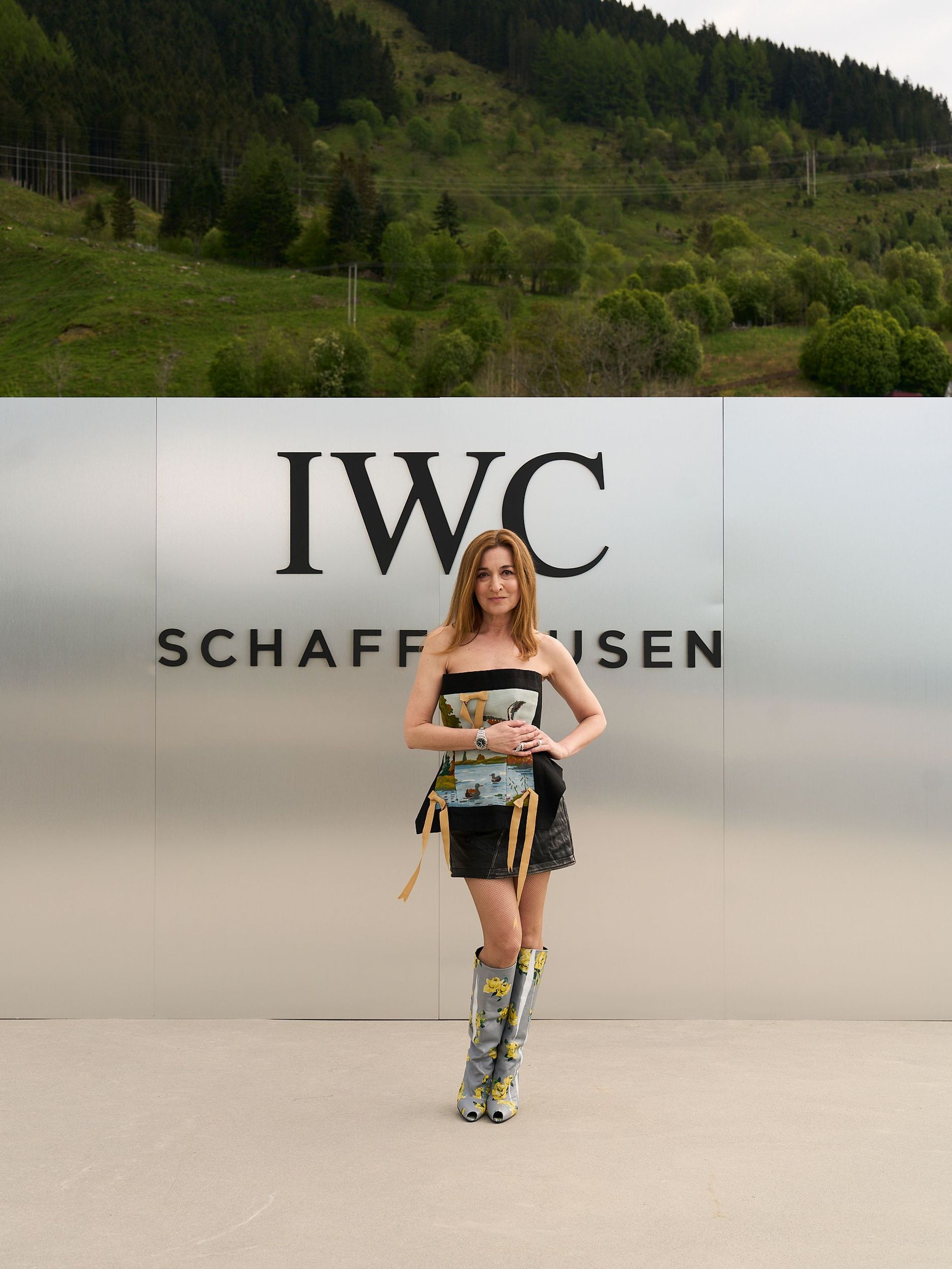
Vogue Scandinavia's editor in chief Martina Bonnier journeyed to Hardangerfjord for the celebrations.
"There's a shared appreciation for purist design" says Christian Knoop, talking about the shared values that IWC finds in Scandinavian culture.
The dramatic setting, designed by Danish architecture firm Kvorning Design and brought to life through the culinary artistry of Annika Matzen, echoed the brand’s core values: clean lines, precision, and purpose. “It’s about more than the product,” says Knoop. “It’s about connecting with people through beauty, function, and storytelling.”
So why Scandinavia now? Knoop admits that while IWC has long been international, its roots in Europe were somewhat underdeveloped. “20 years ago, we were primarily in German-speaking countries,” he explains. “We expanded to the US, to Asia – but now we see how deeply Scandinavian culture resonates with our own values. There’s a shared appreciation for purist design, for form following function. IWC’s story and products feel at home here.”
That design sensibility isn’t accidental. IWC is based in Schaffhausen, in the northeast of Switzerland – close to the German border and, as Knoop puts it, “on the purist side” of Swiss culture. “There’s a saying in Switzerland – the ‘Röstigraben’ – which describes the cultural gap between the French-speaking west and the German-speaking east,” he says with a smile. “In the east, it’s a little more minimalist, more precise. IWC reflects that.”
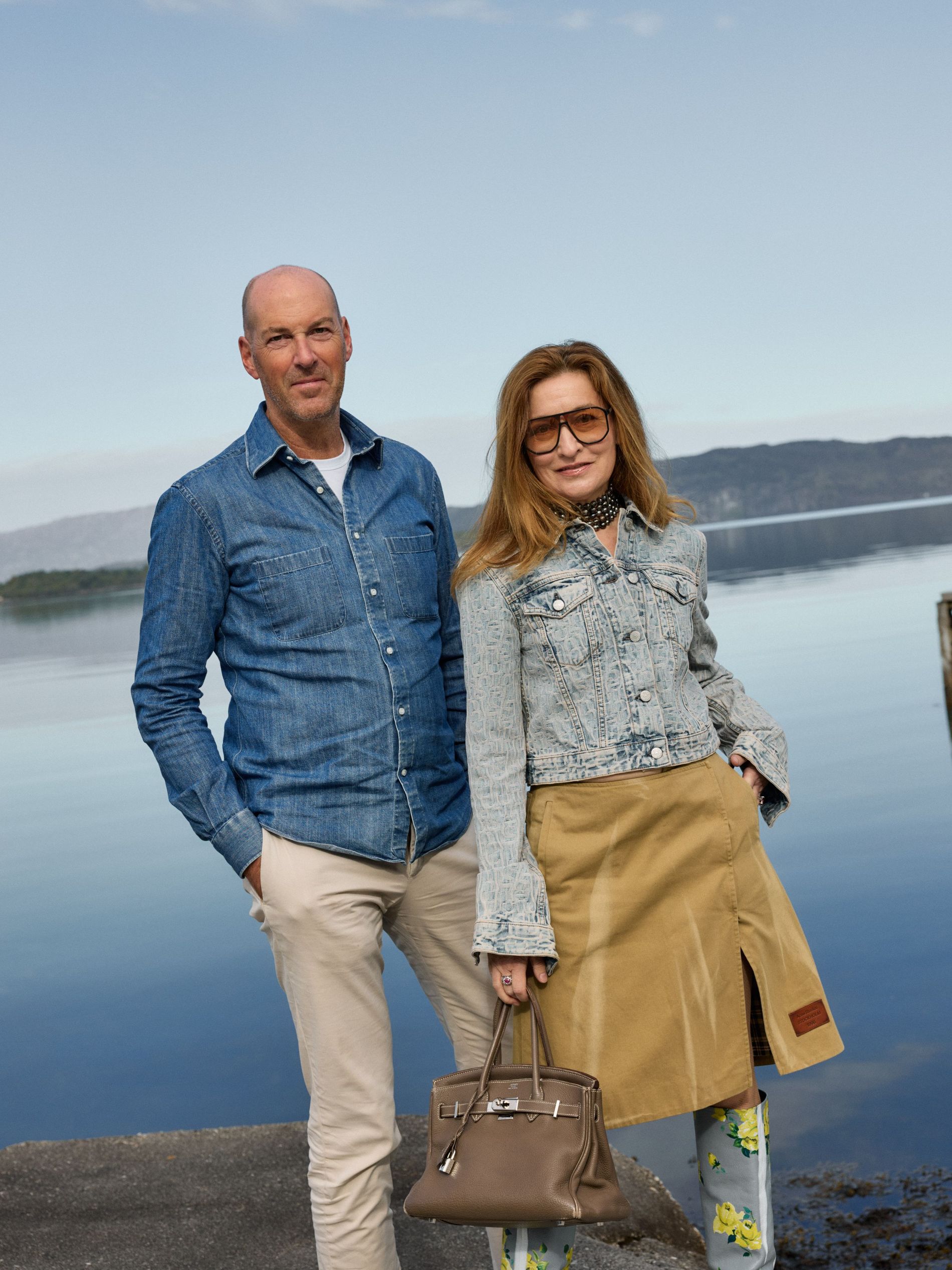
IWC's chief design officer Christian Knoop with editor in cheif Martina Bonnier. Photo: Stephanie Sikkes
That precision is particularly evident in the brand’s reimagining of the Ingenieur – one of its most iconic watches, originally created in the 1970s. “The ‘70s were a defining era for me,” says Knoop, who has worked with IWC for 17 years. “That industrial design – clean, intelligent, future-forward – shaped my entire aesthetic as a young designer.”
With vintage styles gaining popularity, it felt like the right moment to reintroduce the Ingenieur. But for Knoop, it was never about nostalgia. “We didn’t want to simply replicate the past,” he explains. “We wanted to reinterpret it for today. Like redesigning a Porsche 911: you retain the DNA, but you push the boundaries. We refined the proportions, updated the finishes, and made it a watch for now.”
The result is a timepiece that speaks to multiple generations. “My daughter is 26 – she’s buying secondhand furniture from the ‘70s, wearing clothes from that era,” Knoop says. “It’s not just a romantic throwback for those of us who lived it. It’s being rediscovered with fresh eyes.”
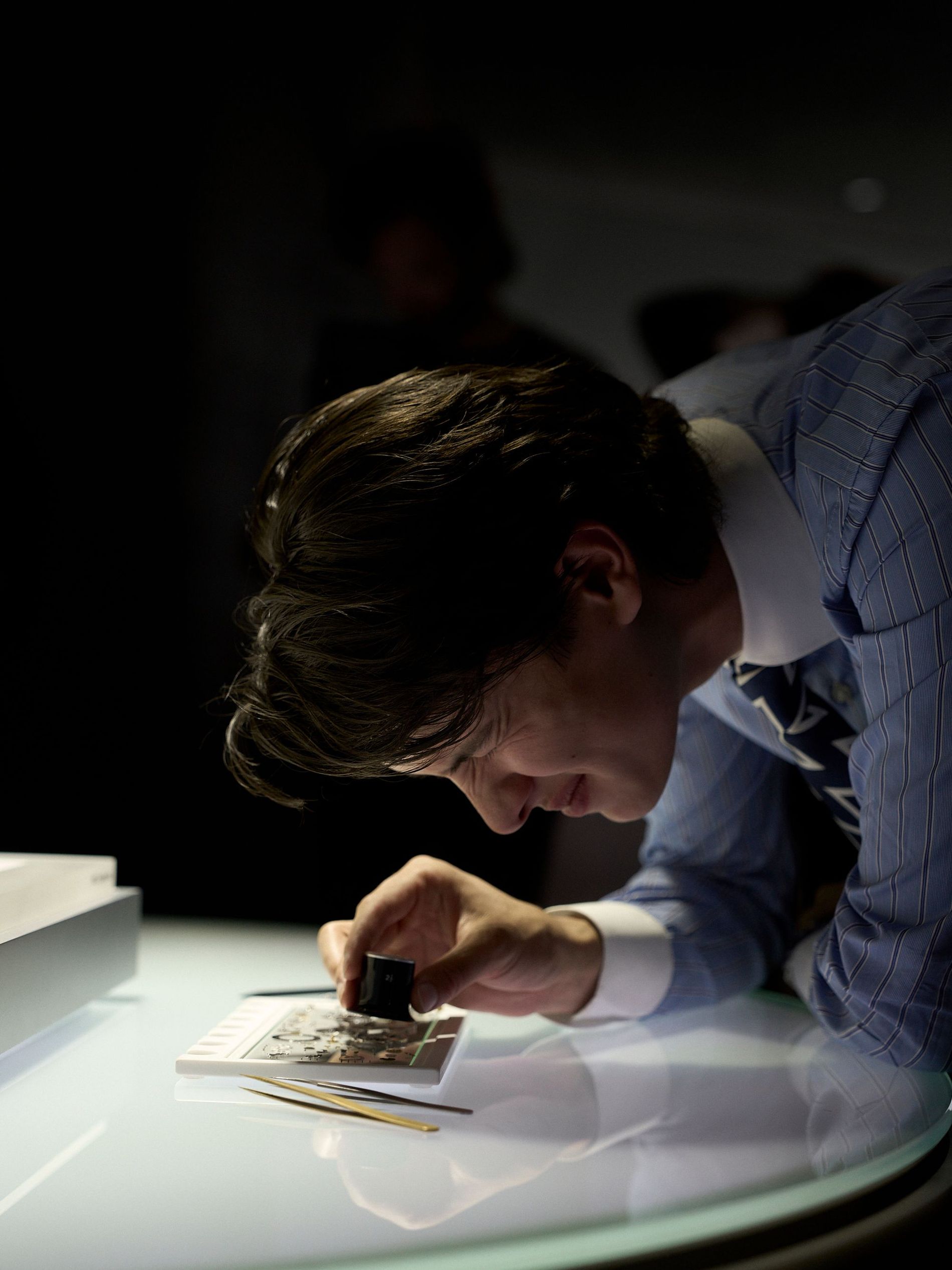
Count Nikolai of Monpezat inspecting the timepieces up close.
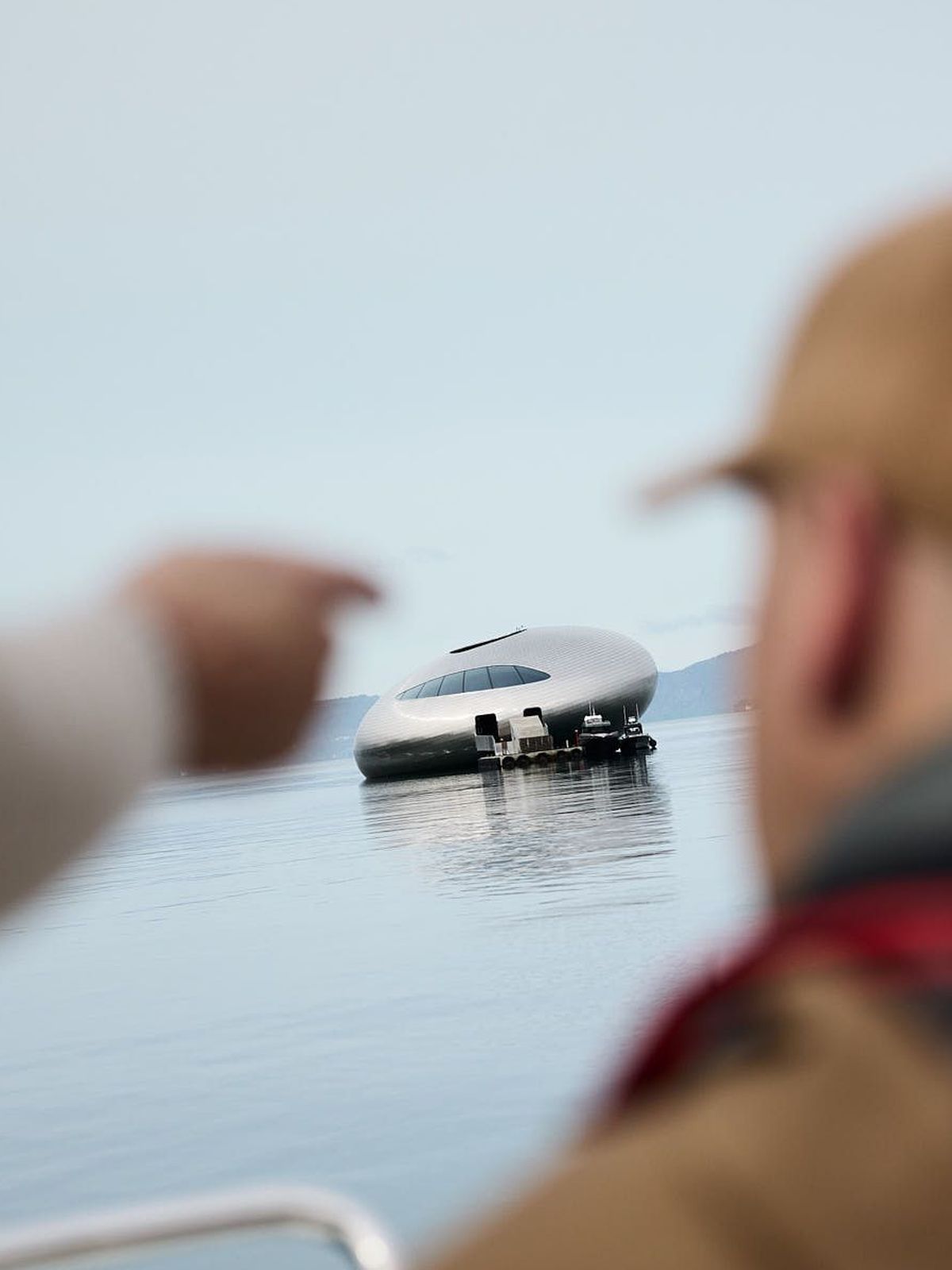
The Salmon Eye, an architectural masterpiece in Norway’s Hardangerfjord by Kvorning Design.

Mathilde Gøhler wears the Ingenieur with a copper-tined finish.
That spirit of reinvention extended to IWC’s cinematic launch campaign in Norway. Directed by a Danish filmmaker (and shot, fittingly, on a boat), the short film tied together the Nordic landscape, architecture, cuisine, and craftsmanship – all elements central to the brand. “We don’t work with big agencies,” Knoop notes. “We keep everything close, with creatives based in Schaffhausen. We act like an in-house agency – we obsess over every detail.”
And while the world of fine watches is often seen as male-dominated, Knoop is clear that times are changing. “From the beginning, IWC made women’s watches,” he says. “But in the 2000s, there was a moment when we leaned into men’s watches, even with ad campaigns that – looking back – feel a bit dated. That’s no longer where we are. We're now bringing women back into the story, both through design and storytelling.”
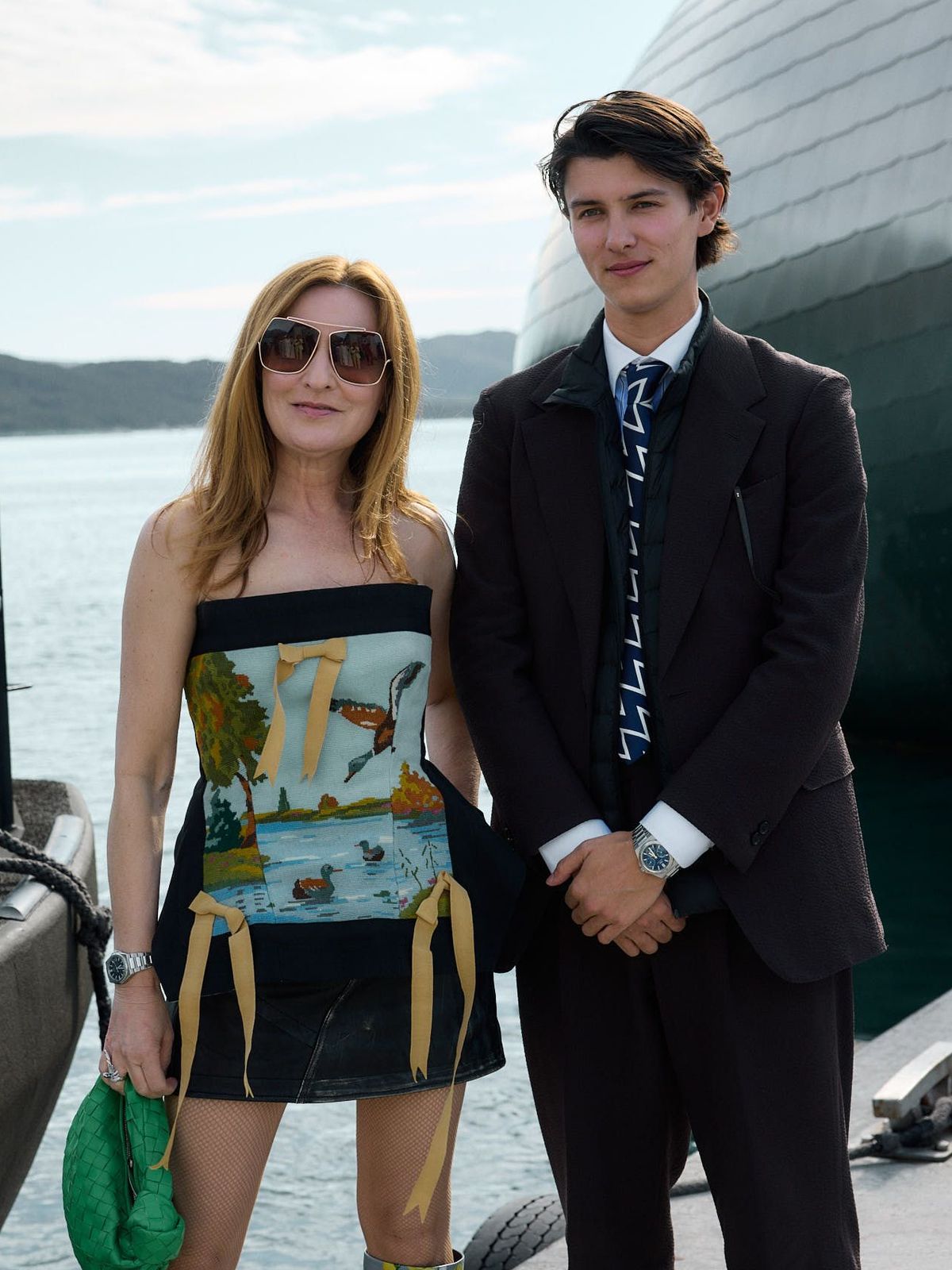
Editor in chief Martina Bonnier with Count Nikolai of Monpezat.
Ultimately, what IWC brought to Norway was not just a boutique, but a bold, multifaceted experience that speaks to Scandinavian hearts and minds. “Transcending boundaries” was the phrase used in the event invitation – something Knoop sees as a guiding principle. “We make a very local product in Switzerland,” he says, “but it travels, it connects with people in deeply personal ways. That’s the beauty of it. People don’t just wear a watch – they wear a story.”
And with its dramatic arrival in Norway, IWC has just added a new chapter.