Doing the laundry has never been more effortless. Swedish home appliance company, ASKO, has unveiled its latest, cutting-edge laundry solutions, the Scandinavian Laundry Care 2.0. Below, all you need to know about the brand’s newest innovations, plus expert answers to our burning laundry questions
Ah, the laundry. Why is it that this particular chore feels so tedious and laborious? Maybe it’s the mental clutter caused by all the time-consuming steps like sorting, loading, waiting and folding that come with it. Or perhaps it’s the physical clutter – those piles of clothes that stare back from the basket, constantly reminding you of what’s undone.
But we have good news: any annoyance you might harbour towards washing clothes is about to vanish like the toughest stains, thanks to Scandinavian home appliance company ASKO. The brand has just unveiled its latest, Scandinavian Laundry Care 2.0 solutions, boasting cutting-edge washing machines, tumble dryers, drying cabinets and clever laundry accessories that go above and beyond in hygiene, performance and sustainability.
75 years of laundry excellence
For ASKO, it all began with a washing machine – and a kindhearted mission. In 1950, a young Swedish farmer called Karl-Erik Andersson set out to build a washing machine for his mother, who was swamped with the endless laundry on the farm. But he didn’t envision just any humble machine: Andersson sought to design an innovative appliance that not only featured a superb cleaning performance, but also was extremely durable.
This loving gesture spawned the very first piece that would form the foundation of the Swedish home appliance manufacturer, which decades later merged with the renowned Finnish furniture maker of the name ASKO, established in 1918.
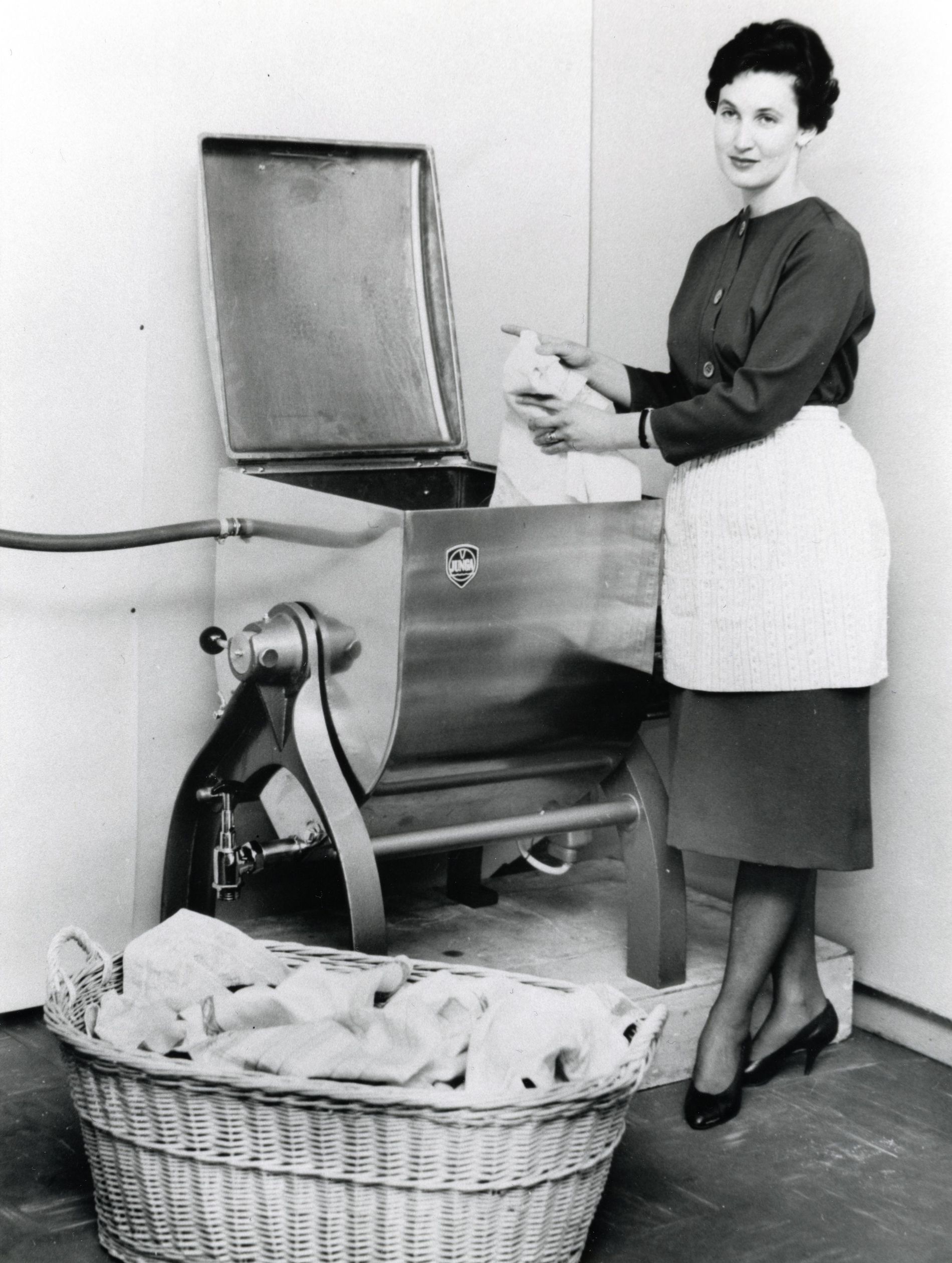
Early ASKO washing machine from the 1950s. Photo: ASKO
75 years later, ASKO has cemented itself a global leader in state-of-the-art home appliances, powered by pioneering technology, sleek Nordic design and an eco-conscious mindset. The brand’s laundry solutions build on decades of meticulous research and innovation, crafted to “provide something extra”, whether through larger loading capacity, higher performance or more ease of use.
ASKO’s Scandinavian Laundry Care 2.0 fuses pioneering technology with uncompromising hygiene
“At the heart of our Scandinavian Laundry Care 2.0 system is the washing machine – and it’s in a league of its own,” says Pernilla Döse, ASKO's design manager. The new washing machines are equipped with the award-winning Steel Seal™ feature, using a robust stainless steel seal instead of the rubber bellows typically found in standard washing machines, which is a common breeding ground for bacteria, mould and fungi.
The result? Crisp laundry that’s up to 95 per cent freer of microbiological contaminants. “This, combined with our durable metal-based construction and precise rinsing cycles, has earned Asko the Sensitive Choice® certification – the only washing machine brand in the world to hold this label for asthma- and allergy-aware products,” says Döse. Meanwhile, another exclusive feature, the Quattro Construction™ 2.0 system, virtually eliminates noise and vibrations even with heavier laundry loads.
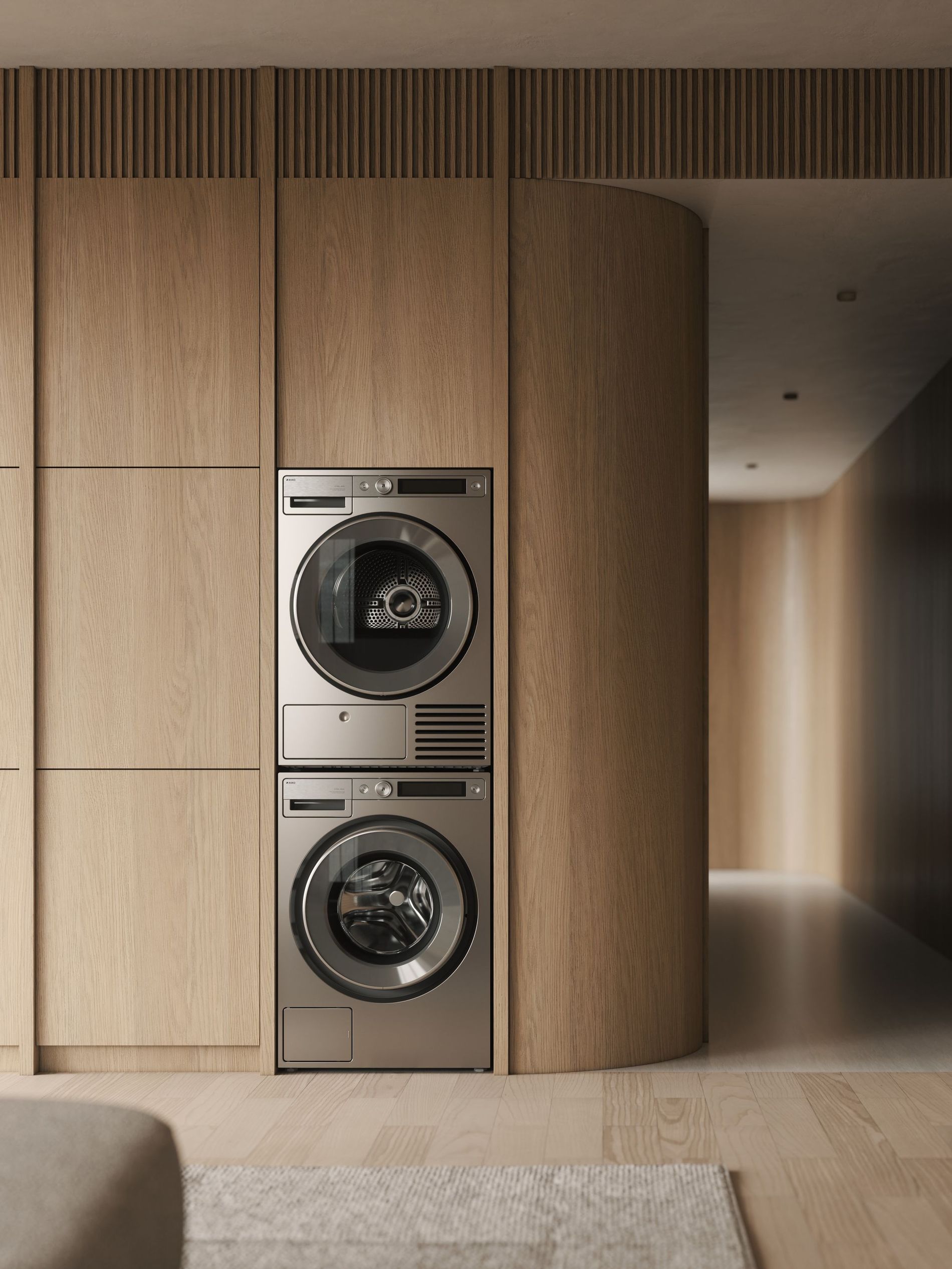
The timeless and sleek Scandinavian Laundry Care 2.0 is designed to seamlessly integrate into a variety of interiors. Photo: ASKO
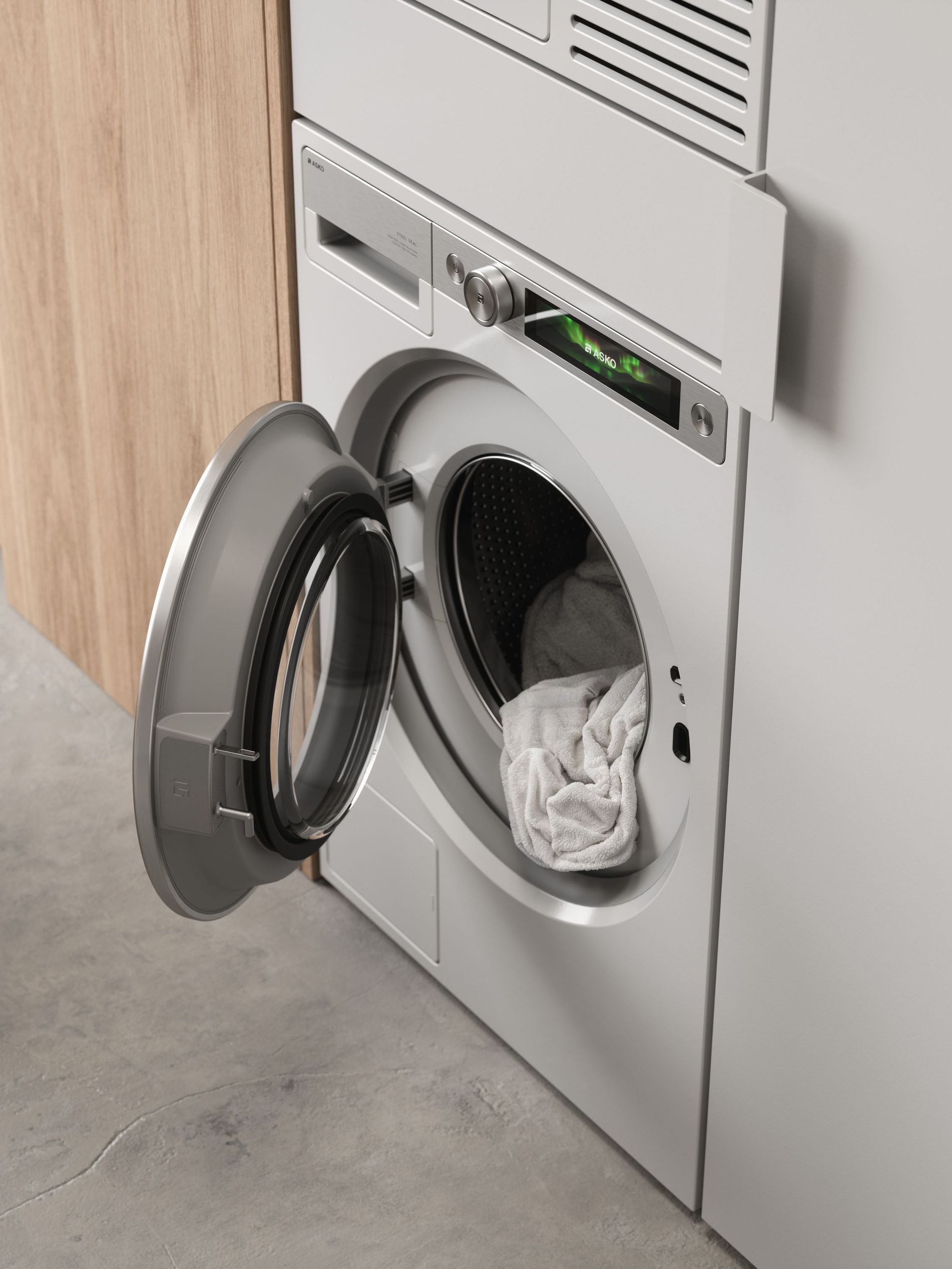
ASKO's newest washing machines feature the pioneering Steel Seal™, harnessing a robust stainless steel seal instead of the rubber bellows typically found in standard washing machines, which can be a magnet for bacteria, mould and fungi. Photo: ASKO
Then there are the tumble dryers, which house ASKO's next-gen technology drawing from the company’s own analysis and everyday user insights. “The matching heat pump dryer is both extremely fast and remarkably quiet. With a focus on health, it features anti-allergy programs and Log 4 disinfection options,” Döse explains. “It’s also highly practical, with an easy-to clean lint filter and Bundle Guard™ technology that detects and unrolls twisted bedding or towels for even drying and minimal creasing.” To ensure ultimate longevity, the dryer includes a multi-layer filter system that protects the heat pump.
Built to last and designed to seamlessly integrate into your interiors
While the Scandinavian Laundry Care 2.0 appliances are visually appealing with their timeless, clean lines and refined finishes – available in ‘White’, ‘Graphite Black’ or ‘Titanium’ – they’re designed with maximum lifespan in mind using more metal than plastic, and tested to run for 20 years. Elsewhere, the range of customisable laundry accessories further streamlines the washing process. “The washer and dryer are part of a modular concept, which can be combined with a drying cabinet, a built-in ironing board, laundry basket, a pull-out shelf, or pedestals,” adds Döse.
As Döse puts it, ASKO's finishes are designed to “blend into your interiors, not take over.” “Wherever your laundry lives, make it intentional, practical, and elegant,” she advises. Whether you reside in a sprawling country home or a snug inner-city apartment, you’ll be able to fit your ASKO laundry system into less than one square metre, thanks to the smart modular design.
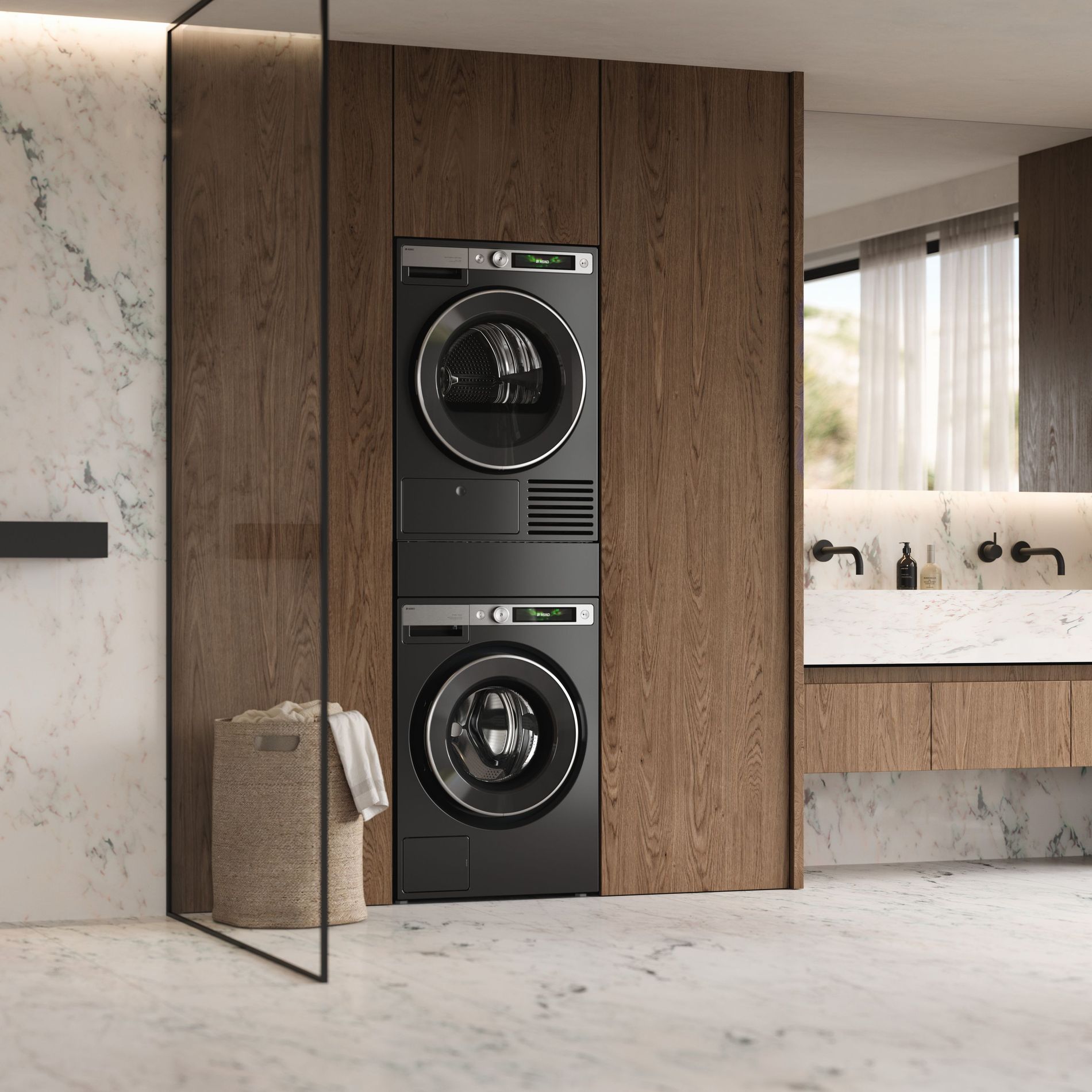
ASKO's laundry appliances are available in three sleek finishes, ‘White’, ‘Titanium’ or ‘Graphite Black’, the latter seen in this picture. Photo: ASKO
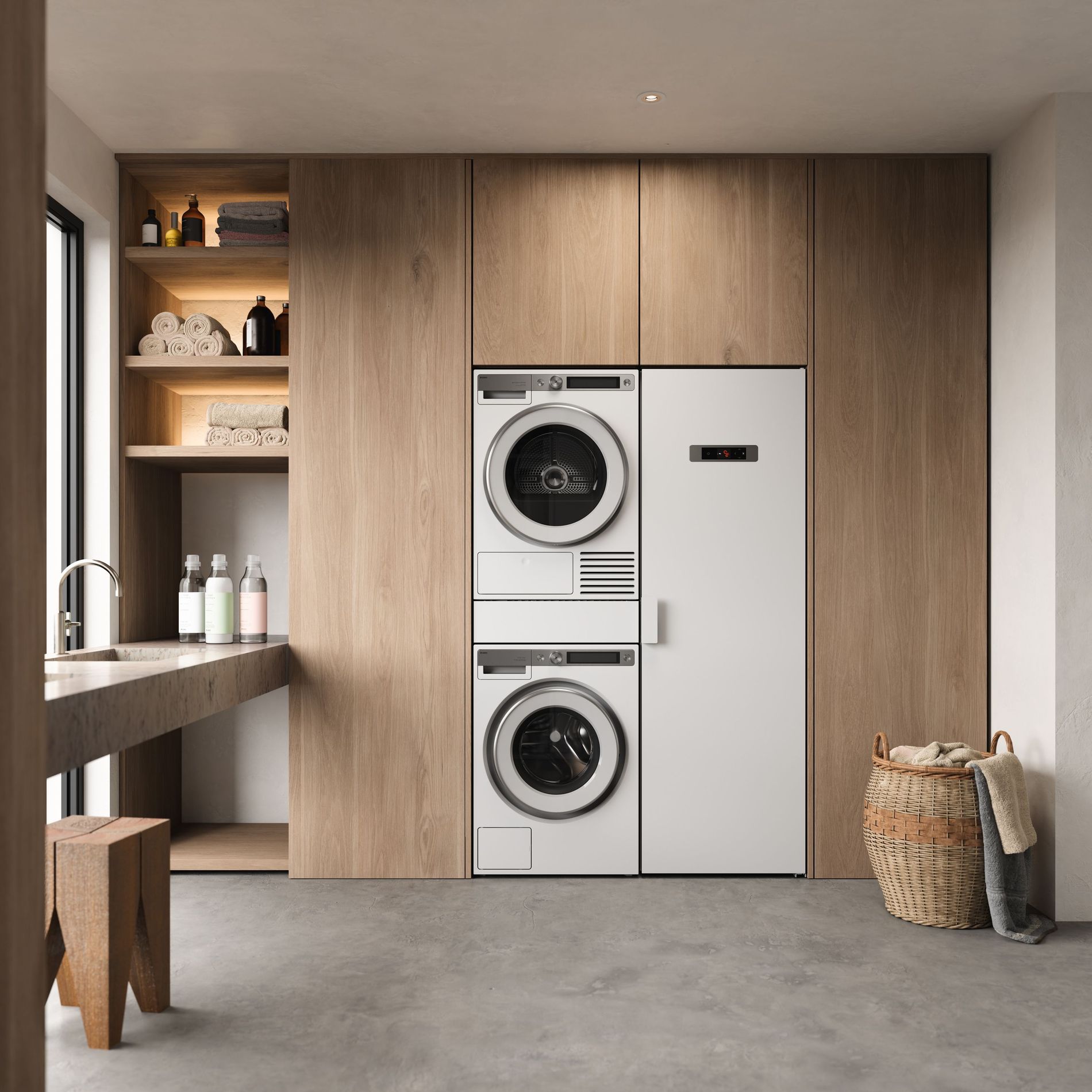
ASKO's Scandinavian Laundry Care 2.0 washing machine and tumble dryer combined with a drying cabinet. Photo: ASKO
Below, Döse responds to some of our most pressing laundry-related questions. But first, she reminds us:
“Laundry routines aren’t one-size-fits-all. How you should wash depends on your needs and priorities. Do you have a big, busy household? Are you craving speed and simplicity? Are you chasing optimal, energy-smart habits – washing at off-peak hours and thinking long-term? Or perhaps you’re focused on keeping fabrics flawless and long lasting. The key is tailoring your routine to fit you.”
What are your key dos and don’ts when it comes to washing clothes?
Do:
- Read the care labels. It’s like your clothes leaving you a little note – follow it. When you consider yourself a laundry expert, shortcuts are allowed.
- Sort laundry not just by colour, but by fabric.
- Use the right detergent for the job. Delicates, whites, darks, wool – they each benefit from tailored formulas.
- Pre-treat stains. It boosts your chances of full stain removal.
- Zip up zippers, close Velcro, and fasten hooks. These can damage other garments and your drum if left loose.
- Rethink the quick wash. It’s tempting, but not always effective for anything more than lightly soiled laundry and removing odour.
Don’t:
- Skip regular maintenance. A dirty washing machine won’t clean your clothes properly.
- Underestimate rinse quality. If detergent residue remains, it can irritate skin and dull fabrics. If in doubt, run an extra rinse cycle.
- Assume hotter is always better. High heat can shrink, fade, or damage the wrong fabrics – temperature matters.
What are your best tips for keeping clothes fresh and wrinkle-free post-wash?
Unload promptly: A damp heap in the drum is wrinkle-central and a breeding ground for odour. I often use the Delayed Start function: I load the machine in the morning, head to work, and time the cycle to finish just as I return.
Spin with strategy: Crank up the spin speed for cottons – like towels and bed linen – to remove excess moisture and save energy when drying. For synthetics and sportswear, keep it at a gentler 1000–1200 rpm.
Hang smart: Dry shirts, blouses, and anything that wrinkles easily directly on hangers. Gravity is your free ironing assistant when clothes are still damp.
Give your dryer breathing room: Don’t overload the drum. Whether it’s garments or bed linen, they need space to tumble for a smooth result.
Stop before it’s bone dry: Over-drying not only guzzles energy – it sets wrinkles in stone. Aim for “dry, not too dry.” For bed linen, fold and smooth while warm, then let air-dry the last bit. It’s not hotel-level pressing, but it’s close – no iron required.
Which colours are safe to wash together? Where do people often go wrong?
The rule of thumb is to stick with the classics – lights with lights, darks with darks, and do sort your colours. Always wash new brights solo the first time. They love to bleed, reds especially. You can mix red with oranges and browns, but nothing pale. Earth tones like beige, olive, and grey usually play nice together. But be mindful of dark denim, the dyes can leak even after a few washes.
Choose detergent wisely. A good colour detergent is a great base. But go for “white” detergent for whites – it contains optical brighteners, which help fight that dull, greyish cast. For black garments, use a detergent made for darks to help preserve intensity. Also, you can help preserve the colour of new garments by adding 1-2 dl of white vinegar/acetic acid 12% to the rinse cycle instead of a softener.
Are items like sneakers and bras safe to wash in the machine, and what else should never go in a washing machine?
Sneakers? Sometimes. If they’re fabric-based (not leather), they can usually handle a gentle cycle at max 40°C. Use a padded laundry bag or add old towels to gently polish the shoes while reducing banging. For odour control, add 1 dl of vinegar to the rinse cycle.
Bras? Yes, but gently. Always place them in a mesh laundry bag and use a gentle cycle. Never wash them with heavy items like jeans or towels – the hooks can snag, and the delicate fabric suffers.
Pillows? Yes, with caution. Only wash if your machine can actually spin them properly, it's essential to avoid sogginess. Wash 2–3 pillows at a time, or balance the load with towels. If the washer struggles to spin, try lowering the speed to 1200 rpm or below. Afterward, tumble dry immediately and thoroughly – damp pillows are a mold magnet.
Never machine wash:
- Leather or suede
- Memory foam pillows
- Heavily embellished garments (think beads, sequins, or glued details)
What temperature is best for killing bacteria without harming fabrics – and when is a cold wash the better choice?
For hygiene, 60°C is the sweet spot for killing bacteria – especially in bedding, towels, and underwear. However, not all wash programs actually reach or maintain that temperature long enough. Hence it’s smart to occasionally run a 70°C cycle to deep-clean garments and sanitise the washing machine itself. For everyday laundry, 30-40°C works well for darks, delicates, and lightly soiled loads.
Cold wash is best for eco-conscious loads, mixed fabrics, or items prone to shrinking, fading, or stretching. It can clean effectively if paired with the right detergent, but check the label! Most detergents activate at 20-30°C, so true cold (below 20°C) may not be effective without a special formula.
If you have a steam cycle, use it and combine with low-temp washing. Steam is designed to sanitise without the harshness of high heat. For best results, apply steam to dry garments or at the start of the cycle.
If your machine smells off, the most common culprit is skipping high-temp washes. Here’s what to do:
- Remove and thoroughlyclean the detergent drawer.
- Run a drum-cleaning program or an empty 90°C cycle.
- Add a dose of white vinegar or bleach to sanitise the interior.
- If that doesn’t work and you usually use liquid detergent, try switching to powder for a while to reduce buildup.
- If you’re a regular user of fabric softener, take note: Softener can quickly leave behind a gunky film drawing mould, bacteria, and bad odours. The fix? Stay on top of your cleaning routine – it’s the only way to keep your machine fresh.
Liquid or powder detergent – what’s your go-to, and is fragrance really necessary?
My go-to is fragrance-free liquid colour detergent. We have asthma and allergies at home, so I steer clear of fragrance for health reasons. But in the end, it’s a personal choice. My machine has AutoDose, a built-in tank for liquid detergent, which saves loads of detergent and prevents overdosing (most people use too much detergent, which actually leads to poorer wash results).
For white towels or bedlinen, I sometimes add a touch of powdered stain remover or brightener, because it contains optical whiteners that lighten whites. That said, powder can be tricky: It needs a good washing machine to dissolve and rinse properly. Then again, some users have reported odour issues with liquid detergent, which disappeared when switching to powder. So it’s all about the right combo of detergent, machine, and habits.
How can you make your washing machine last longer, and what kind of care does it need?
First things first: choose a high-quality machine, like ASKO's Steel Seal™ machines. Once it’s in your home, the key is cleanliness and consistency: If you don't use high-temp cycles (above 70 degrees) regularly, use the drum clean function monthly to prevent biofilm, bacteria, and buildup.
Avoid overdosing detergent – it builds up inside the machine and stresses the components over time. Keep the detergent drawer clean, as it’s where residue and mould love to hide. After each wash, leave the door and detergent compartment open to let moisture escape. Check and clean the drain pump trap and any other filter regularly, depending on the model.
Where is the ideal place to integrate a washing machine and dryer at home?
The ideal placement for your washing machine depends on your lifestyle, such as how spacious your home is, and where the water and drain connections are. ASKO laundry appliances are designed with flexibility in mind, so you can configure them in the place that works best for you. In the Nordics, the laundry room or bathroom is most common. But bathrooms can be tight on space, with little room for hanging or folding laundry.
We’re seeing more and more smart solutions, like hidden behind sliding doors in hallways paired with a drying cabinet for outerwear, kitchens (where water and drainage are already in place), utility rooms or back entrances with good ventilation, and walk-in closets with integrated laundry zones.