
As aiayu prepeares to make its runway debut at Copenhagen Fashion Week, we take the chance to look back at the brands beginning, its major milestones and what has defined 20 years of flawless design
Although Copenhagen-based brand aiayu has been a cherished name on the sartorial radar for two decades, it has never taken to the runway – until now. On Thursday, August 7th, the quietly influential lifestyle label will step into the spotlight with a much-anticipated debut at Copenhagen Fashion Week.
As the aiayu team navigates a whirlwind of fittings, castings, and final run-throughs, we take a moment to reflect on the brand’s 20-year journey – and look ahead to what promises to be a defining moment just days away.
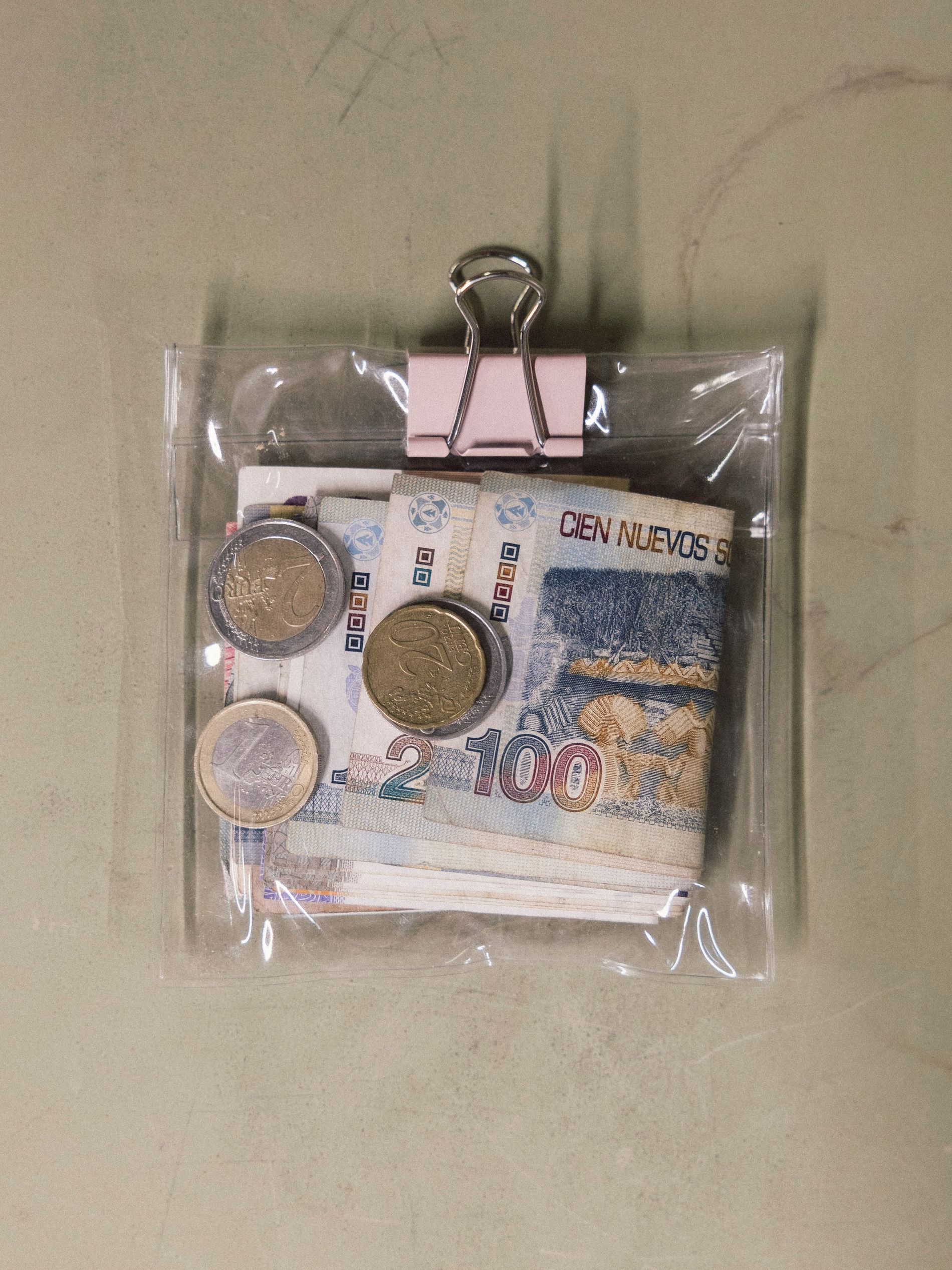
Bolivianos.
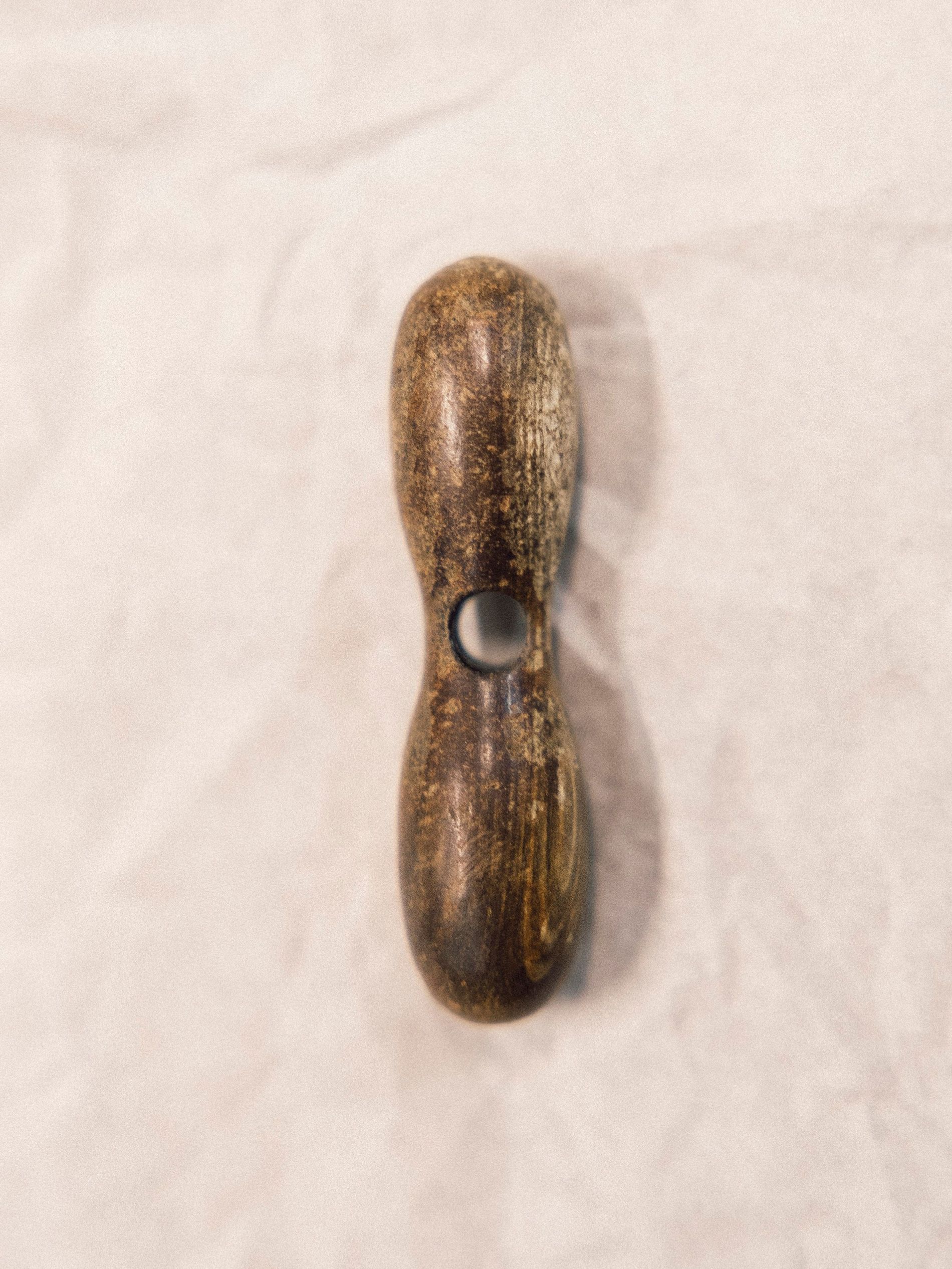
Handcut wood button .
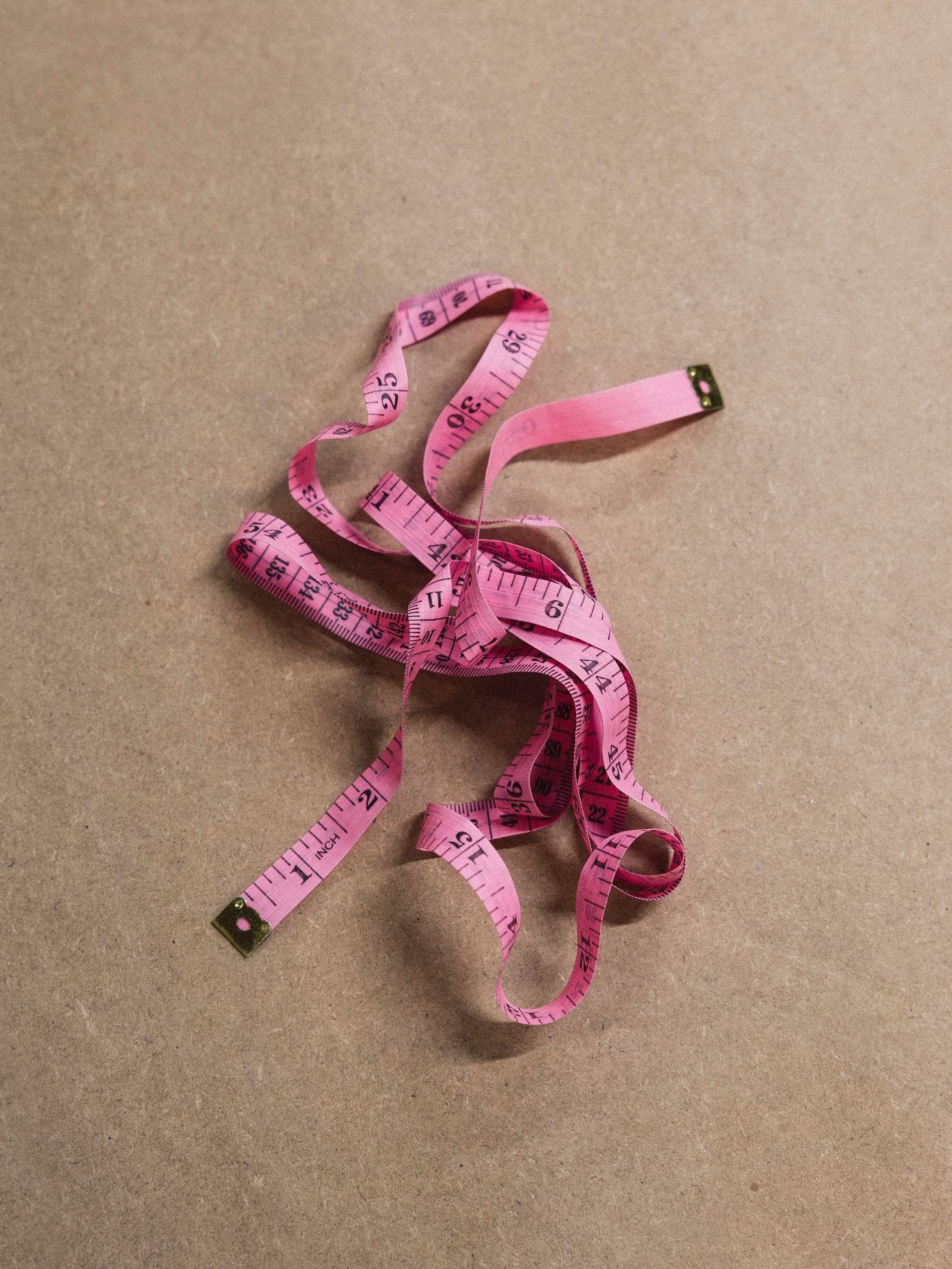
Sewing tape .
"When I started aiayu back in 2005, it wasn't part of some grand plan. It came from a feeling. A need to slow down, and create something that felt real," These gentle and reflective words come from Maria Høgh Heilmann, the label's founder and creative director. "I had spent years in fashion, but I wanted to work with my hands again, to feel the raw beauty of natural materials, and to be closer to the people who know them by heart."
The search for authenticity would take Heilmann far from Denmark – to Bolivia, a country that would become the foundation for aiayu's entire production model. "I found [what I was looking for] in Bolivia," she recalls. "The llamas, the yarns, the women who welcomed me in and shared their craft so generously. That was the beginning. Everything has grown from there, one step at a time."
I wanted to work with my hands again, to feel the raw beauty of natural materials, and to be closer to the people who know them by heart
Maria Høgh Heilmann, aiayu founder and designer
Together with the Danish International Development Agency and a pioneering local yarn manufacturer, aiayu helped launch Bolivia's first yarn factory – a milestone not only for the brand but for the local community. From that foundation came aiayu's first product: the Helen clutch, crafted using traditional hand-kitting techniques passed down by generations of Bolivian women. The bag quickly became an emblem of the label's missing: timeless design, rooted in care and craftsmanship.
Aiayu has steadily grown from this thoughtful point. In 2011, Maria Glæsel joined as CEO, bringing with her a shared passion for responsible production and a vision for scalable growth. Her leadership helped build a viable business model without compromising the integrity of the brand's values. Together, Helimann and Glæsel expanded collections to include enduring icons like the Madigan sweater, the now-signature Leonardo, and widely loved sleepwear range – all grounded in respect for material, maker, and the environment.
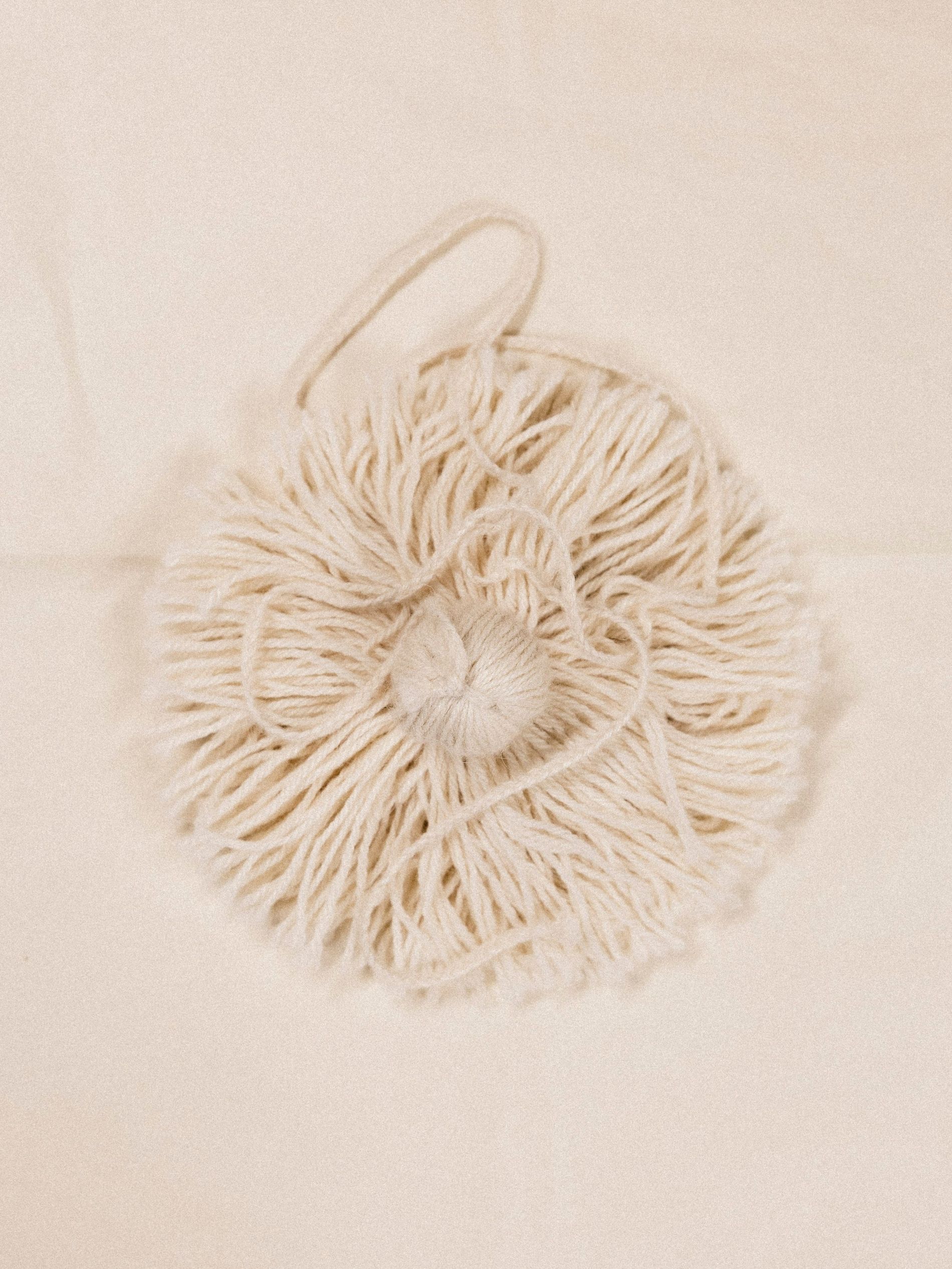
Llama tassel .
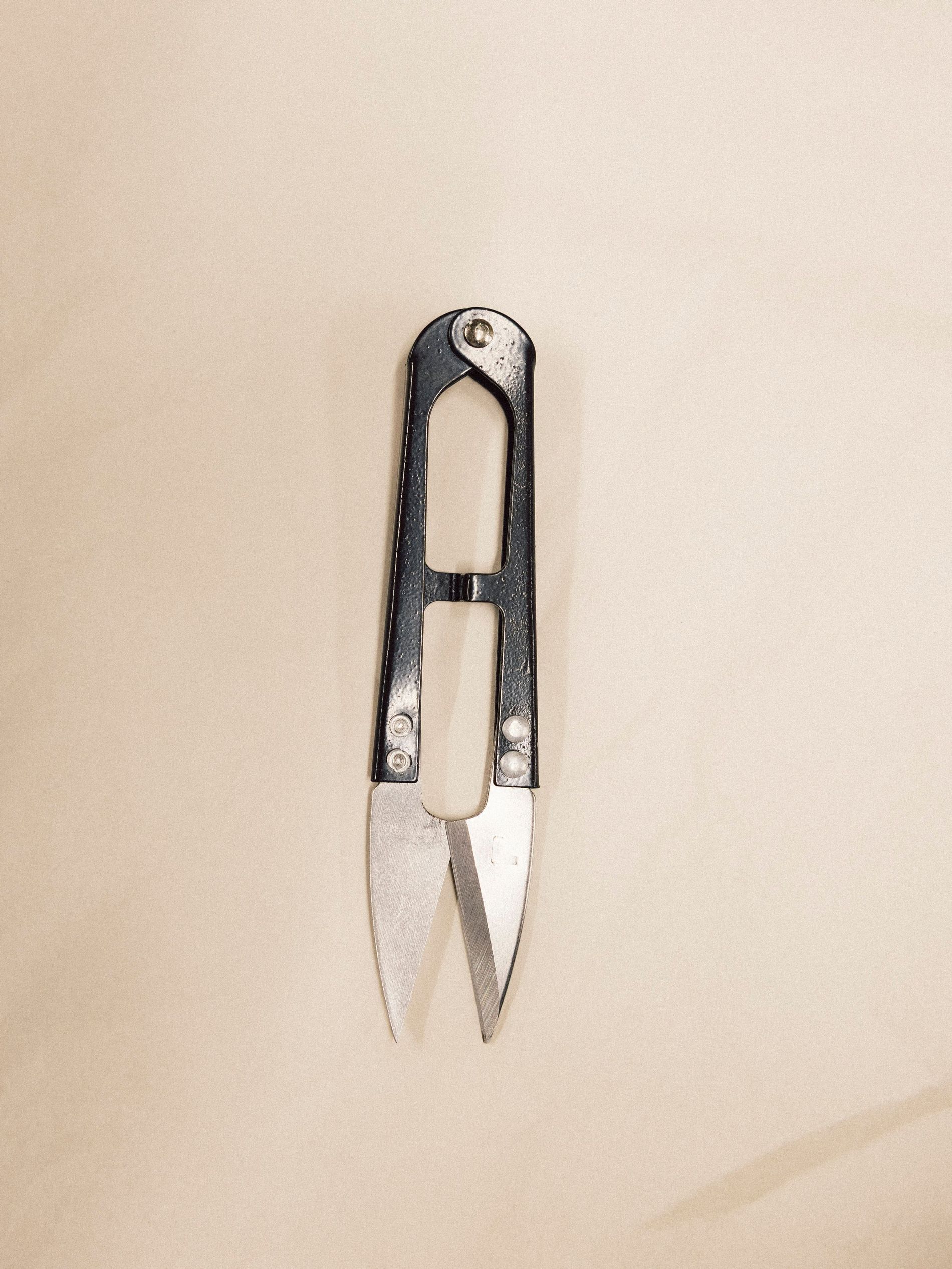
Thread snipper .
A new chapter began in 2017 with the opening of aiayu's first flagship store in Store Strandstræde, Copenhagen. This intimate, tactile space offered more than just a place to shop – it became a sensory extension of the brand's ethos, allowing customers to feel the textures, trace the stories, and connect with the artisans behind each piece.
Now, in 2025, as aiayu celebrates its 20th anniversary, it does so with a bold step forward – its very first runway presentation. Entitled 'Twenty times around the sun', the show promises to be a poetic tribute to the years that have shaped the brand and the quiet revolution it has led in the fashion industry.
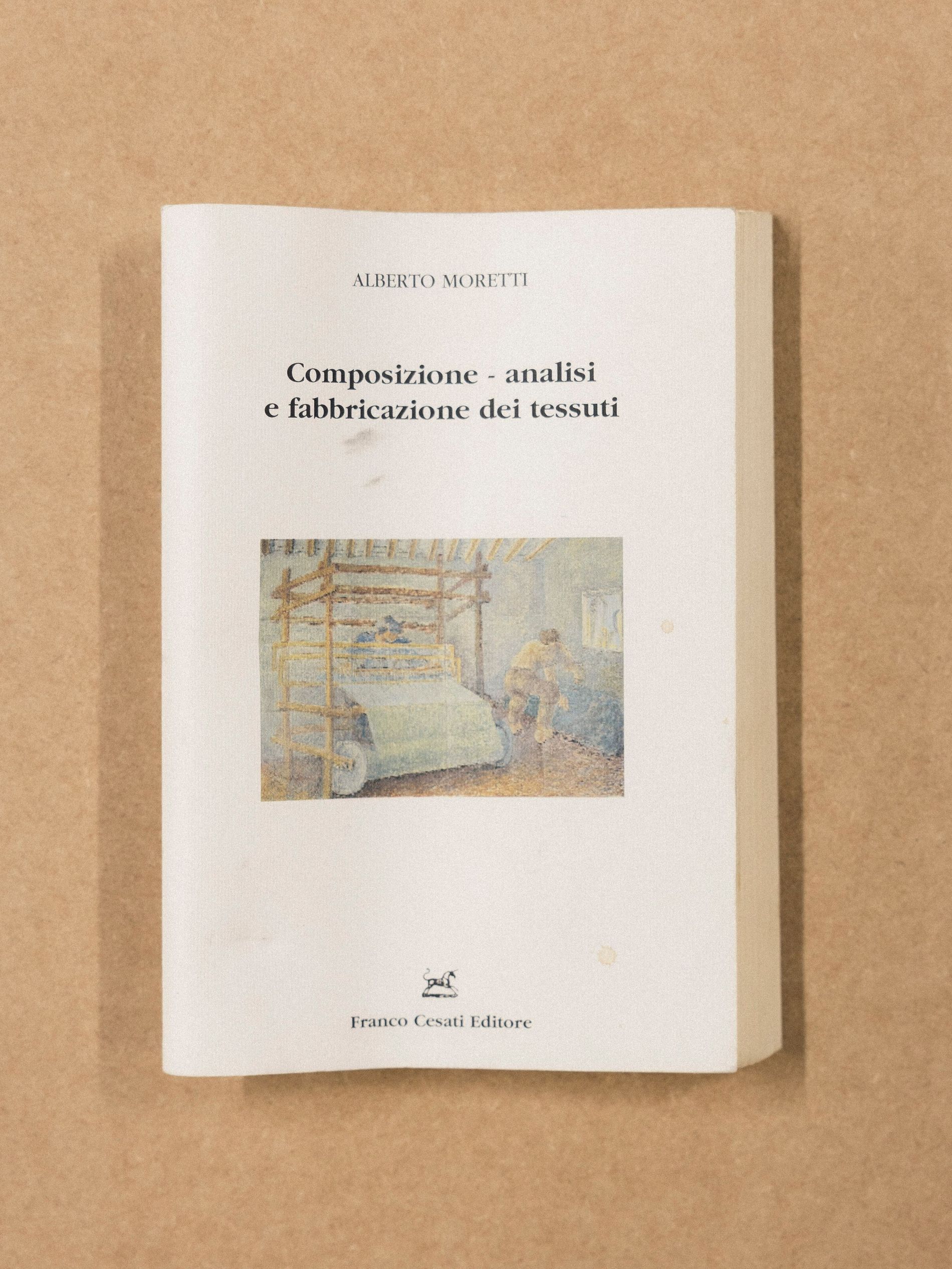
Italian weaving textbook .
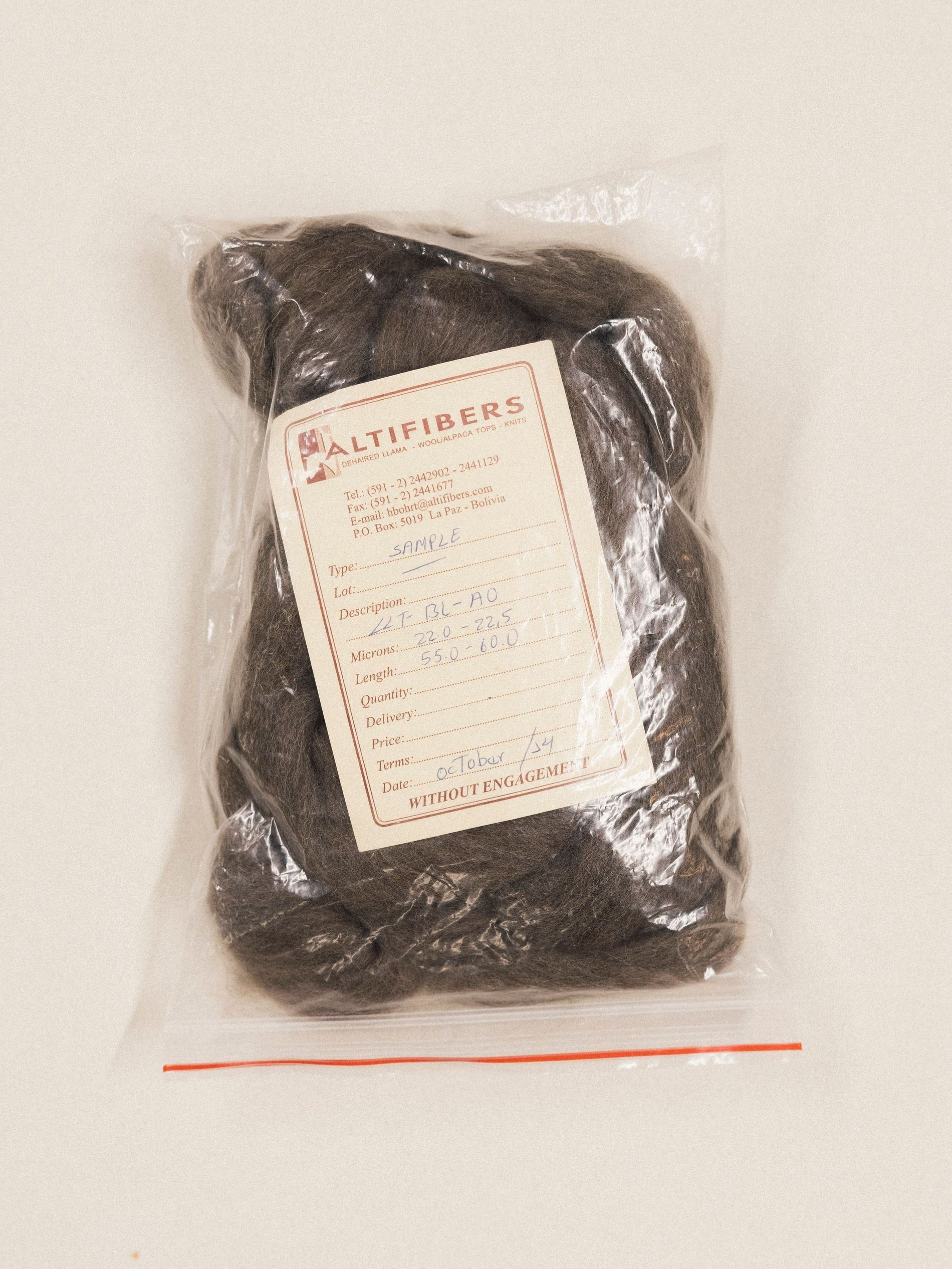
Undyed llama fibre .
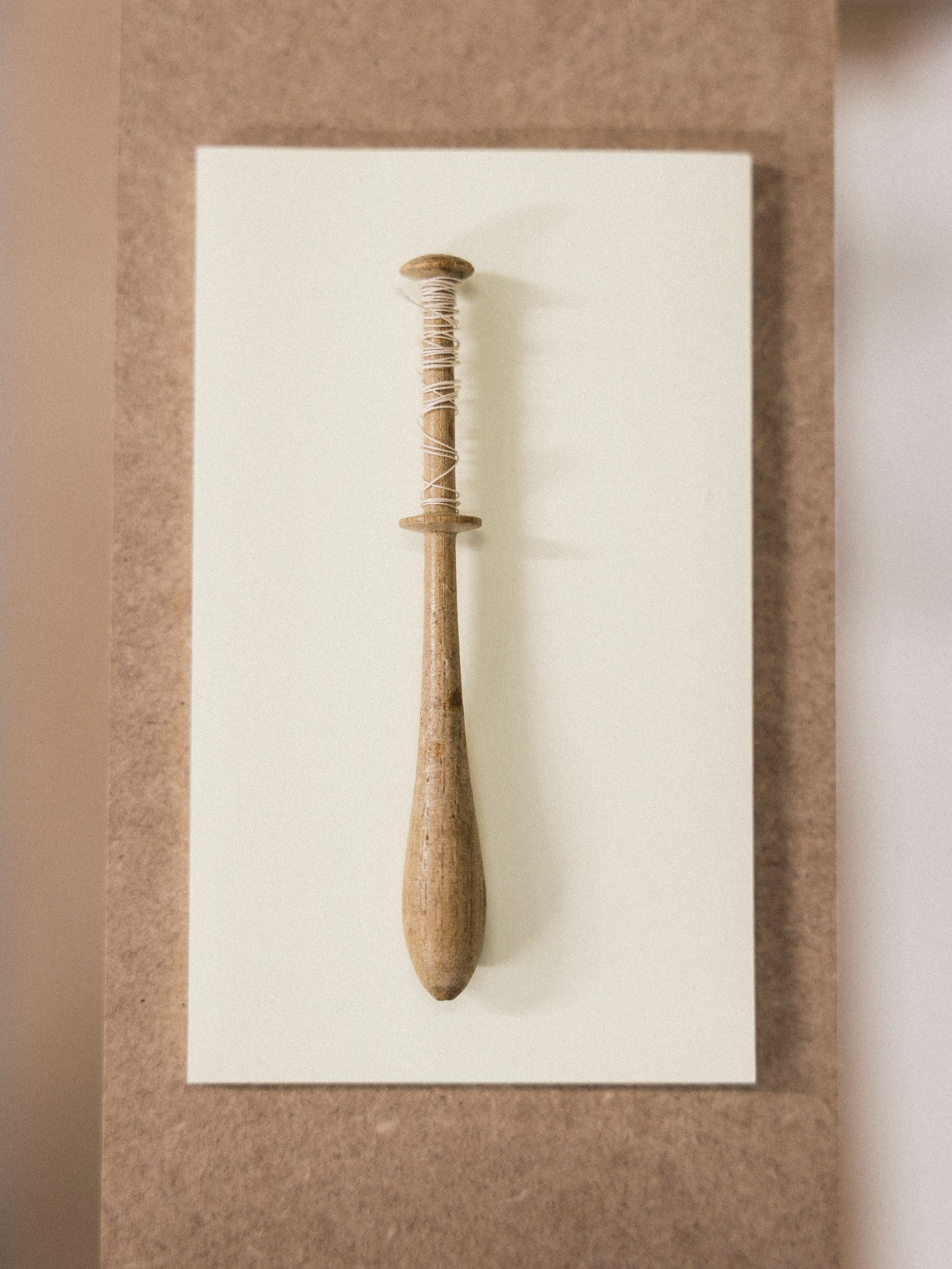
Yarn spinning tool .
We've collected more than memories," reminisces Heilmann. "In our studio, there's a shelf filled with the little things along the way. They're not fancy – just bits and pieces that mean something to us. A hand-made candleholder. A worn sewing tape. A Bolivian pom-pom. Horn buttons. They tell our story in a way words can't."
To commemorate this milestone, aiayu has carefully chosen twenty objects from this collection, one for every year of its journey. Each piece carries its own quiet symbolism – a reflection of the brand's values and the relationships it has nurtured along the way. "[We chose them] not because they're perfect, but because they remind us who we are. What we believe in. How far we've come, and why we started in the first place," states Heilmann. "This is our way of saying thank you – for being part of it."
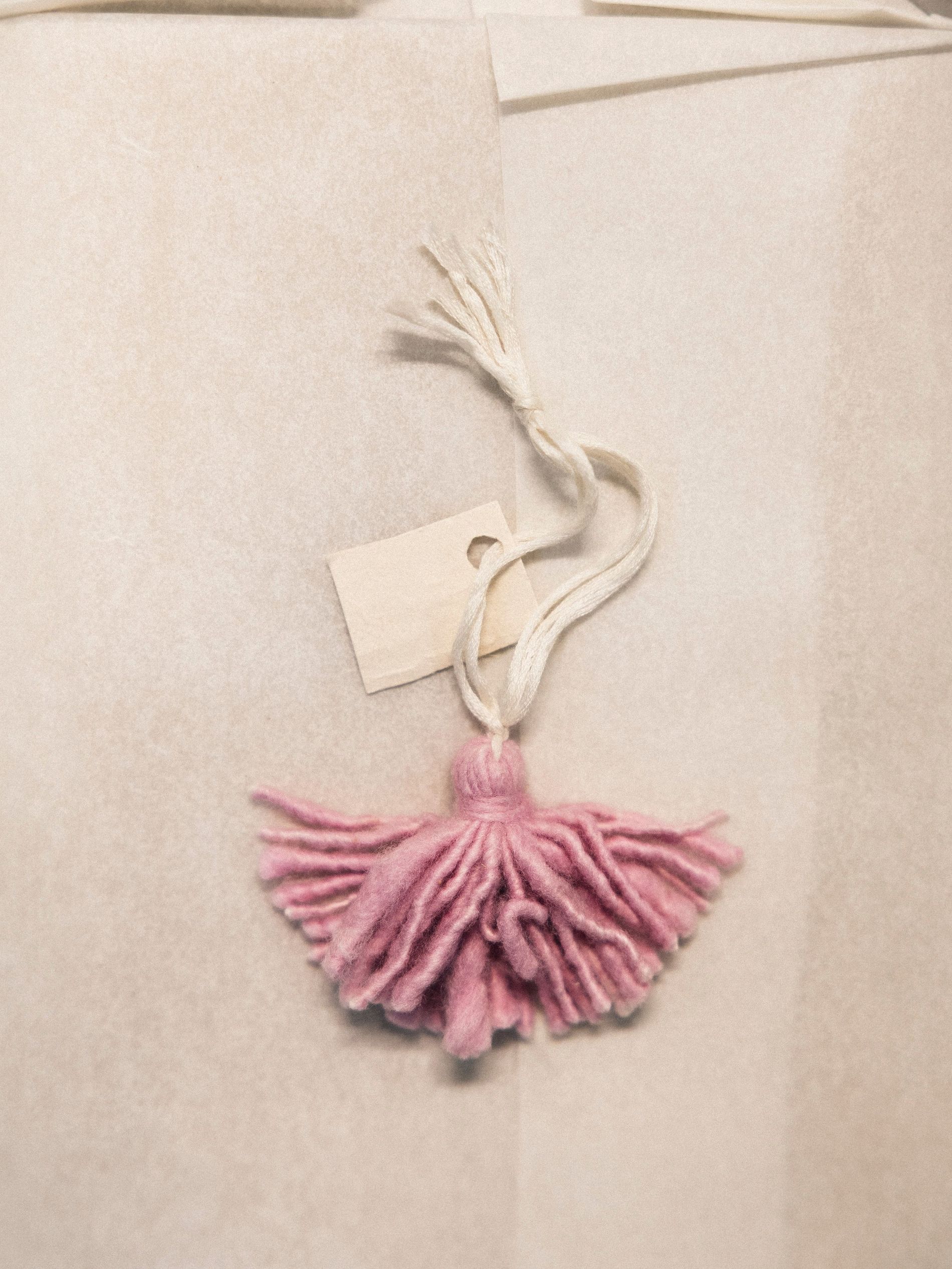
Cashmere tassel .
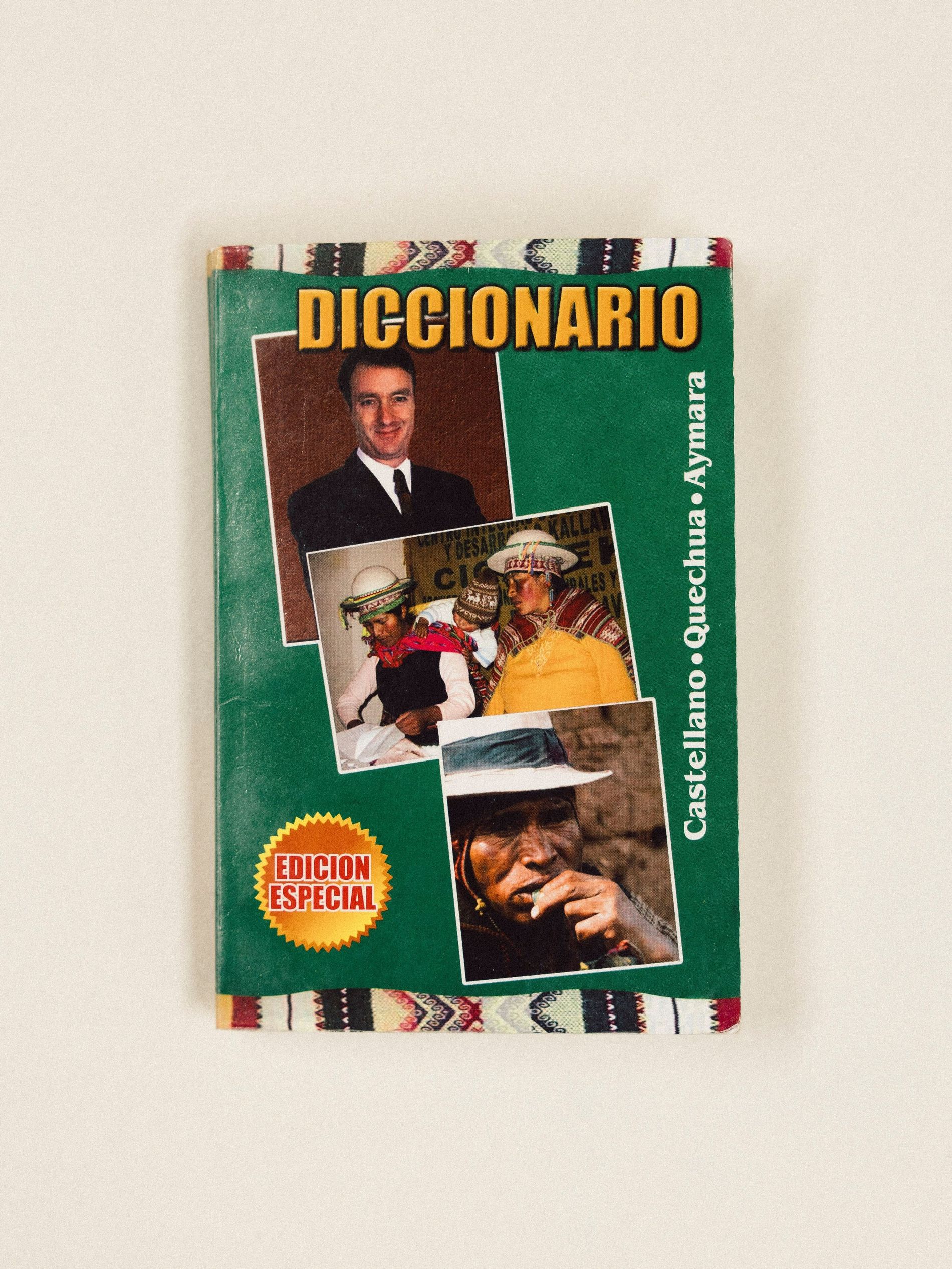
Dictionary of Spanish-Aymara .
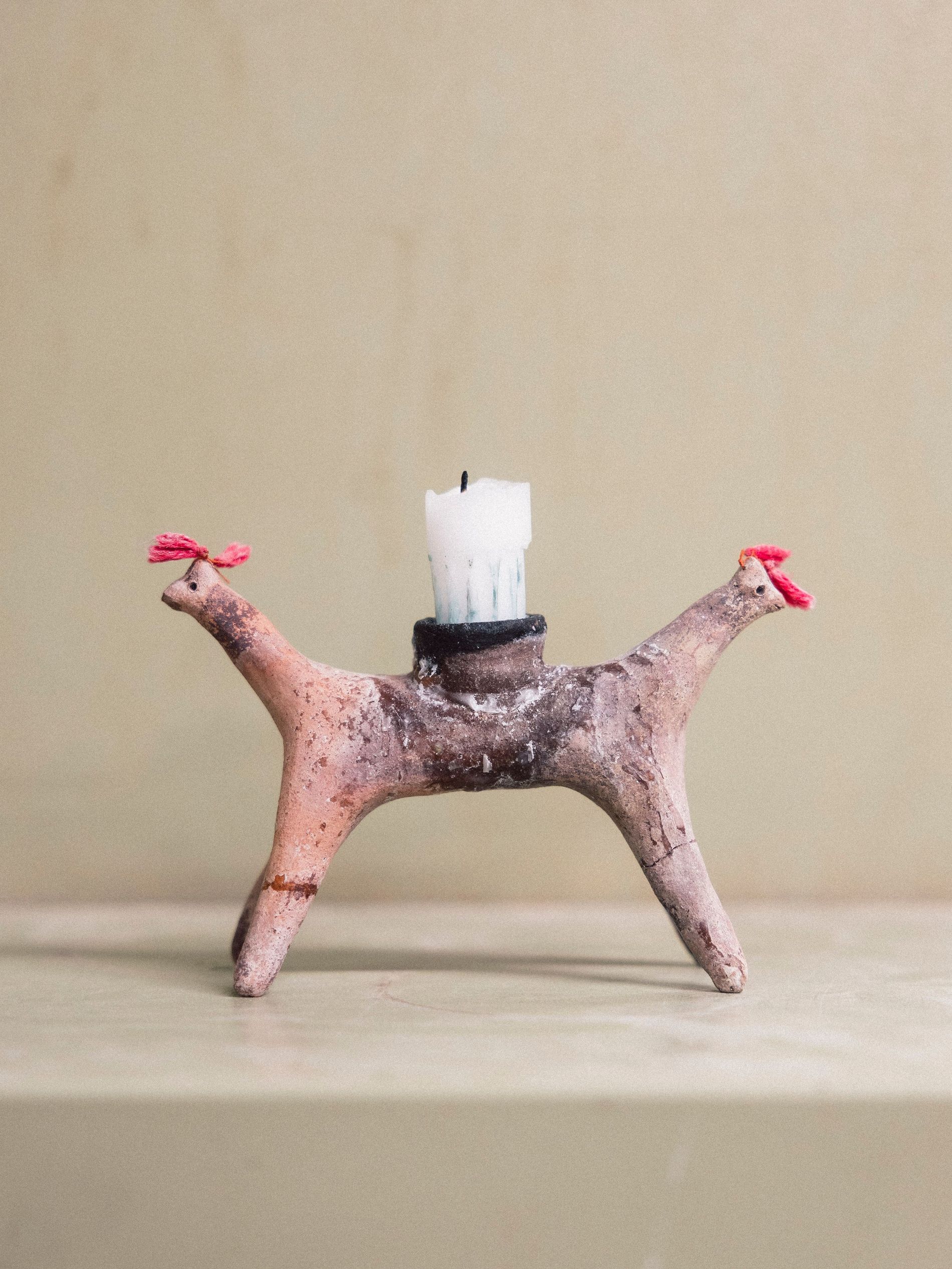
Bolivian candle holder .