
Our world is rapidly changing, and so could be the concept of luxury. At a recent panel discussion organised by Finnish tiling brand ABL-Laatat and brand and marketing agency Kauas Creative, in which Vogue Scandinavia took part, the conversation explored AI's role in design and architecture, and whether craftsmanship has become today's ultimate marker of luxury. Here, we continue the discussion with Kauas Creative COO and panel moderator Janita Suojanen and ABL-Laatat CEO, Maria Silvast, unpacking what truly cuts through the noise in today's interior and design spheres, and the role AI can play
In the age of AI, is craftsmanship the new luxury? This was the topic of discussion at a recent panel talk organised by Finnish tile specialist ABL-Laatat and brand and marketing agency Kauas Creative. Held at ABL-Laatat’s well-curated showroom housed in a lofty, century-old building in the heart of Helsinki, the event drew nearly a hundred discerning guests spanning media, architecture and interior design.
Moderated by Kauas Creative COO, Janita Suojanen, the panel featured speakers from a range of creative fields: Maiju Koskela, interior architect at Studio Puisto; Antti Olin, CEO of furniture company Made by Choice; Anna Haverinen, lead AI designer at Gofore; and myself, an editor at Vogue Scandinavia.
The panel talk’s theme is highly relevant: With the ongoing – and accelerating – AI advancements, our world is rapidly changing. And so could be the concept of luxury, which has traditionally been associated with exclusivity, wealth, rarity, and visual perfection.
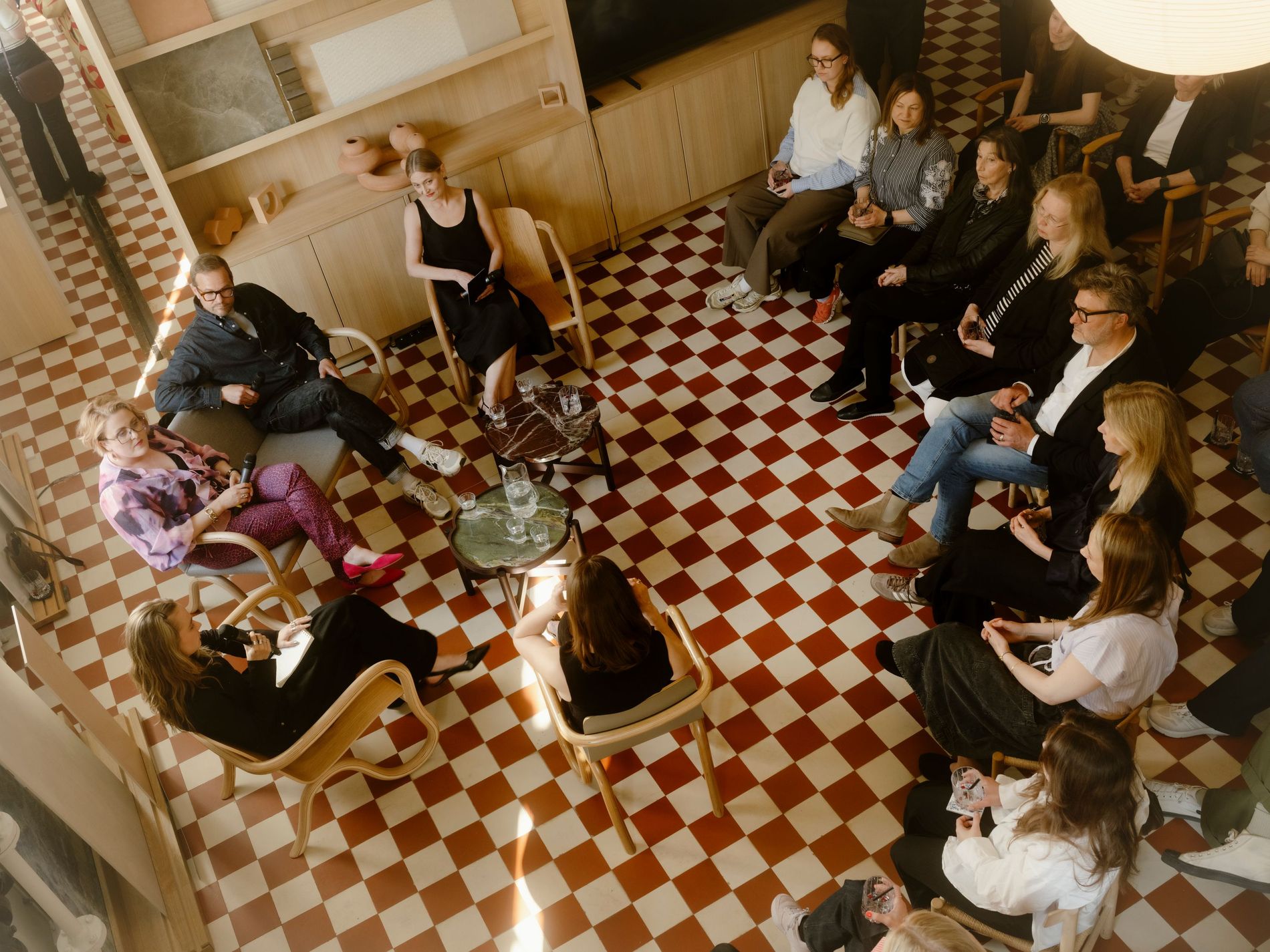
The ABL-Laatat x Kauas Creative panel discussion was held at ABL-Laatat’s beautiful Helsinki showroom, complete with over-100-year-old ceramic floor tiles. Photo: Jussi Hellsten
In fashion and design contexts, luxury has long been linked to human creativity: a haute couture dress born of hundreds of hours of intricate handwork, or a piece of furniture that harnesses the finest materials with exceptional skill. AI can feel antithetical to this idea. While it strives for perfection, it removes the time, effort, artisanship and human vision poured into creating these pieces – the very elements that justify the higher price points and exclusive status of luxury items.
For ABL-Laatat CEO Maria Silvast, luxury today is “no longer about excessive extravagance or ‘bling bling.’” “True luxury is connected to time, quality, and the feeling that something has been made with care and built to last,” she continues. “When we seek luxury, we seek materials that are made to last and that feel like they were made especially for us.”
Suojanen echoes this sentiment: “To me, luxury is certainly something rare, desirable, and emotion-evoking,” she says. “I welcome the idea that luxury is becoming something more complex than perfection, but it does have to bring pleasure and be extraordinary in one way or another – whether it’s a moment of quiet peace by the ocean or a texture you can’t help but touch.”
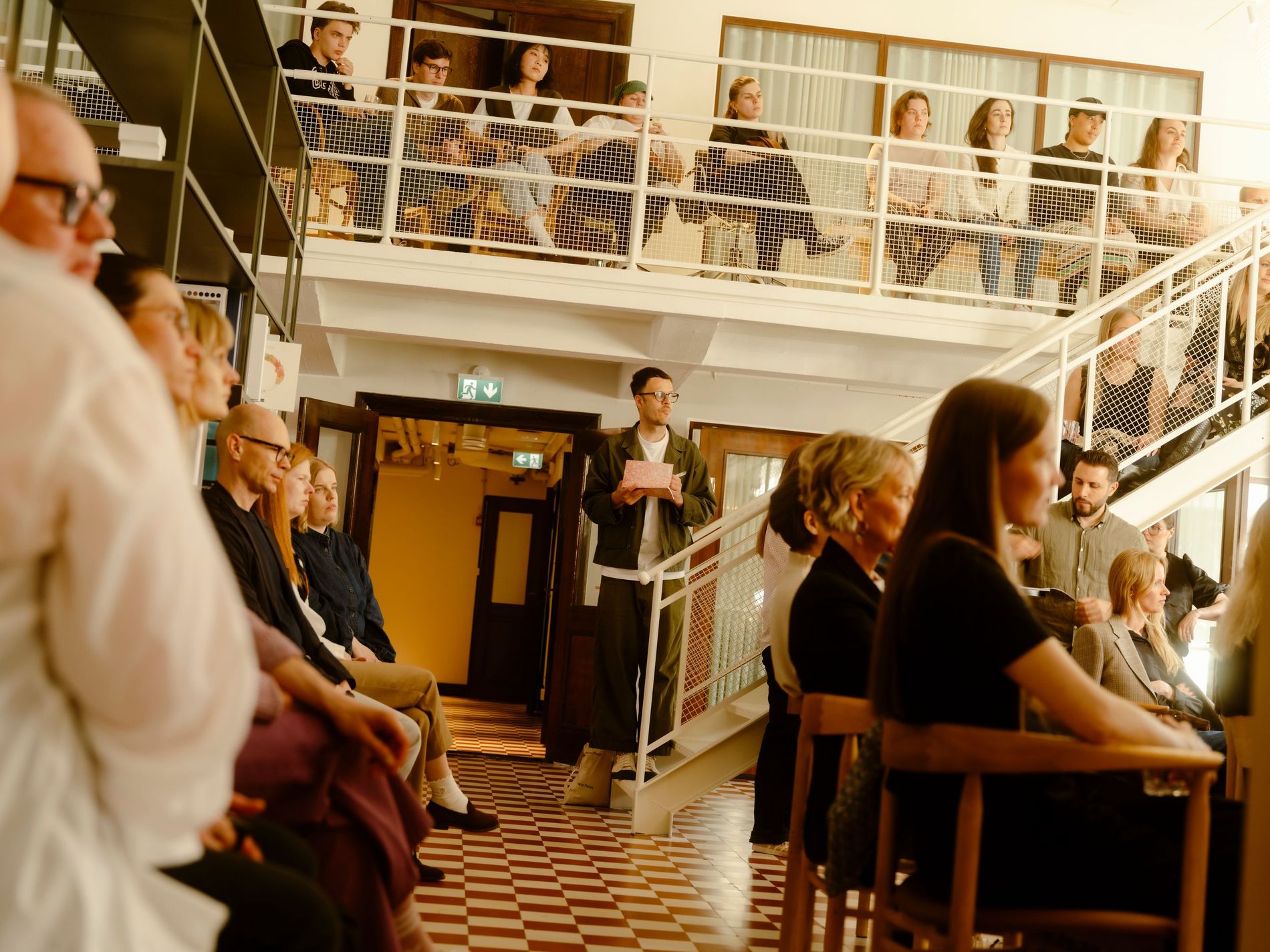
The panel discussion drew a discerning crowd of interior designers, architects and members of the media. Photo: Jussi Hellsten
In order to really use AI efficiently, we must understand its capabilities and limitations, and what needs protecting. It is not a source of truth or a master of all skills, and treating it as such is dangerous
Janita Suojanen, COO of Kauas Creative
A shared thought that emerged from our panel discussion was that, in 2026, the definition of luxury could be shifting from ownership- and materialism-focused notions to something less tangible, such as precious time spent with our loved ones or creating a life that feels truly aligned with ourselves. Given how much our surroundings shape our lived experience, design and architecture can play an important role in shaping the latter.
“I believe people today are looking for spaces where they can slow down, feel calm, feel inspired, and simply be themselves,” Silvast reflects. “In a world where we are constantly overwhelmed by content, speed, and endless digital feeds, there’s a growing desire for authenticity, touch, and permanence.”
This way of thinking is deeply embedded in ABL-Laatat’s ethos and operations. “We always think beyond individual materials and technical surfaces. A well-designed space can genuinely improve everyday life and also extend the lifespan of the space itself,” Silvast says. “Materials speak to all the senses – the way they reflect light, feel to the touch, and bring warmth and depth through natural tones and textures. Luxury often comes from these subtle details.”
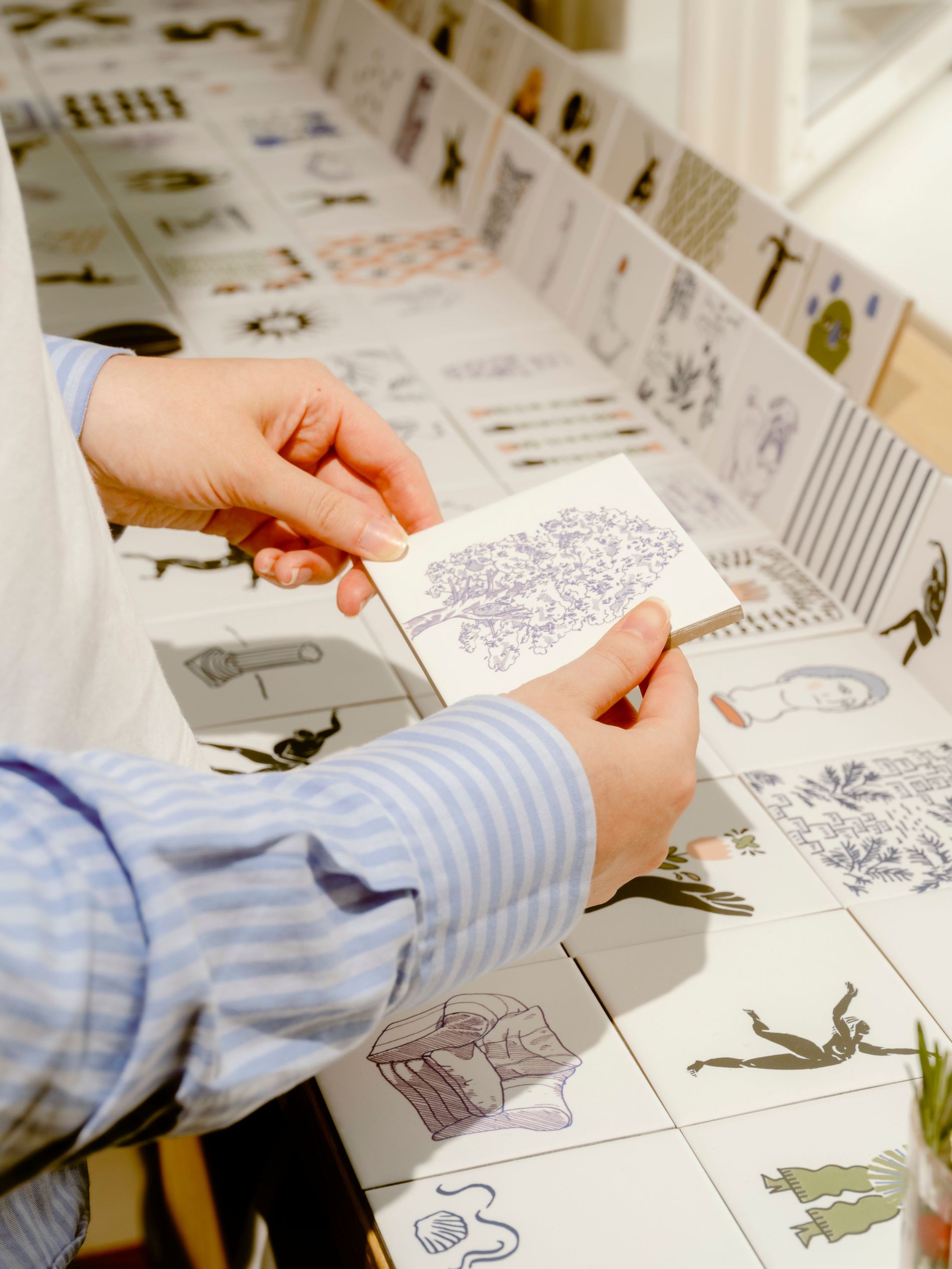
Each guest was gifted with a playful, intricately painted ceramic tile from ABL-Laatat. Photo: Jussi Hellsten
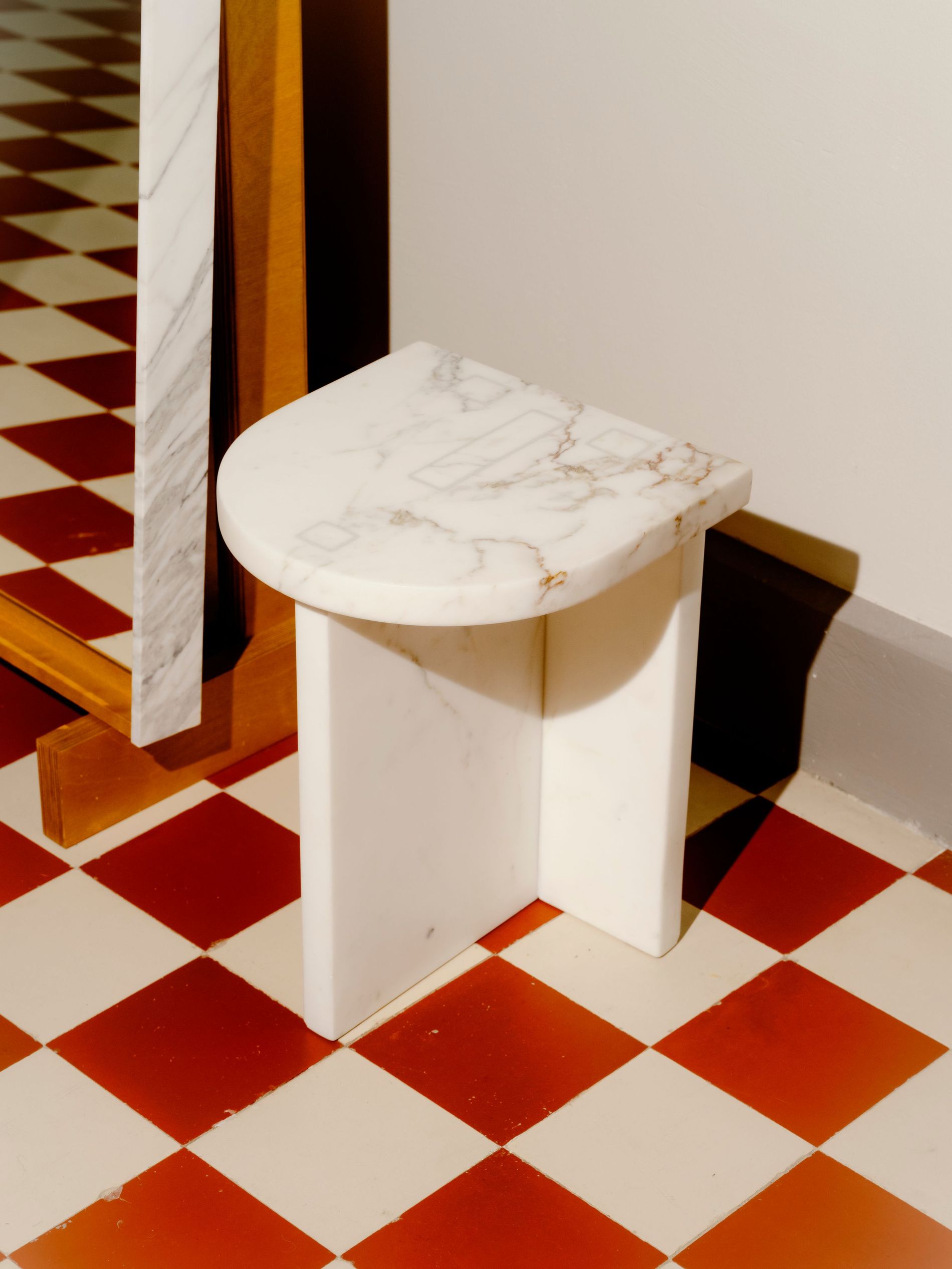
Photo: Jussi Hellsten
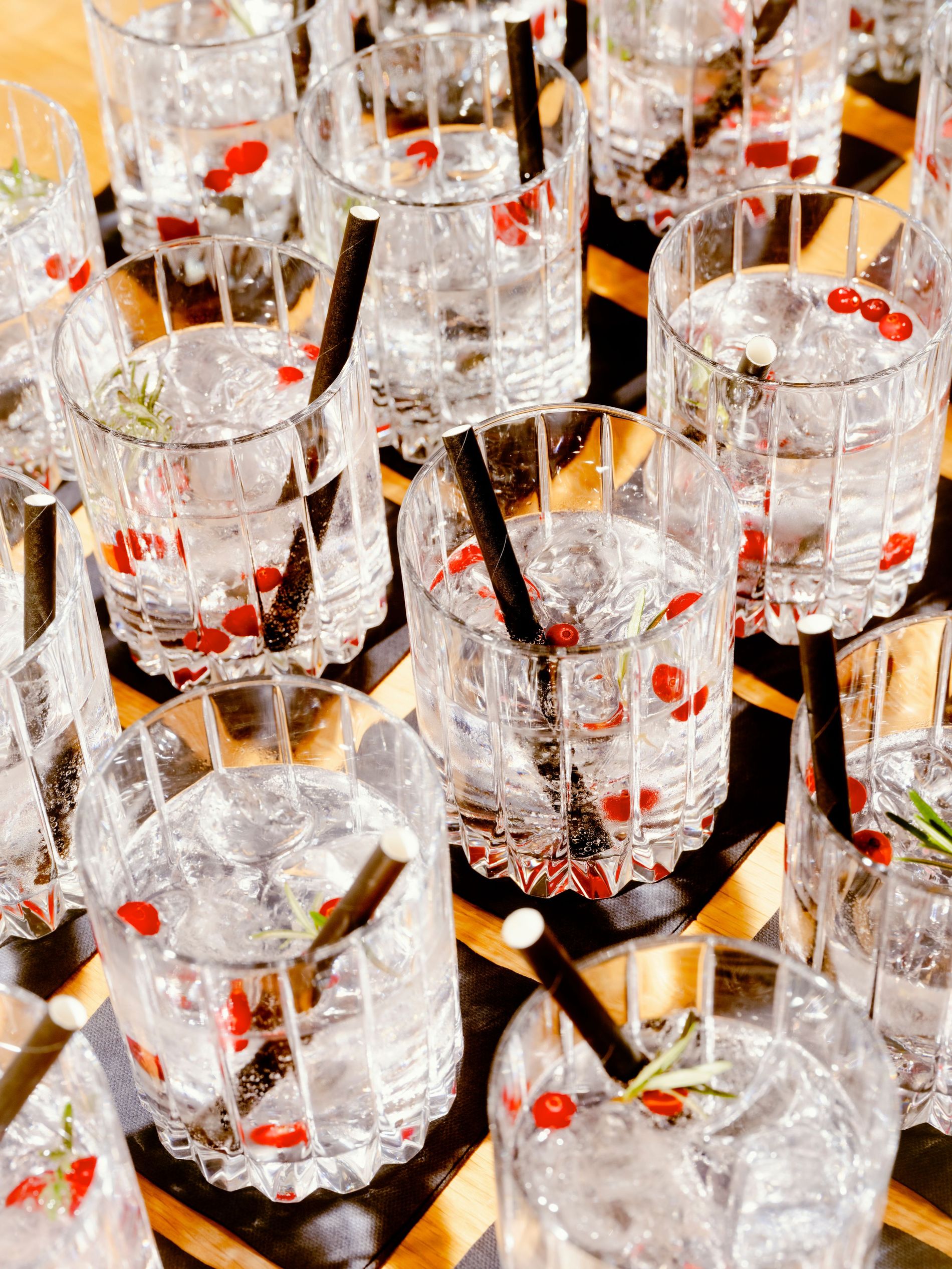
Photo: Jussi Hellsten
As for how Silvast sees AI’s part in design and achieving this sense of luxury? “We see AI as a valuable tool for handling routine work and processing data, which gives people more time for the creative and visual side of design. But in the end, we still believe that spaces should be designed by humans, for humans. AI can’t fully understand emotion, atmosphere, or the deeper needs behind how people want to live and feel in a space,” she says. “At ABL, we also believe strongly in curation. We want to personally select our materials and ensure their quality ourselves. Human expertise, intuition, and experience are still essential when creating meaningful spaces and choosing materials that truly resonate with people.”
People are no longer only looking for ‘Instagrammable’ spaces or creating pop-up style interiors designed to impress for a moment. We want environments that feel real, personal, and emotionally lasting
Maria Silvast, CEO of ABL-Laatat
The development of AI has raised a range of concerns, including fears of job replacement, the use of human artists' and creatives’ work as training data without consent, and its impact on the environment – all of which shouldn’t be dismissed. According to Suojanen, we shouldn’t be afraid of AI, but approach it critically.
“In order to really use AI efficiently, we must understand its capabilities and limitations, and what needs protecting. It is not a source of truth or a master of all skills, and treating it as such is dangerous,” she says. And, she adds, it isn’t a human. “I don’t see AI fully replacing the value of relationships, understanding cultural context and timing, or telling you whether your product sparks a strong emotion in someone and why that might be. There are plenty of areas where humans are superior to AI, and we should lean more towards those.”
In December last year, top Nordic interior designers interviewed by Vogue Scandinavia highlighted personalised, lived-in spaces as key trends defining interiors in 2026. The insight reveals something far less superficial than the first image the word ‘trend’ might spark. After all, our homes mirror the way we live and the elements we yearn to surround ourselves with. Silvast agrees: “We all need things that don’t change all the time. That’s why materials with a story, texture, and a long lifespan feel so meaningful right now,” she says. “People are no longer only looking for ‘Instagrammable’ spaces or creating pop-up style interiors designed to impress for a moment. We want environments that feel real, personal, and emotionally lasting.”
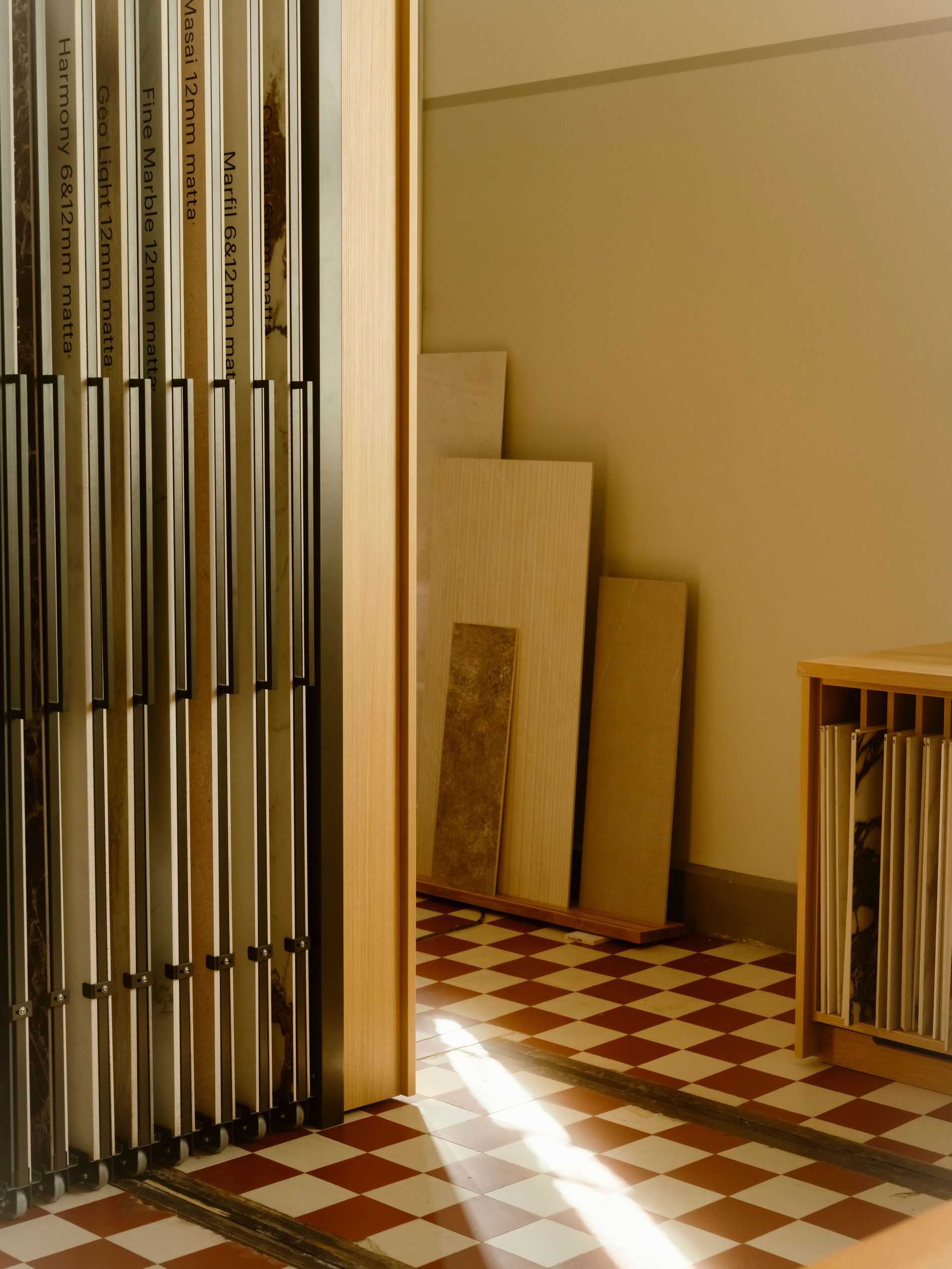
Details from ABL-Laatat's well-curated Helsinki showroom. Photo: Jussi Hellsten
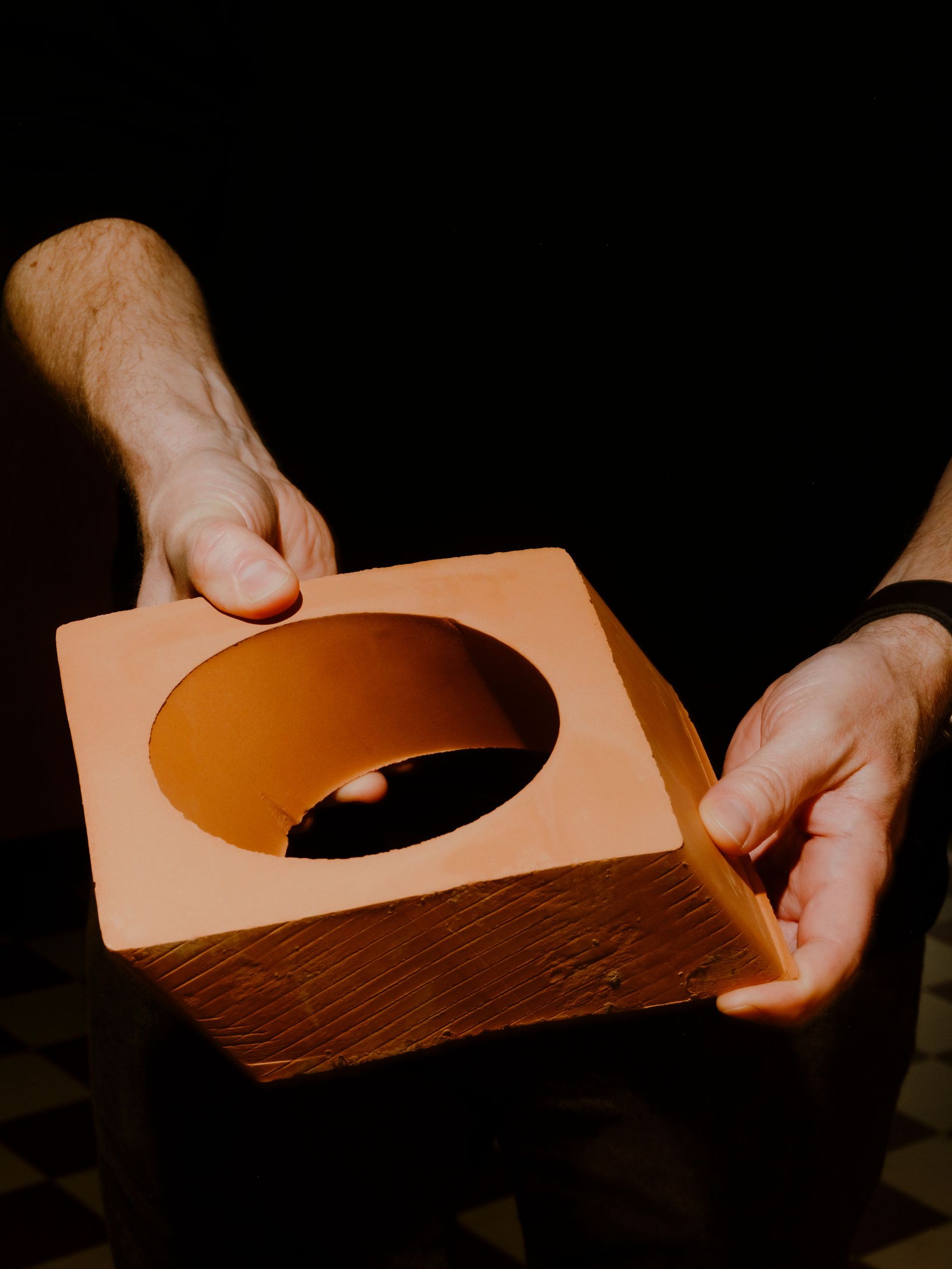
Photo: Jussi Hellsten
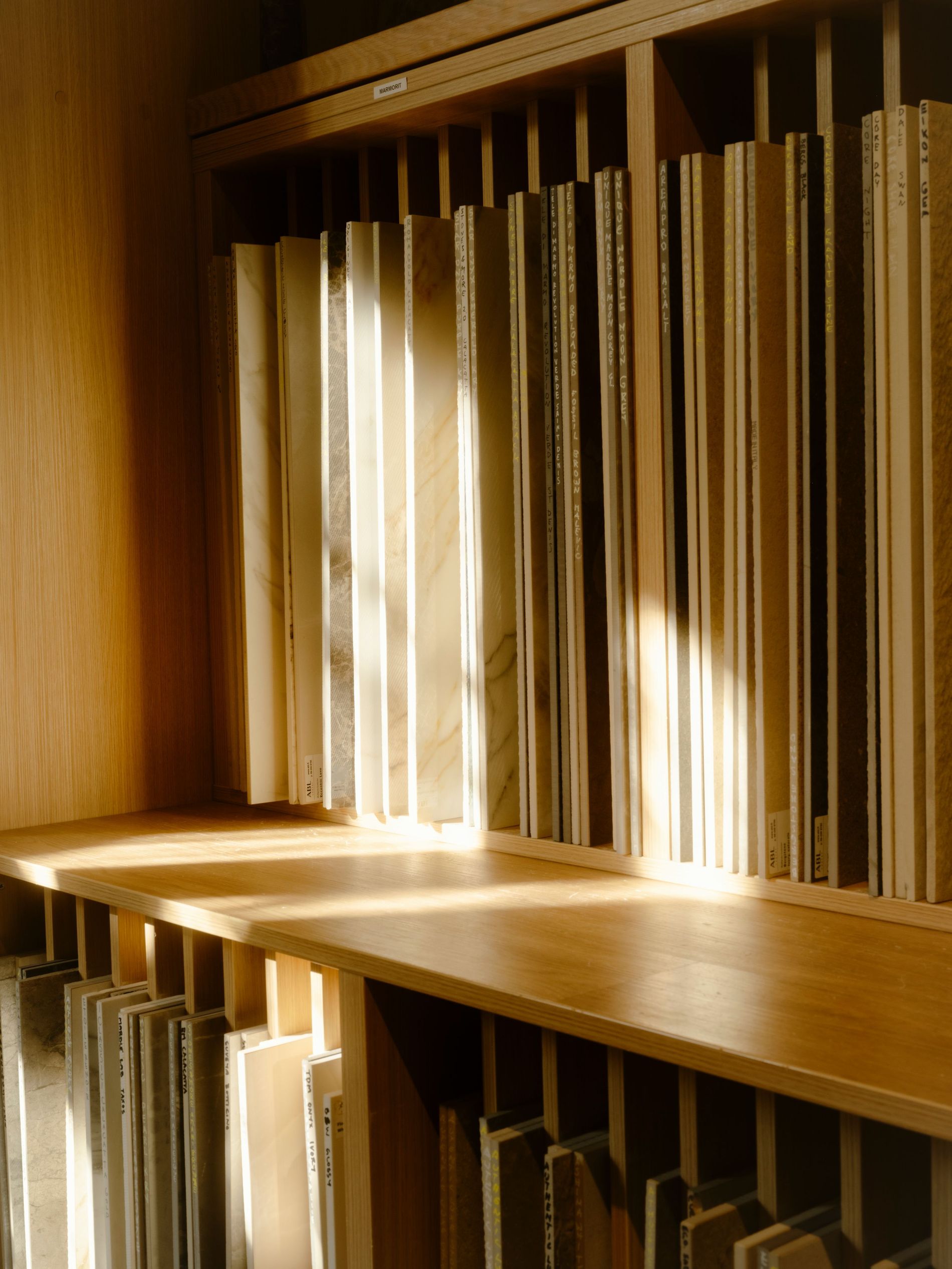
Photo: Jussi Hellsten
In a digital-first world driven by algorithms, curated online lives, and AI-generated content, individuality and authenticity increasingly cut through the noise. And while scarcity still plays a role in luxury, in 2026, exclusivity can just as well stem from originality or cultural relevance, for instance.
What Suojanen is noticing most in her industry right now is “the desire for analogue moments”. “Brands are after events, people desire community and meeting in real life. It’s not that the digital world is disappearing, I doubt it ever will. But we now seem to desire something more grounding on the side,” she notes.
Silvast concurs, adding: “When so much of life happens through screens, people naturally crave spaces and materials with real tactility and emotional depth. Handmade work brings warmth, personality, and a feeling that someone genuinely cared about the final result,” she muses. “Interestingly, people no longer expect everything to be perfectly polished. Small imperfections feel human, relatable, and authentic – that’s exactly where the beauty of craftsmanship lies.”